Mastering how to take sharp macro shots of flowers opens a gateway to capturing breathtaking details and intricate textures that are often invisible to the naked eye. This photographic style transforms everyday blooms into mesmerizing works of art, revealing their delicate structures and vibrant colors with exceptional clarity. Whether you are an amateur enthusiast or a professional photographer, understanding the essential techniques and equipment can elevate your floral macro photography to new heights.
From selecting the right gear and optimizing camera settings to employing advanced focusing techniques and effective lighting strategies, each element plays a vital role in achieving crisp, captivating images. Proper composition and thoughtful post-processing further enhance your results, ensuring your floral captures are both sharp and aesthetically compelling. This comprehensive guide aims to equip you with the knowledge needed to produce stunning macro flower photographs that truly stand out.
Equipment Needed for Sharp Macro Flower Shots

Capturing crisp and detailed macro images of flowers requires the right combination of camera gear and accessories. The selection of equipment significantly influences the clarity, depth of field, and overall quality of the shots. Investing in appropriate tools ensures that each petal’s delicate textures, vibrant colors, and intricate structures are captured with precision and brilliance.
Understanding the essential equipment and accessories is vital for both beginner and experienced photographers aiming to master macro floral photography. The right gear not only enhances image sharpness but also provides versatility in different shooting conditions, enabling the photographer to focus on composition and artistic expression while relying on reliable technical support.
Essential Camera Gear for Macro Flower Photography
Macro photography demands specialized equipment to achieve high magnification and excellent detail. The core gear includes macro lenses, extension tubes, and lighting accessories. Each piece plays a crucial role in optimizing image quality and allowing for creative control over focus and exposure.
| Gear Type | Features | Recommended Brands |
|---|---|---|
| Macro Lenses | High magnification (1:1 ratio), sharp optics, fast autofocus, durable build quality. | Canon EF 100mm f/2.8L Macro IS USM, Nikon AF-S VR Micro-Nikkor 105mm f/2.8G IF-ED, Sony FE 90mm f/2.8 Macro G OSS |
| Extension Tubes | Increases magnification without changing lenses, lightweight, easy to attach, affordable. | Kenko Extension Tubes, Vello Extension Tubes, Canon Extenders (for compatible lenses) |
| Ring Flashes | Provides even lighting around the subject, reduces shadows, enhances color vibrancy, ideal for close-up shots. | Kenko Kenco Ring Flash, Godox R1 Round Head Macro Flash, Meike MK-RF01 |
Accessories for Enhanced Macro Flower Photography
Complementary accessories are essential for achieving the highest image quality and ease of shooting. These tools help stabilize the camera, control focus, and improve lighting conditions, especially when working at high magnifications where even slight movements can affect sharpness.
Tripods and Stabilizers: Reliable tripods with adjustable heights ensure stability during long exposures or focus stacking sessions. Consider models with flexible arms for precise positioning around delicate flowers.
Remote Shutters or Intervalometers: Minimize camera shake by enabling remote shutter release, crucial for sharp images, especially at slow shutter speeds or with high magnification.
Focus Stacking Tools: Software or dedicated focus stacking rails allow stacking multiple images with different focus points, resulting in a deep depth of field that captures every petal detail crisply.
| Accessory Type | Features | Recommended Brands |
|---|---|---|
| Tripods | Sturdy construction, lightweight, adjustable height, flexible head joints. | Manfrotto MT055CXPRO4, Benro Aero 4, Gitzo Series 1 Traveler |
| Remote Shutters | Wireless or wired, compatibility with the camera model, easy to operate. | Canon RC-6, Nikon ML-L3, Vello FreeWave |
| Focus Stacking Tools | Automated or manual stacking, compatibility with popular editing software, precision control. | Helicon Focus, Adobe Photoshop (built-in stacking feature), DLSR Focus Stacking Rail |
Camera Settings and Optimization
Achieving sharp macro photographs of flowers hinges significantly on selecting and fine-tuning the appropriate camera settings. Proper optimization of aperture, ISO, shutter speed, and focusing techniques ensures that every intricate detail of the flower is captured with clarity and precision. Mastering these parameters allows photographers to overcome the challenges of macro photography, such as shallow depth of field and motion blur, resulting in stunning and well-detailed images.
Optimizing camera settings involves understanding the interplay between exposure, depth of field, and focus accuracy. It is essential to balance these elements to highlight the delicate features of flowers while maintaining sharpness across the image. Proper setting adjustments are especially crucial when working in varying lighting conditions or when attempting to freeze minute movements caused by wind or camera shake.
Aperture Settings for Maximum Sharpness and Depth of Field
The aperture setting directly influences the depth of field and overall sharpness in macro flower photography. A narrower aperture (higher f-number) increases the depth of field, allowing more of the flower to be in focus. However, extremely narrow apertures can introduce diffraction, reducing overall sharpness. Conversely, a wider aperture (lower f-number) creates a pleasing background blur but limits the depth of field, which might result in only part of the flower being sharp.
Optimal aperture choices typically range between
f/8 to f/16
. This range balances sufficient depth of field with minimal diffraction effects, ensuring fine details such as petal veins and stamen are crisp. Depending on the flower’s size and the camera’s sensor, slight adjustments within this range can help achieve the best results. For instance, when photographing a small daisy, an aperture of around f/11 often provides a good compromise between focus and background softness.
ISO and Shutter Speed Combinations for Macro Flower Photography
Proper ISO and shutter speed settings are critical to capturing sharp, well-exposed macro images. In general, a low ISO (such as ISO 100 or 200) minimizes digital noise and preserves fine detail. It is advisable to keep ISO as low as possible, especially when lighting conditions permit. When lighting is less ideal, increasing ISO slightly can allow faster shutter speeds while maintaining proper exposure.
To prevent motion blur and ensure crisp images, shutter speeds should be fast enough to freeze camera shake and wind movement. As a rule of thumb, a shutter speed of at least 1/250s is recommended for handheld macro shots. In cases of windy conditions or when using a slower shutter speed, a tripod becomes essential. Combining a low ISO with a shutter speed of 1/250s or faster helps to capture sharp, detailed flower images in most situations.
Manual Focusing versus Autofocus
Choosing between manual focus and autofocus in macro photography depends on the desired level of control and the specific shooting scenario. Manual focusing offers precise control over the focus point, which is particularly advantageous when working with shallow depth of field or intricate details. It allows the photographer to fine-tune focus on specific parts of the flower, such as the stamens or petal edges, ensuring critical sharpness in the desired area.
Autofocus, especially modern contrast-detection or phase-detection systems, can be effective when the camera’s focus points are accurately targeted. However, in macro photography, autofocus can sometimes struggle with the narrow depth of field and low contrast areas. To improve autofocus accuracy, it is recommended to use single-point focus mode, focus peaking (if available), or focus lock techniques. For ultimate precision, many photographers prefer manual focusing, especially when using a tripod and live view with focus magnification.
Comparison of Camera Settings and Their Effects on Image Sharpness
| Setting | Optimal Range/Value | Effect on Sharpness | Additional Notes |
|---|---|---|---|
| Aperture | f/8 to f/16 | Balances depth of field with diffraction; narrower apertures increase sharpness across the flower | Experiment within this range based on flower size and background |
| ISO | 100 – 400 | Lower ISO reduces noise, preserving fine details; higher ISO introduces grain, reducing sharpness | Adjust based on lighting; preferred to keep ISO low |
| Shutter Speed | 1/250s or faster | Freezes motion, prevents blur caused by wind or camera shake | Use tripod for slower speeds in low light |
| Focus Mode | Manual focus or single-point autofocus | Manual focus provides greater control; autofocus can be effective with precise point selection | Use focus peaking or magnified view for accuracy |
Techniques for Achieving Sharpness in Macro Shots
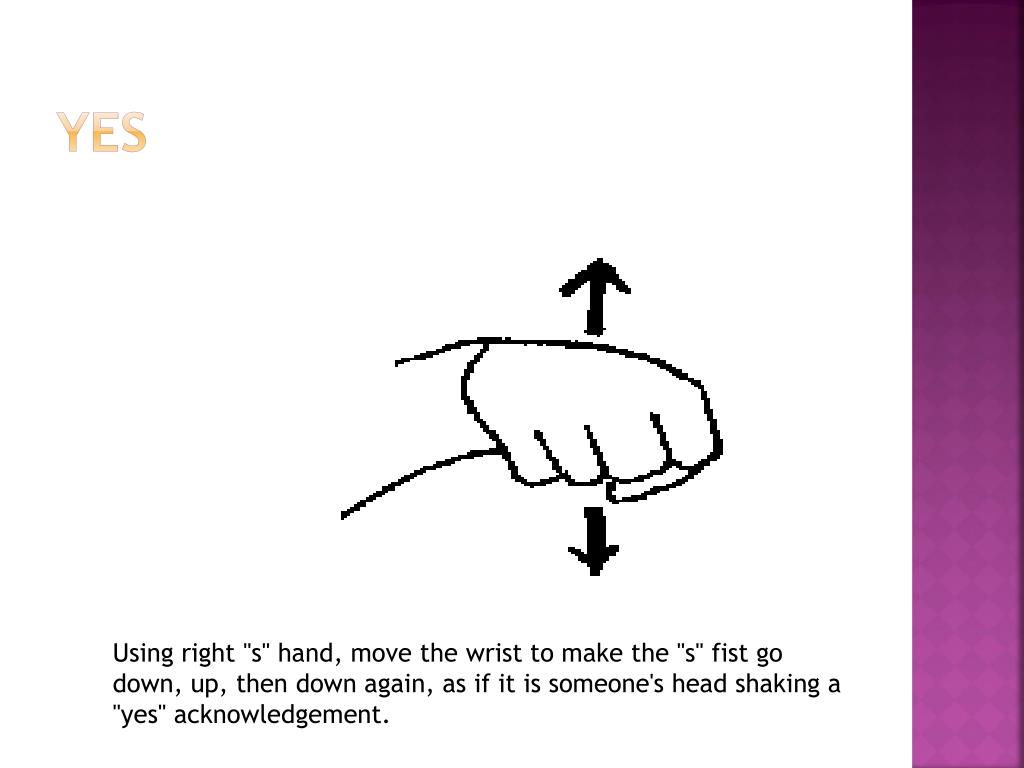
Achieving optimal sharpness in macro flower photography is essential to capturing the intricate details and vibrant textures that make flowers captivating subjects. While selecting the right equipment and adjusting camera settings are foundational steps, employing specific techniques to enhance focus and stability significantly elevates the quality of your images. These methods enable photographers to overcome challenges posed by shallow depth of field and camera movement, resulting in crisp, detailed shots that truly showcase the beauty of floral subjects.Ensuring maximum sharpness involves a combination of precise focusing methods, camera stabilization, and advanced focusing aids.
Understanding and applying these techniques can transform average macro shots into professional-quality images, allowing the delicate nuances of flowers to be vividly preserved and appreciated.
Focus Stacking for Enhanced Depth of Field
Focus stacking is a powerful technique used to extend the depth of field in macro photography, where the limited focus range often results in only a small part of the subject being sharp. By capturing multiple images at different focus points and merging them in post-processing, photographers can produce a final image with exceptional depth and detail. This method is particularly beneficial for flowers, where the entire blossom—from the foreground petals to the background stamens—needs to be in sharp focus.The process involves systematically adjusting the focus point for each shot, ensuring that every critical area of the flower is in focus in at least one frame.
During editing, specialized software combines these images, selecting the sharpest parts from each to create a seamless, fully focused composite. Focus stacking is especially valuable when photographing complex floral structures, where a single shot cannot encompass the full depth of the subject.
Stabilizing the Camera: Tripod Placement and Image Stabilization
Stability is fundamental to achieving sharp macro images, as even minor camera movements can lead to blurring. Proper tripod placement and effective use of image stabilization features significantly reduce the risk of motion blur. Positioning the tripod on a stable, level surface ensures minimal movement during exposure. Locking the tripod legs firmly and using a remote shutter release or timer minimizes vibrations caused by pressing the shutter button.
For added stability, weight can be added to the tripod’s center column or legs. Many modern cameras and lenses include image stabilization (IS) or vibration reduction (VR) features, which compensate for minor hand movements, especially useful when shooting in less ideal conditions or at longer focal lengths. Combining tripod stability with in-camera stabilization techniques maximizes image sharpness, providing a steady foundation for capturing intricate floral details.
Utilizing Focus Peaking and Live View Magnification for Precise Focusing
Achieving pinpoint focus in macro photography demands accuracy, which is facilitated by advanced focusing aids such as focus peaking and live view magnification. Focus peaking highlights the areas of maximum focus with a colored overlay, allowing photographers to quickly identify sharp regions directly on the live image. This feature is invaluable when working at high magnifications, where traditional autofocus may struggle or be too slow.Live view magnification involves digitally enlarging a specific section of the image on the camera’s LCD screen, enabling precise manual focus adjustments.
By zooming into the flower’s critical areas—such as petal edges or reproductive structures—photographers can meticulously fine-tune focus to ensure maximum sharpness.Employing these tools in tandem ensures that focus is accurately placed on the most critical parts of the floral subject, resulting in images that are crisp from foreground to background in the desired areas.
Step-by-Step Procedures for Capturing Multiple Images for Focus Stacking
Implementing focus stacking requires a systematic approach to capturing a series of images at varying focus points. The following steps Artikel a reliable method for achieving seamless focus stacks:
- Set up the camera on a stable tripod in a well-lit environment, ensuring the flower is positioned correctly within the frame.
- Switch to manual focus mode to prevent autofocus from shifting between shots.
- Activate live view and use focus peaking or magnification to identify the starting focus point, typically at the closest part of the flower.
- Begin by focusing on the nearest point of the subject, then take the first shot.
- Incrementally adjust the focus slightly deeper into the flower’s depth—either by turning the focus ring manually or using autofocus with focus lock—ensuring overlapping focus zones for seamless merging.
- Capture a series of images, each with focus shifted gradually from front to back, covering the entire depth of the flower.
- Ensure consistent framing and exposure settings throughout the series to facilitate smooth stacking during post-processing.
- Review the captured images to confirm complete coverage of the critical focus areas before proceeding to merge them using dedicated stacking software.
This methodical approach guarantees comprehensive focus coverage, resulting in high-quality, fully detailed macro flower images that reveal every subtle nuance of your floral subjects.
Lighting Strategies for Clear and Sharp Flower Images
Effective lighting is fundamental to capturing detailed and vibrant macro flower photographs. Proper manipulation of light sources, whether natural or artificial, ensures that the intricate textures and subtle color variations of flowers are rendered with clarity and precision. By understanding how to optimize lighting conditions, photographers can significantly enhance the sharpness and overall quality of their macro shots, revealing the delicate beauty hidden within each blossom.
Achieving optimal lighting involves not only harnessing available sunlight but also employing additional tools and techniques to control shadows, highlights, and contrast. These strategies help to eliminate unwanted glare, emphasize fine textures, and produce images with remarkable clarity. Whether working outdoors or in a controlled studio environment, mastering lighting manipulation is crucial for producing professional-grade macro flower photographs.
Natural Light Conditions and Sunlight Manipulation
The quality of natural light plays a vital role in macro flower photography. Overcast days provide diffused light that softens shadows and reduces harsh contrasts, making it ideal for capturing fine details. Conversely, direct sunlight creates bright highlights and deep shadows, which can obscure textures or lead to overexposure. To harness natural sunlight effectively, photographers should time their shoots during the golden hours—shortly after sunrise or before sunset—when the light is warm and diffused, enhancing color richness and texture visibility.
Manipulating sunlight involves using physical modifiers such as reflectors and diffusers to control its intensity and direction. Reflectors bounce sunlight onto shaded areas, filling in shadows and enhancing detail visibility, while diffusers soften direct sunlight, reducing harsh contrasts. Adjusting the angle of shooting relative to the sun can also help in achieving the desired lighting effect, emphasizing intricate petal patterns and fine hairs without creating distracting glare or shadows.
Use of Diffusers, Reflectors, and Artificial Lighting
Supplementing natural light with diffusers, reflectors, or artificial lighting sources allows for precise control over illumination. Diffusers, typically made of translucent fabric or plastic, spread light evenly across the subject, eliminating harsh shadows and glare. Reflectors, often in the form of white or silver surfaces, redirect light into shadowed areas, subtly increasing brightness and detail. Artificial lighting, such as portable LED panels or ring lights, provides consistent illumination that can be fine-tuned to match environmental conditions and desired effects.
These tools are especially useful in shaded environments or indoor settings where sunlight is limited or inconsistent. For example, a photographer might use a white reflector to bounce sunlight onto a flower’s underside or employ a diffused LED light to uniformly illuminate complex textures without overexposing highlights. Combining natural light with these accessories ensures balanced exposure, enhances contrast, and reveals fine textures in macro flower images.
Balancing Exposure and Contrast for Fine Textures
Achieving a balanced exposure is essential for capturing the intricate details of flowers without losing information in highlights or shadows. Proper exposure settings, combined with controlled lighting, enable the photographer to highlight the flower’s fine textures such as petal veins, hair-like structures, and subtle color gradations. Balancing contrast involves adjusting light intensity and exposure parameters to ensure that neither the brightest nor the darkest areas are over- or underexposed, preserving the richness of textures and colors.
Using exposure bracketing—taking multiple shots at different exposure levels—and merging them in post-processing can further enhance detail visibility. Additionally, applying techniques such as graduated ND filters or adjusting camera settings to optimize dynamic range can help achieve a harmonious balance between light and shadow. This careful control of exposure and contrast makes the fine textures of flowers pop, resulting in sharp, detailed macro images that captivate viewers.
Lighting Setups in Practice
Implementing specific lighting setups tailored to macro flower photography can dramatically improve image quality. Here are some effective configurations:
- Diffused Natural Light with Reflector Fill: Shooting outdoors on an overcast day or in a shaded area, using a reflector to bounce sunlight onto shadowed parts of the flower, ensuring even illumination without harsh shadows.
- Golden Hour Lighting with Diffusers: Positioning flowers during early morning or late afternoon, employing a diffusing fabric over the subject to soften sunlight and highlight subtle textures.
- Studio Setup with Continuous LED Lights: Using adjustable LED panels with softboxes or diffusers to create uniform, shadow-free lighting indoors, ideal for controlling contrast and texture detail.
- Ring Light with Diffuser: Employing a ring light fitted with a diffuser directly around the lens to produce even, shadowless lighting that emphasizes fine petal details and minimizes glare.
- Multiple Artificial Light Sources with Reflectors: Combining several small LED lights positioned at different angles alongside reflectors to sculpt light around complex flower shapes, revealing all surface textures with clarity.
Composition and Framing Techniques

Mastering composition and framing is essential to capturing sharp, detailed macro flower images that draw viewers’ attention to the intricate features of the subject. Effective framing not only highlights the flower’s beauty but also enhances the perception of sharpness and clarity. When combined with thoughtful background choices and compositional rules, these techniques ensure your macro shots are both visually compelling and technically refined.Careful composition guides the viewer’s eye directly to the flower’s most striking details, such as the delicate petal textures or the complex stamen structures.
Proper framing involves selecting angles and distances that emphasize the flower’s unique characteristics while minimizing distractions. Additionally, background selection plays a crucial role in isolating the subject; a blurred background with a pleasing bokeh effect can make the flower stand out sharply against a soft, unobtrusive backdrop. The quality of this background contrast often dictates the overall sharpness perception, even if the subject remains flawlessly focused.Applying classical compositional rules, such as the rule of thirds, leading lines, and framing within the frame, can significantly enhance the visual impact of macro flower shots.
These guidelines help to create balance and direct the viewer’s gaze, ensuring the focal points of the flower are emphasized. Employing a shallow depth of field further isolates the flower from the background, rendering the subject in sharp detail while gracefully blurring out less important elements. This technique not only heightens the sense of sharpness but also adds artistic flair to the image by creating depth and dimension.
Guidelines for Effective Framing
Effective framing involves strategic decisions about how to position the flower within the frame to maximize detail and clarity. The following guidelines facilitate compositions that accentuate the flower’s features:
- Position key elements, such as the center of the flower or a particularly detailed petal, along the intersections of the rule of thirds grid to attract attention.
- Use close-up shots that focus on specific parts like stamens, pistils, or petal textures, emphasizing sharpness in critical areas.
- Maintain a clean, uncluttered background, ensuring that the subject remains the primary focus without competing elements.
- Experiment with different angles to reveal unique features; shooting slightly from above or at a slight tilt often reveals intricate petal patterns in sharp detail.
Background Selection and Bokeh Effects
The background plays a pivotal role in macro flower photography by providing contrast and context without overwhelming the main subject. Selecting appropriate backgrounds and creating attractive bokeh effects enhance the perception of sharpness and depth.
- Opt for backgrounds with soft, uniform colors—such as blurred greens or natural earth tones—that complement the flower’s colors and do not distract from the subject.
- Use a wide aperture to achieve a shallow depth of field, which produces a smooth, creamy bokeh that isolates the flower sharply from its surroundings.
- Ensure background elements are at a sufficient distance from the subject, so they appear out of focus and contribute to the bokeh quality.
- Leverage natural light or diffused lighting to maintain soft transitions in the background, avoiding harsh highlights that can detract from overall sharpness.
Compositional Rules to Enhance Focus
Applying established compositional rules helps to guide the viewer’s eye toward the most detailed and visually interesting parts of the flower, ensuring these features are perceived as sharp and prominent.
- Rule of thirds: Position the flower or its key features along the grid lines or intersections for balanced and engaging compositions.
- Leading lines: Use natural lines within the flower or surrounding elements to direct attention toward focal points, such as the center or petal edges.
- Framing within the frame: Utilize surrounding elements like leaves or other flowers to create natural frames that draw focus inward.
- Negative space: Incorporate sufficient empty space around the flower to emphasize the subject and make it stand out sharply against the background.
- Employing shallow depth of field combined with these rules ensures that the sharpest details are highlighted precisely where you intend.
Post-Processing Tips for Sharpening Macro Flower Photos

Capturing stunning macro images of flowers is only part of creating impactful visuals; post-processing plays a vital role in enhancing the fine details and overall clarity of your photographs. Mastering digital editing techniques allows you to refine your images, bringing out the intricate textures and vibrant colors that make floral macro shots truly stand out. This section explores effective methods for sharpening images, reducing noise, and optimizing colors and contrast to achieve professional-quality results.Post-processing is essential for fine-tuning macro flower images, as it enables photographers to correct minor imperfections, accentuate details, and produce a polished final product.
Proper use of editing tools and workflows can significantly elevate the visual appeal of your macro shots, making them appear crisp, vibrant, and captivating to viewers. The goal is to enhance natural beauty without over-processing, maintaining authenticity while emphasizing the delicate structures of flowers.
Methods for Sharpening Images Using Software Tools
Achieving precise sharpening in macro photography requires a careful balance to avoid introducing artifacts or over-enhancement. Software programs like Adobe Photoshop and Lightroom offer powerful tools specifically designed for sharpening images with control and finesse.In Adobe Lightroom, the Detail panel provides sliders for sharpening, radius, detail, and masking. The sharpening slider enhances overall crispness, while the radius adjusts the width of edges being sharpened.
The detail slider fine-tunes how much detail is emphasized, and masking limits sharpening to edges, preventing noise amplification in smooth areas such as backgrounds or petals. A typical approach involves increasing the sharpening amount gradually, then applying a mask to restrict sharpening to the flower’s edges.Adobe Photoshop offers more advanced options through filters such as Unsharp Mask and Smart Sharpen.
The Unsharp Mask allows precise control over the amount, radius, and threshold parameters, which can be adjusted to sharpen details without creating halos. Smart Sharpen provides additional options for reducing blur and sharpening selectively based on the specific characteristics of the image.For macro flower shots, a recommended workflow involves:
- Duplicating the original layer to preserve the raw image.
- Applying a gentle sharpening using the Unsharp Mask or Lightroom’s sharpening sliders.
- Using masking techniques or layer masks to restrict sharpening to the flower or specific areas of interest.
- Assessing the image at 100% zoom to ensure details are crisp without artifacts.
- Fine-tuning as needed, maintaining a natural and detailed appearance.
Techniques for Noise Reduction Without Sacrificing Detail
Noise is a common challenge in macro photography, especially when shooting in low light or at high ISO settings. Effective noise reduction can improve image clarity while preserving the fine details that define your floral macro shots.In post-processing, noise reduction tools are available in both Lightroom and Photoshop, offering options to smooth out grainy textures without blurring essential details. Applying noise reduction selectively, rather than uniformly across the entire image, is crucial for maintaining sharpness and detail.In Adobe Lightroom, the Luminance and Color sliders within the Detail panel help control noise:
Increase Luminance noise reduction carefully to smooth grain, but avoid excessive settings that cause loss of texture and detail.
Color noise can be reduced without affecting luminance by adjusting the Color slider. Use the Masking slider or apply noise reduction selectively with graduated filters or adjustment brushes for localized control.In Photoshop, the Reduce Noise filter offers advanced options for balancing noise reduction and detail preservation. Using the ‘Remove JPEG Artifact’ option can also improve images suffering from compression artifacts.A recommended workflow for noise reduction involves:
- Applying minimal noise reduction at first, then gradually increasing the effect.
- Zooming in to 100% to evaluate the impact on fine details.
- Using layer masks to apply noise reduction selectively to backgrounds or less detailed areas.
- Coupling noise reduction with sharpening to maintain crispness in key floral features.
Enhancing Colors and Contrast to Make Floral Details Pop
Vibrant colors and well-balanced contrast are essential to highlight the intricate details and natural beauty of flowers in macro shots. Post-processing provides tools to amplify these elements thoughtfully, creating images that are both eye-catching and true to life.Adjustments to saturation and vibrancy can enhance color richness without oversaturating. Vibrancy selectively increases the intensity of less-saturated colors, which helps prevent skin-toned or overly bold areas from becoming unnatural.
Fine-tuning white balance allows for accurate color rendition, ensuring that the hues of petals, leaves, and stamens are true to reality.Contrast adjustments, including tone curves and levels, can add depth and dimension. Using the tone curve, you can enhance the midtones and highlights to make floral textures stand out. The ‘Clarity’ slider in Lightroom also adds local contrast, accentuating fine details in petals and stamens.To ensure colors and contrast are improved effectively:
- Begin with adjusting white balance and vibrancy for natural color correction.
- Use tone curves to deepen shadows and brighten highlights, creating contrast and depth.
- Apply local adjustments with graduated filters or adjustment brushes to target specific areas needing enhancement.
- Preview changes at 100% zoom to avoid over-processing and keep the image looking realistic.
“Subtle adjustments in color and contrast can dramatically elevate macro flower images, revealing details that might otherwise be overlooked.”
Recommended Workflow for Achieving Crisp, Professional-Looking Macro Images
A consistent and organized workflow ensures that every macro flower photograph reaches its full potential in post-processing. Systematic steps help maintain quality and achieve a polished appearance.Begin with basic adjustments:
- Crop and straighten the image if necessary to achieve optimal framing.
- Apply noise reduction cautiously to smooth out grain while retaining detail.
- Sharpen the image, focusing on the flower’s intricate structures.
Next, enhance colors and contrast:
- Adjust white balance for accurate colors.
- Increase vibrancy and contrast to make the floral features stand out.
- Refine using tone curves and local adjustments for depth.
Finally, perform fine-tuning:
- Inspect the image at 100% zoom to identify any artifacts or over-processing.
- Use masking and selective edits to emphasize details and eliminate distractions.
- Compare before and after versions to ensure enhancements are natural and effective.
Following this structured approach guarantees that your macro floral images are sharp, vibrant, and professional in appearance, ready to impress viewers and showcase nature’s delicate artistry.
Last Recap
In conclusion, mastering the art of capturing sharp macro shots of flowers involves a careful blend of suitable equipment, precise camera settings, effective focus techniques, and strategic lighting. Coupled with thoughtful composition and meticulous post-processing, these practices enable you to create images that showcase the intricate beauty of flowers in stunning detail. With patience and practice, you will be able to produce captivating macro floral photographs that highlight nature’s delicate artistry and leave a lasting impression.