Capturing reflections on glass buildings presents a fascinating challenge and opportunity for photographers seeking to create striking urban images. Mastering this technique involves understanding camera settings, optimal angles, and lighting conditions to effectively convey the unique interplay of architecture and reflections. With the right approach, you can produce captivating photos that highlight the beauty and complexity of modern structures.
This guide explores essential techniques, lighting management strategies, composition tips, recommended equipment, and post-processing methods to elevate your reflection photography on glass surfaces, ensuring clear, compelling, and professional results in diverse shooting environments.
Techniques for capturing reflections on glass buildings

Photographing reflections on glass surfaces of buildings requires strategic techniques to achieve clarity and artistic impact. Understanding how to manipulate camera settings, position your equipment, and select appropriate angles is essential for capturing stunning images that highlight the reflective qualities of modern architecture.
Reflections on glass buildings can produce dynamic, eye-catching visuals that showcase urban landscapes, skies, or surrounding structures. Mastering these techniques enables photographers to create images that are both technically precise and creatively compelling, emphasizing the interplay between the building’s architecture and its environment.
Optimal camera settings for photographing reflections on glass surfaces
Achieving the perfect shot of reflections on glass involves selecting camera settings that balance exposure, sharpness, and color accuracy. Proper settings help mitigate issues such as glare, overexposure, or loss of detail, ensuring the reflection remains vivid and true to life.
Use a moderate aperture, such as f/8 to f/11, to maximize depth of field and keep both the reflection and the building surface in focus.
In bright daylight, a low ISO setting (100 or 200) minimizes noise and preserves image quality, especially when using high-resolution cameras. Adjusting shutter speed is critical; a faster shutter (e.g., 1/200 sec) helps reduce glare and hand-shake, particularly when shooting handheld or in windy conditions.
If reflections are overly bright or washed out, employing a graduated neutral density (GND) filter can control exposure differences between the reflective surface and the surroundings. For scenes with complex lighting, manual focus ensures that the reflective surface is sharply rendered, preventing autofocus from mistakenly focusing on irrelevant areas.
Step-by-step procedures for camera positioning to capture clear reflections
Positioning the camera effectively is fundamental to capturing crisp, well-composed reflections. This process involves assessing the environment, adjusting the camera orientation, and finding the optimal vantage point.
- Identify the main reflection target—be it the sky, a nearby structure, or urban elements—and determine the angle that maximizes visibility of this reflection on the glass surface.
- Set your camera on a tripod or stabilize it to prevent unwanted movement, especially in conditions requiring slower shutter speeds.
- Align the camera at a low to mid-height angle, slightly tilted upward if capturing sky reflections, or at eye level for street-level reflections. Experiment with angles greater than 45 degrees to enhance the reflection’s prominence, but avoid excessive tilting which can distort the image.
- Use live view mode to preview the reflection and adjust the camera’s position until the reflection fills the frame as desired.
- Employ a small aperture (e.g., f/11 or higher) and a narrow depth of field to ensure both the glass surface and the reflection are in sharp focus.
Fine-tuning the camera position often involves minor lateral or vertical adjustments, observing the reflected image in real-time to achieve the clearest, most impactful composition.
Comparison of different shooting angles and their effects on reflection quality
The angle at which the camera is positioned relative to the glass surface dramatically influences the reflection’s clarity, distortion, and overall aesthetic. Understanding these effects guides photographers in selecting the ideal camera orientation for their visual goals.
Angles less than 30 degrees relative to the glass surface tend to produce strong, sharp reflections but may also introduce glare or unwanted distortions if not managed carefully.
At shallow angles (around 45 degrees), reflections appear more expansive, capturing broader environmental elements such as clouds or cityscapes. However, this angle increases the risk of glare, which can obscure details unless polarized filters are used.
Steeper angles (above 60 degrees) reduce glare and reflections become more subdued or abstract. These angles are suitable when the focus is on the building’s surface texture rather than its reflective qualities.
Directly facing the glass surface (perpendicular angle) minimizes distortion, resulting in clear, mirror-like reflections. This perspective is ideal for capturing detailed reflections of specific objects or scenes but limits the background context.
Experimentation with multiple angles allows photographers to assess how light, surface curvature, and environmental elements influence reflection quality. Combining angles with different times of day and lighting conditions can yield diverse and compelling visual outcomes.
Composition and framing for reflections on glass structures

Effective composition and framing are vital to capturing compelling reflections on glass buildings. They enable photographers to emphasize the play of light, architecture, and surrounding environment in a harmonious manner. By thoughtfully selecting angles, perspectives, and framing techniques, one can transform ordinary reflections into visually striking images that tell a story or evoke emotion.
Understanding how to frame reflections enhances the overall impact of architectural photography, allowing for creative expression that highlights both the glass structure and its environment. Proper composition guides the viewer’s eye, emphasizes symmetry or contrast, and balances the elements within the frame to produce aesthetically pleasing results.
Creative framing techniques to highlight reflections
To effectively showcase reflections, it is essential to utilize framing methods that draw attention to the mirrored surfaces and their interplay with surrounding elements. These techniques involve strategic positioning, use of natural or architectural lines, and consideration of the background to maximize visual interest.
- Utilize the Rule of Thirds: Placing critical reflection points along the grid lines or at intersections guides the viewer’s eye naturally toward the reflection, creating a balanced composition. For instance, positioning a reflection of the sky or cityscape off-center can add dynamism.
- Incorporate Leading Lines: Architectural lines such as edges of the building, window frames, or nearby structures can serve as guides that lead the viewer’s gaze toward the reflection, enhancing depth and perspective.
- Frame with Foreground Elements: Including elements like planters, benches, or architectural features in the foreground can create a layered composition. This technique adds depth and contextualizes the reflection within its environment.
- Use Symmetry and Patterns: When reflections are symmetrical, framing the shot to emphasize this symmetry can produce compelling visuals. Aligning the horizon or building edges with the frame’s center ensures a harmonious reflection.
Sample layout ideas for framing reflections
Designing effective layouts involves experimenting with various spatial arrangements to highlight reflections meaningfully. Below are sample layout concepts organized in table formats, illustrating different framing ideas:
| Layout Type | Description | Visual Example |
|---|---|---|
| Centered Reflection | Position the reflection directly in the middle of the frame to emphasize symmetry, especially effective when capturing reflections of cars or clouds on glass facades. | Centered horizon line with building edges aligned vertically, creating a mirror-like effect that draws attention to the reflected sky or skyline. |
| Diagonal Composition | Use diagonal lines formed by building edges or surrounding architecture to guide the eye across the image, adding dynamism and depth. | Diagonal framing from corner to corner, with reflections filling the space, demonstrating movement and perspective. |
| Asymmetrical Framing | Place reflections off-center to create tension and interest, allowing surrounding architecture to balance the composition. | Reflection occupying two-thirds of the frame on one side, with complementary architectural elements on the opposite side. |
| Foreground Framing | Incorporate nearby architectural features or natural elements as framing devices that encapsulate the reflection. | Tree branches or window frames in the foreground framing a reflection of the city skyline on a glass building behind. |
Incorporating surrounding architecture for compelling visuals
Surrounding architectural elements play a crucial role in enhancing reflections by adding context, contrast, or framing devices. Integrating these elements thoughtfully can transform a simple reflection into a story-rich visual composition.
Effective use of surrounding architecture creates a layered composition that guides the viewer’s eye through the image, emphasizing the reflection while providing a sense of place.
For example, juxtaposing a modern glass skyscraper with historic buildings nearby can highlight contrasts between old and new, while reflections of the sky or clouds add a natural element to urban settings. Using nearby architectural features such as arches, columns, or window frames can serve as natural borders that frame the reflection within the larger structure.
Additionally, considering the surrounding environment’s lighting conditions and angles can help position the camera to capture reflections that complement the architectural context. Incorporating elements like adjacent structures, street furniture, or natural features (trees, water bodies) around the building can create a cohesive and engaging visual narrative.
Equipment and tools for shooting reflections

Capturing stunning reflections on glass buildings requires more than just a good camera; the right equipment and accessories significantly enhance the quality and clarity of your images. Selecting appropriate gear can help manage reflections effectively, minimize unwanted glare, and ensure sharp, well-exposed photographs. The following discussion highlights essential camera gear, filters, and accessories tailored for reflection photography on glass structures, enabling photographers to achieve their desired artistic and technical outcomes.A well-curated set of tools can elevate your reflection shots, especially when dealing with complex light conditions and intricate glass facades.
From specialized filters to camera stabilizers, each piece of equipment plays a vital role in overcoming common challenges such as unwanted reflections, glare, or uneven exposure. Understanding the features and benefits of different gear options allows for tailored setups suitable for various lighting scenarios and architectural styles.
Recommended Equipment for Shooting Reflections on Glass Buildings
- Digital Single-Lens Reflex (DSLR) or Mirrorless Camera: Offers high image quality, manual control over exposure, and interchangeable lenses, making them ideal for architectural reflection photography.
- Wide-Angle or Tilt-Shift Lenses: Wide-angle lenses capture expansive reflections and structures, while tilt-shift lenses provide perspective correction, essential for maintaining straight lines and minimizing distortion in architectural shots.
- Polarizing Filter: A vital accessory for reflection photography, reducing glare, managing reflections on glass surfaces, and enhancing color saturation for more vivid images. They can be rotated to control the intensity of reflections and glare.
- Neutral Density (ND) Filters: Useful for controlling exposure in bright conditions, allowing for longer shutter speeds which can create smooth reflections or motion effects, especially during sunset or golden hour shoots.
- Graduated ND Filters: Help balance exposure between bright reflections and darker areas of the building, ensuring details are preserved across the image.
- Camera Stabilizer or Tripod: Ensures stability during long exposures or when shooting at slow shutter speeds, minimizing camera shake and resulting in sharp images.
- Remote Shutter Release or Intervalometer: Prevents vibrations caused by pressing the shutter button, crucial for sharp images during long exposures.
- Lens Cleaning Kit: Keeps glass surfaces and lens elements free of smudges and dust, essential for maintaining clarity in reflection shots.
Comparison of Equipment Options
| Gear Item | Features | Benefits |
|---|---|---|
| DSLR / Mirrorless Camera | High resolution, manual controls, interchangeable lenses | Versatile, high image quality, adaptable to various conditions |
| Wide-Angle Lens | Captures broad scenes, reduces distortion with tilt-shift options | Ideal for expansive reflection shots and architectural context |
| Polarizing Filter | Rotatable, reduces reflections and glare, enhances colors | Improves image clarity, controls reflections dynamically |
| ND Filter | Reduces light intake, enables slow shutter speeds | Creates smooth reflections and motion effects, manage bright conditions |
| Tripod | Sturdy support, stability for long exposures | Ensures sharpness and precision, particularly in low light or slow shutter scenarios |
For reflection photography, combining a polarizing filter with a tripod and a high-quality camera ensures maximum control over glare, exposure, and sharpness, resulting in compelling architectural images.
Common challenges and solutions in photographing glass reflections
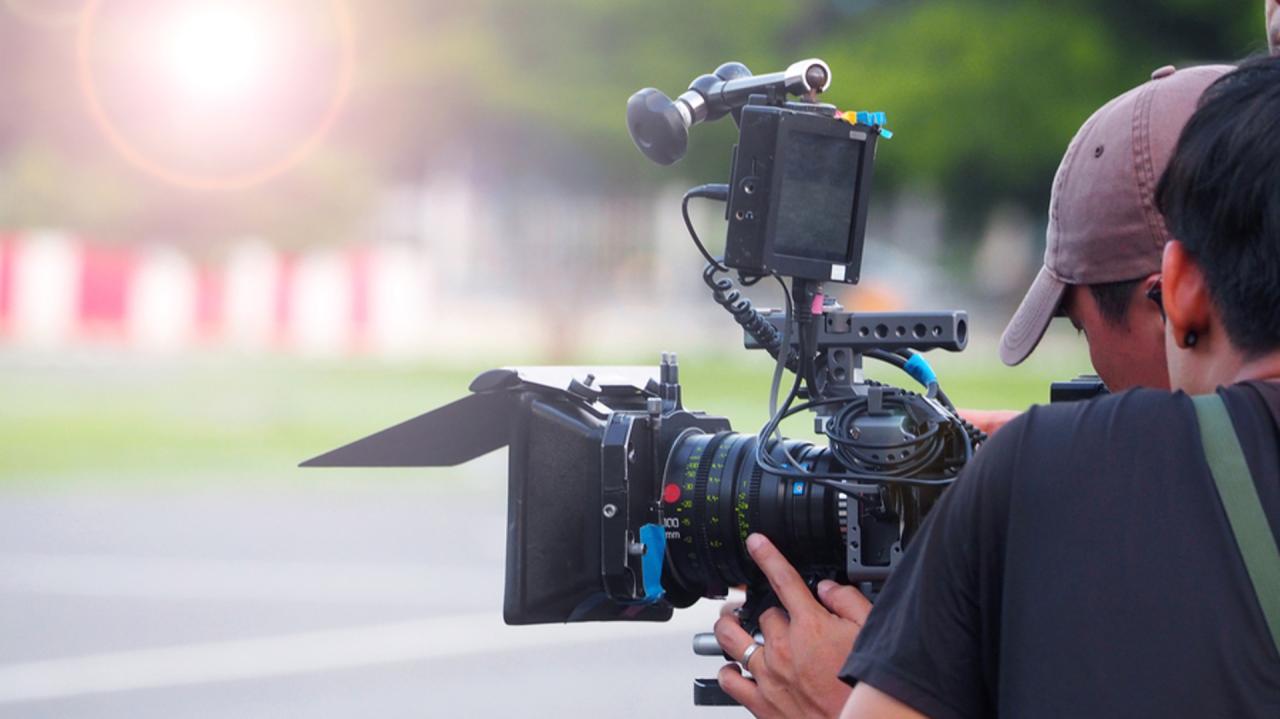
Photographing reflections on glass buildings can present unique difficulties that may hinder achieving the perfect shot. Issues such as distortion, glare, and unwanted reflections are common obstacles that photographers often encounter when working with reflective surfaces. Understanding these challenges and knowing effective solutions can significantly improve the quality of your images and help you capture stunning reflections with clarity and precision.Reflections on glass structures are inherently complex due to the nature of reflective surfaces interacting with light, surroundings, and camera angles.
Addressing these problems requires a combination of technical adjustments, strategic positioning, and sometimes post-processing techniques. By being aware of typical issues and employing targeted solutions, photographers can overcome common pitfalls and produce images that highlight the beauty and symmetry of glass architecture.
Distortion caused by wide-angle lenses and perspective
Reflections can often appear distorted, especially when using wide-angle lenses that exaggerate perspective and curvature, leading to warped reflections that detract from the intended composition. This distortion can make buildings or reflections seem exaggerated or skewed, reducing the overall visual appeal.To mitigate distortion:
- Use a lens with minimal distortion, such as a standard or telephoto lens, especially when capturing reflections at close range.
- Apply perspective correction in post-processing software to straighten lines and correct curvature distortions.
- Adjust your shooting angle to reduce the extent of distortion—shooting from a more perpendicular angle often results in less warping.
- Employ tilt-shift lenses designed for architectural photography to maintain straight lines and proper perspective.
Managing glare and reflections from unwanted light sources
Glare from direct sunlight or artificial lights can create unwanted bright spots or washed-out areas, obscuring reflections and reducing image contrast. This is particularly problematic when the glass surface reflects intense light sources, making it difficult to see the true reflection.Solutions include:
- Use lens hoods or flags to block direct light from hitting the lens, reducing glare and flare.
- Adjust the camera angle to minimize the reflection of direct light sources into the lens.
- Utilize polarizing filters to cut down on reflections and glare, enhancing the clarity of the glass reflection without affecting the overall color balance.
- Scout the location during different times of the day to identify periods when natural light causes less glare—early mornings or late afternoons often provide softer, more manageable lighting conditions.
Dealing with unwanted reflections or distractions in the frame
Reflections often include elements that are undesirable, such as passing pedestrians, vehicles, or clutter, which can distract from the focal subject and diminish the image’s impact.Addressing this issue involves:
- Adjusting your position to exclude distracting elements from the frame, finding angles that isolate the desired reflection.
- Using a lens with a narrow field of view or zooming in to crop out unnecessary reflections or background clutter.
- Employing a polarizer or ND filter to reduce reflections from nearby objects or surfaces that are not part of the intended composition.
- Applying post-processing techniques to selectively remove or soften unwanted reflections or distractions in the image, while maintaining the overall integrity of the shot.
Corrective procedures for reflection-related challenges
Effectively troubleshooting common problems involves a clear, step-by-step approach to ensure issues are minimized or eliminated:
- Identify the specific challenge—whether it’s distortion, glare, or unwanted reflections—by reviewing the initial shot.
- Adjust your camera angle or position to reduce the problematic element’s effect in the frame.
- Apply appropriate filters, such as polarizers, to manage reflections or glare at the moment of shooting.
- Use equipment like tilt-shift lenses or perspective correction tools during post-processing to address geometric distortions.
- Experiment with different times of day to leverage natural lighting conditions that favor clearer reflections.
- Incorporate physical tools like lens hoods or flags to block unwanted light sources.
- Refine your composition to exclude or diminish distracting elements, focusing on the reflection you wish to highlight.
- Review and retake shots as necessary, considering adjustments until the reflection appears as desired.
In mastering these solutions, photographers can effectively navigate the common challenges of shooting reflections on glass buildings, resulting in images that are both captivating and technically sound.
Last Word

In summary, successfully photographing reflections on glass buildings requires careful attention to camera settings, lighting conditions, and composition. Overcoming common challenges such as glare and distortion is achievable through strategic adjustments and proper equipment. By applying the techniques Artikeld, you can unlock new creative possibilities and produce visually stunning images that showcase architectural elegance and reflective beauty.