Elevate your social media presence with stunning coffee cup photography. This guide provides a comprehensive exploration of how to shoot coffee cups for Instagram, transforming everyday beverages into captivating visual stories that resonate with your audience.
We will delve into the essential elements of creating visually appealing coffee cup images, from understanding your goal and mastering composition to leveraging lighting, styling, and post-processing techniques. Whether you’re a seasoned photographer or just starting, you’ll discover practical advice and creative strategies to make your coffee shots stand out.
Understanding the Goal: Visually Appealing Coffee Cup Photos for Social Media

The primary objective when photographing coffee cups for social media, particularly platforms like Instagram, is to create images that are not only aesthetically pleasing but also engaging and shareable. These visuals aim to capture the essence of the coffee experience, inviting viewers to connect with the beverage and the moment it represents. Success is measured by increased engagement, brand recognition, and the ability to evoke a desired emotional response.Capturing compelling coffee cup imagery goes beyond simply showcasing a product; it’s about weaving a narrative and establishing a specific mood.
The photograph should communicate a feeling, whether it’s the cozy comfort of a morning ritual, the vibrant energy of a bustling café, or the sophisticated indulgence of a gourmet brew. This storytelling element is crucial for making the image relatable and memorable, transforming a static shot into an experience for the viewer.Audiences interested in coffee often gravitate towards visual themes that reflect authenticity, craftsmanship, and lifestyle.
These themes can range from minimalist compositions highlighting the cup and its contents to more elaborate scenes that incorporate surrounding elements to create a richer context. The goal is to tap into the viewer’s existing appreciation for coffee culture and enhance their perception of the depicted beverage.
Aesthetic Objectives for Social Media Performance
The aesthetic objectives for creating coffee cup photos that perform well on social media are centered on visual appeal and viewer engagement. This involves mastering elements such as composition, lighting, color, and detail to create images that are both striking and inviting. The ultimate aim is to stop the scroll and encourage interaction, whether through likes, comments, shares, or saves.Key aesthetic objectives include:
- Clarity and Focus: The coffee cup and its contents should be sharp and well-defined, drawing the viewer’s eye to the main subject.
- Appetizing Presentation: The coffee itself should look inviting, with attention paid to latte art, crema, steam, or any other visual cues that suggest freshness and quality.
- Harmonious Color Palette: Colors should be balanced and appealing, whether they are natural tones of coffee and cream or complementary colors introduced through props and backgrounds.
- Clean and Uncluttered Composition: A well-composed image avoids distractions, allowing the coffee cup to be the undisputed focal point. Negative space plays a vital role in enhancing the subject.
- Consistent Style: Developing a recognizable visual style that aligns with personal brand or café identity helps in building a cohesive and memorable feed.
The Importance of Storytelling and Mood Creation
The significance of storytelling and mood creation in coffee cup imagery cannot be overstated. A photograph that tells a story or evokes a specific mood transforms a simple beverage into an experience, fostering a deeper connection with the audience. This narrative approach is what elevates an image from being merely descriptive to being emotionally resonant.Moods commonly conveyed through coffee cup photography include:
- Comfort and Warmth: Often achieved through soft lighting, cozy settings, and perhaps the presence of steam rising from the cup, suggesting a moment of relaxation and well-being.
- Energy and Productivity: This mood can be communicated through brighter lighting, dynamic angles, and perhaps a suggestion of a busy environment, appealing to those who view coffee as a fuel for their day.
- Sophistication and Indulgence: Elegance can be conveyed through refined plating, premium settings, and carefully chosen props, appealing to a sense of luxury and refined taste.
- Authenticity and Craftsmanship: This theme focuses on the origin of the beans, the brewing process, and the skill involved, often depicted with natural light and a focus on texture and detail.
blockquote>A well-crafted coffee cup photo is more than just an image; it’s an invitation into a moment.
Common Visual Themes and Styles
Audiences on platforms like Instagram respond positively to a variety of visual themes and styles that celebrate coffee culture. These themes often tap into shared experiences and aesthetic preferences, making the content relatable and aspirational. Understanding these trends can help in creating images that resonate more effectively.Popular visual themes and styles include:
- Minimalist Aesthetic: Characterized by clean lines, ample negative space, and a focus on the essential elements – the cup, the coffee, and perhaps a single, understated prop. This style emphasizes simplicity and elegance.
- Flat Lay Photography: This overhead perspective arranges the coffee cup and related items (e.g., a book, pastry, laptop) on a flat surface. It’s popular for showcasing a complete scene or lifestyle.
- Lifestyle Photography: This theme integrates the coffee cup into a broader narrative, showing it being enjoyed in a specific setting, such as a home office, a park bench, or a café. It emphasizes the experience of drinking coffee.
- Close-Up and Detail Shots: Focusing on the texture of the foam, the rich color of the coffee, or intricate latte art. These shots highlight the sensory appeal of the beverage.
- Rustic and Natural: Employing natural materials like wood, linen, and plants, often with natural light. This style evokes a sense of earthiness and connection to the coffee’s origins.
- Urban and Modern: Featuring contemporary café settings, sleek designs, and perhaps bolder color contrasts. This theme appeals to those who appreciate a chic, on-the-go coffee experience.
Essential Equipment and Setup for Coffee Cup Photography
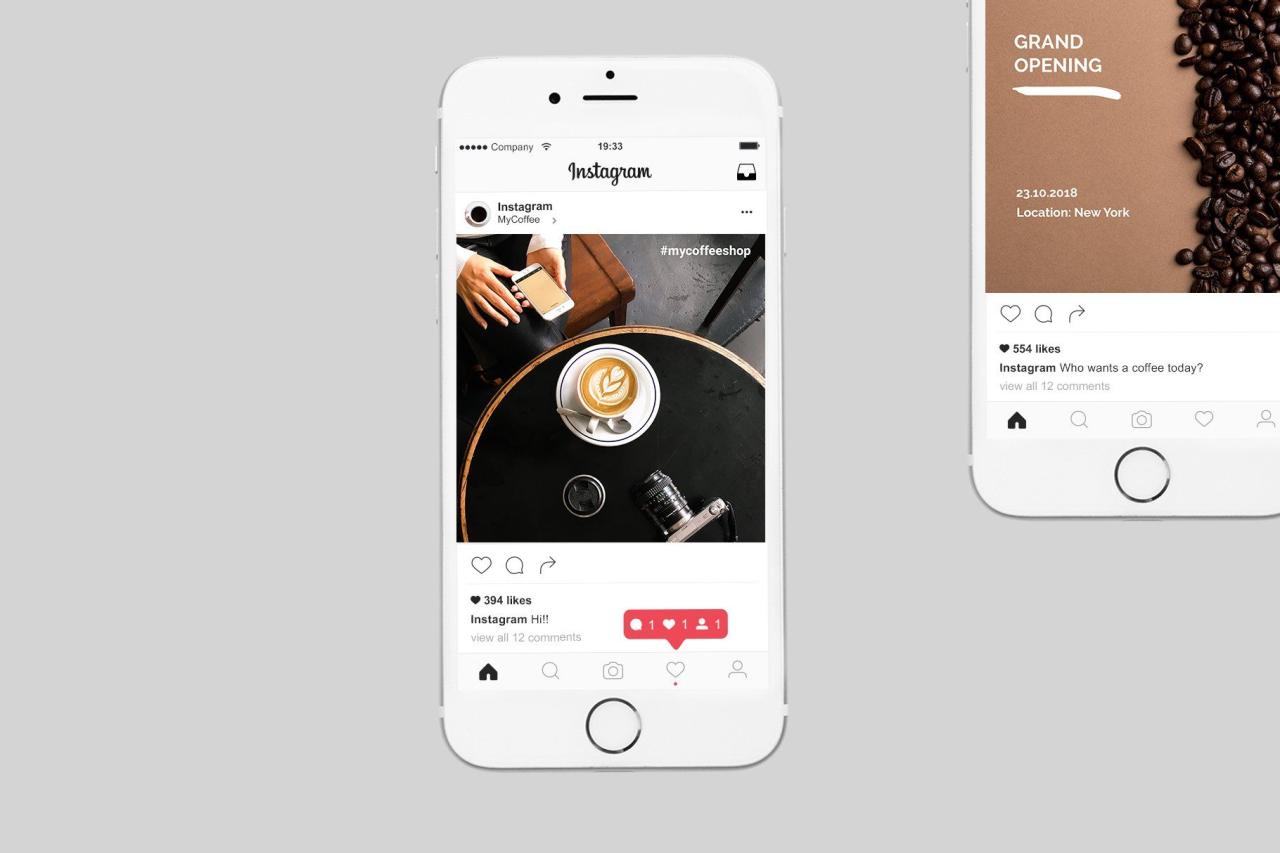
Capturing stunning coffee cup photos for Instagram requires more than just a keen eye; it involves thoughtful consideration of your equipment and how you set up your shooting environment. The right tools and a well-organized space can elevate your images from ordinary to extraordinary, making your coffee creations irresistible to your followers. This section will guide you through selecting essential gear and designing a functional setup.
Mastering Composition Techniques for Coffee Cups
Elevating your coffee cup photography goes beyond simply pointing and shooting. It involves a thoughtful arrangement of elements within your frame to create a visually compelling narrative. By understanding and applying fundamental composition principles, you can transform an ordinary shot into an Instagram-worthy masterpiece that captivates your audience. This section delves into the core techniques that will help you achieve just that.
Lighting Strategies for Coffee Cup Photography
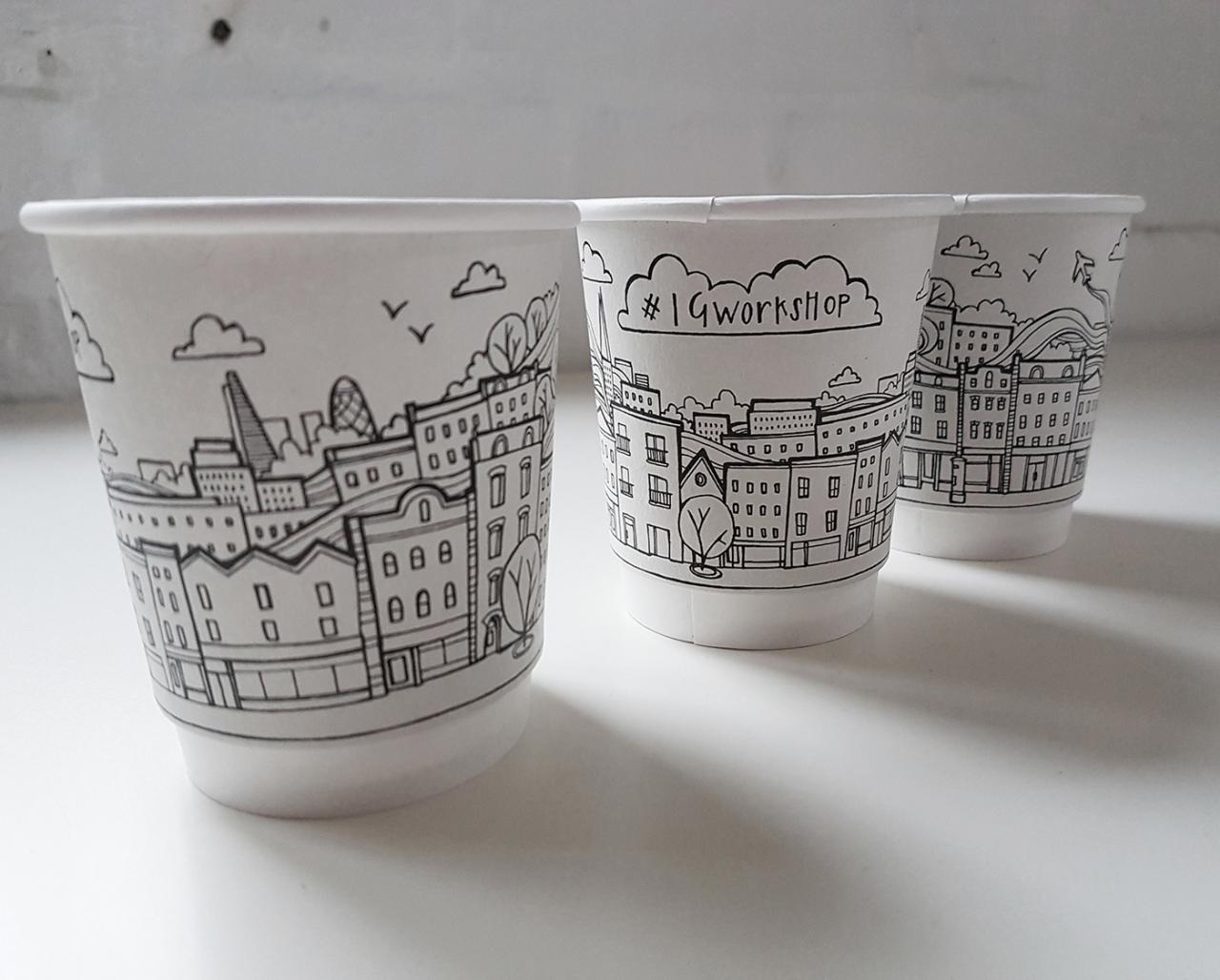
Mastering light is paramount in coffee cup photography, as it dramatically influences how we perceive the texture, color, and overall mood of your subject. The way light interacts with the ceramic, the liquid, and any accompanying elements can transform a simple shot into a captivating visual story. This section will guide you through understanding and manipulating light to achieve stunning results for your social media content.The direction of light is a fundamental element that dictates how shadows and highlights fall, thereby shaping the perceived form and texture of your coffee cup.
Each direction offers a unique aesthetic, and understanding these differences allows for intentional creative choices.
Light Direction and Its Impact
The angle from which light strikes your coffee cup significantly alters its appearance, revealing different aspects of its texture and form.
- Front Lighting: When the light source is positioned directly in front of the coffee cup, it illuminates the entire subject evenly. This can minimize shadows, creating a flat appearance that might not emphasize texture. However, it’s excellent for showcasing logos or intricate designs on the cup itself.
- Side Lighting: Placing the light source to the side of the cup, typically at a 45-degree angle, creates a beautiful interplay of light and shadow. This technique accentuates the contours and textures of the cup, adding depth and dimension. It’s particularly effective for highlighting the grain of ceramic or the subtle curves of the handle.
- Backlighting: Positioning the light behind the coffee cup can create a dramatic silhouette or a luminous halo effect. This is exceptionally useful for capturing the rich, dark colors of the coffee and, more importantly, for revealing the ethereal beauty of steam rising from the beverage. A strong backlight can make the coffee appear almost glowing.
To achieve a professional and appealing look, controlling the intensity and diffusion of light is crucial. Harsh, direct light can lead to blown-out highlights and deep, distracting shadows. Diffusers and reflectors are indispensable tools for softening this light and sculpting it to your advantage.
Using Diffusers and Reflectors
These accessories help manage light quality, preventing harshness and enhancing desirable visual elements.
- Diffusers: These are translucent materials placed between the light source and the subject. They scatter the light, spreading it out and softening its intensity. Common diffusers include softboxes, umbrellas, or even a thin white sheet or parchment paper. For coffee cup photography, a diffuser ensures that highlights on the cup are smooth and gradual, rather than sharp and blown out.
It also helps to create a more even illumination, reducing harsh shadows that can obscure details.
- Reflectors: Reflectors bounce light back onto the subject, filling in shadows and adding subtle highlights. A simple white piece of card, a silver reflector, or even a white wall can serve this purpose. By strategically placing a reflector on the opposite side of the light source, you can lift the shadows, revealing more texture and detail on the darker side of the cup.
This technique is particularly useful when using side lighting to ensure that both sides of the cup are adequately illuminated without losing depth.
The visual appeal of coffee is often enhanced by its rich color and the inviting wisps of steam. Specific lighting approaches can dramatically amplify these characteristics.
Capturing Rich Colors and Steam
Strategic lighting can bring out the best in the coffee itself and the ephemeral steam.
- Rich Colors: To capture the deep, inviting tones of coffee, consider using a combination of side lighting and a subtle fill light (from a reflector). This approach will create gentle shadows that define the liquid’s surface and enhance its color saturation. Avoid overly bright, flat lighting, which can wash out the color. A slightly warmer light temperature can also enhance the richness of the coffee.
- Steam: Backlighting is your best friend when it comes to photographing steam. Position your light source behind the cup so that it shines through the rising steam. This backlighting will illuminate the individual particles of water vapor, making them visible and creating a beautiful, ethereal glow. A slightly diffused backlight can prevent the steam from becoming too harsh or wispy, giving it a more substantial and inviting appearance.
You might also use a very subtle front light to illuminate the cup itself, ensuring it remains well-exposed while the steam is highlighted.
Both natural and artificial light sources have their own advantages and disadvantages for coffee cup photography. Understanding these differences will help you choose the most suitable option for your needs and shooting environment.
Artificial Lighting vs. Natural Light
The choice between artificial and natural light impacts the mood, flexibility, and consistency of your images.
| Feature | Natural Light | Artificial Light |
|---|---|---|
| Availability & Consistency | Highly variable, dependent on time of day, weather, and location. Can be inconsistent. | Consistent and controllable, available at any time. Allows for repeatable setups. |
| Quality of Light | Often soft and diffused, especially on overcast days or near a window. Can create beautiful, natural-looking shadows. | Can be harsh or soft depending on the equipment used (e.g., softbox vs. bare bulb). Offers a wide range of color temperatures. |
| Control & Flexibility | Limited control over direction and intensity without modifiers. | Full control over direction, intensity, color temperature, and spread. |
| Cost | Free. | Requires investment in lights, modifiers, and stands, which can be costly. |
| Best Use Cases | Ideal for creating a bright, airy, and natural aesthetic. Excellent for minimalist shots or when aiming for a “lifestyle” feel. | Perfect for precise control, dramatic effects, or when natural light is insufficient. Essential for consistent branding across multiple shoots. |
For instance, a photographer shooting for a cozy café might prefer the soft, diffused light from a north-facing window to create a warm, inviting atmosphere. Conversely, a brand aiming for a sleek, modern look might opt for controlled artificial lighting to precisely sculpt highlights and shadows, ensuring a consistent, high-end finish for their product shots.
Styling and Props for Enhanced Coffee Cup Imagery
Elevating your coffee cup photographs for Instagram involves more than just a well-lit cup. Thoughtful styling and the strategic use of props can transform a simple shot into a captivating visual story, drawing viewers in and conveying a specific mood or aesthetic. The key is to select elements that enhance, rather than compete with, your main subject.When considering styling, aim to create a cohesive narrative around your coffee cup.
This could be a cozy morning ritual, a productive work session, or a moment of indulgence. Each prop should serve a purpose in building this narrative and adding visual interest to your composition.
Prop Ideas Complementing Coffee Cups
Selecting the right props is crucial for adding context and appeal to your coffee cup photos. These elements should enhance the visual narrative without distracting from the primary subject. Variety is key, and by considering different categories of props, you can create diverse and engaging scenes.
- Edibles: Pastries like croissants, cookies, muffins, or even a sprinkle of coffee beans can suggest freshness and indulgence. Consider a small dish of sugar cubes or a drizzle of syrup for added detail.
- Reading Material: Books, magazines, or even a notebook and pen can evoke a sense of intellectualism, creativity, or a quiet moment of reflection. Choose titles or cover designs that align with your desired aesthetic.
- Botanicals: Fresh flowers, a sprig of greenery, or even dried leaves can add a touch of nature, elegance, or seasonality. Small potted plants can also create a charming backdrop.
- Textiles: A soft linen napkin, a cozy knit blanket, a rustic wooden board, or a marble slab can introduce varied textures and a sense of tactile appeal.
- Utensils: A delicate spoon, a stirrer, or even a small creamer can add practical detail and a sense of preparation.
- Seasonal Accents: Depending on the time of year, consider incorporating elements like pinecones and cinnamon sticks for autumn, or fairy lights and ornaments for winter.
Color Theory for Harmonious and Contrasting Palettes
Color plays a significant role in setting the mood and guiding the viewer’s eye. Understanding basic color theory allows you to make intentional choices with your props and backgrounds to create visually pleasing and impactful images.When selecting props, consider their relationship with the color of your coffee cup and the overall scene you wish to create.
- Harmonious Palettes: These use colors that are adjacent on the color wheel, creating a sense of calm, unity, and sophistication. For example, a warm brown coffee cup might be complemented by props in shades of cream, beige, or soft oranges. A blue cup could pair well with lighter blues, teals, or even greens.
- Contrasting Palettes: These utilize colors that are opposite each other on the color wheel, creating visual energy, dynamism, and emphasis. A bold red accent prop against a green background, or a vibrant yellow prop with a purple coffee cup, can make the subject pop.
- Monochromatic Schemes: Using different shades and tints of a single color can create a very elegant and minimalist look. For instance, a white coffee cup could be styled with various shades of gray and subtle white elements.
- Neutral Bases: Often, using neutral backgrounds and props like white, black, gray, or wood tones allows the color of the coffee itself and any subtle colors in the cup to take center stage.
The Use of Textures for Depth and Interest
Texture adds a tactile dimension to your photographs, inviting the viewer to imagine the feel of the surfaces. Incorporating a variety of textures can significantly enhance the visual appeal and depth of your coffee cup imagery.Think about how different materials interact visually and how they can contribute to the overall story you are telling.
- Smooth Textures: Polished wood, sleek ceramic, glass, or metal surfaces offer a refined and modern feel. These can provide a clean backdrop or a subtle highlight.
- Rough Textures: Burlap, coarse linen, natural wood grain, unpolished stone, or even the surface of a slightly burnt pastry can introduce an element of rustic charm, warmth, and authenticity.
- Soft Textures: A knitted blanket, a velvet cushion, or soft fabric can evoke comfort, coziness, and luxury.
- Layering Textures: Combining different textures within a single frame, such as a smooth ceramic cup on a rough wooden table with a soft fabric napkin, creates visual intrigue and prevents the image from appearing flat.
Incorporating Hands or Human Elements
While the coffee cup is the star, the subtle inclusion of human elements, particularly hands, can add a relatable and personal touch to your photographs. Hands can convey action, emotion, and a sense of engagement with the coffee.The way hands are positioned and interacting with the cup can tell a story without needing to show a full face.
- Holding the Cup: A hand gently cupping the warm mug can convey comfort and enjoyment. The focus can be on the fingers, the warmth radiating, or the gentle grip.
- Reaching for the Cup: The anticipation of a sip can be captured by hands reaching towards the mug, suggesting eagerness or a moment of pause.
- Interacting with Props: Hands can be shown stirring sugar, holding a book, or placing a pastry next to the cup, further building the narrative.
- Subtle Gestures: A hand resting on the table near the cup, or fingers lightly tapping the surface, can add a sense of presence and contemplation.
- Focus on Detail: Consider capturing the details like manicured nails, rings, or the texture of skin against the cup, adding a sophisticated or personal touch.
Capturing the Coffee Itself: Texture, Steam, and Color
The true essence of coffee photography lies in showcasing the beverage itself. This involves highlighting the rich textures, the alluring dance of steam, and the vibrant colors that make coffee so universally appealing. By focusing on these elements, you can elevate your images from simple snapshots to mouth-watering visual experiences.This section delves into the specific techniques required to bring out the best in your coffee, ensuring every photograph tells a story of warmth, aroma, and deliciousness.
Coffee Surface Texture and Crema
The surface of coffee, particularly the crema on espresso-based drinks, is a critical visual element. A well-formed crema indicates freshness and quality, and its rich, golden-brown hue is highly photogenic. Capturing this texture requires attention to detail and understanding how light interacts with the surface.To achieve a rich, inviting look:
- Focus on the Crema’s Bubbles: Look for a crema with a fine, consistent bubble structure. This appears as a smooth, velvety layer rather than large, irregular bubbles.
- Utilize Side Lighting: Position your light source to the side of the cup. This raking light will emphasize the texture and subtle variations in the crema, making it appear more three-dimensional and inviting.
- Capture it Freshly Poured: The crema is at its most vibrant immediately after brewing. Have your camera ready to shoot as soon as the coffee is poured to capture its peak visual appeal.
- Consider a Macro Lens: For extreme close-ups that highlight the intricate details of the crema, a macro lens can be invaluable.
- Experiment with Angles: Shoot from various angles to find the one that best accentuates the crema’s depth and richness. A slightly elevated angle often works well.
Dynamic Steam Plumes
The presence of steam adds a sense of warmth, freshness, and aroma to coffee photography. Capturing dynamic steam plumes can significantly enhance the mood and appeal of your image, making the coffee seem freshly brewed and inviting.Techniques to capture steam effectively include:
- Timing is Crucial: Steam is most visible in the initial moments after brewing or pouring. Be prepared to shoot quickly to catch these ephemeral wisps.
- Backlighting for Visibility: Position your main light source behind or to the side of the cup, with a slightly darker background. This backlighting will illuminate the steam, making it stand out clearly against the background.
- Use a Snoot or Gobo: To control the direction and intensity of the light hitting the steam, consider using a snoot attachment on your light or a gobo (go-between) to shape the light. This helps create dramatic, focused steam effects.
- Shoot in a Cooler Environment: Steam is more pronounced in cooler air. If possible, shoot in a slightly cooler room to enhance the visibility of the steam.
- Adjust Shutter Speed: A slightly faster shutter speed can freeze the motion of the steam, revealing its delicate tendrils. A slower shutter speed might capture a more diffused, atmospheric haze. Experiment to see what effect you prefer.
Accurate Representation of Coffee Colors
The deep, appealing colors of coffee beverages are a significant part of their allure. From the dark, rich tones of espresso to the creamy hues of a latte, accurately representing these colors ensures your photographs are true to life and enticing.To accurately represent coffee colors:
- White Balance is Key: Ensure your camera’s white balance is set correctly for the lighting conditions. Incorrect white balance can cast an unnatural color cast on your coffee, making it look dull or artificial. Use a gray card for precise calibration if needed.
- Understand Color Profiles: Be aware of the color profile your camera uses (e.g., sRGB, Adobe RGB). This can influence how colors are rendered.
- Post-Processing Adjustments: Use photo editing software to fine-tune color saturation, vibrance, and hue. The goal is to enhance the natural colors without making them look overdone.
- Consider the Background Color: The color of your background and props can influence how the coffee’s color is perceived. Choose complementary or neutral colors that allow the coffee’s natural tones to shine.
- Capture Different Coffee Types: Different coffee preparations have distinct color palettes. For example, a black coffee will have deep browns and blacks, while a macchiato will feature lighter creams and caramels. Ensure your lighting and editing reflect these nuances.
Photographing Latte Art Designs
Latte art is a delicate craft that transforms a coffee into a visual masterpiece. Capturing these intricate designs requires precision, good lighting, and a keen eye for detail. The goal is to showcase the artistry and the smooth, milky canvas it’s created upon.Follow this step-by-step procedure for photographing latte art:
- Prepare Your Setup: Ensure your lighting is set up to highlight the art without creating harsh shadows. A diffused light source from the side is often ideal.
- Pour the Latte Art: The barista should pour the latte art just before you are ready to shoot. Speed is essential as the art can begin to dissipate.
- Position the Cup: Place the cup on your chosen surface, ensuring the latte art is facing the camera and is well-centered or artfully placed within the frame.
- Focus on the Art: Use your camera’s autofocus to lock onto the latte art design. A shallow depth of field can help blur the background and draw attention to the intricate details of the art.
- Adjust Lighting for Texture: Gently adjust your light source to emphasize the texture of the foam and the contrast between the milk and the coffee. Side lighting is particularly effective for this.
- Capture Multiple Angles: Shoot from slightly different angles, including straight on and a slight overhead view, to find the most flattering perspective for the specific design.
- Consider the Cup’s Rim: Ensure the rim of the cup is clean and free of drips, as these can detract from the overall image.
- Review and Edit: After shooting, review your images for sharpness, color accuracy, and overall composition. Minor adjustments in editing software can enhance the contrast and vibrancy of the latte art.
Post-Processing and Editing for Instagram-Ready Coffee Cups
Once you’ve captured your stunning coffee cup photos, the journey to Instagram-ready perfection isn’t quite over. Post-processing and editing are crucial steps that elevate your images from good to truly captivating. This stage allows you to refine details, enhance mood, and ensure your coffee shots align with your overall aesthetic.The goal of editing is to make your coffee cup images pop on a busy social media feed.
This involves subtle yet impactful adjustments that bring out the best in your photography. Think of it as the final polish that makes your coffee look as inviting and delicious as it tastes.
Key Editing Adjustments for Coffee Cup Photos
To achieve a polished look, several core editing adjustments are essential. These tools help correct minor imperfections and enhance the visual appeal of your coffee cup images, making them more engaging for your audience.
- Brightness/Exposure: This adjustment controls the overall lightness or darkness of your image. For coffee, you often want a slightly brighter image to make the beverage and its surroundings look appealing, but avoid blowing out highlights, especially on the crema or steam.
- Contrast: Contrast defines the difference between the light and dark areas of your photo. Increasing contrast can add depth and make textures, like the foam or the ceramic of the cup, more pronounced.
- Saturation/Vibrance: Saturation controls the intensity of all colors in the image, while vibrance is a more subtle version that targets less saturated colors. For coffee, you might want to slightly boost saturation to enhance the rich brown tones of the coffee or the vibrant colors of any accompanying props, but be careful not to make the colors look unnatural.
- White Balance: Correcting white balance ensures that whites appear truly white and that the overall color cast of your image is accurate. Incorrect white balance can make your coffee look too yellow or too blue, impacting its perceived quality.
Enhancing Textures and Details
When editing, focus on bringing out the tactile qualities of your coffee and cup without making the image look artificial. This requires a delicate touch and an understanding of how different tools affect the visual information.
- Sharpening: Use sharpening tools judiciously to bring out fine details. For coffee, this can mean emphasizing the texture of the foam, the subtle grain of a wooden table, or the intricate design on a ceramic cup. Over-sharpening can create an unnatural halo effect or pixelation, so apply it sparingly.
- Clarity/Texture Sliders: Many editing applications offer clarity or texture sliders that specifically enhance mid-tone contrast, making textures more visible. These are excellent for revealing the micro-details of coffee foam or the weave of a linen napkin. Again, moderation is key to avoid an overly gritty or digital look.
- Local Adjustments: If certain areas of your photo need specific attention, use local adjustment tools (like brushes or gradients) to selectively edit them. For instance, you might slightly brighten the coffee itself or add a touch of contrast to a specific part of the cup’s surface.
Applying Filters and Presets for Brand Consistency
Filters and presets can be powerful tools for establishing a consistent visual brand for your coffee-related content on Instagram. They help create a recognizable aesthetic that your followers can easily identify.
A consistent visual theme helps build brand recognition and makes your Instagram feed more appealing and cohesive.
When choosing or creating filters and presets, consider the mood you want to convey. Are you aiming for a warm, cozy, and rustic feel, or a clean, modern, and minimalist aesthetic? Experiment with presets that enhance the natural colors of coffee – warm browns, creamy whites, and subtle caramels. Avoid filters that drastically alter the color of the coffee or create an overly stylized look that detracts from the product itself.
Many editing apps offer pre-made presets, or you can create your own by saving a series of adjustments you’ve made to a photo.
Workflow for Editing a Series of Coffee Cup Images
To ensure a cohesive Instagram feed, it’s beneficial to establish a consistent editing workflow. This process helps maintain a uniform look across multiple images, making your profile more professional and visually pleasing.
- Batch Import and Organize: Import all your edited photos into your editing software. Group them by the shooting session or the overall theme you want to present.
- Apply a Base Preset: Start by applying a general preset or a set of base adjustments to all images in the batch. This provides a starting point and ensures a similar overall tone.
- Individual Refinements: Go through each image and make individual adjustments. This is where you’ll fine-tune brightness, contrast, white balance, and any specific details to make each photo shine while still fitting the overall aesthetic. Pay attention to how each image complements the ones before and after it.
- Check for Consistency: Before finalizing, review the entire series of images together. Look for any jarring differences in color, exposure, or mood. Make minor tweaks as needed to ensure a smooth transition between photos.
- Export with Consistent Settings: When exporting, use the same export settings (resolution, file format, color space) for all images to maintain uniformity.
Incorporating Action and Lifestyle Elements
Elevating your coffee cup photography from static to dynamic involves capturing the human element and the context in which coffee is enjoyed. This section delves into techniques for infusing your images with life, personality, and a sense of narrative, making your coffee cup shots more relatable and engaging for your Instagram audience.
To truly bring your coffee cup photos to life, consider the story you want to tell. Action and lifestyle elements transform a simple product shot into an aspirational moment, inviting viewers to imagine themselves in that scene. This approach taps into the emotional connection people have with their coffee rituals and experiences.
Photographing the Act of Drinking Coffee
Capturing the moment of enjoyment is key to conveying relaxation and pleasure. Focus on subtle gestures and expressions that communicate the sensory experience of drinking coffee.
When photographing someone drinking coffee, the goal is to evoke a feeling of contentment. This can be achieved by focusing on:
- Facial Expressions: A gentle smile, closed eyes in appreciation, or a relaxed gaze can speak volumes about the enjoyment of the coffee.
- Hand Gestures: The way a hand cradles a warm mug, the delicate hold of a spoon stirring, or the gentle touch of lips to the rim all add to the narrative of appreciation.
- Body Language: A relaxed posture, leaning back in a chair, or a contented sigh can further emphasize the feeling of peace and enjoyment.
Coffee Cups in Various Settings
The environment in which coffee is consumed significantly influences the overall mood and story of your photograph. Showcasing coffee cups in diverse settings helps viewers connect with different aspects of their own coffee experiences.
Consider these settings to add context and lifestyle appeal to your coffee cup photography:
- Cozy Home Environment: Imagine a warm mug on a bedside table next to an open book, or on a kitchen counter bathed in soft morning light. This setting evokes comfort, personal ritual, and quiet mornings.
- Bustling Cafe: Capture a coffee cup amidst the ambient energy of a cafe. This could involve a slightly blurred background of patrons, baristas at work, or interesting architectural details, conveying a sense of social connection and urban life.
- Outdoor Adventures: Photograph a sturdy coffee mug during a hike, a camping trip, or a picnic. This setting highlights coffee as a companion to exploration, adventure, and the appreciation of nature.
Using Motion Blur to Suggest Movement and Dynamism
Motion blur can be a powerful tool to inject a sense of energy and dynamism into your coffee-related shots, suggesting activity and the flow of life.
To effectively use motion blur:
- Shutter Speed: Employ a slower shutter speed to capture the movement. For instance, a slightly blurred hand reaching for a stirring spoon or the gentle swirl of coffee as cream is added can create a sense of action.
- Subject Movement: Encourage slight movement from your subject or props. This could be the gentle steam rising from a freshly poured cup, or the subtle movement of someone holding the mug.
- Camera Movement: In some cases, a deliberate camera movement during the exposure can create artistic streaks of light or abstract forms, adding a unique dimension to the shot.
Scenario: Coffee Cup as Part of a Morning Routine
A morning routine is a universally relatable experience, and integrating a coffee cup into this narrative can create an authentic and engaging image.
Here’s a scenario to illustrate this concept:
The scene is set on a sun-drenched windowsill. A ceramic coffee mug, filled with dark, steaming coffee, sits beside a small stack of well-worn books and a pair of reading glasses. The light gently illuminates the steam rising from the mug, creating a soft halo effect. In the background, slightly out of focus, is a hint of a window overlooking a peaceful, waking city or a serene garden. The overall impression is one of quiet contemplation, the start of a productive day, and the comforting ritual of a morning coffee.
This scenario uses several elements to tell a story:
- Props: Books and glasses suggest intellectual activity and personal time.
- Lighting: Natural, soft morning light enhances the feeling of warmth and calm.
- Focus: The sharp focus on the coffee cup draws the viewer’s attention, while the blurred background adds depth and context without being distracting.
- Steam: The visible steam is a direct indicator of the coffee’s freshness and warmth, inviting the viewer to imagine the sensory experience.
Technical Considerations: Focus, Depth of Field, and Resolution
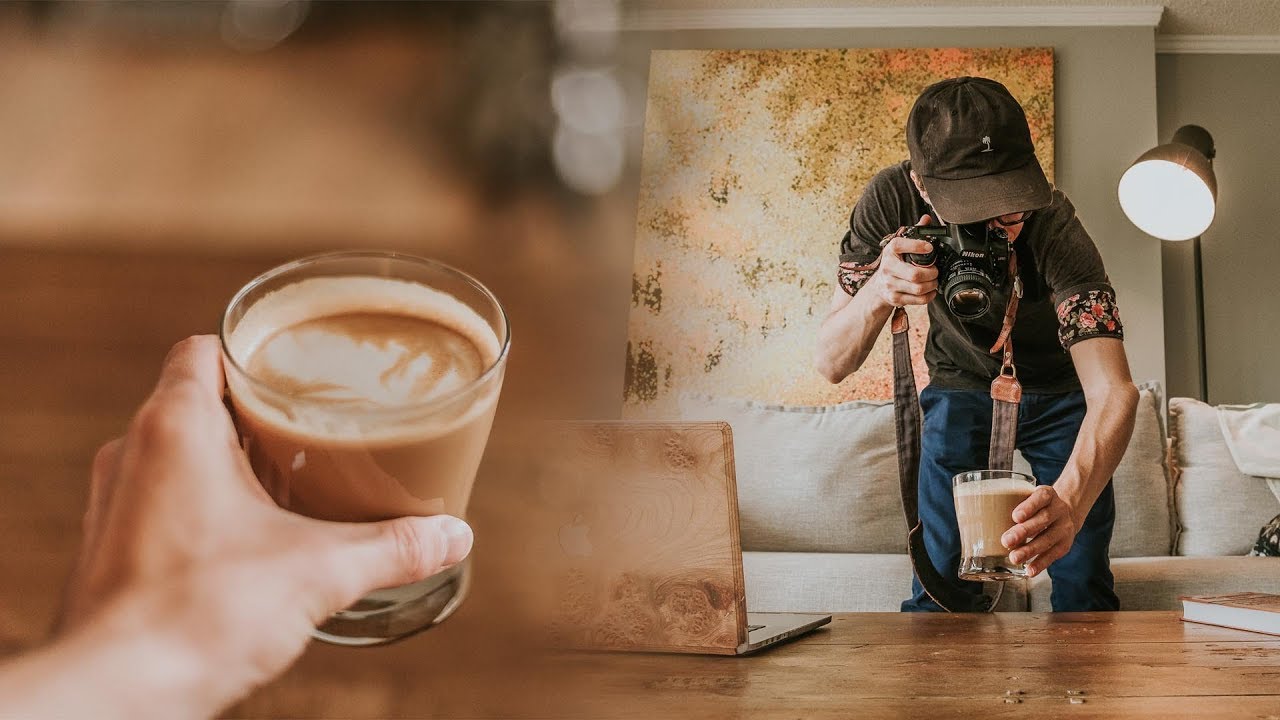
Achieving a professional look for your coffee cup photos on Instagram hinges on mastering fundamental technical aspects of photography. These elements, including sharp focus, controlled depth of field, and appropriate image resolution, directly impact how your subject is perceived by viewers, ensuring your carefully crafted shots have the desired visual punch.Ensuring your coffee cup and its key features are in sharp focus is paramount.
This clarity draws the viewer’s eye to the subject, highlighting details like the texture of the coffee, the design of the cup, or any accompanying latte art. A lack of sharpness can make an image appear amateurish and detract from the overall aesthetic.
Subject Sharpness and Key Features
Sharp focus is the bedrock of compelling photography. For coffee cup shots, this means ensuring that the most important elements are crisp and well-defined. This could be the rim of the cup, the surface of the coffee, or the intricate details of a latte art design. A shallow depth of field can be used to your advantage here, ensuring that the primary subject is in perfect focus while the background is softly blurred, further emphasizing the cup.
Depth of Field Control
Depth of field refers to the range of distance within a photograph that appears acceptably sharp. Controlling this is crucial for isolating your coffee cup from its surroundings, creating a professional and visually appealing aesthetic. A shallow depth of field, often achieved with a wide aperture (low f-number), blurs the background, making the coffee cup stand out prominently. Conversely, a deeper depth of field, achieved with a narrower aperture (high f-number), keeps more of the scene in focus, which can be useful if you want to showcase the coffee cup within its environment.
The aperture setting directly influences depth of field: a smaller f-number (e.g., f/1.8) creates a shallow depth of field, while a larger f-number (e.g., f/11) results in a deeper depth of field.
Image Resolution and Screen Display
The resolution of your images, measured in pixels, significantly impacts how they appear on various screens, including smartphones and computer monitors. Higher resolution images contain more detail and can be displayed larger without losing quality. For Instagram, where images are often viewed on smaller mobile screens, a well-resolved image ensures that details remain visible and the overall image appears sharp and clear, even when zoomed in slightly.
Low-resolution images can appear pixelated or blurry, diminishing the visual appeal.
Optimal Focus for Macro Details
Capturing the intricate details of a coffee cup, such as the crema, the texture of the ceramic, or the subtle nuances of latte art, often requires macro photography techniques. Achieving optimal focus in these close-up shots is critical.When shooting macro shots of coffee cup details:
- Use a tripod to eliminate camera shake, which is amplified at high magnifications.
- Employ manual focus to precisely control where the sharpest point of the image lies. Autofocus systems can sometimes struggle with very close subjects.
- Utilize focus peaking or magnification aids if your camera offers them to ensure critical focus.
- Consider using a lens specifically designed for macro photography or extension tubes to achieve closer focusing distances.
- Even a slight adjustment can make a significant difference, so take your time to nail the focus on the most compelling detail.
Creating Visually Engaging Series and Flat Lays
Moving beyond single, stunning shots, creating a series of coffee cup images or meticulously arranged flat lays can significantly elevate your Instagram presence. These compositions allow for storytelling, thematic consistency, and a more immersive visual experience for your audience. By thoughtfully combining multiple elements, you can transform a simple coffee photo into a captivating narrative.Flat lays are a powerful tool in coffee cup photography, offering a bird’s-eye view that showcases multiple elements harmoniously.
The art lies in arranging various coffee cups, accessories, and props in a visually pleasing and balanced manner. This approach is ideal for highlighting different brews, seasonal themes, or a collection of your favorite mugs.
Arranging Multiple Coffee Cups and Related Items for Compelling Flat Lays
The success of a flat lay hinges on thoughtful arrangement and visual hierarchy. When composing with multiple coffee cups, consider their shapes, colors, and sizes to create an interesting dynamic. Grouping similar items can create a sense of order, while strategic placement of contrasting elements adds visual interest.
- Balance and Symmetry: Aim for a balanced composition, whether symmetrical or asymmetrical. A symmetrical arrangement can feel very structured and calming, while an asymmetrical one can be more dynamic and engaging.
- Depth and Dimension: Even in a flat lay, creating a sense of depth is crucial. This can be achieved by layering elements, using props of varying heights, or slightly overlapping cups.
- Negative Space: Don’t overcrowd your flat lay. Ample negative space (empty areas) helps to draw attention to the main subjects and prevents the image from feeling chaotic.
- Color Palette: Establish a cohesive color palette. This could involve using cups and props in complementary colors or sticking to a monochromatic scheme for a sophisticated look.
- Storytelling Elements: Include items that hint at a story. For instance, a book next to a cup suggests a cozy reading session, or a laptop and notebook imply a productive work-from-home setup.
Strategies for Creating a Narrative or Theme Across a Series of Coffee Cup Images
A series of images can tell a more complete story than a single photograph. Developing a theme or narrative allows you to connect with your audience on a deeper level and encourages them to return for more. Consistency in style, color, and subject matter is key to a successful series.
- Themed Days/Weeks: Dedicate a specific day or week to a theme, such as “Monday Motivation,” “Weekend Vibes,” or “Autumn Brews.” Each day can feature a different coffee cup and a related prop or setting.
- “A Day in the Life”: Showcase your coffee ritual throughout the day. Start with a morning cup, then a mid-day pick-me-up, and perhaps an evening decaf, each with a distinct mood and setting.
- Brewing Process: Document the journey of coffee from bean to cup. This could involve images of coffee beans, grinding, brewing methods, and the final pour into a beautifully styled cup.
- Seasonal Transitions: Capture how your coffee experience changes with the seasons. Think warm, cozy mugs for winter, iced coffees in colorful cups for summer, and pumpkin spice themes for autumn.
- Collaborative Series: Partner with other coffee lovers or brands to create a joint series, each contributing images that align with a shared theme.
The Use of Repetition and Pattern in Coffee Cup Photography
Repetition and pattern can create strong visual rhythm and impact in your coffee cup photography. The intentional repetition of shapes, colors, or forms can lead the viewer’s eye and create a sense of order or visual interest.
- Geometric Patterns: Arrange multiple identical or similarly shaped coffee cups in a grid or repeating pattern. This emphasizes their form and creates a modern, graphic aesthetic.
- Color Gradients: Line up cups of varying shades of a single color to create a smooth gradient. This can be visually striking and demonstrates a keen eye for color.
- Textural Repetition: If your cups have distinct textures (e.g., ribbed, smooth, matte), arranging them together can highlight these tactile qualities and create a subtle, engaging pattern.
- Alternating Elements: Alternate between coffee cups and another consistent element, such as a coffee bean, a spoon, or a small plant, to create a more complex yet ordered pattern.
Organizing a Visual Plan for a Themed Coffee Cup Photo Series
A well-defined visual plan is essential for executing a cohesive and impactful photo series. This plan acts as a roadmap, ensuring that each shot contributes to the overall narrative and aesthetic.
| Series Theme | Number of Images | Key Elements/Props | Shot Ideas | Mood/Atmosphere |
|---|---|---|---|---|
| “Cozy Autumn Mornings” | 5 | Warm-toned mugs, chunky knit blankets, fallen leaves, cinnamon sticks, book, steam | Close-up of steaming mug with leaves scattered; Flat lay with book, mug, and blanket; Hands holding a warm mug; Cup on a windowsill with autumn scenery outside. | Warm, inviting, tranquil, nostalgic |
| “Urban Coffee Commute” | 4 | Sleek travel mugs, city skyline backdrop (blurred), laptop, headphones, notebook, street art elements | Travel mug on a desk with laptop; Hand holding a travel mug against a city blur; Flat lay with commuter essentials and a cup; Coffee cup on a train or bus window sill. | Dynamic, modern, focused, on-the-go |
| “The Art of the Pour-Over” | 6 | Pour-over dripper, filter, kettle, fresh coffee beans, scale, timer, ceramic cup | Close-up of water pouring over grounds; Scale with beans and timer; The final drip into the cup; Flat lay of all brewing equipment; Hands performing the pour-over. | Precise, mindful, artisanal, educational |
Closure
By mastering these techniques, you can consistently create beautiful and engaging coffee cup images that not only look great on Instagram but also effectively communicate the mood and essence of your coffee experience. We’ve covered everything from initial setup and composition to the finer details of capturing coffee’s texture and steam, ensuring your photos are ready to impress.