Embarking on the journey of capturing architectural interiors with a wide-angle lens presents a unique set of opportunities and challenges. This guide is meticulously crafted to illuminate the fundamental principles, essential equipment, and advanced techniques that will elevate your interior photography.
We will explore how to harness the expansive perspective of wide-angle lenses to showcase spaces effectively, while also addressing common misconceptions and providing practical solutions for achieving stunning results. From understanding lens characteristics to mastering lighting and composition, this comprehensive resource is designed to equip you with the knowledge to transform ordinary interior shots into compelling visual narratives.
Understanding the Core Concept
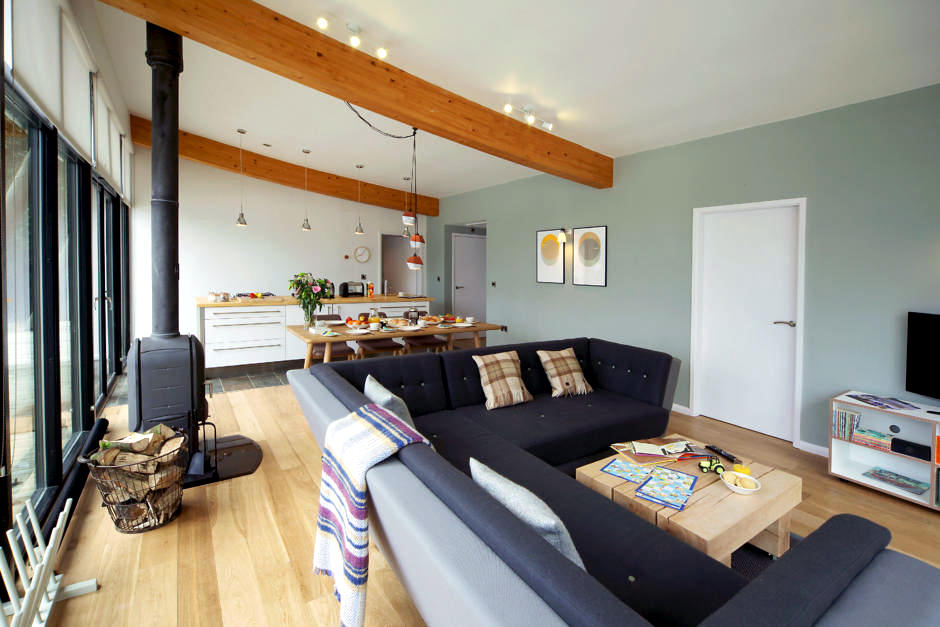
Capturing the essence of architectural interiors with wide-angle lenses is about more than just fitting more into the frame. It involves a deliberate approach to manipulating perspective and space to convey the designer’s intent and the viewer’s experience. This technique allows us to showcase the grandeur, flow, and detailed design elements of a space in a way that standard lenses cannot.The fundamental principle behind wide-angle interior photography is the deliberate exaggeration of perspective.
Wide-angle lenses, by their very nature, have a shorter focal length, which causes them to capture a broader field of view. When used in interior spaces, this wider perspective can make rooms appear larger and more expansive than they might seem to the naked eye. However, this also introduces challenges related to distortion and maintaining visual balance.
Challenges and Advantages of Wide-Angle Interior Photography
Wide-angle lenses offer unique benefits for interior photography, but they also present specific challenges that require careful management. Understanding these aspects is crucial for producing compelling images.The advantages include:
- Enhanced Sense of Space: The broad field of view can make even modest interiors feel more spacious and open, ideal for showcasing living rooms, entryways, or open-plan designs.
- Capturing Architectural Scale: These lenses are excellent for conveying the verticality of high ceilings or the breadth of large rooms, emphasizing the architectural scale.
- Including Contextual Elements: It becomes easier to include surrounding architectural features, furniture arrangements, and decorative elements that contribute to the overall atmosphere and narrative of the space.
However, these advantages come with inherent challenges:
- Perspective Distortion: Straight lines, especially those near the edges of the frame, can appear to curve or bow outwards. Vertical lines can converge dramatically if the camera is tilted upwards or downwards.
- Magnified Foreground Elements: Objects placed close to the lens will appear disproportionately large, which can unbalance the composition if not managed thoughtfully.
- Detail Compression: While more is captured, fine details might appear smaller and less emphasized compared to shots taken with longer focal lengths, requiring careful attention to lighting and focus.
Common Misconceptions and Corrections
Several common misunderstandings can hinder photographers from effectively utilizing wide-angle lenses for interior shots. Addressing these misconceptions can lead to more successful and aesthetically pleasing results.A prevalent misconception is that wide-angle lenses are solely for making rooms look bigger, regardless of the visual outcome. The reality is that while they can enhance the sense of space, their primary purpose is to capture a comprehensive view and convey architectural intent.Another common belief is that wide-angle distortion is an insurmountable problem.
While distortion is present, it is a characteristic of the lens that can be managed through careful camera positioning, composition, and post-processing techniques.
- Misconception: Wide-angle lenses always create an unnatural, fish-eye effect.
Correction: Not all wide-angle lenses produce extreme distortion. Standard wide-angle lenses (e.g., 24mm-35mm on a full-frame camera) offer a broad view with manageable distortion, while ultra-wide lenses (below 24mm) require more careful handling. - Misconception: Any wide-angle lens will work for any interior.
Correction: The choice of wide-angle lens depends on the specific space. A 24mm might be perfect for a large living room, while a 35mm might be more appropriate for a smaller study to avoid excessive distortion. - Misconception: Distortion can only be corrected in post-production.
Correction: While post-processing is essential, proactive measures during shooting, such as keeping the camera level and positioning it strategically, can significantly minimize distortion and the need for extensive corrections. - Misconception: Including everything in the frame is always the goal.
Correction: A wide-angle lens is a tool to compose a scene effectively. It’s about selecting the most important elements and guiding the viewer’s eye, not simply cramming as much as possible into the shot.
Equipment Selection and Considerations
Choosing the right equipment is paramount for effectively capturing interior architectural spaces with a wide-angle lens. The goal is to equip yourself with tools that minimize distortion, maximize detail, and allow for precise control over the scene. This section will guide you through the essential camera bodies, lens types, and stabilizing accessories that will enhance your interior architectural photography.Selecting the appropriate camera and lens combination is the first critical step in achieving compelling interior architectural photographs.
The interplay between sensor size, lens focal length, and image quality directly impacts the final output, especially when working with wide angles.
Camera Body Selection
While many modern digital cameras can produce excellent results, certain features are particularly beneficial for interior architectural photography. Full-frame cameras generally offer superior low-light performance and dynamic range, which are crucial for handling the varied lighting conditions often found indoors. However, APS-C or Micro Four Thirds cameras can also be highly effective, especially when paired with appropriate lenses. The key is to select a camera with good resolution, excellent dynamic range, and manual controls that allow for precise adjustments.
Lens Types and Focal Length Range
The choice of lens is arguably the most important decision in wide-angle interior photography. The focal length range dictates how much of the scene you can capture and the degree of perspective distortion.For interior architectural photography, wide-angle lenses are indispensable. They allow you to fit expansive spaces into the frame, convey a sense of scale, and emphasize the architectural design.
However, it’s crucial to manage the inherent distortion that wide-angle lenses can introduce.
Significance of Focal Length Range
The ideal focal length range for interior architectural photography typically falls between 16mm and 35mm on a full-frame camera (or the equivalent on crop sensor cameras, roughly 10mm to 24mm for APS-C).
- Ultra-wide angles (e.g., 14-20mm): These lenses capture an extremely broad field of view, ideal for making small spaces appear larger and for emphasizing dramatic perspectives. However, they also introduce the most significant distortion, particularly at the edges of the frame. Careful composition and post-processing are essential when using these focal lengths.
- Wide-angle lenses (e.g., 24-35mm): This range offers a more natural perspective while still encompassing a significant portion of the interior. Distortion is present but generally more manageable, making these focal lengths versatile for a wide array of interior shots.
Prime Versus Zoom Lenses
Both prime and zoom lenses have their advantages and disadvantages for interior architectural photography.
- Prime lenses: These lenses have a fixed focal length. They are often sharper, have wider maximum apertures (allowing for better low-light performance), and can encourage more thoughtful composition as the photographer must “zoom with their feet.” For interior work, a high-quality wide-angle prime (e.g., a 24mm f/1.4 or 35mm f/1.4) can be exceptional, delivering superb image quality.
- Zoom lenses: These offer flexibility in framing without changing position. A versatile wide-angle zoom, such as a 16-35mm f/2.8 or f/4, is a popular choice for architectural photographers due to its adaptability. It allows for quick adjustments to composition and is invaluable when working in tight spaces where repositioning might be difficult. Modern wide-angle zooms offer excellent image quality, often rivaling primes.
Tripod and Stabilizing Equipment
A sturdy tripod is an absolute necessity for interior architectural photography, especially when using wide-angle lenses. The nature of interior spaces often demands slower shutter speeds to achieve proper exposure, particularly in low-light conditions.
Tripod Selection
The ideal tripod for this type of photography should be:
- Sturdy and stable: It must be capable of supporting the weight of your camera and lens without any vibration. Look for carbon fiber or robust aluminum construction.
- Adjustable height: The ability to adjust the tripod’s height precisely is crucial for achieving the desired camera angle and perspective.
- Features for architectural work: A tripod with an independent leg adjustment mechanism and a center column that can be positioned horizontally is highly advantageous for creative framing and achieving a level horizon.
Other Stabilizing Equipment
In addition to a tripod, consider these accessories:
- Remote Shutter Release or Timer: Using a remote shutter release (wired or wireless) or the camera’s built-in timer (e.g., 2-second or 10-second delay) is essential to avoid camera shake that can occur when pressing the shutter button. This ensures maximum sharpness, especially at slower shutter speeds.
- Leveling Tools: While many cameras have built-in digital levels, a separate bubble level that attaches to the camera’s hot shoe can provide an extra layer of assurance that your horizon is perfectly straight, which is critical for architectural photography.
Lighting Techniques for Interior Spaces
Mastering interior architectural photography hinges significantly on effective lighting. This section delves into the nuanced art of illuminating interior spaces, exploring how both natural and artificial light sources can be harnessed to reveal the architectural beauty and functionality of a room. We will cover strategies for maximizing natural light, supplementing it with artificial sources, and achieving a harmonious balance between them.The goal in interior architectural photography is to create images that are not only visually appealing but also accurately represent the space.
This involves understanding how light shapes perception, defines form, and evokes mood. By strategically employing various lighting techniques, we can transform an ordinary interior into an extraordinary subject.
Natural Lighting Strategies
Natural light is often the most desirable and aesthetically pleasing light source for interior architectural photography. Its soft, diffused quality can beautifully highlight textures, colors, and architectural details without introducing harsh shadows. Effectively utilizing natural light requires understanding its behavior throughout the day and how it interacts with the room’s features.Various strategies can be employed to maximize the impact of natural light:
- Timing is Crucial: Observe how sunlight enters the space at different times of the day. Golden hour, shortly after sunrise and before sunset, often provides warm, soft light that can create a welcoming atmosphere. Midday light, while brighter, can be harsh and may require diffusion.
- Window Control: Curtains, blinds, and sheer drapes can be used to diffuse direct sunlight, preventing blown-out highlights and harsh shadows. Opening or closing them strategically can shape the light entering the room.
- Reflectors: Large white boards or panels can be placed opposite windows to bounce natural light back into darker areas of the room, filling in shadows and creating a more even illumination.
- Leveraging Ambient Light: Even on overcast days, ambient light from windows can provide a soft, even illumination that is excellent for capturing subtle details and textures.
The direction and quality of natural light play a significant role in how architectural elements are perceived. Understanding these dynamics allows photographers to capture the intended mood and emphasize specific design features.
Artificial Lighting Methods
While natural light is ideal, artificial lighting is often necessary to supplement or overcome its limitations, especially in spaces with minimal natural light or when specific moods need to be created. This includes using continuous lights or strobes to add fill, highlight details, or create a desired ambiance.Artificial lighting can be categorized into two main types for this purpose:
- Continuous Lights: These lights, such as LED panels or tungsten lamps, provide a constant light output, allowing you to see the effect of the light in real-time. They are excellent for fine-tuning light placement and intensity, especially when working with ambient light.
- Strobes (Flashes): Strobes offer a powerful burst of light, providing more flexibility in controlling exposure and freezing motion. They are particularly useful for overcoming challenging lighting conditions or when a very controlled lighting setup is desired. Wireless triggers and modifiers are essential for directing and shaping strobe light.
When using artificial lights, it’s important to consider their color temperature and how it will blend with the existing ambient light to avoid unnatural color casts.
Balancing Light Sources
Achieving a harmonious balance between natural and artificial light sources is paramount in interior architectural photography. The aim is to create an image that looks natural and inviting, rather than artificially lit. This involves carefully controlling the intensity and color temperature of each light source.Comparing and contrasting techniques for balancing light sources reveals key considerations:
- Matching Color Temperature: Natural light typically has a cooler color temperature (bluer) during the day, while artificial lights can vary. Using gels on strobes or adjusting the white balance of your camera can help match the color temperatures, preventing jarring color shifts within the image.
- Intensity Control: The brightness of artificial lights needs to be carefully managed to complement, not overpower, the natural light. Techniques like using a light meter, adjusting strobe power, or using diffusion can help achieve this balance.
- Fill Light: Artificial lights are often used as fill light to lift shadows created by natural light, ensuring detail is visible in all areas of the room without looking over-lit.
- Highlighting Features: Specific architectural elements, like a fireplace or a piece of art, can be subtly highlighted with carefully placed artificial lights to draw the viewer’s attention.
- Simulating Natural Light: In some cases, artificial lights can be used to mimic the direction and quality of natural light, creating a more consistent and controlled illumination.
The ultimate goal is to create an image where the viewer cannot easily discern the presence of artificial lighting, but rather perceives a well-lit, appealing space.
Step-by-Step Lighting Setup for a Typical Interior Scene
Setting up lighting for an interior architectural scene is a systematic process that involves assessment, planning, and execution. Following a structured approach ensures that all aspects of the lighting are considered, leading to a well-balanced and visually compelling image.Here is a step-by-step procedure for setting up lighting for a typical interior scene:
- Assess the Natural Light: Begin by observing the natural light in the room. Note its direction, intensity, and color. Determine if it’s sufficient or if supplementation is needed. Identify any harsh shadows or overexposed areas.
- Determine the Mood and Focus: Decide on the overall mood you want to convey (e.g., warm and inviting, bright and airy, dramatic). Identify the key architectural features or focal points you want to emphasize.
- Position the Camera: Place your camera in the chosen position and take a test shot to evaluate the existing light. This will serve as your baseline.
- Manage Natural Light: Adjust curtains, blinds, or use diffusion panels to control the intensity and quality of natural light. Use reflectors to bounce light into shadow areas if necessary.
- Introduce Artificial Light (if needed):
- Fill Light: If shadows are too deep, introduce a fill light. This could be a continuous light or a bounced strobe placed strategically to soften the shadows without creating new ones.
- Key Light: If a specific area needs more emphasis, or if natural light is insufficient, introduce a key light. This light should be carefully positioned to highlight the desired feature.
- Accent Lights: Use small, focused lights to highlight specific architectural details, artwork, or decorative elements.
- Refine Light Placement and Intensity: Adjust the position, angle, and power of your artificial lights. Use light modifiers (softboxes, grids, snoots) to shape the light and control its spread.
- Balance Color Temperatures: If using a mix of light sources, use gels or adjust white balance to ensure color consistency.
- Take Test Shots and Adjust: Continuously take test shots, evaluating the exposure, contrast, and color balance. Make adjustments to your lighting setup as needed until the desired result is achieved.
- Final Review: Once satisfied with the lighting, take your final shots, ensuring sharpness and proper composition.
This systematic approach allows for a controlled and iterative process, ensuring that the final image effectively showcases the interior space.
Compositional Strategies for Wide-Angle Interiors
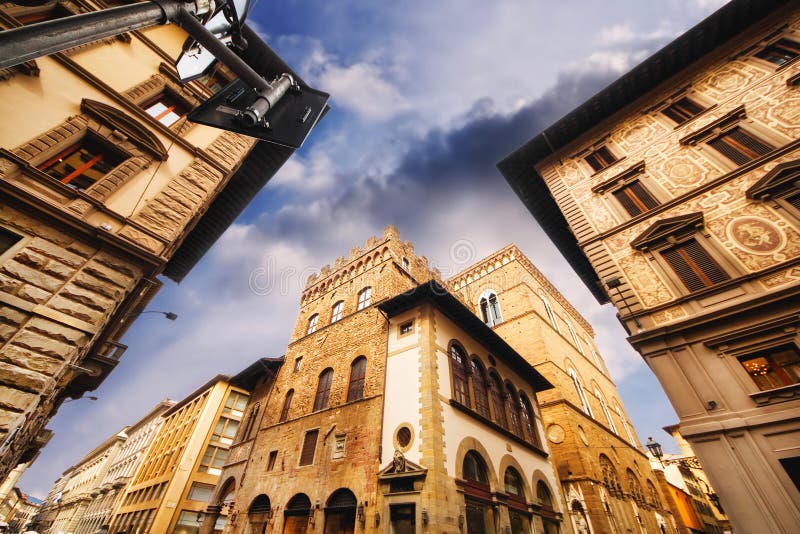
Mastering composition is paramount when working with wide-angle lenses for interior photography. The expansive field of view offers incredible potential for showcasing space and grandeur, but it also presents unique challenges. Thoughtful arrangement of elements within the frame ensures a visually appealing and impactful image that guides the viewer’s eye and conveys the intended atmosphere of the interior.Wide-angle lenses can easily lead to overwhelming or distorted images if not used with deliberate compositional intent.
The key is to harness their power to create dynamic, engaging, and accurate representations of architectural spaces. This involves understanding how to balance elements, manage the inherent distortions, and utilize visual cues to create a sense of depth and narrative.
Effective Compositional Rules and Guidelines
Applying established compositional principles is crucial for creating well-balanced and aesthetically pleasing wide-angle interior photographs. These guidelines help to organize the visual information within the frame, making the image more digestible and impactful for the viewer.
- Rule of Thirds: Imagine dividing the frame into nine equal sections by two horizontal and two vertical lines. Placing key elements along these lines or at their intersections often creates a more dynamic and visually interesting composition than centering the subject. For interiors, this might involve aligning a doorway with a vertical line or placing a prominent piece of furniture at an intersection.
- Symmetry and Balance: While the rule of thirds encourages asymmetry, symmetrical compositions can be incredibly effective in interiors, especially in hallways, grand entrances, or rooms with strong architectural features. Achieving balance, even in asymmetrical scenes, involves distributing visual weight evenly across the frame.
- Framing: Use existing architectural elements, such as doorways, windows, or arches, to naturally frame the subject within the interior. This technique adds depth and draws the viewer’s attention to the main point of interest.
- Negative Space: The strategic use of empty or less detailed areas in the frame can help to emphasize the main subject and prevent the image from feeling cluttered, which is a common pitfall with wide-angle lenses.
Managing Converging Verticals and Distortion
Wide-angle lenses, particularly when tilted upwards or downwards, can cause vertical lines in a scene to appear to converge, leaning inwards towards a vanishing point. This distortion, if not managed, can make architectural spaces look unnatural or even unstable.
- Camera Leveling: The most effective way to combat converging verticals is to keep the camera’s sensor plane parallel to the ground. This means ensuring the camera is perfectly level both horizontally and vertically. Using a spirit level on your camera or tripod is highly recommended.
- Tilting the Camera Upwards: When shooting interiors with high ceilings, it’s often necessary to tilt the camera up to capture the entire space. In such cases, ensure that the camera’s vertical axis remains as close to perpendicular to the ground as possible.
- Post-Processing Adjustments: Modern editing software offers powerful tools to correct converging verticals. The “lens correction” or “transform” tools can automatically or manually straighten these lines, making the architecture appear more natural. However, it’s always best to minimize distortion in-camera as much as possible, as aggressive post-processing can sometimes lead to a loss of image quality.
- Perspective Control (PC) Lenses: For professional architectural photographers, tilt-shift lenses offer the ability to shift the lens parallel to the sensor, allowing the photographer to capture more of the scene without tilting the camera, thus preventing converging verticals. While not a wide-angle lens in the typical sense, they are invaluable for architectural work.
Creating Depth and Leading Lines
Wide-angle lenses excel at capturing expansive scenes, but creating a sense of depth is essential to prevent the image from feeling flat. Leading lines are powerful compositional tools that guide the viewer’s eye through the scene, adding both depth and a sense of narrative.
- Natural Leading Lines: Identify elements within the interior that naturally draw the eye towards a focal point. These can include hallways, staircases, patterns on the floor or ceiling, furniture arrangements, or even light streams.
- Diagonal Lines: Diagonal lines tend to be more dynamic and engaging than horizontal or vertical lines. Incorporating elements that create strong diagonals can add a sense of movement and depth.
- Foreground Interest: Including an element in the foreground that is slightly out of focus or less prominent can create a sense of scale and depth. This could be a piece of furniture, a rug, or even a shadow.
- Layering: Arrange elements in distinct layers within the frame. For example, a hallway receding into the distance, with furniture placed in the mid-ground and a window at the far end, creates a clear sense of depth.
Checklist of Compositional Elements
Before pressing the shutter button, it is beneficial to have a systematic approach to evaluating your composition. This checklist helps ensure that all critical compositional aspects are considered, leading to stronger and more impactful images.
| Element | Considerations for Wide-Angle Interiors | Notes |
|---|---|---|
| Subject Placement | Is the main subject (e.g., architectural feature, furniture) positioned effectively using the rule of thirds or symmetry? | Avoid placing the primary subject directly in the center unless symmetry demands it. |
| Leading Lines | Are there natural lines (hallways, stairs, furniture) guiding the viewer’s eye? Are they leading towards a point of interest? | Ensure lines are not too distracting or leading the eye out of the frame. |
| Depth Creation | Is there foreground interest? Are there layers within the scene to create a sense of three-dimensionality? | Consider using elements like rugs, furniture, or shadows to add depth. |
| Vertical Alignment | Are vertical lines appearing reasonably straight? Has the camera been kept level to minimize distortion? | Check for converging verticals and plan for potential post-processing correction. |
| Framing Elements | Can existing architectural features (doorways, windows) be used to frame the subject? | Framing adds context and draws attention to the focal point. |
| Negative Space | Is there sufficient negative space to prevent the image from feeling cluttered? | Negative space allows the subject to breathe and stand out. |
| Balance and Symmetry | Does the composition feel balanced? Is symmetry being used effectively if present? | Distribute visual weight evenly for a pleasing aesthetic. |
| Distraction Management | Are there any distracting elements (e.g., cables, clutter, out-of-place objects) that can be removed or repositioned? | A clean, uncluttered scene is crucial for architectural interiors. |
Camera Settings and In-Camera Adjustments
Mastering your camera’s settings is crucial for capturing stunning interior architecture photographs, especially when using wide-angle lenses. These settings directly influence the image’s sharpness, exposure, and overall quality, laying the foundation for effective post-processing. This section will guide you through optimal camera settings and essential in-camera adjustments to achieve professional results.
Optimal Camera Settings
Achieving sharp, well-exposed interior shots with a wide-angle lens involves a careful balance of aperture, shutter speed, and ISO. The goal is to maximize depth of field, minimize noise, and ensure sufficient light reaches the sensor.
- Aperture: For interior architecture, a narrower aperture is generally preferred to achieve a greater depth of field, ensuring that both foreground elements and distant features are in focus. An aperture range of f/8 to f/11 is often ideal. While wider apertures offer shallower depth of field, they can lead to softer corners with wide-angle lenses due to inherent optical characteristics.
Very narrow apertures (e.g., f/16 and beyond) can introduce diffraction, which can soften the image, so it’s best to find a balance.
- Shutter Speed: The shutter speed will be dictated by the aperture and ISO chosen, as well as the available light. In low-light interior conditions, longer shutter speeds are often necessary. Since you’ll likely be using a tripod, motion blur from camera shake is not a concern. However, be mindful of any moving elements within the scene (people, curtains swaying) that might be captured as motion blur.
Typical shutter speeds can range from 1/30th of a second to several seconds, depending on the lighting.
- ISO: To maintain image quality and minimize digital noise, it’s paramount to keep the ISO as low as possible. For most modern DSLRs and mirrorless cameras, an ISO of 100 or 200 is the base setting and will yield the cleanest images. Only increase the ISO if absolutely necessary to achieve a usable shutter speed or aperture, and be aware of the trade-off in image quality.
Shooting in RAW Format
The decision to shoot in RAW format is fundamental for professional architectural photography. RAW files contain unprocessed data directly from the camera sensor, offering significantly more flexibility and latitude in post-processing compared to JPEGs.
- Unparalleled Flexibility: RAW files preserve all the image data captured by the sensor, including a wider dynamic range and color depth. This means you have more control over adjusting exposure, recovering blown-out highlights, lifting shadows, and correcting white balance without introducing artifacts or degrading image quality.
- Greater Detail Retention: When you need to make significant adjustments, such as bringing detail back from dark corners or salvaging overexposed window views, RAW files are indispensable. JPEGs, being already processed and compressed, lose a considerable amount of this detail.
- White Balance Precision: While you can adjust white balance in JPEGs, doing so in RAW files is non-destructive and allows for far more accurate color correction. You can experiment with different white balance settings in post-processing without permanently altering the image data.
In-Camera Lens Correction Profiles
Modern cameras and lenses are often designed to work together to correct optical imperfections. Utilizing these in-camera profiles can significantly improve the initial quality of your wide-angle interior shots.
In-camera lens correction profiles automatically compensate for common wide-angle lens distortions such as barrel distortion and chromatic aberration, leading to straighter lines and cleaner edges.
Most camera manufacturers offer built-in lens correction profiles that can be enabled in the camera’s menu. When activated, the camera applies these corrections in real-time to the image file. For RAW files, the correction data is embedded, allowing post-processing software to apply the same corrections non-destructively. It’s advisable to consult your camera’s manual to locate and enable these settings for your specific wide-angle lens.
Bracketing Exposures for Extended Dynamic Range
Interior spaces often present extreme lighting differences, with bright windows and dark corners. To capture detail in both the highlights and shadows, exposure bracketing is an essential technique.
Exposure bracketing involves taking multiple shots of the same scene at different exposure levels. These images are then merged in post-processing to create a single image with a much wider dynamic range, often referred to as High Dynamic Range (HDR) photography. This process is particularly effective for interiors where you need to balance the exposure of brightly lit exteriors seen through windows with the darker interior elements.
- Setting Up the Bracket: Most cameras have an Auto Exposure Bracketing (AEB) function. You can typically set the number of shots (e.g., 3 or 5) and the increment between exposures (e.g., 1 or 2 stops). For challenging interior lighting, a bracket of 3 or 5 images with 2-stop increments is a good starting point.
- Capturing the Bracket: Once set up, you’ll press the shutter button once, and the camera will automatically fire off the series of exposures. It is absolutely critical to use a tripod for bracketing to ensure perfect alignment of the images, which is vital for successful merging in post-processing.
- Merging in Post-Processing: Software like Adobe Lightroom, Photoshop, or dedicated HDR programs can merge the bracketed exposures. These programs align the images and blend them intelligently to create an HDR image that retains detail across the entire tonal range.
Post-Processing Techniques for Wide-Angle Interiors
Post-processing is a crucial stage in achieving professional-quality wide-angle interior photographs. It allows you to refine the captured image, correct inherent distortions, enhance the mood and atmosphere, and ensure accurate representation of the architectural space. This phase transforms a good photograph into a compelling visual narrative of the interior.The goal of post-processing for wide-angle interiors is to balance technical corrections with artistic enhancements.
It’s about making the space look its best while remaining true to its actual appearance and feel. This involves a series of deliberate adjustments that build upon the foundation laid during the shooting process.
Correcting Distortion and Converging Lines
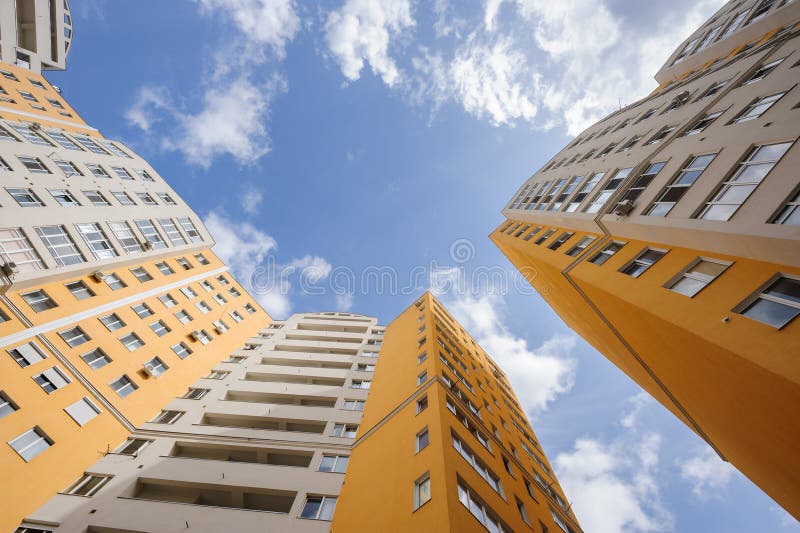
Wide-angle lenses, by their very nature, introduce barrel distortion, which can make straight lines appear to curve outwards. Additionally, when shooting upwards or downwards, vertical lines can converge, making the architecture seem to lean. Correcting these distortions is paramount for a realistic and pleasing depiction of the interior.Modern editing software offers powerful tools to address these issues. Lens correction profiles are often automatically applied if your software recognizes the lens used, significantly reducing barrel distortion.
For manual correction, perspective correction tools are invaluable. These allow you to identify and straighten converging vertical and horizontal lines, effectively making the architecture stand upright as it would appear to the human eye.Here are the primary methods for distortion correction:
- Lens Profile Correction: Most editing software (like Adobe Lightroom, Photoshop, Capture One) has a database of lens profiles. Selecting the correct profile for your lens and camera combination automatically corrects common distortions, including barrel distortion and chromatic aberration.
- Manual Perspective Correction: For more complex situations or when automatic correction isn’t sufficient, manual tools are employed. These typically involve drawing lines on the image to guide the software in straightening out converging verticals and horizontals. Tools like “Upright” in Lightroom or the “Transform” tools in Photoshop are highly effective.
- Keystone Correction: This is a specific type of perspective correction focused on correcting the “keystone effect” where parallel lines appear to converge due to the camera’s angle.
It’s important to apply these corrections judiciously. Over-correction can sometimes lead to unnatural-looking results or a loss of image quality, so a balanced approach is key.
Adjusting White Balance and Color Tones
Accurate white balance and harmonious color tones are essential for conveying the intended atmosphere and feel of an interior space. Different light sources within an interior (natural light from windows, artificial lights like incandescent or LED bulbs) have varying color temperatures, which can lead to color casts if not corrected.The aim is to neutralize any unwanted color casts and ensure that white objects appear white, thereby creating a neutral baseline from which to enhance the colors of the space.
Once the white balance is corrected, you can then adjust color tones to either faithfully represent the space or to subtly enhance its mood.Strategies for achieving accurate color representation include:
- Using a Grey Card or Color Checker: If you photographed a grey card or a color checker chart in the scene, you can use this as a reference point in your editing software to set a precise white balance.
- Sampling White or Neutral Grey: Select a pure white or neutral grey area in your image and use the white balance eyedropper tool in your editing software to set the white balance.
- Manual Adjustment of Color Temperature and Tint: Fine-tune the color temperature slider (from cool blue to warm yellow) and the tint slider (from green to magenta) until the colors appear natural and neutral.
- Color Grading for Mood: After establishing a neutral white balance, you can selectively adjust color tones to evoke a specific mood. For instance, slightly warming the image can create a cozy feel, while cooler tones might suggest a more modern or minimalist aesthetic. Be mindful of maintaining realism, especially in architectural photography where accuracy is often prioritized.
Consider the materials and finishes within the space; for example, the warm tones of wood or the cool hues of marble should be rendered accurately.
Sharpening and Noise Reduction for Interior Shots
Interior shots, especially those taken in lower light conditions, can often exhibit digital noise and may require sharpening to bring out the fine details. However, these adjustments must be performed with care to avoid over-sharpening, which can create halos and artifacts, or over-processing noise reduction, which can lead to a loss of detail and a “plasticky” look.Sharpening enhances the definition of edges and textures, making the image appear crisper.
Noise reduction smooths out the grainy appearance caused by high ISO settings or long exposures. The key is to find a balance that improves clarity without compromising the natural appearance of the interior.Here are recommended techniques for sharpening and noise reduction:
- Sharpening: Apply sharpening selectively, often focusing on architectural elements, textures, and details that benefit from increased definition. Use masking features in editing software to apply sharpening only where needed, avoiding smooth areas like walls or skies. The amount of sharpening should be subtle for interiors, aiming for clarity rather than an overly processed look.
- Noise Reduction: When applying noise reduction, start with a conservative approach. Modern sensors and software are quite capable, so aggressive noise reduction is often unnecessary and detrimental to image quality. Focus on reducing luminance noise (graininess) and chrominance noise (color speckles). Again, masking can be useful to preserve detail in areas where noise is less apparent.
- Order of Operations: Generally, it’s recommended to apply noise reduction before sharpening. This is because sharpening can accentuate noise. By reducing noise first, you provide a cleaner image for the sharpening process.
A common mistake is to overdo these adjustments, making the image look artificial. Always zoom in to 100% or more to evaluate the impact of your sharpening and noise reduction settings.
Sample Workflow for a Typical Wide-Angle Interior Edit
A structured workflow ensures consistency and efficiency in editing your wide-angle interior photographs. While individual needs may vary, this sample workflow covers the essential steps to achieve a polished final image.Here is a step-by-step approach to editing a wide-angle interior photograph:
- Import and Organize: Import your RAW files into your preferred editing software. Organize them into folders and apply basic metadata.
- Initial Global Adjustments: Make fundamental adjustments to exposure, contrast, highlights, and shadows. Ensure the overall brightness and tonal range are pleasing.
- Lens Corrections: Apply lens profile corrections to fix barrel distortion and chromatic aberration.
- Perspective Correction: Use transform tools to straighten converging vertical and horizontal lines, making the architecture appear plumb.
- White Balance and Color Correction: Set an accurate white balance to neutralize color casts. Adjust saturation and vibrance to enhance colors without making them look unnatural.
- Noise Reduction: Apply noise reduction to smooth out any graininess, especially in darker areas.
- Sharpening: Apply selective sharpening to enhance details and textures. Use masking to control where sharpening is applied.
- Local Adjustments: Use adjustment brushes or gradients to refine specific areas. For example, you might dodge and lighten a darker corner or burn down an overly bright window area.
- Cropping and Straightening: Make any final minor adjustments to the crop and ensure the horizon is perfectly level if applicable.
- Export: Export your final image in the desired format and resolution, typically as a JPEG for web use or a TIFF for print.
Throughout this process, frequently zoom in to examine details and zoom out to assess the overall impact of your edits. The goal is to create an image that is technically sound, aesthetically pleasing, and accurately represents the architectural space.
Common Pitfalls and How to Avoid Them
When venturing into the realm of wide-angle interior photography, several common challenges can arise. Being aware of these potential pitfalls and understanding how to proactively address them is crucial for producing professional-quality images that accurately represent architectural spaces. This section will guide you through these frequent errors and offer practical solutions to ensure your work shines.One of the most prevalent issues encountered with wide-angle lenses is the distortion of perspective, often leading to a warped or unnatural appearance of the space.
This can manifest as converging vertical lines or an exaggerated sense of depth.
Perspective Distortion Correction
To combat perspective distortion, especially with vertical lines in architecture, it is essential to maintain a level camera. This means ensuring the camera’s sensor plane is parallel to the floor and ceiling. When shooting from a lower vantage point, tilting the camera upwards can cause vertical lines to converge. Conversely, tilting downwards can make them appear to diverge. The most effective way to mitigate this is to physically move the camera up or down to achieve a level horizon line, rather than relying solely on tilting.
If the architecture demands a specific viewpoint that necessitates tilting, modern software offers powerful tools to correct converging verticals during post-processing. However, minimizing distortion in-camera will always yield superior results.Lens flare and unwanted reflections are significant adversaries in interior photography, particularly when light sources are present within the frame or reflecting off surfaces. These can detract from the overall image quality and distract the viewer.
Managing Lens Flare and Reflections
Lens flare typically occurs when strong light sources, such as windows or lamps, hit the lens directly. To avoid this, always use a lens hood. If a lens hood is insufficient, consider using a flag or your hand to block direct light from entering the lens, being careful not to obstruct the shot. For reflections, particularly from windows or glossy surfaces, careful positioning of the camera is key.
Experiment with slight shifts in angle to minimize or eliminate unwanted reflections. Sometimes, a polarizing filter can be invaluable in reducing glare from glass and other reflective materials, allowing you to see more of the scene beyond the reflection.The allure of wide-angle lenses can sometimes lead to over-manipulation in post-processing, resulting in an artificial or exaggerated depiction of the space.
This can undermine the authenticity of the architectural representation.
Preventing Over-Manipulation
The goal of wide-angle interior photography is to showcase the space as it is, with enhanced clarity and a sense of openness. When editing, strive for a natural look. Avoid pushing saturation or contrast to extremes, which can make colors appear unnatural and details overly harsh. Pay close attention to the white balance; an incorrect white balance can drastically alter the mood and perceived accuracy of the colors within the space.
If you find yourself making excessive adjustments to correct distortion or enhance colors, it’s often a sign that the initial capture could have been improved. Revisit the principles of good lighting and composition in-camera before resorting to heavy-handed edits.Maintaining visual consistency across a series of interior shots is vital for a cohesive presentation, especially when documenting multiple rooms or a larger property.
Inconsistencies in exposure, white balance, or color rendition can be jarring to the viewer.
Ensuring Consistent Image Quality
To achieve consistent image quality, establishing a set of camera settings and adhering to them is paramount. Before you begin shooting, determine your base settings for exposure (aperture, shutter speed, ISO) and white balance. It is highly recommended to shoot in RAW format, as this provides the most flexibility for adjustments in post-processing without significant loss of quality. When shooting, use a tripod to maintain a consistent focal length and camera height for similar shots.
In post-processing, apply the same basic adjustments to all images within a series. Using presets or batch editing tools in software like Adobe Lightroom can streamline this process and ensure uniformity in exposure, white balance, and color grading.
Illustrative Examples of Wide-Angle Interior Shots
To truly grasp the application of wide-angle lenses in interior architecture photography, examining practical examples is invaluable. These scenarios will demonstrate how specific lens choices, lighting strategies, and compositional techniques come together to create compelling images that showcase the essence of a space. We will explore how to effectively capture diverse interior environments, from the social hub of a living room to the intimate setting of a bedroom, highlighting the unique challenges and solutions each presents.This section provides a practical guide through illustrative examples, demonstrating the principles discussed earlier.
By walking through specific room types, we can see how lens selection, lighting, and composition are applied in real-world scenarios to achieve impactful architectural interior photography.
Living Room Interior Scenario
For a spacious living room, the goal is to convey openness, comfort, and the flow of the space. A wide-angle lens, typically in the 16-24mm range on a full-frame camera, is ideal for encompassing the entire room, including architectural details and furnishings, without distortion. The lighting setup would aim to balance ambient light with strategic artificial lighting. Natural light streaming through windows should be embraced, perhaps supplemented by soft, diffused artificial lights from lamps or recessed fixtures.
Avoid harsh, direct lights that can create distracting hotspots.The composition should lead the viewer’s eye through the room. A common strategy is to position the camera near a corner, allowing the wide-angle lens to capture two walls and the adjoining space. This creates a sense of depth and dimension. Key elements like a fireplace, a large window with a view, or a comfortable seating arrangement should be prominent.
Ensure furniture is arranged neatly and any clutter is removed. The horizon lines should be kept as straight as possible, which is crucial when using wide-angle lenses to avoid a tilted or skewed perspective. The aim is to make the space feel inviting and expansive.
Bathroom Interior Procedure
Photographing a bathroom, especially a smaller one, presents challenges due to tight spaces and reflective surfaces. A rectilinear wide-angle lens, such as a 14-20mm on a full-frame camera, is essential to minimize distortion, particularly at the edges of the frame. The primary challenge is managing reflections from mirrors, tiles, and fixtures.The procedure involves careful positioning and lighting.
- Camera Placement: Position the camera as low as comfortably possible to emphasize the floor and create a sense of spaciousness. Experiment with angles to minimize unwanted reflections of the camera or photographer.
- Lighting Control: Turn off all unnecessary artificial lights that might create glare. Rely on ambient light from a window if available, or use soft, diffused artificial lighting from sources placed out of frame. If mirrors are unavoidable, try to use them to reflect pleasing elements of the room, like a well-designed vanity or decorative tiles.
- Minimizing Distraction: Ensure all surfaces are clean and dry. Towels should be neatly folded, and any toiletries should be arranged discreetly or removed entirely.
- Composition: Focus on clean lines and the functional elements of the bathroom. Capture the vanity, shower, and toilet in a way that feels balanced. Using the wide-angle lens to its advantage, include architectural details like tile patterns or unique fixtures.
- Tripod Use: A tripod is crucial for stability and for allowing longer exposures if needed to capture sufficient detail in darker areas without overexposing brighter sections. This also allows for bracketing exposures for HDR if necessary.
Kitchen Interior Set-up
When photographing a kitchen, the emphasis is on functionality, clean design, and the overall atmosphere of a space designed for gathering and cooking. A wide-angle lens, around 16-24mm, is perfect for showcasing the layout and key features.The set-up involves several considerations:
- Decluttering and Staging: Remove all personal items, clutter, and excess appliances from countertops. Stage key areas with attractive, yet functional, items such as a bowl of fresh fruit, a cookbook, or a neatly arranged set of utensils.
- Lighting Strategy: Utilize a combination of ambient light and controlled artificial lighting. Natural light from windows can illuminate the main work areas. Supplement this with under-cabinet lighting and pendant lights to highlight specific zones. Avoid direct flash, which can flatten the scene and create harsh shadows. If additional lighting is needed, use softboxes or diffusers placed strategically out of frame.
- Camera Angle and Perspective: A slightly elevated position can help to show the entire countertop and appliance layout. Alternatively, shooting from a lower angle can make the kitchen feel more expansive. Aim to capture the flow between different zones, such as the prep area, cooking station, and dining nook.
- Highlighting Features: Focus on showcasing the design elements: cabinetry, countertops, backsplash, and appliances. Use the wide-angle perspective to emphasize the scale of the kitchen and its integration with other living spaces, if applicable.
- Tripod and Leveling: A tripod is essential for sharp images and for maintaining perfectly level horizons, which is critical in kitchens with strong horizontal and vertical lines.
Bedroom Interior Capture
Capturing a bedroom interior requires a focus on creating a sense of tranquility, comfort, and spaciousness. Wide-angle lenses, typically in the 16-24mm range, are effective for conveying the scale of the room and its inviting atmosphere.The approach to photographing a bedroom is as follows:
- Setting the Mood: The primary goal is to evoke a feeling of calm and relaxation. This starts with meticulous tidying. Ensure the bed is perfectly made with crisp linens and plumped pillows. Remove any personal items that might detract from the serene ambiance.
- Lighting: Soft, diffused lighting is paramount. If natural light is available, use it to gently illuminate the space. Avoid direct sunlight that can create harsh shadows. If artificial lighting is necessary, use warm, dimmable lamps placed strategically to create a cozy glow. Consider turning off overhead lights to prevent a sterile look.
- Composition: Position the camera to capture the bed as the central focal point, often from a corner of the room. This allows the wide-angle lens to encompass the entire space, including wardrobes, windows, and any seating areas, while maintaining a sense of balance. Lead the viewer’s eye towards the bed or a pleasing view from the window.
- Minimizing Distortion: While wide-angle lenses are used, pay close attention to vertical lines, especially those of doorframes or wardrobes. Adjusting the camera’s tilt or using lens correction in post-processing can help maintain straight lines.
- Focus on Details: While showcasing the overall space, subtle details can enhance the feeling of comfort. This might include a neatly arranged bedside table, a textured throw blanket, or a piece of art on the wall. These elements, captured with the wide-angle lens, add depth and character without overwhelming the scene.
End of Discussion
By mastering the art of shooting architectural interiors with wide-angle lenses, you unlock the potential to convey the true essence and scale of any space. This exploration has covered everything from the critical selection of equipment and sophisticated lighting strategies to nuanced compositional techniques and meticulous post-processing. Armed with this knowledge, you are well-prepared to overcome common pitfalls and produce images that are not only technically sound but also artistically impactful, truly bringing interiors to life for your audience.