Embarking on the journey of capturing the magic of sunrise through the intricate tapestry of trees presents a unique and rewarding photographic challenge. This guide is meticulously crafted to equip you with the knowledge and techniques needed to transform ordinary dawn moments into extraordinary visual narratives. We will delve into the atmospheric conditions that paint the sky, the technical settings that preserve delicate light, and the artistic compositions that bring your vision to life.
Understanding the interplay of light and shadow, the nuances of atmospheric effects, and the essential gear will elevate your ability to photograph sunrises that are not just seen, but deeply felt. From mastering silhouetting to leveraging natural framing provided by branches, every aspect is covered to ensure your images resonate with the breathtaking beauty of dawn breaking through the woodland canopy.
Understanding Sunrise Photography Through Trees

Photographing a sunrise through trees presents a unique set of artistic and technical considerations that can elevate an image from ordinary to extraordinary. The interplay of light, shadow, and form creates a captivating scene, but it also demands a thoughtful approach to composition, exposure, and post-processing. Understanding these elements is key to harnessing the full potential of this photographic genre.The presence of trees introduces natural framing and leading lines, guiding the viewer’s eye into the scene.
However, it also creates significant challenges, particularly with the dramatic contrast between the bright sky and the darker foreground. Mastering these aspects allows photographers to capture the ephemeral beauty of dawn in a truly compelling way.
Challenges and Opportunities of Sunrise Photography Through Trees
The primary challenge in photographing sunrises through trees lies in managing the extreme dynamic range. The sky can be many stops brighter than the shadowed areas beneath the tree canopy. This often leads to either a blown-out sky or an underexposed foreground if a single exposure is used. However, this contrast also presents an opportunity to create dramatic silhouettes and to capture the ethereal glow of the rising sun filtering through the branches.
The trees themselves act as natural frames, adding depth and context to the sunrise, preventing the image from becoming a simple sky-scape. The intricate patterns of branches and leaves can create beautiful bokeh or abstract shapes against the vibrant dawn sky.
Atmospheric Conditions Enhancing Sunrise Shots Through Foliage
Certain atmospheric conditions can significantly enhance the visual impact of a sunrise captured through trees. These conditions often involve particles in the air that scatter and diffuse light, creating a softer, more diffused illumination and vibrant colors.Here are some atmospheric conditions that are particularly beneficial:
- Mist and Fog: These conditions create a soft, diffused light that dramatically reduces contrast. The mist can catch the light, appearing to glow and adding a sense of depth and mystery as it obscures distant elements and softens the edges of the trees.
- Low Clouds or Haze: Similar to mist, low clouds or a gentle haze can filter the sunlight, preventing harsh shadows and intensifying the colors of the sunrise. This diffused light can make the sun appear as a soft orb rather than a sharp disc.
- Post-Rain Conditions: After a rainfall, the air is often cleansed of dust, and moisture lingers, leading to clearer skies with vibrant colors. Dewdrops on leaves and branches can also catch the early light, adding sparkle and detail to the foreground.
- Seasonal Elements: Autumn foliage can add a spectacular array of warm colors to the scene, complementing the sunrise hues. Spring can offer fresh green leaves that create a luminous effect when backlit by the sun.
Techniques for Capturing Dynamic Range with Trees
Capturing the full dynamic range of a sunrise when shooting into the sun, with trees as foreground or midground elements, requires specific techniques to retain detail in both the bright sky and the darker tree areas.Key techniques to employ include:
- Exposure Bracketing and HDR: This is arguably the most effective method. Take multiple shots of the same scene at different exposures (e.g., one for the sky, one for the mid-tones, and one for the shadows). These images can then be merged in post-processing using High Dynamic Range (HDR) software to create a single image with a much wider range of detail.
- Using a Graduated Neutral Density (GND) Filter: A GND filter is dark on top and clear on the bottom, with a gradual transition. Placing the dark part of the filter over the bright sky helps to balance the exposure, allowing more light to reach the sensor for the darker foreground and midground.
- Exposing for the Highlights: A common technique is to expose the image so that the brightest parts of the sky are just at the edge of being blown out, or slightly underexposed. This preserves the color and detail in the sky. The darker areas can then be recovered to some extent during post-processing.
- Using the Histogram: Constantly monitor your histogram. Aim to have the data spread across the range without clipping too severely at either end, especially on the right (highlights). If the histogram is pushed all the way to the right, you have lost highlight detail.
- Focus Stacking (if applicable): If you are aiming for extreme sharpness from foreground elements to the trees, focus stacking might be considered, though it’s more common for macro or landscape shots with very close foregrounds. For sunrise through trees, this is less common unless there are specific foreground elements you want to be critically sharp.
Silhouetting and Effective Achievement
Silhouetting is a powerful technique in sunrise photography through trees, where the trees are rendered as dark shapes against a brightly lit sky. This emphasizes their form and the drama of the sunrise without revealing fine detail.To achieve effective silhouetting:
- Positioning: Place the trees between the camera and the rising sun. The sun should be positioned behind the trees.
- Exposure: Expose for the sky. This means intentionally underexposing the image so that the trees appear completely black. The goal is to ensure the sky is well-exposed and vibrant, and the trees become dark shapes.
- Contrast: High contrast is inherent in silhouetting. The strong difference between the dark subject and the bright background creates the dramatic effect.
- Subject Shape: Choose trees with interesting or recognizable shapes for silhouettes. Bare branches in winter, or the distinctive crown of a tree, can make for compelling subjects.
- Light Quality: The quality of light is crucial. A sunrise with strong, colorful rays or a vibrant gradient in the sky will make for a more impactful silhouette than a flat, washed-out sky.
A well-executed silhouette can transform a simple tree into a graphic element, adding a sense of mystery and drawing attention to the spectacle of the sunrise.
“The art of photography is the art of patience. The perfect light, the perfect moment, and the perfect composition often require waiting.”
Essential Gear and Settings
Capturing the ethereal beauty of a sunrise filtering through trees requires a thoughtful approach to your equipment and camera settings. The right gear can make a significant difference in the quality and detail of your final image, allowing you to translate the fleeting moments of dawn into stunning photographs. This section will guide you through the essential tools and configurations that will elevate your sunrise tree photography.Choosing the right camera body and lenses is fundamental to achieving the desired aesthetic.
Different cameras and lenses offer varying capabilities that can enhance your ability to capture the dynamic range and intricate details of a sunrise scene.
Recommended Camera Bodies and Lenses
When selecting camera bodies and lenses for sunrise tree photography, consider their performance in low light, their dynamic range capabilities, and their suitability for capturing both wide vistas and intimate details.
- Full-frame DSLR or Mirrorless Camera: These cameras generally offer superior low-light performance and a wider dynamic range compared to their crop-sensor counterparts. This is crucial for capturing the subtle gradations of light during sunrise without losing detail in the shadows or highlights. Examples include cameras like the Sony Alpha a7 IV, Canon EOS R6 Mark II, or Nikon Z7 II, which excel in image quality and noise reduction at higher ISOs.
- Wide-Angle Lens (e.g., 14-35mm on full-frame): A wide-angle lens is ideal for capturing the grandeur of the scene, including the expanse of the sky, the silhouettes of the trees, and the foreground elements. It allows you to immerse the viewer in the environment. A focal length around 24mm to 35mm on a full-frame camera is often a good starting point for balancing context and detail.
- Mid-Range Zoom Lens (e.g., 24-70mm on full-frame): This versatile lens offers flexibility to compose shots from wider perspectives to tighter framing of specific tree branches or sunbeams. It’s excellent for isolating interesting patterns or details within the forest as the light changes.
- Telephoto Lens (e.g., 70-200mm on full-frame): While not always essential, a telephoto lens can be useful for compressing the scene, making distant trees appear closer, or for isolating shafts of light that pierce through the canopy. It can also be used to create abstract compositions focusing on light and shadow play.
The optimal camera settings are key to harnessing the available light and preserving the detail in your sunrise tree photographs. Striking the right balance between aperture, shutter speed, and ISO will ensure your images are sharp, well-exposed, and free from excessive noise.
Optimal Camera Settings
Achieving a well-exposed and detailed image during the challenging lighting conditions of a sunrise requires careful adjustment of your camera’s core settings. These settings work in concert to control the amount of light entering the sensor, the depth of field, and the overall image quality.
- Aperture: For sunrise photography, particularly when you want to capture the intricate details of the trees and a sense of depth, an aperture between f/8 and f/11 is often ideal. This range provides a good balance between sharpness across the frame and a desirable depth of field, ensuring both foreground and background elements are reasonably in focus. If you are aiming for a starburst effect from the sun, a smaller aperture like f/16 or f/22 might be used, though this can lead to diffraction softening the image.
- Shutter Speed: This setting is highly dependent on the available light and your desired effect. In the very early stages of dawn, you might need slower shutter speeds to gather enough light, potentially requiring a tripod. As the sun rises and light increases, you can use faster shutter speeds. For capturing sharp images of trees, especially if there’s a slight breeze causing movement, you’ll need to balance shutter speed with ISO and aperture.
A general starting point might be 1/60th of a second or faster if handholding, but with a tripod, you can go much slower.
- ISO: To maintain image quality and minimize noise, it’s best to keep your ISO as low as possible, typically between ISO 100 and ISO 400. Modern cameras perform well at higher ISOs, but for the cleanest images, especially in shadows, keeping it low is paramount. If you find yourself needing a faster shutter speed in low light and cannot open your aperture further, you may need to increase the ISO, but be mindful of the trade-off in noise.
“The interplay of light and shadow within the trees during sunrise is where the magic happens. Your settings should aim to capture this dynamic range with clarity and detail.”
Stability is paramount when shooting in low light conditions and when precise focus is critical. Tripods and remote shutters are indispensable tools that contribute significantly to achieving sharp, professional-quality images.
Tripods and Remote Shutters
The benefits of using a tripod and remote shutter extend beyond simple convenience; they are essential for overcoming the challenges of low light and achieving maximum image sharpness.
- Tripod: During sunrise, light levels are often low, necessitating longer exposure times to properly expose the scene. Without a tripod, any camera movement during these longer exposures will result in blurry images. A sturdy tripod provides a stable platform, allowing you to use slower shutter speeds without introducing camera shake. This is particularly important for capturing the fine details of tree bark, leaves, and the subtle textures of the forest floor.
Look for a tripod that is stable, lightweight enough to carry, and has a good quality ball head for easy composition adjustments.
- Remote Shutter Release: Even the act of pressing the shutter button on your camera can introduce slight vibrations that can cause blur, especially with longer exposures. A remote shutter release (either a wired or wireless device, or using your camera’s self-timer function) eliminates the need to touch the camera directly. This ensures that the camera remains perfectly still during the entire exposure, leading to significantly sharper images.
Many modern cameras also have mobile apps that can function as remote shutters.
Filters can be powerful tools for managing challenging lighting conditions and enhancing the visual impact of your sunrise tree photographs. They allow you to overcome limitations of your camera’s dynamic range and creatively control light.
Benefits of Using Filters
Filters offer photographers the ability to manipulate light and color in ways that are difficult or impossible to achieve in post-processing alone. For sunrise photography through trees, they are particularly valuable for balancing exposure and enhancing the mood of the scene.
- Graduated Neutral Density (GND) Filters: These are perhaps the most crucial filters for sunrise photography. A GND filter is dark on one half and clear on the other, with a gradual transition in between. This is invaluable for scenes where the sky is much brighter than the foreground, which is common during sunrise. By placing the dark half of the filter over the bright sky, you reduce the amount of light entering the lens from the sky, allowing you to expose the foreground and mid-ground (the trees and forest floor) properly without blowing out the highlights in the sky or underexposing the shadows.
They come in different strengths (e.g., 2-stop, 3-stop) and with different transition types (soft, hard, or reverse grad). For shooting through trees, a soft or medium grad transition is often preferred to blend smoothly with the irregular tree line.
- Solid Neutral Density (ND) Filters: While less common for this specific scenario than GNDs, a solid ND filter can be used to reduce all light entering the lens equally. This is useful if you want to achieve very long exposures even when the light is increasing, perhaps to create a silky smooth effect with mist or fog, or to intentionally blur any movement in the foliage.
- Polarizing Filters: A polarizing filter can help reduce glare and reflections, and it can also enhance the saturation of colors in the sky. However, when shooting through trees, be cautious as polarizing filters can sometimes create an unnatural darkening of the sky or introduce unevenness in the light if used at certain angles.
Compositional Techniques
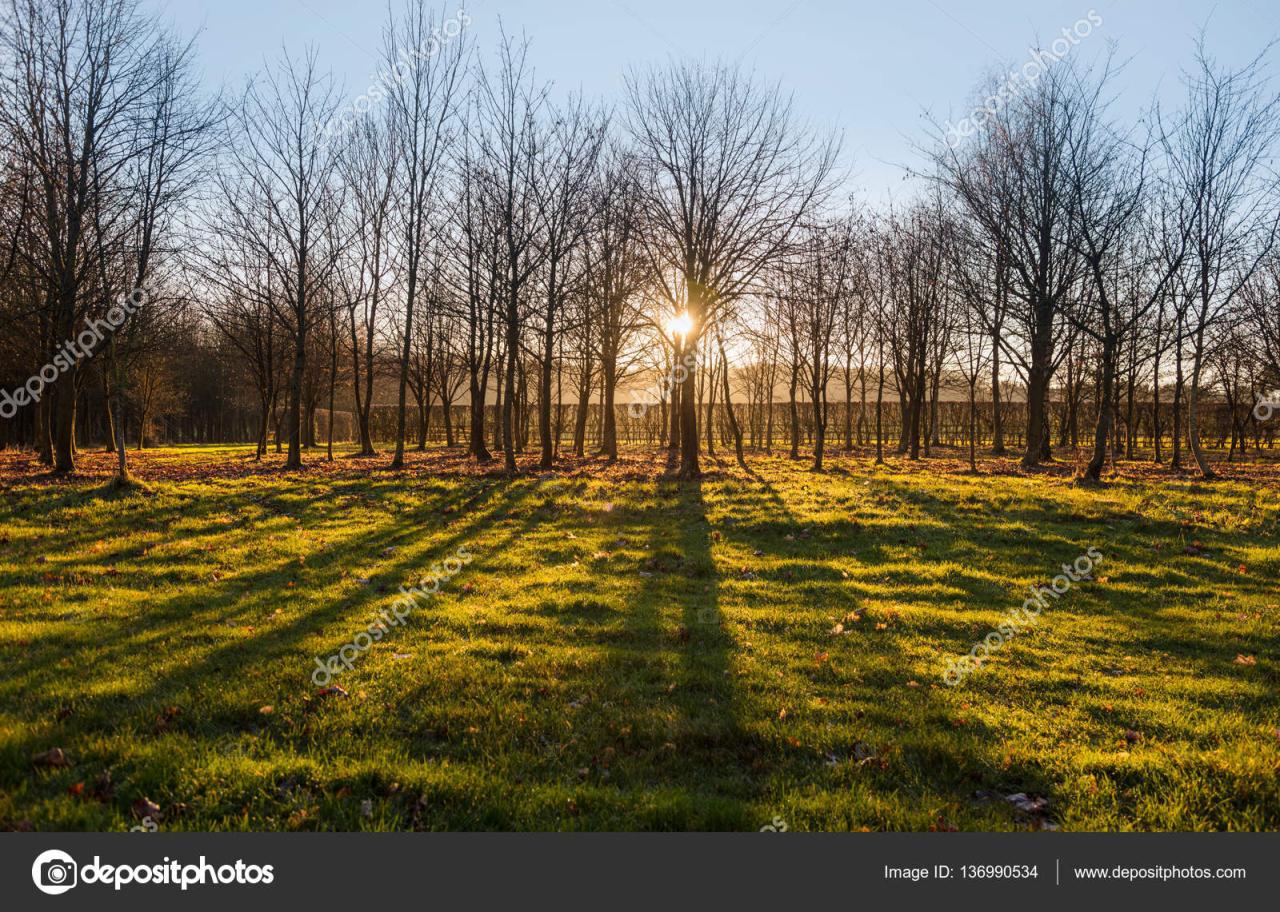
Capturing a captivating sunrise through trees involves more than just pointing your camera at the sky. Thoughtful composition is key to transforming a potentially chaotic scene into a harmonious and impactful photograph. By understanding and applying established compositional guidelines, you can guide the viewer’s eye and tell a compelling visual story. This section will explore several techniques to help you achieve stunning sunrise shots with trees.
Lighting and Color Management
Capturing the magic of a sunrise through trees is a delicate dance with light and color. The fleeting moments of dawn offer a unique palette that can transform an ordinary scene into something extraordinary. Understanding how to anticipate and harness these changing conditions is key to creating photographs with mood, depth, and vibrant, true-to-life colors.The transition from darkness to dawn is a dynamic process, marked by subtle shifts in light intensity, direction, and color temperature.
These changes are not just visual phenomena; they directly influence the mood and emotional impact of your photographs. By learning to read these cues, you can position yourself and your camera to best capture the unfolding spectacle.
Anticipating and Utilizing Dawn’s Changing Light
The dawn light evolves rapidly, offering distinct opportunities for photographers. Initially, the light is soft and diffused, often with a cool, blueish tone as the sky begins to lighten. As the sun nears the horizon, the light becomes warmer, shifting through oranges, pinks, and reds. This progression allows for varied moods, from serene and ethereal to dramatic and fiery.To effectively utilize this changing light, consider the following:
- Early Dawn (Pre-Sunrise): This period often yields soft, diffused light that can create a mystical atmosphere. Silhouettes of trees against a subtly lightening sky can be very powerful. The low light levels necessitate longer exposures or a wider aperture.
- Sunrise Proper: As the sun breaks the horizon, direct rays will pierce through the trees. This is the time for dramatic shafts of light, often referred to as crepuscular rays. The contrast between light and shadow becomes pronounced, adding depth and dimension.
- Post-Sunrise: The light continues to warm and intensify for a short period after the sun has risen. This phase can offer beautiful golden hour light that bathes the scene in a warm glow, highlighting textures and details.
Observing the direction of the light is crucial. Light filtering through the trees from behind your subject will create a rim light effect, separating the trees from the background and adding a sense of dimensionality. Light hitting the front of the trees can reveal their textures and colors, while side lighting can accentuate their form and structure.
Capturing Vibrant Sunrise Colors
The vibrant hues of a sunrise can be fleeting and intense, posing a challenge for camera sensors. The goal is to record these colors accurately without losing detail in the brightest areas (highlights) or the darkest areas (shadows).Effective methods for capturing sunrise colors include:
- Exposure Control: This is paramount. Underexposing slightly can help preserve highlight detail, especially in the sky. Conversely, overexposing will lead to blown-out highlights where color information is lost. Learning to read your histogram is essential for making precise exposure adjustments. The histogram is a graphical representation of the tonal distribution in your image, showing the number of pixels at each brightness level.
- Dynamic Range: Sunrise scenes often have a high dynamic range, meaning the difference between the brightest and darkest parts of the scene is very large. If your camera’s dynamic range is insufficient, you may need to employ techniques like:
- Graduated Neutral Density (GND) Filters: These filters are darker at the top and clear at the bottom, helping to balance the exposure between the bright sky and the darker foreground.
- High Dynamic Range (HDR) Imaging: This involves taking multiple exposures of the same scene at different exposure levels and then merging them in post-processing to create an image with a wider tonal range.
- RAW Format: Shooting in RAW format provides the most flexibility in post-processing. RAW files retain more image data than JPEGs, allowing for greater recovery of highlight and shadow detail and more precise color adjustments.
“The key to capturing vibrant sunrise colors is to balance the exposure to retain detail in both the sky and the foreground, often requiring careful use of exposure compensation or advanced techniques like HDR.”
Impact of Tree Color and Texture
The presence of trees significantly influences how sunrise light is perceived and recorded. The color and texture of the bark, leaves, and branches interact with the warm, directional light of dawn to create unique visual effects.Consider the following impacts:
- Bark Texture: Rough, textured bark can catch the light beautifully, revealing intricate patterns and adding a tactile quality to the image. The warm sunrise light can emphasize these textures, making them appear more pronounced and three-dimensional.
- Leaf Color: In autumn, the warm tones of changing leaves will complement the sunrise colors, creating a harmonious and rich palette. In spring or summer, the vibrant greens of foliage can provide a contrasting element to the warm sky, or they can be bathed in a golden hue that enhances their natural beauty.
- Silhouettes: Against a bright sunrise sky, trees can form striking silhouettes. The absence of detail in the silhouette can draw attention to the form and shape of the trees, creating a minimalist yet powerful composition.
- Light Filtering: The density of the tree canopy will determine how much light filters through. Denser canopies will create more dramatic shadows and dappled light patterns on the ground, adding complexity and interest to the foreground.
White Balance Settings for Sunrise Hues
White balance (WB) is a camera setting that adjusts colors to make them appear more natural under different lighting conditions. For sunrises, manipulating white balance can either accurately represent the scene’s natural colors or creatively enhance them.Guidance on using white balance settings:
- Auto White Balance (AWB): While convenient, AWB can sometimes neutralize the warm colors of a sunrise, making the sky appear less vibrant. It’s often a good starting point, but manual adjustment is usually beneficial.
- Preset White Balance Settings:
- Daylight/Sunny: This setting can often provide a good balance for general sunrise shots, capturing the warmth without making it overly orange.
- Cloudy/Shade: These settings introduce warmer tones, which can be excellent for emphasizing the reds and oranges of a sunrise, especially when the sun is low. They can creatively enhance the natural colors.
- Tungsten/Incandescent: While typically used for indoor lighting, this setting can dramatically shift colors towards blue, which might be useful for specific artistic effects during the pre-dawn twilight.
- Custom White Balance: For the most accurate representation, setting a custom white balance using a gray card or a white object in the scene under the specific sunrise light conditions is ideal.
- Kelvin (K) Setting: If your camera allows, setting a specific Kelvin temperature offers precise control. For a warm sunrise, you might experiment with values between 5500K and 7500K, or even higher, to capture the rich oranges and reds. For cooler, pre-dawn tones, lower values might be used.
Shooting in RAW format allows you to adjust white balance non-destructively in post-processing, giving you the freedom to experiment with different interpretations of the sunrise colors without committing to a single setting in-camera.
Post-Processing for Sunrise Tree Photos
Post-processing is a crucial step in transforming your captured sunrise images through trees into stunning works of art. This phase allows you to refine the mood, enhance the natural beauty, and ensure that the delicate interplay of light and shadow is perfectly rendered. A well-executed editing workflow can elevate an already good photograph to an exceptional one, bringing out the warmth of the sunrise and the intricate details of the trees.The goal of post-processing for sunrise tree photography is to create a balanced and visually appealing image that reflects the magic of the moment.
This involves a systematic approach to adjustments, starting with foundational edits and progressing to more nuanced refinements. By carefully managing highlights, shadows, contrast, and color, you can guide the viewer’s eye and evoke the desired emotional response.
Sunrise Tree Photo Editing Workflow
A structured workflow ensures consistency and efficiency when editing your sunrise photographs. This approach helps to avoid over-editing and maintains the natural feel of the scene while enhancing its best qualities. The following steps Artikel a recommended process for achieving optimal results.
- Import and Initial Assessment: Load your RAW files into your preferred editing software (e.g., Adobe Lightroom, Capture One). Review the images, select the best captures, and make initial notes on what needs attention.
- Basic Adjustments: Apply global adjustments such as white balance, exposure, highlights, shadows, whites, and blacks. This is where you establish the overall tonality and brightness of the image.
- Color Enhancement: Refine the colors to bring out the warmth of the sunrise and the natural tones of the foliage. This might involve adjustments to vibrance, saturation, and specific color channels.
- Local Adjustments: Use brushes, gradients, and radial filters to selectively enhance specific areas. This is critical for managing light and detail in areas like the sky, tree trunks, or foreground elements.
- Sharpening and Noise Reduction: Apply sharpening to bring out detail and clarity, and noise reduction to smooth out any graininess, especially in shadow areas or if shooting at higher ISOs.
- Contrast and Clarity: Fine-tune the contrast and clarity to add depth and dimension to the image, ensuring that the trees stand out against the sunrise.
- Final Touches: This can include minor straightening, cropping, spot removal, and a final check of the overall look and feel.
Managing Highlights and Shadows
The dynamic range of a sunrise can be vast, with bright skies and deep shadows within the trees. Effectively managing these extreme tonal differences is key to preserving detail and creating a balanced image.The process involves careful use of sliders and local adjustment tools. When highlights are too bright, they can appear blown out, losing all detail. Conversely, shadows can become too dark, rendering the tree structures as silhouettes.
- Highlight Recovery: In your editing software, locate the “Highlights” slider. Gently pull this slider to the left to recover detail in the brightest areas of the sky and any light reflecting off the trees. Be cautious not to overdo it, as this can make the sky look unnatural.
- Shadow Detail Enhancement: Use the “Shadows” slider, typically moving it to the right, to reveal detail in the darker areas. This is particularly important for bringing out the texture and form of the tree branches and trunks.
- Blacks and Whites: Adjust the “Blacks” slider to ensure that the deepest shadows have some discernible detail, preventing them from becoming pure black unless intended for artistic effect. Similarly, adjust the “Whites” slider to control the brightest points without clipping.
- Local Adjustments for Precision: For more targeted control, use graduated filters to darken or brighten specific zones, such as the sky or foreground. Brushes can be used to selectively lighten or darken individual trees or branches, ensuring they are well-defined against the background.
Sharpening and Noise Reduction Techniques
Maintaining image clarity and minimizing digital noise are essential for a professional-looking photograph, especially when dealing with low-light conditions common during sunrise.Sharpening enhances the definition of edges and textures, making the details of the trees and the subtle gradients in the sky more apparent. Noise reduction, on the other hand, smooths out unwanted grain that can appear, particularly in darker areas.
- Sharpening Workflow:
- Apply sharpening as one of the later steps in your editing process, after most other adjustments have been made.
- Use the “Amount” slider to control the intensity of sharpening.
- The “Radius” slider determines the width of the edge detail to be sharpened. A smaller radius is generally better for fine details.
- The “Detail” slider controls how much of the fine detail is preserved during sharpening.
- The “Masking” slider is crucial; holding down the Alt (Windows) or Option (Mac) key while adjusting it will reveal areas where sharpening is being applied. You want to mask out smooth areas like the sky to prevent sharpening artifacts.
- Noise Reduction:
- Noise reduction is typically applied before sharpening.
- The “Luminance” slider reduces brightness noise, which appears as grainy patterns.
- The “Color” slider reduces color noise, which manifests as splotches of color in the image.
- Adjust these sliders gradually, observing the effect on screen. Over-reduction can lead to a loss of fine detail and a painterly or plastic look.
- A common practice is to apply noise reduction selectively using masking if certain areas are more affected than others.
Creating a Cohesive Look with Contrast and Saturation
Contrast and saturation are powerful tools for defining the mood and visual impact of your sunrise tree photographs. Adjusting them thoughtfully can emphasize the dramatic light of the sunrise and the natural beauty of the trees.Contrast refers to the difference between the lightest and darkest areas of an image, while saturation refers to the intensity of colors. Balancing these elements is key to a pleasing aesthetic.
- Contrast Adjustments:
- Global Contrast: Start with the main “Contrast” slider in your editing software. Increasing it can add punch and depth, making the light and dark areas more distinct. Decreasing it can create a softer, more ethereal feel.
- Tone Curve: For more precise control, use the Tone Curve. An “S” curve (lifting the highlights and lowering the shadows) generally increases contrast, while an inverted “S” curve does the opposite.
- Clarity and Dehaze: The “Clarity” slider enhances mid-tone contrast, making textures pop. The “Dehaze” slider can add atmospheric contrast and reduce haze, which can be useful for sunrise shots where mist might be present.
- Saturation and Vibrance:
- Saturation: This slider uniformly increases or decreases the intensity of all colors. Use it sparingly for sunrise shots to avoid unnatural hues.
- Vibrance: Vibrance is a smarter saturation control that targets less saturated colors more than already saturated ones. This is often preferred for natural-looking color enhancement, preventing skin tones or already vibrant sky colors from becoming overblown.
- HSL/Color Adjustments: Use the Hue, Saturation, and Luminance (HSL) panel to fine-tune individual color channels. For instance, you might slightly boost the saturation of oranges and yellows in the sky or adjust the greens in the foliage.
- Cohesion through Balance: The aim is to create a harmonious image. If you increase contrast significantly, you might need to slightly lift shadows to retain detail. If you boost saturation, ensure the colors look natural and not artificial. The goal is to draw attention to the sunrise’s glow and the silhouette or textured details of the trees, making them the focal point.
For example, you might increase the contrast in the sky to make the sun’s rays more dramatic, while slightly decreasing contrast in the trees to maintain their form without losing detail.
Illustrative Scenarios and Visualizations
Understanding how to translate various sunrise conditions into compelling photographs is key to mastering this genre. By visualizing potential scenes and knowing how to approach them technically and artistically, you can elevate your sunrise tree photography from ordinary to extraordinary. This section explores several common and impactful scenarios, offering insights into how to capture their unique beauty.
Silhouetted Lone Tree Against a Vibrant Sunrise
Imagine a solitary, ancient tree, its branches twisted and reaching towards the sky, standing defiantly against a horizon ablaze with the intense colors of dawn. To capture this dramatic silhouette, your primary goal is to expose for the bright sky, allowing the tree to fall into deep shadow. This means setting your camera to underexpose the scene significantly. A low ISO will maintain image quality, and a fast shutter speed can help freeze any subtle movement of branches in a gentle breeze.
A wide aperture might be tempting for a blurred background, but for a strong silhouette, a slightly narrower aperture (f/8 to f/11) can ensure the entire tree is in sharp focus, emphasizing its form against the vibrant backdrop. The key is to find a tree with an interesting shape that will be clearly defined against the colorful sky.
Dramatic Light Shafts Through a Dense Forest Canopy
Visualize a deep forest just as the sun begins to crest the horizon. Sunlight, still low and diffused, finds its way through gaps in the dense canopy, creating ethereal beams that cut through the shadows. To photograph this, focus on the interplay of light and shadow. Your exposure will likely be a compromise, aiming to capture detail in both the illuminated shafts and the darker forest floor.
Using a tripod is essential here, as the low light conditions will demand longer exposures. A slightly narrower aperture (f/11 to f/16) will help maximize depth of field, ensuring that both the foreground and the light beams appear sharp. Look for opportunities where the light shafts illuminate mist or dust particles, enhancing their visual impact and creating a sense of depth and mystery.
Dew-Covered Leaves Catching the First Rays of Sunlight
Picture a scene in the early morning where leaves on tree branches are adorned with countless droplets of dew. As the sun rises, these tiny spheres of water become miniature prisms, reflecting and refracting the light. To capture this magical effect, a macro lens or a telephoto lens with good close-focusing capabilities is ideal. Focus precisely on the dew-kissed leaves, ensuring the light catches them beautifully.
A shallow depth of field (aperture between f/2.8 and f/5.6) will help isolate the dewy branches from the background, making the droplets stand out. The challenge is to expose correctly so that the dew sparkles without blowing out the highlights in the sunlit areas. Shooting with the sun slightly behind your subject can often create a beautiful rim lighting effect on the leaves and dew.
Mist Weaving Through Trees as the Sun Rises
Envision a landscape where a gentle mist is slowly dissipating as the sun begins its ascent. The mist softens the light, creating a dreamy, atmospheric effect, and can add a sense of depth and mystery to your photographs. To convey this atmosphere, you’ll want to embrace the diffused light. Expose for the overall scene, aiming to retain detail in the mist while ensuring the emerging sun or illuminated trees are not overexposed.
A slightly longer lens can help compress the scene, emphasizing the layers of mist and trees. Consider shooting in black and white, as this can often enhance the tonal qualities of mist and fog, focusing on the textures and shapes within the scene rather than the colors. The key is to capture the subtle gradations of light and shadow that the mist creates.
Advanced Techniques and Creative Approaches
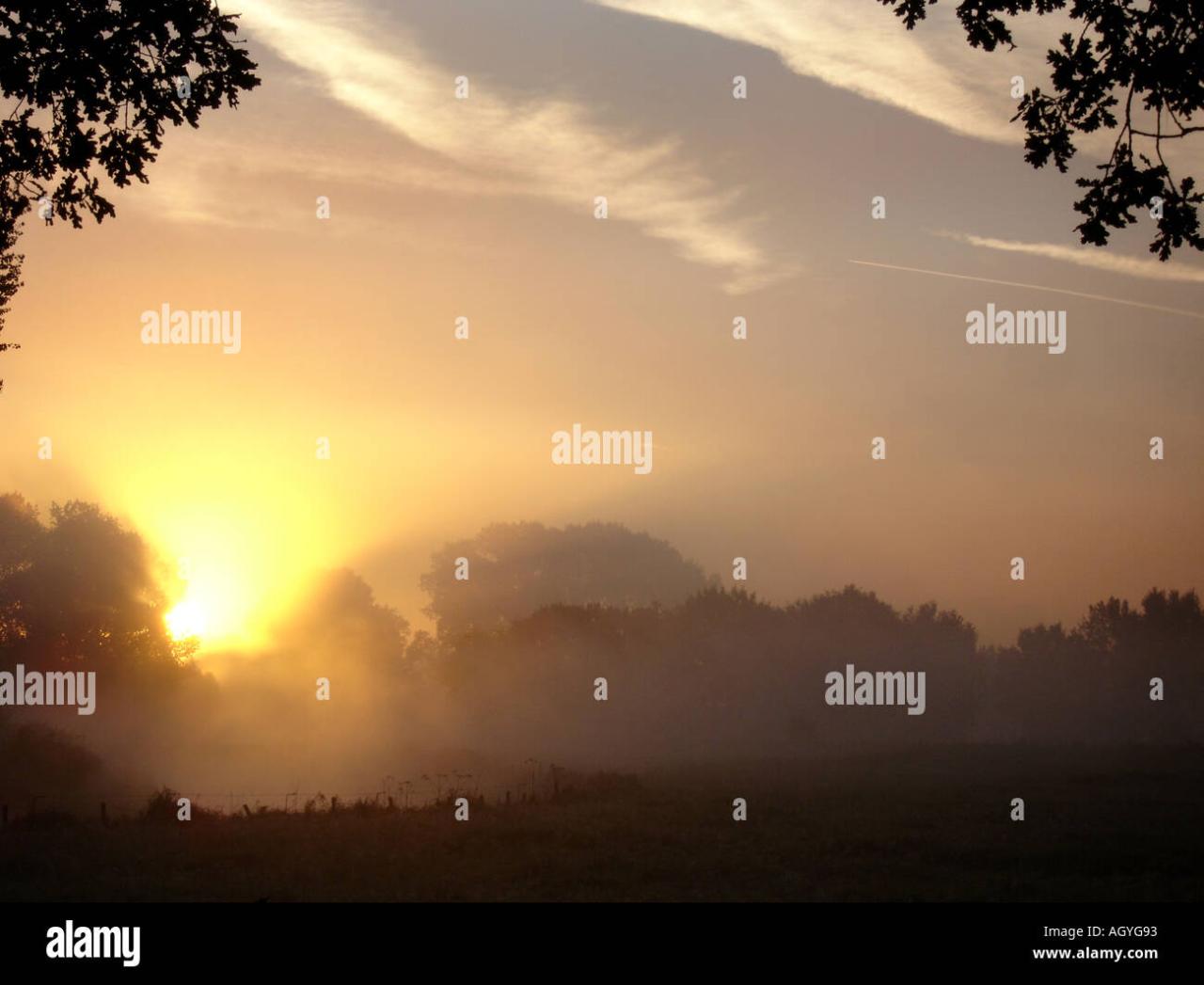
Once you have a solid grasp of the fundamentals, it’s time to elevate your sunrise tree photography with advanced techniques and creative approaches. These methods can transform a good photograph into a truly exceptional one, adding depth, dynamism, and a unique artistic vision to your images.This section delves into specialized techniques that leverage the dynamic nature of sunrise light and the surrounding environment to create captivating visual narratives.
We will explore how to manipulate time, light, and composition to achieve effects that go beyond a standard snapshot.
Long Exposure for Cloud Movement
Capturing the ephemeral movement of clouds during sunrise through tree branches can add a sense of drama and ethereal beauty to your photographs. Long exposures allow the camera to record the subtle shifts and streaks of light as clouds drift across the sky, creating a painterly effect.To achieve this, a sturdy tripod is essential to keep the camera perfectly still.
A neutral density (ND) filter is often required to reduce the amount of light entering the lens, enabling longer shutter speeds even in the brightening dawn. Experiment with shutter speeds ranging from a few seconds to several minutes, depending on the speed of the clouds and the desired effect. A wider aperture (lower f-number) can help isolate the trees, while a narrower aperture (higher f-number) can enhance the starburst effect of the sun, if it’s positioned correctly.
Capturing Starburst Effects
The sun peeking through the intricate gaps of tree branches can create a stunning starburst or sunstar effect, adding a magical quality to your sunrise images. This phenomenon occurs when light rays diffract around the edges of an aperture.To maximize the chances of achieving a prominent starburst, use a narrow aperture, typically f/11 or smaller (e.g., f/16, f/22). The smaller the aperture, the more pronounced the starburst will be, with more points radiating from the sun.
Position the sun carefully behind a branch or a cluster of leaves so that it’s partially obscured. Ensure the sun is a strong point source of light, not diffused by heavy fog or clouds, for the most dramatic results. Focus manually on the area around the sun to ensure sharpness.
Utilizing Reflections
Reflections of the sunrise in puddles, streams, or other water bodies near trees can introduce symmetry, depth, and vibrant color into your compositions. These natural mirrors can double the visual impact of the scene, creating a sense of wonder.Look for opportunities where the water surface is relatively calm to achieve clear, undistorted reflections. Position yourself so that both the trees and their reflection are aesthetically pleasing.
Consider using a polarizing filter to reduce glare on the water’s surface, allowing the colors of the sunrise to become more vibrant and saturated. The angle of your camera is crucial; shooting from a lower vantage point can emphasize the reflection and create a more immersive experience.
Incorporating Wildlife or Human Elements
Adding wildlife or human elements to your sunrise tree compositions can provide a sense of scale, narrative, and life to the scene, making it more relatable and engaging. These elements can act as focal points or complement the natural beauty of the sunrise.When incorporating wildlife, be patient and respectful of the animals’ space. A silhouette of a bird perched on a branch or a deer emerging from the mist can add a magical touch.
For human elements, consider a lone hiker walking along a path, their silhouette framed by the trees and bathed in the sunrise glow. The key is to integrate these elements harmoniously, ensuring they enhance rather than detract from the overall mood and composition. Think about how their presence tells a story or evokes a particular emotion within the serene setting.
Final Thoughts
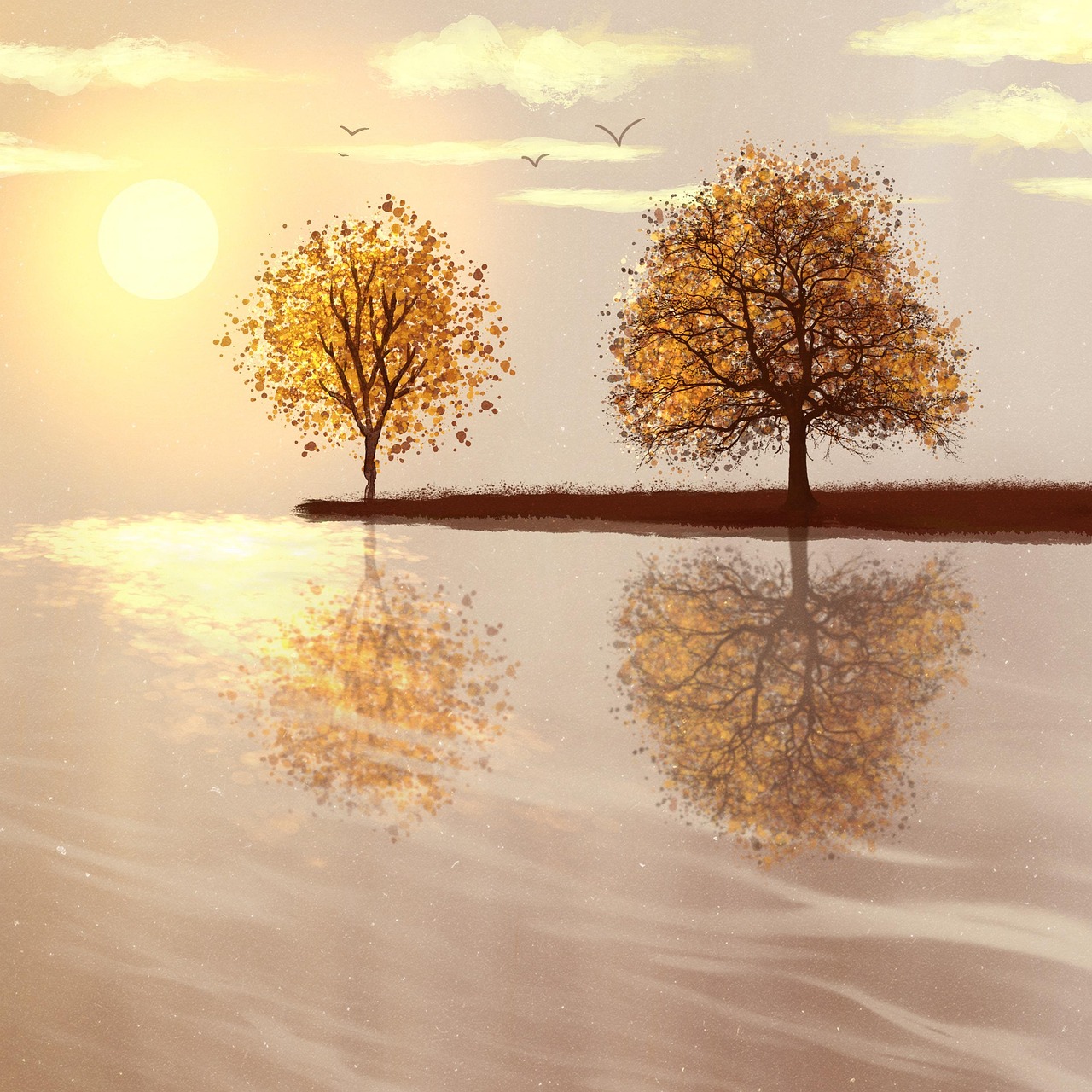
As we conclude this exploration into the art of photographing sunrises through trees, remember that each dawn offers a fresh opportunity to create something truly spectacular. By embracing the challenges, refining your techniques, and allowing your creative spirit to guide you, you can consistently capture images that evoke the wonder and tranquility of this magical time of day. May your photographic endeavors be filled with vibrant hues and captivating compositions.