Embark on a captivating journey into the art of capturing the dynamic beauty of moving water in rivers. This comprehensive guide will equip you with the knowledge and techniques to transform flowing currents into stunning photographic masterpieces, revealing the intricate details and powerful essence of nature’s liquid artistry.
We will explore the fundamental principles of photography, from understanding shutter speed’s crucial role in controlling motion blur to mastering aperture and ISO settings for optimal clarity and exposure. You’ll learn how to select the right gear, including essential filters and tripods, and discover compositional strategies that bring rivers to life on your sensor. Furthermore, we will delve into the impact of lighting conditions and advanced post-processing techniques to elevate your river photography to new heights.
Understanding the Fundamentals of Capturing Moving Water
Photographing moving water in rivers offers a unique opportunity to transform a dynamic element into art. The key to successfully capturing its essence lies in understanding how fundamental camera settings interact with motion. By mastering these elements, you can control whether the water appears frozen in time or flows like silk.This section delves into the core principles that govern the portrayal of water’s movement in your photographs.
We will explore how each technical setting contributes to the final image, empowering you to make informed decisions behind the lens.
Shutter Speed and Motion Control
Shutter speed is arguably the most critical setting when photographing moving water, as it directly dictates how motion is rendered. A fast shutter speed freezes action, while a slow shutter speed allows for motion blur.
- Freezing Motion: To capture individual water droplets, the spray from a waterfall, or the splash of a wave, a very fast shutter speed is required. This could range from 1/1000th of a second to 1/4000th of a second or even faster, depending on the speed of the water and your desired effect. This setting is ideal for highlighting the texture and detail within the water itself.
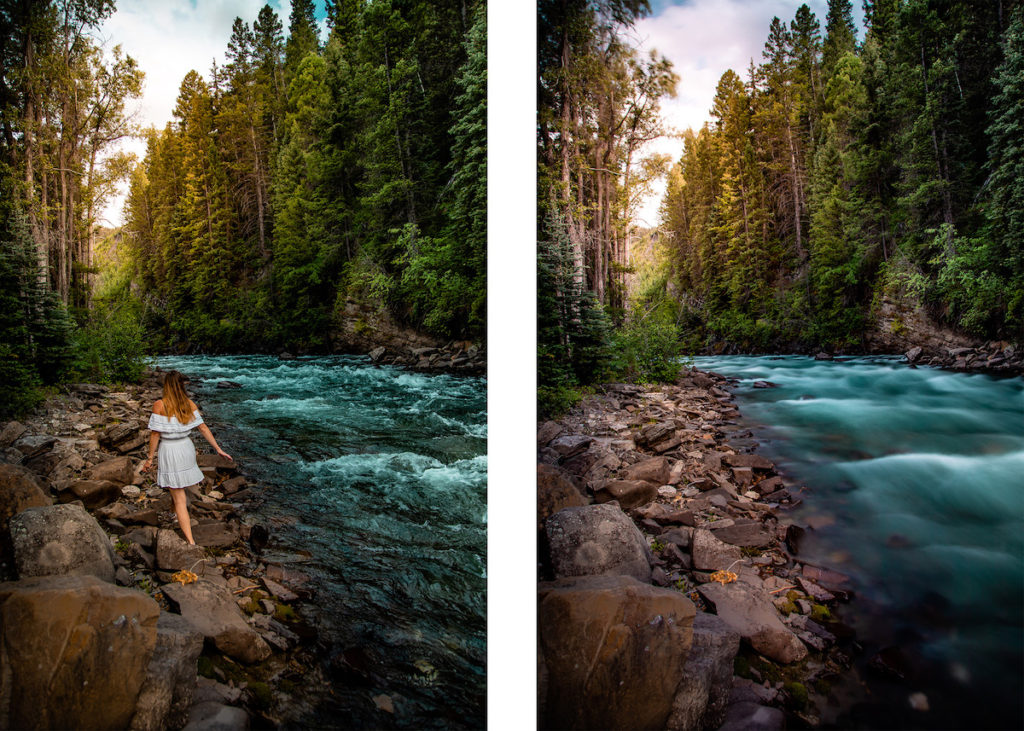
- Creating Smooth, Silky Water: To achieve the popular “silky” or “ethereal” look of flowing water, a slow shutter speed is employed. This technique blurs the water’s movement, creating a smooth, painterly effect. Shutter speeds from 1/2 second to 30 seconds or even longer can be used. This requires a stable camera, often achieved with a tripod, and potentially a neutral density (ND) filter to allow for longer exposures in brighter conditions.
- Balancing Motion: Intermediate shutter speeds, such as 1/15th to 1/2 second, can be used to create a subtle sense of movement without completely losing detail. This is effective for capturing the gentle flow of a stream or the gentle ripples on a lake.
Aperture and Depth of Field
The aperture, also known as the f-stop, controls the amount of light entering the camera and significantly impacts the depth of field – the range of distance in a photo that appears acceptably sharp. When photographing rivers, aperture choices influence both exposure and the overall focus of your scene.
- Controlling Light and Depth: A smaller aperture (higher f-number, e.g., f/11, f/16, f/22) allows for a greater depth of field, ensuring that both the foreground elements (like rocks or plants) and the distant river are in focus. This is often desirable for landscape shots where you want the entire scene to be sharp.
- Shallow Depth of Field: A wider aperture (lower f-number, e.g., f/2.8, f/4) creates a shallow depth of field, blurring the background and isolating your subject. While less common for general river landscapes, this can be useful if you are focusing on a specific water feature, like a particular eddy or a small cascade, and want to draw attention to it.
- Balancing with Shutter Speed: The choice of aperture is often a balancing act with shutter speed. If you need a fast shutter speed to freeze water, you might need a wider aperture to let in enough light. Conversely, if you’re using a slow shutter speed for motion blur, you’ll likely need a smaller aperture to prevent overexposure, especially in daylight.
ISO Settings for Image Clarity
ISO refers to the camera sensor’s sensitivity to light. While higher ISO settings allow you to shoot in darker conditions or use faster shutter speeds, they also introduce digital noise, which can degrade image quality. For moving water, maintaining a clean image is crucial for showcasing its texture and detail.
- Low ISO for Quality: The general rule of thumb is to keep your ISO as low as possible, ideally between 100 and 400. This will produce the cleanest images with minimal noise, preserving the fine details of the water and its surroundings.
- Managing Noise: If you find yourself in low-light conditions or need a faster shutter speed that forces you to increase ISO, be mindful of the noise. Modern cameras handle higher ISOs better than older models, but it’s still advisable to review your images at 100% zoom to check for acceptable noise levels.
- Using ND Filters: To achieve slow shutter speeds in bright light without resorting to high ISO, neutral density (ND) filters are invaluable. These filters reduce the amount of light entering the lens, allowing you to use longer exposure times at lower ISO settings, thus maintaining image quality.
Focal Length and Conveying Scale
The focal length of your lens plays a significant role in how you frame your subject and how you convey the sense of scale and movement within a river scene. Different focal lengths offer distinct perspectives.
- Wide-Angle Lenses: Wide-angle lenses (typically 16-35mm on a full-frame camera) are excellent for capturing expansive river vistas. They allow you to include a large portion of the scene, emphasizing the breadth of the river and its surroundings. This can make the water appear more powerful and all-encompassing.
- Telephoto Lenses: Telephoto lenses (typically 70-200mm or longer) compress the perspective, making distant elements appear closer together. This can be used to isolate specific sections of the river, such as a powerful rapid or a tranquil pool, and emphasize the flow within that confined area. They can also be used to create a sense of intimacy with the water.
- Mid-Range Lenses: Standard zoom lenses (around 24-70mm) offer versatility and can be used for a variety of shots, from broader scenes to more focused details. They provide a natural perspective that is often close to what the human eye sees.
Essential Camera Modes for Exposure Control
Selecting the right camera mode provides the necessary control over exposure, allowing you to achieve your desired artistic vision when photographing moving water.
- Manual Mode (M): This mode offers complete control over both shutter speed and aperture. It is the most flexible option for photographing moving water, as it allows you to precisely set the shutter speed for motion blur or freezing action, and then adjust the aperture for depth of field and exposure. This is the preferred mode for photographers seeking full creative command.
- Aperture Priority Mode (Av or A): In this mode, you set the aperture, and the camera automatically selects the appropriate shutter speed to achieve correct exposure. This is useful when your primary concern is depth of field. You can then adjust the ISO or use an ND filter to influence the shutter speed.
- Shutter Priority Mode (Tv or S): Here, you set the shutter speed, and the camera selects the aperture. This mode is ideal when your main goal is to control motion blur or freeze action. You can then fine-tune the exposure by adjusting the ISO or by using an ND filter if necessary.
Achieving Different Water Effects
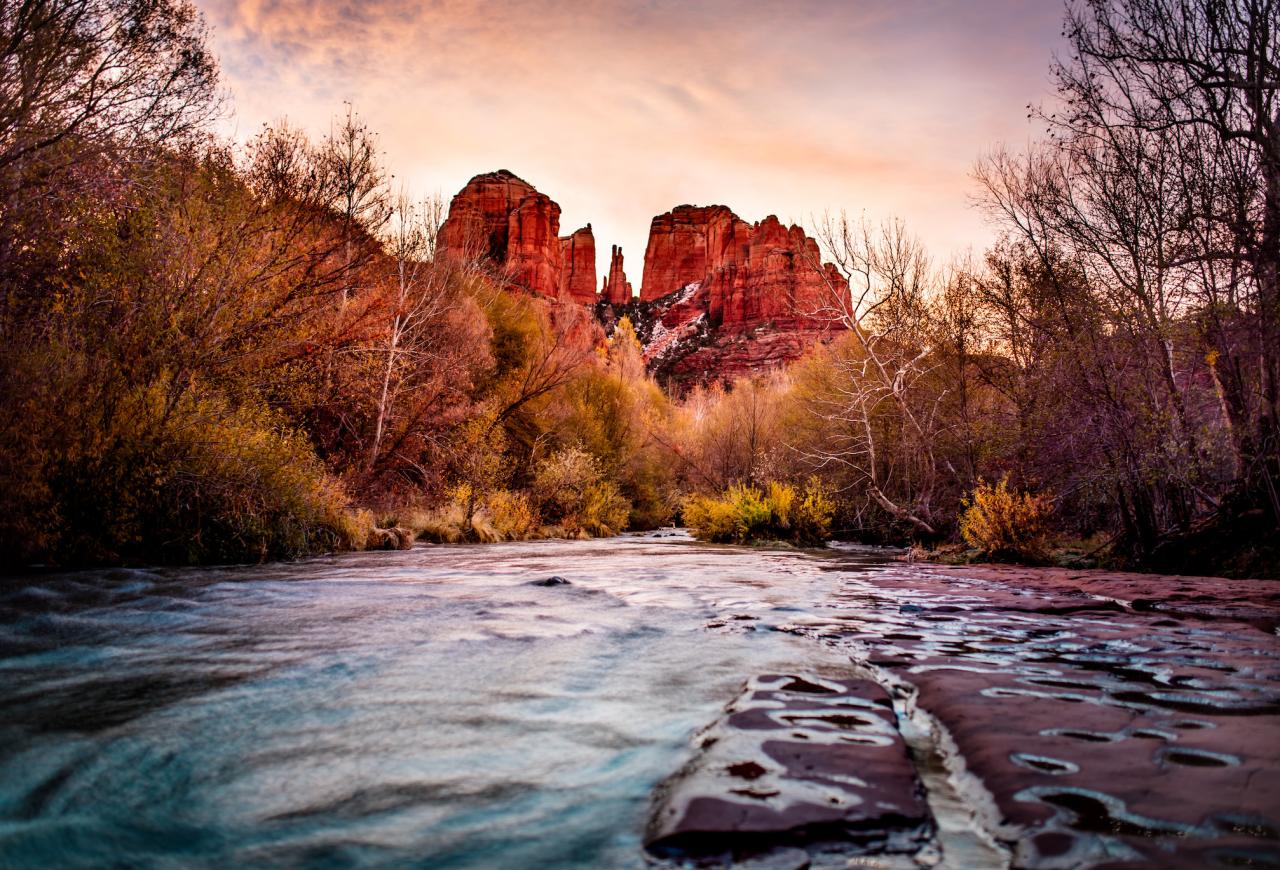
Capturing the dynamic beauty of moving water in rivers offers a photographer a palette of creative possibilities. The way water appears in your images—whether it’s a smooth, ethereal veil or sharp, crystalline droplets—is largely dictated by your camera’s settings, particularly the shutter speed, and the judicious use of filters. Understanding these elements allows you to transform a simple river scene into a captivating work of art.This section delves into the specific techniques and camera settings required to achieve a range of desired water effects, from the dreamy blur of long exposures to the frozen drama of fast-paced action.
We will explore how to manipulate shutter speed, leverage Neutral Density (ND) filters, and calculate the correct exposure to consistently produce stunning results.
Silky Smooth Water: The Power of Slow Shutter Speeds
To achieve the iconic “silky smooth” effect where water appears as a soft, flowing mist, a slow shutter speed is paramount. This technique requires allowing light to hit the sensor for an extended period, which blurs the motion of the water while keeping stationary elements sharp. The slower the shutter speed, the more pronounced this blurring effect will be.The specific shutter speed needed for a silky effect depends on several factors, including the speed of the water flow and the desired level of blur.
For gentle streams, speeds of 1/2 second to 2 seconds can be effective. For faster-flowing rivers or waterfalls, you might need even longer exposures, potentially up to 5 seconds or more. To avoid overexposure with these slow speeds, especially during daylight, you will likely need to use a tripod to keep the camera steady and employ ND filters.
Freezing Water Splashes and Droplets
In contrast to the smooth, flowing water effect, photographers may wish to freeze water in motion, capturing the intricate details of splashes and individual droplets. This requires a very fast shutter speed to “stop” the action. The faster the water is moving, the faster your shutter speed needs to be.For freezing typical water splashes, shutter speeds in the range of 1/500th of a second to 1/2000th of a second are generally sufficient.
For more dynamic action, such as a powerful wave crashing or a fast-moving jet of water, you might need to go even faster, to 1/4000th of a second or higher. Achieving these speeds often requires ample natural light or the use of a wider aperture and a higher ISO, though the latter can introduce noise.
Using ND Filters for Long Exposures in Bright Conditions
Neutral Density (ND) filters are indispensable tools for photographers aiming to achieve long exposures, especially in bright daylight. These filters reduce the amount of light entering the lens without altering the color of the image. By decreasing the light, they allow you to use slower shutter speeds than would otherwise be possible, enabling effects like silky smooth water even under sunny skies.ND filters come in various strengths, measured in “stops” of light reduction.
Common strengths include 3-stop, 6-stop, and 10-stop filters. A 3-stop filter reduces light by a factor of eight, a 6-stop by a factor of sixty-four, and a 10-stop by a factor of one thousand. For example, if your correct exposure without a filter is 1/125th of a second at f/8 and ISO 100, adding a 6-stop ND filter would require you to adjust your shutter speed to approximately 2 seconds (1/125s
64 = 1.95s) to achieve the same exposure.
Visual Outcomes: Fast vs. Slow Shutter Speeds on River Scenes
The choice between fast and slow shutter speeds dramatically alters the perception and mood of a river scene. Understanding these differences is key to conveying your artistic vision.Here’s a comparison of the visual outcomes:
- Fast Shutter Speeds:
- Effect: Freezes motion, captures sharp detail.
- Water Appearance: Individual droplets, splashes, and ripples are clearly defined. The water appears dynamic and energetic.
- Scene Mood: Conveys a sense of action, power, and immediacy.
- Best For: Capturing the spray from a waterfall, the churn of rapids, or the impact of a water droplet.
- Slow Shutter Speeds:
- Effect: Blurs motion, creates a sense of movement and flow.
- Water Appearance: Water transforms into a soft, ethereal veil or a smooth, milky texture.
- Scene Mood: Evokes tranquility, serenity, and a timeless quality.
- Best For: Creating a dreamy, painterly effect in landscapes, smoothing out turbulent water for a calming effect.
Calculating Correct Exposure for Water Photography: A Step-by-Step Procedure
Accurate exposure is fundamental to achieving the desired water effect. Overexposed images lose detail, while underexposed images appear too dark. The following steps Artikel a systematic approach to calculating the correct exposure, especially when dealing with the complexities of long exposures and filters.
- Determine Your Base Exposure:
- Set your camera to Aperture Priority (Av or A) or Manual mode (M).
- Choose your desired aperture. For landscapes, a smaller aperture (higher f-number like f/8 or f/11) is often preferred for greater depth of field, ensuring both foreground and background are sharp.
- Set your ISO to the lowest native setting (usually ISO 100 or 200) to minimize noise, especially important for long exposures.
- Point your camera at the scene and take a test shot without any filters.
- Adjust your shutter speed until the exposure meter indicates a correctly exposed image. Note this shutter speed. This is your “base shutter speed” for the current lighting conditions and chosen aperture/ISO.
- Introduce the ND Filter:
- Attach your chosen ND filter to the lens.
- Consult the filter’s specifications or use an app/chart to determine how many “stops” of light it reduces.
- Calculate the New Shutter Speed:
- To compensate for the light reduction, you need to increase your shutter speed. For each stop of light the filter reduces, you double the exposure time.
- Formula: New Shutter Speed = Base Shutter Speed × (2 ^ Number of Stops)
- For example, if your base shutter speed was 1/15 second and you are using a 6-stop ND filter:
- Number of stops = 6
- 2 ^ 6 = 64
- New Shutter Speed = 1/15 second × 64 = approximately 4.27 seconds.
- Fine-Tune and Shoot:
- Set your camera to Manual mode.
- Input the calculated new shutter speed.
- Ensure your aperture and ISO remain the same as your base exposure.
- Take a test shot. Review the histogram and the image on your camera’s LCD screen.
- If the image is still too bright, increase the shutter speed further (e.g., from 4 seconds to 5 seconds). If it’s too dark, slightly decrease the shutter speed. Small adjustments are usually sufficient.
This methodical approach ensures that you can confidently achieve the desired long exposure effects even in challenging lighting conditions, transforming the dynamic flow of water into artistic expressions of smoothness and serenity.
Essential Gear and Accessories for River Photography
Capturing the dynamic beauty of moving water requires more than just a camera. The right equipment can significantly enhance your ability to achieve creative vision and protect your gear in the often challenging riverine environment. This section delves into the essential tools that will elevate your river photography.Proper gear ensures stability, control over light, and the longevity of your equipment, allowing you to focus on the artistic aspects of your shots.
Investing in these accessories is a crucial step towards producing professional-quality images of flowing water.
The Indispensable Sturdy Tripod
A sturdy tripod is the cornerstone of successful river photography, especially when aiming for those silky smooth water effects. Its primary benefit is providing unwavering stability, which is critical for long exposures.A stable tripod allows you to:
- Eliminate Camera Shake: By keeping your camera perfectly still, a tripod prevents motion blur caused by handholding, which is essential for sharp images, particularly in low light or when using slow shutter speeds.
- Enable Long Exposures: Achieving the desired “velvet” or “misty” look for water necessitates slow shutter speeds. A tripod is non-negotiable for holding the camera steady during these extended exposure times, often lasting several seconds or even minutes.
- Facilitate Precise Composition: Once your camera is mounted, you can meticulously compose your shot without the fatigue or inconsistency of holding it. This allows for careful alignment with foreground elements and the overall scene.
- Support Heavier Lenses and Gear: Many river photographers use telephoto lenses or other accessories. A robust tripod can comfortably support the weight of your entire setup, ensuring stability even with heavier equipment.
When selecting a tripod, look for one made from durable materials like carbon fiber or aluminum, with strong leg locks and a reliable ball head or pan-tilt head that can securely hold your camera.
Understanding Neutral Density (ND) Filters
Neutral Density (ND) filters are photographic filters that reduce the amount of light entering the camera’s lens without affecting the color balance. For river photography, they are invaluable tools for controlling exposure and achieving creative effects.The purpose of ND filters in water photography is to allow for slower shutter speeds even in bright daylight. This is crucial for:
- Achieving Motion Blur: As discussed, slow shutter speeds are key to rendering water as smooth and ethereal. ND filters allow you to use these slow speeds by reducing the light, preventing overexposure.
- Balancing Exposure: In situations where the sky is bright and the water is in shadow, an ND filter can help balance the exposure, ensuring detail is retained in both the highlights and shadows.
ND filters come in various strengths, often denoted by numbers (e.g., ND2, ND4, ND8) or stops (e.g., 1-stop, 2-stop, 3-stop). The higher the number or stop, the more light the filter blocks.
- Graduated ND (GND) Filters: These filters have a clear lower half and a darker upper half, with a gradual transition in between. They are particularly useful for balancing the exposure of a bright sky with a darker foreground, which is common in river landscapes.
- Standard ND Filters: These filters uniformly reduce light across the entire frame and are ideal for achieving long exposures of water in consistent lighting conditions.
It is recommended to invest in a set of high-quality ND filters to offer flexibility in various lighting scenarios.
The Advantage of a Remote Shutter Release
A remote shutter release, whether wired or wireless, is a simple yet highly effective accessory for river photography. Its primary advantage lies in eliminating the slight camera shake that can occur when pressing the shutter button directly.Using a remote shutter release offers these benefits:
- Maximizing Sharpness: By triggering the shutter without physically touching the camera, you ensure that the camera remains absolutely still, even during long exposures. This is paramount for achieving the sharpest possible images.
- Convenience and Flexibility: A remote release allows you to be in a more comfortable position or even away from the camera, which can be beneficial when navigating tricky terrain or when the best vantage point requires a bit of distance.
- Time-Lapse and Bulb Mode Control: For advanced techniques like time-lapses or when using the camera’s bulb mode for very long exposures, a remote release provides consistent and reliable control over the shutter.
Wireless remotes offer greater freedom of movement, while wired remotes are often more reliable in challenging weather conditions.
The Importance of Lens Cleaning Supplies
When photographing near rivers, your gear is constantly exposed to moisture, spray, dust, and even fine sand. Lens cleaning supplies are therefore not a luxury but a necessity for maintaining image quality and protecting your equipment.Having readily available lens cleaning supplies ensures that you can:
- Remove Water Spots and Smudges: River spray can quickly leave water spots on your lens, which can ruin your shots. Regular cleaning prevents these from becoming permanent.
- Eliminate Dust and Debris: Dust and sand particles can adhere to your lens and sensor, leading to distracting blemishes in your photographs.
- Maintain Optimal Image Clarity: A clean lens and sensor are fundamental to achieving sharp, clear images. Even a small smudge can significantly degrade image quality.
Essential lens cleaning supplies include:
- Microfiber Cleaning Cloths: These are soft, lint-free cloths specifically designed for cleaning delicate optical surfaces without scratching.
- Lens Cleaning Solution: A small bottle of optical lens cleaner can help remove stubborn smudges and grime.
- Air Blower: A rocket blower or similar device is excellent for dislodging loose dust and debris from the lens surface and camera sensor without physical contact.
- Lens Cleaning Pen: These pens often have a brush on one end and a carbon-based cleaning tip on the other, making them convenient for on-the-go cleaning.
Regularly cleaning your lenses and sensor will pay dividends in the quality of your final images.
Suitable Camera Bags for Wet Environments
Protecting your valuable camera equipment from the elements is paramount when shooting near rivers. A well-chosen camera bag designed for wet environments will keep your gear safe and dry, allowing you to focus on your photography.Look for camera bags that offer robust protection against water and moisture. Key features to consider include:
- Waterproof or Water-Resistant Materials: Bags made from materials like PVC-coated nylon or durable waterproof fabrics, often with sealed seams, will provide the best defense against rain and splashes.
- Sealed Zippers or Roll-Top Closures: Zippers that are designed to be waterproof or roll-top closures, similar to those found on dry bags, are crucial for preventing water ingress.
- Padded Compartments: Ample padding is essential to protect your camera and lenses from bumps and impacts, which can occur when navigating uneven terrain.
- Comfortable Straps and Harnesses: When hiking to river locations, a comfortable and ergonomic strap system is important for carrying your gear over longer distances.
- External Attachment Points: Some bags offer loops or straps for attaching items like tripods or water bottles, which can be convenient for photographers on the move.
Types of bags that are suitable include:
- Waterproof Backpacks: These offer ample storage and excellent protection, ideal for longer excursions.
- Dry Bags with Camera Inserts: A standard dry bag can be adapted to carry camera gear by adding padded inserts, offering a highly waterproof solution.
- Weather-Sealed Camera Sling Bags: For quicker access, some sling bags are designed with weather-resistant materials and closures.
Investing in a camera bag that can withstand the challenges of river photography will safeguard your equipment and provide peace of mind.
Compositional Elements for River Photography
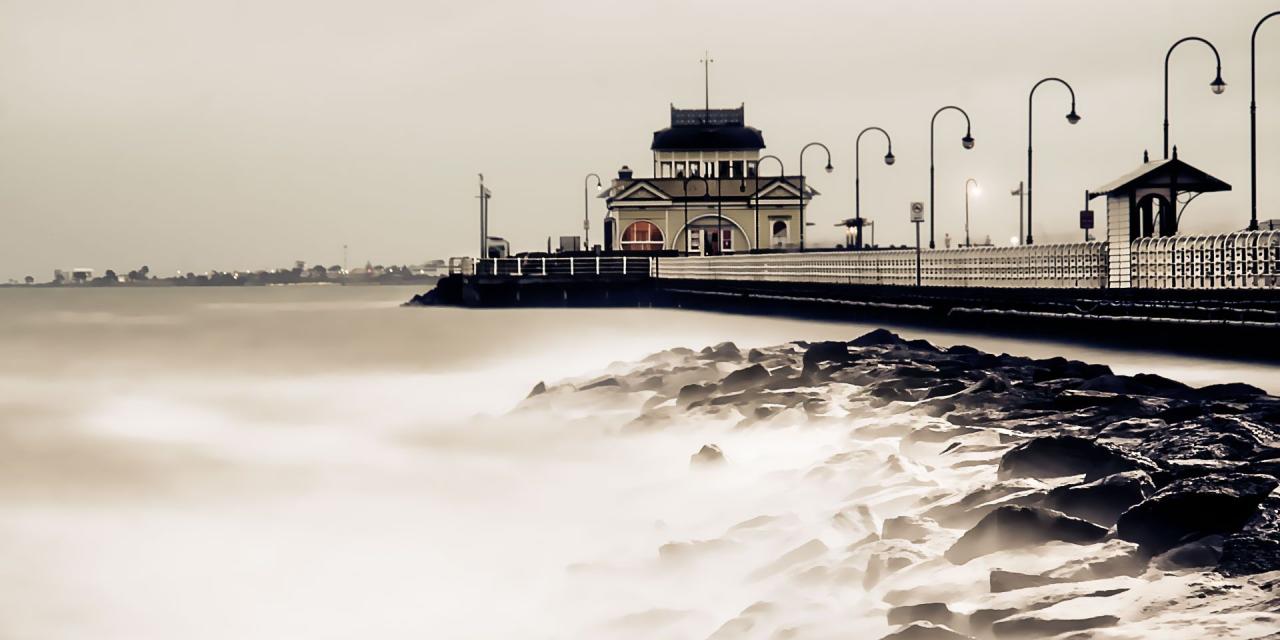
Crafting a compelling river photograph goes beyond simply pointing your camera at the water. It involves a thoughtful arrangement of elements within the frame to guide the viewer’s eye and evoke a specific mood or narrative. By understanding and applying fundamental design principles, you can transform a snapshot into a captivating work of art that truly showcases the beauty and dynamism of moving water.The interplay of light, form, and space is crucial in river photography.
Consider how different compositional techniques can enhance the visual impact of your images, drawing attention to the unique characteristics of the river and its surroundings.
River Scene Framing Principles
Effective framing is the art of selecting and arranging elements within the boundaries of your photograph to create a harmonious and impactful composition. For river photography, this means considering the relationship between the water, the banks, the surrounding landscape, and any man-made elements. A well-framed scene will lead the viewer’s eye naturally through the image, creating a sense of depth and flow.Consider the rule of thirds as a foundational principle.
Imagine dividing your frame into nine equal sections by two horizontal and two vertical lines. Placing key elements, such as the horizon line or a prominent rock formation, along these lines or at their intersections can create a more balanced and visually appealing composition than simply centering the subject. Experiment with different aspect ratios to see how they influence the feeling of your image; a wider aspect ratio might emphasize the expanse of the river, while a more vertical one could highlight its depth or a cascading waterfall.
Leading Lines for Viewer Guidance
Leading lines are a powerful compositional tool that directs the viewer’s gaze through the photograph, often towards the main subject or a point of interest. In river photography, the water itself frequently serves as a natural leading line, its current guiding the eye along its course.Techniques for using leading lines effectively include:
- The River’s Path: The natural curve or straight stretch of the river can be used to draw the viewer’s eye from the foreground into the distance.
- Man-Made Structures: Bridges, piers, or even fallen logs can act as strong leading lines, adding a human element or a sense of journey to the scene.
- Natural Formations: Shoreline contours, rows of trees, or rock formations can subtly guide the eye towards the heart of the river.
When employing leading lines, ensure they are clear and purposeful, avoiding elements that might distract or confuse the viewer’s path.
Foreground Interest in River Shots
Incorporating foreground interest adds depth, context, and visual appeal to your river photographs. It provides a point of immediate engagement for the viewer, anchoring the image and creating a sense of scale. Without foreground interest, river scenes can sometimes feel flat or lacking in dimension.Effective foreground elements include:
- Rocks and Pebbles: Interesting textures, shapes, and patterns of rocks in the riverbed or along the banks can create a strong anchor.
- Vegetation: Wildflowers, moss-covered stones, or interesting roots of trees growing near the water’s edge can add color and detail.
- Reflective Surfaces: Small pools of calm water in the foreground that capture the sky or surrounding foliage can add a sense of intrigue.
- Driftwood: Unique pieces of driftwood can add a sculptural element and a sense of the river’s history.
Experiment with different focal lengths and camera angles to ensure your foreground elements are sharp and well-defined, complementing rather than competing with the main subject.
Capturing Reflections in Calm River Sections
Calm sections of a river offer a unique opportunity to capture stunning reflections, essentially creating a mirror image of the sky, surrounding landscape, or any objects along the banks. These reflections can add symmetry, surrealism, and a sense of tranquility to your photographs.To capture compelling reflections:
- Timing is Key: Early morning and late evening, during the golden hours, often provide the softest light and the most dramatic skies, which translate beautifully into reflections.
- Minimize Disturbances: Look for areas where the water is still, free from ripples or strong currents, to achieve a clear and undistorted reflection.
- Compositional Balance: Consider how the reflected image balances with the actual scene above the water. Sometimes, a slightly off-center reflection can be more visually interesting.
- Experiment with Symmetry: While perfect symmetry can be striking, slightly imperfect reflections can also possess a unique charm.
A polarizing filter can be very useful here to reduce glare on the water’s surface, allowing the reflections to appear more prominent and saturated.
Showcasing Water Texture and Patterns
The inherent texture and patterns of moving water are often overlooked but are fundamental to capturing its essence. Whether it’s the smooth silkiness of a long exposure or the intricate details of turbulent rapids, understanding how to highlight these qualities can elevate your river photography.Opportunities to showcase water’s texture and patterns include:
- Turbulence and Rapids: The chaotic yet intricate patterns created by fast-flowing water over rocks can be captured with faster shutter speeds to freeze motion and reveal the spray and foam.
- Smoothness and Silkiness: As discussed in achieving different water effects, long exposures transform turbulent water into smooth, ethereal ribbons of light and color.
- Water Droplets: Close-up shots of water droplets clinging to leaves or rocks, or splashing from a fall, can reveal delicate and fascinating patterns.
- Eddies and Swirls: The circular patterns formed by eddies can be visually captivating, especially when illuminated by dappled light.
Pay close attention to how light interacts with the water’s surface. Highlights and shadows can dramatically emphasize the texture and form, bringing the dynamic nature of the river to life in your images.
Lighting Conditions and Their Impact on Water Photos
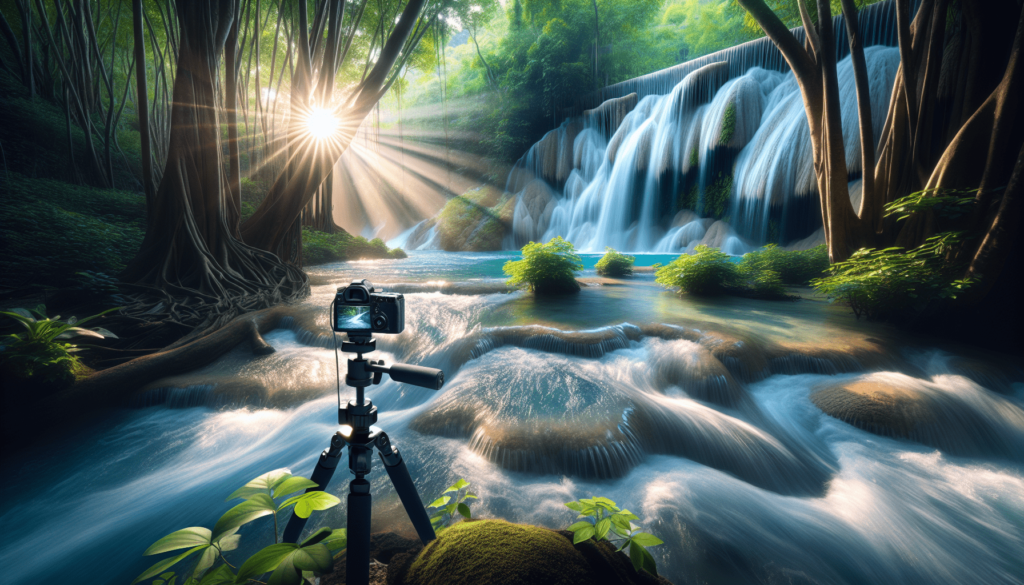
The way light interacts with moving water is fundamental to creating compelling river photographs. Understanding and harnessing different lighting conditions can transform a simple shot into a breathtaking masterpiece, evoking specific moods and highlighting the dynamic nature of water. This section explores how to leverage various light scenarios to your advantage.
Golden Hour Light for Warm and Inviting Water Imagery
The period shortly after sunrise and before sunset, often referred to as the “golden hour,” offers a magical quality of light that is exceptionally flattering for river photography. The low angle of the sun casts a warm, soft, and directional glow, which can imbue water with rich, inviting tones and a sense of tranquility.The soft, diffused nature of golden hour light minimizes harsh shadows and specular highlights, allowing for a more even exposure across the scene.
This is particularly beneficial when photographing water with intricate details or textures. The warm hues of the light can enhance the natural colors of the riverbed, surrounding foliage, and the water itself, creating a harmonious and visually appealing image.To effectively utilize golden hour light:
- Position yourself to have the sun illuminating the water from the side or slightly behind you, enhancing its sparkle and texture.
- Experiment with shooting directly into the light (backlighting) to create dramatic silhouettes or to capture ethereal rays filtering through mist or spray.
- Consider the direction of the river flow and how the light will play across its surface. A gently flowing river catching the golden light can appear like liquid gold.
- Look for reflections in the water; golden hour light often creates stunning, warm-toned reflections of the sky and surrounding landscape.
Midday Sun Challenges and Opportunities
Photographing moving water under the midday sun presents a unique set of challenges and opportunities. The high intensity and direct nature of midday light can lead to harsh contrasts, blown-out highlights, and deep, dark shadows, making it difficult to achieve a balanced exposure. However, with careful technique, this challenging light can also be used creatively.The primary challenge is managing the dynamic range of the scene.
Water surfaces can become overly bright and lose detail, while shaded areas can appear too dark. This can result in images that lack depth and visual interest.Despite these challenges, midday sun can offer distinct advantages:
- The bright light can emphasize the clarity and transparency of shallow water, revealing intricate details of the riverbed.
- It can create strong specular highlights on the water’s surface, adding sparkle and a sense of energy, especially in fast-flowing sections.
- Midday light can be ideal for capturing vibrant colors in the surrounding environment, which can then be reflected in the water.
- The harsh light can be used intentionally to create dramatic, high-contrast images, emphasizing the ruggedness of a river or the power of rapids.
Strategies for managing midday sun include:
- Using a polarizing filter to reduce glare and deepen colors.
- Employing graduated neutral density (GND) filters to balance the exposure between a bright sky and a darker foreground.
- Bracketing exposures and merging them in post-processing to capture the full dynamic range.
- Focusing on specific details or textures that are well-lit, rather than trying to capture the entire scene in a balanced way.
- Seeking out areas where the water is partially shaded by trees or rocks to mitigate the intensity of the light.
Photographing Waterfalls and Rapids During Overcast Days
Overcast days provide an ideal, soft, and diffused lighting environment for photographing waterfalls and rapids, minimizing the harshness often associated with direct sunlight. This type of light is particularly beneficial for rendering the smooth, silky texture of water.The diffused light of an overcast sky acts like a giant softbox, wrapping around the subject and eliminating harsh shadows and bright specular highlights.
This uniformity of light allows for a more even exposure across the entire scene, ensuring that details in both the water and the surrounding environment are captured without being lost to overexposure or underexposure.Strategies for capturing waterfalls and rapids on overcast days:
- Utilize the soft light to achieve long exposures, transforming the powerful motion of waterfalls and rapids into ethereal, painterly streaks of water.
- The absence of strong highlights means you can focus on capturing the subtle textures and tonal variations within the water.
- Overcast conditions are perfect for emphasizing the colors of the surrounding landscape, as the muted light allows greens and browns to appear richer and more saturated.
- The reduced contrast can also help in bringing out details in the spray and mist generated by waterfalls, creating a more atmospheric image.
- Experiment with framing that includes the misty environment, as the soft light will beautifully render the delicate droplets.
It is advisable to use a tripod for long exposures, and a neutral density (ND) filter might still be useful to achieve the desired silky water effect, especially if the overcast conditions are not extremely dark.
Creative Use of Backlighting to Highlight Water Movement
Backlighting, where the light source is positioned behind your subject, can be a powerful technique for dramatically highlighting the movement and texture of water. This lighting scenario can create a luminous glow, define edges, and add a dynamic visual quality to your river photographs.When light passes through water, especially in the form of spray, mist, or thin currents, it can be refracted and scattered, creating a beautiful halo effect.
This is particularly effective with fast-flowing water, rapids, or waterfalls, where the water is in constant motion and interacting with light.Creative applications of backlighting include:
- Capturing the luminous edges of waves or the spray from a waterfall, making them appear to glow.
- Highlighting the transparency of shallow water by backlighting it, revealing the riverbed below with a shimmering effect.
- Creating silhouettes of rocks or foliage against a brightly lit, moving water background, emphasizing the contrast between static and dynamic elements.
- Using backlighting to reveal the intricate patterns of foam and bubbles in rapids, adding texture and visual interest.
- Experimenting with lens flare, which can be intentionally introduced by backlighting to add a creative element and a sense of energy to the image.
When backlighting, be mindful of metering. You may need to expose for the highlights to retain detail in the illuminated water, which could result in darker foregrounds or silhouettes. Using a tripod is often recommended to ensure sharp images, especially if you are underexposing the foreground.
Capturing the Mood of a River Through Lighting Choices
The mood of a river photograph is profoundly influenced by the choices made regarding lighting. Different lighting conditions evoke distinct emotional responses and tell different stories about the river’s character, from its serene calm to its powerful might.The way light falls on the water, interacts with its surface, and illuminates the surrounding environment directly shapes the viewer’s perception of the scene.
For instance, soft, diffused light often conveys a sense of peace and tranquility, while harsh, direct light can emphasize ruggedness and power.Here’s how lighting choices contribute to mood:
- Serenity and Calm: Soft, diffused light, such as that found during early morning mist or a heavily overcast day, creates a gentle and peaceful atmosphere. This light minimizes contrast and can make the water appear smooth and tranquil.
- Drama and Power: Harsh, direct sunlight, especially when it creates strong highlights and shadows on turbulent water, can convey a sense of raw power and untamed energy. Backlighting can also contribute to drama by making the water appear ethereal and dynamic.
- Warmth and Invitation: The warm tones of golden hour light evoke feelings of comfort, beauty, and a welcoming ambiance. This light can make a river scene feel inviting and picturesque.
- Mystery and Depth: Low-light conditions, such as twilight or shooting into deep shadows, can create a sense of mystery and depth. The reduced visibility can encourage the viewer’s imagination to fill in the details.
- Clarity and Detail: Bright, even light can be used to showcase the intricate details and clarity of the water, highlighting the textures of the riverbed or the clarity of the currents.
By consciously selecting the time of day, weather conditions, and direction of light, photographers can effectively communicate the intended mood and personality of any river.
Post-Processing for Enhanced Water Photography
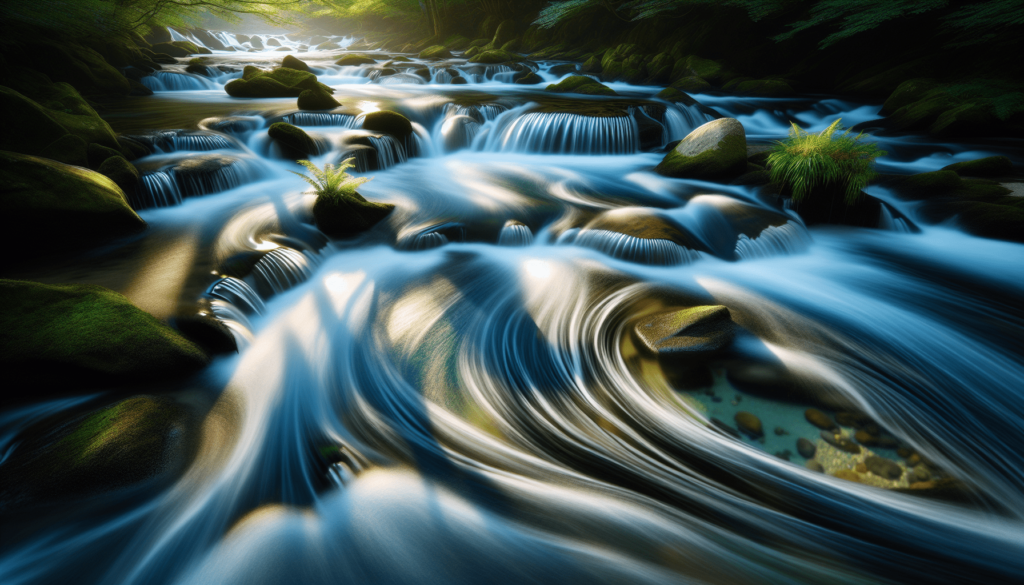
Once you’ve captured those stunning river scenes, post-processing is your essential toolkit for refining your images and truly bringing the dynamism of moving water to life. This stage allows you to correct minor imperfections, accentuate the unique qualities of water, and ensure your final photographs are as impactful as the moment you witnessed them. We will explore the key adjustments and techniques to elevate your river photography.
Common Adjustments for Bringing Out Water Detail
Editing software offers a range of tools to enhance the inherent textures and flow of water. Strategic adjustments can reveal subtle details that might be lost in the initial capture, making the water appear more alive and engaging.
- Exposure and Contrast: Fine-tuning exposure ensures that highlights in the water, such as reflections or bright spray, are not blown out, while shadows retain detail. Increasing contrast can make the water’s movement more pronounced by defining the differences between light and dark areas.
- Highlights and Shadows: Carefully lowering highlights can recover detail in bright areas, preventing a washed-out look. Conversely, lifting shadows can reveal texture and color in darker water or shaded sections of the river.
- Clarity and Texture: The clarity slider can subtly increase mid-tone contrast, which is excellent for defining the edges of ripples and waves, adding a sense of depth and definition to the water’s surface. Be cautious, as overdoing clarity can lead to an unnatural, gritty appearance.
- Sharpening: Applying selective sharpening can enhance the fine details of water, such as individual droplets or the crispness of foam. It’s often best applied after other adjustments and can be masked to affect only the water elements.
Techniques for Enhancing Water Motion Effects
The perceived motion of water in your photographs—whether silky smooth or dynamically sharp—is largely a result of your editing choices. Understanding how to manipulate these aspects will allow you to achieve your desired artistic vision.
- Achieving Smooth Water: For a silky smooth effect, often achieved with long exposures, post-processing involves softening any remaining texture. This can be done by applying a very subtle blur or by carefully reducing clarity and contrast in the water areas. Masking is crucial here to avoid affecting other parts of the image, like rocks or foliage.
- Enhancing Dynamic Water: To emphasize the energy and sharpness of moving water, focus on increasing local contrast and applying targeted sharpening. Techniques like using the Dehaze slider (used sparingly) can also add punch to the water’s texture. Dodge and burn tools can be used to subtly sculpt the light and shadow play on the water’s surface, further defining its movement.
Methods for Color Correction to Represent Natural Hues
Water’s color can vary dramatically based on its surroundings, depth, and the light conditions. Accurate color correction ensures your photograph reflects the authentic beauty of the river.
- White Balance: The first step is often correcting the white balance to neutralize any unwanted color casts. This can be done using the eyedropper tool on a neutral gray or white element in the scene, or by manually adjusting the temperature and tint sliders.
- Saturation and Vibrance: While it’s tempting to boost saturation, it’s often more effective to use vibrance. Vibrance intelligently increases the intensity of muted colors while leaving already saturated colors relatively untouched, leading to a more natural and pleasing result.
- Hue Adjustments: Sometimes, specific color channels might need individual adjustment. For instance, if the water has an unnatural green tint, you might slightly desaturate the greens or shift the hue of the blues and greens to achieve a more realistic turquoise or deep blue.
Reducing Noise in Images Taken at Higher ISOs
When shooting in low light or at faster shutter speeds that necessitate a higher ISO, digital noise can become apparent. Effective noise reduction is key to maintaining image quality.
- Noise Reduction Sliders: Most editing software has dedicated sliders for luminance and color noise. Luminance noise appears as graininess, while color noise manifests as colored speckles.
- Selective Application: Apply noise reduction judiciously. Overdoing it can lead to a loss of fine detail and an overly smooth, artificial look. It’s often beneficial to apply noise reduction selectively, perhaps with a lower strength, and then reintroduce sharpness to the areas where detail is desired.
- Masking: Using masks allows you to apply noise reduction only to areas where it’s most needed, such as in the darker tones of the water or sky, while preserving the sharpness of foreground elements.
Organizing a Workflow for Retouching River Photographs
A structured workflow ensures efficiency and consistency in your editing process, leading to better results.
- Import and Cull: Begin by importing your images into your editing software and selecting the best shots (culling).
- Global Adjustments: Start with basic global adjustments. This includes setting the white balance, correcting exposure, and adjusting contrast and highlights/shadows for the entire image.
- Local Adjustments and Enhancements: Move on to more specific enhancements. Use tools like clarity, texture, and sharpening to bring out the details in the water. Apply selective adjustments using brushes or gradient filters to refine specific areas.
- Color Correction: Address any color casts and fine-tune saturation and vibrance to achieve natural and appealing colors.
- Noise Reduction: If necessary, apply noise reduction, paying attention to the strength and masking to preserve detail.
- Final Touches: Complete the process with any final tweaks, such as vignette effects or minor spot removal, before exporting your final image.
Advanced Techniques and Creative Approaches
Moving beyond the foundational techniques, this section delves into more sophisticated methods to elevate your river photography, transforming ordinary scenes into extraordinary visual narratives. We will explore how to intentionally manipulate the perception of water and its environment, pushing the boundaries of creative expression.This exploration focuses on techniques that offer a higher degree of control and artistic intent, allowing you to capture not just the appearance of moving water, but its very essence and the emotions it evokes.
By mastering these advanced approaches, you can imbue your river photographs with a unique signature and a deeper level of impact.
Abstract Beauty of Water Currents
Capturing the abstract beauty of water currents involves focusing on patterns, textures, and the interplay of light and shadow rather than the literal representation of a river. This approach encourages viewers to see water not just as a body of liquid, but as a dynamic, ever-changing force.To create a plan for capturing this abstract beauty, consider the following elements:
- Identify Rhythmic Patterns: Look for repeating shapes, lines, and swirls within the water’s flow. These can be found in eddies, ripples, and the way water interacts with obstacles.
- Emphasize Texture: Focus on the granular quality of spray, the smoothness of a glassy surface, or the rough texture of turbulent water. Long exposures can dramatically alter perceived texture.
- Isolate Details: Zoom in on specific areas of the current, such as the convergence of two streams, the intricate patterns of foam, or the way light fractures on the surface.
- Play with Light and Shadow: Observe how sunlight or moonlight creates highlights and deep shadows, transforming the water’s appearance. Consider shooting during golden hour or blue hour for dramatic lighting.
- Experiment with Motion Blur: Utilize slow shutter speeds to transform the water into silky smooth streaks, emphasizing its movement and energy in an abstract way.
Polarizing Filters for Reflections and Saturation
Polarizing filters are invaluable tools for river photography, offering significant control over reflections and enhancing the visual vibrancy of your images. They work by filtering out polarized light, which is light that has been reflected off non-metallic surfaces like water.The primary functions of a polarizing filter in river photography are:
- Reflection Management: By rotating the filter, you can reduce or eliminate distracting reflections from the water’s surface. This allows you to see through the water to the riverbed, rocks, or aquatic life below, creating clearer and more detailed shots. It also helps in taming harsh glare on wet surfaces like rocks or foliage along the riverbank.
- Saturation Enhancement: Polarizers can deepen the blues of the sky and the greens of surrounding foliage. This effect is particularly noticeable when the filter is positioned at a 90-degree angle to the sun. The reduction of reflected light also makes the inherent colors of the scene appear more vivid and pure.
The impact of a polarizing filter is directly related to its orientation. Rotating the filter on the lens allows you to fine-tune the amount of polarization, offering a dynamic range of effects from subtle enhancement to dramatic reflection removal.
Capturing Water in Motion with a Drone
Drones offer a unique perspective for capturing moving water, providing aerial viewpoints that are impossible to achieve from the ground. This allows for the visualization of the river’s flow, its interaction with the landscape, and its overall journey.Techniques for capturing water in motion with a drone include:
- Following the Flow: Fly the drone parallel to the river’s current, allowing the viewer to experience the continuous movement. Varying altitudes can reveal different aspects of the flow, from intricate eddies to the broader sweep of the river.
- Top-Down Views: Position the drone directly overhead to capture the intricate patterns and textures of the water’s surface. This perspective is excellent for highlighting swirls, rapids, and the shapes created by submerged objects.
- Dynamic Tracking Shots: Use the drone’s ability to smoothly track moving water, such as a waterfall or a section of rapids. This can create a sense of immersive motion and energy.
- Highlighting Environmental Context: Utilize the drone’s vantage point to showcase how the river carves through its landscape, showing its relationship with mountains, forests, or plains.
- Focusing on Light Play: Observe how sunlight interacts with the water from above. Drones can capture unique light patterns, sunbeams piercing the surface, or the shimmering effect of light on moving water.
When using a drone, it’s crucial to be aware of wind conditions, battery life, and local regulations. For capturing motion, consider using the drone’s video capabilities and then extracting stills, or using a fast shutter speed if shooting stills to freeze specific moments of intense action.
Visual Impact of Different Camera Angles for Water Subjects
The camera angle is a fundamental element in photography that significantly influences how a viewer perceives a subject. For water, different angles can dramatically alter its character, scale, and the story it tells.Comparing the visual impact of various camera angles for water subjects reveals distinct characteristics:
- Eye-Level Angle: This is the most natural and relatable perspective, mimicking human vision. It provides a sense of immersion and allows the viewer to feel as though they are standing at the river’s edge. It’s effective for showcasing the texture of ripples and the immediate surroundings.
- Low Angle: Shooting from a very low angle, close to the water’s surface, can make the water appear larger, more powerful, and dominant in the frame. This angle emphasizes the texture of waves, spray, and the intricate details of the water’s movement. It can create a sense of drama and grandeur.
- High Angle (Including Aerial): Looking down on the water from a higher vantage point, whether from a bridge, a hill, or a drone, reveals the patterns and flow of the river in a broader context. It allows for the observation of how the water interacts with its environment, showing its course and shape. This angle can convey a sense of scale and the river’s journey through the landscape.
- Worm’s-Eye View: This extreme low angle, often achieved with specialized equipment or by placing the camera directly on the riverbed (with protection), offers an unusual and captivating perspective. It can reveal the underwater world or make the water’s surface appear as a vast, reflective ceiling.
The choice of angle should be dictated by the desired mood and message of the photograph. For instance, a low angle might be used to emphasize the raw power of a waterfall, while a high angle might be used to illustrate the gentle meandering of a river through a valley.
Storytelling with a River’s Journey
A river’s journey is a narrative rich with change, life, and connection to the landscape. Designing a series of shots to tell this story allows for a comprehensive and engaging visual exploration of its character from source to sea.A series of shots to tell the story of a river’s journey could be structured as follows:
- The Source: Begin with images of the river’s origin, perhaps a small spring high in the mountains, a melting glacier, or a humble trickle. Focus on the pristine, untouched nature of its beginnings. The water might appear clear, cold, and nascent.
- The Headwaters and Upper Course: Depict the river as it gains momentum, encountering steeper gradients, rocks, and perhaps the first signs of human interaction like small bridges or trails. Show the water as energetic, turbulent, and carving its path.
- The Middle Course: Illustrate the river widening, slowing down, and becoming more established. This section might show more diverse ecosystems along its banks, agricultural lands, or larger settlements. The water’s surface might become smoother, with more pronounced eddies and meanders.
- The Confluence: Capture the moment where the river meets a significant tributary, showcasing the merging of two distinct water bodies. This can be a visually dramatic point of change.
- The Lower Course and Delta: Show the river nearing its end, often becoming slower, wider, and more influenced by tides. Images of deltas, estuaries, or the river meeting the sea would be appropriate here. Focus on the transition and the river’s impact on its final environment.
- Life Along the River: Interweave shots that highlight the flora, fauna, and human communities that depend on or interact with the river throughout its course. This adds a layer of context and shows the river’s vital role.
Each image in the series should contribute to the overarching narrative, guiding the viewer through the river’s transformation and its essential role in the environment. The use of consistent style, color grading, or recurring motifs can further enhance the storytelling coherence.
Last Recap
By mastering these techniques, you’ll be well-equipped to capture the mesmerizing flow of rivers, from the ethereal smoothness of long exposures to the sharp clarity of frozen splashes. Whether you’re drawn to the tranquil reflections on a calm surface or the raw power of a cascading waterfall, this guide provides the foundation for creating impactful and artistic images that truly convey the spirit of moving water.