Mastering how to photograph landscapes with depth transforms ordinary scenes into captivating visual stories. By effectively utilizing various techniques and understanding the elements that create a sense of dimension, photographers can guide viewers through their images with a sense of immersion and clarity. This comprehensive guide offers valuable insights into capturing the beauty and complexity of layered landscapes, ensuring each photo conveys a vivid sense of depth.
From selecting the right equipment and settings to applying creative composition methods, lighting, and post-processing techniques, this discussion provides a detailed roadmap for enhancing depth in landscape photography. Whether shooting during golden hour or under overcast skies, understanding how to leverage different conditions and perspectives will elevate your photography skills and produce more engaging, three-dimensional images.
Understanding Depth in Landscape Photography
In landscape photography, the concept of depth plays a pivotal role in creating compelling and immersive images. Depth refers to the sense of three-dimensionality within a two-dimensional photograph, allowing viewers to feel as though they are looking into a real-world scene rather than a flat image. Mastering how to convey depth effectively can transform ordinary landscape shots into captivating visual stories that draw viewers into the scene.
Achieving a sense of depth involves a strategic arrangement of various elements within the frame. By skillfully incorporating foreground, middle ground, and background components, photographers can guide the viewer’s eye through the image, creating a layered effect that enhances the overall visual appeal. This technique not only adds realism but also provides a sense of scale and perspective, making landscapes appear more life-like and engaging.
Elements Contributing to Depth in Landscape Photography
Creating a convincing sense of depth in landscape images relies on the deliberate inclusion and arrangement of specific elements. Foreground, middle ground, and background are the fundamental layers that, when used effectively, produce a dynamic and immersive scene. Each layer plays a unique role in guiding the viewer’s eye and reinforcing the three-dimensional illusion.
Incorporating a compelling foreground element, such as rocks, plants, or a leading pathway, immediately captures attention and sets the scene. The middle ground, often comprising features like a lake, fields, or trees, provides a transition that connects the foreground and background. The background then adds context with distant mountains, a horizon line, or a sky filled with dramatic clouds, completing the layered structure.
Effectively utilizing these layers involves considering their size, placement, and contrast. For example, objects in the foreground are typically larger and more detailed, capturing immediate attention, while background elements tend to be smaller and softer, creating depth through atmospheric perspective. This interplay creates a visual journey that encourages the viewer to explore the entire scene.
Examples of Landscapes that Effectively Utilize Depth
Many renowned landscape photographs demonstrate the power of depth to lead viewer focus and evoke emotion. For instance, a scene capturing a winding river with lush foliage in the foreground, a meandering waterway in the middle ground, and distant mountains under a vast sky exemplifies depth. The river acts as a natural guide that draws the eye from the front to the back of the image.
Similarly, a photograph of a forest trail that begins with detailed, textured leaves at the bottom, progressing into a canopy of trees in the middle ground, and finally revealing a mountain range in the background, creates a layered effect. The use of overlapping elements and varying focus enhances the perception of depth, making the viewer feel as if they could step into the scene.
Effective landscape images often employ atmospheric perspective, where distant objects are rendered softer or hazier, mimicking how the human eye perceives depth over distance. Such techniques, combined with strategic composition, ensure that viewers are naturally guided through the landscape, experiencing a sense of immersion and scale.
Equipment and Settings for Capturing Depth
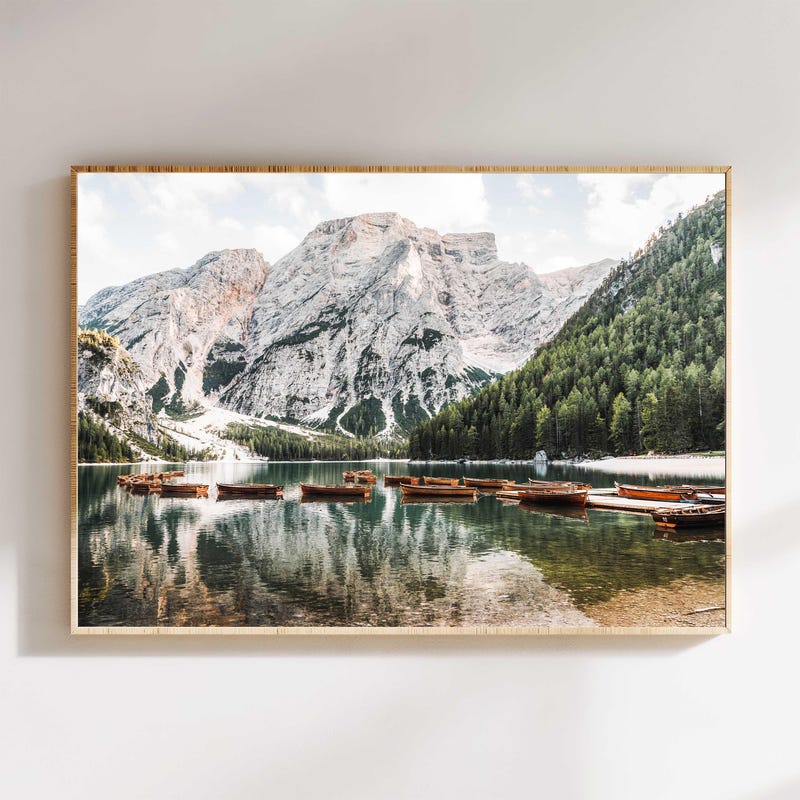
Achieving a strong sense of depth in landscape photography relies heavily on selecting the appropriate camera gear and fine-tuning camera settings. The right equipment can enhance the perception of foreground and background separation, while optimal settings ensure clarity and detail across varying lighting conditions. Understanding the interplay between gear choices and camera parameters enables photographers to craft images that invite viewers into expansive, immersive landscapes.
In this section, we explore the essential camera accessories and configurations that facilitate the effective capture of depth, from lens selections to camera settings suitable for diverse environmental scenarios.
Camera Gear Choices to Enhance Depth Perception
Choosing the appropriate camera gear is fundamental to emphasizing depth in landscape compositions. The selection of lenses and filters plays a crucial role in rendering spatial relationships and enhancing foreground-background separation.
- Wide-Angle Lenses: These lenses, typically ranging from 14mm to 35mm, are favored for landscape photography as they naturally exaggerate the sense of space. They allow more of the scene to fit within the frame, accentuating foreground elements while maintaining a sense of distance to the background. For example, a 16-35mm lens can capture sweeping vistas with pronounced depth.
- Standard Lenses: A 50mm lens offers a more natural perspective, useful when you want to minimize distortion but still maintain a good sense of depth through careful composition.
- Telephoto Lenses: Ranging from 70mm to 200mm, these lenses compress perspective, which can be creatively used to highlight specific layers or features at different distances, bringing depth to a more intimate scale.
- Polarizing Filters: These filters reduce reflections and glare from surfaces like water or wet rocks, increasing contrast and saturation. By darkening skies and enhancing color differentiation, polarizers help separate foreground and background elements, thus amplifying depth perception.
- Neutral Density (ND) Filters: Useful for controlling exposure in bright conditions, ND filters allow for longer shutter speeds, which can smooth out surfaces and create atmospheric depth, especially in water or cloud movement.
Camera Settings to Optimize Depth in Various Lighting Conditions
Adjusting camera settings carefully allows for sharp, well-exposed images that preserve the sense of depth across different lighting environments. Proper control of aperture, focus mode, and ISO ensures detailed foregrounds and backgrounds, even in challenging light.
- Aperture: A narrow aperture (high f-number such as f/8 to f/16) maximizes the depth of field, ensuring both foreground and background are in sharp focus. This is essential for landscape shots where clarity throughout the scene enhances depth perception.
- Focus Modes: Using manual focus or single-point autofocus placed on a foreground element ensures the sharpest detail is rendered at the closest point, with a sufficient depth of field covering the background. Focus stacking can also be employed in scenes with multiple distant layers.
- ISO Settings: Keeping ISO low (such as ISO 100 or 200) reduces noise, preserving detail and contrast. In low-light situations, a higher ISO may be necessary but should be balanced against potential image degradation.
- Shutter Speed: Longer exposures, facilitated by ND filters, can enhance atmospheric depth, especially when capturing movement or reflections.
In bright daylight, a narrow aperture with low ISO and a tripod-mounted camera ensures sharpness and depth, while in low-light conditions, adjusting ISO and shutter speed helps maintain image integrity without sacrificing detail.
Comparison Table of Settings for Different Landscape Scenarios
To streamline planning and decision-making, the following table compares recommended camera settings tailored to diverse landscape scenarios. This guide assists photographers in quickly adapting their approach to ensure optimal depth capture.
| Scenario | Aperture | Focus Mode | ISO | Shutter Speed | Additional Notes |
|---|---|---|---|---|---|
| Sunny Day with Clear Skies | f/11 – f/16 | Single-point AF on foreground | 100 – 200 | 1/125s or faster | Use polarizer for enhanced contrast |
| Cloudy or Overcast Conditions | f/8 – f/11 | Manual or single-point AF | 200 – 400 | 1/60s – 1/125s | Adjust exposure compensation as needed |
| Low-Light Dawn or Dusk | f/8 | Manual focus or focus stacking | 400 – 800 | Long exposures (several seconds) | Tripod essential; use ND filters for longer shutter speeds |
| Water or Reflection Scenes | f/16 or higher | Manual focus on foreground | 100 – 200 | Variable; longer for silky water effects | Use polarizer to control reflections |
“Employing a consistent approach to gear selection and camera settings tailored to each scene elevates the depth and dimensionality of landscape photographs.”
Composition Techniques to Enhance Depth
Creating a compelling landscape photograph involves more than just capturing the scene; it requires deliberate composition techniques that emphasize depth. By thoughtfully arranging elements within the frame, photographers can lead viewers’ eyes into the distance, making the scene feel immersive and three-dimensional. Techniques such as leading lines, framing, and layering serve as powerful tools to achieve this effect, transforming a flat image into a vivid depiction of space and distance.
Implementing these methods effectively involves understanding how to position key elements within the frame and utilize compositional rules to guide perception. Properly applied, they can dramatically enhance the sense of depth, making your landscapes more engaging and visually appealing. Below are detailed strategies and guidelines to help you master these techniques for stunning landscape photography.
Leading Lines to Guide the Viewer’s Eye
Leading lines are one of the most direct ways to create depth in landscape photography. They draw the viewer’s gaze from the foreground into the background, establishing a visual pathway through the scene. These lines can be natural, such as rivers, roads, or rows of trees, or man-made, like fences or pathways. The key is to position the lines so they originate from the bottom or sides of the frame and lead toward the horizon or a focal point.
To effectively utilize leading lines:
- Identify strong, clear lines within the scene that naturally draw the eye.
- Position yourself so the lines run diagonally across the frame, enhancing a sense of movement and depth.
- Ensure the lines lead toward an interesting focal point or the horizon to deepen the sense of spatial extension.
- Use a wide-angle lens to exaggerate the perspective of the lines, making them more prominent.
Incorporating leading lines not only guides the viewer but also adds a dynamic element that simplifies the viewer’s journey through the scene.
Framing Elements to Create Layered Depth
Framing involves enclosing the main subject or scene within natural or constructed borders, such as archways, overhanging branches, or rocks. This technique isolates the subject, creates foreground interest, and provides visual cues about spatial relationships. Multiple frames within a scene help establish layers, which contribute to the perception of depth.
To effectively apply framing:
- Identify natural frames within the environment that can surround or highlight the main subject.
- Position yourself so these framing elements are in the foreground, with the primary subject or background beyond.
- Use a wide aperture to keep the framing elements in sharp focus while creating background blur if necessary, or vice versa.
- Experiment with different angles to discover how framing alters the depth perception.
Proper framing not only enhances depth but also adds context and aesthetic appeal to your landscape images.
Layering Elements for a Sense of Depth
Layering involves incorporating multiple distinct elements at varying distances within your composition. This creates visual strata—foreground, middle ground, and background—that the eye can naturally navigate, reinforcing the three-dimensional feel of the scene.
For effective layering:
- Scout locations with diverse elements at different distances—such as rocks, shrubs, trees, and mountains.
- Arrange your shot to include these layers prominently, ensuring each layer has enough space to be distinguishable.
- Use a smaller aperture (higher f-number) to keep multiple layers in sharp focus, emphasizing the spatial separation.
- Adjust your position and perspective to maximize the depth cues provided by each layer.
This technique is especially useful in wide landscapes, where natural elements are abundant and can be strategically included to deepen the scene.
Composition Rules and Their Impact on Perceived Depth
Understanding the influence of composition rules helps in creating an effective sense of depth. The following table illustrates some fundamental rules and their contributions to enhancing spatial perception in landscape photography:
| Composition Rule | Impact on Depth | Example Application |
|---|---|---|
| Rule of Thirds | Positions key elements at intersecting points, leading the eye through different depths of the scene | Placing a prominent tree in the foreground and a mountain in the background along the grid lines |
| Leading Lines | Creates a visual pathway from foreground to background, emphasizing spatial connection | A winding river starting at the bottom of the frame and extending toward the horizon |
| Foreground Interest | Provides an immediate point of focus, anchoring the viewer and establishing proximity | Rocks or wildflowers in the immediate foreground that guide toward distant features |
| Overlap | Shows elements partially obscuring others, reinforcing depth through occlusion | Overlapping trees or hills in the middle ground with distant mountains |
| Perspective and Size Variation | Objects closer appear larger, enhancing the three-dimensional illusion | Large rocks in the foreground contrasted with tiny trees in the background |
By combining these rules thoughtfully, you can craft compositions that convincingly portray depth, making your landscapes more engaging and lifelike.
Lighting and Weather Conditions Impacting Depth
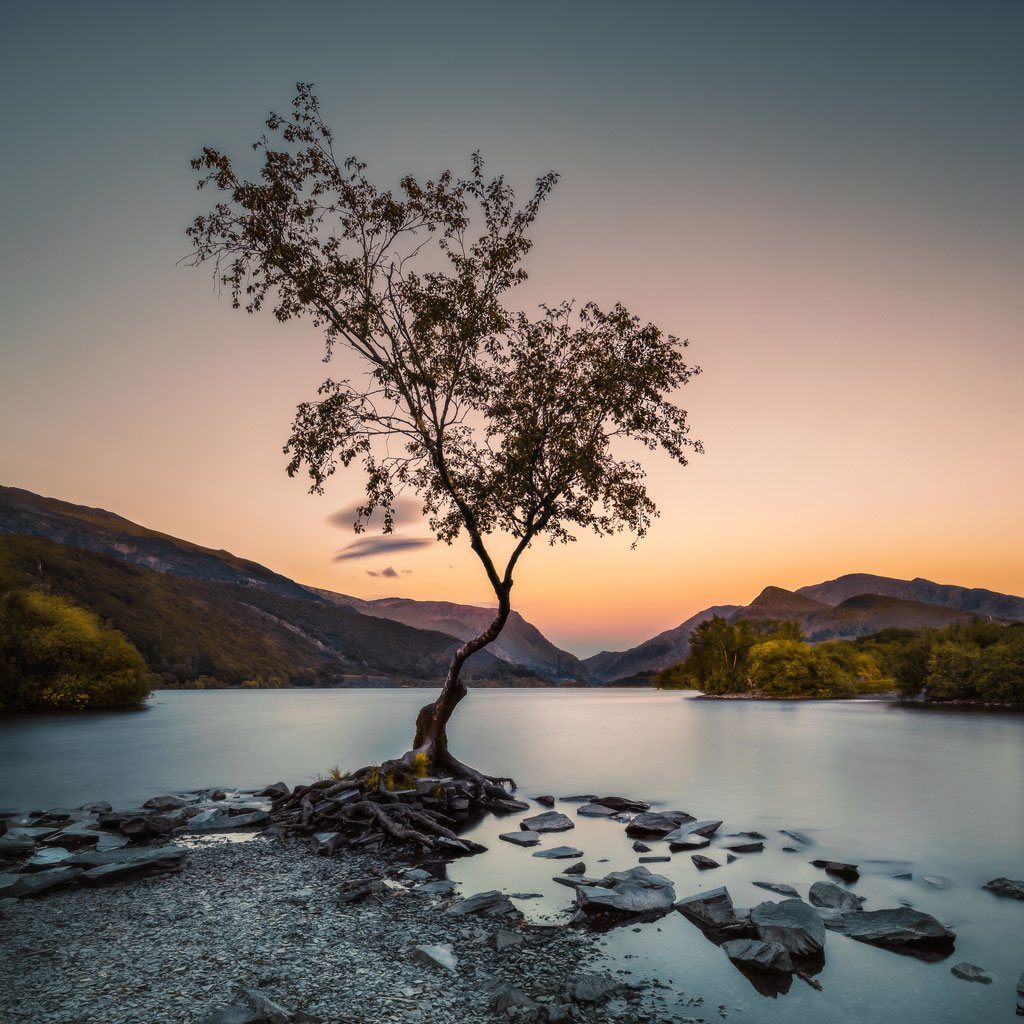
Understanding how varying lighting and weather conditions influence the perception of depth in landscape photography is essential for creating compelling images. Different conditions can either enhance the sense of layered distance or diminish it, depending on how they are utilized. Recognizing the nuances of natural light and atmospheric effects allows photographers to craft scenes that convey depth with greater clarity and emotional impact.
By examining how conditions like golden hour light, overcast skies, and harsh sunlight alter shadows, contrast, and color saturation, photographers can strategically leverage these elements to add dimension. Properly harnessed, natural lighting and weather phenomena can transform flat scenes into visually immersive landscapes that guide the viewer’s eye through the scene and emphasize its foreground, middle ground, and background layers.
Impact of Different Lighting Conditions on Depth Perception
Lighting plays a pivotal role in shaping the perceived depth within landscape photographs. Each lighting condition offers unique characteristics that can be used to enhance or reduce the sense of layered space in a scene.
- Golden Hour: Occurring shortly after sunrise and before sunset, golden hour lighting produces warm, soft, and directional light. This gentle illumination creates long shadows, accentuating textures and contouring landscape features. The warmth and contrast help delineate different layers of the scene, creating an inviting sense of depth.
- Overcast Conditions: Cloud cover diffuses sunlight, resulting in evenly lit scenes with subdued shadows. While this can flatten the image somewhat, it also minimizes harsh contrasts that can obscure details. Overcast light is ideal for emphasizing subtle textures across multiple layers, especially in scenes with complex foliage or distant mountains.
- Harsh Sunlight: Bright midday sun produces stark shadows and high contrast, which can sometimes flatten certain elements. However, it also creates strong, well-defined shadows that can emphasize relief and separations between layers, especially in textured terrains like rocky landscapes or fields.
Utilizing Natural Light and Weather to Enhance Layered Landscapes
Natural lighting and weather conditions are powerful tools for emphasizing depth when properly managed. Understanding how to adapt your composition and exposure settings to these conditions enables you to craft scenes with pronounced layering and atmosphere.
For instance, during the golden hour, positioning yourself to capture backlit or sidelit features can enhance depth by casting long shadows and highlighting textures. Overcast days, with their diffuse light, allow for balanced exposure across layers, revealing fine details from foreground to background. Fog, mist, and rain introduce atmospheric perspective, softening distant elements and creating a natural sense of distance.
Utilize weather phenomena like fog or haze to increase atmospheric perspective — distant objects appear softer and less saturated, which naturally emphasizes the depth and layers within the scene.
Creating Scene Atmospheres That Emphasize Depth
The atmosphere within a landscape scene can significantly influence viewers’ perception of depth. Elements such as mist, fog, or even dust can evoke mood and add a three-dimensional quality, especially when combined with thoughtful lighting techniques.
Scenes with mist or fog tend to soften the background, pushing distant features further into the scene’s recesses while maintaining sharp foreground elements. This creates a layered effect that enhances depth perception. Conversely, bright, clear conditions with directional sunlight can produce distinct shadows and highlights, carving out contours and emphasizing the three-dimensionality of terrain features.
In practice, capturing a landscape at dawn or dusk when atmospheric conditions naturally create haze or fog can imbue the scene with a mysterious or tranquil atmosphere, drawing the viewer into a perceived layered space that extends into the horizon.
Post-Processing Tips for Enhancing Depth

Enhancing the perception of depth in landscape photographs through post-processing can significantly elevate the visual impact and realism of your images. Mastering editing techniques tailored to highlight foreground, middle ground, and background elements allows for a more immersive viewer experience. Proper adjustments can transform a flat-looking landscape into a dynamic, layered scene that guides the viewer’s eye naturally through the composition.While capturing depth during shooting is crucial, post-processing offers additional tools to accentuate this spatial quality.
Techniques such as contrast adjustment, dodging, and layering enable precise control over tonal variation and depth cues. Learning to combine multiple exposures effectively can extend the range of perceived depth, especially in scenes with high dynamic range. Implementing these methods systematically ensures consistent improvements and refined results in your landscape photography workflow.
Contrast Adjustment to Emphasize Depth
Contrast plays a vital role in creating the illusion of depth by increasing the separation between different elements within the scene. Higher contrast in the foreground can draw immediate attention, while softer contrast towards the background creates a sense of distance.To effectively use contrast adjustments:
- Begin by duplicating your original image layer in your editing software. This allows non-destructive editing.
- Apply a curves or levels adjustment to selectively increase contrast in the foreground, making textures and details pop.
- Use masks or selection tools to gently reduce contrast in the background, creating a gradient that mimics atmospheric perspective.
- Consider using local contrast enhancement tools, such as ‘Clarity’ or ‘Dehaze’, to further reinforce depth cues.
By controlling contrast regionally, you direct the viewer’s eye through the scene, emphasizing the layered structure of the landscape.
Dodging and Burning for Depth Enhancement
Dodging (lightening) and burning (darkening) are classical techniques adapted for digital editing that can subtly manipulate tonal values to enhance depth perception.The process involves:
- Select the Dodge or Burn tool in your editing software.
- Use a soft, low-opacity brush to carefully brighten the midtones or highlight the foreground elements, bringing them forward.
- Apply the burn tool to darken distant elements or shadows, adding a sense of recession and atmospheric depth.
- Work gradually, frequently toggling the visibility of your adjustments to prevent over-processing.
This technique accentuates the three-dimensional qualities of various scene elements, guiding viewers’ perception naturally.
Layering Multiple Exposures to Extend Depth
Creating extended depth through stacking multiple exposures involves blending images captured at different focus points or exposure levels to maximize detail across the scene.Step-by-step process:
- Capture multiple images at different focus distances or exposure settings, ensuring consistent framing.
- Import these images into your editing software and align them precisely to prevent misregistration.
- Use layer masks to selectively reveal sharp details in the foreground from one exposure and in the background from another.
- Adjust opacity and blending modes to seamlessly integrate the layers, maintaining a natural transition between depth zones.
- Apply global tone and contrast adjustments after blending to unify the composite for a cohesive look.
This approach effectively extends the perceived depth, especially in scenes where a single shot cannot capture the full range of detail.
Example Workflows for Improving Depth Perception During Editing
The following table illustrates typical workflows that combine various post-processing techniques to enhance spatial depth in landscape images.
| Step | Technique | Purpose | Details |
|---|---|---|---|
| 1 | Initial contrast adjustment | Establish tonal separation | Use curves to enhance contrast in midtones, focusing on foreground elements |
| 2 | Selective dodging | Bring foreground elements forward | Lighten midtones in the foreground with a soft brush at low opacity |
| 3 | Atmospheric haze reduction | Increase background clarity | Use dehaze tools or layer masks to enhance background details |
| 4 | Layer stacking | Extend depth of field | Blend multiple focus-stacked images to acquire sharpness across the scene |
| 5 | Final global adjustments | Unify the image’s tonal balance | Apply subtle contrast and vibrance tweaks to complete the enhancement |
Implementing these post-processing techniques systematically will help you craft landscape images that possess a compelling sense of depth, inviting viewers to explore the scene visually and emotionally.
Last Word

In conclusion, mastering the art of capturing depth in landscape photography unlocks new levels of visual storytelling. By thoughtfully combining equipment choices, composition techniques, perspective, lighting, and editing, photographers can create images that draw viewers into a vivid, layered world. Embracing these strategies will significantly enhance the impact and artistry of your landscape photographs, inspiring awe and appreciation for the natural scenery.