Unlocking the profound narrative potential held within human hands is an art form that transcends mere documentation. This guide delves into the intricacies of how to photograph hands for storytelling, revealing how these expressive appendages can communicate a universe of emotions, actions, and connections without uttering a single word.
We will explore the fundamental power of hands in conveying personality and emotion, examining common gestures that speak volumes and how hands can symbolize profound themes of connection or isolation. Understanding these nuances is the first step towards creating images that resonate deeply with viewers, drawing them into the story you aim to tell through the subtle language of the human form.
Understanding the Narrative Power of Hands in Photography
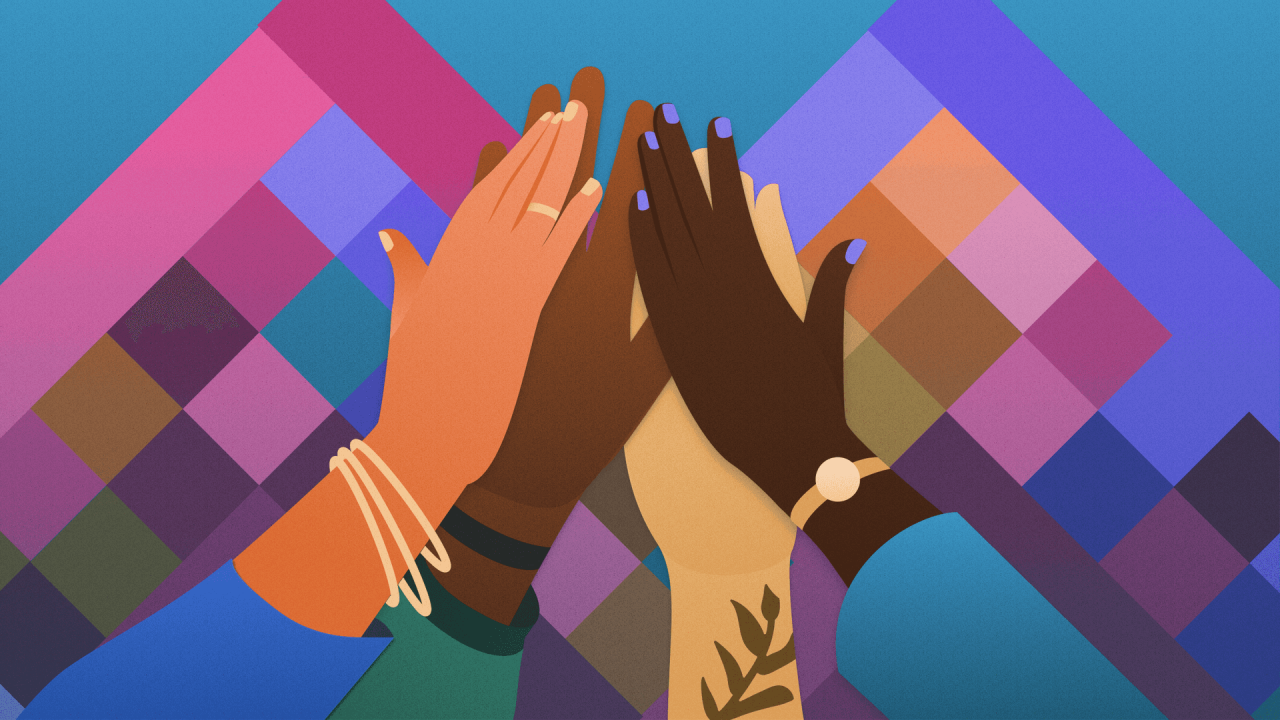
Hands are remarkably expressive tools in visual storytelling, often revealing more than a face can. They are the primary instruments through which we interact with the world, perform actions, and convey our deepest emotions. In photography, capturing hands effectively can transform a static image into a dynamic narrative, inviting viewers to connect with the subject on a profound level.The intricate movements, subtle tensions, and gentle caresses of hands can communicate a vast spectrum of human experience.
They can speak of love, loss, labor, creativity, and vulnerability, all without uttering a single word. Understanding this inherent narrative power is the first step in using hands to enrich your photographic stories.
Conveying Emotion and Personality Through Hands
Hands are incredibly nuanced in their ability to express feelings and reveal aspects of an individual’s character. The way a hand is held, the tension in its fingers, or the softness of its touch can all speak volumes about a person’s inner state and their habitual demeanor.A clenched fist might signify anger, determination, or frustration. Open palms, on the other hand, can suggest generosity, honesty, or a plea.
The slight tremor in a hand can betray nervousness or fear, while a relaxed, resting hand might convey peace or contentment. The texture of the skin, the presence of calluses, or the neatness of nails can also subtly hint at a person’s profession, lifestyle, or their attention to self-care, adding layers to their portrayed personality.
The Role of Hand Gestures in Non-Verbal Storytelling
Gestures are the visual language of hands, capable of communicating complex ideas and emotions instantaneously. Photographers can leverage these gestures to tell a story without relying on dialogue or explicit context. A gesture can draw attention to an object, emphasize a point, or express a reaction, all within the frame.Consider the difference between hands reaching out in welcome versus hands pulling away in rejection.
A hand pointing can direct the viewer’s gaze or indicate a destination. Clasped hands can represent unity, partnership, or prayer. These visual cues are universally understood and can powerfully drive the narrative of an image.
Common Hand Poses and Their Meanings
Certain hand positions have become widely recognized symbols, carrying specific connotations that photographers can employ to convey intended messages. While context is always crucial, these common poses provide a strong foundation for storytelling.Here are some frequently observed hand poses and the feelings or actions they often communicate:
- Open Palms Upward: Often signifies offering, receiving, surrender, or a plea for help.
- Clenched Fist: Commonly represents anger, defiance, power, or determination.
- Hands Clasped Together: Can indicate prayer, supplication, anxiety, or solidarity.
- Fingers Pointing: Used to direct attention, accuse, or instruct.
- Hands on Hips: Suggests confidence, authority, impatience, or readiness.
- Hands Covering Face: Implies shame, grief, despair, or a desire to hide.
- Hands Touching: Can convey comfort, support, love, or a gentle inquiry.
- Hands Working (e.g., holding tools, kneading dough): Directly illustrates occupation, skill, or the act of creation.
Hands as Symbols of Connection and Isolation
The presence or absence of hand contact, and the way hands are positioned relative to each other or to the environment, can powerfully symbolize themes of connection or isolation. These subtle visual cues can evoke strong emotional responses in the viewer.Images featuring two hands gently touching, holding, or intertwined immediately suggest intimacy, support, and a bond between individuals. This can be a parent comforting a child, a couple sharing a tender moment, or friends offering solidarity.
Conversely, hands shown alone, reaching out into empty space, or held tightly by the individual themselves can convey a sense of loneliness, longing, or separation. The solitary hand of an elderly person resting on a windowpane might speak of quiet contemplation and isolation, while hands reaching across a divide, unable to touch, can powerfully illustrate distance and yearning.
Essential Lighting Techniques for Hand Photography
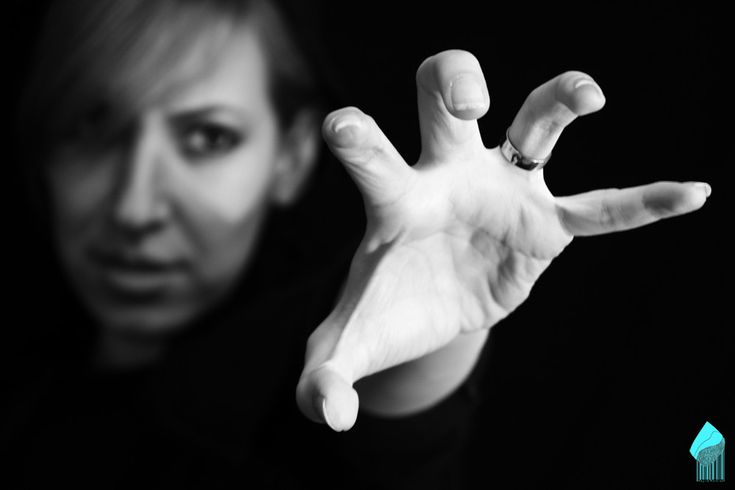
The way light interacts with hands can dramatically alter their perceived texture, form, and emotional resonance. Mastering lighting is crucial for translating the narrative power of hands into compelling photographic images. Different lighting setups can emphasize specific characteristics, from the delicate lines of youth to the weathered stories etched by time.Understanding how light shapes and defines the three-dimensional form of hands is fundamental.
The quality, direction, and intensity of light all play a significant role in revealing or concealing details, thereby influencing the overall mood and story of the photograph.
Highlighting Texture and Form with Lighting Setups
Various lighting configurations can be employed to accentuate the intricate details and contours of hands. These techniques aim to create depth, reveal surface qualities, and guide the viewer’s eye to the most significant elements.
- Rim Lighting: Positioned behind and to the side of the hands, rim lighting creates a luminous Artikel that separates them from the background. This technique emphasizes the shape and edges, adding a sense of volume and drama. It is particularly effective for highlighting the curve of a finger or the distinct Artikel of a palm.
- Broad Lighting: When the primary light source illuminates the broader, more visible surface of the hand (e.g., the palm side facing the camera), it creates a sense of fullness and dimension. This is a flattering light that can make hands appear softer and more prominent.
- Short Lighting: In contrast, short lighting illuminates the side of the hand that is turned away from the camera. This creates subtle shadows on the more visible side, adding a sense of depth and contour. It can be used to sculpt the hand and emphasize its structure.
- Split Lighting: This setup illuminates exactly half of the hand, casting the other half into shadow. It creates a dramatic and moody effect, often used to convey introspection or mystery. The contrast between light and shadow is pronounced, drawing attention to the form.
- Butterfly Lighting (Paramount Lighting): While often used for portraits, this can be adapted for hands by placing the light source directly above and in front of the hands, creating a small, butterfly-shaped shadow directly beneath the nose area (or in this case, the knuckles). This adds a sculpted, elegant feel.
Impact of Hard Versus Soft Light on Hand Details
The quality of light is as important as its direction. The choice between hard and soft light significantly alters how details are perceived.
- Hard Light: This light, originating from a small or distant source (like direct sunlight or a bare bulb), creates sharp, well-defined shadows and bright highlights. It excels at revealing texture, such as the fine lines on skin, the texture of fabric being held, or the subtle ridges of a vein. However, it can also accentuate imperfections and make skin appear harsher if not used carefully.
- Soft Light: Originating from a large or diffused source (like an overcast sky, a window with sheer curtains, or a softbox), soft light wraps around the subject, producing gentle, gradual transitions between light and shadow. This type of light is more forgiving, smoothing out skin texture and creating a softer, more ethereal appearance. It is excellent for conveying tenderness, vulnerability, or a sense of calm.
“Hard light reveals the story etched into the skin; soft light whispers its emotional tone.”
Using Natural Light for Compelling Hand Portraits
Natural light offers a versatile and often beautiful source for hand photography, requiring an understanding of its direction and diffusion.
- Window Light: Position hands near a window. For soft light, use a north-facing window or a window with diffused light on a cloudy day. For harder light, use direct sunlight streaming through the window, carefully controlling the angle to avoid harshness. Experiment with placing hands directly in the light, to the side, or with backlighting.
- Overcast Skies: An overcast day provides a natural, large, soft light source that is incredibly flattering for hands. The diffused light minimizes harsh shadows and reveals subtle textures without being overly critical.
- Golden Hour: The warm, directional light during sunrise and sunset can add a beautiful glow and long shadows, emphasizing form and creating a romantic or nostalgic mood. The low angle of the sun can sculpt the hand with gentle highlights and elongated shadows.
- Backlighting with Natural Light: Placing hands in front of a natural light source, such as a window or sunset, can create a beautiful silhouette or a luminous halo effect. This technique emphasizes the Artikel and can highlight translucency in thinner skin.
Designing a Lighting Scheme to Emphasize Specific Hand Features
To intentionally draw attention to elements like wrinkles, veins, or delicate skin, a deliberate lighting approach is necessary.
- Emphasizing Wrinkles and Veins: Use controlled hard light from a side or slightly angled direction. The shadows cast by the wrinkles and raised veins will become more pronounced, revealing the history and character of the hands. A shallow depth of field can also help isolate these details. For instance, a single spotlight on an aged hand can highlight the network of veins and the deep creases, telling a story of experience and resilience.
- Highlighting Delicate Skin: Soft, diffused light is ideal for conveying the softness and delicacy of skin. A broad, gentle light source, like a large softbox placed in front of and slightly to the side of the hands, will minimize harsh shadows and create smooth gradations of tone. This is effective for portraying youth, tenderness, or vulnerability. Imagine photographing a newborn’s hand; soft, even lighting would emphasize its smooth, unblemished surface and fragile appearance.
- Revealing Bone Structure: A combination of short lighting and a slightly harder light source can accentuate the underlying bone structure of the hands. The shadows created by the contours of the knuckles and the metacarpals will define the form, giving the hands a more sculpted and defined appearance.
Composition and Framing Strategies for Hands
Beyond the essential elements of lighting and understanding the narrative, the way you compose and frame your shots of hands is paramount in conveying their story. Thoughtful composition guides the viewer’s eye, emphasizes emotion, and adds depth to the visual narrative. This section explores techniques to make your hand photography truly resonate.
Drawing the Viewer’s Eye to the Hands
To ensure hands become the focal point, deliberate framing and compositional choices are necessary. The goal is to isolate the hands and their actions, making them undeniable subjects of interest.
- Proximity and Tight Cropping: Filling the frame with the hands, or a significant portion of them, immediately directs attention. This can be achieved through close-up shots that reveal texture, subtle movements, or the objects being interacted with. For instance, a tight crop on fingers gently closing around a worn leather-bound book emphasizes the tactile experience and the value placed on the object.
- Leading Lines: Utilize elements within the scene to guide the viewer’s gaze towards the hands. This could be the curve of a table, the edge of a fabric, or even the lines of another body part. A subtle curve of an arm leading towards the hands holding a delicate teacup can create a visual pathway that naturally draws the eye.
- Contrast and Color: Employing contrast in tone or color between the hands and their surroundings can make them stand out. A person’s hands, illuminated against a dark background, will naturally command attention. Similarly, if the hands are interacting with an object of a contrasting color, this contrast will serve to highlight the interaction. For example, hands with a lighter skin tone reaching for a dark, rich piece of fruit will create a striking visual emphasis.
The Strategic Use of Negative Space
Negative space, the area surrounding the subject, plays a crucial role in hand photography. It’s not merely empty space; it’s an active element that can enhance the mood, convey isolation, or emphasize the subject’s importance.
- Emphasizing Solitude or Contemplation: Large areas of negative space around a pair of hands can evoke feelings of loneliness, introspection, or quiet contemplation. Imagine hands resting on a vast, empty table; the surrounding emptiness amplifies the sense of isolation or deep thought.
- Creating a Sense of Scale and Context: While tight cropping emphasizes the hands, judicious use of negative space can provide context without detracting from the subject. A wider shot showing hands reaching for something in a large, open environment can highlight the scale of the task or the vastness of the world the hands are interacting with.
- Balancing the Composition: Negative space helps to balance the visual weight of the hands within the frame. It prevents the image from feeling too cluttered or overwhelming, allowing the viewer’s eye to rest and appreciate the details of the hands and their action.
Compositional Rules Enhancing Storytelling
Adhering to established compositional guidelines can significantly amplify the narrative power of hand photography. These rules provide a framework for creating visually appealing and emotionally resonant images.
- The Rule of Thirds: Placing the hands or key elements of their action along the intersecting lines or at the intersection points of a grid dividing the frame into thirds can create a more dynamic and engaging composition than simply centering the subject. For instance, if hands are shown working, placing the primary action (e.g., a hand gripping a tool) at one of the upper or lower intersection points can create visual tension and interest.
- Symmetry and Balance: While often associated with static images, symmetry can be used effectively to convey a sense of order, peace, or formality. Symmetrical framing of two hands performing a delicate task, like folding origami, can emphasize precision and control.
- Leading Lines (Revisited): As mentioned earlier, leading lines are a powerful tool. Their strategic placement can direct the viewer’s attention to the hands and the story they are telling. Consider a path leading towards hands that are about to receive something; the path itself becomes part of the anticipation.
- Framing Within a Frame: Using elements within the scene to create a natural frame around the hands can add depth and draw attention. This could be the arch of a doorway, the branches of a tree, or even the Artikel of another object. For example, hands reaching out from behind a slightly out-of-focus window frame can create a sense of longing or observation.
Altering Perception Through Different Angles
The angle from which you photograph hands dramatically influences how they are perceived by the viewer, impacting their perceived strength, vulnerability, or dominance.
- Eye-Level Shots: These are generally the most natural and relatable angles, creating a sense of direct connection and empathy with the subject. An eye-level shot of hands offering comfort conveys warmth and sincerity.
- Low-Angle Shots: Shooting from a lower angle can make the hands appear larger, more powerful, and dominant. This perspective can be used to emphasize strength or authority. For example, hands clenched into fists seen from below can convey defiance or immense power.
- High-Angle Shots: Conversely, shooting from a higher angle can make the hands appear smaller, more vulnerable, or subservient. This angle can be effective for depicting tasks requiring delicacy or humility. Hands delicately holding a fragile object from above can emphasize their fragility and the care being taken.
- Close-Ups and Macro Shots: While not strictly angles, extreme close-ups and macro photography allow for an intimate exploration of textures, lines, and subtle movements that are often missed. These shots can reveal a wealth of detail, from the lines on a palm to the texture of skin, telling a story of age, experience, or emotion.
Focusing on Detail: Capturing Texture and Expression
The power of hands in storytelling often lies not just in their pose or context, but in the minute details that reveal a life lived. Capturing these intricate elements can transform a simple image into a profound narrative. By paying close attention to texture, imperfections, and adornments, we can imbue our photographs with a depth of character and history.Sharp focus is paramount when highlighting the expressive capabilities of hands.
It draws the viewer’s eye directly to the story being told through the skin, the lines, and the very form of the hand. Without this precision, the subtle nuances that make a hand unique and communicative can be lost, rendering the image less impactful.
Capturing Skin Texture
The texture of skin tells a story of age, occupation, and care. Whether it’s the smooth, unblemished skin of youth or the weathered, calloused hands of a laborer, these details are crucial for conveying character. Achieving clarity in texture requires careful consideration of lighting and focus.Here are methods for capturing the subtle nuances of skin texture:
- Side Lighting: Employing light from the side, often referred to as Rembrandt lighting or chiaroscuro, accentuates the contours and imperfections of the skin. This technique creates shadows that define the ridges, wrinkles, and pores, giving the texture a palpable quality.
- Soft, Diffused Light: While dramatic lighting can highlight texture, soft, diffused light is excellent for revealing the subtle variations in skin tone and smoothness. This can be achieved using a softbox, a sheer curtain, or by shooting on an overcast day.
- Macro Focus: For extreme detail, consider using a macro lens or focusing very closely on specific areas of the hand, such as the knuckles or fingertips. This allows for an intimate view of pores, fine lines, and even the subtle sheen of perspiration.
- Appropriate Aperture: A slightly wider aperture can create a shallow depth of field, isolating the textured area of focus while gently blurring the background. Conversely, a narrower aperture will bring more of the hand into sharp focus, emphasizing overall texture.
Narrative Elements on Hands
Beyond the inherent texture of skin, various elements can be present on hands that significantly contribute to their narrative. These details act as visual cues, offering insights into the person’s life, experiences, and identity.Key elements that add to a hand’s narrative include:
- Dirt and Grime: The presence of dirt, grease, or ingrained soil can immediately suggest a profession involving manual labor, gardening, or an adventurous lifestyle. It speaks of hard work and direct engagement with the physical world.
- Scars and Blemishes: Each scar or mark on a hand can represent a past event, a challenge overcome, or an accident experienced. These imperfections are visual bookmarks in a person’s life story.
- Jewelry and Adornments: Rings, bracelets, or even simple threads can signify marital status, cultural heritage, personal style, or sentimental value. A worn wedding band, for instance, tells a story of commitment.
- Nail Condition: The state of fingernails—whether meticulously manicured, bitten, or broken—can reveal aspects of personality, occupation, or current emotional state.
- Tattoos: Tattoos on hands can be deeply personal symbols, representing beliefs, memories, or affiliations, adding another layer of visual narrative.
Photographing Hands in Action
When hands are engaged in an activity, their form and texture become dynamic. Capturing them in motion requires techniques that ensure clarity and preserve the impact of the action. The goal is to freeze a moment that conveys purpose and emotion.Tips for photographing hands in action, ensuring clarity and impact:
- High Shutter Speed: To freeze motion and prevent blur, a fast shutter speed is essential. The exact speed will depend on the speed of the action, but generally, speeds of 1/250th of a second or faster are recommended. For very rapid movements, speeds of 1/1000th of a second or more may be necessary.
- Continuous Shooting Mode: Utilizing your camera’s burst mode allows you to capture a sequence of images, increasing the chances of securing the most decisive moment of action with perfect clarity.
- Anticipate the Moment: Understanding the action you are photographing allows you to anticipate the peak of the movement. This predictive approach ensures you are ready to capture the most compelling frame.
- Focus Tracking: If your camera offers it, use autofocus tracking (AI Servo or AF-C) to keep the moving hands in sharp focus. This is particularly useful for unpredictable movements.
- Contextual Framing: While focusing on the hands, ensure the surrounding environment or object being interacted with is also sufficiently sharp or artfully blurred to provide context. This helps the viewer understand what the hands are doing and why. For example, a close-up of hands kneading dough will be more impactful if a hint of the flour-dusted surface is visible.
- Emphasize Interaction: Look for moments where the hands are exerting pressure, showing dexterity, or conveying gentleness. These subtle physical expressions within the action are key to storytelling.
Incorporating Props and Environment for Deeper Meaning
The human hand, even when beautifully captured, can tell a more profound story when it interacts with its surroundings and objects. Props and environments are not mere backdrops; they are active participants in the narrative, imbuing the image with context, character, and emotion. By carefully selecting and integrating these elements, photographers can elevate a simple hand portrait into a compelling visual tale.The deliberate inclusion of props and a well-chosen environment can significantly amplify the storytelling potential of hand photography.
These elements provide context, suggest actions, and reveal aspects of a character’s life, profession, or emotional state that might otherwise remain unseen. The interplay between hands, props, and the environment creates layers of meaning, inviting the viewer to interpret the scene and connect with the subject on a deeper level.
The Narrative Impact of Props
Objects held or manipulated by hands serve as powerful narrative devices. They can communicate a character’s identity, their skills, their passions, or even their struggles. The texture, wear, and significance of a prop can speak volumes about the person interacting with it.Consider the following examples of how different props can enrich a hand’s story:
- A well-worn gardening trowel held by calloused hands immediately suggests a connection to nature, hard work, and perhaps a nurturing personality.
- Delicate paintbrushes resting on an artist’s fingertips hint at creativity, precision, and a life dedicated to artistic expression.
- A crumpled business card clutched tightly in a hand can convey stress, ambition, or a recent, significant interaction.
- A child’s drawing held gently by a parent’s hand speaks of love, pride, and the preciousness of family.
- A musical instrument, like a guitar pick or a violin bow, directly communicates a passion for music and the dedication required to master it.
The Environmental Context for Hands
The surrounding environment plays a crucial role in shaping the perception of hands. The setting provides context, suggesting the hand’s purpose, its history, and the life it leads. A hand in a sterile laboratory environment evokes a different story than a hand resting on a weathered wooden table.The impact of the environment can be observed in these ways:
- Hands emerging from a pile of earth in a garden frame them within a context of growth and cultivation.
- Hands illuminated by the warm glow of a fireplace in a cozy living room suggest comfort, relaxation, and domesticity.
- Hands placed on a dusty workbench in a workshop immediately convey a sense of industry, craftsmanship, and perhaps a lifetime of making and repairing.
- Hands resting on a stack of books in a library or study imply intellectual pursuits, learning, and quiet contemplation.
- Hands holding a steering wheel, with the blurred motion of the road visible in the background, tell a story of travel, journey, or perhaps a daily commute.
Comparing Prop Effects on Profession and Hobby
The choice of prop can be highly specific in conveying a character’s profession or hobby, offering distinct visual cues that are instantly recognizable to viewers.Here’s a comparison of how different props might indicate a specific profession or hobby:
| Profession/Hobby | Indicative Props | Conveyed Narrative |
|---|---|---|
| Chef | A whisk, a chef’s knife, flour dusting the fingertips | Skill, precision, passion for culinary arts, hard work in the kitchen |
| Carpenter | A hammer, a measuring tape, wood shavings on the hands | Manual labor, craftsmanship, building, practicality |
| Musician (Guitarist) | Guitar pick, calluses on fingertips, a worn guitar strap | Dedication to music, practice, artistic expression, tactile connection to instrument |
| Writer | A fountain pen, ink stains on fingers, a well-worn notebook | Creativity, thought, communication, intellectual pursuit |
| Gardener | A trowel, soil under fingernails, a watering can | Connection to nature, nurturing, patience, physical engagement with the earth |
Scenario: The Weaver’s Hands
Imagine a close-up shot focusing on a pair of weathered hands. These hands are gently guiding a shuttle through the warp threads of a loom. The threads themselves are vibrant, a tapestry of blues and greens, hinting at the beauty they will form. The background is softly blurred but suggests a rustic, dimly lit workshop, perhaps with the faint scent of natural fibers in the air.The hands are the central element.
They are not perfectly manicured; there are slight calluses on the fingertips, and a few stray fibers cling to the skin. The knuckles are prominent, speaking of years of repetitive motion and diligent work. The way the fingers delicately, yet firmly, hold the shuttle and manipulate the threads tells a story of skill, patience, and dedication. The prop—the shuttle—is not just an object; it’s an extension of the weaver’s intent, the tool that brings the artistic vision to life.
The environment, though subtle, reinforces the narrative of a craft passed down through generations, a life lived in harmony with the rhythm of the loom. This combination of hands, prop, and environment creates a powerful, evocative image of a craftsperson deeply connected to their art.
Ethical Considerations and Sensitivity in Hand Portrayals

When capturing the narrative power of hands, it is paramount to approach the subject with a strong sense of ethics and sensitivity. Hands are deeply personal and can convey a wide range of emotions and experiences. Responsible photography ensures that these portrayals are respectful, avoid harm, and accurately represent individuals and their contexts. This involves a mindful consideration of privacy, the potential for stereotyping, cultural nuances, and the interpretation of gestures.Respecting privacy is fundamental in any form of portraiture, and hand photography is no exception.
Hands can be as identifying as a face, especially if they bear distinctive marks, jewelry, or are engaged in a specific, recognizable activity. Photographers must obtain informed consent, clearly explaining the purpose and intended use of the images. This is particularly crucial when photographing individuals in vulnerable situations or within private spaces.
Avoiding Perpetuation of Stereotypes
Hand imagery can inadvertently reinforce societal stereotypes if not approached with critical awareness. Certain professions, socioeconomic statuses, or cultural groups might be associated with particular hand appearances or gestures. It is the photographer’s responsibility to ensure that their work does not contribute to these generalizations but rather offers a nuanced and diverse representation of human experience.To avoid perpetuating stereotypes, consider the following best practices:
- Diversify Subject Matter: Actively seek out and photograph hands from a wide range of individuals across different professions, ages, genders, ethnicities, and socioeconomic backgrounds.
- Focus on Individuality: Highlight the unique characteristics of each individual’s hands, emphasizing their personal story rather than conforming to preconceived notions.
- Contextualize Imagery: Ensure that the surrounding environment and any accompanying narrative provide a fuller, more accurate context for the hands being photographed, preventing assumptions.
- Challenge Assumptions: Be mindful of your own biases and actively question whether your chosen subjects and their portrayal might be reinforcing common stereotypes.
Capturing Hands in Diverse Cultural Contexts
Cultural contexts significantly influence how hands are used, perceived, and adorned. Understanding and respecting these differences is vital for ethical and meaningful hand photography. What might be a common gesture in one culture could be offensive or misunderstood in another.Best practices for capturing hands in diverse cultural contexts include:
- Research and Education: Before photographing in a new cultural setting, invest time in understanding local customs, traditions, and the symbolic meanings associated with hands and gestures.
- Collaborate with Locals: Work with individuals from the community to ensure your portrayal is respectful and authentic. Their insights can guide you in understanding appropriate approaches.
- Observe and Learn: Pay close attention to how people in that culture use their hands in daily life, in rituals, and in communication. This observational learning is invaluable.
- Seek Permission for Adornments: Be aware that certain adornments on hands, such as specific rings, henna, or tattoos, may hold deep cultural or religious significance. Always seek permission before focusing on or documenting these elements.
Mitigating Misinterpretations of Hand Gestures
Hand gestures are a powerful form of non-verbal communication, but their meanings can vary dramatically across cultures and even within subcultures. Photographers must be aware of this potential for misinterpretation to avoid unintended offense or misrepresentation.To mitigate potential misinterpretations of hand gestures:
- Contextual Clues: Ensure the photographic composition provides clear contextual clues that help the viewer understand the intended meaning of the gesture. The surrounding environment, the subject’s expression, and other elements in the frame can offer vital context.
- Accompanying Narrative: When possible, provide a written or verbal narrative that explains the gesture and its significance, especially if it is culturally specific or potentially ambiguous.
- Avoid Ambiguous Gestures: Unless the intent is to explore ambiguity, it is often best to avoid gestures that have widely varying or negative connotations in different cultures.
- Direct Clarification: If photographing a specific gesture with potential for misinterpretation, consider directly asking the subject about its meaning and ensuring that their explanation is reflected in the final presentation of the image. For instance, a gesture that appears aggressive in one culture might signify a blessing or greeting in another. A photographer must be diligent in understanding this before capturing and sharing such an image.
Practical Exercises for Developing Hand Photography Skills
Engaging in practical exercises is paramount to refining your ability to capture compelling hand portraits that tell a story. These exercises are designed to build muscle memory, encourage experimentation, and solidify your understanding of the technical and artistic elements discussed previously. By actively practicing, you will develop a keen eye for detail, a nuanced approach to lighting, and a more intuitive sense of composition, all crucial for impactful storytelling with hands.The following exercises will guide you through a structured approach to practicing hand photography, from conceptualization to final editing.
They are intended to be iterative, allowing you to build upon your skills with each session. Consistent practice will lead to a deeper understanding of how to translate emotions and narratives through the subtle language of hands.
Capturing Different Hand Emotions
Hands are incredibly expressive, capable of conveying a wide range of emotions and states of being. Practicing to capture these nuances requires focused observation and deliberate technique. The following exercises encourage you to explore a spectrum of human feeling through the gestures and forms of hands.
- Joy and Excitement: Photograph hands in motion, perhaps clapping, reaching out, or gesturing enthusiastically. Focus on capturing the dynamic lines and energy. Consider soft, diffused light that wraps around the forms, highlighting subtle movements.
- Contemplation and Serenity: Shoot hands resting gently, perhaps clasped together, or one hand resting on a surface. Emphasize smooth lines and quiet forms. Use directional light to create subtle shadows that add depth and a sense of introspection.
- Hardship and Labor: Photograph hands that show signs of work, such as calluses, dirt, or wear. Use harsher, more directional light to accentuate textures and the history etched into the skin. Focus on the strength and resilience conveyed.
- Vulnerability and Tenderness: Capture hands in gentle contact, perhaps holding a delicate object or reaching out to comfort. Use soft, even lighting to create a sense of intimacy and care. Focus on the softness of the skin and the delicate positioning of fingers.
- Anger and Frustration: Photograph clenched fists, tightly gripping objects, or hands making sharp, decisive gestures. Use dramatic lighting with strong contrasts to emphasize tension and intensity.
Workflow for Shooting and Editing Hand Portraits for Storytelling
A well-defined workflow ensures efficiency and creative control throughout the process of shooting and editing hand portraits. This structured approach allows you to move from initial concept to a polished final image with clarity and purpose, ensuring that the storytelling aspect remains central.
- Pre-visualization and Concept Development: Before picking up the camera, clearly define the story you want to tell and the emotions you aim to evoke. Sketch out potential compositions and consider the symbolic meaning of the hands’ posture and interaction.
- Subject Preparation: Ensure the hands are clean and well-maintained, unless the narrative specifically requires otherwise. Consider any subtle styling that might enhance the story, such as rings or subtle lotions.
- Lighting Setup: Based on your pre-visualization, set up your lighting. Experiment with different light sources, modifiers, and angles to achieve the desired mood and texture.
- Composition and Framing: Carefully compose your shots, paying attention to the rule of thirds, leading lines, and negative space. Experiment with different focal lengths and camera angles to find the most impactful framing.
- Capturing the Shot: Shoot a variety of images, varying focus points, aperture, and shutter speed to capture different levels of detail and motion blur if desired. Take multiple shots of each pose to ensure you have options.
- Initial Culling and Selection: Review your images and select the strongest candidates that best convey the intended narrative. Look for images with compelling composition, excellent detail, and emotional resonance.
- Post-processing (RAW editing): Open your selected RAW files in editing software. Adjust white balance, exposure, contrast, and highlights/shadows to bring out the best in the image.
- Retouching and Detail Enhancement: Carefully retouch any distracting elements without over-smoothing or altering the natural texture of the skin. Enhance details like texture, creases, and nails to add realism and depth.
- Color Grading and Mood Setting: Apply color grading to further enhance the mood and atmosphere of the image, aligning it with the story’s emotional tone.
- Final Output: Export your edited images in the appropriate format and resolution for their intended use.
Checklist of Technical and Artistic Elements for a Hand Shoot
Having a comprehensive checklist can help ensure that you address all critical aspects of hand photography during a shoot. This list serves as a reminder to consider both the technical execution and the artistic vision required for compelling storytelling.
Before and during your shoot, refer to this checklist to maintain focus:
| Category | Technical Elements | Artistic Elements |
|---|---|---|
| Lighting | Light source type (natural, artificial) | Mood and atmosphere created |
| Light direction (front, side, back, top) | Shadow placement and intensity | |
| Light quality (hard, soft, diffused) | Highlight definition and placement | |
| Use of reflectors or fill cards | Sculpting of form and texture | |
| Composition | Camera angle and perspective | Rule of thirds and golden ratio application |
| Depth of field (aperture setting) | Leading lines and visual pathways | |
| Focal length choice | Framing and cropping for impact | |
| Focus point selection | Negative space utilization | |
| Detail & Texture | Macro capabilities or close-focusing lens | Emphasis on skin texture, wrinkles, veins |
| Sharpness and clarity | Detail in nails, cuticles, and fingerprints | |
| Exposure for detail in highlights and shadows | Conveying age, experience, or condition | |
| Storytelling | Subject’s posture and gesture | Emotional expression conveyed |
| Interaction with props or environment | Narrative context and implied action | |
| Relationship between multiple hands (if applicable) | Symbolism and meaning | |
| Subject | Cleanliness and condition of hands | Authenticity and naturalness of pose |
| Subtle styling (if appropriate) | Expressiveness of individual fingers |
Simple Setup for Practicing Lighting and Composition
You don’t need elaborate equipment to practice the fundamental principles of hand photography. A simple setup using readily available items can be incredibly effective for honing your skills in lighting and composition. This approach allows for focused learning without the distraction of complex gear.To set up a practice station, you will need:
- A plain, neutral background (a piece of cardstock, a wall, or a dark cloth works well).
- A single light source. This could be a desk lamp, a window with diffused light, or even your phone’s flashlight with a diffuser (like a thin piece of paper).
- A subject hand (your own or a willing participant’s).
- A stable surface for the hand to rest on.
- Optional: Small props to interact with, such as a piece of fabric, a smooth stone, or a writing utensil.
Here’s how to use this setup for practice:
- Positioning the Light: Place your light source at different angles relative to the hand. Start with a side light to create dramatic shadows and reveal texture. Then, try a softer, more frontal light to showcase form. Experiment with overhead lighting and backlighting to see how they shape the hand.
- Controlling Light Quality: If using a hard light source like a bare desk lamp, try diffusing it by placing a thin white cloth or paper in front of it to soften the shadows and create a more flattering effect.
- Exploring Composition: Move your camera around the hand. Try shooting from above, at eye level, or from a low angle. Focus on framing the hand so that it fills the frame in an interesting way, or use negative space to draw attention to specific gestures. Experiment with tight crops that highlight details and wider shots that show the hand in relation to its surroundings.
- Using Props: Introduce a simple prop and observe how the hand interacts with it. Does it grasp it firmly, cradle it gently, or point to it? The interaction can significantly alter the narrative. For instance, a hand holding a wilting flower tells a different story than a hand holding a vibrant one.
- Focusing on Gestures: Encourage subtle changes in the hand’s pose. Practice capturing the tension in a slightly curled finger, the openness of an extended palm, or the intimacy of two hands touching.
This minimalist approach allows you to concentrate purely on the interplay of light, shadow, form, and composition, which are the cornerstones of effective hand photography for storytelling.
Final Thoughts
By mastering the techniques of lighting, composition, and detail, you can elevate hand photography from simple depiction to powerful storytelling. Remember that the environment and props you choose, coupled with ethical considerations and practical application, all contribute to crafting compelling narratives. Embrace these insights to capture the stories that hands have to tell, transforming ordinary moments into extraordinary visual tales.