Photographing fog in the city offers a unique opportunity to capture mysterious and captivating landscapes that transform familiar urban environments into dreamlike scenes. The interplay of atmospheric conditions and city architecture creates an ethereal quality that, when mastered, can elevate your photography to new artistic heights. Understanding how to effectively capture this elusive phenomenon requires both technical skill and creative vision, opening the door to images filled with mood and storytelling depth.
This guide explores essential equipment, techniques, and post-processing methods to help you harness the magic of city fog. From managing challenging lighting conditions to composing images that emphasize mood, you’ll discover practical tips and inspiring ideas to bring your urban fog photography to life.
Understanding the Challenges of Photographing Fog in Urban Settings
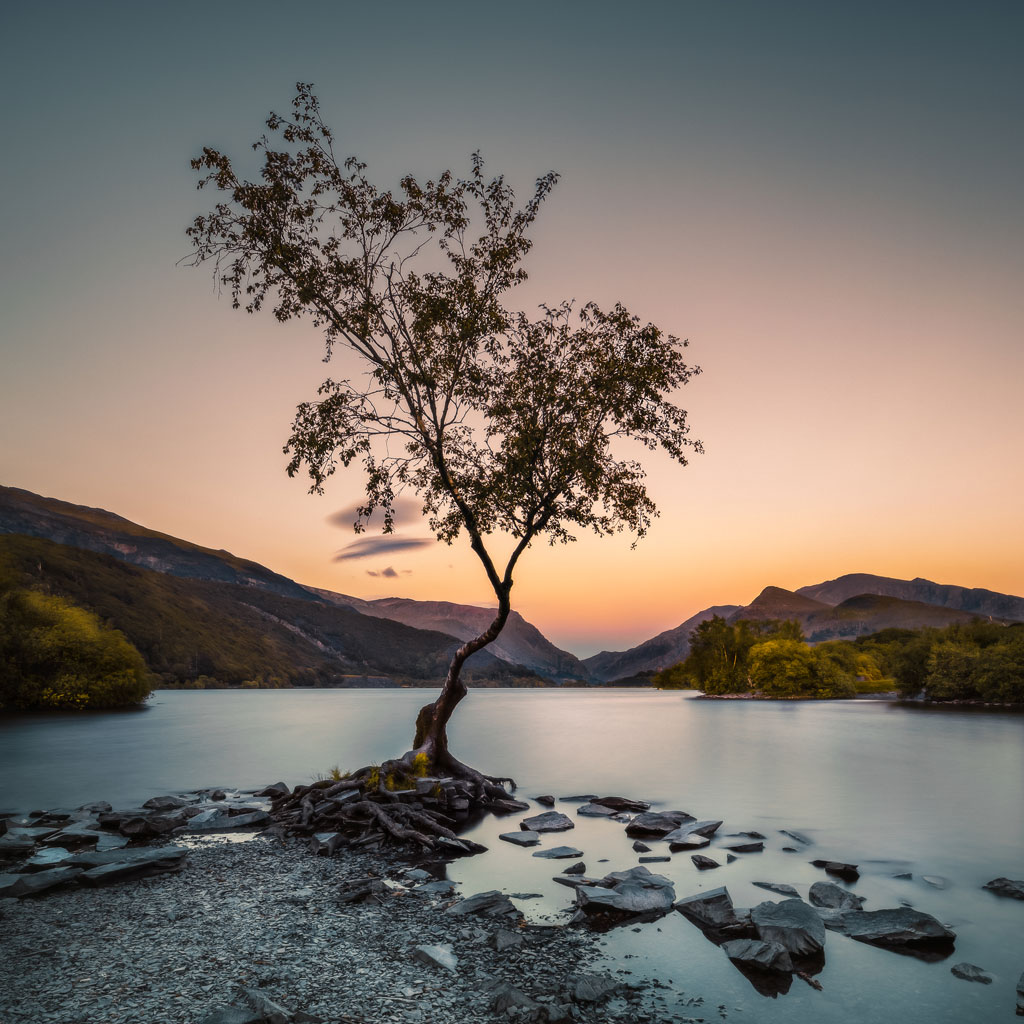
Capturing foggy scenes within city environments presents a set of unique challenges that require careful consideration and preparation. Fog transforms the familiar urban landscape into a mysterious and atmospheric tableau, but this ethereal quality also introduces difficulties in achieving sharp, well-exposed images. Photographers must navigate these obstacles to effectively translate the fog’s mood into compelling photographs while ensuring safety and technical accuracy.
Fog’s atmospheric conditions create an environment where visibility is significantly reduced, and light behaves unpredictably, affecting both exposure and focus.
Unique Atmospheric Conditions Created by Fog in City Environments
Fog in urban settings results from the condensation of water vapor in the air, often influenced by factors such as temperature differentials, humidity levels, and pollution or particulate matter present in the city. Unlike natural landscapes, city fog can be denser and linger longer due to heat emissions from buildings, vehicles, and industrial activities. This results in a layered, diffuse environment where light is scattered in multiple directions, creating a soft, muted glow that can obscure architectural details and create a dreamlike atmosphere.
Common Difficulties Faced When Capturing Foggy Cityscapes
Photographers encounter numerous obstacles when attempting to photograph fog in urban settings. Reduced visibility often hampers autofocus systems, leading to blurry images or difficulty in framing scenes accurately. The diffused light can cause underexposure or overexposure, depending on the density of the fog and the available light sources. Furthermore, the moisture-laden air increases the risk of equipment malfunction, such as lens fogging or condensation.
The ever-changing nature of fog also means that scenes can shift rapidly, demanding quick adjustments and adaptability.
Safety Considerations and Preparation for Shooting in Low Visibility Conditions
Shooting in foggy urban environments requires heightened awareness of safety considerations due to limited visibility and the proximity of vehicular and pedestrian traffic. Navigating streets, alleys, or elevated viewpoints can become hazardous if attention to surroundings is compromised. Proper preparation involves selecting well-lit locations with clear visibility, wearing reflective clothing or accessories, and positioning oneself in secure spots away from busy roads.
Additionally, it is advisable to carry protective gear for equipment, such as weather-sealed cameras or lens hoods, and to keep spare batteries to ensure uninterrupted shooting in damp conditions. Planning the shoot during daylight hours or in areas with good street lighting enhances safety while capturing atmospheric scenes effectively.
Essential Equipment and Settings for Fog Photography in the City
Capturing stunning images of fog in an urban environment requires not only a keen eye but also the right equipment and camera settings. The unique atmospheric conditions created by fog can dramatically transform cityscapes, emphasizing mood and mystery. To make the most of these conditions, having appropriate gear and understanding optimal camera configurations are crucial. Proper stabilization techniques further ensure sharp, compelling images amid the low visibility and muted lighting characteristic of foggy conditions.It is important to select camera gear that performs well in low contrast and diffuse lighting, typical of foggy city scenes.
Additionally, knowing the ideal camera settings and stabilization methods enhances your ability to capture crisp, atmospheric shots that highlight the ethereal qualities of fog while maintaining image clarity and detail.
Camera Gear Suitable for Foggy Conditions
The gear chosen for fog photography should be durable, versatile, and capable of handling low-light environments. A DSLR or mirrorless camera with manual controls is highly recommended, as it allows precise adjustments to exposure settings necessary for fog scenes. A wide-angle lens (such as 24mm or 35mm) is ideal for capturing expansive cityscapes enveloped in fog, adding depth and perspective to your images.
A telephoto lens can be used to isolate specific architectural features or distant city elements, creating a layered effect.Filters can significantly enhance fog photography by controlling light and contrast. A circular polarizer can reduce unwanted reflections and glare from wet surfaces, while a neutral density (ND) filter helps manage exposure in brighter conditions or allows for longer shutter speeds to smooth motion in the scene.
- DSLR or mirrorless camera with manual control capabilities
- Wide-angle lens (24mm to 35mm) for capturing expansive scenes
- Telephoto lens for isolating focal points and creating layered compositions
- Circular polarizer filter to reduce reflections and enhance contrast
- Neutral density (ND) filters for long exposure effects and managing bright conditions
- Robust, weather-sealed camera body to withstand moisture and dampness
Optimal Camera Settings for Fog Scenes
Effective fog photography hinges on adjusting your camera settings to accommodate the diffuse light and low contrast of the scene. The goal is to achieve proper exposure without losing detail in the shadows or highlights, which can easily happen in foggy conditions. Manual control over ISO, aperture, and shutter speed will allow you to adapt quickly to changing visibility and lighting.In foggy cityscapes, a lower ISO setting (typically ISO 100 or 200) is preferable to minimize grain and noise, especially since fog naturally softens the image.
Aperture choices should be moderate to narrow (around f/8 to f/11) to ensure sufficient depth of field, keeping both foreground and background elements in focus. Shutter speed can vary from a fraction of a second to several seconds, depending on the scene and the desired effect. Longer exposures can bring out the movement in fog and create a dreamlike quality, but require camera stabilization to prevent blur.
Recommended Settings: ISO 100–200 | Aperture f/8–f/11 | Shutter Speed 1/4s to several seconds, as needed.
Techniques for Stabilizing Shots in Foggy Conditions
Since fog reduces contrast and visibility, and longer exposures are often necessary, camera stability becomes paramount to prevent motion blur. The use of a sturdy tripod is highly recommended, providing a stable platform for long exposures and precise framing. When shooting in low light or with longer shutter speeds, a tripod ensures sharpness and detail retention.In situations where a tripod is not available, image stabilization (IS) or vibration reduction (VR) features can assist, although they may not fully compensate for the low contrast and movement during long exposures.
Additionally, employing remote shutter releases or the camera’s timer function minimizes camera shake caused by pressing the shutter button. Using mirror lock-up in DSLRs can further reduce vibrations during exposure, resulting in clearer images.For added stability, placing the camera on a solid surface such as a wall or ledge can be effective, especially in the absence of a tripod. Ensuring your camera is well-secured and your settings are tested beforehand helps capture crisp, atmospheric images that showcase the mystique of fog in the cityscape.
Techniques for Capturing the Mood and Atmosphere of City Fog

Photographing fog in an urban environment offers a unique opportunity to evoke mood, mystery, and serenity. By leveraging specific techniques, photographers can enhance the ethereal qualities of fog and create compelling images that convey the atmosphere of the city shrouded in mist. Understanding how to manipulate composition, lighting, and camera settings is essential for capturing the elusive charm of foggy urban scenes.
Employing deliberate methods to emphasize the fog’s atmospheric qualities allows for the creation of images that are both visually striking and emotionally evocative. These techniques focus on highlighting the contrast between the dense, soft fog and the sharper urban elements, thereby drawing viewers into the mysterious world of the city cloaked in mist.
Organizing Urban Landscapes with Fog as a Primary Element
Using composition techniques strategically can significantly enhance the mood and ethereal presence of fog in cityscapes. The following table Artikels effective methods for framing urban scenes with fog as a central feature:
| Composition Technique | Description |
|---|---|
| Leading Lines | Utilize roads, railings, or sidewalks to guide the viewer’s eye into the foggy environment, creating depth and perspective that accentuates the sense of mystery. |
| Silhouettes | Incorporate dark shapes of buildings, trees, or figures against the lighter fog to produce striking contrasts that emphasize form and add dramatic tension. |
| Contrast and Brightness | Adjust exposure settings to enhance fog density and highlight city lights, which can add glow and depth, enriching the overall mood of the scene. |
In practice, successful urban fog shots often combine these techniques. For example, capturing a city street at dawn with a row of streetlights casting a warm glow through thick fog, framed by dark silhouettes of buildings and leading lines of a sidewalk, can evoke a sense of calm yet mystery. Such images effectively communicate the atmospheric qualities that make fog in the city so captivating.
“The interplay of light, shadow, and fog creates a surreal urban environment where mood takes center stage.”
Creative Ideas and Composition Tips for City Fog Photography

Capturing compelling city scenes shrouded in fog requires not only technical skills but also a creative eye to utilize the unique atmospheric conditions effectively. Exploring innovative composition approaches can transform ordinary urban environments into hauntingly beautiful artworks, emphasizing mood, mystery, and spatial relationships. By thoughtfully arranging elements within the frame and timing your shots precisely, you can maximize the atmospheric impact of fog in your urban photography portfolio.
Below are several inventive strategies and practical tips to enhance your city fog photography, focusing on composition, timing, and creative experimentation to produce evocative images that resonate with viewers.
Reflections in Puddles and Wet Surfaces
Urban environments often feature puddles, wet streets, and shiny surfaces that serve as natural mirrors, adding a captivating layer of depth and symmetry to foggy scenes. These reflections can double the visual interest, emphasizing the mood and creating a sense of tranquility or eeriness depending on the scene’s context.
- Scout locations where rain has left puddles or where moist surfaces can reflect city lights, illuminated signage, or architectural silhouettes. These reflective elements can subtly or dramatically enhance the composition.
- Use a low angle to position the camera close to the ground, capturing reflections prominently in the foreground, which leads the viewer’s eye into the foggy scene beyond.
- Experiment with different focal lengths to either isolate reflections or include them alongside surrounding urban features for a balanced composition.
Utilizing Urban Architecture for Framing
Architectural elements act as natural frames and guides within fog-laden cityscapes, helping to focus attention and create a sense of depth. Using buildings, arches, bridges, or street furniture strategically can sculpt the scene, leading the viewer’s eye toward intriguing focal points or enhancing the mysterious atmosphere.
- Identify structures such as archways, doorways, or alleyways that can serve as framing devices, drawing attention to a foggy street or distant landmark.
- Position yourself to incorporate leading lines created by streets, fences, or rows of trees, which converge into the fog to suggest depth and perspective.
- Leverage the height and shape of urban landmarks to create silhouettes that contrast against the diffused light, emphasizing their presence amid the fog.
Long Exposures for Ghostly Effects
Employing long exposure techniques in foggy conditions allows for the smoothing of fog movement, creating ghostly, ethereal effects that evoke a sense of timelessness and mystery. This approach can transform a mundane cityscape into a haunting visual narrative.
- Set a slow shutter speed, typically between a few seconds to several minutes, depending on fog density and ambient light levels, to capture the movement of fog as soft, flowing forms.
- Use a tripod to maintain camera stability during extended exposures, ensuring sharpness in static elements such as buildings and street furniture.
- Combine long exposures with minimal or controlled lighting, such as city lights or passing vehicles, to add subtle illumination and dynamic contrast to the scene.
Timing and Predicting Fog Conditions
The success of city fog photography heavily relies on timing and understanding weather patterns. Accurate prediction of fog formation allows you to plan and execute shots at the most atmospheric moments, ensuring maximum impact.
- Monitor local weather forecasts to identify conditions conducive to fog, especially during early mornings or late evenings when temperature differentials are most pronounced.
- Observe patterns over several days; fog tends to develop after rainy nights or during the transition periods of dusk and dawn, when temperature and humidity are ideal.
- Arrive early to locations where fog is likely to settle, and be prepared to wait patiently as the atmospheric conditions evolve, capturing multiple compositions as the scene transforms.
Last Recap
Mastering the art of photographing fog in the city invites you to see your surroundings through a new lens of mystery and beauty. Whether capturing fleeting moments or creating enduring images, the techniques discussed provide a solid foundation to unlock your creative potential amidst foggy urban landscapes. Embrace the unpredictable nature of fog and let it transform your cityscapes into mesmerizing works of art.