Embarking on the journey of how to photograph animals at the zoo offers a unique blend of challenge and reward. This guide delves into the intricacies of capturing the wild spirit of creatures within a curated environment, promising an exploration that is both informative and inspiring.
We will navigate the fundamentals of zoo photography, from understanding the specific environmental factors to mastering essential camera settings and anticipating animal behaviors. The discussion will also extend to the crucial aspects of selecting the right gear, working with varied lighting conditions, and applying effective composition techniques to bring your subjects to life. Furthermore, we will explore specialized approaches for different animal types, alongside vital ethical considerations and etiquette to ensure responsible wildlife portrayal.
Finally, the process will be rounded off with insights into post-processing and the art of storytelling through your captivating zoo animal images.
Understanding Zoo Photography Fundamentals
Capturing compelling images of animals at the zoo presents a unique set of challenges and opportunities that differ significantly from wildlife photography in their natural habitats. While the animals are often more accessible, photographers must contend with enclosure barriers, varied lighting conditions, and the animals’ sometimes unpredictable behavior within confined spaces. Mastering zoo photography involves a blend of technical camera knowledge, strategic observation, and an understanding of animal behavior.This section will delve into the core principles essential for producing high-quality photographs of zoo inhabitants.
We will explore the specific environmental factors that influence your shots and how to best manage them with your camera settings. Furthermore, we will discuss the art of anticipating animal actions and the crucial role of patience in securing those truly memorable moments.
Zoo Photography Challenges
Photographing animals within a zoo environment introduces several distinct obstacles that require careful consideration and strategic planning. Unlike open wilderness, zoo enclosures often feature artificial elements such as glass, bars, moats, or fences, which can obstruct clear views and introduce distracting reflections or lines. Lighting can also be inconsistent, with harsh sunlight creating blown-out highlights or deep shadows, while indoor exhibits may suffer from low light and artificial color casts.
The confined nature of enclosures can limit your shooting angles and the overall composition of your images.
Essential Camera Settings for Zoo Animals
Achieving sharp, well-exposed photographs of zoo animals necessitates a thoughtful approach to camera settings. The dynamic nature of animal subjects, even when seemingly at rest, means that quick shutter speeds are often paramount to freeze motion and prevent blur.
- Shutter Speed: Aim for a minimum shutter speed of 1/250 second for stationary or slow-moving animals. For more active creatures like birds in flight or primates, increasing this to 1/500 second or even 1/1000 second is advisable. If your camera’s aperture is limited by low light, you may need to increase your ISO to compensate.
- Aperture: A wider aperture (lower f-number, e.g., f/2.8 or f/4) is beneficial for isolating your subject from the background, creating a pleasing bokeh effect and minimizing distractions from enclosure elements. This is particularly useful when shooting through glass or mesh. However, be mindful that a very wide aperture can lead to a shallow depth of field, requiring precise focus.
- ISO: While it’s generally best to keep ISO as low as possible to minimize noise, you may need to increase it in low-light conditions or when using a fast shutter speed. Modern cameras handle higher ISOs better, but it’s still a trade-off between light sensitivity and image grain.
- Focus Mode: Continuous autofocus (AI Servo or AF-C) is essential for tracking moving animals. Experiment with different autofocus point selections, such as single-point or dynamic area, to maintain focus on your subject’s eyes, which are crucial for engaging portraits.
- Metering Mode: Evaluative or matrix metering often works well, but for animals against bright backgrounds (like a sky), center-weighted or spot metering can help prevent underexposure of the animal.
Anticipating Animal Behavior for Better Photo Opportunities
The ability to predict an animal’s actions is a cornerstone of successful zoo photography. Observing patterns in their routines and understanding their typical behaviors can significantly increase your chances of capturing dynamic and compelling shots.
- Study Animal Habits: Before visiting, research the specific animals you want to photograph. Learn about their feeding times, social interactions, and common resting spots. Many zoos provide daily feeding schedules or keeper talks, which are excellent opportunities to witness activity.
- Observe Daily Routines: Spend time simply watching the animals. Notice when they are most active, when they interact with each other, and when they engage with enrichment activities. Early mornings and late afternoons are often prime times as animals may be more active before or after the heat of the day.
- Recognize Behavioral Cues: Learn to identify subtle signs that indicate an impending action. For instance, a primate twitching its ear might be about to move, or a bird ruffling its feathers could be preparing for flight.
- Positioning for Action: Once you anticipate a behavior, position yourself to have a clear line of sight. This might mean moving to a different part of the enclosure or waiting for the animal to move into a more photogenic spot.
The Importance of Patience and Observation
In zoo photography, patience is not just a virtue; it is a fundamental requirement for success. Animals are living beings with their own schedules and moods, and they do not perform on demand. Effective observation goes hand-in-hand with patience, allowing you to truly understand your subjects and their environment.
Many of the most striking zoo photographs are not the result of a lucky snapshot but rather the outcome of extended periods of waiting and watching. By dedicating time to simply observe, you begin to notice the nuances of an animal’s personality, its interactions with its surroundings, and the subtle moments that often go unnoticed.
“The best wildlife photos are often taken by those who have the patience to wait for the moment, and the observation skills to recognize it.”
This principle holds true for zoo photography as well. It means being prepared to spend considerable time at a single exhibit, observing the animals’ behavior, and waiting for the right light, the right pose, or the right interaction. This dedicated observation allows you to anticipate moments of action, tenderness, or curiosity, leading to more impactful and storytelling images.
Essential Gear and Equipment
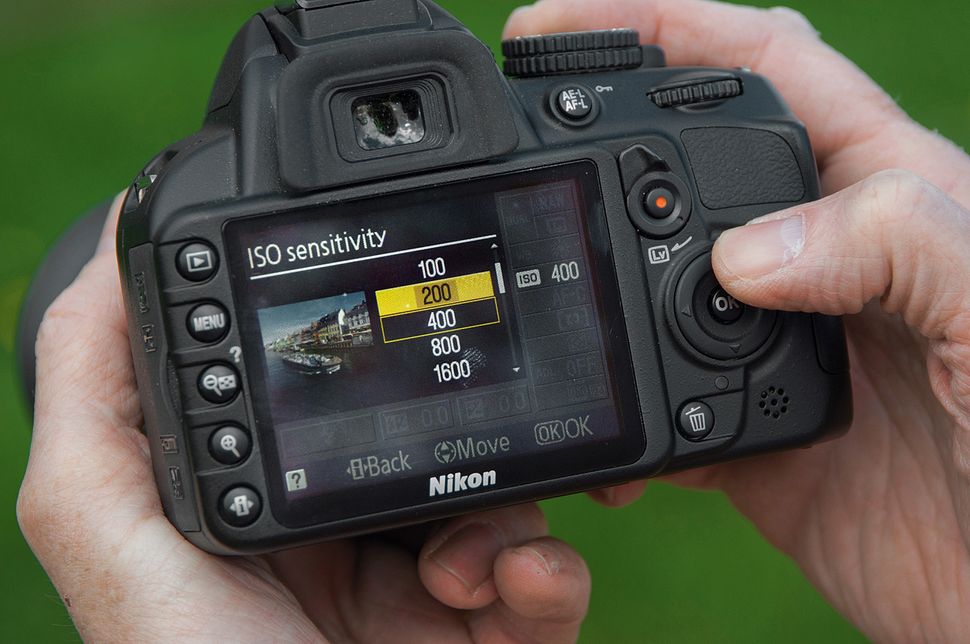
To capture compelling images of animals at the zoo, having the right equipment is crucial. This section will guide you through selecting the most suitable lenses, camera bodies, and essential accessories to enhance your zoo photography experience.
Lens Selection for Zoo Animal Photography
The choice of lens significantly impacts your ability to photograph animals effectively, especially considering their varying sizes and distances from viewing areas. A versatile lens selection allows you to adapt to different shooting scenarios, from capturing the broad sweep of an enclosure to isolating a specific detail of an animal’s expression.
- Telephoto Lenses (200mm and above): These are indispensable for zoo photography. They allow you to “get closer” to animals that are far away, filling the frame and minimizing distractions from the background. For larger animals like elephants, giraffes, or lions, a 70-200mm or 100-400mm lens is excellent. For smaller, more distant creatures such as birds or primates, lenses with focal lengths of 400mm, 500mm, or even 600mm can be beneficial, often paired with teleconverters for added reach.
- Mid-Range Zooms (70-200mm or 24-70mm): A 70-200mm f/2.8 or f/4 lens is a workhorse for zoo photography. It offers a good balance of reach and image quality, and the wider apertures are excellent for low-light conditions and for creating a pleasing background blur (bokeh) that isolates the subject. A 24-70mm lens can be useful for wider shots that include more of the animal’s habitat or for capturing interactions between animals in closer enclosures.
- Prime Lenses (e.g., 50mm, 85mm): While less common for primary zoo photography due to their fixed focal length, prime lenses can offer superior image quality and wider apertures (f/1.8, f/1.4). They are best suited for situations where you can get relatively close to the animal or for capturing portraits with exceptional sharpness and background separation.
Camera Body Recommendations for Challenging Lighting
Zoo environments often present inconsistent and challenging lighting conditions, with dappled sunlight, shaded areas, and indoor exhibits. Camera bodies with strong low-light performance and good autofocus capabilities are essential.
- Full-Frame DSLRs/Mirrorless Cameras: These cameras generally offer superior image quality, better dynamic range, and excellent high ISO performance, which is crucial for shooting in dim light without introducing excessive noise. Look for models with advanced autofocus systems that can track moving subjects effectively.
- APS-C Sensor Cameras: Modern APS-C sensor cameras also offer very capable low-light performance and are often more affordable and lighter than full-frame options. Their smaller sensor size also provides an additional “crop factor,” effectively extending the reach of your telephoto lenses, which can be a significant advantage at the zoo.
- Key Features to Consider:
- High ISO Performance: The ability to shoot at ISO 3200, 6400, or even higher with acceptable noise levels is vital for freezing motion in low light.
- Autofocus System: A fast and accurate autofocus system, especially one with good subject tracking capabilities (like animal eye AF on some mirrorless cameras), is paramount for sharp images of active animals.
- In-Body Image Stabilization (IBIS): IBIS can significantly improve handheld shooting stability, allowing for slower shutter speeds in low light without introducing camera shake.
Tripod and Monopod Benefits for Stability
Maintaining stability is critical for achieving sharp images, especially when using long telephoto lenses or shooting in low light. A tripod or monopod can be invaluable tools at the zoo.
A stable platform is the foundation of sharp photography, particularly when dealing with long focal lengths or dim lighting conditions.
- Tripods: A sturdy tripod provides the ultimate stability, allowing for the use of slower shutter speeds and precise composition. This is particularly beneficial for capturing static animals, detailed shots, or when shooting in very low light. However, tripods can be cumbersome to carry and may be restricted in certain zoo areas. Look for lightweight, travel-friendly tripods with good load capacity.
- Monopods: A monopod offers a compromise between stability and portability. It significantly reduces camera shake compared to handheld shooting and provides support for longer lenses, making it easier to hold steady for extended periods. Monopods are generally more maneuverable in crowded areas and quicker to deploy than tripods.
Useful Accessories for Zoo Photography
Beyond lenses and camera bodies, several accessories can enhance your zoo photography workflow and ensure you’re prepared for various situations.
- Cleaning Kits: Zoo environments can be dusty, and lenses can easily get smudged from fingerprints or splashes. A good lens cleaning kit, including a microfiber cloth, lens cleaning solution, and a blower brush, is essential for maintaining clear optics.
- Extra Batteries: Animal photography, especially with active subjects and continuous autofocus, can drain batteries quickly. Always carry at least one or two fully charged spare batteries for your camera to avoid missing crucial moments.
- Memory Cards: Ensure you have ample storage space with fast-writing memory cards. Consider carrying multiple smaller capacity cards rather than one very large one, as it can help mitigate data loss if a card fails.
- Rain Cover: Zoos can be unpredictable, and unexpected rain showers can occur. A simple rain cover for your camera and lens can protect your gear from water damage.
- Comfortable Bag: A well-padded and comfortable camera bag is essential for carrying your gear throughout the day. Look for one that allows for easy access to your equipment and distributes weight evenly.
Mastering Lighting and Composition
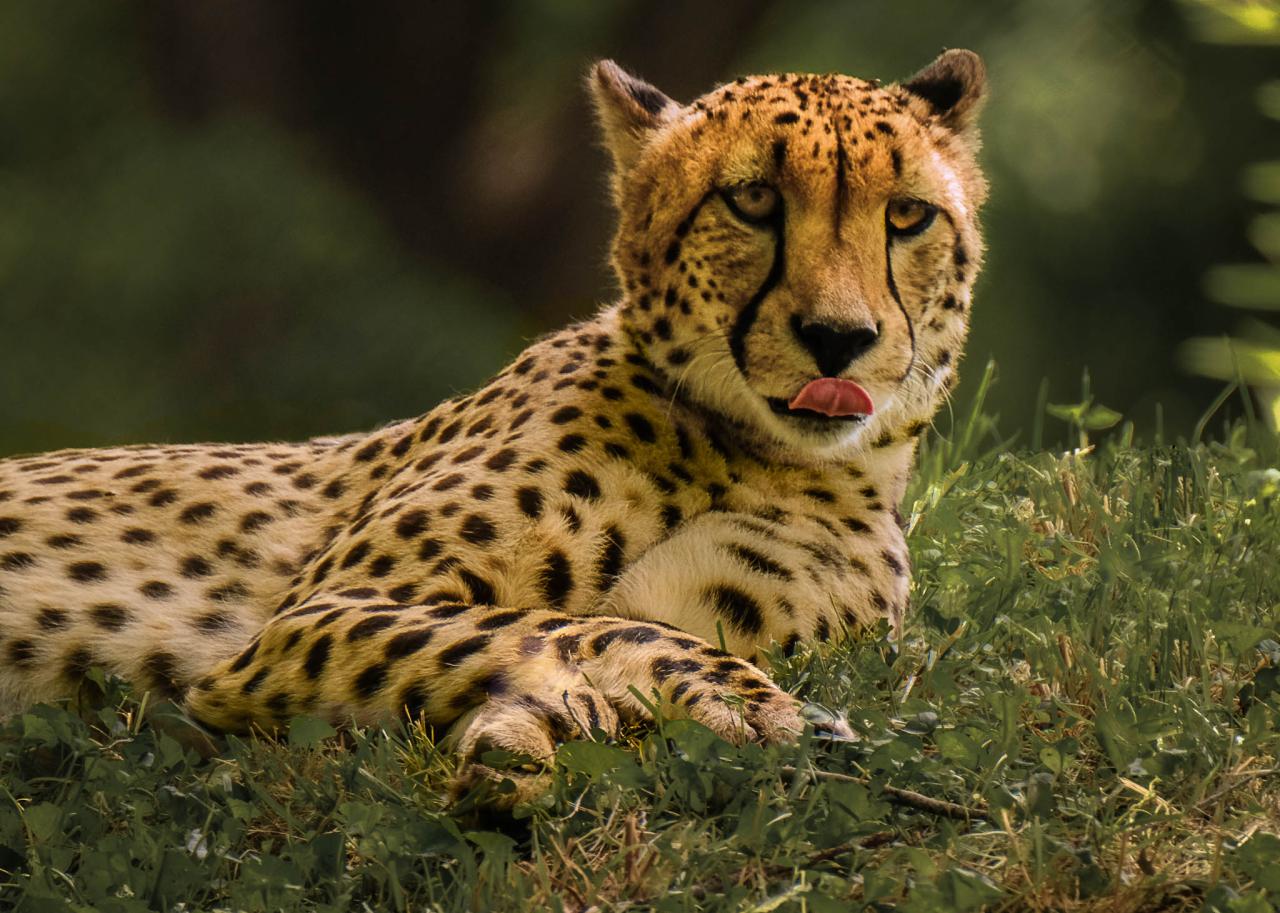
Effective lighting and thoughtful composition are the cornerstones of captivating animal photography, especially within the unique environment of a zoo. Understanding how to harness natural light and strategically employ artificial light, combined with a keen eye for compositional elements, will elevate your images from simple snapshots to compelling works of art. This section will guide you through these crucial aspects, transforming your zoo photography experience.
Capturing Specific Animal Types
Photographing animals at the zoo presents a unique opportunity to capture the essence of diverse species, each with its own behaviors, characteristics, and ideal photographic approaches. Understanding these nuances will elevate your zoo photography from mere snapshots to compelling portraits that tell a story. This section will guide you through specialized techniques for various animal groups, ensuring you’re well-equipped to handle the distinct challenges and opportunities each presents.This comprehensive guide will delve into the specific photographic considerations for mammals, birds, reptiles, amphibians, and aquatic creatures.
By tailoring your approach to the subject, you can significantly improve the quality and impact of your images, creating a memorable and engaging portfolio of your zoo visit.
Mammals
Mammals, with their wide range of sizes, behaviors, and environments, require a flexible photographic strategy. Observing their typical activities and understanding their habitats is key to anticipating moments of interest.Here are some key considerations for photographing mammals:
- Focus on Expressive Features: Mammals often exhibit clear emotions and interactions. Look for opportunities to capture their eyes, facial expressions, and body language. A curious gaze, a playful interaction between cubs, or a majestic pose can make for a powerful image.
- Patience for Action: Many mammals are most active during specific times of the day, often early morning or late afternoon. Being present during these periods can yield shots of them feeding, playing, or socializing.
- Environmental Context: While a close-up can be striking, don’t forget to include elements of their enclosure that provide context about their natural habitat. This helps tell a more complete story about the animal.
- Handling Different Sizes: For large animals like elephants or giraffes, wide-angle lenses can help convey their scale. For smaller mammals like meerkats or monkeys, telephoto lenses are essential for close-ups without disturbing them.
Birds
Capturing birds in flight or exhibiting their unique plumage and behaviors demands quick reflexes and a keen eye for detail. Their dynamic nature means you’ll often need to anticipate movement and be ready to shoot.To capture dynamic shots of birds in their enclosures, consider these approaches:
- Anticipate Flight: Observe birds for signs they are about to take flight – stretching wings, shifting weight, or a sudden alertness. A fast shutter speed is crucial here.
- Focus on Plumage and Detail: Birds are renowned for their intricate feather patterns and vibrant colors. Use a telephoto lens to get close and highlight these details, especially when they are perched.
- Capture Behavior: Look for moments of interaction, feeding, nest building, or preening. These actions reveal personality and make for more engaging photographs.
- Use a Tripod for Stability: When using longer lenses to isolate birds, a tripod can significantly reduce camera shake, leading to sharper images, especially in lower light conditions.
- Look for Perching Opportunities: Birds often perch in visually interesting locations within their enclosures. Compose your shot to include the perch and the background, adding depth and narrative to the image.
Reptiles and Amphibians
Reptiles and amphibians, often found in terrariums or specialized exhibits, present a different set of photographic challenges. Their slower movements can be an advantage, but lighting and reflections can be tricky.Effective methods for photographing reptiles and amphibians include:
- Work with the Enclosure Lighting: These exhibits are often designed with specific lighting to mimic their natural environments. Adapt your settings to this light, and be mindful of potential reflections on glass.
- Focus on Texture and Pattern: The scales of reptiles and the skin of amphibians offer incredible textures and patterns. Use macro lenses or telephoto lenses with macro capabilities to highlight these intricate details.
- Patience for Stillness: Reptiles and amphibians can remain still for extended periods, allowing for careful composition and focus. Wait for them to be in an interesting pose or to reveal a key feature.
- Minimize Reflections: When shooting through glass, try to position your lens as close to the glass as possible and at an angle to reduce glare. Polarizing filters can also be very helpful.
- Observe Subtle Movements: While often slow, pay attention to subtle shifts in posture, tongue flicking (in snakes), or changes in breathing. These small actions can add life to your photographs.
Aquatic Animals
Photographing aquatic animals, from sleek dolphins to colorful fish in large tanks, requires dealing with water, glass, and often dynamic movement within a confined space.The best approaches for photographing aquatic animals involve:
- Dealing with Tank Reflections: Similar to reptiles, minimizing reflections on tank glass is paramount. Experiment with different angles and consider a lens hood or even a black cloth to block ambient light.
- Capturing Movement: For animals like seals or otters, a slightly slower shutter speed can be used to convey their fluid motion, while for faster swimmers like sharks, high shutter speeds are necessary to freeze action.
- Focus on Eye Contact: When possible, try to capture the eyes of aquatic animals. A direct gaze can create a powerful connection with the viewer.
- Utilize Available Light: Aquarium lighting can be dramatic but also challenging. Learn to work with it, perhaps by underexposing slightly to bring out the colors of the animals against a darker background.
- Embrace the Underwater Environment: Sometimes, the best shots include the surrounding water, bubbles, or the interplay of light and shadow within the tank. This adds to the immersive quality of the image.
- Consider the Exhibit Design: The architectural elements of the exhibit, such as rock formations or coral, can add visual interest and context to your photographs.
Ethical Considerations and Zoo Etiquette
Responsible photography at the zoo extends beyond capturing a good image; it involves a commitment to the well-being of the animals and the smooth operation of the facility. By adhering to ethical practices and respecting zoo etiquette, photographers can ensure their hobby contributes positively to conservation awareness and education without causing undue stress to the wildlife. This section Artikels the key principles for navigating zoo photography with integrity and consideration.Adhering to ethical guidelines and zoo regulations is paramount for a positive and respectful photography experience.
It ensures the safety and comfort of the animals, respects the efforts of zoo staff, and contributes to a more educational and enjoyable visit for everyone. Understanding and practicing these principles will enhance your photography and your appreciation for the zoo’s mission.
Animal Welfare and Disturbance Prevention
The primary ethical consideration in zoo photography is to avoid disturbing the animals. This means being mindful of your presence and actions, and prioritizing the animals’ comfort and natural behaviors over getting the perfect shot.
- Maintain a Respectful Distance: Always observe the recommended distances from enclosures. Never attempt to reach into an enclosure or provoke an animal for a reaction.
- Minimize Noise and Sudden Movements: Loud noises, sudden movements, or flashing lights can startle or agitate animals. Be discreet with your equipment and your actions.
- Avoid Flash Photography: In most cases, flash photography is prohibited and can be detrimental to animals’ vision and well-being, especially in low-light conditions or for nocturnal species. Check zoo signage for specific flash policies.
- Observe Natural Behaviors: Focus on capturing animals engaged in their natural activities, such as foraging, playing, or resting. Avoid actions that might encourage unnatural behaviors for the sake of a photograph.
- Respect Feeding Times: Do not attempt to feed animals, even if they appear to be begging. This can disrupt their carefully managed diets and pose health risks.
Respecting Zoo Rules and Staff
Zoos have established rules and guidelines to ensure the safety of visitors and animals, and to facilitate the efficient operation of the facility. Following these directives is a fundamental aspect of responsible zoo photography.
- Adhere to Posted Signage: Pay close attention to all signs regarding photography, flash use, feeding, and access to certain areas. These are in place for a reason.
- Follow Staff Instructions: Zoo staff and volunteers are knowledgeable about the animals and the facility. Their instructions are for everyone’s safety and the animals’ welfare. Cooperate fully with their requests.
- Stay Within Designated Areas: Do not climb on fences, lean over barriers, or enter restricted zones. These areas are off-limits for your safety and to prevent disturbing the animals.
- Be Mindful of Other Visitors: While you are focused on photography, remember that others are also visiting the zoo. Avoid blocking pathways or exhibits for extended periods.
Navigating Ethical Dilemmas
Zoo photography can sometimes present situations where ethical choices need to be made. Being prepared to consider these scenarios can help you make responsible decisions.
- The “Cute” Moment vs. Stress: You might witness an animal exhibiting a behavior that appears “cute” but could be a sign of stress or distress. Prioritize the animal’s well-being; if you suspect stress, refrain from photographing and consider alerting a zookeeper.
- Capturing Animals in Unnatural Environments: Zoos inherently house animals outside their natural habitats. The ethical approach is to photograph them in a way that highlights their natural characteristics and behaviors, rather than emphasizing the artificiality of their surroundings.
- Photographing Animals Exhibiting Illness or Injury: While it might seem tempting to document an animal’s suffering, consider the impact. Focus on portraying the animal’s dignity and natural essence, and if you believe the animal needs attention, report it to the zoo staff rather than focusing on its vulnerability for photographic purposes.
Promoting Naturalistic Representation
A key ethical responsibility for zoo photographers is to represent animals in a naturalistic manner, avoiding anthropomorphism, which is the attribution of human traits, emotions, or intentions to non-human entities.
“The goal of ethical zoo photography is to capture the essence of the animal in its most natural state, fostering understanding and respect for its species.”
- Focus on Species-Specific Behaviors: Document behaviors that are characteristic of the animal’s species. For instance, capturing a primate grooming or a bird preening is more naturalistic than trying to pose it or elicit a human-like expression.
- Avoid Manipulative Storytelling: While compelling narratives can enhance engagement, avoid fabricating stories or attributing human emotions to animals. Let the animal’s natural behavior tell the story.
- Contextualize, Don’t Create: If an animal is interacting with enrichment items provided by the zoo, photograph that interaction to show how zoos encourage natural behaviors. However, do not stage interactions or place objects in front of the animal to create a specific, anthropomorphic scene.
- Highlight Biological Adaptations: Use your photography to showcase the remarkable adaptations of animals, such as camouflage, specialized limbs, or unique sensory organs. This emphasizes their wild nature and evolutionary history.
Post-Processing Techniques for Zoo Photos
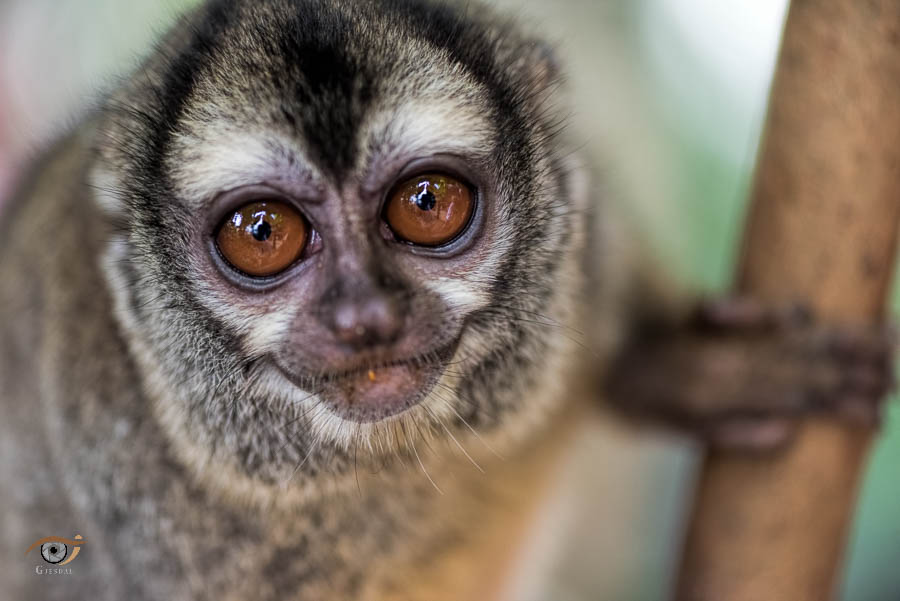
Once you’ve captured those incredible moments at the zoo, the journey isn’t quite over. Post-processing is where your images can truly come alive, transforming good shots into stunning wildlife portraits. This stage allows you to refine details, correct imperfections, and ensure your photographs convey the majesty and spirit of the animals you’ve photographed. We will explore the fundamental steps, delve into more advanced enhancements, establish an effective organizational workflow, and briefly touch upon software options.
Basic Photo Editing for Zoo Animal Images
Every zoo photograph can benefit from a few fundamental adjustments to enhance its overall quality and impact. These foundational edits ensure that your images are well-exposed, properly framed, and visually appealing, setting a strong base for any further creative work.Here are the essential steps for basic photo editing:
- Cropping: This technique is crucial for improving composition by removing distracting elements from the edges of the frame and guiding the viewer’s eye towards the subject. It can also be used to adjust the aspect ratio or to create a more impactful close-up of the animal. Aim to place the animal’s eye, or the most compelling part of its form, along intersecting lines of a rule-of-thirds grid for a balanced and engaging composition.
- Exposure Adjustments: Correcting exposure ensures that the bright areas of your image are not “blown out” (losing detail) and the dark areas are not “crushed” (losing detail). This is typically achieved using sliders for highlights, shadows, whites, and blacks. For instance, if an animal’s fur appears too dark, increasing the shadow slider can reveal hidden texture and detail without making the overall image too bright.
- White Balance: Proper white balance ensures that colors in your photograph appear natural and true to life. Zoo lighting can often cast an unnatural color cast (e.g., too warm or too cool). Using the white balance tool to select a neutral gray or white area in the image, or manually adjusting the temperature and tint sliders, will correct this.
- Sharpening: A subtle application of sharpening can bring out the fine details in an animal’s fur, feathers, or scales, making them appear more crisp and defined. It’s important to apply sharpening judiciously to avoid an unnatural, “crunchy” look.
Advanced Editing Techniques for Animal Portraits
Beyond the basics, advanced editing techniques can elevate your zoo animal photographs from merely good to truly breathtaking. These methods focus on accentuating the unique characteristics of each animal, enhancing their textures, and creating a more immersive visual experience for the viewer.Here are some advanced techniques to consider:
- Color Enhancement: While maintaining naturalism is key, subtle color enhancements can make your animal portraits pop. This might involve slightly boosting the saturation of specific colors (like the vibrant plumage of a bird or the rich tones of a lion’s mane) or using the HSL (Hue, Saturation, Luminance) panel to fine-tune individual color ranges. For example, you might slightly increase the luminance of blue tones in a bird’s feathers to make them appear more iridescent.
- Contrast and Clarity: Judicious use of contrast can add depth and dimension to your images. Increasing contrast can make lighter areas brighter and darker areas darker, giving the image more “punch.” Clarity, often a separate slider, enhances local contrast, making edges and textures more defined. This is particularly effective for rendering the intricate patterns on an animal’s skin or the individual strands of its fur.
- Noise Reduction: When shooting in low light conditions, you might encounter digital noise, which appears as grainy speckles. Noise reduction tools in editing software can effectively smooth out this grain, especially in darker areas, without sacrificing too much detail.
- Dodging and Burning: This classic darkroom technique, now available digitally, involves selectively lightening (dodging) or darkening (burning) specific areas of an image. For example, you could subtly dodge the eyes of an animal to make them stand out more, or burn in the background to draw more attention to the subject.
- Background Cleanup: Often, zoo enclosures can have distracting elements in the background, such as fences, signage, or even other visitors. Advanced cloning and healing tools can be used to meticulously remove these distractions, creating a cleaner and more focused portrait of the animal.
Workflow for Organizing Zoo Animal Photographs
A well-defined workflow for organizing your zoo photography collection is essential for efficient retrieval, editing, and sharing. Without a system, your growing library of images can quickly become overwhelming and difficult to manage.Consider the following workflow:
- Import and Backup: Immediately after a zoo visit, import your photos from your camera’s memory card to your computer. Simultaneously, back up these images to at least one external hard drive and consider a cloud storage service for added security.
- Culling: Review your imported images and select the best ones. This process, known as culling, involves deleting blurry shots, duplicates, and images with poor composition or exposure. Be ruthless; a smaller collection of excellent images is far more valuable than a vast collection of mediocre ones.
- Rating and ing: Assign star ratings to your best images based on their quality and impact. This helps in quickly identifying your top shots later. Add s to your photos, such as the animal’s species, location within the zoo, and any notable actions or characteristics. This makes searching for specific images incredibly easy in the future.
- Folder Structure: Create a logical folder structure on your computer. A common and effective method is to organize by date (e.g., Year/Month/Day) or by zoo visit (e.g., Zoo Name/Date). Within each date or visit folder, you might create subfolders for specific animals or types of shots.
- Batch Editing: Once organized, you can begin batch processing similar images. For example, if you have a series of shots of the same animal under similar lighting conditions, you can apply basic adjustments to one image and then copy those settings to the others.
- Final Selection and Export: After editing, make a final selection of your best images for different purposes (e.g., social media, portfolio, printing). Export these images in the appropriate file format and resolution.
Software Options for Post-Processing Zoo Photography
The choice of post-processing software significantly impacts your editing workflow and the final output of your zoo photographs. Different programs offer varying features, learning curves, and pricing models, catering to a range of user needs from beginners to seasoned professionals.Here’s a comparison of popular software options:
| Software | Key Features | Best For | Pros | Cons |
|---|---|---|---|---|
| Adobe Lightroom Classic | Cataloging, non-destructive editing, advanced color correction, organizational tools, presets. | Photographers who need robust organization and editing capabilities, and a streamlined workflow. | Excellent for managing large libraries, powerful editing tools, cloud sync options, widely used by professionals. | Subscription-based model, can be resource-intensive. |
| Adobe Photoshop | Pixel-level editing, advanced retouching, compositing, layers, extensive brush and filter options. | Detailed retouching, complex manipulations, and artists who require ultimate creative control. | Industry standard for image manipulation, virtually limitless editing possibilities, vast plugin ecosystem. | Steeper learning curve, can be overkill for basic adjustments, subscription-based. |
| Capture One Pro | High-quality RAW processing, tethered shooting, advanced color grading, layer-based editing. | Professionals seeking superior image quality and advanced color control, especially for RAW files. | Exceptional RAW conversion, powerful color tools, excellent for studio and location work. | Higher price point, less intuitive for beginners compared to Lightroom. |
| Affinity Photo | Comprehensive RAW development, advanced retouching, HDR, panorama stitching, focus stacking. | Users seeking a powerful, one-time purchase alternative to Photoshop with extensive features. | One-time purchase (no subscription), very capable feature set, good performance. | Slightly less mature ecosystem of plugins and tutorials compared to Adobe. |
| GIMP (GNU Image Manipulation Program) | Free and open-source image editor, layers, masks, filters, scripting capabilities. | Budget-conscious users or those who prefer open-source software. | Completely free, powerful feature set, active community support. | Interface can be less intuitive for beginners, development pace can be slower than commercial software. |
“The best camera is the one you have with you,” but the best photograph is often the one that is thoughtfully edited.
Storytelling Through Zoo Animal Photography
Beyond simply documenting an animal’s appearance, compelling zoo photography can weave a narrative that engages viewers and fosters a deeper connection with the subjects. By thoughtfully selecting and arranging images, you can create a visual story that highlights an animal’s behavior, personality, and its place within the broader ecosystem or conservation efforts. This approach transforms a collection of individual shots into a cohesive and impactful experience.Creating a narrative with a series of zoo animal photos involves more than just presenting a collection of beautiful images.
It requires a deliberate sequence and thoughtful selection of shots that build upon each other to tell a story. This can be achieved by focusing on a specific animal’s daily routine, a particular behavior, or even a relationship between individuals. The goal is to guide the viewer through a visual journey, eliciting emotions and encouraging contemplation.
Capturing Interactions Between Animals
Observing and photographing the dynamic relationships between animals within their enclosures offers a rich opportunity for storytelling. These interactions reveal social structures, playful behaviors, and even moments of conflict or cooperation, providing insights into their natural social dynamics. Patience and anticipation are key to capturing these fleeting moments that add depth and authenticity to your photographic narrative.When photographing interactions, consider the following:
- Social Hierarchy: Document moments that illustrate dominance or submission within a group, such as grooming rituals or feeding order.
- Play and Socialization: Capture young animals playing or adults engaging in social bonding activities like nuzzling or shared resting.
- Cooperation and Conflict: Photograph instances where animals work together, such as during feeding time, or observe mild disputes that reveal their social boundaries.
- Parental Care: Focus on the nurturing behaviors of parents towards their offspring, highlighting themes of protection and development.
Conveying Animal Personality Through Expression and Posture
An animal’s personality can be powerfully conveyed through its facial expressions, body language, and posture. A curious gaze, a playful stretch, a defensive stance, or a relaxed repose all communicate distinct emotions and states of being. By paying close attention to these subtle cues and capturing them with intention, your photographs can bring the individual character of each animal to life, making them relatable and memorable to the viewer.Consider these elements when trying to capture an animal’s personality:
- Facial Expressions: Look for direct eye contact, open mouths, or subtle shifts in the brow that can indicate curiosity, alertness, contentment, or distress. For example, a chimpanzee’s direct gaze can convey intelligence and a hint of mischief, while a lion’s relaxed yawn can suggest confidence and power.
- Body Language: Observe how an animal holds its body. A relaxed posture, with limbs extended or a soft gaze, suggests comfort. Conversely, a tense body, bristled fur, or tucked tail can indicate fear or aggression. A flamingo’s elegant posture while feeding contrasts sharply with the alert stance of a meerkat scanning for danger.
- Movement and Action: The way an animal moves can also reveal its personality. A slow, deliberate gait might suggest a thoughtful creature, while quick, darting movements could indicate nervousness or excitement. The powerful, yet graceful, leap of a big cat tells a different story than the methodical plodding of an elephant.
Designing a Photo Essay Concept Highlighting Conservation Efforts
A photo essay is an ideal format to tell a compelling story about the zoo’s role in conservation. By curating a series of images that showcase not only the animals but also the dedicated work of zookeepers, researchers, and veterinarians, you can illustrate the challenges and successes of protecting endangered species. This approach educates the public about the importance of conservation and the vital contributions zoos make to biodiversity.A photo essay on conservation could be structured around the following themes:
- Species Spotlight: Focus on a specific endangered species, showcasing its beauty, its threats in the wild, and the zoo’s breeding and reintroduction programs. For instance, images of a critically endangered orangutan, followed by shots of its habitat loss and then a healthy infant born at the zoo, create a powerful narrative arc.
- Behind the Scenes: Document the daily care and dedication of zoo staff, from specialized diets and enrichment activities to veterinary interventions and habitat maintenance. This human element underscores the effort involved in conservation.
- Research and Education: Illustrate how zoo animals contribute to scientific research and how educational programs engage visitors in conservation awareness.
- Habitat Restoration and Partnerships: If the zoo is involved in field conservation projects, include images that show these efforts, demonstrating the zoo’s commitment beyond its walls.
To illustrate the concept of a conservation photo essay, imagine a series dedicated to the Sumatran tiger:
The first image might be a majestic tiger pacing in its spacious, naturalistic enclosure, emphasizing its beauty. The second could be a graphic showing the dwindling wild tiger population due to deforestation and poaching. The third image would then focus on a veterinary team carefully examining a healthy tiger cub at the zoo, highlighting successful breeding efforts. The final image could be a scientist releasing a rehabilitated tiger back into a protected reserve, symbolizing hope and the tangible impact of conservation work.
Final Wrap-Up
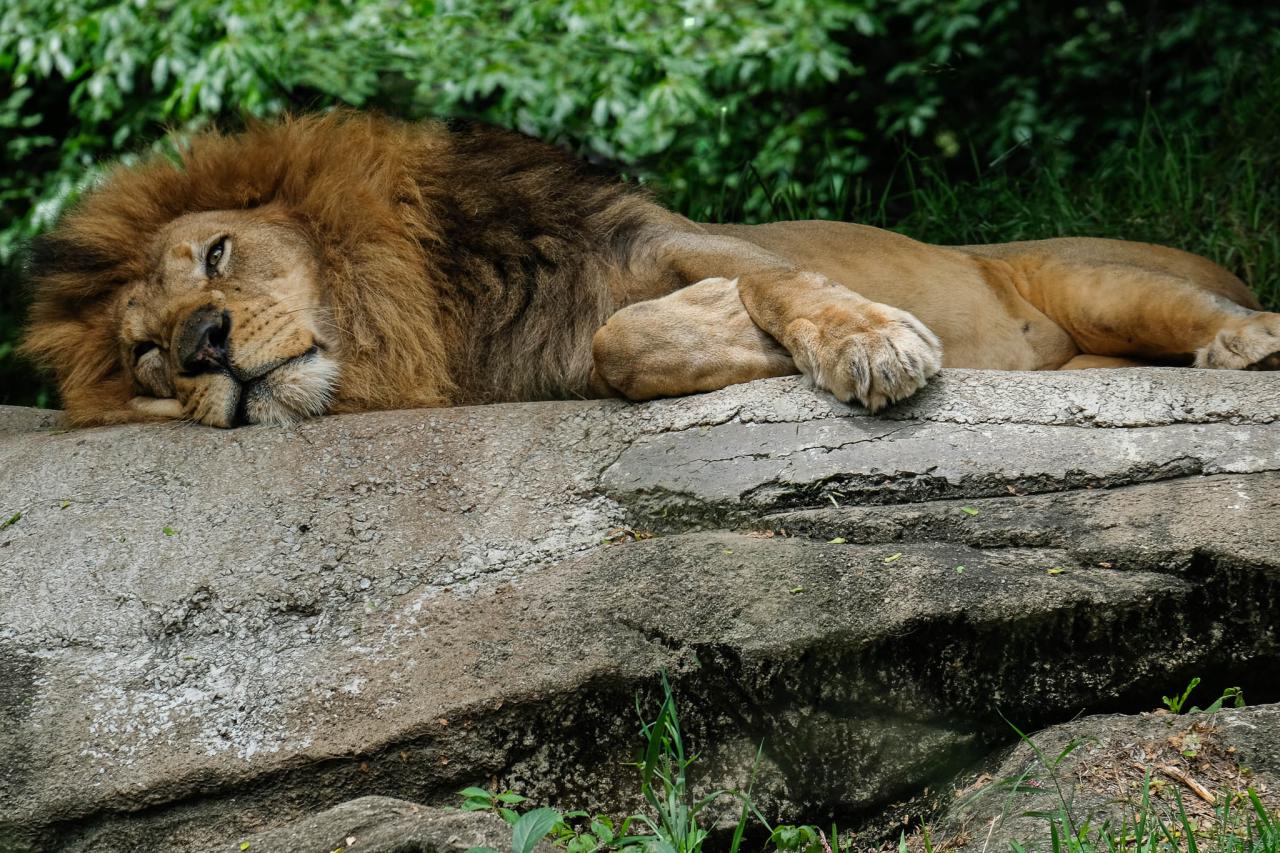
In conclusion, mastering how to photograph animals at the zoo involves a thoughtful combination of technical skill, observational prowess, and ethical awareness. By applying the principles discussed, from understanding your camera and environment to respecting the animals and their habitats, you can elevate your photography from simple snapshots to compelling narratives. We encourage you to embrace the process, be patient, and allow your passion for wildlife to shine through each frame, creating images that not only capture the beauty of the animals but also foster a deeper appreciation for their conservation.