Embarking on the journey of how to compose minimalistic photography invites a unique approach to visual storytelling, focusing on simplicity and intentionality. This exploration delves into the core principles that define this elegant photographic style, guiding you to create images that resonate with clarity and impact.
We will uncover the foundational concepts of minimalism in photography, examining how to select and simplify subjects, master compositional techniques, and harness the power of light, shadow, and color. Furthermore, we’ll discuss essential post-processing steps and how to cultivate your own distinctive minimalist vision.
Understanding the Core Principles of Minimalism in Photography
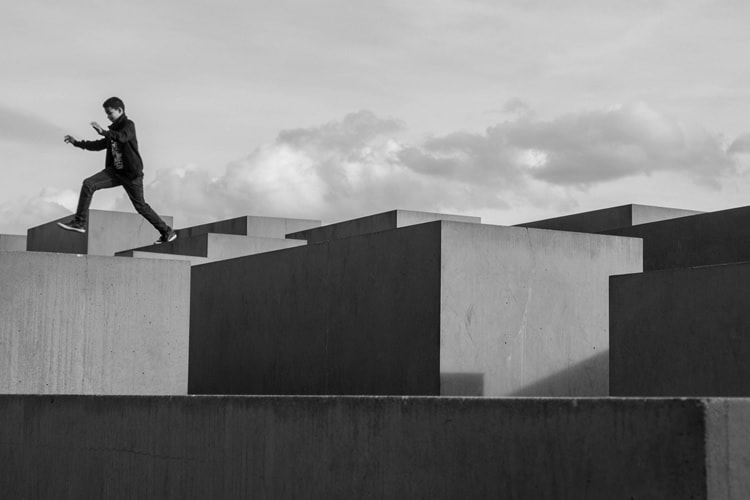
Minimalistic photography is an artistic approach that prioritizes simplicity and essential elements to convey a powerful message. It’s about saying more with less, stripping away the extraneous to reveal the true subject and its emotional resonance. This style challenges photographers to be deliberate and thoughtful in their composition, focusing on the impact of negative space, form, and color.The philosophical underpinnings of minimalism in photography are deeply rooted in the idea of “less is more.” This concept encourages a focus on essence, clarity, and intentionality.
It’s a deliberate departure from the often cluttered and overwhelming visual noise of modern life, offering viewers a moment of quiet contemplation and focused appreciation. Minimalist photographers seek to evoke a feeling or tell a story through the careful arrangement of a few carefully chosen elements, allowing the viewer’s imagination to fill in the gaps.
Key Distinguishing Elements of Minimalist Photography
Minimalist images stand apart from other photographic styles through their deliberate restraint and emphasis on specific visual components. Unlike genres that thrive on complexity or abundance, minimalism thrives on reduction. The core of its distinction lies in its ability to create impact through scarcity and precision.The key elements that distinguish minimalist images are:
- Simplicity of Subject: A clear, singular focus on one or a very limited number of subjects.
- Abundant Negative Space: Significant use of empty or uncluttered areas within the frame to draw attention to the subject.
- Limited Color Palette: Often employs monochromatic schemes, muted tones, or a single accent color to enhance the subject and mood.
- Strong Geometric Forms: Emphasis on clean lines, shapes, and patterns that create visual harmony and structure.
- Emphasis on Texture and Light: Subtle details of texture and the interplay of light and shadow become crucial compositional elements.
- Emotional Resonance: Aims to evoke a specific mood or feeling through its austerity and focus, rather than explicit detail.
Common Visual Characteristics of Successful Minimalist Photographs
Successful minimalist photographs possess a distinct visual language characterized by intentionality and a refined aesthetic. These characteristics work in concert to create images that are both striking and contemplative, drawing the viewer in through their elegant simplicity.Common visual characteristics include:
- Clean Composition: Subjects are often placed off-center using the rule of thirds or placed precisely in the center for balance and emphasis. Lines and shapes are used to guide the viewer’s eye.
- Absence of Distractions: Backgrounds are typically plain, blurred, or devoid of any elements that could detract from the main subject.
- Controlled Lighting: Light is used to sculpt the subject and create mood, often with soft, diffused light or dramatic directional light that emphasizes form.
- Reduced Detail: The focus is on the essential qualities of the subject, rather than an exhaustive depiction of its features.
- Sense of Scale: The vastness of negative space can be used to emphasize the smallness or isolation of the subject, creating a sense of grandeur or vulnerability.
- Repetition and Pattern: The use of repeating elements or patterns can create a rhythmic and visually engaging composition, even within a minimalist framework.
“Minimalism is not about deprivation; it’s about making space for what truly matters.”
Subject Selection and Simplification Techniques
The essence of minimalistic photography lies in its ability to convey a powerful message through restraint. This involves a deliberate and strategic approach to choosing your subject matter and meticulously simplifying the scene to highlight its core elements. By focusing on what is essential, you allow the viewer to engage more deeply with the intended narrative or emotion.The process begins long before you press the shutter.
It requires a keen eye for identifying subjects that possess inherent simplicity and visual appeal, and then employing techniques to strip away any extraneous details that might detract from their impact. This careful curation is what transforms a potentially busy scene into a compelling minimalist composition.
Strategies for Choosing Subjects for Minimalism
Selecting the right subject is foundational to creating a successful minimalist photograph. Subjects that naturally exhibit clean lines, distinct shapes, or a strong sense of form are excellent candidates. Consider objects or elements that possess a unique texture, a striking color, or a compelling silhouette. The key is to find something that can stand on its own visually without needing additional elements to define it.Here are some effective strategies for selecting subjects that lend themselves well to a minimalist aesthetic:
- Look for single, iconic objects: A solitary chair against a plain wall, a single tree in a vast field, or a simple geometric shape.
- Identify natural patterns and textures: The repeating lines of a fence, the grain of wood, or the smooth surface of a stone can be powerful subjects.
- Focus on the abstract: Sometimes, the subject is not a recognizable object but rather a play of light, shadow, or color.
- Consider the emotional resonance: Choose subjects that evoke a specific feeling or mood, such as solitude, peace, or contemplation.
- Embrace negative space as part of the subject: The absence of elements can be as important as the presence of them.
Methods for Isolating and Simplifying the Main Subject
Once a subject has been chosen, the next crucial step is to isolate it and strip away any visual noise. This process involves actively looking for ways to make your chosen subject the undisputed focal point of the image. Simplification is not about removing elements arbitrarily, but rather about strategically eliminating anything that does not contribute to the subject’s impact or the overall message of the photograph.Effective techniques for isolating and simplifying your main subject include:
- Framing: Utilize natural elements within the scene, such as doorways, windows, or branches, to create a frame around your subject. This naturally draws the viewer’s eye inward.
- Depth of Field: Employ a shallow depth of field to blur out the background and foreground, rendering them indistinct and allowing the sharp, in-focus subject to stand out prominently.
- Leading Lines: Use lines within the scene, whether they are natural or man-made, to guide the viewer’s gaze directly towards your subject.
- Color Contrast: Position your subject against a background of contrasting color to make it pop and become more visually dominant.
- Monochromatic Palettes: Sometimes, simplifying a scene by focusing on a limited color palette, or even a single color, can enhance the subject’s presence.
Reducing Visual Clutter and Distractions
Visual clutter is the antithesis of minimalism. It refers to any element in the frame that competes for the viewer’s attention, distracts from the main subject, or disrupts the overall sense of calm and simplicity. The goal is to achieve a clean and uncluttered aesthetic where every element serves a purpose.To effectively reduce visual clutter and distractions, consider the following approaches:
- Scout your location carefully: Before shooting, take time to observe the scene and identify potential distractions. Move them if possible, or reposition yourself to exclude them from the frame.
- Focus on essential elements: Ask yourself if each element in the frame is necessary to convey your message. If not, eliminate it.
- Mindful composition: Pay close attention to the edges of your frame. Ensure that no distracting elements are creeping in from the sides or corners.
- Embrace symmetry and order: Symmetrical compositions often feel inherently balanced and less cluttered.
- Post-processing: While the goal is to capture a clean image in-camera, judicious use of editing tools can help to further refine the composition by subtly removing minor distractions or enhancing the subject’s clarity.
Techniques for Using Negative Space Effectively
Negative space, often referred to as “empty space,” is a critical component of minimalistic photography. It is not merely the absence of a subject but an active element that defines and emphasizes the subject. Strategic use of negative space creates breathing room, enhances the subject’s isolation, and can evoke feelings of vastness, solitude, or tranquility.Mastering the use of negative space involves several key techniques:
- Define the Subject: Ample negative space surrounding a subject makes it more prominent and easier for the viewer to identify. It acts as a visual cushion.
- Create a Sense of Scale: Large expanses of negative space can make a small subject appear even smaller, highlighting its isolation or vulnerability, or conversely, making a grand subject feel even more imposing.
- Evoke Emotion: The feeling of emptiness or vastness conveyed by negative space can be used to elicit specific emotions in the viewer, such as peace, loneliness, or introspection.
- Guide the Eye: Negative space can be used as a pathway to lead the viewer’s eye towards the subject, much like leading lines.
- Balance and Harmony: When used thoughtfully, negative space contributes to the overall balance and aesthetic harmony of the composition. It prevents the image from feeling cramped or overwhelming.
“The power of minimalism lies not in what is present, but in what is intentionally absent.”
Compositional Approaches for Minimalist Photography
In minimalist photography, composition is not merely about arranging elements; it is about deliberate subtraction and the strategic placement of what remains. The goal is to create images that are both striking in their simplicity and profound in their impact, drawing the viewer’s eye to the essence of the subject. This section explores foundational compositional techniques that are particularly effective in achieving this aesthetic.Effective composition in minimalism relies on understanding how visual elements interact within the frame.
By carefully considering established principles and applying them with intentionality, photographers can transform simple scenes into powerful statements. These approaches help to imbue the image with a sense of order, balance, and visual narrative, even with a limited number of components.
The Role of Traditional Compositional Guides
While minimalism often challenges traditional rules, understanding their underlying principles can be incredibly beneficial. These guides offer a framework for creating visually pleasing and balanced images, which can then be adapted or intentionally broken to serve the minimalist aesthetic.The rule of thirds, symmetry, and leading lines are not absolute mandates but rather tools to guide the viewer’s perception. In minimalist photography, these elements are often used in their purest form or with subtle variations to enhance the impact of a singular subject or a very limited set of elements.
- Rule of Thirds: This principle suggests dividing the frame into nine equal parts by two horizontal and two vertical lines. Placing key elements along these lines or at their intersections can create a more dynamic and engaging composition than a centered subject. In minimalism, a single subject placed on an intersection point, with ample negative space surrounding it, can feel both intentional and balanced.
For instance, a lone bird perched on a wire might be placed on an upper third intersection, with the vast, unadorned sky occupying the remaining two-thirds of the frame. This creates a sense of scale and isolation, emphasizing the subject’s singularity.
- Symmetry: Perfect symmetry can be incredibly powerful in minimalist photography, creating a sense of order, calm, and perfection. This often involves placing the subject directly in the center of the frame, or utilizing reflections and natural symmetrical forms. A perfectly mirrored reflection of a tree in still water, with the horizon line bisecting the image, is a classic example. The balance achieved through symmetry can be visually arresting and deeply satisfying to the viewer.
- Leading Lines: Leading lines are compositional elements that draw the viewer’s eye through the image, often towards the main subject. In minimalist photography, these lines are typically clean and uncluttered. A deserted path curving into the distance, a long, empty pier extending over water, or even the stark lines of a modern architectural structure can serve as effective leading lines. The simplicity of the line itself, devoid of distracting details, guides the viewer’s gaze directly to where the photographer intends, enhancing the focus on the subject or the sense of depth.
Utilizing Geometric Shapes and Patterns
Geometric shapes and patterns are fundamental building blocks of visual interest, and in minimalist photography, they are often celebrated for their inherent simplicity and order. By isolating and emphasizing these forms, photographers can create compositions that are both abstract and evocative.The deliberate use of shapes and patterns can add a layer of sophistication and visual intrigue to an otherwise sparse image.
These elements provide structure and rhythm, guiding the viewer’s eye and creating a sense of harmony.
- Geometric Shapes: Basic geometric forms such as circles, squares, triangles, and rectangles can be the sole subjects or dominant compositional elements in minimalist photography. For example, a perfectly circular window frame against a plain wall, or the sharp triangular peak of a mountain against a clear sky, can be powerfully effective. The inherent simplicity of these shapes makes them ideal for minimalist compositions, allowing their form and negative space to be fully appreciated.
- Patterns: Repetitive patterns, when simplified and isolated, can create a mesmerizing effect. In minimalism, the focus is often on the rhythm and texture of the pattern itself, with minimal distraction. This could be the repeating lines of a fence, the tessellation of tiles on a wall, or the subtle variations in a textured surface. When a pattern is interrupted by a single contrasting element, or when only a section of a pattern is shown, it can further enhance its visual impact and draw attention to the minimalist intent.
Achieving Balance and Harmony
Balance and harmony are crucial in minimalist photography, as the limited number of elements means that each component carries significant visual weight. The careful arrangement of these elements is paramount to creating a pleasing and stable composition that feels intentional rather than accidental.The perceived weight of elements, their placement within the frame, and the interplay of positive and negative space all contribute to the overall balance and harmony of a minimalist photograph.
- Visual Weight: Elements in a photograph possess visual weight based on factors such as size, color, contrast, and texture. In minimalism, a small, dark object placed in a large expanse of light, empty space can have significant visual weight. Balancing this might involve placing another element of similar weight on the opposite side of the frame, or utilizing negative space to counterbalance the positive elements.
- Arrangement of Elements: The placement of subjects is key. While centered compositions offer symmetry and directness, asymmetrical arrangements can create dynamic balance. For instance, a single, small object in the lower corner of the frame can be balanced by a large area of negative space in the upper portion, creating a sense of tension and intrigue. The careful consideration of how elements relate to each other and to the frame itself is essential for achieving a harmonious composition.
- Negative Space: Negative space, or the empty areas within an image, is as important as the subject itself in minimalist photography. It provides breathing room, emphasizes the subject, and contributes to the overall sense of balance and calm. The strategic use of negative space can make a single subject feel more profound and impactful.
Minimalist Compositional Examples
To further illustrate these principles, consider the following compositional arrangements, designed to showcase the power of simplicity and deliberate placement in minimalist photography.
| Compositional Style | Key Features | Example Description |
|---|---|---|
| Centered Subject | Symmetrical, direct focus | A single, perfectly centered dewdrop on a blade of grass, with vast blurred green background. |
| Rule of Thirds | Asymmetrical balance, dynamic | A lone, silhouetted tree positioned on one of the upper intersecting points of a grid, with a vast expanse of sky. |
| Leading Lines | Guiding the viewer’s eye | A winding, empty road disappearing into the horizon, with minimal sky and no other objects. |
| Geometric Abstraction | Focus on shape and form | The sharp, intersecting lines of a modern building’s facade, captured with a focus on the interplay of light and shadow creating abstract geometric patterns. |
| Pattern Isolation | Rhythm and repetition | A close-up shot of repeating, uniform wooden slats on a weathered fence, emphasizing the texture and rhythm of the pattern. |
| Negative Space Dominance | Emphasis through emptiness | A single, small, dark pebble placed in the vast expanse of a pale, sandy beach, with the horizon line positioned high in the frame. |
The Impact of Light and Shadow in Minimalism

Light and shadow are not merely elements in minimalist photography; they are fundamental building blocks. In a genre that thrives on simplicity and essentialism, the interplay between illumination and darkness becomes a powerful tool for shaping the narrative, defining form, and evoking emotion. Mastering this relationship is key to creating images that resonate with clarity and impact.The strategic manipulation of light and shadow allows the photographer to guide the viewer’s eye, emphasize texture, and imbue the scene with a distinct atmosphere.
Without the clutter of extraneous details, light and shadow are free to perform their essential roles, transforming ordinary subjects into compelling visual statements.
Using Natural Light for Mood and Dimension
Natural light, with its inherent variability and subtle nuances, offers a rich palette for minimalist photographers. Its quality, direction, and intensity can profoundly influence the mood and perceived dimension of a minimalist composition. Understanding how to harness these characteristics is crucial for creating evocative and impactful images.Natural light can be categorized by its quality and direction, each offering unique possibilities for minimalist photography:
- Soft Light: Characterized by diffused illumination, often occurring on overcast days or during the golden hours (shortly after sunrise and before sunset). Soft light minimizes harsh shadows and creates a gentle, ethereal mood. It is excellent for subjects with delicate textures or when a serene, tranquil atmosphere is desired. For example, a single, smooth stone on a misty beach, bathed in soft morning light, will appear soft and inviting, emphasizing its form without distracting details.
- Hard Light: This type of light is direct and intense, creating sharp, well-defined shadows. It is typically experienced around midday or from direct sunlight. Hard light can add drama, definition, and a sense of grit to minimalist compositions. It excels at highlighting textures and creating strong graphic elements. Consider a lone, gnarled tree against a clear blue sky; hard, directional light will accentuate its bark’s texture and the stark silhouette of its branches.
- Directional Light: Regardless of its hardness, the direction from which natural light strikes the subject is paramount. Side lighting can reveal form and texture by creating shadows that wrap around the subject. Backlighting can create striking silhouettes and ethereal glows, separating the subject from its background. Front lighting, while often flattening, can be used strategically to emphasize flat planes or create a sense of uniformity.
A minimalist portrait, for instance, might use strong side lighting to sculpt the planes of a face, emphasizing its contours with dramatic shadows.
The subtle shifts in natural light throughout the day provide a dynamic canvas. Observing these changes and anticipating their effect on the chosen subject is a hallmark of skilled minimalist photography.
Strategic Use of Shadows to Define Form and Add Depth
Shadows are not merely the absence of light; they are active participants in minimalist compositions, defining form, creating depth, and adding a sense of mystery or drama. In a minimalist aesthetic, where elements are reduced to their essence, shadows play a critical role in shaping the viewer’s perception of the subject.Shadows serve several key functions in minimalist photography:
- Form Definition: Shadows carve out the three-dimensional shape of an object. By revealing the contours and planes that are not directly illuminated, they help the viewer understand the subject’s volume and structure. A simple geometric shape, like a sphere, can be rendered with significant depth and solidity through the careful placement of shadows.
- Depth Creation: Layering of shadows can create a sense of space and distance within a minimalist frame. Objects casting shadows on other surfaces, or shadows that stretch across the frame, can suggest planes and recession, even in a flat image. A minimalist landscape featuring a single, solitary object might use its elongated shadow to create a strong diagonal line, leading the eye into the frame and suggesting a vast, empty space.
- Emphasis and Isolation: Shadows can be used to draw attention to specific areas of the subject or to isolate it from its surroundings. A strong shadow falling across a background can push it into darkness, making the illuminated subject pop. This is particularly effective when the subject itself is simple and lacks intricate detail.
- Adding Mood and Atmosphere: The quality and placement of shadows significantly contribute to the overall mood of an image. Deep, dark shadows can evoke feelings of mystery, drama, or solitude, while softer, more diffused shadows can suggest tranquility and peace.
“Shadows are as important as light. They give shape and form to the world.” – Unknown
The thoughtful integration of shadows transforms a flat representation into a visually engaging experience, adding layers of meaning and aesthetic appeal to minimalist compositions.
Techniques for Manipulating Light to Isolate the Subject and Create Dramatic Contrast
The ability to control and direct light is fundamental to achieving dramatic contrast and isolating the subject in minimalist photography. This often involves a keen understanding of how light behaves and how to shape it to serve the composition’s intent.Key techniques for manipulating light include:
- Spotlighting: This involves directing a concentrated beam of light onto the subject, leaving the surrounding areas darker. This can be achieved using a spotlight, a snoot on a flash, or by carefully positioning the camera and subject relative to a strong natural light source, such as a window. Spotlighting immediately draws the viewer’s eye to the intended focal point.
For example, a single, dew-kissed leaf on a dark forest floor can be dramatically highlighted with a focused beam of light, making its intricate veins and delicate structure stand out.
- Silhouetting: By placing the subject in front of a bright light source (like a sunset or a brightly lit background) and underexposing the scene, the subject becomes a dark shape against the illumination. This technique emphasizes the Artikel and form of the subject, reducing it to its most essential graphic elements. A minimalist shot of a person standing against a vibrant sunset, rendered as a silhouette, focuses entirely on their posture and the iconic shape they create.
- Using Reflectors and Diffusers: While often associated with studio work, these tools can be effectively used with natural light. Reflectors bounce light back onto the subject to fill in shadows or add subtle illumination. Diffusers soften harsh light, creating a more gentle and even illumination. A minimalist shot of a single architectural element might use a diffuser to soften the midday sun, preventing harsh highlights and deep, distracting shadows, allowing the clean lines of the structure to be appreciated.
- Creating High Contrast: This is achieved by maximizing the difference between the lightest and darkest areas of the image. It often involves using hard light sources and positioning them to create deep, dark shadows that contrast sharply with brightly lit areas. This technique lends a bold, graphic quality to minimalist images. Imagine a close-up of a textured surface, like weathered wood, captured with strong directional light that casts deep crevices into shadow, creating a stark, almost abstract pattern.
The intentional use of these techniques allows the photographer to sculpt the scene, ensuring that the subject commands attention and that the image possesses a powerful visual impact, even with minimal elements.
Importance of Soft Versus Harsh Lighting for Different Minimalist Scenarios
The choice between soft and harsh lighting is a critical decision in minimalist photography, directly influencing the mood, texture, and overall impact of the final image. Each lighting condition offers distinct advantages and is best suited to different subjects and artistic intentions.The application of lighting quality in minimalist photography can be understood as follows:
- Soft Lighting: This type of illumination, characterized by diffused, gentle shadows, is ideal for conveying a sense of calm, serenity, and subtlety. It is particularly effective when photographing subjects with smooth surfaces or delicate textures, as it minimizes distracting highlights and renders forms with a gentle gradation. For instance, a minimalist photograph of a single feather resting on a white surface, illuminated by soft window light, will emphasize its ethereal quality and subtle curves without harsh lines.
It is also well-suited for capturing the quietude of abstract compositions or the delicate beauty of natural forms.
- Harsh Lighting: In contrast, harsh lighting, with its direct source and strong, defined shadows, lends itself to creating drama, intensity, and a bold graphic quality. This lighting can accentuate textures, reveal imperfections, and create strong contrasts that define form with stark clarity. A minimalist image of a single, weathered rock formation, captured under direct midday sun, will showcase its rugged texture and sharp edges, imbuing it with a sense of permanence and strength.
Harsh light is also effective for isolating subjects against busy backgrounds by casting deep shadows that push the background into obscurity.
- Scenario-Specific Application: The selection of lighting should be dictated by the desired mood and the inherent characteristics of the subject. For a minimalist portrait aiming for a contemplative and introspective feel, soft, diffused light might be preferred. Conversely, a minimalist architectural shot focusing on strong lines and geometric forms might benefit from the crisp definition provided by harsh, directional light. Even in abstract minimalism, the choice of lighting can transform the perception of the subject.
A smooth, metallic sphere might appear sleek and modern under soft light, but possess a raw, industrial feel under harsh, contrasting light.
By carefully considering the qualities of light and their potential effects, minimalist photographers can elevate their compositions from simple arrangements to visually compelling and emotionally resonant works of art.
Color Palette and Tonal Range for Minimalist Images
The judicious use of color and tone is paramount in minimalist photography, serving not merely as aesthetic choices but as fundamental tools for conveying mood, depth, and focus. By carefully selecting and limiting the visual information presented, a minimalist image can achieve a profound impact, drawing the viewer’s attention to the essential elements and the subtle nuances of light and form.The deliberate restriction of colors and the nuanced control of tonal values are key to achieving the characteristic simplicity and elegance of minimalist photography.
These elements work in concert to guide the viewer’s eye, evoke specific emotions, and imbue the image with a sense of calm or drama, depending on the chosen approach.
Color Palette Selection and Limitation
Selecting a restricted color palette is a cornerstone of minimalist photography, as it significantly contributes to the overall sense of simplicity and focus. By limiting the number of colors present, the photographer directs the viewer’s attention to the subject and the interplay of shapes and lines, rather than allowing a cacophony of hues to distract. This deliberate constraint fosters a cleaner, more impactful visual statement.When choosing a color palette for minimalist work, consider the emotional resonance of different hues.
For instance, cool colors like blues and greens can evoke a sense of tranquility and spaciousness, while warmer tones might suggest intimacy or energy, though often used sparingly in minimalism. A common strategy is to identify a dominant color and then select one or two complementary or analogous colors that harmonize with it. This approach ensures visual coherence without overwhelming the viewer.
Monochromatic and Analogous Color Schemes
Monochromatic and analogous color schemes are particularly effective in minimalist photography due to their inherent harmony and subtlety. A monochromatic scheme utilizes variations of a single color, ranging from light tints to deep shades. This approach creates a sophisticated and cohesive look, emphasizing texture and form through tonal differences rather than color contrasts. For example, a landscape shot composed entirely of varying shades of blue, from a pale sky to a deep ocean, can create a serene and unified image.Analogous color schemes, which employ colors that are adjacent to each other on the color wheel, also lend themselves well to minimalist aesthetics.
These schemes produce a gentle, harmonious blend of colors that are pleasing to the eye and avoid jarring contrasts. An image featuring soft greens, teals, and blues, for instance, can create a natural and calming atmosphere, ideal for minimalist compositions. The success of these schemes lies in their ability to create visual unity and depth without introducing unnecessary complexity.
Impact of Desaturated and Muted Colors
The use of desaturated or muted colors plays a crucial role in achieving the refined aesthetic of minimalist photography. Highly saturated colors can be visually demanding and distracting, pulling attention away from the core subject and compositional elements. Desaturated colors, on the other hand, possess a softer, more subdued quality that promotes a sense of calm and introspection. They allow the viewer to focus on the form, texture, and light within the frame.Muted colors, such as pastels, earth tones, or colors softened by atmospheric conditions like fog or haze, contribute to a gentle and understated visual experience.
This subtlety can enhance the emotional impact of an image, evoking feelings of nostalgia, peace, or quiet contemplation. For example, a minimalist portrait with muted skin tones and a soft, desaturated background can feel more intimate and profound than one with vibrant, uninhibited colors.
Tonal Gradients and Subtle Color Shifts
The strategic application of tonal gradients and subtle color shifts can introduce a remarkable level of visual depth and sophistication to minimalist images. Rather than relying on stark contrasts, minimalist photographers often employ smooth transitions in tone and color to guide the viewer’s eye and create a sense of atmosphere. These subtle shifts can suggest form, volume, and distance without explicit detail.A well-executed tonal gradient can lead the eye from a lighter area to a darker one, or vice versa, creating a natural flow through the composition.
Similarly, subtle color shifts, where one hue gently transitions into another, can add richness and complexity to an otherwise simple scene. Consider an image of a foggy morning where the sky transitions from a pale grey to a slightly warmer, muted yellow near the horizon; this subtle gradient adds a sense of depth and mood. These techniques allow for a nuanced visual experience, inviting the viewer to explore the image’s subtleties.
Post-Processing for Minimalist Photography

Post-processing is a crucial stage in realizing the full potential of minimalist photography. It’s where the photographer refines the captured image, enhancing its inherent simplicity and amplifying the intended message. The goal is not to alter reality significantly, but rather to sculpt the existing elements, ensuring each line, tone, and shape contributes to the overall aesthetic. This meticulous approach ensures that the final image resonates with the viewer through its clarity and deliberate execution.The power of post-processing in minimalism lies in its ability to subtly guide the viewer’s eye and reinforce the core principles of the genre.
It allows for the fine-tuning of details that might have been overlooked in the initial capture, transforming a good photograph into an exceptional one that embodies the essence of “less is more.”
Essential Editing Techniques for Enhancing Minimalist Photographs
The editing process for minimalist photographs focuses on clarity, precision, and restraint. The aim is to enhance the existing composition and tones without introducing extraneous elements or overwhelming the viewer. Essential techniques involve refining the foundational aspects of the image to ensure that every visual component serves a purpose.
- Cropping and Straightening: This is often the first step, where unnecessary elements are removed to strengthen the composition and ensure horizons are perfectly level. This reinforces the clean lines and balance inherent in minimalist art.
- Exposure and Contrast Adjustment: Fine-tuning the overall brightness and the difference between the lightest and darkest areas is critical. Minimalist images often benefit from carefully controlled contrast to emphasize form and texture.
- Clarity and Detail Enhancement: Selectively sharpening key areas can draw attention to the subject or the textures that contribute to the minimalist aesthetic. Over-sharpening, however, can detract from the desired simplicity.
- Noise Reduction: In low-light conditions, noise can be distracting. Careful noise reduction preserves the clean look of the image without softening essential details.
Selective Adjustments to Color and Tone
Minimalist photography often thrives on a limited color palette or a strong emphasis on monochrome. Selective adjustments allow for precise control over these elements, ensuring they contribute to the overall mood and message of the image. This is about enhancing what is already present, not creating something new.When applying selective adjustments, consider the emotional impact of color and tone. A muted palette can evoke serenity, while a stark contrast can create drama.
- Hue, Saturation, and Luminance (HSL) Adjustments: These tools allow for precise control over specific colors. For instance, desaturating a distracting background color or slightly boosting the luminance of the primary subject can significantly enhance the minimalist feel.
- Local Adjustments with Masks: Using brushes or gradient filters to affect only specific areas of the image is paramount. This could involve subtly brightening a shadow to reveal texture or darkening a sky to create a more dramatic backdrop.
- Black and White Conversion: For monochrome minimalism, the conversion process is key. Adjusting the red, yellow, and green channels can dramatically alter the tonal relationships between different elements in the scene, emphasizing form and light.
Sharpening Focus and Controlling Noise to Maintain Clarity
The clarity of a minimalist photograph is paramount. Every element should be sharp and well-defined, or intentionally soft if that serves the artistic intent. Noise, on the other hand, is almost always detrimental to a clean, minimalist aesthetic.Maintaining clarity ensures that the viewer’s attention is not diverted by distracting artifacts.
- Sharpening Techniques: Apply sharpening judiciously. Focus on areas that define the subject or create visual interest. Tools like Unsharp Mask or Smart Sharpen, used with low settings and appropriate masking, are effective.
- Noise Reduction Strategies: Utilize noise reduction sliders carefully. Start with subtle adjustments and zoom in to check for unwanted softening of details. Luminance noise reduction is generally more forgiving than color noise reduction.
- Focus Stacking (if applicable): For scenes requiring extreme depth of field where the subject is very close, focus stacking multiple images can ensure the entire subject is in sharp focus, a common requirement in detailed minimalist shots.
Refining the Image to Amplify the Intended Minimalist Message
The final stages of post-processing involve a holistic review of the image, ensuring that all edits work in harmony to reinforce the minimalist message. This is where the photographer’s intent is most powerfully conveyed. The aim is to achieve a polished final product that feels natural and deliberate, not over-edited.Consider the overall impact of your edits. Does the image feel balanced, calm, and focused?
- Subtlety in Adjustments: Avoid aggressive edits. Gradual, incremental changes are almost always more effective in minimalism. The viewer should not be able to easily detect the post-processing steps.
- Maintaining a Cohesive Tone: Ensure that the color temperature and tonal range remain consistent throughout the image. Avoid jarring shifts that can break the visual harmony.
- Removing Distractions: This is a critical step. Use tools like the clone stamp or healing brush to remove minor blemishes, stray hairs, or distracting elements that detract from the simplicity of the composition.
- Final Review: Step away from the image and then review it with fresh eyes. Does it evoke the intended emotion or thought? Is the subject clearly defined? Does it adhere to the principles of minimalism?
Developing a Personal Style in Minimalist Photography

As you delve deeper into the world of minimalist photography, the journey naturally progresses towards cultivating a unique artistic voice. This involves introspection, experimentation, and a dedicated practice to refine your vision and distinguish your work. Developing a personal style is not about rigidly adhering to a set of rules, but rather about discovering how the principles of minimalism resonate with your individual perspective and how you can translate that into compelling imagery.Finding your niche within minimalist photography is an ongoing exploration.
It requires stepping outside your comfort zone and actively seeking out subjects and themes that genuinely intrigue you. This exploration will not only enrich your portfolio but also guide you towards a more cohesive and recognizable body of work. The goal is to move beyond simply applying minimalist techniques to finding subjects that inherently lend themselves to a simplified, impactful presentation, reflecting your personal interests and aesthetic sensibilities.
Experimentation with Themes and Subjects
To uncover your unique perspective in minimalist photography, engaging in deliberate experimentation with various themes and subjects is paramount. This process involves observing the world with a critical eye, identifying elements that speak to you, and then translating those observations through the lens of minimalism. Consider exploring abstract forms in nature, the geometry of urban landscapes, the subtle interplay of objects in still life, or the evocative power of negative space in portraiture.
Each subject offers a different avenue for simplification and expression.For instance, one might begin by focusing on natural textures, such as the intricate patterns of bark or the smooth curves of a pebble. The next step would be to abstract these textures, isolating a single element and presenting it with minimal distraction. Similarly, urban exploration could lead to a focus on the clean lines of architecture, the repetition of windows, or the stark contrast between solid structures and the sky.
The key is to approach each subject with the intent of distilling it to its essential form and emotional core.
Cultivating a Consistent Visual Language
Developing a consistent visual language is the cornerstone of a recognizable signature style in minimalist photography. This involves making conscious choices about how you frame your shots, the types of subjects you gravitate towards, and the overall mood you aim to evoke. It’s about establishing a visual grammar that your audience can begin to associate with your work. This consistency doesn’t mean repetition, but rather a harmonious thread that ties your images together, even when the subjects differ.Consider the consistent use of specific compositional devices, such as a preference for leading lines, symmetrical arrangements, or the deliberate placement of a single focal point.
The choice of color palette, whether it’s monochromatic, desaturated tones, or a carefully selected accent color, also plays a significant role. Furthermore, the emotional tone conveyed through your images—whether it’s serenity, tension, or quiet contemplation—contributes to your unique style. This deliberate application of aesthetic principles across your work builds recognition and trust with your viewers.
Opportunities for Practice and Skill Refinement
Consistent practice is indispensable for honing your minimalist photographic skills and solidifying your personal style. Engaging in regular shooting sessions, even with familiar subjects, allows for continuous learning and refinement. Seek out opportunities that challenge your current approach and encourage you to push the boundaries of your minimalist vision. This might involve participating in themed photography challenges, joining online communities for critique, or simply dedicating time each week to deliberate practice.
“The space between the notes is as important as the notes themselves.”
Claude Debussy, applied to photography, this highlights the significance of negative space and stillness in minimalism.
The following are actionable steps a photographer can take to cultivate their unique minimalist vision:
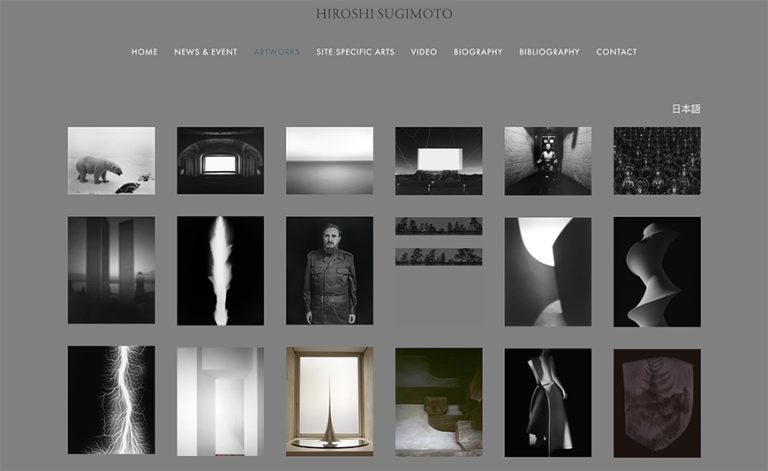
- Study the works of established minimalist photographers. Analyze their subject choices, compositional techniques, and use of light and shadow to understand what makes their work resonate. Look at artists like Hiroshi Sugimoto, Michael Kenna, and Candida Höfer for inspiration.
- Practice shooting the same subject in multiple minimalist ways. For example, photograph a single tree in different seasons, under varying light conditions, and from different angles, each time striving for maximum simplicity and impact.
- Seek feedback on your minimalist compositions. Share your work with trusted peers, mentors, or online photography groups. Constructive criticism can reveal blind spots and offer new perspectives on your stylistic choices.
- Experiment with different lighting conditions for your chosen subjects. Observe how direct sunlight, soft overcast light, or even artificial lighting can dramatically alter the mood and form of a minimalist composition.
- Develop a personal editing workflow that supports your minimalist aesthetic. This might involve consistent adjustments to contrast, saturation, and sharpness to achieve a clean, uncluttered look that enhances the essence of your subject.
Final Wrap-Up
In essence, mastering how to compose minimalistic photography is an ongoing exploration of clarity, intention, and visual harmony. By embracing simplification, thoughtful composition, and a refined approach to light and color, you can cultivate a powerful and distinctive photographic voice that speaks volumes through its quiet elegance.