Embark on a photographic journey to master the art of capturing long shadows during sunrise. This guide will illuminate the intricate interplay of light and landscape, transforming fleeting moments into striking visual narratives.
We will delve into the scientific principles governing sunrise light, exploring how atmospheric conditions and the sun’s low angle conspire to create the elongated shadows that lend such drama to dawn photography. Understanding these dynamics is the first step towards intentionally composing breathtaking images that highlight the unique beauty of this daily spectacle.
Understanding the Light Dynamics of Sunrise for Shadow Capture
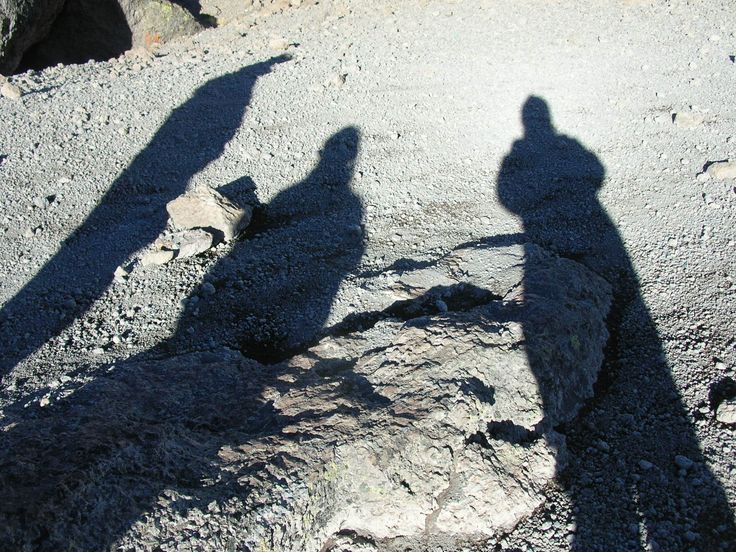
Capturing dramatic long shadows during sunrise is an art form deeply rooted in understanding the unique interplay of light and atmosphere at the dawn of a new day. The low angle of the sun, combined with atmospheric conditions, creates a canvas of elongated forms and soft, warm hues that are perfect for compelling shadow photography. By grasping the physics and characteristics of this fleeting light, photographers can elevate their sunrise images from simple landscapes to evocative narratives.The magic of sunrise shadow photography lies in the science behind the light itself.
As the sun begins its ascent, its rays travel a longer path through Earth’s atmosphere. This journey has a profound effect on the light we perceive and, consequently, on the shadows it casts.
The Physics of Light Scattering and Shadow Elongation
During sunrise, the sun’s rays traverse a greater portion of the atmosphere compared to midday. This extended path leads to increased scattering of shorter, bluer wavelengths of light by atmospheric particles like dust, water vapor, and air molecules. This phenomenon, known as Rayleigh scattering, is the reason for the vibrant reds, oranges, and yellows that often dominate the sunrise sky.
Consequently, the light reaching the ground is predominantly composed of these longer, warmer wavelengths.The angle of the sun is a critical factor in shadow formation. At sunrise, the sun is very low on the horizon, meaning its rays strike objects at a shallow angle. This low angle is the primary driver behind the extreme elongation of shadows. Imagine a flashlight held directly overhead versus one held close to the ground; the latter casts a much longer shadow.
The lower the sun, the longer and more pronounced the shadows become.
The length of a shadow is directly proportional to the cosine of the sun’s elevation angle. As the sun’s elevation angle approaches zero at sunrise, the cosine approaches one, resulting in the longest possible shadows.
The Golden Hour’s Contribution to Dramatic Shadows
The period shortly after sunrise, often referred to as the “golden hour,” is renowned for its soft, diffused, and warm light. This light is ideal for shadow photography because it minimizes harsh contrasts and accentuates the texture and form of both the subject and its shadow. The warm tones of the golden hour light imbue shadows with a sense of depth and mood, transforming ordinary scenes into something extraordinary.
The gentle illumination also helps to reveal subtle details within the shadows themselves, adding richness to the composition.
Atmospheric Conditions Favoring Elongated Shadows
Several atmospheric conditions can enhance the effect of elongated shadows during sunrise. The presence of moisture in the air, such as during periods of high humidity or after rain, can contribute to increased light scattering, further softening the light and making shadows appear more defined against the illuminated background. Clouds, especially high-altitude cirrus clouds, can refract and reflect sunlight, creating more complex lighting scenarios that can lead to unique shadow patterns.
Furthermore, a clear, unobstructed horizon allows the sun’s rays to travel further before encountering obstacles, maximizing the potential for long, sweeping shadows.A clear, crisp morning after a cool night can also contribute to sharper shadow edges, as fewer atmospheric particles are present to diffuse the light. Conversely, a slightly hazy or misty morning can create softer, more ethereal shadows, offering a different aesthetic.
The interplay of these conditions creates a dynamic environment for shadow capture.
Essential Camera Settings for Capturing Long Shadows
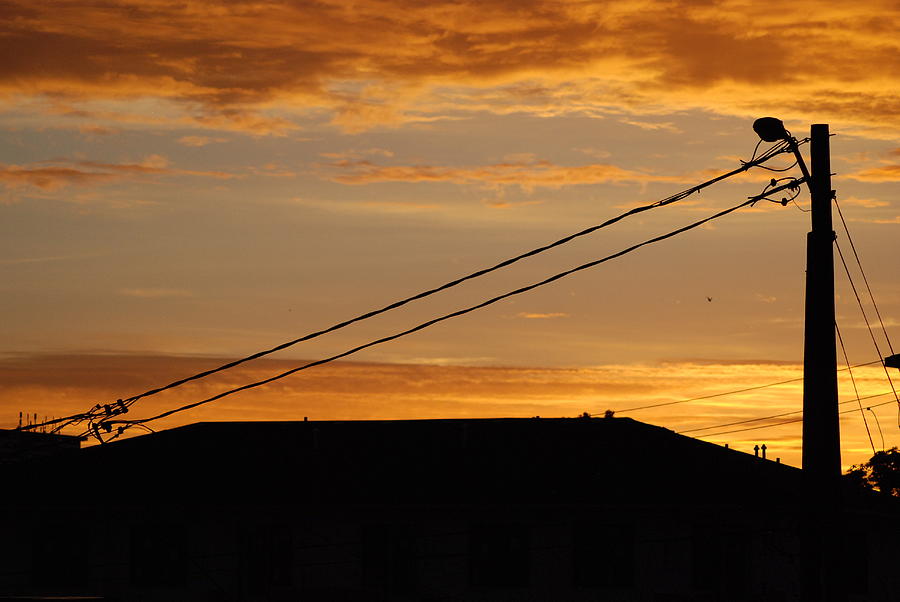
Capturing the ethereal beauty of long shadows during sunrise requires a thoughtful approach to your camera settings. These settings are crucial for ensuring that both the dramatic shadows and the delicate details of the landscape are rendered with clarity and impact. By understanding how each setting influences the final image, you can effectively translate the fleeting magic of dawn into compelling photographs.The interplay of light and shadow at sunrise presents a unique challenge.
The low angle of the sun creates elongated shadows that can add depth, texture, and a sense of scale to your compositions. However, the limited dynamic range of the scene, with bright highlights and deep shadows, demands careful control over your camera’s exposure. Mastering aperture, ISO, and shutter speed will allow you to balance these elements and preserve the visual integrity of your sunrise shadow photographs.
Aperture Settings for Depth of Field
Achieving a sharp focus throughout your frame, from the foreground shadows to the distant background, is paramount for effective shadow photography. This is primarily controlled by the aperture setting, often referred to as the f-stop. A smaller aperture (a larger f-number) will provide a greater depth of field, ensuring that more of your scene is in focus.When photographing long shadows, it is generally advisable to use a smaller aperture.
This allows you to keep both the intricate details of the shadows closest to your camera and the distant elements of the sunrise landscape sharp and well-defined.
- Recommended Aperture Range: For maximizing depth of field, aim for apertures between f/8 and f/16.
- f/8: This aperture offers a good balance between depth of field and diffraction, which can soften images at very small apertures. It’s suitable for scenes where you want a significant portion of the image in focus without sacrificing too much sharpness.
- f/11: Often considered the sweet spot for landscape photography, f/11 provides excellent depth of field while maintaining superb image sharpness. This is a go-to setting for many sunrise shadow shots.
- f/16: This aperture delivers the maximum depth of field. However, be mindful of diffraction, which can slightly reduce overall image sharpness, especially in the corners. Use f/16 when extreme foreground-to-background sharpness is absolutely critical.
- Considerations for Specific Scenes: If your composition heavily features a foreground element that you want to be tack sharp, and the background is less critical, you might be able to use a slightly wider aperture (e.g., f/5.6 or f/7.1) to achieve a shallower depth of field, isolating that foreground shadow. However, for classic long shadow photography, a smaller aperture is usually preferred.
Optimal ISO Range for Image Quality
The ISO setting controls your camera’s sensitivity to light. While increasing ISO can help in low-light conditions by allowing for faster shutter speeds or smaller apertures, it also introduces digital noise, which can degrade image quality. For sunrise photography, where light is gradually increasing, it’s essential to keep the ISO as low as possible to maintain clean images with smooth tonal transitions.Preserving shadow detail is a key objective in sunrise shadow photography.
High ISO noise can obscure these subtle details and create an unappealing grainy texture. Therefore, selecting an ISO that balances the need for adequate exposure with minimal noise is crucial.
“Lower ISO values are always preferred for cleaner images with better dynamic range and less noise. Only increase ISO when absolutely necessary to achieve a proper exposure.”
- Base ISO: Most modern cameras have a “base ISO” (often ISO 100 or 200) which produces the cleanest images with the least amount of noise. Always aim to shoot at your camera’s base ISO whenever possible.
- Extended ISO: Some cameras offer extended ISO ranges, both lower and higher. While a lower extended ISO might seem appealing, it can sometimes lead to clipping of highlights or reduced dynamic range. Stick to the native ISO range of your camera for best results.
- Acceptable Range for Sunrise: For sunrise photography, aim to keep your ISO between ISO 100 and ISO 400. Within this range, most cameras will produce images with excellent quality and minimal visible noise.
- When to Increase ISO: If you find yourself needing a faster shutter speed to freeze motion or a smaller aperture for depth of field, and even with a wide-open aperture and the longest possible shutter speed you are underexposed, you may need to increase the ISO. However, try to keep it to ISO 800 at most, and be prepared to manage noise in post-processing.
Shutter Speed for Motion Control
Shutter speed dictates how long your camera’s sensor is exposed to light. In sunrise shadow photography, shutter speed plays a vital role in how motion is rendered. You can use it to either freeze the subtle movements occurring in the scene or to intentionally blur them, creating a sense of dynamism or serenity.The choice of shutter speed will depend on your artistic intent and the elements present in your composition.
For instance, if there’s a gentle breeze causing leaves to rustle or water to ripple, you might want to capture that movement. Conversely, if your goal is to emphasize the stillness of the pre-dawn landscape, a faster shutter speed will be beneficial.
- Freezing Motion: To capture sharp details and freeze any subtle movement, such as a gentle breeze on foliage or distant wildlife, use a faster shutter speed.
- Recommended Range: Shutter speeds of 1/125 second and faster are generally effective for freezing motion. For very fast-moving elements, you might need even faster speeds.
- Blurring Motion: To convey a sense of movement, flow, or a dreamlike quality, a slower shutter speed can be employed. This is particularly effective for capturing the movement of clouds or water.
- Recommended Range: Shutter speeds from 1/4 second to several seconds can be used to blur motion. This often requires a tripod to prevent camera shake.
- Long Exposure Example: A shutter speed of 30 seconds could be used to smooth out the texture of a calm body of water, making the reflections of the sunrise and its shadows more prominent and less disturbed.
- Balancing with Exposure: Remember that shutter speed is one part of the exposure triangle. If you are using a fast shutter speed to freeze motion, you will need to compensate with a wider aperture or a higher ISO to achieve a correct exposure. Conversely, a slow shutter speed will allow you to use a smaller aperture and lower ISO, which is often desirable for shadow photography.
Camera Settings Checklist for Sunrise Shadows
Before heading out to capture the magic of sunrise shadows, having a prepared checklist of your camera settings ensures that you are ready to seize the moment without fumbling with your equipment. This proactive approach allows you to focus on composition and light, rather than technical adjustments.This checklist is designed to be a starting point, and you should always adjust settings based on the specific lighting conditions and your creative vision.
Familiarizing yourself with these settings beforehand will significantly enhance your shooting experience and the quality of your final images.
| Setting | Recommended Value/Range | Purpose |
|---|---|---|
| Mode | Aperture Priority (Av/A) or Manual (M) | Aperture Priority allows you to control depth of field, while Manual gives full control. |
| Aperture (f-stop) | f/8 to f/16 | Maximizes depth of field for sharp foreground and background shadows. |
| ISO | ISO 100 – 400 | Maintains image quality and preserves shadow detail by minimizing noise. |
| Shutter Speed | Varies (e.g., 1/125s+ for freezing, 1/4s to several seconds for blurring) | Controls motion rendering (sharpness or blur). Adjust to achieve correct exposure. |
| Metering Mode | Evaluative/Matrix or Center-Weighted | Helps the camera assess the overall light in the scene for balanced exposure. |
| White Balance | Daylight or Cloudy (or Custom/Kelvin for precise control) | Captures the warm tones of sunrise accurately. |
| Focus Mode | Manual Focus (MF) or Single-Point Autofocus (AF-S) | Ensures precise focus on your desired subject, especially important for depth of field. |
| Image Format | RAW | Provides maximum flexibility for post-processing and recovering shadow/highlight detail. |
| Drive Mode | Single Shot or Continuous Low | Single shot for deliberate framing, Continuous Low for capturing subtle changes. |
Compositional Techniques for Emphasizing Sunrise Shadows
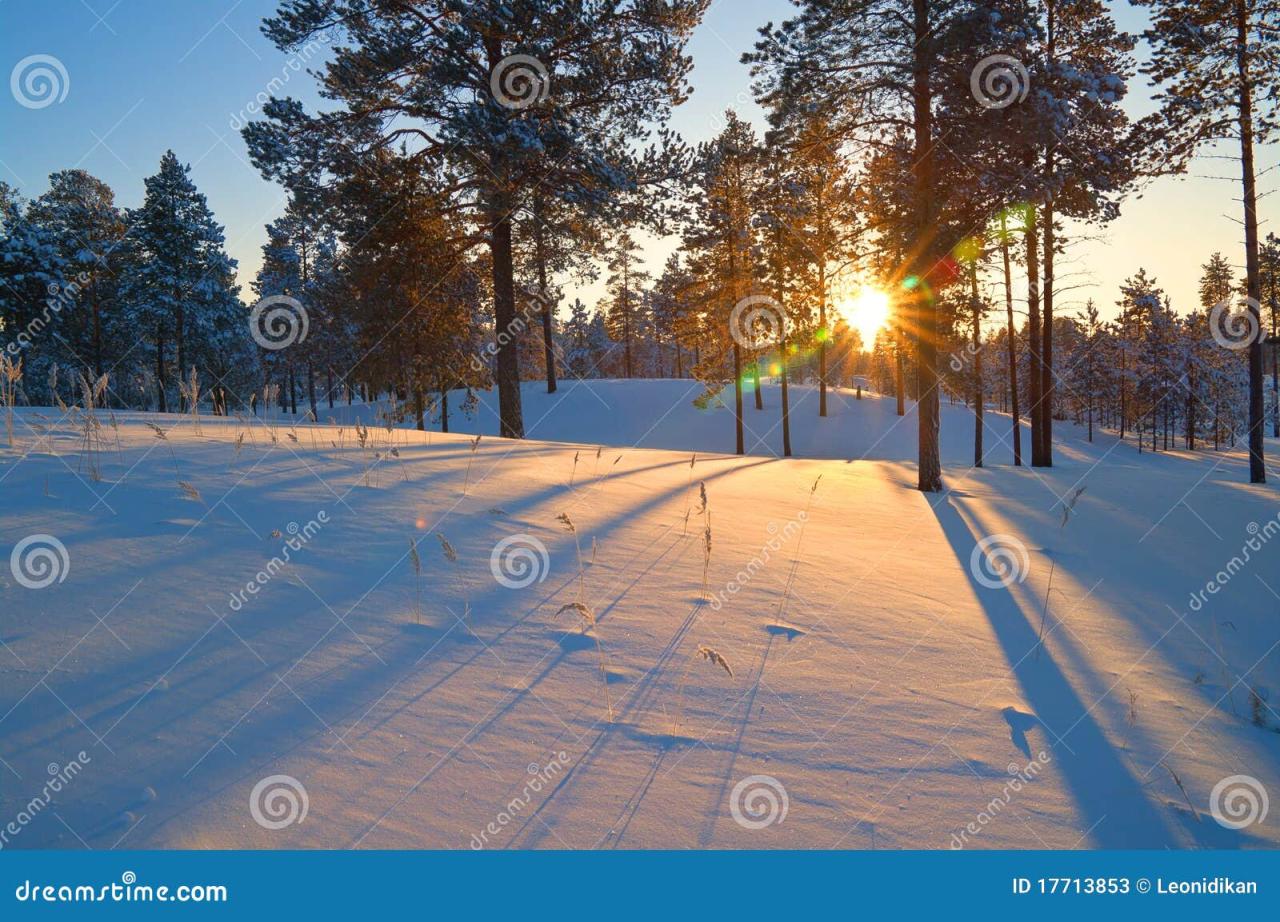
Capturing the magic of sunrise shadows involves more than just pointing your camera at the right time; it requires a thoughtful approach to composition. By strategically arranging elements within your frame, you can transform elongated shadows from mere byproducts of light into powerful compositional tools that guide the viewer’s eye and enhance the emotional impact of your photographs. This section will explore various techniques to achieve this.The interplay between light and shadow is fundamental to compelling visual storytelling.
During sunrise, the low angle of the sun creates dramatic, elongated shadows that can add depth, texture, and a sense of movement to your images. Mastering compositional techniques will allow you to harness this ephemeral light to its fullest potential.
Using Leading Lines to Guide the Viewer’s Eye
Leading lines are a cornerstone of photographic composition, directing the viewer’s gaze through the image and towards the main subject or point of interest. Sunrise shadows, with their inherent length and directional quality, are natural candidates for this technique.A framework for using leading lines with sunrise shadows involves identifying and accentuating the linear elements that the shadows create. This could be the shadow of a fence post, a tree, a building, or even a person.
The key is to position yourself so that these shadows extend from the edge of the frame or from a point of interest towards another significant element or the center of the image.
- Identify Natural Lines: Look for objects that cast distinct shadows. These can be man-made structures like fences, walls, or piers, or natural elements such as tree branches, rocks, or even undulating terrain.
- Positioning for Flow: Experiment with different vantage points to ensure the shadow’s path leads the eye smoothly. A shadow that curves gently or extends directly towards the horizon can be particularly effective.
- Contrast and Emphasis: Ensure there is sufficient contrast between the shadow and the illuminated surface to make the line clearly visible. Sometimes, a slightly darker shadow against a lighter ground will naturally create a stronger leading line.
- Subject Placement: The end of a leading shadow can be an excellent place to position your main subject, drawing the viewer’s attention directly to it.
For instance, imagine a long, thin shadow cast by a solitary tree stretching across a dewy field towards the rising sun. By placing the camera low to the ground, you can exaggerate the length of the shadow, making it a powerful diagonal line that pulls the viewer’s eye from the foreground towards the silhouette of the tree against the colorful sunrise sky.
The Rule of Thirds and Shadow Interaction
The rule of thirds is a classic compositional guideline that suggests dividing your frame into nine equal sections by two horizontal and two vertical lines. Placing key elements along these lines or at their intersections can create a more balanced and visually appealing image. When dealing with sunrise shadows, this rule can be employed to position subjects in relation to, or in contrast with, the shadows.To effectively use the rule of thirds with shadows, consider how the shadows can define or interact with your subject.
You might place your subject on one of the intersection points, with its shadow extending along a third line, or have the shadow itself act as one of the compositional lines.
- Subject on an Intersection: Place your main subject at one of the four intersection points of the rule of thirds grid. The shadow cast by the subject can then extend along a horizontal or vertical line, or even diagonally across the frame, adding dynamism.
- Shadow as a Defining Element: Use the shadow to define the shape or form of your subject. For example, a person standing in the frame might be partially obscured or Artikeld by a long shadow, creating an intriguing silhouette effect.
- Balancing Light and Shadow: Position your subject in the light and allow its shadow to fall into another third of the frame, creating a visual balance. Alternatively, place the subject in shadow, with a sliver of light or its elongated shadow leading the eye.
- Horizon Placement: If the sunrise is a key element, place the horizon on the upper or lower horizontal line, depending on whether you want to emphasize the sky or the foreground landscape where the shadows are prominent.
Consider a photograph where a person is walking away from the camera, their long shadow stretching across the foreground. If the person is placed on the right vertical third line, and their shadow extends diagonally towards the bottom left intersection, this creates a dynamic composition that leads the viewer’s eye through the scene, emphasizing both the subject and the vastness of the landscape.
Framing Techniques with Natural Elements
Framing involves using elements within the scene to create a visual border around your subject, adding depth and context. During sunrise, natural elements can be particularly effective for framing, especially when they are themselves affected by the long shadows.Creating effective framing with natural elements requires careful observation of the scene to identify potential foreground or mid-ground elements that can act as a natural border.
These elements should complement, rather than compete with, the main subject and the shadows.
- Arches and Doorways: Natural arches, cave entrances, or even gaps between trees can act as frames. Position yourself so the sunrise shadows pass through or frame the opening, leading the viewer’s eye to the scene beyond.
- Branches and Foliage: Overhanging tree branches or clusters of leaves can create a dappled frame. The shadows cast by these elements can add texture and pattern within the frame itself.
- Rock Formations: Interesting rock formations can provide natural openings or lines that can be used to frame the sunrise and its accompanying shadows.
- Foreground Elements: Low-lying branches, tall grasses, or even a line of rocks in the foreground can be used to frame the view, with the long shadows of these elements extending into the composition.
An example could be a shot taken through the branches of a gnarled tree. The branches themselves form a natural frame, and if the rising sun casts long, distinct shadows from these branches across the foreground, it adds a layered and textural quality to the image, drawing attention to the illuminated landscape beyond.
Using Negative Space to Highlight Shadows
Negative space refers to the empty or unoccupied areas in a photograph. In the context of sunrise shadows, negative space is crucial for isolating and emphasizing the elongated forms, allowing them to breathe and command attention.The strategic use of negative space can make a single, striking shadow the hero of your image. This involves simplifying the composition and ensuring that the areas around the shadow are relatively uncluttered.
- Vast Open Areas: A wide, empty beach, a flat desert landscape, or a still body of water can provide ample negative space. A single, sharp shadow cast across these expanses will stand out dramatically.
- Minimalist Backgrounds: A plain sky or a smooth, featureless wall can serve as a minimalist background that allows a shadow to be the sole focus.
- Contrast with Subject: Place a small subject in a large area of negative space, allowing its shadow to stretch out and dominate the composition.
- Emphasizing Shape and Form: Negative space helps to define the shape and length of the shadow, emphasizing its graphic qualities without distraction.
Imagine a photograph of a single, tall figure standing on a vast, flat plain. The rising sun casts an extremely long shadow that stretches far across the ground. By placing the figure and its shadow off-center, and leaving a large portion of the frame as uncluttered sky or land, the shadow becomes a dominant visual element, conveying a sense of solitude and grandeur.
Foreground Elements for Scale and Anchoring
Foreground elements play a vital role in adding depth, context, and a sense of scale to your photographs. When capturing sunrise shadows, incorporating foreground elements can anchor the composition and give the viewer a reference point to understand the true length and impact of the shadows.By placing objects or textures in the immediate foreground, you provide a tangible comparison for the viewer, making the elongated shadows feel more substantial and real.
- Textural Foreground: Use elements with interesting textures, such as sand dunes, pebbles, or rough ground, in the foreground. The shadows cast by these textures will add detail and complexity to the lower part of your image.
- Man-made Objects: A fence, a discarded object, or a lone signpost in the foreground can provide a strong anchor. The shadow cast by this object will then extend into the scene, creating a sense of narrative.
- Natural Landmarks: A distinctive rock, a small bush, or a patch of flowers in the foreground can serve as a focal point, with their shadows leading the eye into the wider scene.
- Human or Animal Presence: A silhouette of a person or an animal in the foreground, with its shadow stretching out, can add a sense of scale and relatability.
Consider a photograph where a weathered wooden pier extends into the sea. The rising sun casts long, sharp shadows from the pier’s pilings across the wet sand in the foreground. These shadows, anchored by the solid structure of the pier, give the viewer an immediate understanding of the scale of the scene and the dramatic quality of the sunrise light.
Gear and Equipment Considerations for Sunrise Shadow Photography
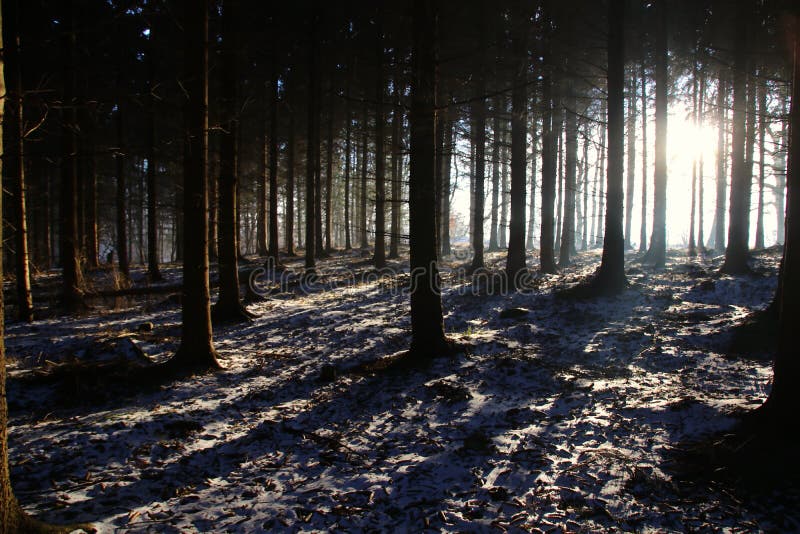
Capturing the dramatic long shadows of sunrise requires thoughtful consideration of your gear. The right equipment can significantly enhance your ability to translate the ethereal light and striking shadow forms into compelling photographs. This section will guide you through the essential tools that will empower your sunrise shadow photography.Selecting the appropriate lenses is crucial for effectively conveying the expansive beauty of sunrise landscapes and the intricate details within the shadows.
For wide, sweeping vistas that showcase the vastness of the scene and the elongated shadows stretching across the terrain, a wide-angle lens is indispensable. These lenses, typically ranging from 14mm to 35mm on a full-frame sensor, can encompass a broad field of view, allowing you to include the entire interplay of light and shadow. Conversely, to isolate and emphasize specific textural details within the shadows, or to compress perspective and make distant shadows appear closer and more prominent, a telephoto lens can be extremely beneficial.
Lenses in the 70mm to 200mm range, or even longer, are excellent for this purpose. Prime lenses, known for their sharpness and often wider apertures, can also be valuable for their image quality and ability to perform well in the low light conditions typical of sunrise.
Essential Lenses for Capturing Expansive Landscapes and Detailed Shadow Textures
When embarking on sunrise shadow photography, your choice of lenses will profoundly impact the final image. Wide-angle lenses are ideal for establishing the grandeur of the scene, while telephoto lenses allow for focused study of shadow intricacies.
- Wide-Angle Lenses (e.g., 14mm-35mm): These lenses are paramount for capturing the sweeping panoramas characteristic of sunrise. They allow you to include the entire expanse of the sky and land, ensuring that the full length and drama of the shadows are visible. For instance, a 16mm lens on a full-frame camera can capture a vast mountain range with shadows stretching for miles, emphasizing the scale of the landscape.
- Telephoto Lenses (e.g., 70mm-200mm and beyond): These lenses are invaluable for isolating specific elements and accentuating the textures and patterns within the shadows. They compress perspective, making distant shadows appear more impactful and detailed. A 200mm lens might be used to capture the textured surface of a rock formation casting a long, sharp shadow across a field, highlighting the subtle gradients and forms within the shaded area.
- Standard Zoom Lenses (e.g., 24mm-70mm): Offering versatility, these lenses can bridge the gap between wide-angle and telephoto. They are excellent for general landscape shots and can be adjusted to frame both broader scenes and more specific shadow details without changing lenses frequently.
Benefits of Using a Tripod for Stability During Low-Light Sunrise Shoots
Sunrise photography often takes place in challenging low-light conditions, making camera stability a paramount concern. A sturdy tripod is not merely an accessory but an essential tool for achieving sharp, noise-free images when light is scarce.A tripod provides the unwavering support necessary to use slower shutter speeds without introducing motion blur. In the dim light of dawn, you will likely need to use longer exposure times to gather enough light to properly expose your image, especially if you want to capture detail in the shadows.
Without a tripod, any camera movement during these extended exposures will result in a blurry photograph, rendering the intricate details of the shadows lost. Furthermore, a tripod enables precise composition. It allows you to meticulously frame your shot and make minor adjustments with confidence, knowing that the camera will remain in the exact position you set it. This is particularly important when aligning shadows with foreground elements or creating leading lines.
The Role of Filters in Managing Light for Shadow Exposure
Filters play a critical role in sunrise shadow photography by helping to balance the extreme dynamic range of the scene, ensuring that both the bright sky and the dark shadows are captured with detail.Neutral Density (ND) filters are particularly useful for managing the intense light of sunrise. They reduce the amount of light entering the lens uniformly across the spectrum, allowing for longer exposure times without overexposing the brighter parts of the scene.
This is crucial for capturing detail in the shadows. For instance, a 3-stop ND filter might allow you to use a shutter speed that smooths out water or captures cloud movement while still retaining detail in the foreground shadows.Graduated Neutral Density (GND) filters are even more specialized for landscape photography. These filters have a clear section that transitions to a darker, neutral density section.
They are used to darken a portion of the scene, typically the sky, to match the exposure of the foreground. This is incredibly beneficial during sunrise when the sky is often much brighter than the landscape where the long shadows are cast. By using a soft-edge or hard-edge GND filter, you can effectively balance the exposure between the bright sky and the shadowed foreground, preventing the sky from being blown out and ensuring that the details within the shadows are visible.
Accessories That Enhance the Shooting Experience at Sunrise
Beyond the camera and lenses, several accessories can significantly improve your sunrise shadow photography experience, making the early morning shoot more comfortable and productive.
- Remote Shutter Release: Using a remote shutter release, whether wired or wireless, eliminates the need to physically touch the camera when taking a photo. This is vital for preventing camera shake, especially when using a tripod and longer exposures, ensuring maximum sharpness.
- Headlamp or Flashlight: Navigating in the pre-dawn darkness can be challenging. A headlamp or flashlight is essential for safely finding your location, setting up your gear, and making adjustments without fumbling. Many headlamps offer a red light option, which is less disruptive to your night vision and the surrounding environment.
- Extra Batteries: Cold temperatures can drain camera batteries more quickly. It is always wise to carry at least one spare battery, fully charged, to ensure you don’t miss any critical moments due to a depleted power source.
- Lens Cleaning Kit: Dew can form rapidly in the cool morning air. A microfiber cloth and a lens cleaning solution are indispensable for keeping your lens free of moisture and smudges, which can degrade image quality.
- Weather-Appropriate Clothing: Sunrise shoots often require being outdoors before or during the coolest parts of the day. Dressing in layers and wearing waterproof or windproof outer garments will ensure your comfort and allow you to focus on photography rather than the elements.
- Sturdy Camera Bag or Backpack: A well-designed bag will protect your gear from the elements and make it easier to carry everything you need to your shooting location. Look for one with comfortable straps and ample padding.
Practical Steps for Shooting Long Shadows at Sunrise
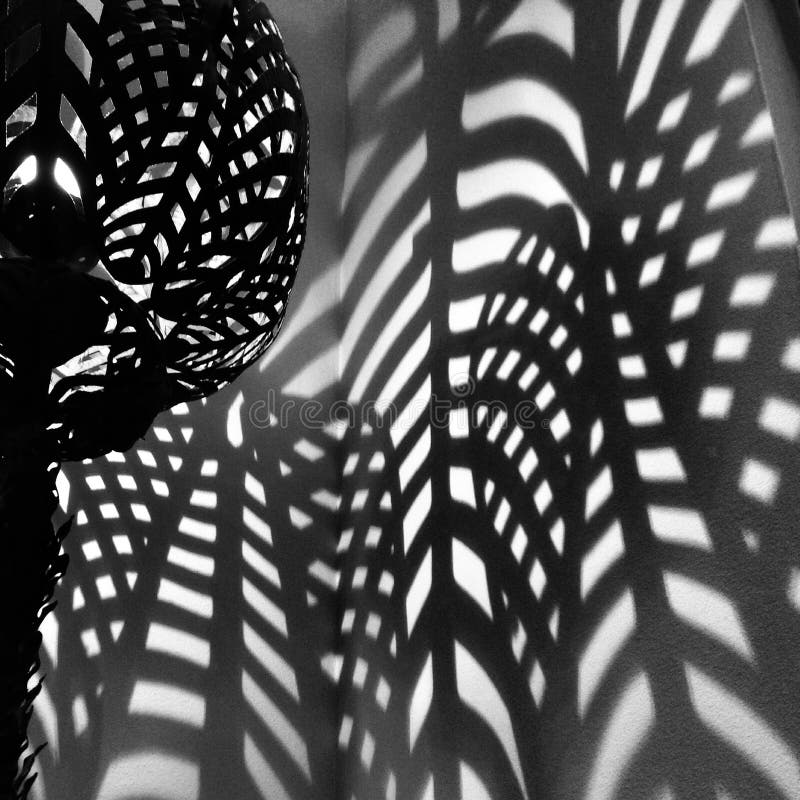
Capturing dramatic long shadows during sunrise requires a blend of preparation, precise timing, and thoughtful execution. This section will guide you through the essential steps to achieve stunning results, from finding the perfect location to refining your final images. By following these practical steps, you can transform a simple sunrise into a masterful display of light and shadow.
Location Scouting for Dramatic Shadow Play
The foundation of compelling shadow photography lies in selecting a location that offers interesting elements to cast shadows. Effective scouting involves looking for foreground and background features that will interact with the low-angle sunlight.
- Identify Leading Lines: Look for natural or man-made elements that create a path into the scene, such as fences, roads, rivers, or rows of trees. These can guide the viewer’s eye and accentuate the length of the shadows.
- Observe Potential Obstructions: Consider how objects like buildings, rocks, or vegetation will interact with the light. These can create complex and intriguing shadow patterns.
- Assess Foreground Interest: A strong foreground can anchor your image and provide a canvas for the emerging shadows. Look for textures, patterns, or unique shapes.
- Consider Depth and Layers: Locations with multiple planes of interest, from the immediate foreground to distant horizons, allow for shadows to stretch across varying distances, adding a sense of scale and depth.
- Visualize the Light’s Path: Spend time in your chosen location at different times of day, but especially around sunrise, to understand how the light will fall and where shadows will form.
Timing Your Arrival for Peak Shadow Elongation
The period just after the sun crests the horizon is when shadows are at their longest and most dramatic. Arriving too early or too late can significantly impact the visual appeal of your shots.
The ideal window for capturing the most pronounced shadows typically begins about 15-30 minutes after the sun has officially risen. At this point, the sun is still very low in the sky, and its rays are casting extremely elongated shadows across the landscape. This period offers a unique quality of light that is both soft and directional, creating a beautiful interplay between illuminated areas and deep, rich shadows.
Adjusting Exposure for Dynamic Range
Capturing both the bright, luminous sky and the deep, detailed shadows in a single frame is a common challenge in sunrise photography. Careful exposure adjustments are crucial to preserve these details.
When the sun is low, the difference between the brightest and darkest parts of the scene (the dynamic range) can be extreme. To handle this, you’ll want to prioritize exposing for the highlights to avoid blowing them out, while simultaneously trying to retain as much detail as possible in the shadows. This often means underexposing slightly from what a standard meter might suggest.
“Expose for the highlights, and recover the shadows.”
This common photographic mantra is particularly relevant here. By ensuring the bright areas are correctly exposed, you prevent a loss of detail. Post-processing can then be used to lift the shadows, revealing detail that might otherwise be lost.
Bracketing Exposures for Wider Dynamic Range
For scenes with very high contrast, bracketing exposures is an indispensable technique to ensure you capture all the necessary detail. This involves taking multiple shots of the same scene at different exposure levels.
When shooting long shadows at sunrise, the dynamic range can often exceed what a single exposure can capture. Bracketing allows you to create a set of images that cover the full spectrum of light. You will typically take one exposure that is correctly exposed for the mid-tones, one that is underexposed to capture the highlights, and one that is overexposed to reveal detail in the shadows.
These bracketed images can then be combined in post-processing software using a technique called High Dynamic Range (HDR) imaging. This process merges the information from each exposure to create a final image with a much wider tonal range, showcasing detail in both the brightest skies and the deepest shadows.
Workflow for Reviewing and Selecting Images
Once you’ve captured your sunrise shots, a systematic workflow for reviewing and selecting the best images will help you identify those that truly showcase the long shadows effectively.
- Initial Review on Location: Use your camera’s LCD to quickly review your shots. Look for images where the shadows are clearly defined and extend significantly across the scene. Check for sharpness and overall composition.
- Transfer and Backup: As soon as possible, transfer your images to a computer and create a backup. This is a crucial step to protect your work.
- Detailed Review in Software: Using photo editing software, examine your images at 100% zoom. Pay close attention to the details in both the highlights and the shadows. Look for images where the shadow shapes are interesting and complement the overall scene.
- Assess Shadow Impact: Evaluate how the shadows contribute to the mood and storytelling of the image. Do they add drama, depth, or guide the viewer’s eye?
- Consider Composition and Light: Re-evaluate the composition and the quality of light. Are the shadows an integral part of the composition, or do they feel like an afterthought?
- Select Your Best: Choose the images that best represent the dramatic interplay of light and shadow, are technically sound, and evoke the desired feeling. It’s often helpful to make a shortlist first and then refine it to your absolute favorites.
Post-Processing Techniques to Enhance Sunrise Shadows
Capturing the dramatic interplay of light and shadow during sunrise is only the first step. Post-processing offers a powerful toolkit to refine these images, bringing out the full potential of the scene and ensuring your long shadows tell a compelling story. This stage allows you to fine-tune details, enhance mood, and create a truly impactful photograph.The goal in post-processing sunrise shadows is to balance the preservation of detail in both the deepest shadows and the brightest highlights, while also enhancing the defining characteristics of the shadows themselves.
This involves a series of deliberate adjustments that work in harmony to create a visually stunning final image.
Adjusting Shadow and Highlight Sliders
The shadow and highlight sliders in most editing software are fundamental tools for revealing detail in areas that might otherwise appear too dark or too bright. Understanding how to use them effectively is crucial for managing the dynamic range of your sunrise shots.When adjusting the shadow slider, a slight increase can often bring out subtle textures and details within the darker parts of your image, such as the ground or the edges of objects casting shadows.
Conversely, if your shadows are too dark and appear as solid black masses, a careful lift can reintroduce information without making them look unnaturally bright.The highlight slider is equally important for managing the intense light of the rising sun. Decreasing the highlight slider can help to recover detail in the sky or on illuminated surfaces that might be blown out.
This process helps to maintain a more natural and balanced exposure across the entire image.A common approach involves making these adjustments globally first, and then refining them with local adjustments. For instance, you might lift shadows slightly across the entire image to ensure no important details are lost, and then use a brush or gradient to further brighten specific shadow areas that require more attention.
Sharpening Shadow Edges
Long shadows are defined by their edges. Sharpening these edges can significantly enhance their visual impact and give them a crisp, defined appearance, making them stand out more prominently in the composition.Over-sharpening can lead to halos and artifacts, so it’s essential to apply sharpening judiciously. Many editing programs offer selective sharpening tools, which allow you to target specific areas of the image.Here are some effective techniques for sharpening shadow edges:
- Masking: Apply sharpening only to the shadow areas, avoiding the sky or brightly lit elements. This can be achieved by creating a luminosity mask or using a brush with a low opacity and flow to paint over the shadow edges.
- Clarity and Texture Sliders: In software like Adobe Lightroom or Photoshop, the Clarity and Texture sliders can be used to enhance local contrast. Applying these subtly to shadow edges can add definition without the harshness of traditional sharpening.
- Unsharp Mask (USM) or Smart Sharpen: When using these tools, pay close attention to the radius and amount settings. A smaller radius is generally better for sharpening edges, while the amount controls the intensity. Experiment with the “Advanced” settings in Smart Sharpen to control sharpening based on tonal range, allowing you to target shadows specifically.
- Dehaze: In some cases, the Dehaze slider can also help to increase contrast along shadow edges, making them appear more defined. Use this with caution, as it can also affect the overall color and tone.
Selective Darkening or Brightening
Beyond global adjustments, selective editing allows you to guide the viewer’s eye and further emphasize the form and drama of the shadows. This involves using tools like brushes, gradients, and dodge and burn techniques to precisely control the brightness of specific areas.Selective darkening can be used to deepen shadows, making them more imposing and creating a stronger sense of depth and mystery.
Conversely, selective brightening can be employed to reveal subtle details within the shadows, adding texture and preventing them from appearing flat.Consider these methods for selective adjustments:
- Dodging and Burning: This classic technique, now replicated digitally, involves selectively lightening (dodging) or darkening (burning) specific areas of the image. Use a soft-edged brush with low opacity and flow to build up the effect gradually. For sunrise shadows, you might burn the deepest parts of the shadow to increase its intensity or dodge along the illuminated edge of a shadow to make it pop.
- Gradient Filters: Linear or radial gradients can be used to subtly adjust exposure over larger areas. For example, a subtle darkening gradient applied from the bottom of the frame can enhance the feeling of the shadows stretching towards the viewer.
- Adjustment Brushes: These brushes offer precise control over exposure, contrast, and other parameters within a defined area. You can use them to brighten specific details within a shadow or to darken a shadow that feels too light and is distracting from the main subject.
- Luminosity Masks: For advanced control, luminosity masks allow you to create selections based on the brightness values of the image. This enables you to target very specific tonal ranges, such as only the darkest shadows or the mid-tones within a shadow, for targeted adjustments.
Color Grading Strategies
Color grading plays a pivotal role in enhancing the mood and atmosphere of sunrise photographs, especially when focusing on shadows. The goal is to create a harmonious color palette that complements the warm hues of sunrise and the cooler tones often found in shadows.Sunrise light is typically characterized by warm oranges, yellows, and reds. Shadows, on the other hand, can often appear cooler, with blues and purples, especially if they are cast upon surfaces that have a cooler inherent color or are reflecting the cooler tones of the sky.Here are some color grading strategies to consider:
- Balancing Warm and Cool Tones: Use the white balance or color temperature sliders to subtly adjust the overall warmth of the image. You might want to slightly warm the highlights to emphasize the sunrise colors and introduce a cooler cast to the shadows.
- Split Toning: This technique allows you to apply different colors to the highlights and shadows independently. For sunrise shadows, you could apply warm tones (e.g., golden orange) to the highlights and cooler tones (e.g., deep blue or violet) to the shadows. This creates a visually appealing contrast and enhances the perception of light and shadow.
- HSL Adjustments (Hue, Saturation, Luminance): The HSL panel offers granular control over individual color ranges. You can adjust the hue of blues in the shadows to make them richer, or slightly desaturate overly intense reds in the sunrise to prevent them from overpowering the scene.
- Color Balance Tool: This tool provides a more intuitive way to shift the color balance of shadows, midtones, and highlights towards specific colors. For example, you can push the shadows towards blue to enhance their coolness or push the midtones towards yellow to strengthen the sunrise feel.
- Vibrance and Saturation: Use these sliders judiciously. Increasing vibrance can subtly boost the intensity of the sunrise colors without making them look unnatural, while saturation can be used to enhance the richness of specific colors in the shadows.
Editing Presets for Sunrise Shadow Photographs
Developing a set of editing presets can streamline your workflow and ensure consistency across your sunrise shadow photography. These presets act as starting points, which you can then fine-tune for each individual image.A good set of presets for this genre should address the common challenges and opportunities presented by sunrise light and long shadows. They should aim to enhance detail, manage dynamic range, and create a pleasing color palette.Here are some examples of presets and their intended applications:
- “Golden Hour Glow”: This preset would focus on slightly warming the entire image, boosting the vibrance of warm tones, and perhaps adding a subtle vignette to draw attention to the center. It would likely include a moderate lift in the shadows to reveal detail without making them too bright.
- “Dramatic Shadows”: This preset would emphasize contrast. It might involve slightly darkening the shadows, sharpening shadow edges, and perhaps introducing cooler tones into the shadow areas through split toning. The highlights might be slightly reduced to prevent overexposure.
- “Misty Morning Light”: This preset would aim for a softer look. It could involve reducing contrast slightly, increasing clarity in the midtones, and perhaps applying a subtle desaturation to create a more ethereal feel. Shadows would be lifted gently to retain detail without appearing harsh.
- “Defined Edges”: This preset would prioritize sharpness and definition. It would include targeted sharpening of shadow edges, potentially using clarity or texture sliders. The overall contrast might be slightly increased to make the shadows stand out more distinctly.
- “Cool Shadow Contrast”: This preset would specifically focus on the color interplay. It would likely involve split toning with warm highlights and cool shadows, and perhaps a slight desaturation of warm tones to allow the cool shadow colors to be more prominent.
Remember that presets are starting points. Each image is unique, and further manual adjustments will almost always be necessary to achieve the best results.
Last Recap
By understanding the physics of light, mastering camera settings, employing thoughtful composition, selecting the right gear, and refining your post-processing workflow, you are now well-equipped to seize the magic of sunrise shadows. May your future dawn shoots be filled with the elongated, captivating forms that tell stories of light and time.