Capturing dancers in motion presents a captivating challenge that combines technical skill with artistic vision. This guide explores essential techniques to freeze or emphasize movement, utilize optimal lighting, and compose compelling images that convey the energy and grace of dance. Whether you are a professional photographer or an enthusiastic hobbyist, mastering these elements will elevate your dance photography to new heights.
From selecting the right camera settings and lighting arrangements to employing creative post-processing methods, this comprehensive overview provides valuable insights to help you successfully capture the fleeting beauty of dancers in motion. Understanding these core principles will enable you to create vivid, impactful images that truly tell a story of movement and emotion.
Techniques for capturing dancers in motion

Capturing dancers in motion requires a combination of precise camera settings and strategic shooting techniques to convey the energy, grace, and dynamism of dance performances. Properly adjusting camera parameters ensures that the motion is either frozen with sharp clarity or artistically blurred to showcase movement, depending on the creative intent. Understanding how to optimize these settings is essential for producing compelling dance photography that highlights the artistry of movement.
In this discussion, we will explore various camera settings, including shutter speed, aperture, and ISO, and provide practical procedures for employing both slow and high shutter speeds. This knowledge enables photographers to adapt to different dance styles and lighting conditions, capturing motion in a way that aligns with their desired visual effect.
Camera settings optimized for motion capture
Effective dance photography hinges on selecting the appropriate camera settings that balance exposure, motion clarity, and image quality. The key parameters to consider are shutter speed, aperture, and ISO, each playing a vital role in capturing dancers in motion with precision and artistic expression.
- Shutter Speed: Determines how quickly the camera’s sensor is exposed to light. Fast shutter speeds (e.g., 1/1000s) freeze motion, capturing crisp images of rapid movements. Slower shutter speeds (e.g., 1/30s) introduce motion blur, emphasizing fluidity and directionality.
- Aperture: Controls depth of field and the amount of light entering the lens. A wider aperture (e.g., f/2.8) permits more light and creates a shallow depth of field, isolating dancers from the background. Narrower apertures (e.g., f/8) increase depth of field but require more light or higher ISO settings.
- ISO: Adjusts sensor sensitivity to light. Higher ISO settings (e.g., ISO 1600) are useful in low-light environments but may introduce noise. Lower ISO (e.g., ISO 100) produces cleaner images but requires sufficient lighting or longer exposures.
Step-by-step procedures for using slow shutter speeds in dance photography
When aiming to capture the elegant flow and movement lines of dancers, slow shutter speeds are employed to create a sense of motion blur that emphasizes fluidity. Follow these steps:
- Set your camera to manual or shutter priority mode to have control over shutter speed.
- Choose a relatively slow shutter speed, such as 1/30s to 1/60s, depending on the speed of the dance movement.
- Use a tripod or stabilize the camera to prevent unintended camera shake, which can blur the entire image.
- Adjust the aperture to achieve proper exposure, typically a narrower aperture like f/8, to compensate for reduced light from slower shutter speeds.
- Set ISO to a low value (e.g., ISO 100-400) to minimize noise, especially in well-lit environments.
- Capture images during dynamic movements, allowing the motion blur to illustrate the dance’s flow and energy.
Step-by-step procedures for using high shutter speeds in dance photography
To freeze fast-moving dance moves with clarity, high shutter speeds are essential. The following guidelines facilitate sharp, detailed captures:
- Activate shutter priority mode or manual mode, setting shutter speed to at least 1/1000s for rapid motion.
- Open the aperture wide (e.g., f/2.8 to f/4) to allow maximum light entry, compensating for the fast shutter speed.
- Increase ISO sensitivity (e.g., ISO 800-1600) if lighting conditions are limited, ensuring proper exposure without underexposure.
- Use continuous autofocus mode to keep the moving dancer in sharp focus throughout the shot.
- Utilize burst mode or continuous shooting to capture multiple frames in rapid succession, increasing the chances of getting the perfect frozen moment.
- Ensure proper lighting or employ external lights if necessary to maintain image quality at high shutter speeds.
Comparison table of motion capture techniques
| Technique | Advantages | Disadvantages | Best suited for |
|---|---|---|---|
| Slow shutter speed |
|
|
Expressive, artistic dance photos emphasizing motion flow |
| High shutter speed |
|
|
Action-packed dance moments and detailed motion freeze |
Lighting Setups and Their Impact on Motion
Effective lighting plays a vital role in dance photography, especially when capturing dynamic movement. Properly designed lighting setups can either freeze motion sharply or emphasize the fluidity of movement through intentional blur and highlights. Understanding how different lighting arrangements influence the perception of motion allows photographers to craft expressive and impactful dance images.
Lighting techniques tailored for dance photography enhance the visual storytelling by controlling shadows, highlights, and the overall mood of the shot. Whether aiming to freeze a dancer mid-air or to convey the energy of a spinning turn, the choice of lighting setup significantly affects the final image quality and emotional impact.
Lighting Techniques for Freezing or Emphasizing Movement
Capturing dance in motion requires a deliberate approach to lighting that complements the movement’s speed and grace. Two primary objectives often guide lighting choices: freezing fast action with sharp, well-defined illumination or highlighting the movement’s energy through motion blur and dynamic shadows.
- High-Speed Flash (Strobe Lighting): Utilizes powerful, short-duration flashes synchronized with the camera’s shutter to freeze rapid movements. This technique ensures crisp, detailed images of dancers in motion, ideal for capturing leaps, jumps, or fast spins with minimal motion blur.
- Continuous Lighting with Fast Shutter Speeds: Employs continuous lights such as LED panels or tungsten sources, combined with high shutter speeds (e.g., 1/200s or faster). This setup allows real-time visualization of movement, suitable when natural or ambient light is insufficient.
- Dynamic Backlighting and Rim Lighting: Positions light sources behind or to the side of the dancer to create halos or rim effects that emphasize contours and movement direction, adding depth and drama to the shot.
- Slow Shutter with Saturated Colors: Uses longer exposure times with colored gels or mixed lighting to create motion trails or streaks, effectively illustrating energy and flow in dance sequences.
Positioning Lights for Dynamic Dance Photography
Strategic placement of lights ensures that motion is captured with clarity or artistic emphasis. The following guidelines assist photographers in setting up lighting arrangements that optimize motion portrayal in dance imagery:
- Front Lighting: Position lights directly facing the dancer to evenly illuminate and freeze motion. This setup minimizes shadows, revealing intricate details of movement and costume textures.
- Side Lighting: Place lights at 90 degrees to the subject to accentuate form and create dramatic shadows that convey depth and motion. Side lighting is effective for emphasizing muscle tone and movement contours.
- Backlighting: Position lights behind the dancer to produce a silhouette or halo effect, emphasizing the Artikel and the dynamism of the pose. Backlighting also enhances motion trails when combined with longer exposures.
- High and Low Angles: Experiment with lighting from above or below to cast unique shadows and highlight specific body parts, adding artistic interest and dimension to motion-filled shots.
Proper balance and direction of lighting are crucial for achieving desired effects, whether aiming for sharp freeze frames or expressive motion blur. Adjustments based on dance style, speed, and environment further refine the visual outcome.
Lighting Configuration Examples
| Configuration | Description | Visual Effect |
|---|---|---|
| High-Speed Strobe + Front Fill | Use a powerful strobe directly in front of the dancer with fill lights to reduce shadows. | Crisp, detailed freeze of rapid movements, ideal for athletic dance styles. |
| Side Rim Lights + Continuous Ambient | Place rim lights on either side at 45°, with ambient fill to soften shadows. | Enhanced depth with contours emphasized, conveying motion and energy. |
| Backlight + Colored Gels + Slow Shutter | Set a backlight with colored gels, combined with slow shutter speed to produce motion trails. | Dynamic streaks and an artistic representation of movement flow. |
| Overhead Soft Light + Spotlights | Utilize overhead softboxes for even illumination, adding spotlights for emphasis on specific gestures. | Balanced lighting highlighting choreography while capturing fluid motion. |
Note: Combining different lighting techniques and positions allows customization based on dance style, speed, and mood. Experimenting with lighting angles and intensities can reveal new artistic possibilities in dance photography.
Composition Strategies for Dynamic Dance Images
Capturing dancers in motion requires not only technical skill but also a keen eye for composition that emphasizes the fluidity and energy of dance. Thoughtful framing and strategic use of visual elements can transform a simple snapshot into a compelling story of movement. By carefully selecting how to position dancers within the frame, photographers can guide viewers’ attention, evoke emotion, and convey the rhythm and grace inherent to dance performances.Effective composition techniques help highlight the motion and flow within dance images, making each shot visually engaging.
These strategies involve deliberate choices about framing, perspective, and the use of compositional tools such as leading lines, the rule of thirds, and negative space. When applied skillfully, they accentuate the dancers’ movement, creating images that are both aesthetically pleasing and rich in storytelling.
Framing Dancers to Emphasize Motion and Flow
To effectively capture the dynamism of dancers, framing should focus on illustrating momentum and direction. Techniques include using wide-angle lenses to encompass sweeping movements or zooming in to highlight specific gestures that define the dance’s energy. Positioning the dancer slightly off-center can suggest movement beyond the frame, creating a sense of anticipation and energy that extends past the visible area.
Incorporating foreground and background elements can also enhance the perception of depth and motion. For example, capturing a dancer in mid-leap with a blurred backdrop emphasizes vitality and heightens the sense of upward movement. Additionally, shooting at angles that follow the dancer’s trajectory can reinforce the feeling of motion, making the viewer feel as though they are part of the action.
Use of Leading Lines, Rule of Thirds, and Negative Space
Visual storytelling in dance photography is significantly influenced by compositional elements that direct the viewer’s eye and set the mood. The use of leading lines, such as beams of light, the dancer’s limbs, or architectural features, can guide the gaze along the path of movement, accentuating the flow and directionality of the dance.The rule of thirds remains a fundamental principle for creating balanced and engaging compositions.
Positioning the dancer’s body or key gestures along the intersecting points of the grid naturally draws attention and adds visual interest. For instance, placing a dancer’s extended arm on one of the vertical third lines emphasizes reach and elongation.Negative space, the area surrounding the subject, plays a vital role in emphasizing motion. An abundance of negative space around a dancer in mid-movement conveys expansiveness and energy, allowing the viewer to focus on the subject’s motion without distraction.
It also creates a sense of freedom and openness, often evoking emotional responses related to liberation and expression.
Visual Examples of Compositional Approaches
| Approach | Description | Visual Impact |
|---|---|---|
| Centered Composition | The dancer is placed directly in the middle of the frame, capturing symmetrical motion or a pivotal moment, such as a leap at its peak. | Creates stability and focus, emphasizing the dancer’s form and energy at a specific point in the movement. |
| Leading Lines Focus | Using lines like a dancer’s extended limbs or background structures to direct the viewer’s eye along the path of movement. | Enhances the sense of direction and flow, making the viewer feel part of the dance’s trajectory. |
| Rule of Thirds Placement | Positioning the dancer along one of the grid lines or at an intersection, often capturing motion that extends beyond the frame. | Creates dynamic tension and emphasizes movement toward or away from the viewer, adding visual interest. |
| Negative Space Emphasis | Allowing ample space around the dancer, especially in the direction of movement, to suggest expansiveness and freedom. | Conveys energy and motion, drawing attention to the dancer’s gesture while evoking emotional resonance. |
“Strategic framing and thoughtful composition elevate dance photography from mere documentation to compelling visual storytelling.” – Photography Experts
Equipment considerations for capturing movement
Capturing dancers in motion demands the right equipment to effectively freeze dynamic movements, convey energy, and achieve sharp, compelling images. The choice of camera, lenses, and accessories plays a crucial role in overcoming challenges posed by fast-paced choreography, varying lighting conditions, and diverse venues. Understanding how to select and optimize gear ensures that each shot captures the fluidity and emotion inherent in dance performances.
When selecting equipment for dance photography, factors such as autofocus speed, stabilization capabilities, and focal length flexibility are essential. These features influence image sharpness, motion portrayal, and overall visual storytelling. Adapting your gear to the specific environment and dance style maximizes creative potential and technical quality, enabling photographers to produce impactful images that resonate with viewers.
Camera types, lenses, and accessories suited for dance in motion
The choice of camera and accessories significantly impacts the ability to capture high-quality dance images. Professional-grade DSLR and mirrorless cameras are preferred for their fast autofocus, high frame rates, and superior low-light performance. These features ensure crisp images of dancers moving rapidly across the frame, even in challenging lighting conditions.
Prime and zoom lenses with fast apertures (f/1.4 to f/2.8) are ideal for dance photography. Wide-angle lenses capture entire body movements and the surrounding environment, while telephoto lenses (85mm to 200mm) allow for close-up shots and candid moments from a distance, minimizing disruption to performers. Additionally, accessories such as monopods or tripods can provide stability in low-light settings, while external flashes or continuous lighting assist in illuminating subjects without sacrificing motion capture quality.
Comparison chart of equipment choices based on features
| Equipment Type | Autofocus | Stabilization | Focal Length Range | Ideal Use |
|---|---|---|---|---|
| Professional DSLR | Fast, accurate, tracking capabilities | In-body stabilization or compatible lens stabilization | 24mm – 600mm (zoom lenses) | Versatile for various dance styles and venues |
| Mirrorless Camera | Rapid autofocus, eye-tracking | In-body stabilization often available | 24mm – 200mm (standard zoom) | Lightweight, suitable for quick movement tracking |
| Prime Lenses | Variable; generally high-speed autofocus | Dependent on camera body | 50mm, 85mm, 135mm | Close-up and portrait shots emphasizing motion details |
| Stabilizers (Gimbals, Tripods) | Not applicable; used for stabilization of camera or lens | Provides steady framing during long exposures or video | N/A | Suitable for studio or controlled environments to maintain sharpness |
Gear selection based on venue and dance style
Choosing appropriate equipment hinges on the venue’s size, lighting, and the style of dance performed. For large stage performances with dramatic lighting, cameras with excellent high ISO performance and fast autofocus are crucial to capture sharp images without additional lighting. Compact mirrorless cameras paired with a versatile zoom lens are suitable for theater settings, offering mobility and speed.
In intimate venues or studio settings, where controlled lighting can be optimized, faster prime lenses with wide apertures enable detailed, expressive shots of dancers. Conversely, outdoor or location shoots may require robust weather-sealed cameras and lenses capable of adapting to changing light conditions. The dance style also informs gear choices; energetic, fast-paced styles like hip-hop benefit from high frame rates and wide-angle lenses, whereas classical ballet, emphasizing form and grace, may warrant longer focal lengths and precise lighting setups.
Techniques for capturing fast and fluid motion
Capturing dancers in dynamic, high-speed movements demands precision, timing, and familiarity with specific photographic techniques. Mastering methods such as panning, burst mode, and tracking focus allows photographers to freeze motion or convey the sense of movement with clarity and artistic intent. These techniques are essential tools in a dance photographer’s repertoire, enabling the creation of compelling images that showcase the dancers’ grace, power, and fluidity.In fast-paced dance moments, choosing the appropriate technique can make the difference between a blurry, unusable shot and a crisp, impactful image.
Understanding when and how to apply each method, along with dedicated practice, helps photographers adapt to varying dance styles and lighting conditions, ensuring they consistently capture the energy and emotion of movement.
Panning Technique
Panning involves moving the camera horizontally in sync with a moving subject, such as a dancer executing a swift turn or leap. This technique allows the background to blur while keeping the dancer sharply in focus, emphasizing speed and motion. The key is to match the camera’s movement to the dancer’s speed, creating a sense of dynamism and direction in the image.
- Set a slower shutter speed, typically between 1/30 to 1/125 second, depending on the dancer’s speed and distance.
- Use continuous autofocus mode (AI Servo or AF-C) to maintain focus on the moving subject.
- Hold the camera steady and follow the dancer’s movement smoothly as they perform a leap or turn.
- Press the shutter button during the movement, maintaining the panning motion through the exposure.
- Review the images, and adjust shutter speed and panning motion for sharper results during subsequent shots.
Practicing panning involves setting up a predictable movement, such as a dancer walking or executing a slow turn, and practicing smooth camera movement. Over time, this improves your ability to synchronize your camera motion with fast, unpredictable dance movements.
Burst Mode
Burst mode allows capturing rapid sequences of images by pressing the shutter once, ideal for capturing fleeting moments within a dancer’s performance. This technique maximizes the chance of getting a perfectly timed shot of a jump, spin, or extension, especially in unpredictable or highly energetic routines.
- Set your camera to continuous shooting (burst mode).
- Adjust the autofocus to continuous mode (AI Servo or AF-C) for dynamic focus tracking.
- Use a moderate to fast shutter speed, such as 1/500 second or higher, to freeze motion.
- Pre-focus on a specific point or use autofocus tracking on the dancer’s movement path.
- Anticipate the key moment, such as the apex of a jump or a dynamic pose, and press the shutter to capture a sequence.
Practicing burst mode involves observing the dancer’s routine and timing shot sequences at different phases of movement, refining your anticipation skills. Familiarity with your camera’s burst rate and focus capabilities ensures you maximize each shot’s potential.
Tracking Focus Technique
Tracking focus is crucial for maintaining sharpness on a moving dancer, especially during rapid or unpredictable movements. This method involves continuously adjusting the focus as the subject moves across the frame, ensuring the dancer remains sharp throughout their motion.
- Set your camera to continuous autofocus mode (AI Servo or AF-C).
- Select a focus area mode that covers the subject’s movement, such as a dynamic or zone focus mode.
- Practice following the dancer’s movements smoothly, keeping the focus point or zone on the subject.
- Use back-button focusing if available, to separate focusing from shutter release and improve tracking accuracy.
- Adjust sensitivity settings to balance focus speed with stability, avoiding focus hunting during quick motions.
To master tracking focus, practice with dancers performing sequences that involve rapid changes in direction, such as pirouettes or leaps. Developing a steady hand and keen eye for the focus point enhances your ability to capture sharp images during complex movements.
Technique Summary Table
| Technique | Typical Use Cases | Recommended Settings |
|---|---|---|
| Panning | Leaps, turns, or spins where background blur enhances motion | Shutter speed: 1/30 to 1/125 sec; continuous autofocus; slow shutter for background blur |
| Burst Mode | Rapid sequences of jumps, throws, or fast changes in pose | Shutter speed: 1/500 sec or faster; continuous autofocus; high burst rate |
| Tracking Focus | Any fast-moving dance movement requiring sharp focus throughout motion | Continuous autofocus (AF-C); dynamic or zone focus modes; back-button focus preferred |
“Matching shutter speed to subject speed is key to freezing or conveying motion effectively.” — Professional dance photographers
Post-processing Tips to Enhance Dance Motion Images
Effective post-processing plays a vital role in transforming raw dance photographs into captivating images that vividly convey movement, emotion, and energy. By carefully editing dance motion images, photographers can accentuate the sense of motion, emphasize key elements, and create a more dynamic visual experience. This section offers practical procedures and tools to elevate dance photography through strategic editing techniques, ensuring that each image reflects the fluidity and artistry of dance performances.Post-processing involves a combination of creative judgment and technical precision.
It allows photographers to correct exposure issues, refine colors, and add artistic effects such as motion blur or light trails that mimic the dancer’s movement. Properly executed edits enhance the storytelling aspect of dance images, making them more engaging and visually striking. The following techniques are grounded in proven practices used by professional dance photographers and aim to optimize the visual impact of your work.
Techniques for Highlighting Motion and Movement
The core goal of post-processing dance images is to emphasize the sense of movement captured during shooting. This can be achieved through a series of layered edits that draw the viewer’s eye along the dancer’s trajectory, create a sense of speed, or showcase the grace of a fluid motion.
- Applying Motion Blur Effects: Use motion blur selectively to simulate or enhance the sense of movement. This can be done through the use of specific filters in editing software that mimic the natural blur seen during fast motion. For instance, in Adobe Photoshop, the ‘Path Blur’ or ‘Motion Blur’ filters allow for directional blur that follows the dancer’s movement path, adding energy to the image.
- Enhancing Dynamic Lines with Layer Masks: Isolate the dancer with layer masks to apply motion effects precisely. By blurring or sharpening specific areas, photographers can create a contrast that accentuates the dancer’s motion path while maintaining focus on the subject’s form and expression.
- Using Color Grading to Convey Energy: Adjust color tones to evoke mood and intensity. Vibrant hues can amplify the sense of vitality, while cooler tones might suggest grace or serenity. Subtle shifts in saturation and contrast also help in emphasizing the movement lines and muscle tension.
Color Adjustments and Artistic Effects
Color adjustments can significantly influence the emotional tone and clarity of dance images, making the motion more palpable and engaging for viewers.
- Color Correction: Begin with basic adjustments to correct white balance and exposure, ensuring the dancer stands out against the background.
- Saturation and Vibrance: Increase vibrance selectively to make costumes and movement cues more vivid, or reduce saturation to create a more artistic, muted effect that emphasizes form and motion over color.
- Splitting Tones: Use split toning to assign different colors to shadows and highlights, which can add depth, mood, and a sense of movement flow in the image.
Tools and Features for Dance Photography Post-processing
Modern editing software offers a multitude of features tailored for enhancing motion in images, making post-production both efficient and creative.
| Software | Key Features |
|---|---|
| Adobe Photoshop | Advanced layer masking, motion blur filters, frequency separation, and color grading tools ideal for precise edits and artistic effects. |
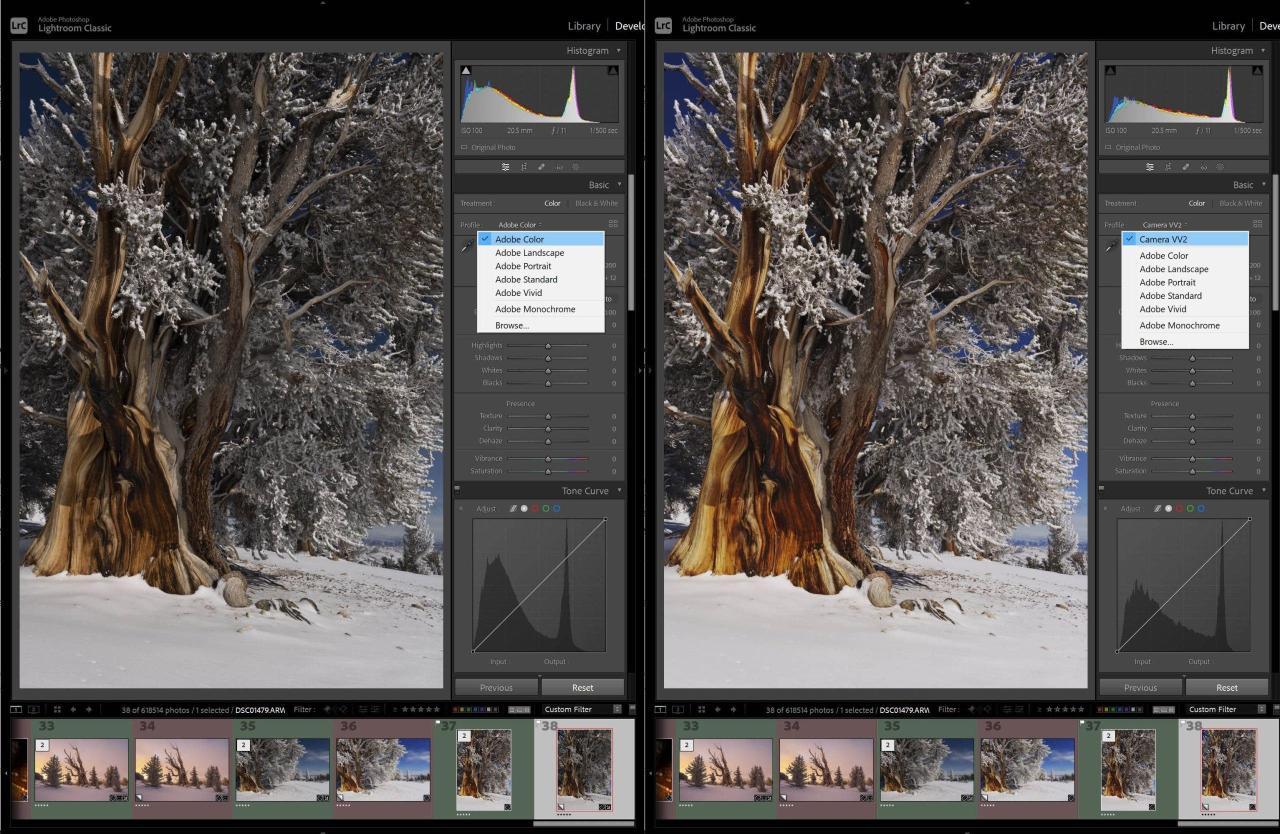
| Adobe Lightroom | Non-destructive editing, quick color correction, vibrance adjustments, and graduated filters useful for enhancing overall image tone and mood. |
| Capture One | High-quality raw processing, precise color editing, and local adjustment tools suited for fine-tuning dance images with rich detail and dynamic range. |
| Luminar AI | AI-based enhancement tools, including structure and detail enhancement, which can be used to sharpen motion lines and add artistic effects effortlessly. |
Structured Editing Workflow for Dance Motion Enhancement
Implementing an organized approach ensures consistency and maximizes the impact of post-processing efforts.
- Initial Corrections: Adjust exposure, contrast, and white balance to ensure a balanced base image. Crop or straighten as necessary to focus attention on the dancer’s movement.
- Layer Isolation: Use masking techniques to separate the dancer from the background. This allows for targeted edits such as motion blur application or color enhancements.
- Adding Motion Effects: Apply motion blur filters in the movement direction, adjusting opacity and blending modes to create a natural sense of speed and flow.
- Color and Tone Refinement: Enhance vibrance, saturation, and contrast to emphasize the energy of the scene. Use split toning or gradient adjustments for mood setting.
- Final Touches: Sharpen key details, clean up artifacts or distractions, and evaluate the overall composition to ensure the dynamism is effectively conveyed.
Careful and thoughtful post-processing can turn a well-captured dance photo into a powerful visual narrative, capturing both the motion and emotion inherent in dance performances.
Creative Approaches to Capturing Dance in Motion
Capturing dance in motion offers photographers a unique opportunity to blend technical skill with artistic expression. Moving beyond standard techniques, creative approaches can emphasize emotion, energy, and the fluidity of dance. These methods challenge traditional perspectives and open new avenues for visual storytelling, making each image a dynamic narrative of movement and artistry.Experimental methods such as intentional motion blur, double exposures, and multiple exposures serve to evoke a sense of movement and emotion that static images may not convey.
These techniques allow photographers to portray the rapidity and grace of dancers, creating images that feel alive and vibrating with energy. Integrating artistic elements like abstract visuals, layered textures, and vivid color schemes further enhances the emotional impact and visual interest of dance photographs.
Experimental Techniques for Dynamic Dance Photography
Experimentation with unconventional techniques can yield striking and memorable images. Here are some innovative methods to consider:
- Intentional Motion Blur: This technique involves deliberately using slow shutter speeds to create a sense of motion within the image. By panning with the dancer or capturing the entire scene with a slow shutter, the motion appears blurred, emphasizing movement flow. For example, a dancer spinning rapidly with a slow shutter can produce a swirling, almost ethereal effect that accentuates the dynamism of a turn.
- Double Exposures: Combining two images in a single frame allows for artistic overlaying. One exposure might capture the dancer in motion, while the second overlays abstract patterns or complementary imagery. This method can symbolize emotion or energy, such as overlaying a burst of color with a dancer’s leap to illustrate passion and vitality.
- Multiple Exposures: Similar to double exposures but involving more than two images, this approach can be used to create layered visual stories. For example, multiple snapshots of a dancer in different poses can be merged to show progression through a movement sequence, creating a compelling narrative within a single frame.
Incorporating Artistic Elements to Emphasize Movement and Emotion
Beyond technical experimentation, artistic elements can amplify the expressive power of dance images. Utilizing vibrant color palettes, contrasting light and shadow, or surreal overlays can evoke specific emotions or highlight particular movement qualities. For instance, manipulating color saturation can convey energy or serenity, while shadows can add mystery or intensity. Artistic composition, such as framing dancers against abstract backgrounds or incorporating fluid lines, can also guide the viewer’s eye along the dancer’s movement path, emphasizing grace and control.
“Artistic expression in dance photography transforms a simple snapshot into a visual poetry of motion and emotion.”
Creative Techniques with Descriptive Contexts and Examples
Here are some additional specialized techniques with brief descriptions to inspire innovative dance photography:
- Light Painting: Using long exposures combined with handheld lights or glow sticks, photographers can ‘draw’ around or behind dancers, creating trails of light that follow their movement. This technique emphasizes the trajectory of motion, adding a luminous, almost supernatural quality to the image.
- Silhouette and Shadow Play: Positioning dancers against brightly lit backgrounds to produce silhouettes can dramatize movement and emotion. Shadows cast by dancers can be manipulated or extended to produce abstract shapes, emphasizing the flow and rhythm of their movements.
- Abstract Motion Trails: Capturing multiple rapid exposures and overlaying them can produce streaks or trails that follow the dancer’s path. For example, a series of images of a leap combined to form a continuous ribbon of motion, highlighting the fluidity and speed of the movement.
- Environmental Interaction: Incorporating surroundings—such as flowing fabrics, smoke, or water—can amplify the feeling of motion. For instance, a dancer twirling with a flowing scarf that trails behind them enhances the sense of dynamic movement and emotion.
Ultimate Conclusion
In conclusion, mastering the art of capturing dancers in motion involves a harmonious blend of technical knowledge and creative expression. By applying the techniques and strategies discussed, you can produce stunning images that celebrate the dynamism and artistry of dance. Embrace experimentation and continue refining your skills to unlock the full potential of dance photography.