Mastering how to photograph shadows as the main subject opens up a world of creative possibilities in visual storytelling. Shadows possess an innate ability to convey mood, depth, and emotion, transforming simple light and dark contrasts into compelling narratives. By understanding the artistic significance and technical nuances of shadow photography, photographers can craft images that are both captivating and meaningful.
This guide explores essential techniques, equipment choices, lighting conditions, and post-processing tips to help you emphasize shadows effectively. Whether capturing natural sunlight or artificial lighting, mastering composition and timing will enable you to produce striking images where shadows take center stage, enhancing your artistic expression.
Understanding Shadows as the Main Subject in Photography
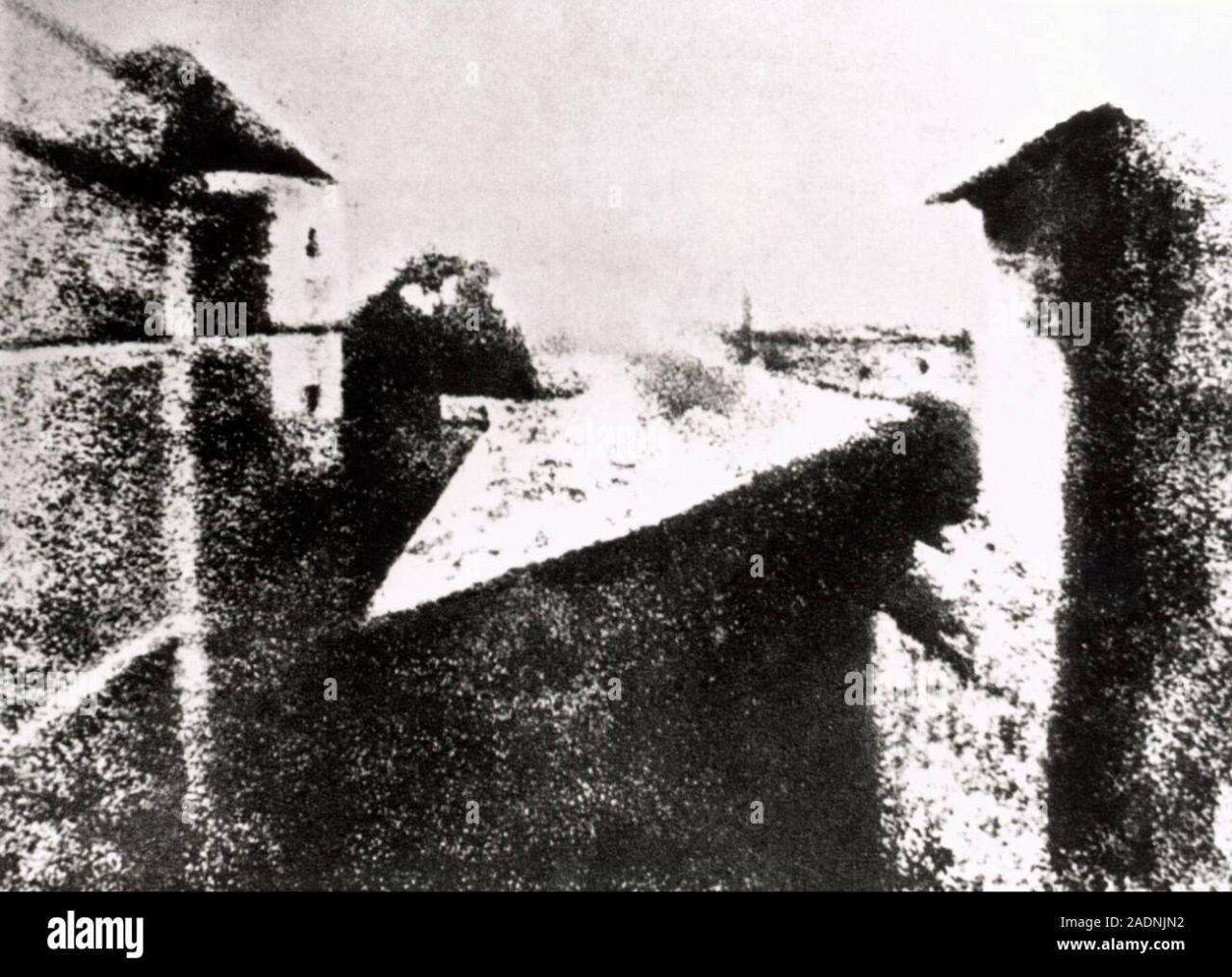
Shadows are a compelling element in photography that can transform an ordinary scene into a work of art. When used as the primary subject, shadows invite viewers to explore the hidden depths, textures, and narratives within an image. They offer a unique way to emphasize form, contrast, and mood, creating visual interest that engages viewers on a deeper level.
Recognizing the artistic significance of shadows involves appreciating their ability to define space, evoke emotions, and tell stories without the need for explicit content. Shadows can serve as a powerful visual language, guiding the viewer’s eye and framing the composition in ways that highlight texture, movement, and time of day. Mastering this approach requires understanding the different types of shadows and their impact on the overall aesthetic of the photograph.
Types of Shadows and Their Visual Impact
Understanding the various types of shadows and how they influence the mood and composition is critical for photographer’s creative expression. Each type of shadow carries distinct characteristics that can evoke different emotional responses and help communicate specific stories within a photograph.
- Hard Shadows: These shadows are characterized by sharp, well-defined edges resulting from direct, intense light sources such as midday sunlight or a spotlight. Hard shadows emphasize contrast and texture, often creating a dramatic and striking visual effect. They are effective in highlighting geometric forms and intricate details, making them suitable for architectural photography or minimalist compositions.
- Soft Shadows: Created by diffused or indirect light, soft shadows feature blurred, gentle edges. They contribute to a more subtle, understated mood, often associated with overcast days or shaded environments. Soft shadows lend a sense of calm, intimacy, and smoothness to images, ideal for portraiture and scenes requiring a gentle atmosphere.
- Long Shadows: These shadows extend significantly, usually during early morning or late afternoon when the sun is low on the horizon. Long shadows add depth and dimension, creating a sense of space and time. They can evoke feelings of nostalgia, mystery, or anticipation, enriching storytelling in landscape or street photography.
- Short Shadows: When the light source is directly overhead, shadows are compressed and short, often falling close to or beneath objects. This type of shadow can create a stark, flat appearance that emphasizes form without the distraction of elongated shapes. Short shadows are often used to highlight symmetry and balance within a composition.
Expressing Mood, Depth, and Storytelling through Shadows
Shadows act as visual tools to convey complex emotions and narratives, adding layers of meaning to a photograph. Their ability to influence perception makes them invaluable for storytelling and mood setting.
Deep, dark shadows can evoke feelings of mystery, solitude, or foreboding, often used in noir or gothic photography to intensify dramatic tension. Conversely, light, airy shadows may suggest serenity, hope, or clarity, ideal for capturing peaceful landscapes or candid moments.
Shadows also enhance the perception of depth by creating contrast between light and dark areas, guiding the viewer’s eye through the composition and emphasizing spatial relationships. This interplay between shadows and highlights can lead to a dynamic visual flow, making the image more engaging.
In storytelling, shadows can symbolize concepts such as concealment, transformation, or duality. For instance, a shadow cast by a figure can represent an inner conflict or hidden identity, enriching the narrative layer of the photograph. By carefully observing and utilizing shadows, photographers can craft images that resonate emotionally and visually with their audience.
Equipment and Settings for Shadow Photography
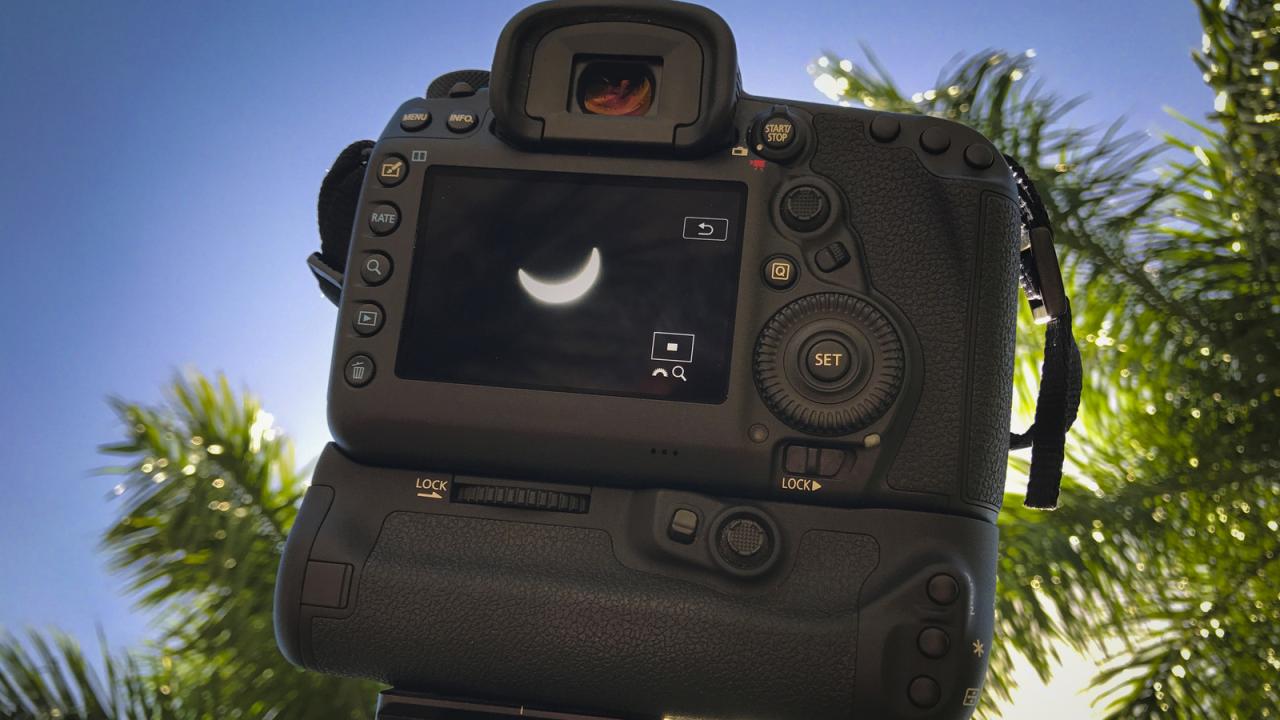
Capturing compelling shadows as the main subject requires more than just an eye for composition; it demands precise control over your camera settings and equipment choices. Properly adjusted camera parameters and the right lens selection can significantly influence the prominence, clarity, and artistic impact of shadows in your images. Additionally, understanding how different light sources interact with your setup enables you to craft shadows that enhance your visual storytelling effectively.
Effective shadow photography hinges on optimizing camera settings to maximize contrast and shadow detail while maintaining clarity. The choice of equipment, particularly the lens focal length, plays a crucial role in shaping shadow forms and defining their sharpness. Leveraging natural sunlight or artificial lighting strategically allows you to control shadow intensity and texture, adding depth and dimension to your photographs.
Camera Settings for Shadow Photography
In shadow photography, strategic adjustments to aperture, shutter speed, ISO, and contrast are essential to capturing shadows that are both striking and well-defined. These settings influence exposure, detail, and the overall visual impact of your shadows.
- Aperture: Use a narrow aperture (higher f-number, such as f/8 to f/16) to increase depth of field, ensuring shadows remain sharp across different parts of the scene. A smaller aperture also helps in enhancing contrast by preventing light flare.
- Shutter Speed: A faster shutter speed (e.g., 1/125s or higher) helps freeze motion and prevents overexposure in bright conditions, which can diminish shadow contrast. Adjust shutter speed based on light intensity to maintain shadow clarity.
- ISO: Keep ISO at the lowest setting (ISO 100 or 200) to reduce noise and preserve shadow details. Higher ISO can introduce grain, reducing the crispness of shadows.
- Contrast Adjustments: Post-processing contrast enhancement can make shadows more prominent. During capture, using camera profiles or color filters that emphasize contrast can also be beneficial.
Lens Choice and Focal Length Impact
The selection of lens and focal length directly influences the shape, size, and clarity of shadows captured in your images. Different lenses produce distinct shadow effects, which can be harnessed creatively to enhance your photographs.
Wide-angle lenses (16-35mm) tend to exaggerate shadow shapes and increase their prominence by capturing more expansive scenes. These lenses are ideal for emphasizing dramatic shadows cast by large objects or architecture, creating bold and expansive patterns. Conversely, telephoto lenses (70-200mm or longer) compress perspective, allowing for the isolation of specific shadow details and sharper, more defined shadows on the subject.
They are particularly useful in capturing shadows cast by distant light sources or to focus on intricate shadow textures.
The focal length influences shadow clarity: shorter focal lengths create elongated, exaggerated shadows that cover more scene area, while longer focal lengths produce more compact, precise shadow shapes suitable for detailed compositions.
Utilization of Light Sources to Enhance Shadows
The choice and manipulation of light sources significantly affect shadow intensity, texture, and overall visual appeal. Natural sunlight and artificial lighting each offer unique opportunities for shadow enhancement.
Natural sunlight, especially during the golden hours (early morning or late afternoon), provides warm, directional light that casts long, well-defined shadows. Using the sun at a low angle accentuates shadow length and contrast, perfect for dramatic shadow photography. On overcast days, diffused light softens shadows, creating subtle and textured effects suitable for more delicate shadow forms.
Artificial lighting, such as studio strobes or continuous lights, allows precise control over shadow placement and intensity. Using hard light sources with focused beams creates sharp, crisp shadows, while diffused lighting with softboxes produces softer, more gradual shadow edges. Adjusting the distance between the light source and subject, as well as the angle of illumination, provides further control over shadow prominence and shape.
Experimenting with backlighting or side lighting enhances shadow contrast by emphasizing the edges and textures, thereby adding depth and dimensionality to the shadow as the main subject.
Composition Techniques Focused on Shadows
Photographing shadows as the main subject offers a unique artistic perspective, emphasizing form, contrast, and mood. Effective composition is essential to highlight shadows in a way that captivates viewers. By carefully selecting framing, perspective, and angles, photographers can create compelling images where shadows become the visual centerpiece, transforming simple shapes into powerful visual narratives.In shadow photography, the way shadows are incorporated within the frame influences the overall impact of the image.
Composition techniques such as framing the shadow to lead the viewer’s eye, using perspective to exaggerate or minimize shadow forms, and choosing angles that enhance shadow shapes are fundamental. These methods allow shadows to serve not just as background elements but as primary subjects that evoke mood and story.
Framing and Perspective for Emphasizing Shadows
A strategic approach to framing involves positioning the shadow in a way that naturally draws attention or complements the main subject. For example, placing a prominent shadow along a third of the frame aligns with the rule of thirds, creating a balanced and visually appealing composition. Using a wide-angle perspective can exaggerate shadows, making them more dramatic, while a close-up can reveal intricate shadow patterns that might otherwise go unnoticed.To achieve impactful shadow compositions, experiment with different vantage points.
Shooting from a low angle can elongate shadows, adding depth and perspective, whereas an overhead view can flatten shadow shapes for a more abstract effect. The choice of perspective directly influences how shadows relate to other elements within the frame and can be used to create a sense of depth or flatness depending on the artistic intent.
Balancing Shadow Placement with Composition Principles
Mastering the placement of shadows within the frame involves applying well-established composition principles to ensure visual harmony. The rule of thirds is particularly effective, as positioning a shadow along intersecting lines or at points of interest guides the viewer’s eye naturally toward the shadowed areas. Leading lines, such as a pathway or railing, can direct attention toward shadow forms and create a sense of movement within the image.Negative space plays a crucial role in emphasizing shadows.
Isolating a shadow against a plain or uncluttered background increases its prominence, allowing viewers to focus solely on its shape and texture. For instance, a stark shadow cast on a clean white wall or a smooth surface can create a minimalist yet powerful composition. Carefully balancing negative space with shadow elements ensures that the shadow remains the focal point, evoking emotion and intrigue.
“Effective shadow composition leverages positioning, perspective, and space to transform simple shapes into compelling visual stories.”
This approach to shadow photography encourages creativity and deliberate planning, enabling photographers to craft images where shadows not only complement but dominate the visual narrative, demonstrating their power as the main subject.
Lighting Conditions Ideal for Shadow Emphasis
Photographing shadows as the main subject relies heavily on selecting the right lighting conditions to highlight their form and texture. Understanding the interaction between natural light and shadows allows photographers to craft compelling images that emphasize contrast, depth, and mood. The optimal conditions often vary depending on the desired shadow qualities, time of day, and weather, making awareness of lighting nuances essential for successful shadow photography.Lighting plays a pivotal role in shadow creation and visibility.
Different times of day and weather scenarios influence shadow length, sharpness, and intensity. Additionally, manipulating available light sources or using supplemental tools can enhance shadow effects, providing greater control over the final image.
Optimal Times of Day for Shadow Photography
The timing of photography sessions greatly impacts shadow quality and prominence. During the golden hour—shortly after sunrise and before sunset—sunlight arrives at a low angle, casting long, warm, and soft shadows. This period accentuates textural details and creates aesthetically pleasing silhouettes, ideal for emphasizing shadows as the main subject.In contrast, midday sunlight—when the sun is directly overhead—produces shorter, more intense shadows with hard edges.
While these shadows can sometimes appear harsh or less visually interesting, they are useful for creating stark contrasts and dynamic compositions. Shadows during this period tend to be more defined on flat surfaces, making it suitable for certain artistic effects.Weather conditions further influence shadow formation. Clear skies produce distinct and sharply defined shadows, whereas overcast conditions diffuse sunlight, resulting in softer, more subtle shadows.
Cloud cover acts as a natural diffuser, reducing harshness and creating even shadow gradations. It is important for photographers to consider these variations when planning outdoor shadow photography to achieve the desired mood and clarity.
Manipulating Lighting to Accentuate Shadows
While natural lighting conditions establish the foundation for shadow emphasis, photographers can employ various techniques and equipment to manipulate light and shadows to their advantage. Reflectors are invaluable tools for bouncing light onto shadowed areas, increasing contrast and revealing texture without diminishing the shadowed effect. Using diffusers, such as translucent fabrics or professional softboxes, can soften harsh sunlight or midday shadows, creating more balanced and artistically pleasing images.In addition to external tools, positioning the subject relative to the light source is crucial.
Moving the camera angle or the subject can dramatically alter shadow length and shape, emphasizing or diminishing shadows as desired. For example, placing the subject at an angle where the light hits from the side creates elongated shadows that add depth and dimension, whereas front lighting minimizes shadows for a flatter appearance.Manipulating exposure settings also influences shadow visibility. Slight underexposure can deepen shadows, increasing contrast and drama, while slight overexposure can reveal subtle shadow details, adding texture without losing the overall mood.
Combining these techniques allows for tailored shadow effects, enhancing the visual storytelling of shadow-centric photographs.
Techniques to Capture Shadows as Dominant Subjects
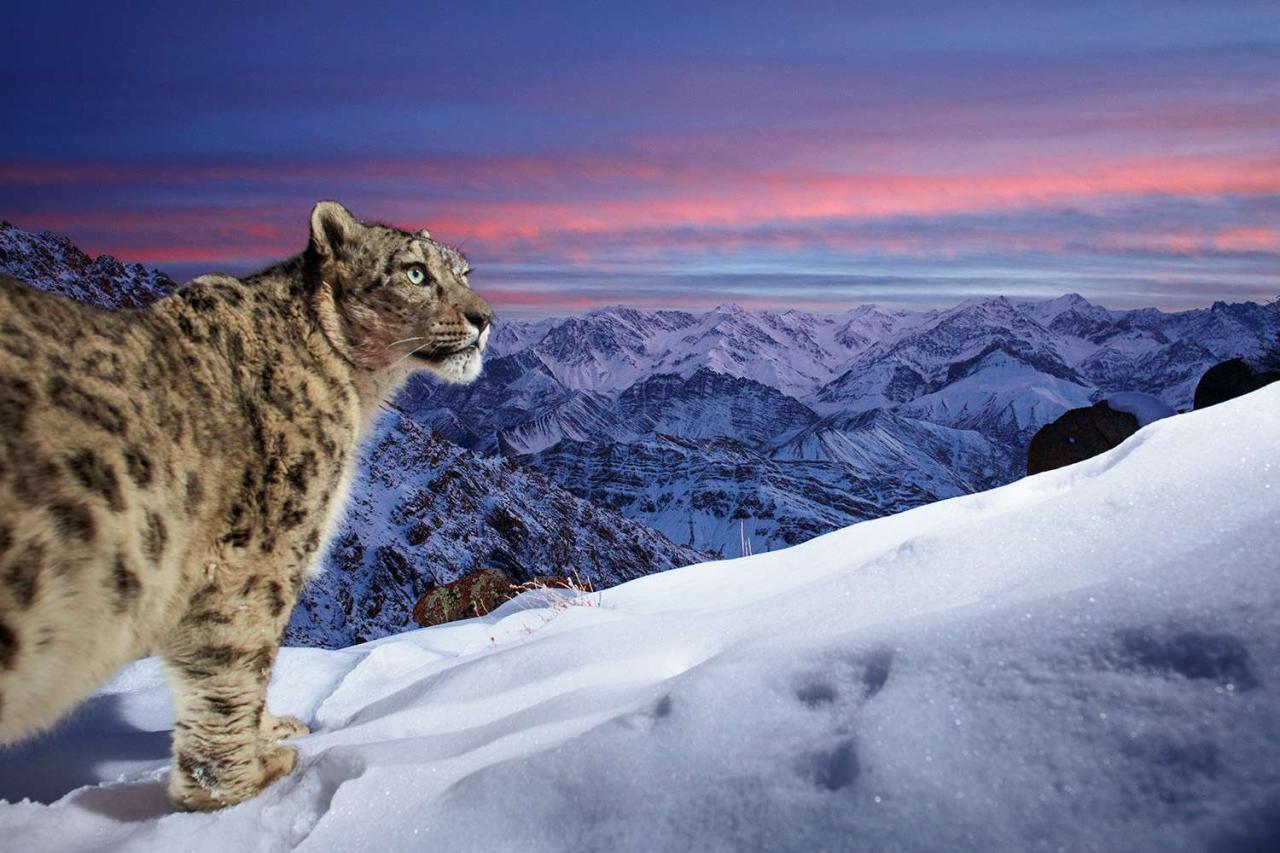
Capturing shadows as the main focus in photography involves skillful techniques that emphasize their form, texture, and contrast. Mastering these methods allows photographers to craft compelling images where shadows become the storytelling element, rather than mere background details. This guide provides step-by-step procedures and creative approaches to isolate and accentuate shadows, transforming ordinary scenes into visually striking compositions.Shadows can often blend into backgrounds or become subdued if not carefully isolated.
Achieving a dominant shadow requires deliberate control of camera settings, composition, and lighting. It involves creating high-contrast images that make shadow shapes and textures stand out distinctly. Additionally, incorporating human silhouettes or objects introduces narrative and depth, making shadow-based compositions more engaging and evocative.
Isolating Shadows from Background Distractions
To effectively feature shadows as the main subject, it is essential to prevent background elements from competing visually. This process involves strategic camera settings and compositional choices:
- Use a narrow aperture (high f-number, e.g., f/8 to f/16) to increase depth of field, ensuring the shadow remains sharp and isolated from background clutter.
- Adjust the exposure settings to underexpose the scene slightly, which enhances the contrast between shadow and light, making shadows more pronounced.
- Employ a low ISO setting to minimize noise, preserving the clarity and texture of the shadow shapes.
- Apply a lens with a longer focal length when needed, to compress the scene and emphasize the shadow’s form while blurring background distractions.
- Compose the shot with the shadow positioned away from busy backgrounds, focusing on clean lines and simple textures that highlight the shadow’s silhouette.
“Isolating shadows relies on controlling depth of field, exposure, and composition to foreground the shadow as the primary visual element.”
Creating High-Contrast Shadow Images
High contrast is essential to make shadows stand out vividly. Achieving this effect involves manipulating lighting conditions, camera settings, and post-processing:
Start by shooting during times with strong, directional light—such as midday when the sun is high or during the golden hour with elongated shadows. This ensures well-defined shadow edges with deep blacks and bright highlights.
Set your camera to manual mode to fine-tune exposure. Underexpose slightly to deepen the shadows without losing detail in the illuminated areas. Using spot metering on the shadowed regions can help achieve optimal contrast.
In post-processing, increase contrast, clarity, and blacks to enhance the shadow’s shape and texture further. Be cautious not to overdo it, as it may result in loss of detail or unnatural appearances.
Employ monochrome (black and white) conversions when appropriate, as they naturally accentuate shapes and textures, directing focus solely on the shadow forms.
“High contrast images rely on strong lighting and careful exposure adjustments to define shadow shapes with clarity and depth.”
Incorporating Human Silhouettes and Objects
Using human figures or objects introduces storytelling and scale to shadow compositions. These elements can create compelling visuals by transforming simple shadows into meaningful narratives:
- Place the subject or object between the light source and the surface where the shadow will fall, ensuring the shadow is prominent and sharply defined.
- Position the subject at an angle that elongates or alters the shadow shape for artistic or dramatic effect.
- Experiment with different objects—such as trees, furniture, or everyday items—to produce diverse textures and patterns in the shadows.
- Use human silhouettes to evoke emotion, mystery, or symbolism. For instance, a lone figure walking along a sunlit street casting a long shadow can evoke solitude or introspection.
- Adjust the distance between the subject and the light source to control the size and prominence of the shadow, enabling creative variations in composition.
Capturing compelling shadow compositions with silhouettes or objects involves careful positioning, lighting control, and an awareness of how shadows interact with the environment. The goal is to embed the shadow as a visual anchor that guides the viewer’s eye and evokes emotion or narrative.
Post-Processing Tips for Shadow Enhancement

Enhancing shadows in photographs can dramatically increase their visual impact, adding depth, drama, and dimension to the final image. Proper post-processing allows photographers to emphasize shadows without compromising the natural feel of the scene. This section provides practical techniques to digitally refine shadow areas, ensuring they stand out as compelling elements of the composition while maintaining authenticity.Effective shadow enhancement involves careful adjustments to several key image parameters.
By selectively tweaking contrast, clarity, and tone curves, photographers can draw attention to shadowed regions, extracting more detail and creating a stronger mood. The goal is to enrich shadows without making them overly artificial or disconnected from the overall scene, preserving the nuanced qualities that make shadow photography so captivating.
Digital Techniques to Enhance Shadow Contrast, Clarity, and Depth
Understanding how to manipulate image settings is crucial for shadow emphasis. These techniques help in accentuating shadow areas while maintaining the integrity of the original scene.
- Adjusting Brightness and Contrast: Increasing contrast enhances the difference between light and dark areas, making shadows more prominent. Be cautious with brightness adjustments, as overly brightening can diminish shadows or flatten the image. Using contrast sliders allows for a balanced enhancement that maintains natural gradations.
- Utilizing Tone Curves: Tone curves provide fine control over the tonal range. Creating an S-shaped curve amplifies contrast by deepening shadows and brightening highlights simultaneously. Carefully manipulating the curve in the shadow region can deepen shadows, adding richness and visual weight to the image.
- Selective Dodge and Burn: Applying dodge and burn tools selectively can enhance shadow areas or reduce unwanted glare. Darkening specific regions subtly can increase shadow depth without affecting the entire image, preserving natural transitions.
Maintaining Natural Shadow Qualities During Enhancement
While digital enhancement allows for greater shadow prominence, retaining their natural qualities ensures the image remains authentic and visually appealing.
- Preserving Gradation: Avoid excessive contrast that can cause posterization or unnatural banding in shadow areas. Instead, aim for smooth tonal transitions to keep shadows realistic and pleasing to the eye.
- Using Local Adjustments: Apply adjustments selectively to shadow regions rather than global edits. Local adjustment layers enable precise control, ensuring shadows retain their organic appearance while gaining enhanced contrast and depth.
- Monitoring for Clipping: Be vigilant about clipping, where shadow details are lost due to overly aggressive editing. Use histograms and clipping warnings in editing software to prevent loss of subtle shadow details, maintaining the scene’s authenticity and depth.
By applying these post-processing techniques thoughtfully, photographers can significantly elevate the impact of shadows in their images, creating striking compositions that draw viewers into the scene and evoke powerful emotional responses.
Creative Concepts and Styles in Shadow Photography
Shadow photography offers an expansive field for artistic exploration, allowing photographers to experiment with various styles, thematic projects, and innovative techniques. Embracing shadows as the primary subject enables a unique visual language that can evoke emotions, tell stories, and challenge perceptions. This segment delves into the diverse artistic approaches and creative ideas that can elevate shadow photography into compelling works of art.Understanding the artistic styles that utilize shadows involves recognizing how shadows can be manipulated to convey abstract forms, surreal imagery, or minimalist compositions.
Each style employs specific techniques and aesthetic principles to emphasize shadows creatively, allowing photographers to craft distinctive visual narratives that resonate with viewers.
Artistic Styles Utilizing Shadows
The landscape of shadow photography encompasses several artistic styles, each with its own character and technique:
- Abstract Shadows: These focus on the shapes, patterns, and textures created by shadows, often stripping away recognizable subjects to highlight form and contrast. Abstract shadow photography emphasizes the visual impact of light and dark interplay, fostering interpretations that are open-ended and imaginative.
- Surreal Shadow Imagery: Combining shadows with dream-like or fantastical elements, surreal shadow photography blurs reality, often through manipulation or staged scenes. This style invites viewers into a world where shadows become portals to alternate realities or symbolic representations.
- Minimalist Shadow Compositions: Prioritizing simplicity, this approach uses limited elements, focusing on a singular shadow or a small cluster within a clean background. Minimalist shadows underscore clarity, elegance, and the power of negative space, resulting in visually impactful images.
Thematic Projects Centered Around Shadows
Organizing shadow photography into thematic projects helps to create cohesive narratives or explore specific concepts systematically:
- Urban Shadows: Capture the interplay of shadows cast by buildings, streetlights, and urban infrastructure. This theme reveals the geometry and rhythm of cityscapes, highlighting architectural lines and the transient nature of urban life through shadow patterns.
- Nature and Shadows: Investigate how trees, rocks, or water surfaces cast shadows in natural environments. This theme emphasizes organic forms, the contrast between light and dark in nature, and the ephemeral qualities of shadow play during different times of the day.
- Human Figures and Shadows: Focus on the human form, capturing shadows in motion or stillness. These projects can explore themes of identity, anonymity, or the relationship between humans and their environments, often emphasizing body language and emotional expression through shadow silhouettes.
Experimental Techniques to Emphasize Shadows
Innovative methods can significantly enhance the visual impact of shadow-based images. Employing experimental techniques encourages creative risk-taking and can lead to distinctive results:
Double exposures and layering allow for complex shadow interactions, creating compositions that are rich in depth and symbolism.
- Double Exposure: Combining two images—one of the subject, and another emphasizing the shadow—can produce layered narratives. For example, overlaying a silhouette with an abstract pattern of shadow shapes can evoke a sense of mystery or surrealism.
- Layering and Collage: Using multiple exposures or digital collage techniques, photographers can juxtapose different shadow forms, creating intricate patterns or thematic contrasts. This approach is effective in portraying complex stories or abstract ideas.
- Projection Techniques: Projecting shadow patterns onto surfaces or using gobo-like cutouts allows for controlled shadow shapes, adding an element of theatricality or precise artistic expression. This technique is particularly useful in staged setups or studio environments.
Final Thoughts
In conclusion, photographing shadows as the main subject offers a unique avenue for artistic exploration that combines technical skill with creative vision. By experimenting with light, composition, and post-processing, you can elevate your shadow photography to produce powerful and memorable images. Embrace the play of light and dark to unlock new dimensions of visual storytelling.