Mastering how to capture ice and snow clearly is essential for creating captivating winter images that showcase the beauty of icy landscapes. Whether you’re a professional photographer or an enthusiast, understanding the right techniques can significantly enhance the clarity and detail of your photos.
This guide explores effective camera settings, suitable equipment, optimal lighting conditions, composition tips, and post-processing methods to help you achieve crisp, vibrant images of ice and snow in various environments and lighting scenarios.
Techniques for capturing clear images of ice and snow
Photographing icy and snowy landscapes presents unique challenges due to the reflective and translucent qualities of ice and snow, as well as varying lighting conditions. Achieving sharp, vibrant images requires understanding specific camera settings and techniques that enhance clarity while preserving the natural beauty of winter scenes. Proper adjustments ensure your photos accurately depict the sparkling textures and delicate details of frozen surfaces, creating stunning visual representations of cold-weather environments.Understanding how to adapt camera settings based on lighting conditions and surface characteristics is essential for capturing the pristine, crisp appearance of ice and snow.
By carefully managing exposure, white balance, focus, and depth of field, photographers can overcome common issues such as overexposure, glare, or lack of detail, resulting in images that are both vivid and true to life.
Optimizing camera settings for different lighting conditions
When photographing ice and snow, lighting plays a critical role in determining the quality of your images. Bright, sunny days require different settings compared to overcast or low-light conditions to prevent images from appearing washed out or too dark. Adjusting camera parameters accordingly helps to maintain the natural shimmer of ice and the subtle textures of snow.In bright daylight, using a low ISO setting (around 100-200) minimizes noise and preserves image clarity.
A narrower aperture (f/8 to f/16) increases depth of field, ensuring more of the scene is in sharp focus. To prevent overexposure caused by the reflective surfaces, utilize a faster shutter speed, such as 1/500 second or higher, which effectively freezes motion and reduces glare. On cloudy or shaded days, increase ISO slightly (up to 400) and open the aperture to let in more light, balancing exposure without sacrificing detail.
In high-contrast situations, setting the camera to manual mode allows precise control over exposure and white balance, enabling the photographer to adapt to changing lighting and surface reflections effectively.
Adjusting exposure and white balance to enhance clarity
Proper exposure and white balance adjustments are crucial for capturing the true colors and textures of icy environments. Snow and ice can easily appear washed out or overly reflective if exposure is not correctly managed, leading to loss of detail and diminished visual impact.To achieve optimal exposure, use the camera’s exposure compensation feature, typically set to +0.3 to +1 EV, to brighten shadows and bring out the intricate patterns within snow and ice.
Employing spot metering mode focuses the exposure measurement on the specific area of interest, such as a snow-covered branch or ice crystal, preventing overexposure from highly reflective surfaces. Bracketing exposures—taking multiple shots at different exposure levels—ensures that you can select the best image with balanced highlights and shadows.White balance settings should be tailored to the lighting conditions. For natural, daylight scenes, setting the white balance to ‘Daylight’ or ‘Sunny’ preserves the natural warmth and sparkle of ice.
Under overcast conditions, selecting the ‘Cloudy’ setting introduces a slight warmth that counteracts the cool tones of snow. When shooting in snow or ice caves with artificial or mixed lighting, manually calibrate white balance to avoid color casts and maintain accurate representation of the scene’s true colors.
Adjusting exposure and white balance is essential for revealing the crystalline details and avoiding glare, especially when capturing the reflective surfaces of ice and the subtle variations in snow’s texture.
Focus techniques and depth of field considerations
Achieving sharp focus and an appropriate depth of field is vital for emphasizing textures and intricate details present in icy surfaces. Proper focus ensures that the viewer’s attention is drawn to the desired elements, such as frost patterns or the delicate edges of ice formations.Using autofocus with a single point or small focus zones allows precise focusing on specific details within the scene, such as the edge of an ice sheet or a snow-covered branch.
Alternatively, manual focus provides greater control when autofocus struggles with low contrast or reflective surfaces. For scenes where both the foreground and background contain interesting details, employing a smaller aperture (f/11 to f/16) increases depth of field, ensuring clarity throughout the image.In macro or close-up photography of ice crystals or snowflakes, a shallow depth of field can be used creatively to isolate fine structures, but generally, for landscape shots, a greater depth of field improves overall sharpness.
Using a tripod stabilizes the camera for longer exposures, especially in low-light conditions or when employing smaller apertures.
Focus accuracy and depth of field management are fundamental for capturing the intricate textures of snow and ice, transforming ordinary winter scenes into visually compelling images.
Equipment and tools essential for photographing ice and snow

Capturing the intricate beauty of ice and snow requires not only a keen eye but also the right equipment tailored to challenging winter conditions. Selecting appropriate tools and accessories ensures that images are sharp, well-exposed, and protected against the elements. Proper gear enhances your ability to document frozen landscapes with clarity and precision, making your photographic endeavors both successful and enjoyable.
Utilizing specialized equipment in cold environments minimizes technical difficulties, such as fogging lenses, unstable camera handling, or poor image quality due to low light. The following sections Artikel the essential camera types, accessories, and protective gear that facilitate high-quality winter photography, along with lens choices optimized for capturing fine icy details.
Camera types and accessories that improve image quality in winter environments
In winter conditions, choosing the right camera setup can significantly impact image quality and equipment durability. Reliable, weather-sealed cameras are highly recommended for snowy and icy environments, as they resist moisture and cold-induced malfunctions. These cameras often come with features such as high ISO performance and fast autofocus, which are beneficial when lighting conditions are variable and subject movement occurs.
Additionally, consider the following accessories to enhance your winter photography experience:
- Extra batteries: Cold weather rapidly drains camera batteries. Carry multiple charged spares, kept in a warm pocket to maintain optimal performance.
- Weather-resistant camera bags: These protect your gear from snow, moisture, and accidental bumps, ensuring your equipment remains dry and functional.
- Remote shutter releases or cable triggers: These help prevent camera shake during long exposures, especially crucial when capturing detailed ice textures.
Use of tripods, filters, and protective gear to stabilize and protect equipment
Stable framing and protection are vital when photographing in icy conditions, where hand-held shots can result in blurred images due to low temperatures and low light. Tripods serve as a fundamental tool to ensure stability during prolonged exposures needed for capturing reflective ice surfaces or subtle snow textures.
Filters also play a crucial role in controlling reflections, enhancing contrast, and managing exposure. A polarizing filter, for instance, reduces glare from reflective ice surfaces and deepens the blue of the sky, resulting in more vivid images. Neutral density filters can be employed to extend exposure times, creating smooth, glass-like effects on snow or ice surfaces during daylight.
Protective gear, such as lens hoods and silicone covers, prevents snowflakes and ice particles from settling on your lens, while insulating covers help keep your camera and accessories warm during extended shoots in freezing temperatures.
Selection of lenses optimized for capturing fine details of snow and ice textures
Choosing the right lenses enables detailed and expressive representations of snow and ice textures. Macro lenses are particularly effective for capturing close-up details, such as the intricate patterns of frost, crystalline structures within ice, and delicate snowflakes. A macro lens with a focal length of 60mm to 105mm offers excellent magnification while maintaining a comfortable working distance.
For broader landscape compositions that emphasize the vastness of icy terrains or snow-covered fields, wide-angle lenses (16mm to 35mm) are ideal. These lenses can capture expansive scenes, highlighting the scale and environment surrounding icy formations. Telephoto lenses (70mm to 200mm) are useful for isolating specific ice formations or snow patterns, allowing for detailed shots from a safe distance—especially advantageous when dealing with potentially unstable ice or snow layers.
Opting for lenses with good optical stabilization further enhances image sharpness, especially in low light and cold conditions where shutter speeds might need to be slower. Additionally, lenses with high-quality coatings reduce flare and ghosting caused by reflective surfaces, ensuring crisp, high-contrast images of ice and snow details.
Lighting Conditions and Their Impact on Image Clarity

Effective lighting plays a crucial role in capturing the true beauty and intricate details of ice and snow in photographs. The way light interacts with these cold surfaces can dramatically alter their appearance, influencing contrast, texture, and color rendition. Understanding how natural and artificial lighting conditions affect your images is vital for achieving clarity and visual appeal in winter photography.Lighting determines how reflective and transparent ice and snow appear in photographs.
Adequate illumination highlights surface textures and subtle color variations, while poor lighting can obscure details or cause unwanted glare. Proper handling of lighting conditions ensures that the delicate forms and crystalline structures are rendered accurately, enhancing the overall sharpness and depth of the images.
Natural Light and Its Influence on Ice and Snow Photography
Natural light, especially sunlight, is the primary source of illumination for outdoor winter photography. Its quality and angle throughout the day can significantly impact the clarity and mood of your images.During different times of the day, natural light creates varying effects:
- Morning: The soft, diffused light during early morning reduces harsh shadows and minimizes glare on icy surfaces. The low angle of the sun casts elongated shadows that emphasize textures and contours, enhancing three-dimensionality.
- Noon: When the sun is at its highest point, the light becomes intense and direct. This can lead to strong reflections and overexposed highlights, especially on snow and ice. While this lighting can produce bright, crisp images, it may also cause loss of detail due to glare or blown-out highlights.
- Evening: The warm, golden hues during late afternoon and sunset add a rich tone to icy landscapes. The low-angle light accentuates surface textures and creates dramatic contrasts, but the diminishing light requires faster shutter speeds or higher ISO settings to maintain clarity.
The quality and direction of natural light influence the visibility of surface details, the appearance of transparency in ice, and the overall mood of the photograph.
Utilizing Reflectors, Diffusers, and Artificial Lighting
Enhancing clarity in ice and snow photography often involves manipulating available light to reduce glare and improve surface detail visibility.Reflectors are highly effective tools that redirect natural light onto shaded or less-lit areas, filling in shadows and providing even illumination. They are especially useful in early morning or late afternoon when sunlight is less intense.Diffusers help soften harsh sunlight, which reduces contrast and glare that can obscure fine details.
Using a translucent diffuser over the scene creates a gentle, even light that enhances the texture of snow and ice without overexposing highlights.Artificial lighting, such as portable LED panels or flash units with adjustable intensity, can be employed in challenging lighting conditions. These sources allow for precise control of light direction and quality, enabling photographers to illuminate specific features or reduce glare from reflective surfaces.
In scenarios with intense sunlight, diffusing or bouncing light is essential to prevent overexposure and highlight surface textures effectively.
The strategic use of reflectors, diffusers, and artificial lights ensures optimal lighting conditions, resulting in images with enhanced clarity, rich detail, and balanced exposure that faithfully depict the transparent and intricate qualities of ice and snow.
Composition and Framing Tips for Icy Landscapes

Capturing the mesmerizing beauty of icy landscapes requires thoughtful composition and precise framing. Proper techniques can emphasize the transparency, intricate textures, and natural elements present in snow and ice scenes, resulting in stunning and compelling images. By carefully selecting your vantage point and structuring your shot, you can highlight the unique qualities that make these winter scenes so captivating.Effective composition involves guiding the viewer’s eye through the photograph, balancing elements to create a harmonious scene.
Framing your shot to showcase ice formations’ clear, glass-like qualities and textured surfaces can evoke feelings of purity and fragility. Integrating natural elements like trees, rocks, or even distant mountains can provide context, depth, and scale, enhancing the overall storytelling aspect of your image.
Highlighting Transparency and Textures of Ice
To emphasize the transparency of ice, position your camera to catch light at angles that reveal its clarity and internal details. Shooting during the golden or blue hour often enhances these qualities, as the soft light accentuates the translucence and subtle textures of ice. Use a macro or close-up lens to isolate interesting ice formations, capturing intricate patterns and bubbles trapped within.Experiment with different perspectives—low angles can dramatize the depth and layers within ice, while overhead shots can reveal surface textures.
Incorporate a shallow depth of field to focus on specific areas, blurring the background and drawing attention to surface details. Reflective surfaces, like pools of meltwater, can also serve as natural mirrors, amplifying the transparency effect.
Incorporating Natural Elements for Context
Adding elements such as trees, rocks, or even animal tracks can provide a sense of scale and environment, transforming an abstract icy scene into a story-rich photograph. Position these elements thoughtfully within the frame to lead the viewer’s eye toward the main subject. For example, a snow-laden branch in the foreground can add depth, while a distant mountain range provides context and grandeur.Use natural elements as framing devices—placing trees or rocks at the edges of the frame can create a natural border, directing attention to the main ice feature.
Additionally, contrasting textures between smooth ice and rough bark, or soft snow and rugged rocks, can enhance visual interest. Consider the placement of these elements within a balanced layout, adhering to compositional principles like the rule of thirds for engaging results.
Layout Templates for Framing Icy Landscapes
To visualize effective framing and layout, consider these templates that optimize the placement of key elements:
| Template 1 | Template 2 | Template 3 | Template 4 |
|---|---|---|---|
| Rule of Thirds Position key ice formations along gridlines or at intersections. Place natural elements like trees or rocks in the foreground or background to create depth. |
Centered Composition Use when showcasing symmetrical ice structures. Balance natural elements evenly on both sides for harmony. |
Leading Lines Incorporate lines such as cracks, branches, or shoreline curves that direct the viewer’s gaze toward the main ice feature. |
Diagonal Composition Arrange elements diagonally to add dynamism. Position rocks or trees along diagonals to lead into the scene’s focal point. |
Utilizing these templates helps create balanced, engaging compositions that effectively showcase the beauty and intricacies of icy landscapes. Proper framing and thoughtful placement of elements elevate your winter photography, making each image a vivid portrayal of nature’s icy artistry.
Post-processing techniques to improve clarity of ice and snow images
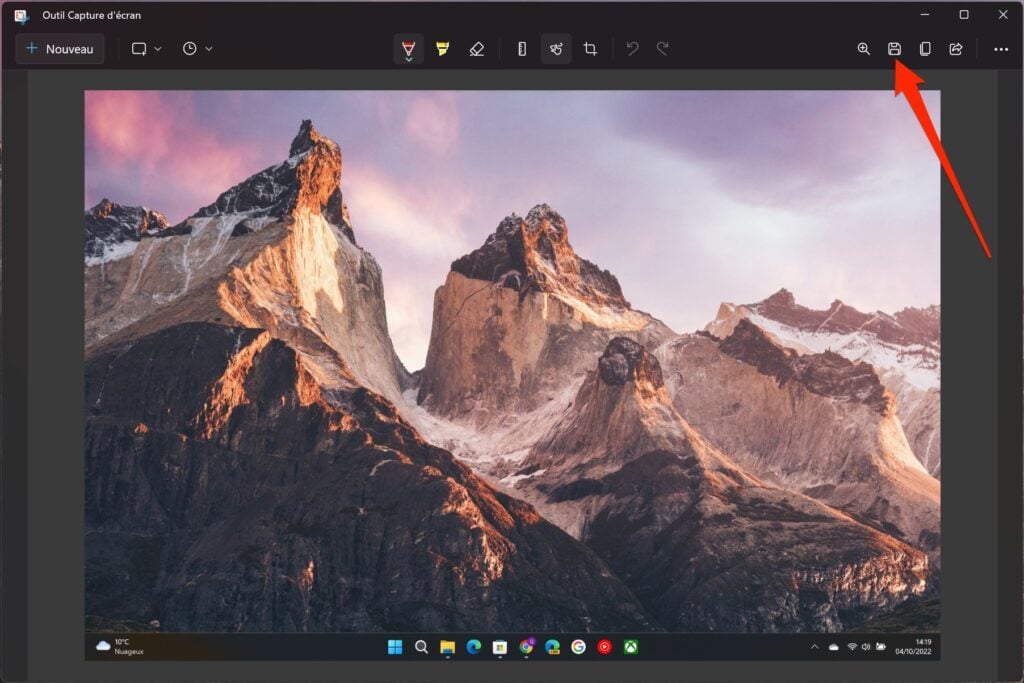
Capturing stunning images of icy landscapes often requires post-processing to enhance details, correct imperfections, and ensure the final photograph accurately reflects the scene’s beauty. Editing plays a vital role in transforming raw images into crisp, vibrant representations of snow and ice, especially when challenging lighting conditions or reflective surfaces obscure details.
Effective post-processing involves a combination of tools and techniques designed to sharpen images, adjust contrast and colors, and reduce glare or reflections that can diminish clarity. Implementing these adjustments thoughtfully can reveal intricate textures in ice formations and ensure snow surfaces appear crisp and well-defined. Below are essential methods and step-by-step procedures to optimize your icy landscape images.
Editing tools and adjustments for sharpening, contrast, and color correction
Several editing applications provide robust features tailored for enhancing icy photographs. Programs like Adobe Lightroom, Photoshop, Capture One, and specialized mobile editing apps offer versatile controls to fine-tune your images. Mastery of these tools enables photographers to bring out the finest details and correct color imbalances caused by atmospheric conditions or camera settings.
Sharpening increases the perceived clarity of textures and edges, making ice crystals and snow patterns stand out. Contrast adjustments help differentiate between snow, ice, and shadows, providing depth to the image. Color correction ensures whites appear true to life, free from unnatural tints caused by snow glare or lighting conditions.
Tip: Use subtle adjustments to avoid over-sharpening or unnatural color casts, which can detract from the natural beauty of icy landscapes.
Steps for reducing glare and reflections that obscure icy details
Glare and reflections are common challenges when photographing ice and snow, often causing washed-out areas or obscured textures. Proper post-processing can significantly reduce these issues, revealing the fine details that lie beneath reflective surfaces.
- Assess the image: Identify areas with excessive glare or reflections that obscure details.
- Apply local adjustments: Use adjustment brushes or masks in your editing software to target specific reflective spots, lowering highlights or increasing shadows to recover hidden textures.
- Reduce highlights: Use the highlights slider to diminish overly bright reflections, ensuring ice details are visible without losing overall brightness.
- Adjust clarity and dehaze: Increase clarity or apply dehaze filters to enhance mid-tone contrast and diminish the impact of reflections.
- Utilize graduated filters: For large areas with persistent glare, apply graduated filters to gradually reduce brightness and reflections across sections of the image.
These steps help unveil the intricate patterns and textures of ice, which can be masked by glare or reflections, ultimately producing a clearer, more detailed image.
Safety and environmental considerations when photographing in icy conditions
Photographing icy landscapes offers stunning visuals but also presents unique safety challenges and environmental responsibilities. Ensuring safety for both the photographer and the environment is crucial to capturing these beautiful scenes responsibly. Implementing proper precautions minimizes risks associated with cold weather and fragile terrains, while sustainable practices help preserve the natural beauty of icy environments for future generations.In icy conditions, the combination of extreme cold, slippery surfaces, and fragile ecosystems requires careful planning and respectful engagement.
Photographers must prioritize personal safety, protect their equipment from harsh elements, and adopt environmentally conscious practices to minimize their impact on sensitive winter landscapes.
Protecting equipment against cold and moisture
Extreme cold and moisture are the primary threats to photographic gear when working in ice and snow. Cold temperatures can cause battery drain, condensation can form inside camera housings, and moisture can damage sensitive electronics. To safeguard equipment:
- Use insulated camera bags or sleeves designed for cold weather to prevent rapid temperature fluctuations and reduce condensation risk.
- Carry extra batteries stored in a warm pocket or insulated container, as cold drains battery life rapidly.
- Utilize silica gel packs or moisture-absorbing desiccants inside camera bags to absorb excess humidity.
- Employ weather-sealed cameras and lenses, or use protective filters and covers to shield against snow and moisture.
- Allow equipment to acclimate gradually to temperature changes before use, preventing condensation from forming on internal components.
- Ensure your tripod and accessories are made from corrosion-resistant materials, and clean them thoroughly after exposure to snow or saltwater to prevent rust and deterioration.
Procedures for safely approaching and capturing icy terrains
Approaching icy landscapes demands cautious planning to avoid accidents and preserve natural features. Proper procedures ensure safety and optimal image capture:
- Scout locations beforehand, preferably during daylight, to identify stable pathways and hazardous areas such as thin ice or unstable snowbanks.
- Use trekking poles or ice axes for stability when crossing icy patches, especially in steep or uneven terrains.
- Maintain a safe distance from edges of frozen bodies of water, as ice thickness can vary unexpectedly, risking collapse.
- Wear specialized footwear with crampons or cleats designed for icy conditions to prevent slips and falls.
- Always go with a partner or inform someone of your plans, particularly when venturing into remote or potentially dangerous areas.
- Move slowly and deliberately, prioritizing stability over speed, and avoid sudden movements that could trigger slips or destabilize fragile ice formations.
- Be mindful of environmental factors such as wind chill or changing weather that can influence safety conditions during your shoot.
Sustainable practices to minimize environmental impact during winter photography
Maintaining the integrity of icy landscapes is essential for preserving their ecological and aesthetic value. Sustainable photography practices focus on reducing footprints and respecting wildlife:
- Stick to established trails and avoid creating new paths that can lead to erosion or habitat disturbance.
- Minimize disturbance to wildlife by observing from a distance and avoiding sensitive breeding or nesting sites.
- Pack out all waste, including packaging, batteries, and food scraps, to prevent pollution and harm to the environment.
- Use eco-friendly, biodegradable cleaning products for equipment maintenance to prevent chemical runoff into natural water sources.
- Opt for low-impact gear such as lightweight tripods and compact camera setups to reduce physical stress on the environment.
- Limit the use of artificial lighting that could disrupt nocturnal wildlife behaviors, opting instead for natural light conditions whenever possible.
- Participate in or support conservation initiatives that protect fragile icy ecosystems, promoting awareness and responsible stewardship among fellow photographers.
Adhering to safety guidelines and environmental principles ensures that winter photography remains a respectful, sustainable activity that celebrates the beauty of icy landscapes without compromising their integrity for future generations.
Creative Approaches and Innovative Methods for Clear Snow and Ice Photography
Capturing the exquisite details of snow and ice requires not only technical proficiency but also creative vision. Employing innovative techniques can reveal the intricate beauty of ice crystals and snow formations, transforming ordinary scenes into captivating images. By exploring unconventional methods and thematic projects, photographers can push the boundaries of traditional winter photography, resulting in uniquely compelling visuals.
Utilizing creative approaches encourages experimentation with different styles, perspectives, and techniques. It allows photographers to highlight textures, translucency, and motion in icy landscapes, offering viewers a fresh appreciation of winter’s ephemeral beauty. The following sections explore advanced methods that enhance clarity, introduce dynamic effects, and foster themed storytelling through snow and ice imagery.
Macro Photography to Reveal Intricate Ice Crystals
Macro photography unlocks the minute details embedded within snowflakes and ice formations, providing a close-up view that emphasizes their delicate structures. This technique enables photographers to capture the unique symmetrical patterns of individual snow crystals and the complex latticework of ice formations, aspects often invisible to the naked eye.
To achieve sharp macro images of ice and snow, use a dedicated macro lens with high resolution and minimal distortion. Proper lighting is crucial; diffused natural light or ring flashes can evenly illuminate tiny crystals without harsh shadows or reflections. A stable tripod and a focusing rail help achieve precise focus on the intricate details. Experimenting with shallow depth of field can isolate specific crystal structures, leading to striking compositions that celebrate the complexity of frozen water.
Capturing Motion and Translucency with Long Exposures
Long exposure photography introduces a dynamic element to icy landscapes, capturing motion and emphasizing translucency effects that create a sense of ethereal beauty. This approach is particularly effective when photographing flowing water over ice, snow drifting in the wind, or light interactions within translucent ice.
To implement this technique, select a slow shutter speed, often ranging from several seconds to minutes, depending on the scene’s brightness and desired effect. Use a sturdy tripod to prevent camera shake during long exposures. Employ neutral density (ND) filters to reduce light entering the lens, allowing for extended shutter times even in daylight. Techniques like intentional camera movement or panning can produce abstract, painterly textures, while capturing the subtle glow of light passing through translucent ice enhances the visual depth and serenity of the scene.
Themed Photo Projects Focusing on Snow and Ice Clarity
Organizing themed projects around snow and ice facilitates a cohesive exploration of their aesthetic and scientific qualities. Such projects can focus on specific subjects like frost patterns, ice reflections, or snow-covered landscapes, emphasizing clarity and detail through consistent stylistic choices.
Developing a thematic approach involves selecting a particular aspect of snow and ice and planning a series of images that tell a visual story. Techniques such as meticulous composition, deliberate framing, and controlled lighting can highlight the transparency and intricate details of ice formations. Incorporating elements like contrasting backgrounds, color accents, or macro close-ups can add depth and variety. These projects often benefit from a narrative that explores the natural phenomena or seasonal changes, inspiring viewers to appreciate the fragile beauty and complexity of frozen water in different contexts.
Final Thoughts
By applying these techniques and leveraging the right tools, you can elevate your winter photography to new heights, capturing the intricate beauty and transparency of ice and snow with clarity and precision. Remember, safety and environmental considerations are also paramount to ensure responsible and successful photography sessions.