Embarking on the adventure of capturing the vibrant energy of crowded festivals presents a unique set of challenges and opportunities for photographers. This guide delves into the intricacies of navigating bustling environments, mastering challenging lighting, and composing compelling shots amidst the dynamic ebb and flow of attendees.
We will explore essential preparation strategies, from gear checklists to site scouting, ensuring you are well-equipped to document every memorable moment. Discover techniques for striking compositions, utilizing light creatively, and capturing the authentic spirit of the event, all while maintaining respectful etiquette.
Understanding the Festival Environment
Photographing crowded festivals presents a unique set of challenges and opportunities. Success hinges on understanding the dynamic nature of these events and adapting your approach accordingly. This section will delve into the typical environmental factors you’ll encounter, from the physical space to the lighting and the sheer volume of people, and how these elements influence your photographic strategy and gear choices.The festival environment is a complex ecosystem of sights, sounds, and movement.
Navigating this can be demanding, but with the right preparation and mindset, you can capture compelling images that tell the story of the event.
Typical Challenges of Photographing Crowded Festivals
The inherent nature of crowded festivals means photographers must contend with a multitude of obstacles that can impede their ability to capture clear and impactful shots. These challenges often require a proactive and adaptable approach to overcome.
- Limited Access and Space: Navigating through dense crowds to find optimal vantage points can be difficult, often resulting in restricted movement and a lack of personal space. This can make it challenging to frame shots without obstruction from other attendees or festival infrastructure.
- Unpredictable Movement: Festival-goers are constantly moving, often in unpredictable patterns. This dynamic element makes it hard to anticipate moments and can lead to blurred subjects or missed opportunities if shutter speed is not adequately managed.
- Noise and Distractions: The high levels of ambient noise from music, chatter, and other activities can be overwhelming. This sensory overload can affect concentration and the ability to focus on the photographic task at hand.
- Security Restrictions: Depending on the festival, there may be specific rules and regulations regarding camera equipment and access to certain areas. Understanding and adhering to these guidelines is crucial to avoid issues.
- Weather Variability: Festivals are often held outdoors, making them susceptible to unpredictable weather conditions such as rain, strong winds, or intense heat, which can impact both equipment and comfort.
Common Types of Lighting Conditions
The lighting at festivals is rarely consistent, often shifting dramatically throughout the day and night, presenting a significant variable for photographers. Understanding these common lighting scenarios is key to adjusting your camera settings and maximizing image quality.
- Harsh Midday Sun: During the peak of the day, direct sunlight can create strong contrasts, leading to blown-out highlights and deep shadows. This can make it difficult to capture detail in both bright and dark areas of the scene.
- Soft Morning and Evening Light: The “golden hours” shortly after sunrise and before sunset offer a softer, warmer light that is generally more flattering. This light can create beautiful atmospheric effects and enhance colors.
- Stage Lighting: At night, stage lighting is often dramatic and dynamic, employing a wide range of colors, intensities, and moving beams. This can be challenging due to rapid changes in light levels and color temperature, requiring quick adjustments and often resulting in mixed lighting conditions.
- Artificial and Ambient Lighting: Beyond stage lights, festivals are illuminated by a variety of artificial sources such as string lights, vendor stall lighting, and general ambient illumination from surrounding areas. These lights can have different color casts and intensities, complicating exposure and white balance.
- Low Light Conditions: As the day progresses and darkness falls, ambient light levels drop significantly. This necessitates higher ISO settings, wider apertures, and slower shutter speeds, increasing the risk of motion blur and noise.
Impact of Movement and Crowds on Shot Composition
The presence of movement and dense crowds fundamentally alters how one approaches shot composition at a festival. Instead of static scenes, photographers must learn to embrace and work with the inherent dynamism to create visually engaging images.The challenge lies in isolating subjects, conveying energy, and telling a story amidst the chaos. This requires a keen eye for anticipating moments and using the environment to your advantage.
- Framing and Layers: Crowds can be used as a natural framing device, with people in the foreground creating depth and context for the main subject. Layering elements – foreground, mid-ground, and background – can add complexity and interest to an otherwise flat scene. For example, capturing a performer on stage with a sea of raised hands in front of them creates a powerful sense of scale and audience engagement.
- Capturing Energy and Emotion: The movement of people, whether dancing, cheering, or interacting, conveys the festival’s energy. Shutter speed becomes a critical tool here; a slightly slower shutter speed can intentionally blur motion to represent this dynamism, while a faster speed freezes a fleeting expression or gesture.
- Finding Quiet Moments: Despite the crowds, there are often pockets of calm or intimate moments. Observing interactions between individuals, or capturing solitary figures contemplating the event, can provide a contrasting narrative to the overall bustle. These moments often require patience and a willingness to wait for the right opportunity.
- Working with Obstructions: Instead of viewing heads and bodies as obstacles, consider how they can be incorporated into the composition. A well-placed silhouette or a partial view can add intrigue and draw the viewer’s eye to the intended subject.
- Utilizing Leading Lines: Paths, fences, or even the flow of a crowd can act as leading lines, guiding the viewer’s eye through the image towards the main point of interest. This is particularly effective in conveying a sense of journey or exploration within the festival grounds.
Essential Gear Considerations for Festival Photography
Selecting the right gear is paramount for effectively navigating the demands of festival photography. The equipment you choose will directly influence your ability to adapt to varying conditions and capture high-quality images without being weighed down.Considerations range from the camera body and lenses to accessories that enhance usability and protection.
- Camera Body: A camera with good low-light performance (high ISO capabilities) and fast autofocus is highly recommended. Mirrorless cameras often offer advantages in size and speed, while DSLRs provide robust performance. Durability and weather sealing are also beneficial.
- Lenses: Versatility is key. A wide-angle lens (e.g., 24-70mm equivalent) is excellent for capturing the overall atmosphere, crowds, and stage shots. A telephoto lens (e.g., 70-200mm equivalent) is invaluable for isolating performers on stage or capturing candid moments from a distance without disturbing the crowd. A fast prime lens (e.g., 50mm f/1.8 or 35mm f/1.8) can be superb for low-light situations and creating beautiful bokeh.
- Memory Cards and Batteries: Bring multiple high-speed memory cards to avoid running out of storage and spare batteries. Festivals are long events, and power can be scarce. Ensure your batteries are fully charged before heading out.
- Tripod or Monopod: While often impractical in dense crowds, a monopod can offer stability for telephoto shots in low light without taking up excessive space. For specific static shots or if permitted, a lightweight travel tripod might be considered.
- Camera Bag: A comfortable and secure camera bag is essential for carrying your gear. Look for one that distributes weight evenly and offers quick access to your equipment. Weather-resistant materials are a significant advantage.
- Cleaning Supplies: Dust and grime are common at festivals. Lens cloths, a blower brush, and lens cleaning solution are important for maintaining clear optics.
- Protective Gear: A rain cover for your camera and bag can be a lifesaver in unexpected downpours.
Pre-Festival Preparation
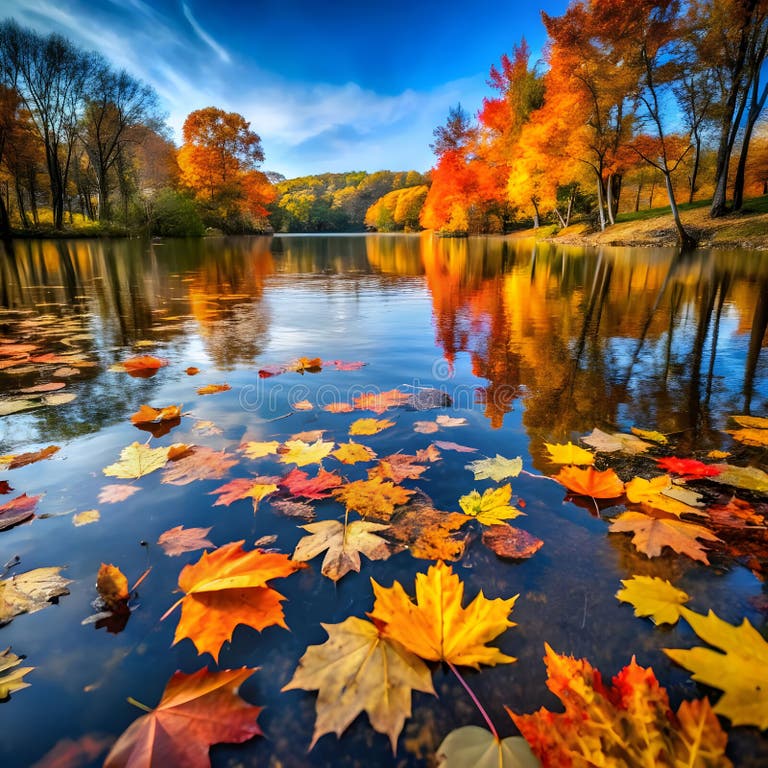
Thorough preparation before a festival is paramount to ensuring a smooth and successful photographic experience. This phase involves meticulously organizing your gear, understanding the event’s logistics, and strategizing your approach to capture the best moments amidst the crowds. Investing time in pre-festival planning will significantly enhance your ability to adapt and create compelling imagery.A well-prepared photographer is a confident photographer.
By addressing potential challenges and opportunities in advance, you can focus your energy on the creative aspects of your work during the festival itself. This section will guide you through the essential steps to get you ready.
Camera Equipment Checklist
Having a comprehensive checklist for your camera equipment ensures that you don’t forget any crucial items. This list should be tailored to the specific demands of festival photography, which often involves long hours, varying light conditions, and the need for portability.Here is a checklist to help you prepare your camera equipment:
- Camera Body: Ensure your primary camera is in good working order, with a clean sensor and a fully charged battery. Consider bringing a backup body if possible, especially for critical shoots.
- Lenses: Pack a versatile selection of lenses. A wide-angle lens (e.g., 24-70mm equivalent) is excellent for capturing the overall atmosphere and large crowds, while a telephoto lens (e.g., 70-200mm equivalent) is useful for isolating subjects and capturing details from a distance. A fast prime lens (e.g., 50mm f/1.8) can be invaluable for low-light performances.
- Batteries: Bring multiple fully charged spare batteries for your camera. Festivals can be long, and power outlets may be scarce.
- Memory Cards: Pack more memory cards than you think you’ll need. Opt for high-speed cards to ensure fast buffer clearing, especially when shooting bursts of action. Consider different capacities to manage your workflow.
- Tripod/Monopod: A lightweight tripod or monopod can be beneficial for stability in low light or for achieving specific creative effects, though consider the practicalities of carrying it in a crowded environment.
- Camera Bag: A comfortable and secure camera bag that allows for easy access to your gear is essential. Look for one with good padding and weather resistance.
- Cleaning Supplies: Lens cloths, a blower brush, and lens cleaning solution are vital for maintaining clear optics in dusty or humid festival environments.
- Rain Cover: A waterproof cover for your camera and bag is a lifesaver if the weather turns unexpectedly.
- Chargers: Ensure you have the correct chargers for all your batteries and any other electronic devices.
- Power Bank: A portable power bank can be a lifesaver for charging phones or other small accessories.
- Comfortable Footwear: While not strictly camera equipment, comfortable shoes are crucial for long days on your feet.
Festival Layout and Schedule Research
Understanding the festival’s layout and schedule is fundamental to planning your shooting strategy. This knowledge allows you to anticipate key moments, identify prime vantage points, and navigate the event efficiently, minimizing wasted time and maximizing photographic opportunities.Effective research involves several key components:
- Official Festival Map: Obtain the official festival map well in advance. Study the placement of stages, vendors, art installations, entrances, exits, and any designated photo areas. Note any potential bottlenecks or high-traffic zones.
- Performance Schedule: Analyze the performance schedule for each stage. Identify headliners, popular acts, and any niche performances you wish to cover. Note the timings and durations of sets, allowing for travel time between stages.
- Artist Set Times: If specific artists are your focus, research their typical set times or any announced special performances. This can help you prioritize which acts to capture.
- Opening and Closing Times: Be aware of the festival’s overall opening and closing times, as well as the operational hours of specific attractions or areas.
- Workshops and Special Events: Festivals often include workshops, talks, or unique events that can offer different photographic subjects. Research these to incorporate them into your plan.
- Accessibility Information: If you have specific accessibility needs or are photographing someone with them, research the festival’s accessibility provisions.
Scouting Potential Shooting Locations
Scouting potential shooting locations before the festival, if feasible, offers a significant advantage. This allows you to identify vantage points that offer unique perspectives, avoid common crowded areas, and understand the lighting conditions at different times of the day.When scouting, consider the following:
- Elevated Positions: Look for balconies, hills, or structures that offer a higher vantage point. These can provide a broader view of the crowd and stage, helping to convey the scale of the event.
- Behind the Stage Areas: Sometimes, the area behind or to the side of a stage can offer interesting perspectives, especially during setup or changeovers, or if there are unique lighting rigs.
- Perimeter and Access Points: The entrances, exits, and perimeter of the festival grounds can offer opportunities to capture the energy of people arriving and departing.
- Art Installations and Themed Areas: Festivals often feature unique art installations or themed zones. These can serve as excellent backdrops or subjects in themselves.
- Quiet Zones or Less Populated Areas: While capturing the crowd is key, identifying quieter spots can be useful for capturing portraits or details without the overwhelming background noise and movement.
- Natural Light Opportunities: Observe how natural light falls on different areas throughout the day. This is crucial for planning shoots during golden hour or for understanding shadow patterns.
If in-person scouting isn’t possible, virtual scouting using satellite imagery (like Google Earth) or examining previous years’ photos and videos can provide valuable insights into the festival grounds.
Battery Life and Memory Card Management Plan
Effective management of battery life and memory cards is crucial for uninterrupted shooting throughout a festival. Running out of power or space can mean missing critical shots, so a proactive plan is essential.Develop a strategy for managing these resources:
- Battery Charging Schedule: Create a schedule for charging your batteries. If staying at a hotel, charge all batteries overnight. During the festival, utilize any downtime at charging stations or back at your accommodation.
- Battery Conservation Techniques:
- Turn off image review on your camera after each shot.
- Use the viewfinder instead of the LCD screen whenever possible, as it consumes less power.
- Disable Wi-Fi and Bluetooth if not actively using them.
- Switch to airplane mode on your camera if it has that feature.
- Avoid excessive use of live view.
- Battery Rotation: When you have multiple batteries, rotate them systematically. This ensures you’re always using a fresh battery for important moments.
- Memory Card Capacity Planning:
- Estimate your daily shooting volume based on previous experience or the intensity of the event.
- Use memory cards with sufficient capacity to hold a full day’s worth of photos. For example, if you typically shoot 500 RAW files per day and your 32GB card holds 1000 RAW files, you’ll need two such cards for a full day.
- Consider shooting in JPEG+RAW if you need to conserve space, but RAW offers the most editing flexibility.
- Regular Card Offloading (if possible): If you have access to a laptop or a portable hard drive, consider offloading photos from your memory cards periodically to free them up. However, be extremely cautious with this process in a festival environment, ensuring secure storage of your data.
- Labeling and Organization: Label your memory cards with the date or event to keep track of which cards contain which images.
- Spare Everything: Always have at least one spare battery and memory card readily accessible in your camera bag.
Mastering Composition in Crowds

Photographing festivals presents a unique challenge: a vibrant, dynamic environment teeming with people. While the energy is infectious, capturing compelling images requires a strategic approach to composition. This section will guide you through techniques to create impactful photographs, even when surrounded by a multitude of subjects.
The key to successful crowd photography lies in transforming the apparent chaos into visually organized and engaging compositions. By understanding and applying fundamental photographic principles, you can elevate your festival shots from mere snapshots to artful representations of the event’s atmosphere.
Isolating Subjects Amidst Chaos
When faced with a sea of people, drawing attention to a specific subject or moment can seem daunting. However, several techniques can help you effectively isolate your intended focal point and create a sense of intimacy or importance within the broader scene.
- Utilize Depth of Field: A shallow depth of field, achieved with a wide aperture (low f-number), blurs the background and foreground elements, making your subject stand out sharply. This is particularly effective for portraits or close-ups of individuals or small groups.
- Focus on Contrast and Color: Look for subjects that naturally stand out due to their color or contrast against their surroundings. A brightly dressed performer against a muted crowd, or a person with a unique silhouette, can draw the viewer’s eye.
- Frame Your Subject: Look for natural frames within the environment. This could be an archway, a doorway, a gap between people, or even the outstretched arms of other festival-goers. This technique adds depth and context while guiding the viewer’s gaze directly to your subject.
- Positioning and Timing: Wait for a moment when your subject is momentarily clear of immediate obstructions, or position yourself so that other people are strategically placed to frame or direct attention towards them. Sometimes, a brief pause in movement can create the perfect window.
Using Leading Lines and Framing
Leading lines and framing are powerful compositional tools that direct the viewer’s eye through the photograph, creating a sense of flow and emphasizing the subject. In a crowded festival environment, these elements can be found and exploited to add structure and narrative to your images.
- Leading Lines: Identify lines within the scene that naturally lead the viewer’s eye towards your main subject. These can be pathways, fences, the edges of stages, rows of lights, or even the direction of people’s gaze. For instance, a path winding through the crowd towards a performer on stage can create a strong sense of journey.
- Framing: Look for opportunities to use elements within the scene to create a natural frame around your subject. This could involve using the edges of tents, the structure of scaffolding, the silhouettes of other attendees, or even the shapes formed by hands raised in the air. Effective framing adds depth, context, and a sense of enclosure, drawing the viewer into the specific scene.
Effective Use of Different Focal Lengths
The choice of focal length significantly impacts how you perceive and capture the festival environment. Each focal length offers a different perspective, allowing you to tell varied stories within the same event.
- Wide-Angle Lenses (e.g., 14-35mm): These lenses are excellent for capturing the overall atmosphere and scale of the festival. They can encompass large crowds, stages, and the entire event space, conveying a sense of grandeur and immersion. However, be mindful of distortion and the tendency to make distant subjects appear small.
- Standard Lenses (e.g., 35-70mm): These lenses offer a perspective close to human vision and are versatile for capturing both wider scenes and more intimate moments. They are great for environmental portraits and general festival coverage, providing a balanced view without significant distortion.
- Telephoto Lenses (e.g., 70-200mm and longer): Telephoto lenses are invaluable for isolating subjects from a distance, compressing the scene, and capturing details that might otherwise be lost in the crowd. They allow you to focus on individual performers, reactions of audience members, or specific interactions without being physically intrusive. This is crucial for capturing candid moments without disturbing the flow of the event.
Capturing Candid Moments Without Being Intrusive
The essence of many festival photographs lies in the genuine, unposed moments of joy, excitement, and connection. Capturing these candid shots requires a blend of observation, patience, and a respectful approach to your subjects.
- Be Patient and Observant: Spend time watching the crowd and its participants. Look for moments of laughter, shared glances, enthusiastic dancing, or quiet contemplation amidst the energy. Often, the best candid shots occur when people are unaware of your presence.
- Use a Longer Focal Length: As mentioned, telephoto lenses are ideal for candid photography. They allow you to maintain a distance from your subjects, making them feel more comfortable and less likely to alter their behavior. This distance also helps in observing and anticipating moments.
- Blend In: Dress inconspicuously and avoid drawing attention to yourself. A smaller camera bag and a quiet demeanor can help you move through the crowd without disturbing the natural flow of interactions.
- Shoot from the Hip (with Caution): In certain situations, and with practice, you can discreetly shoot from waist level. This requires knowing your camera settings beforehand and having a good sense of framing, as you won’t be looking through the viewfinder. This method is best for capturing quick, fleeting moments.
- Anticipate Action: Learn to read the energy of the crowd and anticipate potential moments. For example, if a band is about to play a popular song, expect enthusiastic reactions from the audience. If a performer is interacting with the crowd, be ready to capture those exchanges.
- Focus on Emotion: Candid moments are often defined by raw emotion. Look for expressions of pure joy, awe, surprise, or connection. These are the moments that truly tell the story of the festival experience.
Utilizing Light and Exposure
Photographing crowded festivals presents a dynamic and often challenging lighting environment. Successfully capturing these vibrant scenes requires a keen understanding of how to manage diverse light sources and exposures to bring out the best in your images. This section will guide you through the intricacies of light and exposure control in festival photography.
Capturing the Festival Vibe
Festivals are dynamic, multi-sensory experiences, and your photography should aim to encapsulate this vibrant energy. It’s about more than just documenting events; it’s about conveying the feeling of being there, the shared excitement, and the unique atmosphere that makes each festival special. To achieve this, you need to go beyond simple snapshots and actively seek out moments that tell the story of the festival’s soul.This section will guide you through the techniques and perspectives needed to translate the palpable energy of a festival into compelling visual narratives.
We will explore how to connect with both performers and the audience, observe the subtle details that reveal deeper stories, and brainstorm specific shot ideas that will define the character of your festival imagery.
Conveying Energy and Atmosphere
The essence of a festival lies in its collective spirit and the sensory overload it provides. To capture this, focus on elements that evoke movement, sound, and emotion. Wide-angle shots can encompass the vastness of the crowd and the scale of the event, while tighter shots can focus on individual expressions of joy or awe. Look for patterns in the crowd, the interplay of light and shadow across faces, and the spontaneous interactions that occur.To truly convey the energy, consider these approaches:
- Embrace Motion: Use slower shutter speeds to blur movement, whether it’s dancing crowds, spinning performers, or fluttering flags. This creates a sense of dynamism and captures the flow of the festival.
- Focus on Color and Light: Festivals are often bathed in vibrant stage lights, colorful decorations, and the warm glow of sunset or sunrise. Capture these hues and how they interact with the environment and people.
- Incorporate Sound (Visually): While you can’t photograph sound, you can photograph its effects. Capture the open mouths of singers, the raised hands of an audience singing along, or the vibration of a speaker.
- Show Scale: Juxtapose individuals against the backdrop of the entire festival to emphasize the magnitude of the event and the feeling of being part of something larger.
Photographing Performers and Audience
The relationship between performers and their audience is a core element of any festival’s energy. Photographing both effectively requires understanding their respective roles and interactions. For performers, aim to capture their passion, their connection with the crowd, and their unique stage presence. For the audience, focus on their reactions, their shared experiences, and their individual moments of enjoyment.Here are methods for capturing both groups:
- Performers:
- Stage Presence: Capture performers in moments of intense engagement – singing passionately, playing an instrument with vigor, or interacting with bandmates.
- Emotional Connection: Look for the moments when a performer connects with the audience, whether through eye contact, a gesture, or a shared smile.
- Movement and Dynamics: Photograph performers in action, jumping, dancing, or delivering a powerful vocal.
- Audience:
- Expressions of Joy: Capture faces lit up with smiles, laughter, and eyes wide with wonder.
- Collective Experience: Photograph groups of people dancing together, singing along, or sharing a moment of awe.
- Individual Reactions: Focus on single individuals immersed in the music or atmosphere, showcasing their personal enjoyment.
- Interactions: Capture friends embracing, strangers high-fiving, or families enjoying the event together.
Capturing Storytelling Details
Beyond the grand scenes, the most resonant festival photographs often come from the small, intimate details that tell a story. These are the elements that provide context, reveal character, and add depth to your narrative. They can be subtle gestures, discarded items, or fleeting interactions that speak volumes about the festival experience.Consider these approaches for capturing details that tell a story:
- Sensory Details: Photograph elements that hint at the senses – a hand holding a half-eaten festival food item, a colorful wristband on a sweaty arm, or the texture of a worn-out flag.
- Behind-the-Scenes Glimpses: Look for moments away from the main stage – artists resting backstage, crew members working diligently, or vendors interacting with customers.
- Found Objects: Capture discarded flyers, colorful wristbands left on the ground, or unique pieces of festival art that contribute to the visual tapestry.
- Personal Touches: Photograph creative outfits, face paint, or handmade accessories that reflect the individuality and spirit of festival-goers.
- Moments of Solitude Amidst the Crowd: Sometimes, a single person finding a quiet moment to reflect or observe can be a powerful detail that contrasts with the general chaos.
Festival Character Shot Ideas
To ensure your portfolio truly represents the unique spirit of a festival, think about specific scenarios and subjects that embody its character. These ideas go beyond general coverage and aim to highlight what makes this particular festival memorable.Here is a set of shot ideas to highlight the unique character of a festival:
- The Iconic Landmark: A wide shot of a recognizable stage, art installation, or natural feature of the festival site, with people interacting with it.
- The Energetic Dance Floor: Capture the raw energy of people dancing, focusing on movement, expressions, and the blur of lights.
- The Foodie’s Paradise: Close-ups of unique festival food offerings, showing vibrant colors and textures, with people enjoying them.
- The Art Enthusiast: Shots of attendees engaging with interactive art installations, sculptures, or street art.
- The Family Moment: A parent and child sharing a laugh, or a group of friends posing together, showcasing the diverse demographics attending.
- The Sunrise/Sunset Silhouette: Silhouettes of festival-goers against a dramatic sky, emphasizing the temporal aspect of the event.
- The Unexpected Encounter: A candid moment of two strangers connecting, perhaps sharing a conversation or a laugh.
- The Dedicated Fan: A close-up of someone singing along passionately, with their eyes closed, completely lost in the music.
- The Quiet Observer: A person sitting slightly apart from the main crowd, taking in the atmosphere, perhaps with a sketchbook or camera.
- The Festival Uniform: Focus on distinctive outfits, face paint, or accessories that are characteristic of the festival’s subculture.
Technical Settings and Camera Modes
Navigating the dynamic environment of a festival requires careful consideration of your camera’s technical settings. Optimizing these settings will significantly enhance your ability to freeze motion, manage challenging lighting, and ensure you capture the essence of the event. This section delves into the crucial camera settings that will empower you to achieve professional-quality festival photographs.Understanding how your camera responds to movement and varied light is paramount.
By adjusting specific modes and settings, you can transform potentially blurry shots into sharp, impactful images that convey the energy and excitement of the festival.
Optimal Camera Settings for Capturing Motion
Freezing fast-moving subjects at a festival demands a swift shutter speed. This is the most critical setting for eliminating motion blur and ensuring clarity in your shots, whether it’s a dancer, a performer, or a crowd in mid-action.
- Shutter Speed: For capturing motion clearly, a general guideline is to use a shutter speed of at least 1/250 second. For very fast action, such as sports or energetic performances, speeds of 1/500 second or even faster are recommended. This rapid exposure time effectively “freezes” the movement.
- Aperture: While shutter speed is key for motion, aperture plays a role in depth of field and light gathering. A wider aperture (lower f-number, e.g., f/2.8 or f/4) allows more light, which is beneficial in dim festival conditions, and also creates a shallower depth of field, helping to isolate your subject from the busy background.
- ISO: This setting controls the camera’s sensitivity to light. In low-light festival environments, you may need to increase the ISO to achieve a fast enough shutter speed. However, be mindful that higher ISO values can introduce digital noise (graininess) into your images. Modern cameras handle higher ISOs much better, so don’t be afraid to push it if necessary, but aim for the lowest ISO that allows for proper exposure with your desired shutter speed.
Continuous Autofocus Modes
When photographing events with unpredictable movement, a reliable autofocus system is essential. Continuous autofocus modes are specifically designed to track moving subjects, ensuring they remain in sharp focus as they move within the frame.The benefit of using continuous autofocus lies in its ability to anticipate and react to subject movement. This is particularly useful for capturing dynamic performances or candid moments where subjects are constantly in motion.
- AF-C (Continuous Autofocus) / AI Servo: This mode continuously adjusts focus as long as the shutter button is partially pressed. It is ideal for tracking moving subjects, ensuring they remain sharp as they approach or recede from the camera.
- Zone AF / Dynamic Area AF: These modes use a group of focus points to track a subject. If the subject moves away from the initially selected focus point, adjacent points will take over, providing a wider tracking area and increasing the likelihood of maintaining focus on a moving target.
- Eye AF (if available): For portraits or capturing the emotion of performers, Eye AF can be incredibly powerful. It automatically detects and focuses on the subject’s eye, ensuring sharp focus on the most critical part of the face, even when the subject is moving.
White Balance Settings in Dynamic Lighting
Festivals often present a challenging mix of lighting conditions, from the warm glow of stage lights to the cool tones of twilight or the harshness of midday sun. Setting your white balance correctly is crucial for accurate color reproduction.Manually setting white balance or using presets can help counteract the color casts introduced by different light sources, ensuring your photos have natural-looking colors.
- Auto White Balance (AWB): While convenient, AWB can sometimes struggle in complex lighting. It might overcompensate or undercompensate, leading to unnatural color casts.
- Custom White Balance: This is the most accurate method. It involves taking a photo of a neutral gray card or a white object under the prevailing light conditions and then setting that as your reference for white balance. This ensures all subsequent photos accurately reflect the scene’s colors.
- White Balance Presets: Your camera likely has presets like “Daylight,” “Cloudy,” “Tungsten,” and “Fluorescent.” Experimenting with these can yield better results than AWB in specific, consistent lighting scenarios. For example, using “Tungsten” under stage lights can help neutralize their warm cast.
- Setting White Balance from a Sample Image: Some cameras allow you to select a reference image with accurate colors and apply its white balance to subsequent shots. This can be useful if you’ve captured a well-exposed shot with correct colors under similar lighting.
Shooting in RAW versus JPEG
The choice between shooting in RAW and JPEG formats has significant implications for post-processing flexibility and the final quality of your festival images. Each format offers distinct advantages.RAW files contain all the unprocessed data captured by your camera’s sensor, offering unparalleled flexibility in editing. JPEGs, on the other hand, are processed and compressed in-camera, resulting in smaller file sizes but less editing latitude.
- RAW:
- Advantages: Maximum detail, wider dynamic range, greater flexibility in adjusting white balance, exposure, and color in post-processing without significant quality degradation. This is crucial for correcting challenging festival lighting.
- Disadvantages: Larger file sizes, requiring more storage space and longer processing times. RAW files need to be processed in specialized software (e.g., Adobe Lightroom, Capture One).
- JPEG:
- Advantages: Smaller file sizes, making them easier to store and share immediately. They are ready to use straight out of the camera, requiring minimal or no post-processing.
- Disadvantages: Less flexibility in editing. Adjusting white balance or exposure significantly can lead to banding or loss of detail, especially in highlights and shadows. The in-camera processing can also be subjective.
For festival photography, where lighting can be unpredictable and you may want to fine-tune colors and exposure to capture the vibrant atmosphere, shooting in RAW is generally recommended for the highest quality and most creative control. However, if storage is limited or immediate sharing is a priority, shooting in JPEG (perhaps with a high-quality setting) can be a viable option.
Many cameras also offer the option to shoot in RAW+JPEG, providing both formats for maximum flexibility.
Post-Processing for Festival Photos
The magic of festival photography doesn’t end when you press the shutter. Post-processing is where you can truly elevate your images, transforming raw captures into vibrant, impactful stories that convey the energy and emotion of the event. This stage allows you to refine your vision and ensure your photographs resonate with viewers.This section will guide you through a comprehensive workflow for editing your festival photos, focusing on techniques to enhance their visual appeal and narrative strength.
We will explore essential adjustments from color correction to sharpening, ensuring your images stand out.
Editing Workflow for Festival Images
A structured editing workflow ensures consistency and efficiency, allowing you to process a large volume of festival photos effectively. This process typically involves several key stages, each building upon the last to refine the image.
- Import and Culling: Begin by importing all your photos into your preferred editing software (e.g., Adobe Lightroom, Capture One). The crucial first step is culling, which involves selecting the best shots. Look for sharp focus, compelling moments, good composition, and emotional impact. Delete blurry images, duplicates, and those that don’t tell a story.
- Global Adjustments: After culling, make global adjustments to all selected images. This includes basic exposure, white balance, and contrast adjustments to establish a consistent look and feel across your set.
- Color Correction and Enhancement: Fine-tune the colors to accurately represent the scene or to enhance the mood. This is a critical step for festival photos, which often feature vibrant and dynamic lighting.
- Contrast and Detail Enhancement: Adjusting contrast can add depth and drama, while enhancing details brings out textures and the nuances of the scene.
- Sharpening and Noise Reduction: Apply sharpening to make your images crisp and clear. Simultaneously, address any noise that may have been introduced, especially in low-light conditions.
- Local Adjustments: Use tools like brushes and gradients to make specific adjustments to certain areas of the image, such as brightening a subject or darkening a distracting background element.
- Export: Finally, export your edited images in the appropriate format and resolution for their intended use (e.g., web, print).
Color Correction and Enhancing Vibrancy
Color is a powerful tool in festival photography, often reflecting the electric atmosphere. Accurate color correction ensures realism, while thoughtful enhancement can amplify the visual energy.
“Color is a power which directly influences the soul.”
Wassily Kandinsky
When correcting colors, start with white balance. If your camera’s auto white balance struggled with the mixed lighting often found at festivals, manually set it or use a gray card if you shot one. Aim for natural skin tones and accurate representation of the ambient light. After correcting for accuracy, you can selectively enhance vibrancy. This is often achieved through the ‘Vibrance’ and ‘Saturation’ sliders in editing software.
Vibrance is generally preferred as it intelligently boosts less saturated colors while leaving already saturated ones largely untouched, preventing unnatural color clipping. Saturation, on the other hand, boosts all colors equally. For festival photos, consider slightly increasing vibrance to make the colorful costumes, stage lights, and decorations pop, but avoid overdoing it, which can lead to a garish look.
Adjusting Contrast and Detail for Dramatic Effect
Contrast is the difference between the lightest and darkest areas of an image, and it plays a significant role in creating depth, mood, and visual impact. Detail refers to the fine textures and elements within your photograph.
Increasing contrast can make your festival images more dynamic. This can be done globally using the ‘Contrast’ slider or more selectively using the ‘Highlights,’ ‘Shadows,’ ‘Whites,’ and ‘Blacks’ sliders. Pulling down the highlights and lifting the shadows can recover detail in extreme lighting conditions, while pushing the blacks and whites can create a more punchy, impactful image. For dramatic effect, consider an S-curve in your tone curve adjustments, which typically boosts contrast in mid-tones while preserving highlight and shadow detail.
To enhance detail, use the ‘Clarity’ or ‘Texture’ sliders. Clarity adds mid-tone contrast, making edges appear sharper and giving a sense of depth, which is excellent for emphasizing the intricate details of costumes or the grit of a performance. Texture specifically targets finer details, making surfaces and patterns more pronounced. Be mindful that overusing these sliders can introduce artifacts and an unnatural look, so subtle adjustments are key.
Sharpening Images and Reducing Noise
Sharpening enhances the definition of edges and fine details, making your images appear crisp and clear. Noise, often appearing as graininess, can detract from image quality, especially in low-light festival environments.
- Sharpening: Most editing software offers a sharpening tool. When sharpening, focus on applying it selectively to areas where detail is important, such as eyes, textures, or edges. Avoid sharpening areas that are meant to be smooth, like skies, as this can exaggerate noise. A common approach is to apply sharpening with a moderate amount, a radius that suits the image resolution, and a detail setting that preserves fine lines.
Masking is crucial here; use the masking slider (often found within the sharpening settings) to ensure sharpening is only applied to edges and not to smooth areas.
- Noise Reduction: Noise reduction tools in editing software can help to smooth out the graininess caused by high ISO settings. There are typically two types of noise: luminance noise (graininess) and color noise (random colored pixels). Adjust the luminance slider to reduce the overall grain, and the color slider to eliminate distracting color speckles. Similar to sharpening, overdoing noise reduction can lead to a loss of detail and a painterly or plastic-like appearance.
It’s often a balance between reducing noise and preserving important image information. A good strategy is to reduce noise until it’s no longer distracting, rather than trying to eliminate it entirely.
Creative Techniques and Experimentation
Beyond mastering the fundamentals, venturing into creative techniques can elevate your festival photography from documentary to art. This section explores methods to push your creative boundaries and capture unique, memorable images that stand out from the crowd. Experimentation is key to discovering your personal style and producing truly impactful photographs.Embracing experimentation allows you to break free from conventional perspectives and inject a sense of dynamism and artistry into your work.
By intentionally introducing controlled “imperfections” or altering your viewpoint, you can convey the energy and emotion of the festival in ways that a straightforward shot might not.
Intentional Camera Movement (ICM)
Intentional Camera Movement is a powerful technique for creating abstract and impressionistic images, particularly effective at capturing the vibrant, often blurry motion of a festival. This method involves moving the camera during the exposure, resulting in streaks of light and color that convey a sense of energy and flow.To execute ICM effectively, consider the following:
- Subject Matter: Look for subjects with strong lines, bright lights, or repetitive patterns. Stages with flashing lights, performers in motion, or even crowds moving in unison can yield striking results.
- Shutter Speed: This is the most crucial element. A slower shutter speed, typically ranging from 1/15th of a second to several seconds, is necessary to allow for movement. The exact speed will depend on the speed of your subject and the desired effect.
- Movement Type: Experiment with different directions of movement: horizontal pans, vertical tilts, diagonal sweeps, or even circular motions. The direction of your movement should ideally complement the lines or energy of your subject.
- Focus: You can choose to pre-focus on a specific point, or allow the camera to find focus during the movement, which can add to the abstract quality.
- Post-Processing: While ICM is primarily an in-camera technique, minor adjustments in post-processing, such as contrast and saturation, can further enhance the artistic impact.
For instance, during a pyrotechnic display, a slow pan upwards with the camera can transform fireworks into ethereal streaks of light against the night sky, far more evocative than a sharp, static capture. Similarly, panning horizontally across a band on stage can turn individual performers into flowing blurs of color, emphasizing the collective energy of the performance.
Reflections and Water Elements
Incorporating reflections and water elements can add depth, symmetry, and a touch of magic to your festival photographs. Festivals often provide unique opportunities for such shots, from puddles after rain to strategically placed water features or even shiny surfaces.Utilize reflections to:
- Create Symmetry and Balance: A perfectly mirrored reflection can create a visually pleasing symmetrical composition, adding a sense of order to the often chaotic festival environment.
- Add Layers and Depth: Reflections can introduce an additional layer to your image, allowing you to capture both the subject and its mirrored counterpart, creating a richer visual narrative.
- Capture Unique Perspectives: Shooting from a low angle, near the water’s surface, can offer a novel viewpoint and emphasize the reflective qualities.
- Enhance Atmosphere: The distortion or play of light on water can contribute to a dreamlike or moody atmosphere, especially during evening or twilight hours.
Imagine a shot of a vibrant stage performance where the lights and the performers are perfectly mirrored in a large puddle. This double image can be more captivating than a single view, drawing the viewer into the scene. Even a simple reflection of a festival-goer’s colorful outfit in a shop window can become a compelling photographic element.
Tripod or Monopod for Stability
While often associated with landscape or studio photography, a tripod or monopod can be invaluable tools for festival photography, especially in challenging lighting conditions or when precise composition is desired. They offer enhanced stability, enabling sharper images and facilitating techniques that require stillness.The benefits of using a tripod or monopod include:
- Low Light Photography: At night or in dimly lit areas, a tripod allows you to use longer shutter speeds to gather enough light without introducing camera shake, resulting in brighter and less noisy images.
- Sharpness and Detail: Even in good light, a tripod ensures maximum sharpness by eliminating subtle hand-held camera movements, crucial for capturing fine details.
- Long Exposures: For creative effects like blurring water or capturing light trails from moving crowds, a tripod is essential for maintaining a consistent, slow shutter speed.
- Precise Composition: A tripod allows you to meticulously frame your shot and maintain that composition, even if you need to step away briefly.
- Reduced Fatigue: For long shooting days, a tripod or monopod can alleviate the physical strain of holding your camera for extended periods.
For example, if you are trying to capture the intricate details of a fire dancer against a dark sky, a tripod will allow you to use a longer exposure to properly illuminate the dancer while keeping the background dark and the dancer sharp, something difficult to achieve handheld.
Experimenting with Different Angles and Perspectives
Breaking away from eye-level shots is a fundamental yet often overlooked aspect of creative photography. Experimenting with unconventional angles and perspectives can transform an ordinary scene into something extraordinary, revealing details and narratives that might otherwise go unnoticed.Consider these approaches to varying your perspective:
- Low Angles: Shooting from ground level can make subjects appear larger and more imposing, or capture interesting foreground elements like textures or discarded items that tell a story. It can also offer a unique view of the crowd’s feet and movement.
- High Angles: Climbing to an elevated position (safely, of course) provides a bird’s-eye view, allowing you to capture the scale of the festival, the patterns of the crowd, and the overall layout of the event.
- Close-Ups: Getting intimately close to your subject can reveal textures, expressions, and details that are missed from a distance. This is particularly effective for portraits or capturing the nuances of performance.
- Through Objects: Shooting through elements in the foreground, such as fences, banners, or even people’s arms, can add a sense of depth and context, framing your subject in an interesting way.
- Leading Lines: Actively seek out lines within the scene – pathways, fences, stage structures – and use them to guide the viewer’s eye towards your main subject.
For instance, a photograph of a performer taken from a very low angle, looking up at them against the sky, can imbue them with a sense of grandeur. Conversely, a high-angle shot of the entire festival ground, with its myriad of tents and moving figures, can convey the immense scale and energy of the event. Capturing a portrait by shooting through a gap in a crowd, with other festival-goers slightly blurred in the foreground, can add a sense of immersion and immediacy to the image.
Ethical Considerations and Etiquette
Photographing at crowded festivals presents unique challenges, not just technically, but also in how we interact with the environment and the people within it. Respectful photography is paramount to ensuring a positive experience for everyone involved, including yourself, fellow attendees, performers, and staff. This section delves into the essential ethical considerations and etiquette that will elevate your festival photography from intrusive to appreciative.Navigating a festival environment requires a mindful approach to photography.
Understanding and adhering to ethical guidelines will not only prevent potential conflicts but also allow you to capture more authentic and meaningful images. Prioritizing respect and awareness is key to becoming a responsible festival photographer.
Respectful Interaction with Attendees and Staff
Cultivating a positive rapport with festival-goers and event personnel is fundamental. Approaching individuals with courtesy and an awareness of their personal space can lead to more cooperative and genuine photographic opportunities. Remember that everyone is there to enjoy the festival, and your presence as a photographer should enhance, not detract from, their experience.When engaging with attendees, a simple smile and a polite request can go a long way.
For staff, understanding their roles and responsibilities is important; they are often the backbone of the event and their cooperation can be invaluable.
Obtaining Permission for Photography
While candid shots are often the essence of festival photography, there are times when explicit permission is not only courteous but also necessary. This is particularly true when photographing individuals up close, children, or when planning to use the images for commercial purposes.
“Always ask for consent before taking a close-up portrait, especially if the subject is identifiable and the image will be used publicly.”
For general crowd shots or wider scene captures, permission is usually not required. However, if you intend to photograph performers on stage, be aware of any specific photography policies the festival or venue may have in place. Many festivals have designated media areas or require press passes for professional photographers.
Avoiding Disruptions to Performers and Audience
The energy of a festival is often driven by the performances and the collective experience of the audience. As a photographer, it is your responsibility to minimize any interference with these crucial elements. This means being aware of your surroundings and your equipment’s impact.Avoid blocking sightlines to the stage, especially during key moments of a performance. Similarly, be mindful of not obstructing the flow of the crowd or creating hazards with your gear.
Your goal is to capture the event, not to become a focal point of disruption.
Maintaining a Low Profile While Shooting
Effectively blending into the festival environment allows for more natural and candid photographs. A low-profile approach means being unobtrusive and making your presence as subtle as possible. This often involves strategic positioning and being aware of your body language.Consider the following best practices for maintaining a low profile:
- Position yourself thoughtfully, seeking vantage points that offer good shots without being in the way.
- Move deliberately and avoid sudden, jerky movements that can draw attention.
- Keep your camera equipment organized and contained to avoid accidental bumps or snags.
- If using a flash, do so sparingly and be aware of its impact on performers and the audience. Many festivals prohibit flash photography for this very reason.
- Be mindful of your noise level; avoid loud conversations or exclamations that can distract others.
Gear Recommendations and Accessories
Selecting the right gear is paramount to successfully capturing the dynamic energy of festivals. This section will guide you through essential camera bodies, lenses, bags, and accessories that will enhance your shooting experience and the quality of your photographs in crowded festival environments.Choosing equipment that balances performance, portability, and durability is key. The right tools can make the difference between capturing fleeting moments and missing them entirely, or struggling with heavy gear and enjoying the creative process.
Essential Camera Bodies and Lenses
For festival photography, a versatile camera body that offers good low-light performance and a reliable autofocus system is highly recommended. Lenses that provide flexibility in focal length are also crucial, allowing you to adapt to various shooting distances and crowd densities.
- Camera Bodies: Mirrorless cameras, particularly those with advanced in-body image stabilization and robust weather sealing, are excellent choices. Full-frame sensors generally offer superior low-light performance, which is often beneficial at festivals, especially during evening sets or in dimly lit stages. APS-C sensor cameras offer a good balance of image quality and portability, and their crop factor can be advantageous for reaching distant performers.
- Lenses:
- Wide-angle Zoom Lenses (e.g., 16-35mm or 14-24mm equivalent): Ideal for capturing the overall atmosphere, wide stage shots, and the vastness of the crowd. They allow you to include a lot of context in your frame.
- Standard Zoom Lenses (e.g., 24-70mm or 24-105mm equivalent): These are incredibly versatile and can cover a wide range of scenarios, from group shots of friends to portraits of performers on stage.
- Telephoto Zoom Lenses (e.g., 70-200mm equivalent): Essential for isolating performers on stage, capturing details, and creating intimate portraits without needing to be right at the front. A fast aperture (f/2.8 or f/4) is highly beneficial for low light and subject isolation.
- Prime Lenses (e.g., 35mm or 50mm f/1.8 or f/1.4): While less versatile in terms of zoom, fast prime lenses excel in low light, produce beautiful bokeh, and are often more compact and lighter, making them great for walking around the festival grounds.
Camera Bag Options for Portability
Transporting your gear safely and efficiently through crowded festival grounds requires a well-chosen camera bag. The ideal bag should offer a balance of protection, accessibility, and comfort for extended periods of carrying.
- Backpacks: These are excellent for distributing weight evenly across your back, making them comfortable for long days. Many festival-specific backpacks offer quick access side pockets, ample padding, and compartments for personal items alongside camera gear. Look for models with hydration pack compatibility for added convenience.
- Sling Bags: Sling bags allow for quick rotation to the front for easy access to your camera and lenses. They are generally lighter than backpacks and can be a good choice for shorter outings or when you want to move quickly between stages. However, they can put more strain on one shoulder over time.
- Rolling Cases: While less common for navigating dense crowds, rolling cases can be beneficial for transporting larger amounts of equipment to and from the festival site or if you have specific needs for multiple lenses and accessories. They offer superior protection but are impractical for moving through packed areas.
Essential Accessories
Beyond your camera and lenses, several accessories can significantly improve your festival photography experience and ensure you don’t miss critical shots due to technical limitations.
- Extra Batteries: Festivals are long, and your camera’s battery life can be significantly reduced by frequent use, especially in cold weather or when using Wi-Fi/GPS. Always carry at least one, and ideally two or three, fully charged spare batteries.
- Memory Cards: High-speed, high-capacity memory cards are crucial. Festivals generate a lot of photos, and you don’t want to run out of space. Consider carrying multiple cards so you can swap them out if one becomes full or if you want to back up images to separate cards as you shoot.
- Lens Cleaning Kit: Dust, sweat, and spilled drinks are common at festivals. A small microfiber cloth and a lens cleaning solution will be invaluable for keeping your lenses clear.
- Rain Cover: Weather can be unpredictable. A simple rain cover for your camera and bag can save your gear from unexpected downpours.
- Portable Power Bank: Useful for charging your phone or other small electronic devices, which can also be essential for communication and navigation at a festival.
External Flashes and Reflectors
While natural light is often preferred, external flashes and reflectors can offer creative control and enhance image quality in challenging lighting conditions, though they come with their own set of considerations.
- External Flashes:
- Pros: Provide a controlled light source, allowing you to fill shadows, freeze motion, and add creative lighting effects, especially useful for portraits within the crowd or capturing performers in darker stages. Off-camera flash techniques can yield very dramatic results.
- Cons: Can be intrusive in a crowd, potentially annoying other attendees or performers. Requires careful diffusion and bouncing to avoid harsh, unnatural-looking light. Adds bulk and complexity to your setup.
- Reflectors:
- Pros: A simple, passive way to bounce existing light onto your subject, softening shadows and adding catchlights to eyes. They are lightweight and don’t require batteries. Small collapsible reflectors are very portable.
- Cons: Less effective in very dim light or when the primary light source is directional and far away. Requires a second person to hold effectively in many situations, which can be challenging in a crowded festival.
For festival photography, a minimalist approach with your lighting gear is often best. If using a flash, a small, on-camera speedlight with a diffuser or a bounced flash can be effective for filling in shadows without being overly disruptive. Reflectors are best suited for daytime portraits in shaded areas or when working with a willing assistant.
Final Conclusion
By understanding the festival environment, preparing meticulously, and employing creative techniques for composition, light, and technical settings, you can transform chaotic scenes into stunning visual narratives. Remember to always be respectful and considerate, ensuring your photography enhances, rather than detracts from, the shared experience. With practice and these insights, you’ll be well on your way to capturing the unforgettable essence of any crowded festival.