Embark on a fascinating journey into the art of double exposure photography. This comprehensive guide will unlock the secrets to creating visually stunning and evocative images by skillfully merging two distinct moments into one cohesive masterpiece.
We will delve into the fundamental principles, explore creative subject pairings, and master the technical aspects of both in-camera and post-processing techniques. Prepare to transform your photography with insightful advice on lighting, composition, and advanced artistic applications.
Understanding the Fundamentals of Double Exposure
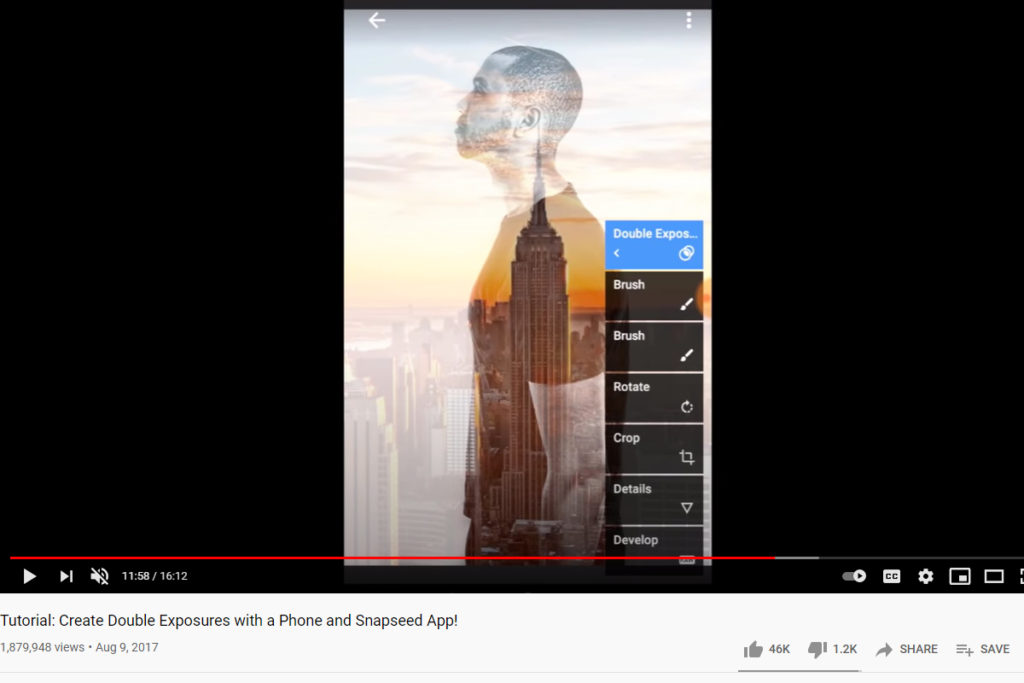
Double exposure is a captivating photographic technique that merges two distinct images into a single, unified composition. This process creates a layered effect, often resulting in surreal, artistic, and thought-provoking visuals. At its core, it involves capturing light from two different scenes onto the same piece of film or sensor, allowing them to blend harmoniously. This technique can be achieved both in-camera for a more spontaneous and organic feel, or through post-processing for greater control and precision.The magic of double exposure lies in its ability to combine seemingly unrelated elements, fostering new interpretations and narratives.
Whether it’s a portrait overlaid with a landscape or abstract patterns interwoven with everyday objects, the possibilities are virtually endless. Mastering this technique requires an understanding of its foundational principles, the technical aspects involved, and the common challenges that can arise.
The Core Concept of Double Exposure
The fundamental principle of double exposure is the superimposition of two images. This is achieved by exposing a single frame of film or a digital sensor to light from two different subjects or scenes. In traditional film photography, this meant taking a photograph, rewinding the film slightly, and then taking a second photograph on the same frame. For digital photography, this is typically achieved by layering two separate image files in post-processing software, or by using specific in-camera settings that allow for multiple exposures on a single digital frame.
The key is that the light from both exposures contributes to the final image, creating a blend where elements of each are visible.
Technical Requirements for In-Camera Double Exposure
Achieving double exposure directly within your camera offers a unique, immediate, and often serendipitous creative experience. This method requires specific camera settings and a thoughtful approach to composition.For cameras that support in-camera multiple exposure, the process usually involves selecting the “Multiple Exposure” or “Multi-Exposure” mode. Within this mode, you can typically choose how many exposures will be combined (often two or three).
The camera then intelligently manages the exposure for each subsequent shot, ensuring that the combined exposure does not become overexposed. It’s crucial to understand how your specific camera handles exposure in this mode. Some cameras will calculate the exposure for each shot based on the total number of exposures, while others might allow you to adjust the exposure for each individual shot.Here are the essential technical considerations:
- Camera Mode Selection: Locate and activate the “Multiple Exposure” or “Multi-Exposure” setting in your camera’s menu.
- Number of Exposures: Decide whether you will combine two, three, or more images. This will influence the final image’s complexity and brightness.
- Exposure Settings: Pay close attention to the overall exposure. If you are shooting in manual mode, you might need to adjust your aperture and shutter speed to accommodate the combined light from multiple exposures. Many cameras will automatically compensate or allow you to set compensation for each shot.
- Focusing: Ensure your focus is accurate for each individual exposure, as both will contribute to the final image.
- Subject Choice and Placement: Consider how the two subjects will interact visually. Areas of high contrast in one image can beautifully complement areas of detail in another.
Common Pitfalls to Avoid in Double Exposure
While double exposure offers immense creative freedom, there are several common mistakes that can detract from the final image. Being aware of these pitfalls can significantly improve your results.When attempting double exposures, it’s easy to fall into traps that lead to muddy, overly busy, or underexposed images. The interplay of light and shadow is critical, and a lack of planning can result in unintended outcomes.Here are common pitfalls and how to navigate them:
- Overexposure: This is perhaps the most frequent issue. Combining too much light from multiple exposures without compensation will result in a blown-out, featureless image. Always consider the cumulative light.
- Underexposure: Conversely, if the camera’s meter is fooled by dark subjects or if you don’t allow enough light for each exposure, the final image can be too dark to discern the intended details.
- Cluttered Compositions: Simply overlaying two busy images without considering how they will interact can lead to a chaotic and confusing final product. Look for elements that can complement rather than compete.
- Lack of Contrast: If both exposures have very low contrast, the resulting double exposure may lack visual punch and appear flat.
- Ignoring the Negative Space: The areas that are dark or black in one exposure can act as a canvas for the other. Failing to consider this can lead to a loss of detail in both images.
- Unintentional Subject Overlap: Sometimes, elements from the two exposures might overlap in a way that is distracting or creates an unintended, often awkward, shape.
Comparison of In-Camera Versus Post-Processing Double Exposure Creation
Both in-camera and post-processing methods for creating double exposures offer distinct advantages and cater to different creative workflows and desired outcomes. Understanding these differences will help you choose the most suitable approach for your projects.In-camera double exposure provides an immediate, tactile, and often serendipitous creative process. It encourages photographers to think on their feet and embrace the moment. The results can feel more organic and less manipulated, as the blending happens physically or digitally within the camera itself.
This method is ideal for photographers who enjoy a hands-on approach and the thrill of unexpected outcomes.Post-processing, on the other hand, offers unparalleled control, precision, and the ability to refine the blend to perfection. It allows for experimentation with different blending modes, opacity levels, and masks, giving you the power to meticulously craft the final image. This approach is favored by those who prefer a more deliberate and controlled creative process, where every element can be adjusted and perfected.Here’s a comparative overview:
| Feature | In-Camera Double Exposure | Post-Processing Double Exposure |
|---|---|---|
| Control | Limited control over the blending once captured. Relies on initial composition and exposure. | High degree of control over blending modes, opacity, masks, and individual image adjustments. |
| Spontaneity | High. Encourages improvisation and embraces unexpected results. | Low. A more deliberate and planned process. |
| Workflow | Immediate. The double exposure is created during the shooting process. | Delayed. Requires shooting individual images and then combining them later. |
| Flexibility | Less flexible; difficult to alter the blend significantly after capture. | Highly flexible; can be revisited and refined extensively. |
| Technical Skill | Requires understanding of camera settings and exposure compensation for multiple exposures. | Requires proficiency in photo editing software (e.g., Photoshop, Lightroom). |
| Creative Outcome | Often organic, sometimes surprising, with a unique “in-camera” feel. | Can be precisely tailored, allowing for complex and highly artistic manipulations. |
| Best For | Photographers who enjoy immediate results, embracing happy accidents, and a more traditional feel. | Photographers who prioritize meticulous control, complex layering, and artistic refinement. |
Creative Approaches and Subject Matter
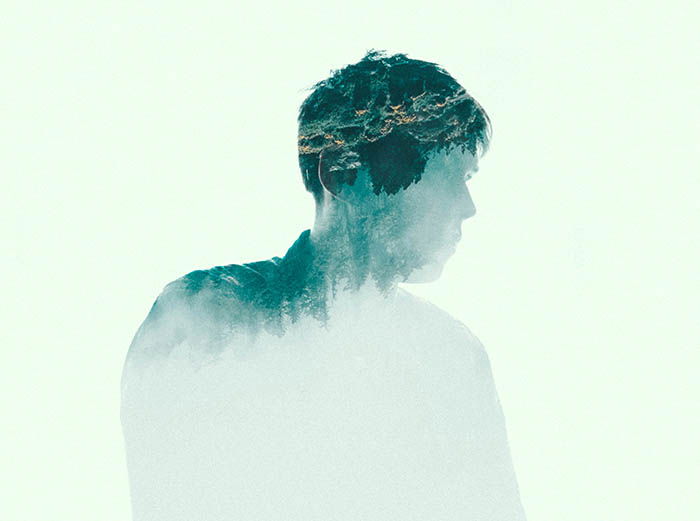
The true magic of double exposure lies in its capacity to blend disparate elements, forging entirely new visual narratives. By thoughtfully combining contrasting subjects, photographers can evoke a spectrum of emotions, from serene contemplation to dynamic tension, and craft stories that resonate with viewers on a deeper level. This technique invites us to explore the unexpected harmonies and compelling dialogues that emerge when worlds collide within a single frame.The selection of subjects is paramount to the success of a double exposure.
Aim for pairings that possess a visual or thematic resonance, where one element can enhance, transform, or even challenge the perception of the other. This might involve juxtaposing organic forms with man-made structures, or contrasting light and shadow to create depth and intrigue. The goal is to create a synergy where the combined image is more than the sum of its parts, offering a fresh perspective on familiar subjects.
Artistic Possibilities of Contrasting Subjects
Combining contrasting subjects in double exposure opens up a vast landscape of artistic expression. The juxtaposition of opposing elements can create visual metaphors and symbolic meanings that are not immediately apparent in individual images. For instance, the stark geometry of an urban skyline can be softened and made more organic when layered with the flowing lines of natural landscapes, suggesting a harmonious coexistence or a poignant commentary on the encroachment of nature by civilization.
Conversely, the delicate texture of a flower might gain a sense of resilience and permanence when superimposed onto the rough, weathered surface of an ancient stone. This interplay of contrast allows for the exploration of themes such as life and decay, order and chaos, or the ephemeral versus the eternal.
Compelling Subject Pairings for Mood and Narrative
Certain subject pairings are particularly effective at evoking specific moods or narratives. For example, pairing a portrait with a stormy sky can convey a sense of inner turmoil or emotional turbulence, while combining a serene landscape with a silhouette of a solitary figure might suggest themes of introspection, loneliness, or peace. The following are some compelling pairings:
- Human Form and Nature: A human silhouette superimposed with a dense forest can symbolize a deep connection to nature or the feeling of being overwhelmed by its vastness. A close-up of a face layered with intricate floral patterns might explore themes of beauty, fragility, and the blossoming of inner self.
- Urban Landscapes and Celestial Bodies: The sharp angles of city buildings layered with the soft glow of stars or the swirling patterns of nebulae can create a sense of wonder and the cosmic scale of human endeavors. This pairing can evoke feelings of awe, insignificance, or the search for meaning within the urban sprawl.
- Abstract Textures and Concrete Objects: The rough texture of peeling paint or rusted metal overlaid on a clear, sharp image of an object like a vintage car can create a sense of history, decay, and the passage of time. This contrast highlights the material qualities and the stories embedded within objects.
Choosing Visually Complementary Subjects
The visual harmony of a double exposure is crucial for its aesthetic appeal. Subjects that complement each other often share similar tonal ranges, line qualities, or compositional structures, even if their content is vastly different. When selecting images, consider the following:
- Tone and Light: Images with similar lighting conditions or tonal values tend to blend more seamlessly. A bright, airy landscape might pair well with a portrait that has soft, diffused lighting. Conversely, strong contrasts in light and shadow can be used intentionally to create dramatic effects.
- Line and Form: The lines and shapes within each image can either echo each other or create interesting juxtapositions. For instance, the curved lines of a flowing river could complement the rounded forms of a subject’s face, or the rigid lines of a bridge could contrast with the organic shapes of clouds.
- Color Palette: While not strictly necessary, a harmonious color palette can significantly enhance the visual cohesion of a double exposure. Images with complementary or analogous colors often create pleasing results. However, intentionally clashing colors can also be used to create a striking and energetic effect.
Conceptual Double Exposure Ideas: Nature and Urban Elements
Here are three distinct conceptual double exposure ideas that creatively blend nature and urban elements, designed to evoke specific moods and narratives:
- Concept: Urban Bloom
Description: This concept explores the idea of nature reclaiming or intertwining with the urban environment, suggesting resilience and unexpected beauty. The first exposure would be of a stark, geometric urban landscape – perhaps a series of skyscrapers or a concrete overpass, captured with strong lines and perhaps a slightly desaturated palette. The second exposure would be of vibrant, blooming flowers, such as cherry blossoms or lush ferns, with their organic, flowing forms and rich colors.
The flowers would be layered to appear as if they are growing out of the concrete, climbing the buildings, or forming delicate canopies over the rigid structures. This pairing evokes a sense of hope, the persistence of life, and the subtle beauty that can emerge even in man-made environments.
- Concept: The Whispering City
Description: This concept aims to capture the ephemeral and almost spectral quality of a city at dusk or dawn, blending its solid forms with the intangible elements of nature. The first exposure would be of a bustling city street at twilight, with blurred motion from vehicles and pedestrians, emphasizing the movement and energy. The second exposure would be of mist or fog rolling through a natural landscape, such as a forest or a lake, with soft, diffused light.
When combined, the fog would appear to weave through the city streets, softening the sharp edges of buildings and creating an ethereal, dreamlike atmosphere. This pairing evokes a sense of mystery, the passage of time, and the quiet moments of contemplation that can be found even in a busy urban setting.
- Concept: Rooted Ambition
Description: This concept represents the ambition and growth associated with urban development, grounded by the enduring strength of nature. The first exposure would be of a powerful, established tree, perhaps an ancient oak or a towering redwood, capturing its robust trunk and intricate root system. The second exposure would be of a dynamic urban skyline, focusing on the upward thrust of skyscrapers and the intricate network of roads and bridges, perhaps captured during a vibrant sunset or sunrise.
The roots of the tree would appear to anchor the city, or the city’s structures would seem to grow organically from the earth like extensions of the tree’s branches. This pairing symbolizes aspiration, the foundation of progress, and the cyclical relationship between human endeavor and the natural world. It suggests that even the most ambitious urban creations are ultimately dependent on and inspired by the fundamental forces of nature.
Lighting and Composition Techniques
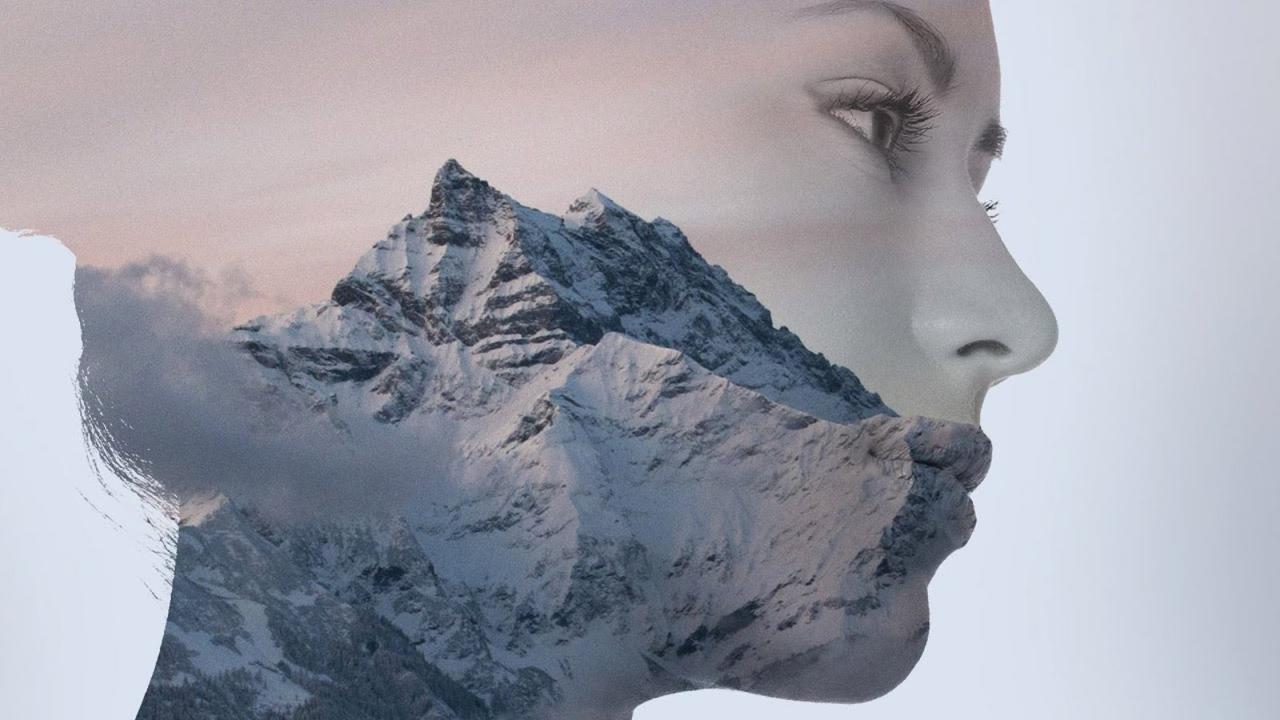
Mastering lighting and composition is crucial for elevating your double exposures from interesting to truly impactful. These elements work in tandem to guide the viewer’s eye, create mood, and enhance the narrative of your layered images. Thoughtful application of light can reveal or conceal details, adding depth and intrigue, while deliberate composition ensures the combined elements form a cohesive and visually pleasing whole.Effective lighting is not merely about illumination; it’s about sculpting form and creating atmosphere.
For double exposures, this means considering how light will interact with both your foreground and background elements to create compelling blends. The interplay of light and shadow can dramatically influence how the two images merge, either accentuating their connection or creating a dynamic tension.
Enhancing Layering with Lighting
Lighting plays a pivotal role in defining the visibility and prominence of each layer in a double exposure. Strategic use of light can ensure that both images are discernible while also creating a harmonious blend. High contrast lighting can help separate elements, making them pop against each other, while softer, diffused light can encourage a more seamless integration.Consider the direction and quality of light for each exposure.
A strong directional light on a foreground subject can create defined shadows that, when layered with a softer background, can add an unexpected texture or shape. Conversely, a backlit subject might create a silhouette, allowing a more detailed background to show through its form.
“Light is the first ingredient of the visual arts.”
Richard Anuszkiewicz
Creative Lighting Setups for Foreground and Background
When planning your double exposures, think about how distinct lighting scenarios can complement each other.
- Foreground Lighting: For the primary subject, consider using dramatic lighting to create a strong silhouette or emphasize texture. A single, hard light source placed to the side or behind the subject can produce compelling shadows that will interact interestingly with the second exposure. For instance, a portrait with strong rim lighting can reveal the contours of the face, which then can be layered with a landscape that fills in the facial features.
- Background Lighting: The background exposure can benefit from softer, more ambient light or a light source that creates a sense of depth. A gradient of light, such as a sunset or a dimly lit room, can provide a smooth transition when layered with a more defined foreground. Alternatively, a background with a distinct pattern of light and shadow, like dappled sunlight through leaves, can add a complex visual element to the foreground subject.
- Controlling Light Spill: Using flags or gobos to control light spill is essential. This prevents unwanted light from illuminating areas you want to keep dark, thereby enhancing the separation and clarity of your layers. For example, if your foreground subject has strong shadows, you want to ensure that light from the background exposure doesn’t bleed into these dark areas, which could muddy the final image.
Compositional Principles for Impactful Double Exposures
Composition is the art of arranging visual elements within the frame. For double exposures, this involves considering how the composition of each individual image will contribute to the overall narrative and aesthetic of the combined result. Strong compositional choices ensure that the viewer’s eye is led through the image in a deliberate and engaging manner.The rule of thirds, leading lines, symmetry, and negative space all become tools to orchestrate the interaction between your chosen images.
A well-composed double exposure feels intentional, with each element serving a purpose in the unified composition.
Compositional Examples for Double Exposure
To illustrate how compositional principles can be applied, consider these examples:
- Rule of Thirds with Overlapping Subjects: Place your primary subject (e.g., a portrait) on one of the intersecting points of the rule of thirds grid. For the second exposure, select a background element (e.g., a cityscape) that complements the subject’s placement, perhaps with its own key features aligning with the remaining thirds or intersecting points, creating a balanced yet dynamic composition. The subject’s eyes could be aligned with the upper horizontal line, while the cityscape’s skyline aligns with the lower one.
- Leading Lines for Flow: Use a strong leading line in one exposure to guide the viewer’s eye towards the other. For example, a winding road in a landscape can lead the eye into a portrait where the subject’s gaze is directed along the same path. This creates a sense of movement and connection between the two layers.
- Symmetry and Balance: If you have two elements that possess a degree of symmetry, their combination can create a powerful sense of balance. A symmetrical architectural facade layered with a symmetrical natural element, like a reflection in water, can result in a visually striking and harmonious image.
- Framing with Negative Space: Utilize negative space in one of your exposures to provide breathing room and emphasize the other. A subject composed with significant empty space can be layered with a busy background, allowing the subject to stand out clearly while the background adds texture and context without overwhelming the primary element. For instance, a lone tree in a vast sky can be combined with a detailed texture like cracked earth.
- Juxtaposition of Scale: Compose your elements with a deliberate contrast in scale to create visual interest. A large, imposing natural element like a mountain range can be layered with a small, delicate foreground subject like a flower, creating a sense of wonder and highlighting the vastness of nature in relation to the fragility of life.
Camera Settings and Execution
Mastering camera settings is crucial for achieving a successful double exposure that looks intentional and artistic, rather than accidental. This section will guide you through the optimal settings and a clear procedure for executing this technique in-camera, ensuring you have control over the final outcome. We will also explore how aperture and shutter speed play significant roles in shaping your double exposure.Understanding how to precisely control your camera’s settings empowers you to blend two images seamlessly, creating a unique visual narrative.
This involves careful consideration of exposure, focus, and the order in which you capture your two images.
Optimal Camera Settings for Sharp and Well-Exposed Layers
Achieving sharp and well-exposed layers requires a balanced approach to your camera’s exposure settings. The goal is to ensure that neither image is overexposed or underexposed to the point where details are lost, allowing for a harmonious blend.For the first exposure, it is generally recommended to underexpose slightly. This provides ample room for the second exposure to add detail and light without blowing out highlights.
A common starting point is to underexpose by about one-third to one full stop. The second exposure should then be balanced, aiming for a correct exposure based on its own content, considering the underexposed first layer.Key settings to consider include:
- ISO: Keep your ISO as low as possible to minimize digital noise, which can become more apparent when blending images. For most daylight shooting, ISO 100 or 200 is ideal.
- Aperture: This is a critical element that influences both depth of field and light. A wider aperture (smaller f-number) will create a shallower depth of field, blurring the background and emphasizing your subject, which can lead to smoother blends. A narrower aperture (larger f-number) will keep more of the scene in focus, which might be desirable if you want both layers to be sharp.
- Shutter Speed: This setting controls the amount of light entering the camera and is also essential for freezing motion or introducing intentional blur.
- Focus: Ensure your focus is sharp on your intended subject for each exposure. Manual focus can be advantageous here to guarantee precision.
- Metering Mode: Evaluative or Matrix metering is often suitable, but you may need to switch to spot metering for precise control over specific areas of your subject.
Step-by-Step Procedure for Executing an In-Camera Double Exposure
Executing a double exposure in-camera is a direct and rewarding process that allows for immediate creative control. The following steps Artikel a reliable method for achieving successful results.The fundamental principle is to capture your first image, and then, without rewinding the film (for film cameras) or resetting the exposure (for digital cameras), capture your second image over the first.Here is a typical procedure for digital cameras:
- Enable Double Exposure Mode: Navigate through your camera’s menu to find and activate the “Multiple Exposure” or “Double Exposure” function. This is often found within the shooting menu.
- Select Number of Exposures: Set the function to capture two exposures.
- Choose Exposure Method: Most cameras offer an “Additive” or “Average” exposure method. “Additive” is generally preferred as it doesn’t adjust the exposure of the second image based on the first, allowing for more creative control. “Average” will reduce the exposure of each subsequent shot to prevent overexposure.
- Capture the First Image: Compose and capture your first photograph. Focus carefully on your primary subject. It’s often beneficial to underexpose this first shot slightly, perhaps by a stop or two, to leave room for the second image.
- Compose and Capture the Second Image: Without changing the camera’s position or resetting the multiple exposure function, compose and capture your second photograph. This image will be superimposed over the first. Ensure your focus is again sharp on your intended subject.
- Review and Save: Your camera will then process and save the combined double exposure as a single image. Review the result and adjust your settings or subjects for subsequent attempts if needed.
For film cameras, the process is similar:
- Advance Film (or Not): After taking your first shot, do not advance the film.
- Recompose and Shoot: Compose your second shot directly over the first and take the picture.
- Advance Film: After the second shot, advance the film as usual.
The Role of Aperture and Shutter Speed in Controlling the Final Double Exposure Outcome
Aperture and shutter speed are not just about achieving a correct exposure; they are powerful creative tools that significantly influence the aesthetic of your double exposures. Their interplay dictates how light is captured and how elements within each layer interact.Aperture, by controlling depth of field, can be used to create distinct visual hierarchies. For instance, using a wide aperture (e.g., f/1.8 or f/2.8) for your first shot can render the background softly out of focus, allowing a sharp second subject to stand out more prominently in the final composite.
Conversely, a narrower aperture (e.g., f/8 or f/11) will keep both layers in focus, leading to a more detailed and complex blend where textures and patterns from both images are clearly visible.Shutter speed, on the other hand, affects motion and light. A fast shutter speed (e.g., 1/500 sec or faster) will freeze motion, resulting in sharp, defined elements in your double exposure.
This is ideal when you want clear separation between the two images. A slower shutter speed (e.g., 1/30 sec or slower) can introduce motion blur, which can be used creatively to create a sense of movement or to blend elements more abstractly. For example, a static background shot with a slow shutter speed could be combined with a sharp, moving subject in the second exposure for a dynamic effect.Consider these effects:
- Wide Aperture + Fast Shutter Speed: Creates a soft, dreamy effect with a clear subject and minimal background distraction.
- Narrow Aperture + Fast Shutter Speed: Results in a sharp, detailed double exposure where both layers are clearly defined.
- Wide Aperture + Slow Shutter Speed: Can lead to abstract, blended images with motion blur and a shallow depth of field.
- Narrow Aperture + Slow Shutter Speed: Produces a highly detailed, potentially complex double exposure with significant motion blur.
The key is to experiment with these settings in conjunction with your chosen subjects and creative vision to achieve the desired look.
Checklist of Essential Camera Settings and Considerations Before Shooting
Before you embark on your double exposure session, a thorough check of your camera’s settings and a clear understanding of your creative intent will prevent common pitfalls and ensure a smoother workflow. This checklist will help you prepare for a successful shoot.Having these elements in place will streamline the process and allow you to focus on the creative aspects of capturing your double exposures.Essential checklist:
- Double Exposure Mode Enabled: Confirm that the multiple exposure function is activated in your camera’s settings and set to capture two images.
- Exposure Method Selected: Choose “Additive” for maximum creative control, or “Average” if you prefer the camera to manage overall exposure.
- ISO Set to Lowest Practical Value: Aim for ISO 100 or 200 to minimize noise.
- Aperture Chosen for Desired Depth of Field: Decide whether you want a shallow depth of field (wide aperture) for smoother blends or a deeper focus (narrower aperture) for sharper detail.
- Shutter Speed Appropriate for Light and Motion: Ensure your shutter speed is adequate for the available light and whether you want to freeze motion or introduce blur.
- Focus Mode Set to Manual (Recommended): Manual focus provides the most precise control for both exposures.
- White Balance Set Appropriately: Choose a white balance setting that suits your lighting conditions for accurate color rendition.
- Image Quality Set to RAW: Shooting in RAW format offers the greatest flexibility for post-processing, especially when blending exposures.
- Battery Fully Charged: Multiple exposure shooting can consume battery power, so ensure you have a fresh charge.
- Memory Card Sufficiently Empty: Double exposures, even in-camera, will occupy space on your memory card.
- Clear Vision for Both Images: Have a conceptual idea of what you want each of your two exposures to contribute to the final image.
- Stable Shooting Platform (Tripod Recommended): For precise alignment and sharpness, especially if your subjects are not static, a tripod is highly beneficial.
Post-Processing Enhancements
Once you’ve captured your double exposure, the magic truly begins in post-processing. This is where you refine your initial vision, seamlessly blend the elements, and elevate the artistic impact of your image. Editing software provides the tools to transform your captured moments into polished, evocative artwork.The goal of post-processing is to harmonize the disparate elements of your double exposure, ensuring they feel intentional and cohesive rather than accidental.
This involves carefully managing how the two (or more) images interact, adjusting their tones, and enhancing their overall aesthetic appeal.
Refining Double Exposures with Editing Software
Modern editing software offers a powerful suite of tools to manipulate and perfect double exposures. The primary approach involves working with layers, allowing you to isolate and control each exposure independently before combining them. This layered approach is fundamental to achieving a natural and compelling blend.
Techniques for Blending Layers Seamlessly and Adjusting Opacity
Achieving a seamless blend is crucial for a successful double exposure. This is primarily managed through the use of layer blending modes and opacity adjustments. Blending modes dictate how the pixels of one layer interact with the pixels of the layer beneath it. For instance, ‘Screen’ mode is excellent for lightening and overlaying brighter elements, while ‘Multiply’ can deepen shadows and create a sense of depth.
Experimentation with various modes like ‘Overlay,’ ‘Soft Light,’ and ‘Lighten’ is key to discovering the most aesthetically pleasing interaction between your chosen images.Opacity controls the transparency of a layer. By reducing the opacity of one layer, you allow more of the layer beneath it to show through. This is a delicate art; a slight adjustment can significantly alter the balance and impact of the double exposure.
Finding the right opacity setting often involves subtle tweaks to ensure neither image completely overpowers the other, creating a harmonious dialogue between the two.
Methods for Color Correction and Tonal Adjustments to Unify the Image
Color and tone play a vital role in unifying the disparate elements of a double exposure. Often, the original colors and lighting of the two source images may clash. Color correction tools, such as white balance adjustments, saturation sliders, and hue shifts, can be used to harmonize the color palettes. For example, if one image has a warm, golden tone and the other a cool, blue tone, you might adjust the warmer image to be slightly cooler or the cooler image to be slightly warmer to create a more cohesive feel.Tonal adjustments, including curves and levels, are essential for managing contrast and brightness.
You can use these tools to ensure that the highlights of one image don’t blow out when combined with the shadows of another, or vice versa. The aim is to create a balanced tonal range across the entire composite image, ensuring details are visible and the overall mood is consistent.
Workflow for Enhancing a Double Exposure Using Multiple Editing Tools
A structured workflow ensures that each step contributes effectively to the final image. The following table Artikels a typical process for enhancing a double exposure using common editing tools.
| Tool | Action | Effect |
|---|---|---|
| Layer Blending Mode | Set to ‘Screen’ or ‘Lighten’ | Allows brighter areas of the top layer to show through, often creating ethereal and luminous effects. |
| Opacity Slider | Adjust between 40-70% for the top layer | Controls the transparency of the top layer, balancing the visibility of both exposures. |
| Curves Adjustment Layer | Gentle S-curve | Adds contrast and depth, enhancing the separation and definition between the two images. |
| Color Balance Adjustment Layer | Adjust midtones and highlights | Harmonizes the color casts of both exposures, creating a unified color palette. |
| Hue/Saturation Adjustment Layer | Slightly reduce saturation | Mutes overly vibrant colors and prevents them from distracting from the overall composition. |
| Vignette | Subtle darkening of edges | Draws the viewer’s eye towards the center of the image, enhancing the focal point. |
Exploring Artistic Styles and Themes
The true magic of double exposure lies in its ability to transcend simple layering and become a powerful vehicle for personal artistic expression. By consciously choosing subjects and moods, you can imbue your double exposures with a distinct style and convey specific themes, transforming them from mere photographic techniques into compelling visual narratives. This section delves into how to infuse your unique artistic voice into this creative process.Infusing your personal artistic style into double exposure photography involves a thoughtful consideration of your aesthetic preferences, recurring motifs, and the emotional resonance you wish to evoke.
It’s about recognizing the elements that define your visual language and finding ways to integrate them seamlessly into the layered image. This can manifest in the choice of color palettes, the mood of the scenes you combine, or the conceptual underpinnings of your compositions.
Thematic Approaches in Double Exposure
Double exposure offers a rich canvas for exploring various thematic approaches, allowing photographers to move beyond literal representation and delve into more conceptual or abstract realms. The combination of two distinct images can create unexpected juxtapositions, foster symbolic meanings, and evoke a range of emotional responses from the viewer.When approaching double exposure thematically, consider the following:
- Surrealism: This approach aims to create dreamlike, illogical, or uncanny juxtapositions. Combining everyday objects with unexpected elements or placing them in unusual contexts can evoke a sense of wonder and challenge the viewer’s perception of reality. For instance, overlaying a portrait with a swirling galaxy can suggest the vastness of the mind or the universe within us.
- Abstraction: Here, the focus shifts from recognizable subjects to shapes, textures, and colors. Abstract double exposures can be achieved by layering patterns, gradients, or out-of-focus elements. The goal is to create a visually engaging composition that stimulates the viewer’s imagination and encourages personal interpretation rather than a direct narrative.
- Storytelling: Double exposure can be a potent tool for narrative. By carefully selecting images that suggest a sequence, a relationship, or a progression, you can hint at a story without explicitly stating it. This might involve layering a person with a landscape that represents their journey, or combining two portraits to suggest a connection or a memory.
Emotional Impact of Subject Combinations
The emotional impact of a double exposure is profoundly influenced by the subjects chosen and how they are combined. The interplay between two seemingly disparate images can create a spectrum of feelings, from tranquility and introspection to unease and excitement. Understanding these relationships allows for deliberate emotional manipulation.Consider the following subject combinations and their potential emotional resonance:
- Nature and Humanity: Combining portraits with natural elements like forests, water, or skies can evoke feelings of serenity, interconnectedness, or even isolation, depending on the specific imagery. A portrait overlaid with a dense forest might suggest a feeling of being lost or enveloped, while one layered with a calm seascape could convey peace.
- Urban and Organic: Juxtaposing cityscapes with organic forms like flowers or decaying leaves can create a sense of contrast between the man-made and the natural, potentially highlighting themes of resilience, decay, or the encroachment of nature on urban environments.
- Light and Shadow: The interplay of light and shadow within each layer can dramatically affect the mood. Soft, diffused light in both images can create a gentle, ethereal feel, while harsh contrasts might evoke drama or tension.
Visualizing a Dreamlike Double Exposure
To create a dreamlike double exposure, the focus should be on evoking a sense of ethereality, fluidity, and subconscious exploration. This is achieved through careful selection of subjects that possess inherent qualities of softness, mystery, and wonder, combined with deliberate lighting and textural elements.Imagine a double exposure where the silhouette of a person, perhaps a profile with closed eyes, forms the first layer.
This silhouette is rendered with soft, diffused light, making its edges appear almost to dissolve into the background. The second layer is a gentle, swirling mist or fog, rendered in pastel hues of lavender and rose. Within this mist, subtle hints of shimmering particles, like dust motes caught in moonlight, are visible. The overall effect is one of profound tranquility and introspection, as if the viewer is peering into the very fabric of a peaceful dream, where the boundaries between self and the ethereal world are blurred.
The textures are soft and yielding, and the light feels warm and embracing, inviting the viewer to drift into a state of quiet contemplation.
Advanced Creative Applications
Moving beyond the foundational two-image blend, double exposure offers a rich landscape for intricate artistic expression. This section delves into techniques that push the boundaries of complexity, allowing for more nuanced storytelling and visually arresting compositions. We will explore how to layer multiple elements and strategically employ silhouettes to create depth and impact.
The art of double exposure truly shines when one moves beyond simple two-layer combinations. Advanced techniques allow for a symphony of visual information, creating images that are both complex and cohesive. This involves a thoughtful approach to layering, subject selection, and post-processing, transforming multiple photographic moments into a singular, evocative piece.
Incorporating Multiple Exposures Beyond Two
While the term “double exposure” suggests two images, the creative possibilities expand significantly when more than two exposures are integrated. This technique requires meticulous planning and execution to ensure that each added layer contributes to the overall narrative and aesthetic without creating visual clutter. The key is to build the image gradually, considering how each exposure will interact with the ones preceding it.
- Layering Order: The sequence in which images are combined is crucial. A background texture might be laid down first, followed by a subject, and then a contrasting pattern or element. This methodical approach helps in controlling the density and interplay of light and shadow across the final composite.
- Density Control: Different exposures will have varying levels of brightness and detail. By adjusting the opacity or blending modes of individual layers in post-processing, you can ensure that no single element overwhelms the others. For instance, a very bright element might need to be reduced in opacity to allow the details of a darker layer to show through.
- Thematic Cohesion: When using multiple exposures, it’s vital to maintain a thematic link between the images. This could be through color palette, subject matter, or an underlying emotion. For example, combining a portrait with cityscapes and subtle floral patterns can create a narrative of urban life intertwined with nature.
- Intentional Overlap: Instead of simply stacking images, consider how specific elements can overlap to create new forms or enhance existing ones. A hand reaching out might subtly blend into a celestial sky, or the branches of a tree could merge with the contours of a face.
Effective Use of Silhouette Subjects
Silhouettes are powerful tools in double exposure, providing a strong graphic element that can anchor a composition and guide the viewer’s eye. Their simplicity allows intricate textures or patterns to be showcased within their defined edges, creating a striking contrast between form and detail.
- Contrast is Key: The effectiveness of a silhouette lies in the stark difference between its dark form and the brighter elements that fill it. Ensure the background exposure is sufficiently bright and detailed to be visible within the silhouette’s shape.
- Meaningful Shapes: Choose silhouette subjects that carry symbolic weight or contribute to the narrative. A person’s profile, a bird in flight, or a solitary tree can all evoke specific emotions or ideas that are then amplified by the superimposed imagery.
- Filling the Form: The choice of what fills the silhouette is as important as the silhouette itself. Abstract patterns, swirling nebulae, detailed landscapes, or even other portraits can be used to create a sense of depth, mystery, or narrative within the silhouette’s boundaries. For instance, a silhouette of a person looking out a window could be filled with a starry night sky, suggesting introspection or dreams.
- Subtle Integration: Avoid making the silhouette too dominant if the intention is to showcase the superimposed image. Sometimes, a slightly softer edge or a less dense silhouette can allow for a more harmonious blend.
Advanced Creative Ideas with Abstract Patterns and Textures
Abstract patterns and textures offer immense flexibility in double exposure, allowing for the creation of visually rich and emotionally evocative images. They can be used to add depth, mood, and a sense of movement or stillness to a composition, transforming ordinary subjects into extraordinary visual experiences.
- Organic Textures: Incorporate textures derived from nature, such as wood grain, water ripples, leaf veins, or rock formations. These can add a sense of grounding or natural beauty when overlaid on portraits or urban scenes. For example, layering a detailed close-up of tree bark onto a portrait can evoke a sense of age and resilience.
- Geometric Patterns: Utilize repeating geometric shapes like grids, tessellations, or fractal patterns. These can introduce order, rhythm, or a sense of the surreal. Overlaying a subtle grid pattern on a portrait can create a feeling of being observed or trapped within a system.
- Light and Bokeh: Abstract patterns can also be created with light itself. Bokeh effects, lens flares, or streaks of light can add a dreamy, ethereal, or energetic quality. A silhouette of a dancer filled with vibrant bokeh lights can convey a sense of joyous movement and celebration.
- Marbling and Ink Effects: The swirling, unpredictable nature of marbling or ink in water can create incredibly dynamic and painterly textures. These can be used to represent emotions, chaos, or transformation. A portrait blended with ink patterns might suggest a mind in flux or the dissolution of identity.
- Layering for Depth: Combine multiple abstract textures to build complex visual fields. For instance, a soft, blurred texture could form the base, with sharper, more defined patterns layered on top to create a sense of depth and dimensionality.
- Narrative through Abstraction: Even without recognizable subjects, abstract patterns can tell a story. A composition of sharp, jagged lines might evoke tension or conflict, while soft, flowing curves could suggest peace or serenity.
Last Point
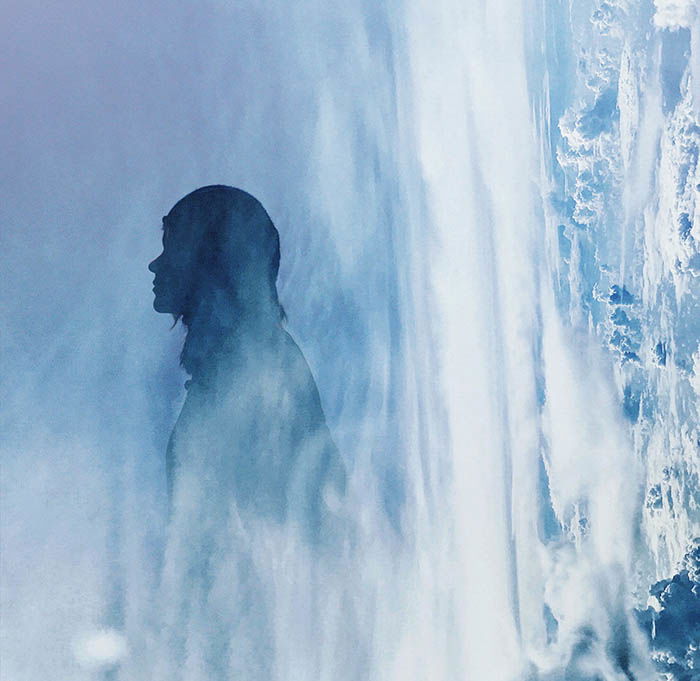
By mastering the techniques discussed, you are now equipped to push the boundaries of your creativity and produce truly unique double exposure images. Whether you are aiming for surreal dreamscapes or compelling narratives, the power to weave magic with light and form is now in your hands. Experiment, explore, and let your imagination guide you to unforgettable photographic creations.