As how to shoot dramatic black and white photos takes center stage, this opening passage beckons readers into a world crafted with good knowledge, ensuring a reading experience that is both absorbing and distinctly original.
This comprehensive guide delves into the art and science of capturing striking black and white images that resonate with emotion and visual power. We will explore the fundamental elements that define drama in monochrome, from the interplay of light and shadow to the careful consideration of composition and texture. By understanding how to harness contrast, tonality, and form, you will learn to evoke mood and narrative, transforming ordinary scenes into captivating photographs.
Understanding the Core Elements of Dramatic Black and White Photography
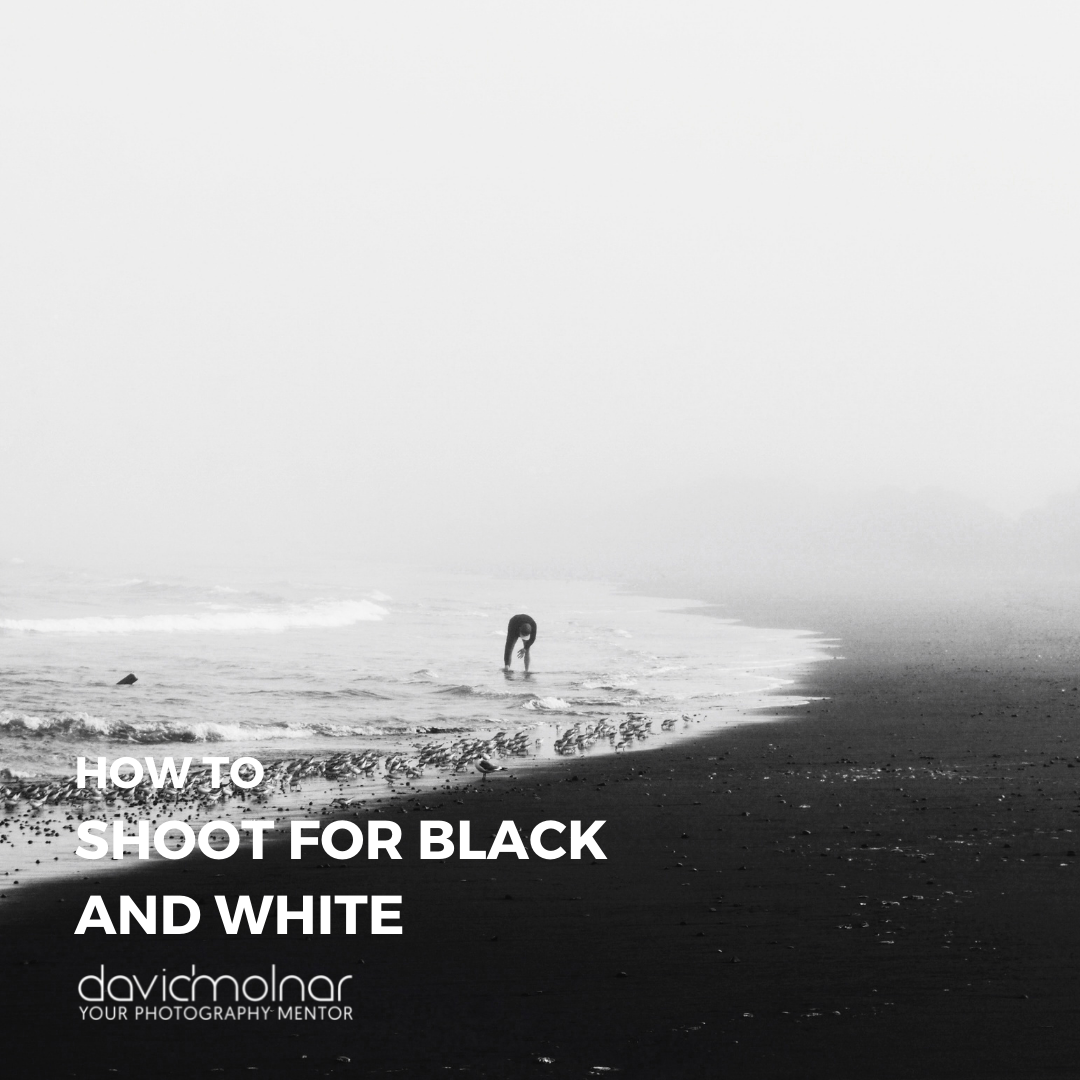
Dramatic black and white photography transcends simple monochrome conversion; it’s about evoking emotion and creating a powerful visual narrative through light, shadow, and form. This approach emphasizes the essence of a subject by stripping away color, forcing the viewer to engage with its inherent structure and mood. The goal is to transform ordinary scenes into compelling compositions that resonate long after they are seen.At its heart, dramatic black and white photography relies on a masterful interplay of fundamental visual elements.
By understanding and manipulating these components, photographers can sculpt light and shadow to reveal the soul of their subjects and imbue their images with a profound sense of drama. This section will delve into these core principles, offering insights into how to harness them effectively.
The Role of Contrast, Tonality, and Texture
Contrast, tonality, and texture are the cornerstones of impactful black and white imagery. They work in concert to define shapes, convey depth, and create a tactile or emotional response in the viewer.
- Contrast: This refers to the difference between the lightest and darkest areas of an image. High contrast, characterized by deep blacks and bright whites with a narrow range of grays in between, is a hallmark of dramatic black and white. It creates strong silhouettes, sharp edges, and a sense of intensity. Low contrast, conversely, features a wider range of subtle grays, often producing a softer, more ethereal mood.
For drama, understanding how to manage and accentuate contrast is paramount.
- Tonality: This encompasses the entire range of grays from pure black to pure white. A rich tonal range allows for subtle gradations and smooth transitions, which can add depth and dimension. Conversely, a limited tonal range can create a stark, graphic look. The careful selection and distribution of tones are crucial for guiding the viewer’s eye and establishing the mood of the photograph.
- Texture: In black and white, texture becomes more pronounced as color is removed. The surface qualities of objects – rough, smooth, weathered, or intricate – are revealed through the play of light and shadow across them. Emphasizing texture can add a tangible quality to an image, making it feel more immersive and drawing the viewer closer to the subject.
Common Mistakes to Avoid
When striving for a dramatic aesthetic in black and white, several common pitfalls can detract from the intended impact. Being aware of these can help photographers refine their approach and achieve more compelling results.
- Over-reliance on Post-Processing: While editing is essential, excessively boosting contrast or clarity can lead to an unnatural, posterized look that sacrifices detail and tonal richness. The aim is enhancement, not artificial exaggeration.
- Ignoring Subject Matter: Not all subjects lend themselves to dramatic black and white. Attempting to force a dramatic treatment onto a mundane or overly colorful scene can result in a flat or uninspired image. The subject’s inherent qualities should be considered.
- Lack of a Clear Focal Point: Without color to guide the eye, a strong compositional element is crucial. Images that are too busy or lack a distinct subject can become visually confusing and lose their dramatic punch.
- Poor Lighting: While dramatic lighting is key, harsh, flat, or insufficient light will undermine the effort. Understanding how light shapes form and creates shadows is fundamental.
- Washed-out Shadows or Blown-out Highlights: Losing detail in the extreme ends of the tonal range diminishes the image’s impact and reduces its dynamic range.
Techniques for Enhancing Drama
To deliberately cultivate a dramatic feel in black and white photographs, several techniques can be employed, both during capture and in post-processing. These methods focus on manipulating light, shadow, and composition to amplify the emotional resonance of the image.
Exaggerating Specific Elements
Exaggeration in black and white often involves pushing the boundaries of contrast and light to emphasize particular features or moods.
- High Contrast and Deep Shadows: Intentionally seeking out strong directional light, such as hard sunlight or dramatic artificial lighting, is key. This creates deep, inky shadows that can obscure details and add mystery, while bright highlights draw immediate attention. Think of chiaroscuro, the strong contrast between light and dark, often seen in Baroque paintings.
- Silhouettes: Placing a subject against a bright background, like a sunset or a well-lit window, can create a powerful silhouette. By underexposing the foreground, the subject becomes a dark, graphic shape, emphasizing its form and creating a sense of anonymity or mystery.
- Rim Lighting: Using light sources positioned behind and to the side of the subject can create a bright Artikel or “rim” around its edges. This separates the subject from the background, adds a three-dimensional quality, and can create a halo effect, adding a dramatic flair.
- Leading Lines and Shapes: Strong lines and geometric shapes in the composition can be amplified in black and white. These elements, when rendered with high contrast, can guide the viewer’s eye through the image and contribute to a sense of order or tension.
Subduing Specific Elements
Conversely, sometimes drama is achieved by strategically softening or reducing the prominence of certain elements, allowing others to stand out more forcefully.
- Soft, Diffused Light: While hard light creates sharp shadows, diffused light can create a more subtle and moody atmosphere. This is often achieved on overcast days or by using diffusers. The gentle fall-off of light can lend a painterly quality and emphasize form without harshness.
- Selective Focus and Depth of Field: Using a shallow depth of field to blur distracting backgrounds can isolate the subject and draw attention to its details. This technique can create a sense of intimacy or focus, making the subject’s emotional state more palpable.
- Minimalist Compositions: Stripping away unnecessary elements and focusing on a single, strong subject or a simple arrangement can be incredibly dramatic. The negative space becomes as important as the positive space, allowing the viewer’s mind to fill in the gaps and interpret the mood.
- Using Gradients: Subtle gradients in tone, especially in skies or smooth surfaces, can add depth and a sense of vastness or quiet contemplation, providing a backdrop against which more dramatic elements can be placed.
Mastering Light for Dramatic Black and White
Light is the fundamental building block of any photograph, but in black and white, its role is amplified, becoming the sole architect of form, texture, and mood. Understanding how to manipulate light is paramount to achieving truly dramatic black and white images. It’s not just about illumination; it’s about sculpting with light and shadow to evoke emotion and draw the viewer into the scene.The interplay between light and shadow is what defines the drama in black and white.
Without color to rely on, the photographer must use the tonal range – from the deepest blacks to the brightest whites – to convey depth, dimension, and feeling. This requires a keen awareness of light’s direction, intensity, and quality.
The Influence of Lighting Conditions on Drama
Different lighting conditions inherently lend themselves to creating varying degrees of drama. Recognizing and utilizing these characteristics is key to intentional photographic storytelling.
Hard Light
Hard light, typically from a direct sun or a small, focused artificial source, creates sharp, well-defined shadows and bright highlights. This contrast is the essence of drama.
- Effect: Produces strong, graphic shapes and a sense of intensity. It can emphasize texture and create a bold, almost sculptural look.
- Application: Ideal for subjects with strong forms, architectural elements, or when you want to convey a sense of starkness or power. For example, a portrait shot in direct midday sun can create a striking, high-contrast image with deep shadows obscuring parts of the face, adding mystery.
Soft Light
Soft light, characterized by diffused illumination (like on an overcast day or through a large softbox), results in gentle transitions between light and shadow. While less inherently dramatic in terms of contrast, it can create a moodier, more subtle drama.
- Effect: Yields a more even tonal range with softer shadows, often perceived as more flattering and atmospheric. It can evoke a sense of peace, melancholy, or introspection.
- Application: Excellent for portraits where you want to avoid harsh lines, or for landscapes where you wish to capture a serene, ethereal quality. A landscape shot on a foggy morning, bathed in soft light, can convey a sense of quiet contemplation.
Backlighting
Backlighting occurs when the primary light source is positioned behind the subject. This technique can dramatically alter the perception of the subject and create compelling visual effects.
- Effect: Can create a luminous rim light around the subject, separating it from the background. It can also lead to silhouettes if the light is intense enough and the subject is underexposed. The resulting drama comes from the mystery of the obscured details and the glowing edges.
- Application: Powerful for creating silhouettes, highlighting Artikels, and adding a sense of ethereal glow. A sunset silhouette of a person standing against the bright sky, with the light tracing their form, is a classic example of dramatic backlighting.
Designing a Lighting Setup for Moody Contrast
To intentionally design a lighting setup that fosters a moody feel with strong shadows and highlights, one must consider the direction, intensity, and quality of the light source in relation to the subject. This is often achieved through controlled environments.A common approach for creating dramatic contrast is to use a single, directional light source. This could be a spotlight, a bare bulb flash, or even natural light coming from a single window.
The key is to position this light to create significant areas of shadow that complement and define the illuminated parts of the subject.For instance, a portrait setup might involve placing a single light source to the side and slightly above the subject’s head. This “Rembrandt lighting” pattern, named after the Dutch master painter, creates a small triangle of light on the cheek opposite the light source, while the rest of the face falls into shadow.
This creates a sense of depth, volume, and often, a contemplative or intense mood.
Utilizing Natural Light for Dramatic Effects
Natural light, though often perceived as unpredictable, offers a wealth of opportunities for creating dramatic black and white images. Its quality and direction change throughout the day, providing a dynamic canvas.
Golden Hour and Blue Hour
The periods shortly after sunrise and before sunset, known as the “golden hour,” offer warm, soft light that can create long, dramatic shadows and a rich tonal range. Conversely, the “blue hour,” the period just before sunrise and after sunset, provides cool, diffused light that can lend a melancholic or serene atmosphere.
- Golden Hour Example: A lone tree standing in a field during golden hour, with the low sun casting long, dark shadows across the grass, creates a stark, almost haunting image. The warm tones, when converted to black and white, translate into a beautiful interplay of light and shadow.
- Blue Hour Example: A cityscape during blue hour, with buildings subtly illuminated and the sky a deep, moody blue, can translate into a black and white image with deep, velvety shadows and soft, glowing lights, evoking a sense of quiet grandeur.
Direct Sunlight and Window Light
Direct sunlight, especially when used strategically, can create harsh contrasts that are perfect for drama. Window light, when it’s strong and directional, can act as a powerful single light source, similar to artificial setups.
- Direct Sunlight Application: Photographing a subject outdoors on a sunny day, positioning them so the sun casts a strong shadow across their face or body, can create a powerful, graphic image. Consider a portrait where the sun is behind the subject, creating a silhouette with a bright halo.
- Window Light Application: Placing a subject near a window, with the light falling on one side of their face, can produce beautiful fall-off in light and shadow, mimicking studio lighting and creating a dramatic, intimate portrait.
Artificial Lighting for Dramatic Black and White Portraiture
Artificial lighting provides the ultimate control for crafting dramatic black and white portraits. By precisely manipulating light sources, you can sculpt your subject’s features and evoke specific emotions.
Single Light Source Techniques
A single, powerful light source is often the most effective tool for creating drama in black and white portraiture. The goal is to use this light to define form through the contrast of light and shadow.
- Key Light Placement: Position the main light to create strong shadows. Side lighting, for example, can emphasize facial contours and create a sense of mystery. A light placed at a 45-degree angle to the side and slightly above the subject’s eye level is a good starting point.
- Shadow Control: The depth of shadows is as important as the highlights. You can control this by adjusting the light’s intensity, distance, and by using modifiers like grids to focus the beam or flags to block light from certain areas.
- Example: A portrait of an elderly person where a single, hard light source is placed to the side of their face. The light catches the texture of their skin and the wrinkles, while the other side of their face falls into deep shadow, creating a portrait filled with character and gravitas.
Using Reflectors and Fill Light (Subtly)
While high contrast is desired, sometimes a touch of fill light or reflection is needed to prevent shadows from becoming completely black “crushed blacks,” which can lose detail. However, this fill should be used judiciously to maintain the dramatic mood.
- Reflector Use: A white or silver reflector placed opposite the main light source can bounce some light back into the shadow areas. Use a large, dark flag (like black velvet) to absorb light and deepen shadows if needed.
- Fill Light Ratios: The ratio between the key light and the fill light determines the contrast. For dramatic images, aim for high contrast ratios (e.g., 4:1 or 8:1), meaning the key light is significantly brighter than the fill.
- Example: In a portrait, a subtle reflector might be used to lift the darkest shadow under the chin just enough to retain some detail, preventing it from becoming a featureless void, while still maintaining a strong, moody feel.
Gels and Color Temperature
While black and white photography removes color, the underlying color temperature of a light source can still influence the final grayscale conversion. Experimenting with colored gels can create interesting tonal variations.
- Tonal Impact: A red gel on a light source, when converted to black and white, can make red objects appear darker. Conversely, a blue gel can make blue objects appear lighter. This can be used to selectively darken or lighten areas of the image.
- Example: Using a deep blue gel on a background light can render the background a very dark gray or black, making the subject, lit by a neutral light, pop dramatically.
Compositional Techniques for Impactful Black and White
Moving beyond light and subject, composition is the art of arranging elements within your frame to create a compelling visual narrative. In black and white photography, where color is absent, composition becomes even more critical in guiding the viewer’s eye and conveying emotion. Strong compositional choices can transform an ordinary scene into a powerful statement.The absence of color in black and white photography places a greater emphasis on the fundamental building blocks of an image: lines, shapes, and the interplay between presence and absence.
These elements, when masterfully employed, create visual pathways, define forms, and evoke a sense of depth and drama.
Guiding the Viewer’s Eye with Lines, Shapes, and Negative Space
Leading lines are powerful tools that draw the viewer’s gaze into the photograph, often towards the main subject. These can be literal lines like roads, fences, or rivers, or implied lines created by the arrangement of elements. Shapes, whether geometric or organic, define the forms within the scene and contribute to the overall visual rhythm. Negative space, the area surrounding the subject, is equally important; it provides breathing room, emphasizes the subject, and can create a sense of scale or isolation.In black and white, the tonal contrast between elements can significantly enhance the impact of these compositional devices.
A strong leading line will appear even more pronounced when it is a stark contrast against a lighter background, and a well-defined shape will stand out more dramatically when its edges are sharply defined by light and shadow. Negative space, when rendered in deep blacks or bright whites, can become a character in itself, contributing to the mood and message of the photograph.
Impactful Compositional Rules and Strategic Deviations
Certain compositional guidelines have been developed over time to create visually pleasing and impactful images. Understanding these rules provides a solid foundation for creating strong photographs, and knowing when and how to break them can lead to truly dramatic and memorable results.Here are some fundamental compositional rules and how they can be adapted or intentionally disregarded for dramatic effect:
- Rule of Thirds: Imagine dividing your frame into nine equal sections by two horizontal and two vertical lines. Placing key elements along these lines or at their intersections often creates a more balanced and engaging composition than centering the subject. For dramatic effect, intentionally placing a subject dead center can create a powerful sense of symmetry, stillness, or confrontation.
- Symmetry and Patterns: Symmetrical compositions can be inherently pleasing and create a sense of order and harmony. In black and white, the repetition of patterns, especially when highlighted by light and shadow, can be mesmerizing. Breaking symmetry unexpectedly, such as with a single contrasting element or an off-center focal point, can introduce tension and disrupt the viewer’s expectations, leading to a more dynamic image.
- Framing: Using elements within the scene to create a natural frame around your subject, such as doorways, windows, or branches, can add depth and draw attention to the main point of interest. Experiment with unconventional framing elements or use framing to isolate a subject in a vast, empty space for a sense of solitude or insignificance.
- Diagonals and Curves: Diagonal lines create a sense of movement and dynamism, while curves introduce flow and grace. In black and white, the sharpness or softness of these lines, dictated by light, can greatly influence the mood. A sharp, harsh diagonal can feel aggressive, while a soft, sweeping curve can evoke a sense of peace. Intentionally exaggerating these lines through perspective or selective focus can amplify their impact.
Subject Placement and Framing for Visual Tension
The placement of your subject within the frame and how it is framed are paramount in generating visual tension and directing the viewer’s emotional response. Off-center placement, for instance, can create a feeling of imbalance or anticipation. Leaving ample negative space around a subject can emphasize its isolation or vulnerability, while a tightly cropped frame can create a sense of intimacy or claustrophobia.When shooting in black and white, the interplay of light and shadow on the subject and its surroundings becomes a crucial element of framing.
A subject partially obscured by shadow, with only a sliver illuminated, can create mystery and intrigue. Conversely, a subject brightly lit against a dark background, with sharp contrast, can convey power and dominance. The intentional use of framing, whether literal or implied through tonal differences, is key to controlling the viewer’s experience and building narrative.
Checklist of Compositional Elements for Dramatic Impact
To ensure you are consistently considering compositional elements that contribute to dramatic black and white photography, use this checklist during your shooting process and review:
- Leading Lines: Are there lines in the scene that can guide the viewer’s eye? How can I emphasize them through perspective or contrast?
- Shapes and Forms: What are the dominant shapes? How do they interact? Can I simplify them for greater impact?
- Negative Space: Is there enough negative space? Does it enhance or detract from the subject? Can I use it to create a specific mood?
- Rule of Thirds: Is my subject placed according to the rule of thirds, or is there a deliberate reason for deviating?
- Symmetry and Patterns: Is there symmetry or a repeating pattern? How can I use it, or how can I break it for dramatic effect?
- Framing: Are there natural frames available? Can I create a frame using light and shadow?
- Subject Placement: Where is the subject in relation to the edges of the frame? Does this placement create tension or interest?
- Tonal Contrast: How does the contrast between light and dark areas define shapes and lines, and guide the eye?
- Depth and Perspective: How can I use foreground, middle ground, and background elements to create a sense of depth?
- Visual Balance: Does the image feel balanced, or is there an intentional imbalance to create drama?
Post-Processing for Enhanced Drama in Black and White
Transforming a color photograph into a compelling black and white image is a journey that extends beyond simple conversion. Post-processing is where the true artistry of dramatic black and white photography comes to life, allowing you to sculpt light, emphasize form, and evoke deep emotion. This stage is crucial for translating the raw potential of your captured scene into a powerful visual narrative.The process begins with a fundamental understanding of how adjustments in editing software can dramatically alter the mood and impact of your monochrome images.
By carefully manipulating key parameters, you can guide the viewer’s eye and amplify the inherent drama of your subject matter.
Essential Editing Steps for Dramatic Black and White Conversion
Converting a color image to black and white is more than just removing saturation. It involves a nuanced approach to selectively manage tones and textures, ensuring that the absence of color enhances, rather than detracts from, the visual impact.The initial steps focus on establishing a solid tonal foundation. This involves making deliberate choices about how different colors translate into grayscale values, which is often more controllable and impactful than relying on automatic conversions.
- Channel Mixer or Grayscale Mixer: Utilize these tools to control how individual color channels (red, green, blue) contribute to the final grayscale image. For instance, increasing the red channel can deepen shadows and add richness, while decreasing the blue channel can brighten skies and add a sense of airiness. Experimentation is key to finding the optimal balance for your specific image.
- Hue/Saturation Adjustment (Desaturation): While seemingly straightforward, a full desaturation is often just the starting point. You can then use this layer non-destructively to refine the removal of color, ensuring no unwanted color casts remain.
- Black and White Adjustment Layer: Many editing programs offer a dedicated black and white adjustment layer. This provides sliders for individual colors, allowing for precise control over their luminance in the grayscale conversion, similar to the Channel Mixer but often more intuitive.
Adjusting Exposure, Contrast, and Clarity for Amplified Mood
Once the basic conversion is complete, the next critical phase is to refine the tonal range and add punch to your image. These adjustments are paramount in creating the sense of depth and drama that defines impactful black and white photography.The interplay of light and shadow is the very essence of monochrome, and these settings allow you to exaggerate this relationship to its fullest potential, thereby enhancing the emotional resonance of your photograph.
- Exposure: Fine-tuning the overall brightness is essential. Underexposing slightly can add a moody, mysterious feel, while a brighter exposure can create a more ethereal or serene atmosphere. Aim for a balanced histogram that avoids clipping highlights or crushing shadows unless intentional for dramatic effect.
- Contrast: This is arguably the most powerful tool for creating drama. Increasing contrast deepens the blacks and brightens the whites, creating a more graphic and impactful image. Be mindful not to overdo it, as excessive contrast can lead to a loss of detail and an unnatural appearance. A well-executed contrast adjustment will make your subject “pop” from the background.
- Clarity: Clarity adds mid-tone contrast, making textures and details appear more defined and pronounced. This can be particularly effective in bringing out the character of surfaces, fabrics, or facial features, adding a tangible sense of depth and realism to your dramatic scenes. Use it judiciously, as too much clarity can introduce halos and an over-processed look.
Advanced Techniques for Dodging and Burning
Dodging and burning are traditional darkroom techniques that have been masterfully translated into digital editing. They are invaluable for selectively lightening (dodging) and darkening (burning) specific areas of your image, effectively sculpting the light and shadow to guide the viewer’s eye and enhance the narrative.These techniques allow for a highly localized and artistic manipulation of light, creating a sense of three-dimensionality and drawing attention to the most important elements of your composition.
- Selective Light Sculpting: Use the dodge and burn tools (or adjustment layers with masks) to subtly brighten areas that you want to emphasize, such as a subject’s face, a key architectural detail, or a glint of light. Conversely, use burning to darken areas that are distracting or to deepen shadows, adding a sense of mystery or foreboding.
- Guiding the Viewer’s Eye: By strategically dodging and burning, you can create a visual pathway through your image, leading the viewer’s gaze from one point of interest to another. This is particularly effective in complex scenes or portraits where you want to highlight specific features or emotions.
- Creating Depth and Dimension: The illusion of depth is greatly enhanced by controlling the light and shadow. Burning in the edges of a scene can make the center appear to recede, while dodging the foreground can bring it forward, creating a strong sense of three-dimensionality.
Workflow for Selective Colorization or Desaturation
While the focus is on black and white, there are instances where a selective application of color can create a uniquely dramatic effect. This involves retaining color in a specific area while desaturating the rest of the image, or vice versa, to draw attention and evoke a particular mood.This technique, often referred to as “color splash” or “selective color,” can be a powerful tool when used thoughtfully, adding a symbolic or emotional layer to your black and white vision.
- Identify the Focal Point: Determine which element in your image warrants the retention or emphasis of color. This could be a vibrant red flower in a monochrome landscape, a single blue eye in a portrait, or a splash of color on a piece of clothing.
- Create a Mask: Using layer masks in your editing software, carefully select the area where you want to retain or apply color. This can be done with brushes, gradient tools, or selection tools.
- Apply Color or Desaturate Selectively: For selective colorization, you might duplicate your original color image, desaturate all but the masked area, and then blend it with your black and white conversion. Alternatively, you can start with a black and white image and use color overlay techniques on the masked area. For selective desaturation, you would apply a full desaturation to the entire image and then “paint back” color into the areas you wish to remain in color using a mask.
- Refine Tones and Blending: Ensure that the colorized or desaturated areas blend seamlessly with the rest of the black and white image. Adjust the opacity and blending modes of your layers to achieve a natural and harmonious result.
Subject Matter and Mood in Dramatic Black and White
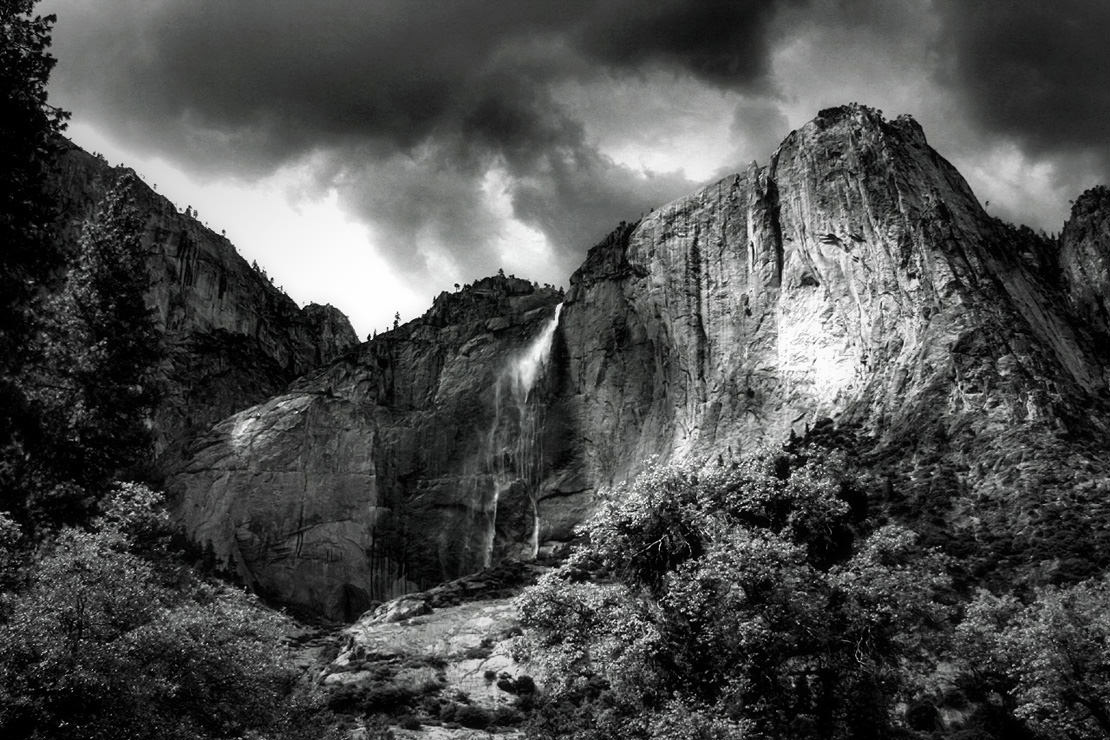
The essence of compelling black and white photography lies not only in technical execution but also in the careful selection of subjects and the intentional cultivation of mood. By choosing subjects that naturally possess strong visual characteristics and by portraying them in a way that evokes specific emotions, photographers can elevate their black and white images from simple representations to powerful narratives.
This section delves into how to strategically select and present subjects to achieve a truly dramatic impact.The human face, with its inherent capacity for expressing a vast spectrum of emotions, is a perennial favorite for dramatic black and white portraiture. However, the power of black and white extends far beyond the portrait. Any subject, when stripped of color, can reveal its underlying form, texture, and tonality in a way that emphasizes its inherent drama.
The key is to look for elements that inherently lend themselves to strong contrast, intriguing shapes, and compelling stories.
Choosing Subjects for Dramatic Black and White Interpretation
Not all subjects are created equal when it comes to dramatic black and white photography. The most impactful images often feature elements that benefit from the absence of color, allowing their inherent form, texture, and tonal range to take center stage. Consider subjects with strong lines, contrasting textures, and inherent emotional weight.Subjects that lend themselves well to dramatic black and white interpretation include:
- Human Faces and Figures: The intricate details of wrinkles, the play of light and shadow on skin, and the raw emotion conveyed through facial expressions are amplified in monochrome. Think of weathered faces telling stories of a life lived, or the dynamic tension in a dancer’s pose.
- Architectural Elements: The strong lines, geometric shapes, and interplay of light and shadow in buildings, bridges, and industrial structures can create powerful, abstract compositions. The stark contrast between solid forms and empty space is often more pronounced without color.
- Natural Landscapes with Dramatic Light: Jagged mountain peaks, stormy skies, windswept trees, and the stark beauty of deserts or coastlines become even more evocative when rendered in shades of gray. The absence of color can emphasize the raw power and solitude of nature.
- Objects with Interesting Textures and Forms: The patina of aged metal, the rough surface of stone, the delicate folds of fabric, or the intricate details of a mechanical object can be explored in depth through black and white, highlighting their tactile qualities.
- Abstract Patterns and Textures: Sometimes, the most dramatic images are found in the abstract, focusing on the interplay of light, shadow, and form without a clear representational subject.
Conveying Emotion and Narrative Through Subject Selection and Portrayal
The choice of subject matter is intrinsically linked to the emotional resonance and narrative potential of a black and white photograph. By selecting subjects that inherently carry emotional weight and by portraying them in a manner that emphasizes their story, photographers can create images that deeply connect with viewers.Emotion and narrative are conveyed through several key aspects of subject selection and portrayal:
- Emotional Expression: Capturing genuine emotion is paramount. This can range from intense joy or sorrow to quiet contemplation or fierce determination. The subtle nuances of a fleeting expression are often more impactful when rendered in black and white, as the viewer’s attention is drawn to the shape of the eyes, the curve of the mouth, and the overall facial structure.
- Symbolism: Certain subjects carry inherent symbolic meaning that can be amplified in black and white. For example, a lone tree might symbolize resilience, a decaying structure could represent the passage of time, or a pair of clasped hands might signify connection or loss.
- Context and Environment: The environment in which a subject is placed plays a crucial role in shaping the narrative. A subject isolated in a vast, empty landscape evokes a different feeling than the same subject in a crowded, chaotic urban setting.
- Action and Stillness: The juxtaposition of movement and stillness can create powerful narratives. A frozen moment of intense action, such as a runner crossing a finish line or a dancer mid-leap, conveys energy and drama. Conversely, a moment of profound stillness can evoke peace, melancholy, or introspection.
- Storytelling through Details: Focusing on specific details can hint at a larger story without explicitly showing it. A worn tool, a faded photograph, or a discarded object can all spark the viewer’s imagination and invite them to construct their own narrative.
Using Environmental Elements to Enhance Dramatic Feel
The environment in which a subject is placed is not merely a backdrop; it is an active participant in shaping the mood and drama of a black and white photograph. By carefully considering and utilizing environmental elements, photographers can significantly amplify the emotional impact of their images.Environmental elements that contribute to a dramatic feel include:
- Weather Conditions: Dramatic weather, such as fog, rain, snow, or stormy skies, inherently adds mood and atmosphere. Fog can create a sense of mystery and isolation, while a dramatic storm can evoke power and chaos. The textures and patterns created by rain on a surface or snow covering a landscape can be incredibly striking in black and white.
- Natural Light and Shadow: As previously discussed, the interplay of light and shadow is fundamental. Environmental elements like dramatic cloud formations, the dappled light filtering through trees, or the harsh shadows cast by a setting sun can all be leveraged to create depth, form, and mood.
- Urban Decay and Industrial Landscapes: Gritty urban environments, abandoned buildings, or industrial sites often possess a raw, textured beauty that translates exceptionally well to black and white. The textures of rust, concrete, and weathered metal can tell stories of time, neglect, and human endeavor.
- Natural Textures and Patterns: The rough bark of a tree, the smooth surface of a weathered rock, the ripples on water, or the intricate veins of a leaf can become captivating subjects when isolated and rendered in monochrome. These textures add visual interest and tactile quality to the image.
- Sense of Scale and Isolation: Placing a subject within a vast, imposing landscape can emphasize its isolation or resilience, creating a powerful sense of drama. This can be achieved by contrasting a small human figure against a grand mountain range or a solitary building against an expansive sky.
Strategies for Capturing Moments of Intense Emotion or Action
Capturing fleeting moments of intense emotion or action requires a combination of anticipation, technical readiness, and an intuitive understanding of human behavior and the dynamics of movement. These moments are often unpredictable, making their successful capture a testament to the photographer’s skill and patience.Effective strategies for capturing intense emotion or action include:
- Anticipation and Observation: Develop a keen sense of observation to predict when a moment of intensity is likely to occur. This involves understanding the context of the situation, observing body language, and being present in the moment. For action, this might mean anticipating a peak moment in a sporting event; for emotion, it could be observing the subtle shift in expression before tears are shed or a smile breaks.
- Pre-focusing and Fast Shutter Speeds: For action, it is crucial to be technically prepared. Pre-focus on the anticipated area of action and use a fast shutter speed (e.g., 1/500th of a second or faster) to freeze movement. This ensures that the critical moment is sharp and clear.
- Being Ready for the Unexpected: While anticipation is key, be prepared for the unplanned. Sometimes, the most dramatic moments are those that arise spontaneously. Having your camera ready and understanding its controls intimately allows you to react quickly to these unscripted events.
- Building Rapport (for Portraits): When capturing intense emotion in portraiture, building trust and rapport with the subject is essential. This allows them to feel comfortable enough to express their true feelings. Engaging in conversation and creating a relaxed atmosphere can lead to more authentic and powerful emotional expressions.
- Using Burst Mode: For both action and spontaneous emotional moments, utilizing your camera’s burst mode (continuous shooting) can significantly increase your chances of capturing the perfect frame. This allows you to take a rapid sequence of shots, increasing the likelihood of catching the peak of the action or the most telling expression.
- Embracing Imperfection: Sometimes, a slightly blurred element or a less-than-perfect composition can actually enhance the feeling of raw emotion or dynamic action. Don’t be afraid to embrace these “imperfections” if they contribute to the overall impact of the image.
Practical Application: Shooting Scenarios

Moving from understanding the foundational principles to actively applying them in real-world shooting scenarios is where the magic of dramatic black and white photography truly unfolds. This section provides practical, step-by-step guidance for various photographic genres, enabling you to translate theoretical knowledge into compelling visual narratives. Each scenario is designed to highlight specific techniques and considerations that contribute to impactful black and white imagery.
Dramatic Black and White Landscapes
Capturing the raw power and emotional depth of landscapes in black and white requires a deliberate approach, focusing on form, texture, and tonal contrast. The absence of color allows the photographer to emphasize the interplay of light and shadow, revealing the inherent drama of the natural world.
- Scout and Plan: Identify locations known for their dramatic features – rugged coastlines, imposing mountains, or vast, textured plains. Research weather patterns and sunrise/sunset times to capture the most compelling light.
- Emphasize Leading Lines and Shapes: Look for natural elements that guide the viewer’s eye, such as winding rivers, distinct rock formations, or the curve of a hill. These elements create depth and direct attention within the frame.
- Utilize Filters: Consider using polarizing filters to deepen blue skies and reduce reflections, enhancing contrast. Graduated neutral density (GND) filters are invaluable for balancing bright skies with darker foregrounds, preventing blown-out highlights or crushed shadows.
- Focus on Texture and Detail: The absence of color makes texture paramount. Look for weathered rocks, gnarled trees, or rippling water. Shooting in RAW format is essential for retaining maximum detail during post-processing.
- Capture Dynamic Light: The “golden hour” (shortly after sunrise and before sunset) provides warm, directional light that sculpts the landscape. Overcast or stormy conditions can also create dramatic, diffused light and moody atmospheres.
- Experiment with Exposure: Meter for the shadows or mid-tones to retain detail in the darker areas, especially when dealing with high contrast scenes. Bracket your exposures if the dynamic range exceeds your camera’s capabilities.
Dramatic Black and White Street Photography
Street photography in black and white thrives on capturing fleeting moments, human interaction, and the urban environment with a heightened sense of mood and narrative. The monochrome palette strips away distractions, forcing the viewer to focus on the essence of the scene.
- Observe and Anticipate: Spend time observing the flow of people and activity. Anticipate potential interactions, gestures, or decisive moments that can form the core of a compelling image.
- Seek Strong Contrast: Look for scenes where light and shadow create bold shapes and define subjects. This could be a person walking through a sunlit doorway or silhouetted against a bright background.
- Utilize Silhouettes: Position your subject against a bright light source, such as a setting sun or a well-lit window, to create a striking silhouette. This emphasizes form and mystery.
- Capture Emotion and Expression: Focus on the faces and body language of your subjects. Black and white can amplify the emotional impact of a smile, a frown, or a pensive gaze.
- Frame with Architectural Elements: Use doorways, windows, arches, or street signs as natural frames to add depth and context to your street scenes.
- Consider the Weather: Rain, fog, or snow can dramatically alter the mood of a street scene, creating atmospheric and evocative black and white images.
- Shoot with a Fixed Lens: A prime lens, such as a 35mm or 50mm, encourages you to move closer to your subject and become more immersed in the scene, fostering a more intimate photographic style.
Dramatic Black and White Portraits of People
Portraiture in black and white is about revealing the character and inner world of the subject. The absence of color allows for a focus on facial features, textures, and the emotional connection between photographer and subject.
- Understand Your Subject: Before the shoot, engage in conversation to build rapport and understand their personality. This connection is crucial for capturing authentic emotion.
- Master Directional Light: Use light to sculpt the face and create mood. Side lighting can emphasize bone structure and create dramatic shadows, while Rembrandt lighting (a triangle of light on the cheek) adds depth and intensity.
- Focus on Eyes: The eyes are often the most expressive feature. Ensure they are sharp and well-lit, as they are the window to the subject’s soul.
- Emphasize Texture: Black and white photography excels at rendering skin texture. Consider how light falls on wrinkles, pores, or stubble to add realism and character.
- Use Negative Space Effectively: Employ dark or uncluttered backgrounds to make the subject stand out and draw attention to their form and expression.
- Experiment with Posing: While candid moments are powerful, deliberate posing can also create dramatic effects. Consider strong, angular poses or relaxed, contemplative stances depending on the desired mood.
- Post-Processing for Mood: Adjust contrast, clarity, and dodging/burning to enhance facial features, create mood, and guide the viewer’s eye. High contrast black and white can convey intensity, while softer tones might evoke introspection.
Dramatic Black and White Architectural Subjects
Architectural photography in black and white transforms buildings and structures into abstract forms, emphasizing their lines, geometry, and relationship with light and shadow. The monochrome palette highlights the sculptural qualities of the built environment.
- Identify Strong Lines and Geometry: Look for buildings with striking architectural features, such as clean lines, curves, repeating patterns, or dramatic angles.
- Shoot During Optimal Lighting Conditions: Early morning or late afternoon light creates long shadows that accentuate the three-dimensional qualities of a building. Overcast days can offer softer, more even light, which is useful for highlighting textures.
- Utilize Contrast to Define Form: Black and white photography inherently enhances contrast. Look for scenes where sunlight creates strong highlights and deep shadows, defining the structure’s form.
- Frame with Surrounding Elements: Use trees, other buildings, or even the sky as framing elements to add depth and context to your architectural shots.
- Focus on Details and Textures: Zoom in on intricate carvings, weathered stone, or repeating window patterns. Black and white can bring out the tactile qualities of materials.
- Experiment with Angles: Shoot from low angles to make buildings appear more imposing or from high angles to reveal patterns and scale.
- Consider the Environment: Include elements of the surrounding environment, such as people or vehicles, to provide a sense of scale and life to the architectural subject.
Equipment and Settings for Dramatic Black and White
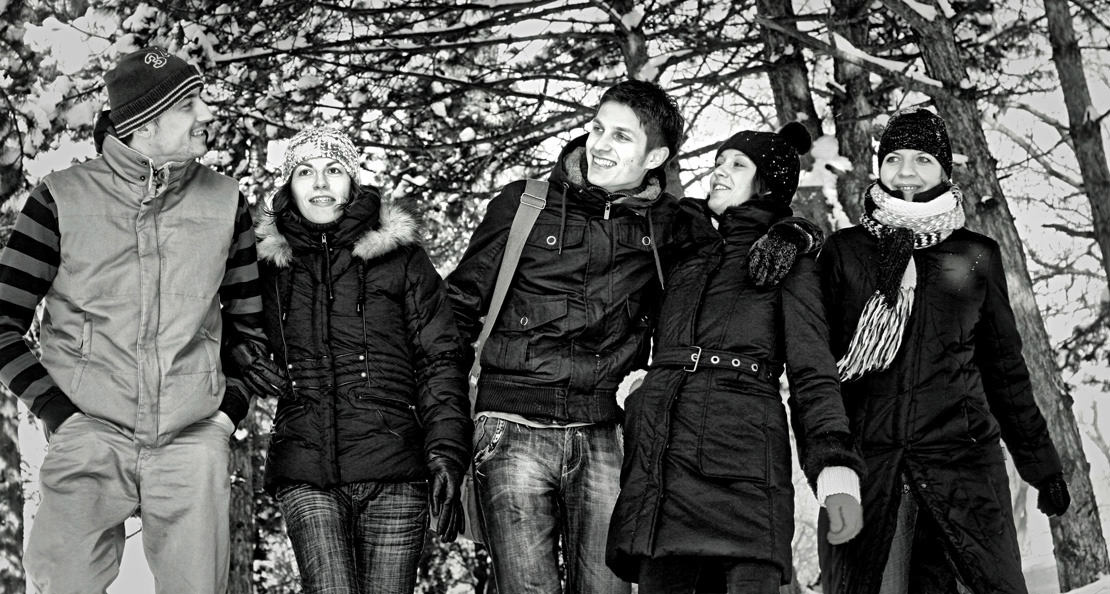
Selecting the right equipment and understanding how to leverage camera settings are fundamental to capturing truly dramatic black and white photographs. These elements work in concert with light and composition to define the mood and impact of your final image. By thoughtfully considering your gear and technical choices, you can unlock a greater potential for creating visually striking monochrome scenes.
Camera Settings for Enhanced Drama
Camera settings play a crucial role in shaping the tonal range, contrast, and overall feel of a black and white image. Adjusting aperture, shutter speed, and ISO allows you to control how light is captured and how motion is rendered, directly influencing the dramatic quality of your photographs.
Aperture’s Role in Depth and Focus
Aperture, represented by the f-stop, controls the depth of field, which is the area of the image that is in sharp focus. This can be a powerful tool for isolating your subject and creating a sense of drama by separating it from its surroundings.
- A wide aperture (small f-number, e.g., f/1.8, f/2.8) creates a shallow depth of field, blurring the background and foreground. This is excellent for drawing the viewer’s eye directly to your subject, emphasizing its importance and creating a dreamy, often dramatic, isolation.
- A narrow aperture (large f-number, e.g., f/11, f/16, f/22) results in a deep depth of field, keeping both the foreground and background in sharp focus. This can be used to create a sense of vastness or to ensure that every element within a complex scene contributes to the overall drama.
Shutter Speed and Motion’s Dramatic Impact
Shutter speed dictates how long the camera’s sensor is exposed to light. Its impact on drama is most evident in how it captures or renders motion.
- Fast shutter speeds (e.g., 1/1000s, 1/500s) freeze action, capturing fleeting moments with crisp detail. This can add a sense of immediacy and intensity to a dramatic scene, such as a powerful splash or a decisive movement.
- Slow shutter speeds (e.g., 1/30s, 1s, 10s) allow for motion blur. This technique can be used to convey a sense of movement, energy, or the passage of time, adding a fluid, ethereal, or even unsettling drama to static elements like water, clouds, or moving vehicles.
ISO and Grain’s Tonal Contribution
ISO refers to the camera sensor’s sensitivity to light. While often associated with noise, in black and white photography, a controlled amount of grain can actually enhance the dramatic quality.
- Low ISO settings (e.g., ISO 100, 200) produce clean images with minimal noise and a smooth tonal range. This is ideal when you want to emphasize subtle gradations of light and shadow without distraction.
- Higher ISO settings (e.g., ISO 800, 1600, 3200) introduce visible grain. In black and white, this grain can add texture, grit, and a classic, film-like aesthetic that can significantly enhance the mood and drama of a scene, especially in low-light conditions or when aiming for a vintage feel. Experimentation is key to finding the right balance for your desired effect.
Lens Choice for Black and White Impact
The type of lens you choose can dramatically influence the perspective, contrast, and overall aesthetic of your black and white images. Different focal lengths and lens characteristics inherently lend themselves to specific types of dramatic storytelling.
- Wide-angle lenses (e.g., 24mm, 35mm) capture a broad field of view, allowing you to include more of the environment and create a sense of scale and grandeur. They can exaggerate perspective, making foreground elements appear larger and more dominant, which can be used for dramatic effect in landscapes or architectural shots.
- Standard lenses (e.g., 50mm) offer a perspective similar to human vision. They are versatile and excellent for general-purpose shooting, allowing for natural-looking compositions that can still be made dramatic through careful attention to light and subject.
- Telephoto lenses (e.g., 85mm, 135mm, 200mm) compress perspective, bringing distant subjects closer and making them appear larger relative to their background. This can be incredibly effective for isolating subjects, creating a sense of intimacy, or emphasizing the imposing nature of a distant element, all contributing to drama.
- Prime lenses (fixed focal length) often offer superior sharpness and wider maximum apertures compared to zoom lenses, allowing for better low-light performance and shallower depth of field, which are advantageous for dramatic black and white.
- Zoom lenses offer flexibility in framing, allowing you to quickly adjust your composition without changing position. While some may have slightly softer performance or smaller apertures than primes, modern zoom lenses are highly capable and can be excellent tools for capturing dramatic moments as they unfold.
RAW Format for Maximum Post-Processing Flexibility
Shooting in RAW format is highly recommended for dramatic black and white photography due to the unparalleled flexibility it offers during post-processing. Unlike JPEGs, RAW files contain unprocessed data directly from the camera sensor, preserving a wealth of information that can be manipulated to enhance drama.
RAW files capture the most image data, offering a wider dynamic range and greater latitude for adjustments in exposure, contrast, and tonal detail.
- Unprocessed Data: RAW files are essentially digital negatives. They retain all the original sensor information, including highlight and shadow detail that might be clipped or lost in a JPEG.
- Extended Dynamic Range: This preserved detail is crucial for black and white, where the interplay of light and shadow is paramount. You can recover blown-out highlights or bring up details in deep shadows without introducing significant artifacts or degradation.
- White Balance Control: While less critical for monochrome, the ability to non-destructively adjust white balance in RAW files can still influence the overall tonality and mood before converting to black and white.
- Color Channel Adjustments: When converting to black and white, software allows you to control how individual color channels (red, green, blue, etc.) are converted to grayscale. This is a powerful technique for controlling contrast and luminance in specific areas of your image, allowing you to selectively brighten or darken tones to create the desired dramatic effect.
Benefits of Specific Filters for Black and White Photography
While much of the control for black and white photography can be achieved in post-processing, physical lens filters can still offer unique and beneficial ways to shape light and tone directly in-camera, enhancing the drama of your shots.
- Yellow Filter: This filter darkens the blue sky, making clouds stand out more dramatically. It also brightens yellow and red tones, which can be useful for enhancing skin tones or autumnal foliage. The increased contrast between sky and clouds is a classic technique for adding depth and drama to landscapes.
- Orange Filter: Offers a stronger effect than yellow. It significantly darkens the sky and makes clouds appear even more pronounced. Orange filters are excellent for adding a sense of moodiness and intensity to landscapes, making them appear more rugged and powerful.
- Red Filter: Produces the most dramatic sky darkening effect. It renders the sky almost black, with clouds appearing stark white. This creates extremely high contrast and can give a surreal, otherworldly, or intensely dramatic feel to images. Red filters also lighten reds and yellows, making them appear much brighter.
- Green Filter: This filter lightens greens and darkens reds. It’s particularly useful for landscape photography, especially when shooting foliage, as it can help to separate different shades of green and add detail to leaves and grass. It can also be used to create a more subdued or atmospheric look.
- Polarizing Filter: While primarily used for color photography to reduce reflections and enhance saturation, a polarizing filter can also be beneficial in black and white. It can deepen skies, reduce glare from water or other reflective surfaces, and increase overall contrast, contributing to a more impactful and dramatic image. The effect can be subtle but significant in controlling how light interacts with surfaces.
Closing Notes
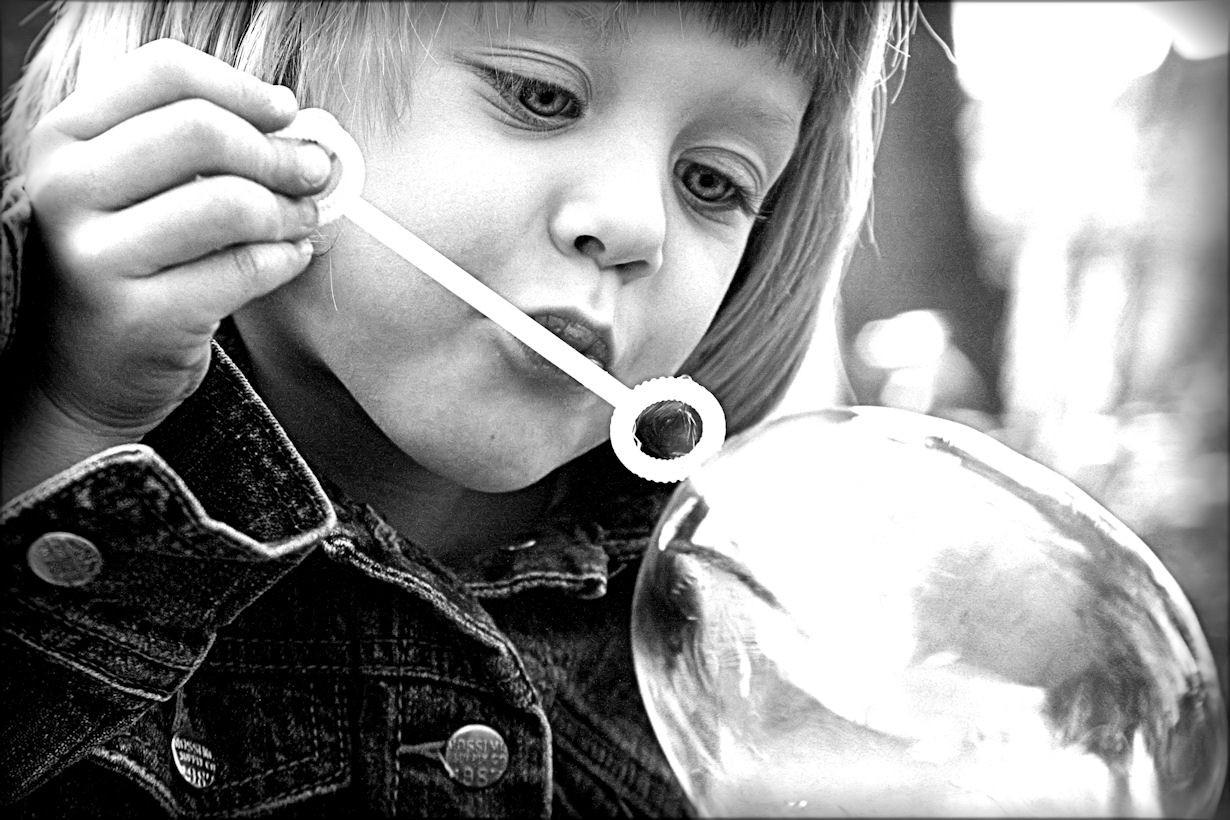
In conclusion, mastering the techniques to shoot dramatic black and white photos is an achievable goal for any photographer seeking to add depth and impact to their work. By thoughtfully applying principles of light, composition, and post-processing, you can consistently create images that are not only visually arresting but also emotionally resonant. Embrace these strategies, experiment with different approaches, and unlock the profound storytelling potential of monochrome.