Embarking on the journey of capturing the dazzling spectacle of fireworks at festivals can transform a fleeting moment into a cherished memory. This guide is designed to illuminate the path for photographers, from beginners to those seeking to refine their skills, ensuring every burst of light and color is immortalized with stunning clarity and artistic flair.
We will delve into the fundamental camera settings, explore advanced techniques for achieving breathtaking shots, discuss essential gear, and uncover compositional strategies that bring festival fireworks to life. Furthermore, we’ll touch upon the crucial aspects of planning, preparation, and post-processing to elevate your firework photography to an impressive level.
Understanding the Basics of Fireworks Photography
Capturing the dazzling spectacle of fireworks requires a thoughtful approach to camera settings, focusing, and equipment. By understanding the fundamental principles, you can elevate your fireworks photographs from blurry streaks to vibrant, detailed masterpieces that truly reflect the magic of the event. This section will guide you through the essential elements to ensure your shots are as spectacular as the fireworks themselves.The art of fireworks photography hinges on mastering a few key camera settings.
These controls allow you to manage light, sharpness, and color, all of which are critical when dealing with fast-moving, intensely bright subjects against a dark sky. Getting these settings right will dramatically improve the quality and impact of your images.
Essential Camera Settings
Achieving well-exposed and sharp fireworks photographs relies heavily on precise control over aperture, shutter speed, and ISO. Each setting plays a crucial role in how your camera captures the light and motion of the fireworks.
Aperture
The aperture controls the amount of light entering your lens and also influences the depth of field. For fireworks, a smaller aperture is generally preferred to achieve a greater depth of field and to create a starburst effect on the bright points of light.
Aperture settings typically range from f/8 to f/16 for fireworks photography. This range ensures that both the fireworks and any foreground elements are in focus, and it helps to render the bright explosions with pleasing starburst patterns.
Shutter Speed
Shutter speed determines how long the camera’s sensor is exposed to light. For fireworks, a longer shutter speed is necessary to capture the trails of light and the full bloom of the explosions.
A shutter speed of 2 to 10 seconds is commonly used. This duration allows enough time for the light from the fireworks to register on the sensor, creating dynamic streaks and capturing the intricate details of the bursts. Experimentation within this range is key, as different fireworks have varying durations. For instance, a slow-burning firework might benefit from a longer exposure than a rapid-fire display.
ISO
ISO refers to the camera sensor’s sensitivity to light. In fireworks photography, keeping the ISO as low as possible is crucial to minimize digital noise and maintain image quality.
A low ISO, such as 100 or 200, is ideal. Since you will be using longer shutter speeds and often a tripod, you do not need to increase the ISO to compensate for low light. A low ISO ensures cleaner images with better detail and color rendition.
Manual Focus Importance
Autofocus systems can struggle in low-light conditions and when faced with distant, rapidly changing subjects like fireworks. Therefore, setting your focus manually is paramount for achieving sharp images.To achieve sharp fireworks shots, it is essential to set your lens to manual focus. The autofocus system may hunt for a focus point in the dark or incorrectly focus on a distant, irrelevant object.
By manually focusing, you ensure that the fireworks themselves are precisely in focus.
Manual Focusing Technique
A reliable method for manual focusing is to set your focus to infinity. However, it’s important to note that the infinity mark on many lenses is not always perfectly accurate. A more precise approach involves focusing on a distant, bright, static light source, such as a streetlamp or a building light, before the fireworks begin. Once you have achieved sharp focus on this distant object, carefully lock your focus by switching your lens to manual focus mode (MF) and avoid touching the focus ring thereafter.
For an even more precise infinity focus, zoom in on a distant bright light source on your camera’s LCD screen, adjust the focus ring until the light source is as sharp as possible, then switch to manual focus and tape the focus ring if possible to prevent accidental movement.
Ideal Focal Length Range
The choice of focal length significantly impacts how much of the scene you capture and the perceived distance of the fireworks. A versatile range often yields the best results, allowing you to frame the fireworks effectively within their surroundings.The ideal focal length for photographing fireworks typically falls within the wide-angle to standard zoom range. This allows you to capture the grandeur of the display and often include some foreground elements, providing context and scale to your images.
A focal length between 24mm and 70mm (on a full-frame camera) is generally recommended. Wide-angle lenses (e.g., 24mm-35mm) are excellent for capturing the entire sky and incorporating landscapes or cityscapes into your shot. Standard zoom lenses (e.g., 35mm-70mm) offer a good balance, allowing you to zoom in slightly for more detail on individual bursts while still maintaining a broad perspective. Telephoto lenses are generally less suitable as they can make it difficult to capture the full scale of the fireworks.
White Balance Impact on Colors
White balance (WB) is a crucial setting that dictates how your camera interprets and renders colors. For fireworks, which are inherently colorful, correctly setting the white balance can dramatically enhance the vibrancy and accuracy of the hues captured.The white balance setting influences the color temperature of your image, making it appear warmer (more yellow/red) or cooler (more blue). Fireworks displays are known for their vivid and diverse colors, and an appropriate white balance setting will ensure these colors are accurately represented without being oversaturated or appearing unnatural.
White Balance Presets and Customization
While auto white balance (AWB) can sometimes work, it is often unreliable for fireworks due to the fluctuating and intense light. Using a preset or custom white balance can yield more consistent and pleasing results.
Preset white balance modes such as “Daylight,” “Cloudy,” or even “Tungsten” (depending on the ambient light and desired effect) can be effective. For instance, the “Daylight” preset often works well as it neutralizes the color cast from the dark sky. However, the most reliable method is to shoot in RAW format and adjust the white balance in post-processing. This provides the greatest flexibility to fine-tune the colors to your exact preference, ensuring that the reds, blues, greens, and golds of the fireworks pop authentically. Some photographers also experiment with custom white balance by taking a reading from a neutral gray card under the ambient light before the fireworks start.
Necessary Photography Gear Checklist
Having the right equipment is fundamental to successfully photographing fireworks. Beyond the camera itself, certain accessories are indispensable for managing the long exposures, ensuring stability, and protecting your gear.A well-equipped kit will significantly improve your chances of capturing stunning fireworks photographs. These items are specifically chosen to address the unique challenges and opportunities presented by this type of photography.
Essential Gear for Fireworks Photography
Here is a comprehensive checklist of the photography gear you should consider bringing to your next fireworks display:
- Camera: A DSLR or mirrorless camera with manual shooting modes (M, Av/A, Tv/S) is essential.
- Tripod: A sturdy tripod is non-negotiable. It provides the stability needed for long exposures, preventing blurry images caused by camera shake. Ensure it is robust enough to withstand wind and potential vibrations.
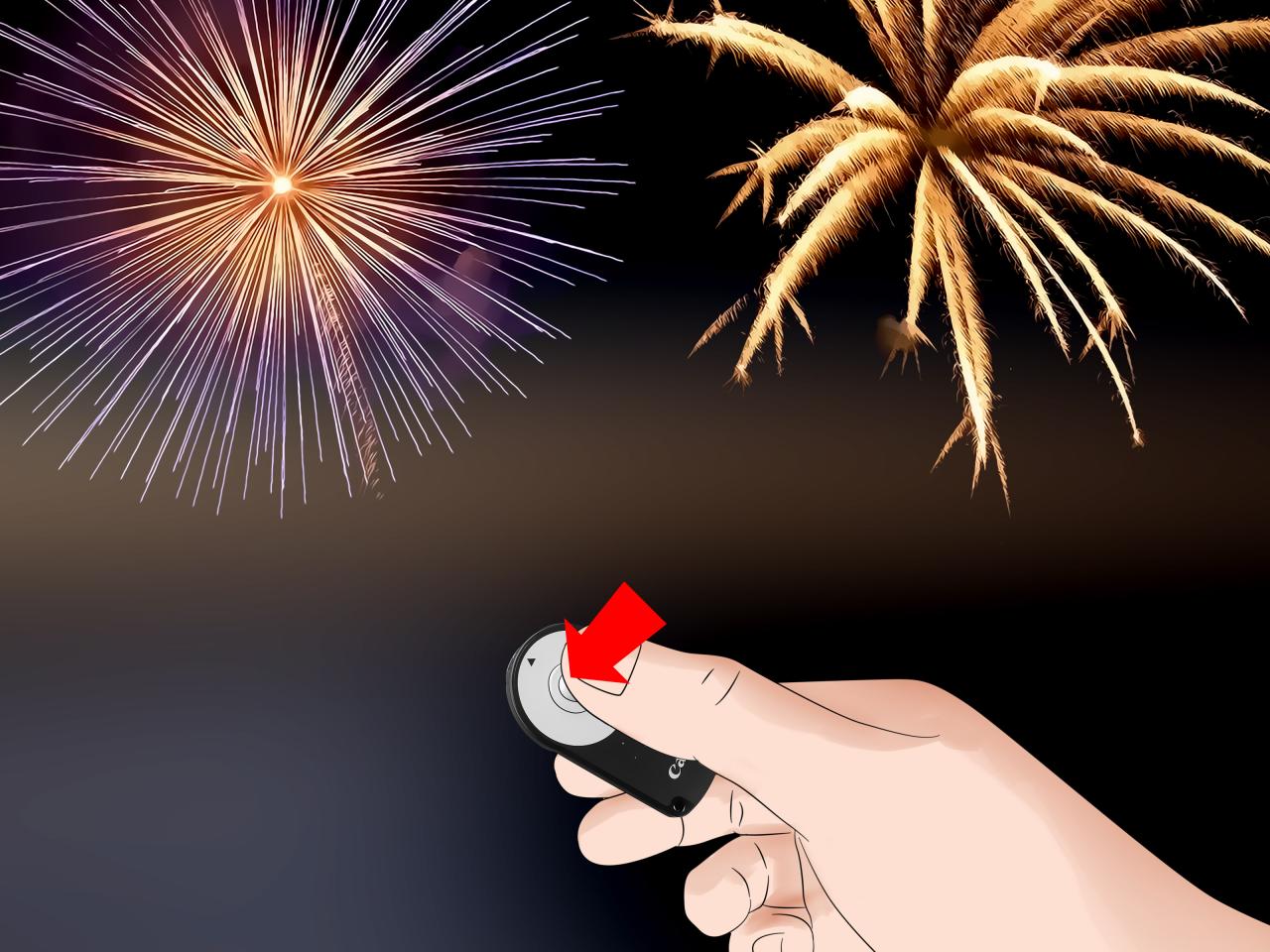
- Remote Shutter Release or Intervalometer: This accessory allows you to trigger the camera without touching it, further minimizing camera shake. An intervalometer can also be programmed to take photos at set intervals, which is useful for capturing a sequence of bursts.
- Wide-Angle Lens: As discussed, a lens in the 24-70mm range is ideal for capturing the expansive display.
- Extra Batteries: Long exposures and cold weather can drain batteries quickly. Always carry fully charged spare batteries.
- Memory Cards: Ensure you have enough storage space for a full night of shooting.
- Lens Hood: This helps to prevent stray light from entering the lens and causing flare, which can degrade image quality.
- Headlamp or Small Flashlight: A dim, red-light headlamp is useful for adjusting settings in the dark without affecting your night vision or that of other photographers.
- Weather Protection: Depending on the location and forecast, consider a rain cover for your camera and bag.
- Comfortable Seating: A small stool or mat can make a long wait much more enjoyable.
Advanced Techniques for Stunning Fireworks Images
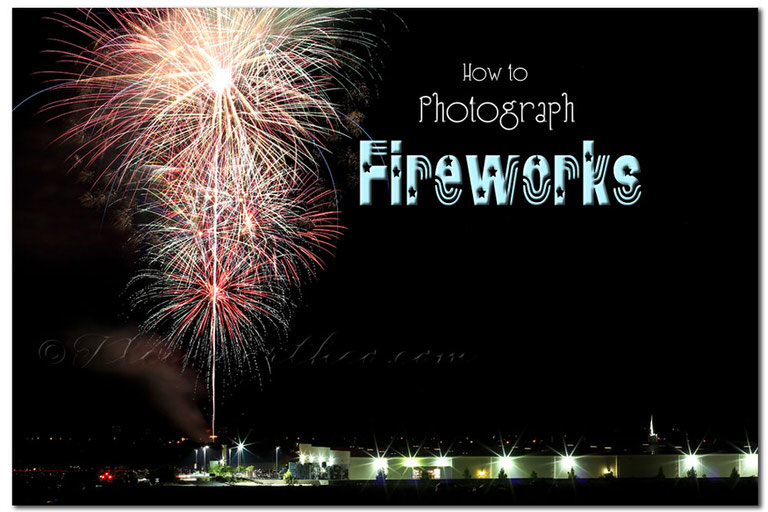
Now that you’re comfortable with the fundamentals, let’s elevate your fireworks photography with some advanced techniques. These methods will allow for greater creative control and help you capture truly spectacular and unique images of these fleeting bursts of light. We’ll delve into specific camera settings, equipment, and compositional strategies to make your fireworks shots stand out.
Mastering Bulb Mode for Extended Exposures
Bulb mode is an essential tool for fireworks photography, offering unparalleled control over exposure duration. Unlike manual modes that have a fixed maximum shutter speed, Bulb mode allows you to keep the shutter open for as long as you hold down the shutter button or until you trigger it again with a remote. This is crucial for capturing the full trajectory of a firework’s explosion and its trails of light.When photographing fireworks, using Bulb mode allows you to:
- Capture the entire life cycle of a single firework, from its ascent to its complete dissipation.
- Combine multiple firework bursts within a single exposure by strategically opening and closing the shutter.
- Control the amount of ambient light captured, preventing overexposure during the darker phases of the display.
To effectively use Bulb mode, set your camera to this setting. You will then press the shutter button to open the shutter and press it again to close it. For longer exposures, it is highly recommended to use a remote shutter release to avoid any camera shake that could occur when physically pressing the button.
Utilizing Remote Shutter Releases and Intervalometers
Camera shake is the enemy of sharp fireworks photography. Even the slightest tremor can blur your images, especially when using long exposures. This is where a remote shutter release or an intervalometer becomes indispensable.A remote shutter release allows you to trigger your camera’s shutter without touching it. This can be a simple wired or wireless remote. An intervalometer is a more advanced device that allows you to program a sequence of exposures, controlling the duration of each exposure, the interval between exposures, and the total number of shots.The benefits of using these tools include:
- Eliminating camera shake caused by manually pressing the shutter button, leading to sharper images.
- Enabling precise control over exposure times when using Bulb mode.
- Allowing for automated shooting sequences with an intervalometer, freeing you to focus on composition and observing the fireworks.
For example, when a particularly large and spectacular firework is about to launch, you can have your remote ready to activate the shutter precisely at the moment of ignition, ensuring you capture its full glory.
Single Shot vs. Multiple Exposure Techniques
Both single shot and multiple exposure techniques have their merits in fireworks photography, offering different creative possibilities. Understanding when to use each will help you achieve diverse and compelling results.
Single Shot Technique
This involves capturing each firework burst as a separate, individual photograph. It’s a straightforward approach that focuses on isolating the beauty of each explosion.
- Pros: Simplicity, allows for precise timing of individual bursts, easier to manage in-camera.
- Cons: Can result in a series of similar-looking images if not varied, might miss the dynamic interplay of multiple fireworks.
Multiple Exposure Technique
This technique involves layering multiple fireworks or elements within a single frame. You can achieve this by taking multiple shots in Bulb mode, opening the shutter for each firework and closing it after its display, or by merging images in post-processing.
- Pros: Creates a dynamic and layered composition, can tell a story of the entire display, offers a unique artistic perspective.
- Cons: Requires more planning and precise timing, can be challenging to execute perfectly in-camera, may require post-processing to refine.
A common approach for in-camera multiple exposures is to set your camera to take multiple exposures (often two or three) and then, using Bulb mode, capture the first firework, close the shutter, and then capture the second firework before the camera automatically combines them into one image. This results in a single frame showcasing the beauty of two distinct bursts.
Step-by-Step Guide for Capturing the Perfect Burst
Capturing that “perfect” firework burst requires preparation, precise timing, and a bit of luck. Follow these steps to maximize your chances of success:
- Scout your location: Arrive early to find a vantage point with a clear view of the sky and consider potential foreground elements.
- Set up your tripod: Ensure your tripod is stable and positioned securely. This is non-negotiable for long exposures.
- Compose your shot: Frame your scene, keeping in mind where the fireworks are likely to appear. Leave ample space in the sky.
- Set your camera to Manual (M) mode: This gives you full control over aperture, shutter speed, and ISO.
- Set your ISO: Start with a low ISO, such as 100 or 200, to minimize noise.
- Set your aperture: A mid-range aperture, like f/8 or f/11, is generally a good starting point for sharpness and depth of field.
- Set your shutter speed: For individual bursts, you’ll want to use Bulb mode.
- Focus manually: Autofocus can be unreliable in low light. Focus on a distant, bright, and static object (like a building or a distant light) or use infinity focus if your lens has a clear infinity mark.
- Attach your remote shutter release: This is crucial for preventing camera shake.
- Wait for the action: Observe the fireworks and anticipate when a significant burst is about to occur.
- Open the shutter: Press your remote shutter release to open the shutter just before the firework launches.
- Close the shutter: Close the shutter once the firework has fully exploded and its trails are captured, or when the desired exposure is achieved.
- Review and adjust: Examine your image for exposure, sharpness, and composition. Make adjustments to your settings as needed for subsequent shots.
Framing Your Shots with Interesting Foreground Elements
A photograph of fireworks is often enhanced by the inclusion of compelling foreground elements. These elements provide context, scale, and a sense of place, transforming a simple sky display into a more engaging narrative.Consider incorporating:
- Silhouettes of landmarks: Iconic buildings, bridges, or natural formations can create dramatic silhouettes against the vibrant sky.
- Water reflections: Bodies of water can double the visual impact of fireworks by reflecting their colorful explosions.
- People or crowds: Capturing the awe and wonder on people’s faces or the collective energy of a crowd can add a human element to your photographs.
- Trees or natural landscapes: The organic shapes of trees or the contours of hills can provide a soft, contrasting texture to the sharp lines of fireworks.
To effectively frame your shots with foreground elements, you need to:
- Identify potential foregrounds: During your location scouting, actively look for interesting objects or scenes that would complement the fireworks.
- Adjust your composition: Experiment with different camera angles and positions to ensure both the foreground and the fireworks are well-balanced within the frame.
- Expose for the fireworks: Since fireworks are the primary subject, ensure they are properly exposed. Your foreground may become a silhouette, which can be a desirable effect.
- Use a wider lens: A wider-angle lens will allow you to capture more of the scene, including both the foreground and a significant portion of the sky where the fireworks will appear.
For instance, if you are photographing fireworks over a city, positioning yourself to include the silhouette of a famous skyscraper in the foreground can create a much more impactful image than just a shot of the sky.
Camera Gear and Accessories
To capture the ephemeral beauty of fireworks, having the right camera gear and accessories is paramount. These tools not only enhance the quality of your images but also ensure a smoother and more enjoyable shooting experience, especially in the dynamic environment of a festival. Investing in appropriate equipment will allow you to focus on the spectacle rather than struggling with limitations.This section delves into the essential equipment that will elevate your fireworks photography from satisfactory to spectacular, covering everything from stabilization to lens choices and power management.
Crucial Camera Accessories
A stable platform and controlled light are fundamental to successful fireworks photography. Certain accessories are indispensable for achieving sharp images and managing the challenging shooting conditions.
- Sturdy Tripod: Essential for long exposures, a robust tripod prevents camera shake, ensuring crisp images even when capturing the intricate details of a firework burst. Look for a tripod with a strong central column and secure leg locks.
- Remote Shutter Release or Intervalometer: This accessory allows you to trigger the camera without touching it, further minimizing vibrations. An intervalometer also enables you to set up a sequence of shots, perfect for capturing multiple bursts.
- Lens Hood: A lens hood helps to prevent stray light from entering the lens, reducing lens flare and ghosting, which can be particularly problematic with bright fireworks against a dark sky.
- Ballast or Weight: In windy conditions, a sandbag or weight attached to the tripod can significantly improve stability.
Lens Selection for Festival Perspectives
The choice of lens can dramatically alter the narrative and scope of your fireworks photographs, offering different ways to frame the explosive displays within their festival context.
- Wide-Angle Lens: Ideal for capturing the grand scale of the festival, a wide-angle lens (e.g., 14mm-35mm on a full-frame camera) allows you to include the surrounding environment, such as cheering crowds, iconic landmarks, or the festival atmosphere, along with the fireworks. This creates a sense of place and context. For example, a wide shot might showcase fireworks illuminating a historic castle or a bustling city skyline.
- Telephoto Lens: Conversely, a telephoto lens (e.g., 70mm-200mm or longer) is perfect for isolating individual firework bursts, filling the frame with their intricate patterns and vibrant colors. This lens choice emphasizes the details and drama of the fireworks themselves, creating a more intimate and powerful image. A telephoto lens is particularly useful when fireworks are launched from a distance or when you want to focus solely on the explosive artistry.
The Role of a Camera Bag
A reliable camera bag is more than just a carrying case; it’s a protective sanctuary for your valuable equipment, especially during outdoor events where conditions can be unpredictable.A well-chosen camera bag will safeguard your gear from dust, moisture, and accidental impacts. During festivals, you might encounter rain, crowded pathways, or uneven terrain. A padded bag with water-resistant material and secure closures will ensure your camera, lenses, and accessories remain safe and functional throughout the event.
Features like adjustable dividers allow for customized organization, making it easier to access your equipment quickly when the perfect shot opportunity arises.
Camera Performance in Low Light Conditions
Fireworks photography inherently takes place in low light, making a camera’s ability to handle darkness a critical factor in image quality.Cameras that excel in low light typically feature:
- Larger Image Sensors: Full-frame or APS-C sensors generally perform better in low light than smaller sensors, producing cleaner images with less noise.
- High ISO Performance: The ability to shoot at higher ISO sensitivities without significant image degradation is crucial. Look for cameras that maintain good detail and color accuracy at ISO 1600, 3200, or even higher.
- Fast Autofocus Systems: While manual focus is often preferred for fireworks, a responsive autofocus system can be helpful for capturing other aspects of the festival before the main event.
Many modern mirrorless and DSLR cameras are engineered with advanced low-light capabilities, often featuring larger sensor sizes and sophisticated noise reduction algorithms. For instance, cameras known for their excellent low-light performance, such as certain models from Sony’s Alpha series or Canon’s EOS R series, often produce remarkably clean images even at high ISO settings.
Spare Batteries and Memory Cards
The dynamic nature of festivals and the demanding requirements of long exposures mean that running out of power or storage space can lead to missed opportunities.
- Spare Batteries: Long exposures and continuous shooting drain batteries quickly. Carrying at least one or two fully charged spare batteries ensures you can continue shooting for the duration of the fireworks display without interruption. Lithium-ion batteries are generally recommended for their longevity.
- Memory Cards: High-resolution images and multiple bursts require ample storage. It is advisable to have multiple high-capacity memory cards (e.g., 64GB or 128GB) with fast write speeds to avoid bottlenecks. Having spares also provides a backup in case one card becomes corrupted or full.
For example, a single fireworks show might involve hundreds of shots, each consuming battery power and storage. Planning for extended shooting sessions by bringing multiple batteries and cards is a fundamental aspect of successful event photography.
Composition and Framing
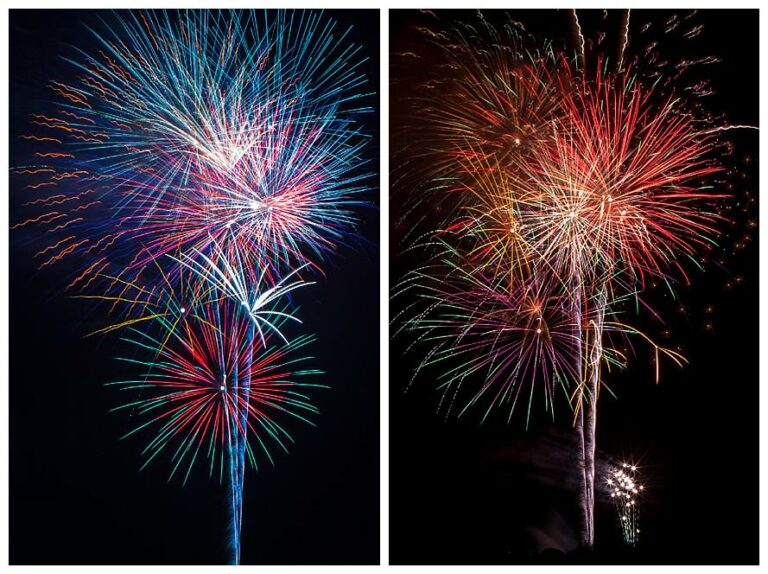
Capturing the magic of fireworks at festivals goes beyond just pointing your camera and pressing the shutter. Thoughtful composition and framing are essential to transforming fleeting bursts of light into compelling photographic stories. This section will guide you through techniques to elevate your fireworks photography from simple snapshots to captivating works of art.The way you arrange elements within your frame dictates the viewer’s experience.
By understanding compositional principles, you can guide the eye, create a sense of depth, and convey the immense energy and beauty of these explosive displays. Let’s explore how to make every shot count.
Dynamic Fireworks Compositions with Rule of Thirds and Leading Lines
The rule of thirds is a fundamental compositional guideline that suggests dividing your frame into nine equal sections by two horizontal and two vertical lines. Placing key elements of your photograph along these lines or at their intersections often results in a more balanced and visually appealing image. For fireworks, this means considering where the bursts will occur relative to these imaginary lines.
Instead of centering the entire display, experiment with placing a significant burst or a series of bursts along one of the vertical lines, or near an intersection.Leading lines are visual pathways within your photograph that draw the viewer’s eye towards the main subject. These can be natural or man-made. At a festival, consider the lines created by pathways, fences, the edge of a building, or even the curve of a riverbank.
By aligning these lines to point towards the fireworks, you create a sense of depth and direct the viewer’s attention to the explosive spectacle. For instance, a winding path leading towards the horizon where the fireworks are exploding can add a strong sense of narrative and scale to your image.
Incorporating Silhouettes of Festival Elements
Silhouettes can add context, scale, and a unique artistic element to your fireworks photographs. By exposing for the bright fireworks, darker foreground elements will appear as solid black shapes. This technique is particularly effective for showcasing recognizable festival landmarks or elements.Consider these examples of silhouettes that can enhance your compositions:
- Crowd Artikels: The dark shapes of people watching the display can convey the shared experience and excitement of the event.
- Festival structures: Ferris wheels, tents, or temporary stages can create interesting foreground or mid-ground shapes against the vibrant sky.
- Natural elements: Trees, hills, or even a prominent building can frame the fireworks and provide a sense of place.
When composing a shot with silhouettes, ensure the foreground elements are distinct enough to be recognizable, even in their darkened form, and that they don’t obstruct the main fireworks display.
Capturing the Scale and Grandeur of Large Firework Displays
Photographing large-scale firework displays requires an approach that emphasizes their immense size and the vastness of the sky they illuminate. This often involves incorporating elements that provide a sense of scale.Techniques for conveying grandeur include:
- Wide-angle lenses: These lenses allow you to capture a much broader view of the sky, showing the full extent of the display and its impact on the surrounding environment.
- Including foreground context: As mentioned with silhouettes, elements in the foreground help viewers understand the sheer size of the fireworks relative to the landscape or structures.
- Multiple bursts: Photographing a sequence where several fireworks are exploding simultaneously, or in rapid succession, can communicate the intensity and volume of a large display.
- Long exposures: While primarily for capturing light trails, long exposures can also capture the lingering glow and expansive nature of a grand display, blending multiple explosions into a single, ethereal image.
Using the Environment to Enhance Compositions
The environment surrounding the fireworks display offers numerous opportunities to create more dynamic and engaging photographs. Reflections, in particular, can double the visual impact and add a layer of surreal beauty to your images.Explore these environmental enhancement techniques:
- Water reflections: Bodies of water like lakes, rivers, or even puddles after rain can provide stunning mirrored images of the fireworks. Position yourself low to the ground to maximize the reflection. Ensure the water surface is relatively calm for clear reflections.
- Urban reflections: Glass buildings or windows in urban settings can also reflect the fireworks, creating abstract patterns and adding an urban context to the display.
- Framing with natural elements: Trees, bridges, or even the architecture of a venue can act as natural frames, guiding the viewer’s eye towards the fireworks and adding depth to the composition.
Creative Framing Ideas for Unique Festival Fireworks Photos
Moving beyond standard compositions can lead to truly memorable images. Experimenting with different framing techniques can add a unique perspective and artistic flair to your festival fireworks photography.Consider these creative framing ideas:
- Through a window or doorway: Shooting fireworks through an open window or doorway of a building can create an intimate and layered composition, juxtaposing the interior with the explosive exterior.
- Using foreground objects as natural frames: Place a prominent foreground object, such as a statue, a distinctive sign, or even a silhouetted person, so that the fireworks burst through or around it.
- Abstract framing with light: Sometimes, the ambient light from festival decorations or other light sources can create abstract patterns in the foreground that complement the fireworks.
- Embracing negative space: Don’t be afraid to leave significant portions of your frame empty. This negative space can emphasize the fireworks and create a sense of drama and isolation.
- Focusing on a single, iconic burst: Instead of trying to capture the entire display, isolate a single, particularly spectacular firework burst and compose your shot around it, perhaps with a strong foreground element.
Post-Processing and Editing
Once you’ve captured your fireworks photographs, the journey doesn’t end there. Post-processing is a crucial step that allows you to refine your images, bringing out the best in your shots and ensuring the vibrant spectacle of the fireworks is truly represented. This phase is where you can transform good captures into truly stunning images.The goal of post-processing fireworks images is to enhance their natural beauty, correct any technical imperfections, and ensure the colors and details are as impactful as they were when you witnessed them.
This involves a series of adjustments that, when done thoughtfully, can elevate your photography.
Fundamental Editing Steps for Fireworks Photographs
Adjusting core image parameters is the first and most vital step in post-processing. These adjustments lay the foundation for all subsequent edits and can dramatically improve the overall look and feel of your fireworks photos.Key adjustments include:
- Exposure: Fireworks can be incredibly bright, and sometimes your camera might underexpose the scene to compensate for the highlights. Increasing the exposure slider can reveal more detail in the darker areas of the sky and the firework trails. Conversely, if the fireworks are blown out, you might need to slightly decrease the exposure.
- Contrast: Fireworks inherently have high contrast between the bright bursts and the dark sky. Adjusting the contrast slider can help define these differences, making the fireworks “pop” more. A slight increase in contrast can add depth and impact.
- Highlights and Shadows: These sliders offer more granular control than exposure. Reducing highlights can recover detail in the brightest parts of the fireworks, preventing them from appearing as pure white blobs. Increasing shadows can bring out subtle details in the surrounding environment or the less intense parts of the firework trails.
Color Correction and Saturation for Vibrant Fireworks
The true magic of fireworks lies in their brilliant colors. Effective color correction and saturation adjustments are essential to make these hues sing and to capture the dazzling spectacle accurately.To achieve this, consider the following:
- White Balance: Fireworks can cast a variety of light temperatures. Adjusting the white balance (often to a cooler setting) can ensure that the colors appear natural and not overly warm or yellow. Some editing software allows you to sample a neutral area or use presets for common lighting conditions.
- Saturation: This slider globally increases the intensity of all colors. Use it judiciously; over-saturation can make colors look artificial and garish. A moderate increase can make the reds, blues, and greens of the fireworks more vivid.
- Vibrance: Vibrance is a more intelligent version of saturation. It increases the intensity of muted colors more than already saturated ones, and it also protects skin tones from becoming unnatural. This is often a safer and more effective way to boost color impact without overdoing it.
- HSL (Hue, Saturation, Luminance) Adjustments: For even finer control, use HSL sliders. You can target specific colors, like making the reds more intense or adjusting the hue of a particular blue. This allows for precise color refinement without affecting the entire image.
Reducing Noise in Low-Light Fireworks Images
Fireworks photography often takes place in very low light conditions, which can lead to digital noise. Noise appears as grainy speckles, particularly in the darker areas of the image, and can detract from the overall quality. Fortunately, most editing software offers effective noise reduction tools.When reducing noise, it’s important to:
- Apply Noise Reduction Gradually: Start with a subtle application of noise reduction. Overdoing it can lead to a loss of detail and an overly smooth, “plastic” appearance.
- Distinguish Between Luminance and Color Noise: Luminance noise is the graininess, while color noise appears as colored speckles. Many tools allow you to adjust these independently. Color noise is usually easier to remove without significant detail loss.
- Zoom In to Assess: Always zoom to 100% or more to properly evaluate the effectiveness of your noise reduction settings. You want to eliminate the distracting grain without sacrificing the fine details of the firework trails.
Sharpening and Enhancing Firework Trail Details
While noise reduction smooths out unwanted grain, sharpening enhances the crispness and definition of the firework trails, making them more dynamic and visually appealing.To effectively sharpen your images:
- Apply After Other Adjustments: Sharpening is best applied as one of the final steps, after exposure, color, and noise reduction have been addressed. This ensures you’re sharpening the final image.
- Use Masking: Most sharpening tools allow for masking. This is crucial for fireworks. You can mask out smooth areas of the sky, ensuring that only the edges of the firework trails and bursts are sharpened, preventing unwanted halos or artifacts.
- Adjust Amount, Radius, and Detail:
- Amount: Controls the overall strength of the sharpening effect.
- Radius: Determines how far from an edge the sharpening effect extends. A smaller radius is generally better for fine details.
- Detail: This slider controls how much fine texture is preserved. Increasing it can bring out the intricate patterns within the fireworks.
- Be Subtle: Excessive sharpening can create an unnatural, “crunchy” look. Aim for a subtle enhancement that makes the trails look defined, not over-processed.
Workflow for Batch Editing Multiple Fireworks Shots
Photographing fireworks often results in dozens, if not hundreds, of images. Manually editing each one can be time-consuming. Implementing a batch editing workflow can save significant time and ensure consistency across your series of photos.A typical batch editing workflow involves these steps:
- Initial Culling: Go through your images and delete any that are clearly out of focus, poorly exposed, or have missed the main action.
- Select a “Master” Image: Choose one or two of your best-exposed and best-composed shots from the event. These will serve as your reference for editing.
- Apply Edits to the Master Image: Perform all your desired adjustments (exposure, contrast, color, noise reduction, sharpening) on this master image until you are satisfied.
- Synchronize/Copy Settings: Most editing software allows you to copy the settings from your master image and paste them onto all other selected images. This is the core of batch editing.
- Review and Refine: After applying the synchronized settings, go through the batch of edited images. You will likely need to make minor individual adjustments. For example, some images might be slightly brighter or darker, or have different color casts due to the firework burst. Tweak these as needed.
- Export: Once you are happy with the results, export all your images. Ensure you are using appropriate file formats (like JPEG for sharing or TIFF for further editing) and resolutions for your intended use.
This structured approach ensures that your entire collection of fireworks photos has a consistent look and feel, reflecting the spectacle of the event efficiently.
Planning and Preparation for Festival Shoots
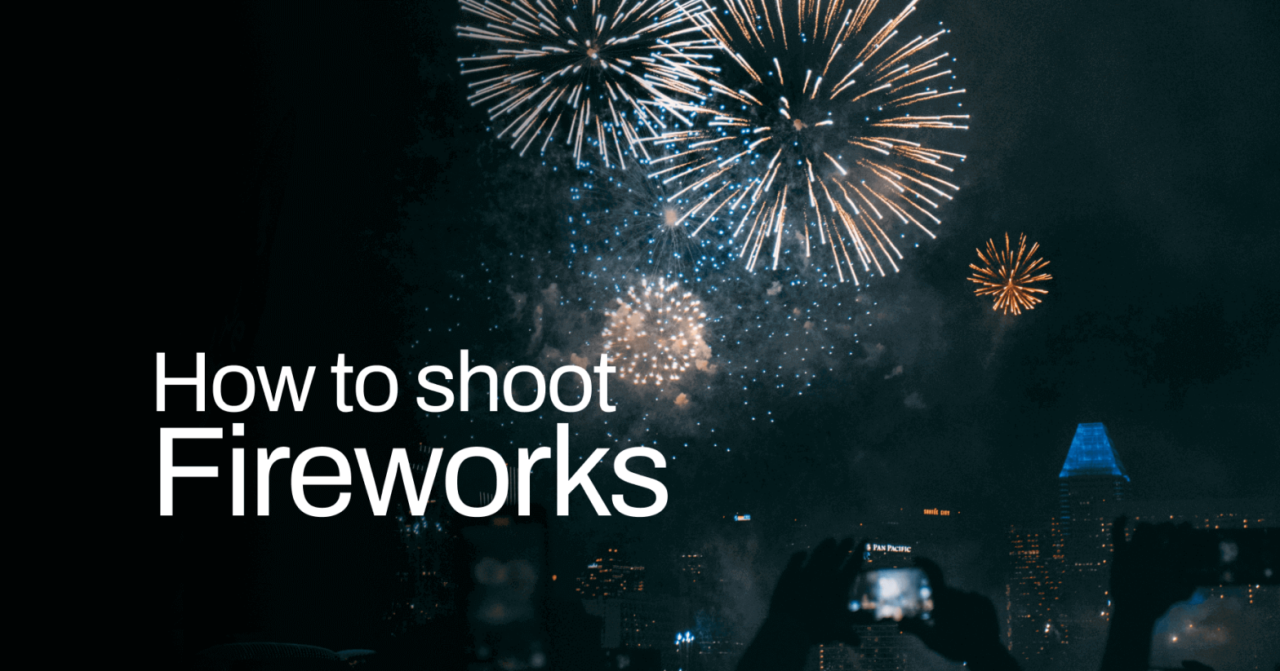
Successful fireworks photography at festivals hinges on meticulous planning and preparation. This proactive approach ensures you are not only in the right place at the right time but also equipped to handle the unique challenges of a busy event environment. By investing time in research and scouting, you significantly increase your chances of capturing breathtaking images.This section delves into the essential steps for preparing for a festival fireworks shoot, from understanding the event’s logistics to ensuring you have everything you need for a smooth and productive experience.
Festival Logistics Research
Understanding the fundamental details of the festival is the first step towards a successful photography outing. This involves gathering information about when and where the fireworks will be displayed, as well as identifying the best vantage points.The following aspects are crucial for thorough research:
- Event Dates and Times: Confirm the exact dates and the scheduled start times for the fireworks displays. Festivals often have multiple events, and knowing the specific schedule prevents missed opportunities.
- Fireworks Display Duration: Research how long the fireworks are expected to last. This helps in planning your battery life and memory card usage.
- Optimal Viewing Locations: Identify areas that offer unobstructed views of the sky where the fireworks will be launched. Consider elevated positions or open spaces away from tall buildings or trees.
Scouting Potential Shooting Spots
Visiting potential shooting locations in advance is highly recommended. This allows you to assess the environment, test camera settings, and identify any potential issues before the actual event.Key considerations during scouting include:
- Accessibility: Determine how easy it is to reach the chosen spot, especially during a crowded festival.
- Compositional Elements: Look for foreground elements, such as landmarks, water reflections, or silhouettes of people, that can add depth and interest to your images.
- Light Pollution: Assess the impact of ambient light from the festival itself or surrounding urban areas, which can affect exposure and color balance.
- Power Outlets: If you plan to use external power for extended shooting, identify if any power sources are available.
Weather Forecast Monitoring
Weather conditions can dramatically impact fireworks photography. Monitoring the forecast allows you to make informed decisions about your gear and shooting strategy.It is important to consider the following weather-related factors:
- Cloud Cover: While some clouds can add dramatic effect, heavy or low-lying clouds can obscure the fireworks. Clear skies are generally ideal.
- Wind: Wind direction and speed can affect the dispersion of smoke, which can either enhance or detract from the visual clarity of the fireworks. High winds can also make stable shooting difficult.
- Precipitation: Rain or snow will necessitate protective gear for both yourself and your camera equipment. Consider investing in rain covers or waterproof bags.
- Temperature: Extreme temperatures can affect battery performance and your personal comfort, influencing the duration of your shoot.
Crowd Management and Stable Shooting Position
Festivals invariably attract large crowds, which can pose challenges for photographers. Finding a stable shooting position is paramount for sharp images, especially when using longer exposures.Strategies for managing crowds and securing a good spot include:
- Arrive Early: Reaching your chosen location well before the fireworks begin is the most effective way to secure a prime spot. This also allows for pre-shoot setup and adjustments.
- Utilize Tripods: A sturdy tripod is essential for stable shots and sharp images during long exposures. Ensure it is set up on a level surface.
- Consider Elevated Positions: If available and safe, finding a slightly elevated vantage point can help you shoot over the heads of the crowd.
- Communicate with Spectators: Politely explain your need for space to set up your tripod, and be mindful of others.
- Alternative Locations: If your primary spot becomes too crowded, have a backup location scouted.
Pre-Shoot Checklist
A comprehensive checklist ensures you don’t forget any essential gear or tasks before heading out to a festival fireworks shoot. This organized approach minimizes stress and maximizes your photographic potential.Here is a recommended pre-shoot checklist:
| Category | Items | Notes |
|---|---|---|
| Camera Gear | DSLR or Mirrorless Camera | Ensure battery is fully charged. |
| Wide-angle and Telephoto Lenses | Clean and ready for use. | |
| Sturdy Tripod | Check stability and locking mechanisms. | |
| Remote Shutter Release or Intervalometer | Essential for long exposures. | |
| Extra Batteries | For camera and any accessories. | |
| Empty Memory Cards | Sufficient capacity for the event. | |
| Accessories | Lens Hoods | To reduce flare. |
| Camera Bag | Protective and organized. | |
| Rain Cover or Waterproofing | If weather is uncertain. | |
| Headlamp or Small Flashlight | For adjusting gear in the dark. | |
| Comfortable Clothing and Shoes | Dress for the expected weather. | |
| Water and Snacks | Stay hydrated and energized. | |
| Settings & Knowledge | Review Camera Settings | Recall recommended manual mode settings. |
| Familiarize with Location | Based on prior scouting. | |
| Check Weather Forecast | Final check before departure. |
Specific Scenarios and Challenges
Photographing fireworks during festivals presents a unique set of challenges that require adaptability and a nuanced understanding of photographic principles. Beyond simply pointing your camera at the sky, you’ll often encounter situations where foreground elements, urban light pollution, and varying firework types demand specific techniques to achieve compelling results. This section delves into these specific scenarios and offers practical solutions to overcome them, ensuring your festival firework photos are as spectacular as the event itself.
Ultimate Conclusion
Mastering the art of fireworks photography at festivals involves a blend of technical knowledge, creative vision, and meticulous preparation. By understanding your camera’s capabilities, employing effective techniques, and thoughtfully composing your shots, you can consistently capture the magic of these vibrant displays. This comprehensive approach ensures that your festival memories are not only preserved but are also visually spectacular, telling a story of light, color, and celebration.