how to photograph mountains with detail sets the stage for this enthralling narrative, offering readers a glimpse into a story that is rich in detail and brimming with originality from the outset. Embark on a journey to capture the majestic grandeur and intricate textures of mountain landscapes, transforming your photographic vision into stunningly detailed images. This guide will illuminate the path to achieving unparalleled clarity and depth in your mountain photography.
We will delve into the nuanced interplay of light, explore essential camera settings for maximum sharpness, and uncover the secrets of lens selection and composition to reveal the finest details. Furthermore, we will guide you through post-processing techniques to enhance these details and discuss the crucial gear that supports your pursuit of photographic excellence in challenging mountain environments.
Understanding Mountain Light for Detail
Capturing the intricate details of mountains is profoundly influenced by the quality and direction of light. Light dictates how textures are revealed, how forms are sculpted, and ultimately, how the grandeur of a mountain landscape is conveyed in a photograph. Understanding these nuances allows photographers to move beyond simple snapshots and create images that truly showcase the rugged beauty and dimensional presence of these majestic formations.The interplay of light and shadow is the primary tool for rendering detail.
Shadows carve out the contours and define the three-dimensional aspects of a mountain, while highlights can emphasize textures and reveal subtle variations in the rock and snow. By consciously observing and anticipating how light will interact with the terrain, photographers can position themselves and their cameras to best exploit these effects.
Impact of Different Times of Day on Mountain Textures and Forms
The sun’s position in the sky dramatically alters the appearance of mountain landscapes. Each time of day offers a unique lighting scenario, presenting both opportunities and challenges for capturing detail.
- Early Morning: As the sun rises, low-angled light casts long shadows, accentuating ridges, gullies, and the rugged textures of the rock faces. This light is often soft and diffused, which can help to avoid harsh contrasts and reveal subtle details. The cool tones of dawn can also add a serene atmosphere to mountain scenes.
- Midday: The sun directly overhead at midday creates harsh, unflattering light. Shadows become short and deep, often leading to a flattened appearance of the landscape and a loss of textural detail. While challenging, midday light can sometimes be used creatively to emphasize strong graphic shapes or to capture the starkness of certain mountain environments.
- Late Afternoon: Similar to early morning, the low-angled light of late afternoon bathes mountains in a warm glow. This light can bring out rich colors in the rock and vegetation, while still providing enough shadow to define form and texture. It’s an excellent time for capturing dramatic, vibrant mountain scenes.
- Twilight: The periods just after sunset and before sunrise, known as twilight, offer a unique, diffused light. This can create ethereal moods and soften the harshness of the landscape, often revealing subtle color shifts and atmospheric effects.
Identifying and Utilizing the “Golden Hour” for Capturing Mountain Detail
The “golden hour” refers to the period shortly after sunrise and before sunset when the sun is low on the horizon. This time is highly prized by photographers for its unique qualities that enhance mountain detail.
The golden hour provides a soft, warm light that wraps around mountain forms, accentuating texture and dimension with long, flattering shadows.
During the golden hour, the light is warmer in color, casting a golden or reddish hue over the landscape. More importantly, the low angle of the sun creates long, directional shadows that dramatically sculpt the mountains, revealing their three-dimensional form and the intricate textures of their surfaces. This is the ideal time to capture the ruggedness of rock faces, the contours of snowfields, and the depth of valleys.
To maximize detail, aim to photograph with the sun to your side or slightly behind you, allowing the light to rake across the terrain, emphasizing its features.
Challenges and Benefits of Shooting Mountains in Midday Sun Versus Overcast Conditions
Each lighting condition presents distinct advantages and disadvantages when photographing mountains for detail.
Midday Sun
The midday sun, while often considered less ideal, has its own set of characteristics:
- Challenges: The primary challenge is the harsh, direct light, which leads to high contrast. This can result in deeply shadowed areas where detail is lost and brightly lit areas that can become “blown out” (overexposed), also losing detail. The flatness of the light can also reduce the perception of depth and texture.
- Benefits: In some instances, midday sun can create strong graphic compositions with sharp lines and defined shapes. It can also be useful for capturing the stark, bleached appearance of certain arid or high-altitude mountain environments. For specialized techniques like infrared photography, midday can sometimes yield interesting results.
Overcast Conditions
Overcast skies provide a softer, more diffused light:
- Challenges: The main drawback of overcast conditions is the lack of directional light. Shadows are minimal or absent, which can lead to a “flat” image where the three-dimensional form and intricate textures of the mountains are not as pronounced. Colors can also appear muted.
- Benefits: The diffused light is very forgiving, offering even illumination across the scene. This is excellent for capturing subtle color variations, fine details in vegetation, and smooth gradients in snow and rock without the distraction of harsh shadows or blown-out highlights. It can also be ideal for capturing mist or fog that often accompanies overcast weather, adding atmosphere and mystery.
Techniques for Managing Harsh Shadows and Blown-Out Highlights to Preserve Detail
Successfully photographing mountains, especially under challenging light, requires strategies to manage extreme contrasts and retain detail in both the darkest and brightest areas of the image.
The goal is to capture a wider dynamic range than the camera sensor can typically record in a single exposure. This involves a combination of in-camera techniques and post-processing strategies.
In-Camera Techniques
- Exposure Bracketing: This involves taking multiple shots of the same scene at different exposure values (e.g., one at normal exposure, one underexposed, and one overexposed). These images can then be merged in post-processing to create a High Dynamic Range (HDR) image that encompasses detail from the shadows to the highlights.
- Using a Graduated Neutral Density (GND) Filter: A GND filter is darker on one half and clear on the other, with a gradual transition. It’s placed over the lens so the dark part covers the bright sky or a brightly lit mountain slope, balancing the exposure with the darker foreground or shadow areas.
- Careful Exposure Metering: Learn to use your camera’s metering modes effectively. Spot metering on a mid-tone area or using the histogram to ensure that neither the shadows nor the highlights are clipped (completely black or completely white) is crucial. Sometimes, intentionally underexposing slightly can preserve highlight detail, as shadow detail is often easier to recover in editing.
Post-Processing Techniques
- HDR Merging: As mentioned, bracketed exposures can be combined using HDR software to create a single image with a much greater dynamic range. This allows for the recovery of detail in both extreme shadows and highlights.
- Shadow and Highlight Recovery Tools: Most editing software (like Adobe Lightroom or Photoshop) offers specific tools to adjust shadows and highlights independently. These tools can selectively brighten dark areas and darken bright areas to reveal lost detail.
- Local Adjustments: Using adjustment brushes or gradient filters within editing software, you can apply exposure, contrast, and clarity adjustments to specific areas of the image. This allows for precise control over how light and shadow are rendered, helping to bring out texture and form where needed.
- Dodging and Burning: This is a traditional darkroom technique that can be simulated in digital editing. “Dodging” (lightening) specific areas can bring out detail in shadows, while “burning” (darkening) areas can help to recover detail in highlights or to emphasize form.
Essential Camera Settings for Sharpness
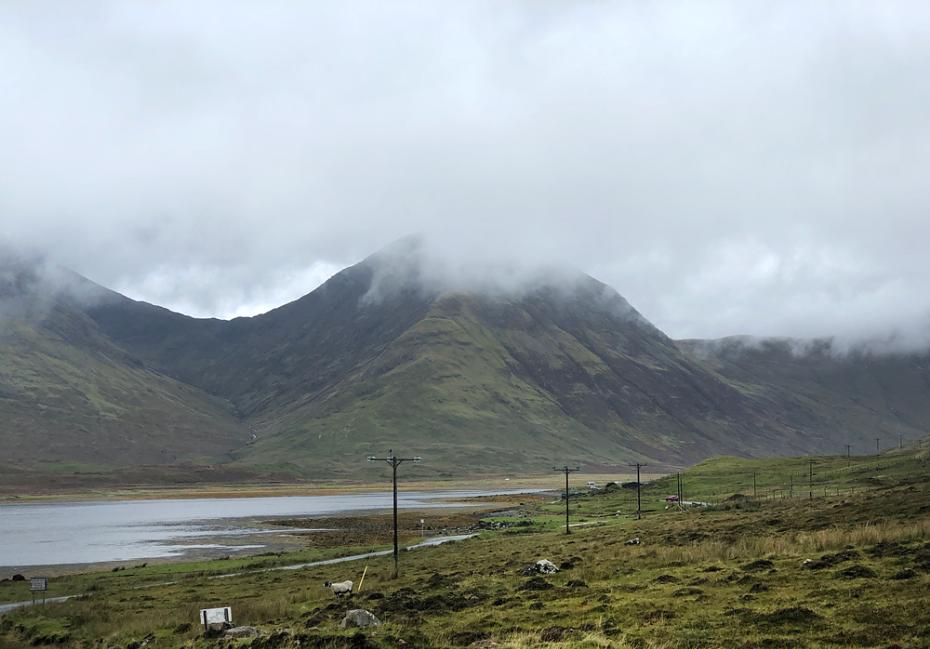
Capturing the intricate details of mountain landscapes requires a deliberate approach to camera settings. Precision in aperture, ISO, and shutter speed is paramount to rendering sharp, clear images that convey the grandeur and texture of these majestic formations. This section delves into the optimal settings to ensure every facet of the mountain is rendered with exquisite detail.
Optimal Aperture Ranges for Depth of Field and Sharpness
Achieving a broad depth of field, where both foreground elements and distant peaks are in sharp focus, is crucial for mountain photography. This is primarily controlled by the aperture setting.The optimal aperture range for maximizing depth of field and sharpness in mountain landscapes typically lies between f/8 and f/16.
- f/8 to f/11: This range often represents a sweet spot, providing excellent sharpness across the frame while maintaining a significant depth of field. It balances the need for sharpness with the avoidance of diffraction, an optical phenomenon that can reduce image clarity at very small apertures.
- f/11 to f/16: For scenes demanding extreme depth of field, such as grand vistas with prominent foregrounds and very distant mountains, extending the aperture to f/16 can be beneficial. However, photographers should be mindful of potential diffraction at f/16 and beyond, which can soften fine details. Testing your specific lens’s performance at these apertures is recommended.
- Beyond f/16: While larger f-numbers (smaller apertures) increase depth of field, they also significantly increase the risk of diffraction. This can lead to a noticeable loss of fine detail, making the image appear softer overall, even if technically in focus. For most mountain photography, it is generally advisable to avoid apertures smaller than f/16 unless absolutely necessary.
The Role of ISO Sensitivity
ISO sensitivity dictates how sensitive your camera’s sensor is to light. For detailed mountain photography, maintaining a low ISO is key to producing clean images free from distracting noise.A low ISO setting is fundamental for capturing clean, detailed images of mountainous terrain.
- Base ISO (e.g., ISO 100 or 200): This is the camera’s native sensitivity and produces the cleanest images with the least amount of digital noise. Whenever light conditions permit, using the base ISO is the preferred choice for maximizing detail and tonal range.
- Increasing ISO: As light diminishes, you may need to increase the ISO to achieve a proper exposure without resorting to excessively slow shutter speeds or very wide apertures. However, each increment in ISO introduces more digital noise, which can obscure fine textures and details. Modern cameras perform admirably at higher ISOs, but it’s always a trade-off. Aim to keep ISO as low as possible for the given shooting conditions.
- Noise Reduction: While in-camera noise reduction can help, it can also smooth out fine details. It’s often better to capture a slightly noisier image at a higher ISO and apply noise reduction in post-processing, where you have more control.
Recommendations for Shutter Speeds
Shutter speed controls the duration for which the camera’s sensor is exposed to light. In mountain photography, it’s essential to manage shutter speed to prevent motion blur, whether from atmospheric conditions or the subtle movements of handheld shooting.To avoid motion blur from atmospheric conditions or handheld shooting, strategic shutter speed selection is vital.
- Handheld Shooting: A general guideline for handheld shooting is to use a shutter speed that is at least the reciprocal of your lens’s focal length (e.g., 1/50th of a second for a 50mm lens). However, for capturing the fine details of mountains, it’s often beneficial to be more conservative. Shutter speeds of 1/125th of a second or faster are generally recommended when shooting handheld to ensure maximum sharpness.
- Atmospheric Conditions: While mountains themselves are static, atmospheric phenomena like wind can cause subtle movement in foreground elements like vegetation or water. If these are critical to your composition and you are shooting handheld, a faster shutter speed will freeze this motion.
- Tripod Use: The most effective way to ensure sharpness and eliminate motion blur from camera shake is to use a sturdy tripod. When using a tripod, you can employ much slower shutter speeds, allowing you to use lower ISO settings and smaller apertures for optimal image quality. Even with a tripod, it’s good practice to use a remote shutter release or the camera’s self-timer to avoid introducing vibrations when pressing the shutter button.
- Capturing Movement: In some artistic interpretations, intentional motion blur can be used to convey the power of wind or water. However, for detailed, sharp images, avoiding all forms of motion blur is the goal.
Recommended Camera Setting Profile for Capturing Fine Details
To consistently achieve sharp, detailed images of mountain landscapes, a foundational camera setting profile can be established. This profile prioritizes sharpness, depth of field, and image cleanliness.This recommended camera setting profile is designed to maximize the capture of fine details in mountainous terrain.
| Setting | Recommendation | Rationale |
|---|---|---|
| Shooting Mode | Aperture Priority (Av or A) or Manual (M) | Allows precise control over depth of field and exposure. Aperture Priority is convenient, while Manual offers complete control. |
| Aperture | f/8 to f/11 | Optimizes depth of field and sharpness, minimizing diffraction. |
| ISO Sensitivity | Base ISO (e.g., 100 or 200) | Ensures the cleanest image with the least noise, preserving fine details. |
| Shutter Speed | As fast as possible while achieving correct exposure (e.g., 1/125s or faster handheld, or longer if on a tripod). | Prevents motion blur from camera shake or atmospheric movement. |
| Focusing | Manual focus or precise autofocus with focus peaking enabled. | Ensures critical focus on the desired plane of sharpness. |
| Image Quality | RAW | Captures the maximum amount of data for greater flexibility in post-processing, especially for detail recovery and noise reduction. |
| White Balance | Auto (and adjust in post-processing) or a custom setting appropriate for the light. | Ensures accurate color rendition, which contributes to the perception of detail. |
Lens Selection and Techniques for Detail
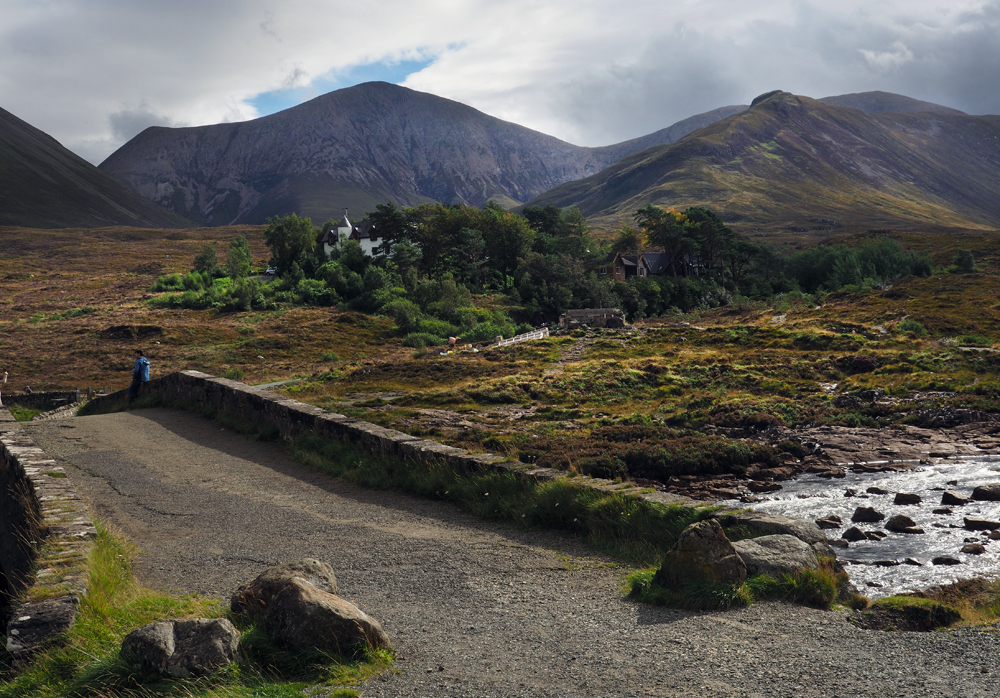
Achieving crisp, detailed mountain photographs requires careful consideration of your lens choice and the techniques you employ. The lens acts as your eye, gathering light and translating the grandeur of the landscape into a digital or film image. Different focal lengths offer distinct perspectives, and mastering focusing and accessory use can elevate your images from good to exceptional.When it comes to capturing the intricate textures and vastness of mountain ranges, your lens selection plays a pivotal role.
Each type of lens offers unique advantages for highlighting different aspects of the mountain environment, from sweeping vistas to intimate details.
Lens Characteristics for Mountain Photography
Understanding the distinct characteristics of wide-angle, telephoto, and prime lenses is fundamental to effectively capturing mountain detail. Each lens type excels at rendering specific aspects of the landscape, influencing composition and the perceived scale of the mountains.
- Wide-Angle Lenses (e.g., 14mm to 35mm): These lenses are ideal for capturing expansive vistas and emphasizing the scale of mountains by including a significant portion of the foreground and sky. They create a sense of depth and grandeur, making the mountains appear vast and imposing. However, they can also exaggerate perspective, making distant elements appear smaller relative to closer ones, and can introduce distortion, especially at the edges.
- Telephoto Lenses (e.g., 70mm to 300mm and beyond): Telephoto lenses are invaluable for isolating specific mountain peaks, revealing their intricate geological formations, and compressing the landscape to make distant mountains appear closer and larger. They are excellent for showcasing textures and details that might be lost in a wider view. The compression effect can also create a layered look with multiple mountain ranges appearing stacked.
- Prime Lenses (Fixed Focal Length): Prime lenses, such as a 35mm or 50mm, are often known for their superior sharpness and image quality due to simpler optical designs. They encourage thoughtful composition as the photographer must “zoom with their feet.” In mountain photography, a sharp prime can render textures and details with exceptional clarity, and their typically wider apertures can be useful for isolating subjects or in lower light conditions.
Focusing Techniques for Critical Sharpness
Ensuring that your entire mountain scene is in sharp focus, from the closest foreground elements to the furthest peaks, requires deliberate focusing techniques. Achieving this depth of field is crucial for presenting the viewer with a fully rendered and detailed landscape.
The concept of hyperfocal distance is paramount here. By focusing at the hyperfocal distance, you maximize the depth of field, ensuring that everything from half that distance to infinity appears acceptably sharp.
“The hyperfocal distance is the closest distance at which a lens can be focused while keeping objects at infinity acceptably sharp.”
Practical methods for achieving this include:
- Manual Focus and Live View Zoom: While autofocus can be useful, manual focus often provides more control. Utilize your camera’s Live View function and zoom in on a critical element in your scene (often a mid-ground object or the mountain itself) to precisely adjust the focus ring until that element is tack sharp.
- Using Depth of Field Calculators: Apps and online tools can calculate the hyperfocal distance for your specific camera and lens combination, aperture, and focal length. This provides a precise focusing point to aim for.
- Focus Stacking (for extreme detail): For scenes where both very close foreground elements and distant mountains need to be perfectly sharp, focus stacking is an advanced technique. This involves taking multiple shots, each focused on a different plane, and then merging them in post-processing to create a single image with extended depth of field.
Lens Hoods and Filters for Enhanced Detail
Accessories like lens hoods and filters are not mere add-ons; they are essential tools for mitigating optical challenges and enhancing the clarity and contrast of your mountain photographs, thereby revealing finer details.
Lens hoods are designed to prevent stray light from entering the lens, which can cause flare and reduce contrast. In mountain environments, where the sun can be a strong and direct light source, this is particularly important.
- Lens Hoods: A well-designed lens hood shades the front element of the lens from direct sunlight and ambient light that can bounce around inside the lens barrel. This leads to deeper blacks, brighter whites, and a significant improvement in overall contrast and color saturation, making details more discernible.
- Polarizing Filters: These are perhaps the most impactful filters for mountain photography. A circular polarizing filter (CPL) reduces reflections from non-metallic surfaces like water and foliage, darkens skies, and most importantly for detail, cuts through atmospheric haze and mist. By reducing scattered light, a polarizer can dramatically increase the contrast and saturation of distant mountain features, revealing textures and colors that would otherwise be washed out.
- Graduated Neutral Density (GND) Filters: While not directly enhancing detail, GND filters help balance the exposure between a bright sky and a darker foreground or mountain. By controlling the dynamic range, they ensure that both the sky and the mountains are properly exposed, allowing for maximum detail capture in both areas without blowing out highlights or crushing shadows.
Achieving Sharp Foreground Elements
A compelling mountain photograph often benefits from a strong foreground that leads the viewer’s eye into the scene and provides context and scale to the distant peaks. Ensuring these foreground elements are as sharp as the mountains themselves is key to a balanced and detailed image.
The principles of depth of field and hyperfocal distance discussed earlier are directly applicable here. However, specific techniques can further enhance foreground sharpness.
- Strategic Aperture Selection: While wide apertures can create beautiful bokeh, for maximum foreground and background sharpness, you’ll typically need to stop down your aperture. An aperture of f/8 to f/16 is often a good starting point, but always check your camera’s depth of field preview or use Live View to assess sharpness.
- Focus Point Placement: Instead of focusing on the furthest point, focus at a distance that is roughly one-third of the way into the scene, or precisely at the calculated hyperfocal distance. This ensures that the foreground is sharp while still maintaining acceptable sharpness on the distant mountains.
- Foreground Interest Placement: Position interesting foreground elements (rocks, flowers, a stream) closer to the camera to create a stronger sense of depth and scale. Ensure they are within the plane of sharp focus.
- Wide-Angle Lenses for Foreground Emphasis: Wide-angle lenses are particularly adept at making foreground elements appear larger and more prominent, thus drawing the viewer into the image and providing a strong anchor for the mountain vista.
Compositional Strategies for Revealing Detail
Effective composition is paramount in transforming a mere snapshot of a mountain into a compelling image that showcases its intricate beauty. By thoughtfully arranging elements within your frame, you can guide the viewer’s eye, emphasizing the textures, geological formations, and subtle nuances that define a mountain’s character. This section explores key compositional techniques to unlock the detailed potential of your mountain photography.When photographing mountains with the intent to reveal detail, consider how the arrangement of elements within your frame can direct the viewer’s gaze and enhance the perception of texture and form.
The goal is to create a visual narrative that invites closer inspection of the mountain’s inherent features.
Organizing Compositional Elements for Intricate Features
To draw attention to the specific details of a mountain, it is crucial to structure the scene so that these features become focal points. This involves strategically placing prominent elements that naturally lead the eye towards areas of interest, such as rugged rock faces, distinct ridges, or the interplay of light and shadow on varied terrain. Consider the overall balance of the image and how foreground, middle ground, and background elements work together to frame and highlight these delicate details.
For instance, a gnarled tree in the foreground can act as a natural frame, drawing attention to the sharp, weathered contours of a distant peak.
Leading Lines for Enhanced Detail Exploration
Leading lines are powerful compositional tools that can guide the viewer’s eye through the landscape and direct their attention to specific details within the mountain. These lines can be formed by natural elements like rivers, trails, ridgelines, or even the subtle contours of the land. By positioning these lines to converge on or move towards areas of high detail, you create a sense of depth and encourage the viewer to explore the scene more thoroughly.
For example, a winding mountain path leading towards a dramatic cliff face will naturally pull the viewer’s gaze to the textures and features of that cliff.
Incorporating Scale Elements for Grandeur and Texture Emphasis
Introducing elements of scale is vital for conveying the immense size of mountains and, by contrast, for emphasizing the fine textures and intricate details present. Objects like trees, boulders, or even small human figures, when placed in relation to the mountain, provide a tangible reference point for its vastness. This contrast allows the viewer to better appreciate the delicate patterns in rock formations, the subtle variations in vegetation clinging to slopes, and the overall ruggedness of the terrain.
A solitary, weathered pine tree in the foreground against a massive, textured rock face can dramatically highlight the intricate details of the stone.
Compositional Guidelines Checklist for Mountain Detail Photography
To ensure your compositions effectively capture the intricate details of mountains, consider the following checklist:
- Prioritize Focal Points: Identify and strategically place key detailed features of the mountain within the frame.
- Utilize Leading Lines: Employ natural or man-made lines to guide the viewer’s eye towards areas of specific interest and detail.
- Incorporate Scale: Include elements like trees or rocks to provide a sense of scale, thereby emphasizing the mountain’s grandeur and the fine textures of its surface.
- Frame the Subject: Use foreground elements, such as branches or rock formations, to create natural frames that draw attention to the detailed mountain subject.
- Emphasize Texture through Light: Position yourself to capture light that accentuates surface textures, such as raking light that reveals the roughness of rock.
- Consider Depth and Layers: Arrange compositional elements to create a sense of depth, allowing for multiple levels of detail to be appreciated.
- Simplify the Background: Ensure the background does not distract from the detailed features of the primary mountain subject.
Post-Processing to Enhance Mountain Detail
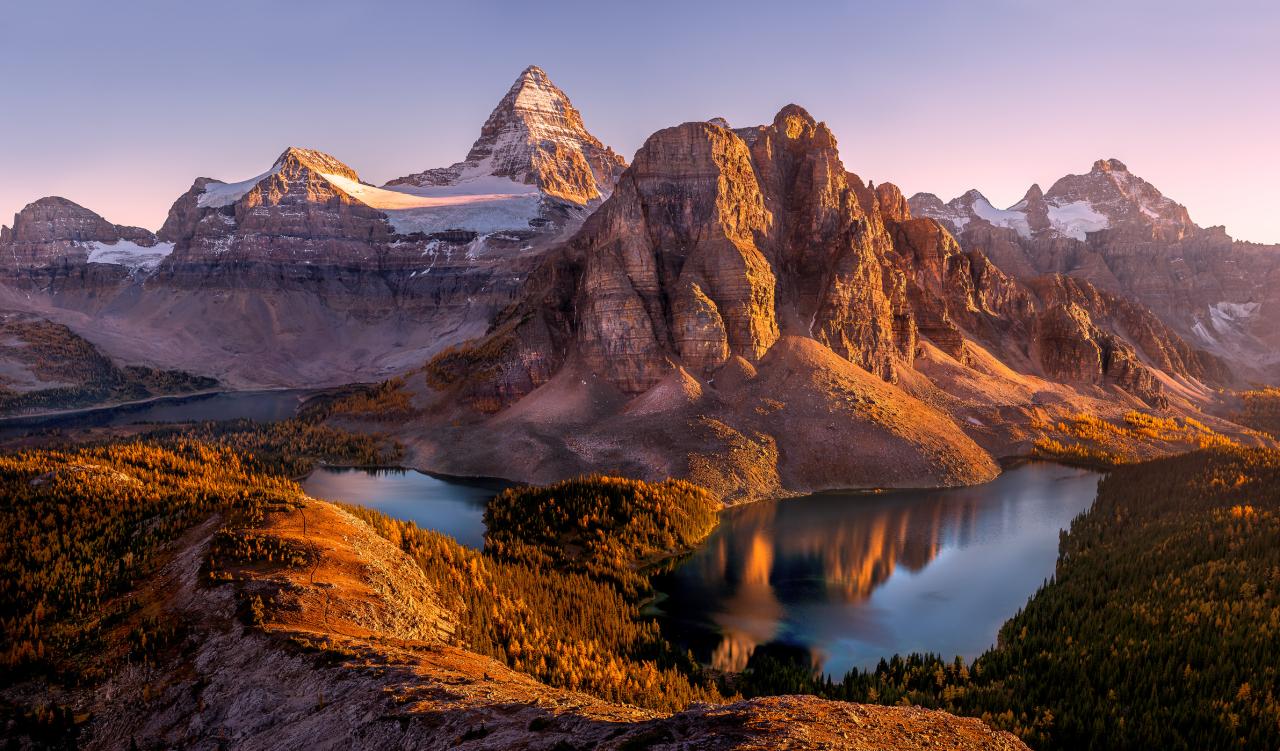
Post-processing is a crucial stage in bringing out the finest details in your mountain photographs. It’s where you refine the raw data captured by your camera, transforming a good image into a truly exceptional one. This phase allows you to meticulously enhance textures, define forms, and ensure your final image accurately reflects the grandeur and intricate beauty of the mountain landscape.The goal of post-processing for mountain detail is to amplify the inherent qualities of the scene without overdoing it, which can lead to an unnatural or artificial look.
By carefully applying various adjustments, you can guide the viewer’s eye through the image, highlighting the most compelling elements and conveying the depth and scale of the mountains.
Sharpening Techniques for Subtle Textures
Sharpening is essential for revealing the fine textures of rock faces, snow, and vegetation, but it must be applied judiciously. Over-sharpening can introduce halos and artifacts, detracting from the natural appearance. The key is to enhance edges and fine details subtly, making them more defined rather than artificially pronounced.
- Unsharp Mask (USM): This is a common and effective sharpening tool. It works by detecting edges and increasing their contrast. The key parameters are:
- Amount: Controls the intensity of the sharpening effect. Start with a moderate value and increase gradually.
- Radius: Determines the width of the edges that are sharpened. A smaller radius is suitable for fine details, while a larger radius can be used for broader features. For mountain textures, a small radius (0.5-1.5 pixels) is often ideal.
- Threshold: This setting prevents sharpening in smooth areas, avoiding noise amplification. Set it high enough to ignore smooth gradients but low enough to affect subtle textures.
- Smart Sharpen: Many editing programs offer a “Smart Sharpen” filter, which provides more control by allowing you to choose the sharpening method (e.g., Gaussian Blur, Lens Blur) and offering options to reduce noise and lens blur. This can be particularly useful for managing noise in shadow areas while sharpening details.
- High Pass Sharpening: This advanced technique involves duplicating your layer, applying a High Pass filter, and then setting the layer’s blend mode to “Overlay” or “Soft Light.” You can then adjust the opacity of this layer to control the sharpening strength. This method is excellent for preserving the underlying image structure and offers precise control.
When applying sharpening, it is always recommended to zoom in to 100% or more to accurately assess the effect. Pay close attention to areas like rock surfaces, foliage, and snow patterns to ensure that details are enhanced without introducing undesirable artifacts.
Contrast and Clarity Adjustments for Feature Definition
Contrast and clarity are powerful tools for making mountain features “pop” and giving them a sense of three-dimensionality. Contrast defines the difference between light and dark areas, while clarity enhances mid-tone contrast, making details appear more defined and tangible.
- Global Contrast: Adjusting the overall contrast of an image can dramatically affect the perception of depth. Increasing contrast can make distant mountains appear more imposing and closer mountains more solid. However, be mindful of clipping highlights and crushing shadows, which can lead to a loss of detail.
- Local Contrast Enhancement: This is where clarity and texture sliders shine.
- Clarity: This slider specifically targets mid-tone contrast. Increasing clarity can make rock textures, ridges, and atmospheric haze more apparent. Use it judiciously, as excessive clarity can create a gritty or overly processed look.
- Texture: Some software offers a dedicated “Texture” slider, which is even more targeted than clarity, focusing on finer surface details without affecting larger tonal transitions. This is excellent for bringing out the granular nature of rock or the intricate patterns of snow.
- Dodge and Burn: For more precise control, consider using dodge and burn tools. Dodging (lightening) and burning (darkening) specific areas can selectively enhance highlights and shadows, further defining the contours and forms of mountains. For example, subtly burning along the shadowed side of a ridge can make it appear more pronounced.
When adjusting contrast and clarity, observe how these changes affect the overall mood and impact of your image. A subtle increase can often be more effective than a drastic one.
Color Correction and White Balance for Natural Tones
Accurate color representation is vital for conveying the natural beauty of mountain environments. White balance ensures that whites appear white, preventing color casts that can misrepresent the scene.
- White Balance: Mountain scenes often have complex lighting conditions. Sunlight can be cool, while shadows can be bluish. Using the white balance tool to set a neutral point (e.g., on a neutral grey rock or a patch of snow if it’s not reflecting too much sky color) can correct color casts. Alternatively, using presets like “Daylight” or “Cloudy” can be a good starting point, followed by fine-tuning.
- Color Saturation and Vibrance:
- Saturation: This affects all colors equally. Be cautious with saturation, as overdoing it can make colors look unnatural and garish.
- Vibrance: This is a more intelligent adjustment that selectively boosts muted colors while leaving already saturated colors relatively untouched. It’s excellent for enhancing the subtle blues of distant peaks or the greens of alpine meadows without making them appear artificial.
- Hue Adjustments: Sometimes, specific color channels might need fine-tuning. For instance, if the sky has an unwanted green cast, you might slightly shift the hue of the blues and greens.
- Color Grading: For a more artistic approach, color grading can be used to create a specific mood. However, for enhancing detail, focus on ensuring the natural colors are represented accurately and appealingly.
It’s beneficial to compare your edited image against the original RAW file or a reference image if you have one to ensure you are maintaining a natural color palette.
Selective Editing to Enhance Specific Areas
Selective editing allows you to apply adjustments to specific parts of your image, bringing attention to areas of particular interest or correcting localized issues. This is incredibly powerful for highlighting intricate details within a vast mountain landscape.
- Using Masks: Most editing software allows you to create masks, which are essentially selections that define where an adjustment will be applied.
- Luminosity Masks: These masks are based on the brightness values of your image. They are invaluable for targeting specific tonal ranges, such as enhancing details in the bright snowfields or the dark crevices of a rock face, without affecting other areas.
- Color Masks: These masks allow you to select areas based on their color. This can be useful for enhancing the subtle color variations in rock strata or the foliage.
- Gradient and Radial Filters: These tools allow for gradual transitions of adjustments, which are perfect for subtly enhancing skies, foregrounds, or specific mountain slopes.
- Targeted Sharpening and Contrast: You can apply sharpening or contrast adjustments only to areas that would benefit from it, such as the textured surfaces of a close-up rock formation, while leaving smoother areas untouched.
- Dodging and Burning for Detail: As mentioned earlier, these tools are excellent for selective adjustments. Subtly dodging a highlight on a peak or burning a shadow in a valley can add significant depth and definition.
When using selective editing, strive for smooth transitions. Avoid harsh edges between adjusted and unadjusted areas, which can look unnatural.
Workflow for Processing Mountain Images
A structured workflow ensures consistency and efficiency when processing mountain images to maximize their detailed appearance. This systematic approach helps you avoid missing crucial steps and achieve optimal results.
- Initial Assessment and Global Adjustments:
- Open your RAW file in your preferred editing software.
- Perform basic global adjustments: exposure, white balance, and highlight/shadow recovery. This sets the foundation for subsequent edits.
- Assess the overall scene and identify the key areas of detail you want to emphasize.
- Noise Reduction (if necessary):
- If your image has significant noise, apply noise reduction judiciously. Overdoing noise reduction can smooth out fine details.
- Consider applying noise reduction selectively, perhaps more heavily in smooth shadow areas.
- Contrast and Clarity Enhancement:
- Apply contrast adjustments.
- Use clarity and texture sliders to enhance mid-tone contrast and bring out surface details.
- Employ dodge and burn for targeted contrast adjustments.
- Sharpening:
- Apply sharpening techniques, focusing on revealing textures without creating artifacts.
- Use masks to refine sharpening to specific areas if needed.
- Color Correction and Enhancement:
- Fine-tune white balance for accurate color representation.
- Adjust saturation and vibrance to enhance natural colors.
- Perform selective color adjustments if required.
- Selective Editing and Refinement:
- Utilize masks (luminosity, color, gradient) to apply specific adjustments to key areas.
- Enhance specific textures, define edges, or add subtle depth where needed.
- Final Review and Export:
- Zoom in to 100% to check for any remaining artifacts or issues.
- Compare your edited image with the original to ensure you haven’t gone too far.
- Export your image in the desired format and resolution.
This workflow provides a comprehensive approach to post-processing, ensuring that every aspect of your mountain photograph is optimized for maximum detail and impact.
Gear and Accessories for Detailed Mountain Shots
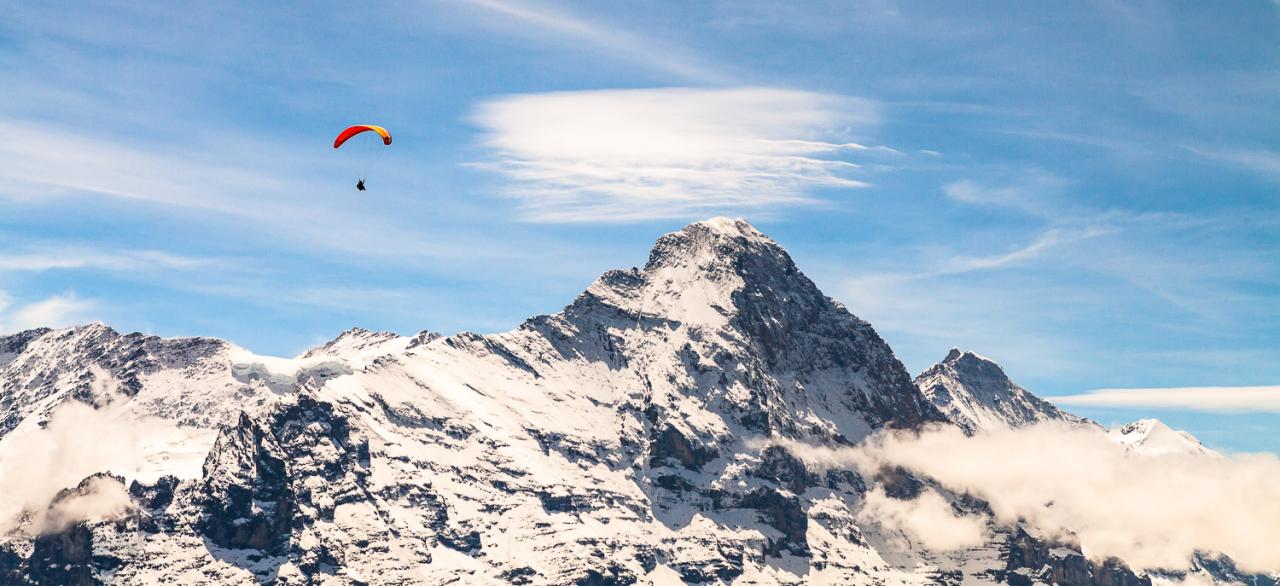
Capturing the intricate details of mountain landscapes requires a thoughtful selection of gear that prioritizes stability, light control, and precision. The right equipment can significantly elevate the quality of your images, allowing the subtle textures and grand scale of the mountains to be rendered with exceptional clarity.Investing in robust gear is paramount when venturing into the often-unpredictable conditions of mountain environments.
This section will explore the essential camera bodies, tripods, and specialized accessories that contribute to achieving sharp, detailed, and well-exposed mountain photographs.
Essential Camera Bodies and Tripods
The foundation of detailed mountain photography lies in a stable camera platform and a camera body capable of capturing high-resolution images. For maximum detail, consider camera bodies with larger sensors (APS-C or full-frame) which offer better dynamic range and lower noise at higher ISOs, crucial for preserving fine textures in varying light conditions. Look for bodies with advanced image stabilization systems, though a tripod remains the ultimate tool for absolute sharpness.A sturdy tripod is non-negotiable.
It must be capable of supporting the weight of your camera and lens combination without any flex or vibration. Look for tripods made from carbon fiber, which offers a good balance of strength, lightness, and vibration dampening. Features like independently adjustable legs, a secure ball head or pan-tilt head, and a hook at the base for adding extra weight (like a camera bag) are invaluable for stability in windy conditions.
Remote Shutter Releases and Their Importance
Even the most stable tripod can be compromised by the slight vibration caused by pressing the camera’s shutter button. This is where a remote shutter release, or a timer function, becomes indispensable for achieving maximum detail.Using a remote shutter release eliminates physical contact with the camera at the moment of exposure. This is particularly critical for long exposures, macro photography of mountain flora, or any situation where even the slightest shake can introduce blur.
- Wired Remote Releases: These connect directly to your camera and offer instant triggering.
- Wireless Remote Releases: These use infrared or radio frequencies to trigger the camera from a distance, offering greater flexibility.
- Intervalometers: These are programmable remote releases that allow you to set specific intervals between shots, ideal for time-lapses or bracketing exposures for HDR.
Graduated Neutral Density Filters for Light Balancing
Mountain scenes often present a significant dynamic range, with bright skies and darker foregrounds or shadowed valleys. Graduated neutral density (GND) filters are essential tools for managing this contrast and revealing detail in both the highlights and shadows.GND filters are dark on one half and clear on the other, with a gradual transition in between. This allows you to darken a bright sky while leaving the rest of the scene unaffected, preventing blown-out highlights and preserving the subtle details within the clouds and mountain peaks.
- Soft Edge GNDs: These have a gradual transition and are best for scenes with irregular horizons, like distant mountain ranges.
- Hard Edge GNDs: These have a sharp transition and are suitable for scenes with a clear, flat horizon, such as a lake or a flat plain.
- Reverse Graduated GNDs: These are darker at the bottom and lighter at the top, useful for sunrise or sunset shots where the brightest part of the sky is near the horizon.
Accessories for Pristine Detail in Challenging Environments
Beyond the core camera and tripod setup, several other accessories can significantly enhance your ability to capture pristine detail in the demanding mountain environment.
- Lens Hoods: These are crucial for preventing lens flare and ghosting caused by direct sunlight or strong ambient light reflecting off snow or rock. Flare can drastically reduce contrast and detail.
- Microfiber Cleaning Cloths and Lens Cleaner: Mountain air can be dusty, and dew or rain can form on lenses. Keeping your lens pristine is vital for sharp images.
- Extra Batteries and Memory Cards: Cold temperatures can drain batteries quickly, and you don’t want to miss a moment due to a lack of power or storage.
- Weather Sealing: While not an accessory in itself, choosing a camera body and lenses with good weather sealing provides peace of mind when shooting in unpredictable mountain weather.
- Headlamp: For early morning or late evening shoots, a headlamp is essential for setting up your gear and navigating safely, allowing you to work with both hands free.
- Grip Enhancers: In cold or wet conditions, gloves can make it difficult to operate camera controls. Grip enhancers or even a simple rubber band can improve handling.
End of Discussion
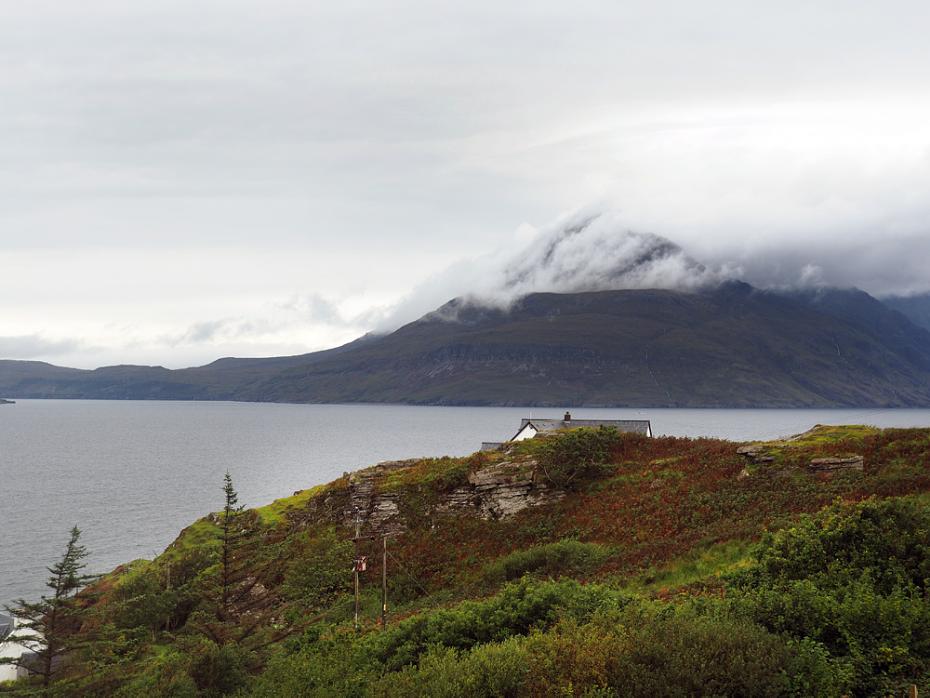
By mastering the art of understanding light, optimizing camera settings, selecting the right lenses, and employing thoughtful compositional strategies, you are now equipped to capture mountains with breathtaking detail. The journey from initial capture to refined post-processing ensures that every facet of the mountain’s majesty, from its grandest peaks to its subtlest textures, is vividly preserved. Go forth and let your lens reveal the intricate beauty that lies within every mountain vista.