As how to photograph glass objects without glare takes center stage, this opening passage beckons readers into a world crafted with good knowledge, ensuring a reading experience that is both absorbing and distinctly original. This comprehensive guide is designed to demystify the often-challenging art of capturing the beauty and form of glass, transforming common frustrations into stunning visual results.
We will delve into the fundamental optical properties of glass that contribute to unwanted reflections, exploring the nuances of specular and diffuse glare. Understanding how ambient light plays a crucial role in their formation is key, as is recognizing the common pitfalls that many beginners encounter. By mastering these foundational concepts, you’ll be well-equipped to approach your glass photography with newfound confidence and skill.
Understanding the Challenge of Photographing Glass
Photographing glass objects presents a unique set of challenges primarily due to its inherent optical properties. Glass is a transparent, often highly reflective material, which means it interacts with light in complex ways. This interaction can lead to distracting glare, obscuring the object’s form, texture, and detail, making it difficult to capture a clear and appealing image.The fundamental reason glass is challenging to photograph is its high refractive index and smooth, non-porous surface.
When light strikes glass, it can be transmitted through, reflected off the surface, or refracted (bent) as it passes through. This combination of transmission and reflection is what creates the potential for glare. Understanding these optical behaviors is the first step in overcoming them.
Fundamental Optical Properties of Glass Causing Glare
Glass is characterized by its transparency, allowing light to pass through it, and its reflectivity, bouncing light off its surface. These two properties, when combined, are the root cause of glare. The smoothness of a glass surface, whether it’s a wine bottle, a window pane, or a crystal vase, dictates how uniformly light is reflected. A perfectly smooth surface will produce sharp, intense reflections, while a slightly textured or frosted surface will diffuse reflections, making them softer.
The interplay between light transmission and reflection is central to the photographic challenges of glass.
Types of Glare in Glass Photography
When photographing glass, photographers typically encounter two primary types of glare: specular and diffuse. Recognizing these different forms of glare is crucial for implementing effective lighting and diffusion techniques.
Specular Glare
Specular glare refers to the direct, mirror-like reflection of a light source off the glass surface. This type of glare is sharp, bright, and often appears as a distinct shape, mirroring the light source itself. For instance, a direct flash or a small, hard light source will create strong specular highlights on a glass bottle. These highlights can be so intense that they blow out details in the glass and distract the viewer from the object’s intended features.
Diffuse Glare
Diffuse glare, on the other hand, is softer and more spread out. It occurs when light is scattered by the glass surface or when the light source itself is diffused. While less harsh than specular glare, diffuse glare can still obscure details and reduce contrast if not managed properly. This might manifest as a general haziness or a soft sheen across the glass, often caused by indirect lighting or the use of diffusion panels.
Impact of Ambient Light on Glare Formation
Ambient light, meaning the existing light in a shooting environment, significantly influences the appearance and management of glare on glass objects. The direction, intensity, and color temperature of ambient light all contribute to the reflections seen on the glass surface. In a brightly lit room with windows, for example, the ambient light can create large, soft reflections that might be desirable or undesirable depending on the photographic intent.
Conversely, a dimly lit environment might require supplementary lighting, which then needs careful control to avoid introducing harsh glare.The presence of multiple light sources, including ambient and artificial, can lead to complex reflections. A photographer must consider how all these light sources will interact with the glass to create the desired effect, often involving blocking or redirecting unwanted ambient light.
Common Pitfalls for Beginners in Glass Photography
Beginners often fall into several common traps when first attempting to photograph glass, primarily stemming from a lack of understanding of light and reflection.A prevalent mistake is using a direct, harsh light source without any diffusion. This almost invariably results in intense specular highlights that dominate the image and hide the glass’s form. Another common issue is failing to control the background reflections.
Glass can act like a mirror, reflecting the surrounding environment, which can be distracting if the background is cluttered or unappealing.Beginners may also struggle with camera settings, leading to overexposed highlights or underexposed shadows, making it difficult to capture the subtle nuances of the glass. Furthermore, not paying attention to the angles of both the light and the camera relative to the glass object can lead to unwanted glare.Here are some of the most frequent pitfalls:
- Over-reliance on direct flash or hard light sources.
- Ignoring background reflections on the glass surface.
- Incorrect exposure settings that either blow out highlights or lose shadow detail.
- Not considering the camera and light angles in relation to the glass.
- Using a plain, uninteresting background that still gets reflected prominently.
Essential Equipment for Glare-Free Glass Photography
Photographing glass objects presents a unique set of challenges, primarily due to their reflective nature. Achieving a professional and appealing image requires a thoughtful approach to equipment and technique. This section will guide you through the essential tools and settings that will help you conquer glare and showcase your glass subjects beautifully.Mastering the art of photographing glass without unwanted reflections involves understanding how light interacts with its surface.
The right equipment acts as your ally, allowing you to precisely control this interaction. From modifiers that shape light to camera settings that capture detail, each element plays a crucial role in transforming a potentially frustrating shoot into a successful one.
Lighting Modifiers for Reflection Control
The key to taming reflections lies in manipulating the light source. Lighting modifiers are designed to soften, diffuse, or shape light, thereby controlling how it bounces off the glass. Experimenting with different modifiers will allow you to achieve a variety of effects, from subtle highlights to complete glare elimination.
- Softboxes: These are enclosed light sources with a translucent front diffusion panel. They create a large, soft, and even light that wraps around the subject, minimizing harsh specular highlights and reducing sharp reflections. The larger the softbox, the softer the light and the more diffused the reflections will be.
- Umbrellas: Similar to softboxes, umbrellas also diffuse light. Shoot-through umbrellas allow light to pass through a translucent material, creating a soft and broad light source. Reflective umbrellas bounce light back through the umbrella, offering more control and a slightly more focused beam of light. Both are excellent for softening reflections.
- Diffusers (Scrims/Flags): These are large, translucent panels (like diffusion paper or fabric) that are placed between the light source and the subject. They scatter the light, making it softer and more even, which in turn softens and spreads out any reflections. Flags, which are opaque panels, can be used to block light from hitting certain areas, preventing unwanted reflections.
- Gels: While not directly for glare reduction, colored gels can be used to subtly influence the color of reflections or to add a creative mood to the shot. When dealing with glass, it’s often best to use neutral or slightly tinted gels to avoid introducing distracting color casts into the reflections themselves.
Camera Settings for Minimizing Glare
Beyond lighting, specific camera settings can significantly contribute to capturing glass without distracting glare. These settings help manage exposure, depth of field, and the overall rendering of the reflective surfaces.
- Aperture (f-stop): A smaller aperture (higher f-number, e.g., f/11, f/16) will increase the depth of field, ensuring more of the glass object is in focus. This can be beneficial for capturing intricate details. However, be mindful that very small apertures can sometimes introduce diffraction, which might slightly soften the image. A balanced aperture is often found through experimentation.
- Shutter Speed: Shutter speed is primarily determined by the available light and your desired aperture and ISO. For static glass objects, a slower shutter speed is acceptable, especially when using a tripod. This allows for lower ISO settings, which results in cleaner images with less noise.
- ISO: Keeping your ISO as low as possible (e.g., ISO 100 or 200) is crucial for producing clean images with minimal digital noise. Noise can detract from the clarity and elegance of glass objects. Only increase ISO if absolutely necessary to achieve proper exposure, and even then, try to keep it to a manageable level.
- White Balance: Setting an accurate white balance is vital for rendering the true colors of the glass and any surrounding elements. Use a custom white balance by photographing a gray card or a white object under your shooting lights. Auto white balance can sometimes be fooled by the reflective nature of glass.
- Focusing: Precise focus is paramount. Use manual focus or your camera’s focus peaking feature to ensure critical sharpness on the most important parts of the glass object. Autofocus can sometimes struggle with highly reflective surfaces.
Benefits of Using a Tripod for Glass Shots
A tripod is an indispensable tool for photographing glass objects, offering stability and precision that are difficult to achieve handheld. Its benefits extend beyond just preventing camera shake.A tripod provides a stable platform for your camera, which is essential for sharp images, especially when using slower shutter speeds or lower ISO settings to achieve optimal lighting and depth of field.
This stability allows you to compose your shots with greater care and accuracy, ensuring that the glass object is perfectly positioned within the frame. Furthermore, a tripod enables consistent framing, which is invaluable for product photography or when you need to shoot multiple images of the same object from slightly different angles to capture its entirety without introducing parallax errors.
Selecting Appropriate Lenses for Glass Objects
The choice of lens can significantly impact how you capture the form, texture, and reflections of glass. Different focal lengths offer distinct perspectives and can help manage distortion.
- Macro Lenses: For smaller glass objects or to highlight intricate details and textures, a macro lens is ideal. These lenses allow you to get very close to your subject and achieve high magnification, revealing subtle nuances in the glass.
- Prime Lenses (e.g., 50mm, 85mm): Prime lenses often offer superior sharpness and image quality compared to zoom lenses. A standard prime lens (like a 50mm) or a portrait prime lens (like an 85mm) can provide a natural perspective and are excellent for isolating subjects with pleasing background blur (bokeh), which can help separate the glass from distracting backgrounds.
- Mid-Range Zoom Lenses (e.g., 24-70mm): These versatile lenses offer flexibility in framing your subject without having to move your camera. They are a good all-around choice for various glass objects and shooting scenarios, allowing you to easily adjust your composition.
Alternative Light Sources for Glass Photography
While studio strobes and continuous lights are common, a variety of alternative light sources can be employed effectively for photographing glass, each offering unique characteristics for controlling reflections and creating mood.
- Natural Light (Window Light): Position your glass object near a window, but avoid direct sunlight, which can cause harsh glare. Diffuse the window light using sheer curtains, a diffuser panel, or by positioning the object so the light comes from the side or slightly behind it. This creates soft, natural illumination that is excellent for showcasing the transparency and color of glass.
- LED Panels: These are versatile and portable light sources that often come with adjustable brightness and color temperature. Many LED panels have diffusion built-in or can be easily paired with softboxes or diffusers for softening light and controlling reflections. Their continuous nature makes it easy to see the light’s effect on the glass in real-time.
- Speedlights/External Flashes: When used with modifiers like softboxes, umbrellas, or even just a diffuser cap, speedlights can provide powerful and controllable light. Their portability makes them suitable for on-location shoots. Bouncing a speedlight off a wall or ceiling can also create a large, soft light source.
- Reflectors: While not a light source themselves, reflectors are crucial for bouncing light back onto the subject. White or silver reflectors can fill in shadows and soften harsh reflections by redirecting light into darker areas of the glass. They are invaluable for fine-tuning the lighting and managing contrast.
Lighting Techniques to Eliminate Glare
Photographing glass objects presents a unique set of challenges, primarily due to their reflective nature. Glare, or unwanted reflections, can obscure the object’s form, texture, and color, detracting from the overall quality of the image. Achieving a professional-looking photograph of glass hinges on mastering lighting techniques that control and minimize these reflections, allowing the object itself to take center stage.
This section delves into various methods and tools to achieve that elusive glare-free shot.
Camera Settings and In-Camera Adjustments
Mastering your camera’s settings is paramount to taming glare and capturing the true beauty of glass objects. While lighting and diffusion are your primary tools for controlling reflections, judicious use of camera settings will refine your image, ensuring sharpness, accurate color, and a pleasing depth of field. This section will guide you through the essential camera adjustments that complement your lighting setup.The interplay between aperture, shutter speed, and ISO is crucial for achieving a well-exposed and sharp image of glass.
Each setting plays a specific role in how light interacts with your camera sensor and how the final image appears. Understanding these relationships allows you to make informed decisions that directly impact the quality of your glass photography.
Aperture Selection for Depth of Field and Glare Control
The aperture, often referred to as the f-stop, controls the amount of light entering the lens and significantly influences the depth of field – the area of the image that is in sharp focus. For glass photography, aperture selection is a delicate balance between achieving sufficient sharpness across the subject and managing reflections.A wider aperture (smaller f-number, e.g., f/2.8) creates a shallow depth of field, blurring the background and foreground.
This can be useful for isolating a glass object and minimizing distractions. However, a very wide aperture can sometimes lead to less critical focus on the entire glass surface, and may not be ideal if you need to showcase intricate details or the entire object in sharp focus.Conversely, a narrower aperture (larger f-number, e.g., f/11 or f/16) increases the depth of field, bringing more of the scene into focus.
This is often preferred when photographing multiple glass objects or when you want to ensure the entire form of a single object is sharp. While a narrower aperture generally leads to sharper images across a wider plane, it also means you’ll need more light to achieve proper exposure, which can sometimes exacerbate glare issues if not managed carefully with your lighting.
For glass photography, a mid-range aperture like f/8 to f/11 often provides a good balance between depth of field and lens sharpness, while still allowing for manageable lighting conditions.
Optimal Shutter Speed for Motion Blur and Exposure Management
Shutter speed determines how long the camera’s sensor is exposed to light. In glass photography, the primary concern with shutter speed is avoiding motion blur, especially if you are shooting handheld or if there is any subtle vibration. However, shutter speed also plays a role in managing exposure, particularly when combined with aperture and ISO.When using a tripod, which is highly recommended for glass photography to ensure stability and consistent framing, you can often use slower shutter speeds without introducing motion blur.
This allows you to use a narrower aperture for greater depth of field while still achieving a correct exposure with lower ISO settings.If you are shooting without a tripod, you’ll need a faster shutter speed to freeze any camera movement. This might necessitate opening up your aperture or increasing your ISO, which can then influence depth of field and image noise, respectively.
A general guideline for handheld shooting is to use a shutter speed that is at least the reciprocal of your lens’s focal length (e.g., 1/50 sec for a 50mm lens) to avoid camera shake. For still life subjects like glass, using a tripod allows for much slower shutter speeds.
The Role of ISO in Maintaining Image Quality and Controlling Light
ISO refers to the camera sensor’s sensitivity to light. A lower ISO setting (e.g., ISO 100 or 200) results in the cleanest image with the least amount of digital noise or grain. This is always the preferred setting for high-quality photography.In glass photography, especially when using controlled lighting and a tripod, you can typically maintain a low ISO. This ensures that the fine details and subtle refractions of the glass are captured without being obscured by noise.However, if you find yourself in a situation where you need to increase the amount of light reaching the sensor (perhaps due to a very narrow aperture or a fast shutter speed requirement), you might need to increase your ISO.
Be aware that as ISO increases, digital noise also increases, which can degrade the image quality and make the glass appear less pristine.
Aim to keep your ISO as low as possible, ideally between 100 and 400, to achieve the best image quality for glass objects. Only increase it if absolutely necessary and be prepared to manage the resulting noise in post-processing.
White Balance Settings for Accurate Glass Color Representation
White balance (WB) is critical for ensuring that the colors in your photograph are rendered accurately, reflecting the true hues of the glass. Different light sources emit light of varying color temperatures, and your camera’s white balance setting tells it what “white” should look like under those conditions, allowing it to adjust other colors accordingly.Most cameras offer several white balance presets, such as Daylight, Cloudy, Tungsten, and Fluorescent.
For glass photography, using a custom white balance or a preset that closely matches your lighting source is ideal. If you are using natural daylight, the “Daylight” preset is often a good starting point. If you are using artificial lights, such as LED or tungsten bulbs, selecting the corresponding preset or performing a custom white balance using a gray card will yield the most accurate results.Failing to set the white balance correctly can result in a color cast – for example, images shot under tungsten lights might appear too warm (yellow/orange), while those under some fluorescent lights might appear too cool (blue).
This is particularly noticeable with colored glass, where an inaccurate white balance can significantly alter the perceived color.
For the most accurate color representation, especially with colored glass, it is best to use a custom white balance setting. This involves taking a photograph of a neutral gray card under the same lighting conditions you will be using for your subject.
Recommended Camera Settings for Various Glass Types
The optimal camera settings for photographing glass can vary depending on the type of glass and the desired aesthetic. The following table provides general recommendations, but remember that these are starting points, and experimentation is key.
| Glass Type | Aperture (f-stop) | Shutter Speed (seconds) | ISO | White Balance | Notes |
|---|---|---|---|---|---|
| Clear Glass (e.g., wine glasses, vases) | f/8 – f/11 | 1/60 – 1/200 (with tripod) | 100 – 200 | Custom or Daylight/Cloudy | Focus on sharp edges and subtle reflections. Aim for a clean, bright look. |
| Colored Glass (e.g., art glass, stained glass) | f/5.6 – f/8 | 1/100 – 1/250 (with tripod) | 100 – 400 | Custom or specific to light source | Accurate color rendering is paramount. Ensure light highlights the color saturation without overexposure. |
| Textured or Frosted Glass (e.g., etched glass, frosted vases) | f/11 – f/16 | 1/30 – 1/125 (with tripod) | 100 – 400 | Custom or specific to light source | Focus on revealing the texture and diffused light. May require more directional lighting to emphasize surface details. |
| Glass with Liquid Inside (e.g., bottles, decanters) | f/5.6 – f/8 | 1/100 – 1/200 (with tripod) | 100 – 200 | Custom or specific to light source | Ensure both the glass and the liquid are in focus. Consider how light interacts with the liquid’s surface and internal refractions. |
Composition and Subject Placement
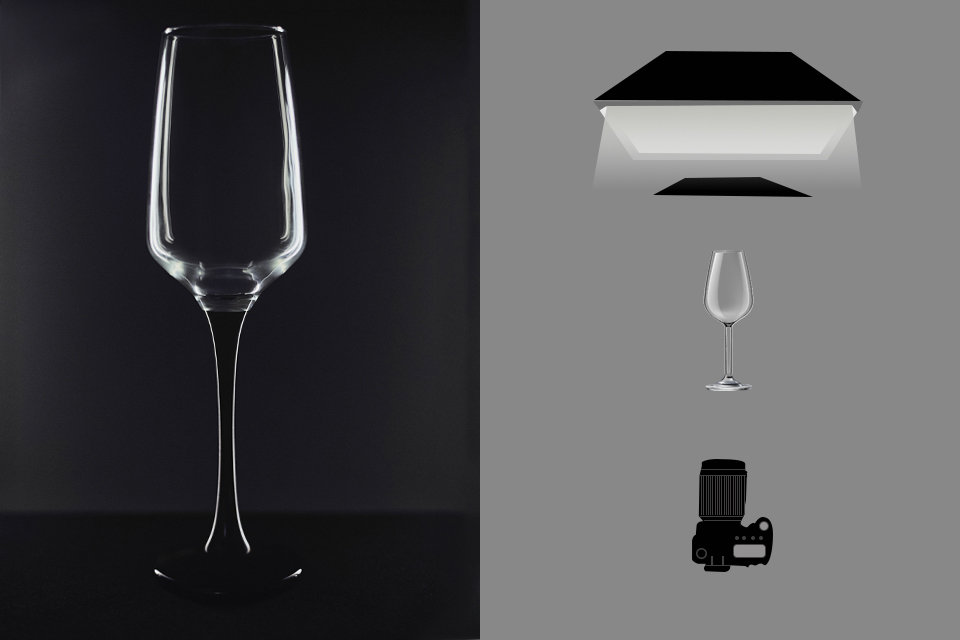
Mastering the art of photographing glass objects involves more than just controlling light; it’s about strategically placing your subject and considering its surroundings. Thoughtful composition can transform a simple shot into a captivating image by guiding the viewer’s eye and enhancing the inherent beauty of the glass. This section will explore various techniques to achieve compelling compositions that minimize glare and highlight the unique characteristics of your glass subjects.The way you position a glass object within the frame and the elements you choose for its background significantly impact the final photograph.
Understanding how reflections behave on glass surfaces and how different backgrounds interact with transparency and color is key to creating visually appealing images. We will delve into how to use the environment to your advantage, turning potential challenges into creative opportunities.
Strategies for Positioning Glass Objects
Effective placement of glass objects is crucial for minimizing unwanted reflections and emphasizing their form. By understanding the physics of light and reflection, you can position your subject to direct or diffuse light in a way that reduces harsh glare. Experimenting with angles and rotation is fundamental to finding the sweet spot where reflections become either invisible or artistically integrated into the image.
- Angle of Incidence Equals Angle of Reflection: This fundamental principle means that the angle at which light hits the glass will be the same angle at which it bounces off. By adjusting your camera and light source angles relative to the glass, you can direct reflections away from the lens.
- Tilting and Rotating the Subject: Small adjustments in the tilt or rotation of the glass object can dramatically alter the appearance and location of reflections. Often, a slight tilt is all that’s needed to move a distracting glare out of the frame or onto a less prominent surface.
- Using the Environment for Control: Position the object so that any significant reflections are cast onto a dark or neutral background, or even off-camera, rather than directly into the lens.
Background Elements for Complementing or Contrasting with Glass
The background plays a vital role in how glass objects are perceived. A well-chosen background can either harmonize with the glass, enhancing its color and form, or provide a striking contrast that makes the glass stand out. The goal is to create a visual context that elevates the subject without overpowering it or introducing competing reflections.
- Dark, Neutral Backgrounds: These are excellent for making transparent or lightly colored glass objects pop. They absorb light and minimize reflections on the background itself, allowing the viewer to focus on the glass. Think of deep blues, grays, or blacks.
- Textured Backgrounds: Subtle textures can add depth and interest without being distracting. A textured fabric, a matte paper, or even a slightly out-of-focus natural element can provide a pleasing contrast to the smooth surface of glass.
- Light or Colored Backgrounds: These can be used to showcase the translucency and color of the glass. A soft, complementary color can enhance the glass’s hue, while a lighter background might require more careful lighting to prevent the glass from disappearing.
- Reflective Backgrounds: While challenging, a carefully controlled reflective background can create stunning effects, mirroring the glass object and adding a sense of symmetry or depth. This requires precise lighting to manage the reflections.
Principles of Leading Lines and Symmetry in Glass Photography
Leading lines and symmetry are powerful compositional tools that can add structure and visual appeal to your glass photography. Leading lines guide the viewer’s eye through the image, directing attention to the subject, while symmetry creates a sense of balance and harmony, often reflecting the inherent elegance of glass forms.
Leading Lines
Leading lines are natural or man-made lines within the frame that draw the viewer’s eye towards the main subject. In glass photography, these can be subtle or pronounced, depending on the scene.
- Curved Edges of the Object: The natural curves of a glass bottle, vase, or bowl can act as leading lines, guiding the eye from the base to the opening or vice versa.
- Environmental Elements: A tabletop edge, a shelf, or even the lines of a patterned background can serve as leading lines if positioned to point towards the glass object.
- Light Gradients: A gradient of light and shadow across the scene can also create a subtle leading line effect, drawing the eye towards the brightest or most detailed part of the glass.
Symmetry
Symmetry in photography creates a sense of order and balance. It’s particularly effective for glass objects that possess inherent symmetry, such as perfectly round vases or geometrically shaped decanters.
- Perfect Mirroring: When the glass object is placed centrally in the frame with a symmetrical background (or a reflection that mimics symmetry), it creates a strong sense of balance.
- Implied Symmetry: Even without a perfectly symmetrical setup, the shape of the glass itself can suggest symmetry, which the composition can then reinforce.
- Using Reflections for Symmetry: A controlled reflection on a surface below the glass can be used to create a near-perfect symmetrical image, effectively doubling the visual impact of the object.
How Shape and Form Influence Composition Choices
The inherent shape and form of a glass object are primary drivers for compositional decisions. Whether the object is tall and slender, short and wide, angular, or curvilinear, these characteristics dictate how it should be framed and lit to best showcase its unique qualities.
- Tall and Slender Objects (e.g., Vases, Bottles): These often benefit from a vertical composition that emphasizes their height. Placing them against a plain background can highlight their elegant lines. Experiment with slightly off-center placement to add dynamism.
- Short and Wide Objects (e.g., Bowls, Goblets): A horizontal or square aspect ratio might be more suitable. Composing to capture the opening and the base can showcase their volume and capacity.
- Angular Objects (e.g., Geometric Decanters): The sharp lines and facets of angular glass are best captured with compositions that align with these geometric properties. Consider placing them where light can create interesting highlights and shadows on their planes.
- Curvilinear Objects (e.g., Organic Shapes): The smooth, flowing lines of organic glass forms are often best presented with simpler backgrounds that don’t compete with their curves. Emphasizing the way light plays across these surfaces is key.
Compositional Guidelines for Showcasing Different Glass Items
Tailoring your composition to the specific type of glass item is essential for creating impactful photographs. These guidelines offer a starting point for composing shots of various common glass objects.
| Glass Item Type | Compositional Considerations | Example Application |
|---|---|---|
| Vases | Emphasize the opening and neck. Use vertical lines to highlight height. Consider placing a subtle floral element to suggest purpose. | A tall, clear vase with a single bloom, shot from a slightly elevated angle against a soft, diffused background. |
| Bottles (wine, spirits, decorative) | Focus on the silhouette and label (if applicable). Experiment with reflections to create depth. Consider context (e.g., a wine bottle with grapes). | A dark glass spirit bottle with dramatic side lighting, casting a strong shadow, against a dark, textured surface. |
| Glassware (wine glasses, tumblers) | Highlight the transparency and stem (if present). Capture the way light passes through. Use symmetry for elegant settings. | A set of wine glasses arranged symmetrically on a polished surface, with backlighting to illuminate the delicate stems. |
| Bowls and Dishes | Showcase the interior and rim. Use overhead shots for shallow bowls, or angled shots for deeper ones. Consider filling them with complementary elements (fruit, water). | A shallow, iridescent glass bowl filled with colorful marbles, photographed from directly above to emphasize the arrangement. |
| Sculptural or Art Glass | Focus on unique forms and textures. Allow the object’s shape to dictate the composition. Use dramatic lighting to reveal its three-dimensionality. | An abstract glass sculpture with swirling colors, photographed with a spotlight that accentuates its contours and depth. |
Post-Processing Techniques for Glare Management
While meticulous in-camera techniques are paramount for photographing glass, post-processing offers a powerful toolkit to refine your images and further manage any remaining reflections or imperfections. This stage allows for subtle adjustments that can elevate a good photograph to a truly professional one.The goal in post-processing glass photography is not to completely eliminate all reflections, as they are inherent to the material and can add depth and dimension.
Instead, it’s about controlling them, ensuring they enhance the subject rather than distract from it. This involves careful use of editing tools to harmonize highlights, manage contrast, and clean up minor distractions.
Dodging and Burning for Subtle Reflection Management
Dodging and burning are fundamental techniques in digital editing, mirroring traditional darkroom practices. They allow for localized adjustments to exposure, enabling you to selectively lighten (dodge) or darken (burn) specific areas of an image. This is incredibly useful for glass objects where reflections might be too prominent or uneven.To subtly manage reflections, begin by identifying the areas where glare is most distracting.
Using a soft-edged brush with a low opacity and flow setting in your dodging or burning tool is crucial. For overly bright reflections, use the dodge tool set to “Highlights” and gently paint over the brightest parts to reduce their intensity. Conversely, if a reflection creates a dark, distracting area, use the burn tool set to “Shadows” or “Midtones” to subtly darken it.
The key is to make these adjustments incrementally, building up the effect gradually to maintain a natural look. It’s often beneficial to work on a duplicated layer to preserve the original image data.
Adjustment Layers for Fine-Tuning Contrast and Highlights
Adjustment layers in editing software provide a non-destructive way to modify tonal qualities, offering immense flexibility for glass photography. They allow you to isolate and control specific aspects of your image, such as contrast and highlights, without permanently altering the original pixels.The following adjustment layers are particularly useful for glass:
- Curves: This is a versatile tool for adjusting overall contrast and selectively brightening or darkening specific tonal ranges. By manipulating the curve, you can lift shadows, deepen midtones, or control the intensity of highlights, effectively taming harsh reflections and bringing out the form of the glass.
- Levels: Similar to Curves, Levels allows for global adjustments to the tonal range. You can use it to set black and white points and adjust midtone sliders, which can help in recovering detail in both the brightest and darkest parts of the glass.
- Brightness/Contrast: While more basic, this adjustment layer can be useful for initial broad adjustments to contrast. However, for nuanced control, Curves and Levels are generally preferred.
- Hue/Saturation: This can be used to subtly adjust the color cast of reflections or the glass itself, ensuring it complements the overall scene.
When working with highlights, be cautious not to clip them, meaning they lose all detail and become pure white. Using a layer mask with a curves adjustment layer allows you to precisely target areas where highlights need to be softened.
Methods for Removing Minor Imperfections or Distracting Reflections
Even with the best shooting techniques, minor dust specks, fingerprints, or small, unavoidable reflections might appear on glass objects. Fortunately, editing software provides tools to address these issues efficiently.The primary tools for removing imperfections are:
- Spot Healing Brush Tool: This is excellent for removing small, isolated blemishes. Simply click on the imperfection, and the tool will automatically sample surrounding pixels to blend it away seamlessly.
- Healing Brush Tool: Similar to the Spot Healing Brush, but it requires you to manually sample the source area by Alt-clicking (Option-clicking on Mac) before painting over the imperfection. This offers more control over the blended result.
- Clone Stamp Tool: This tool allows you to copy pixels from one area of the image and paint them onto another. It’s ideal for larger or more complex distractions where the healing tools might struggle to blend naturally. Use a soft-edged brush and sample frequently from areas that match the texture and tone of the surrounding glass.
When removing reflections, consider the shape and context of the glass. If a reflection is particularly jarring, you might need to carefully clone or heal in areas that mimic the natural curvature and transparency of the glass.
Sharpening and Noise Reduction for Polished Glass Images
Sharpening and noise reduction are the final touches that bring clarity and polish to your glass photographs. Sharpening enhances edge detail and brings out the subtle textures and contours of the glass, making it appear crisp and well-defined. Noise reduction, on the other hand, removes any unwanted grain or digital artifacts that might have appeared during shooting, especially in lower light conditions.It’s important to apply sharpening judiciously.
Over-sharpening can create halos and an unnatural, digital look. A common approach is to use the “Unsharp Mask” or “Smart Sharpen” filter. Start with a low radius and amount, and increase them gradually while zoomed in to 100% to observe the effect. Often, sharpening is best applied selectively to the edges of the glass or its details.Noise reduction should typically be applied before sharpening.
Most editing software offers noise reduction sliders that target luminance (brightness) and color noise. Be mindful that excessive noise reduction can lead to a loss of fine detail, so aim for a balance that cleans up the image without making it appear overly smooth or plastic-like.
Workflow for Editing Glass Photographs
A structured workflow ensures consistency and efficiency when editing glass photographs, leading to professional and polished results.A recommended workflow is as follows:
- Import and Select: Import your images into your editing software and make initial selections, culling out any unusable shots.
- Basic Adjustments: Begin with global adjustments to exposure, white balance, and overall contrast using tools like Levels or Curves. This establishes a solid foundation.
- Reflection and Glare Management: Utilize dodging and burning, and adjustment layers (especially Curves with masks) to control distracting highlights and reflections.
- Imperfection Removal: Employ the Spot Healing Brush, Healing Brush, and Clone Stamp tools to remove dust, fingerprints, or minor unwanted elements.
- Color Correction: Fine-tune the color balance and saturation to ensure accurate representation of the glass and its surroundings.
- Sharpening: Apply sharpening selectively to enhance details and edges, paying close attention to avoid over-processing.
- Noise Reduction: If necessary, apply noise reduction to clean up any grain or artifacts.
- Final Review: Zoom in to 100% to check for any remaining issues and make final micro-adjustments. Save your edited image in a suitable format.
Specific Scenarios and Object Types
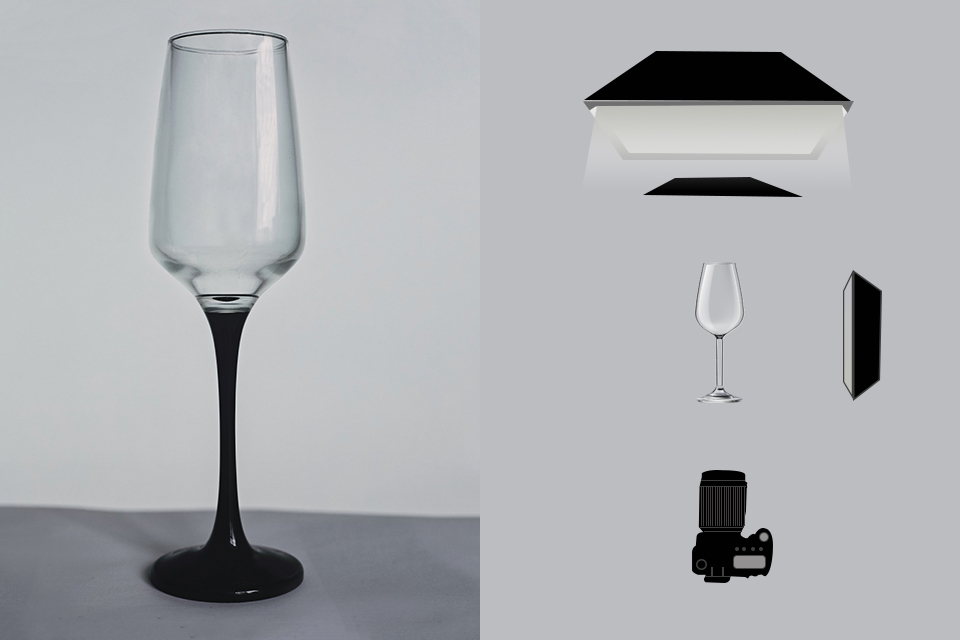
Photographing glass presents a unique set of challenges and opportunities, depending on the object’s nature and intended presentation. This section delves into specific scenarios, offering tailored techniques to overcome common hurdles and highlight the inherent beauty of various glass items. Understanding these nuances will empower you to capture stunning images, whether you’re dealing with fragile heirlooms or large-scale artistic pieces.
Photographing Delicate Glassware
Delicate glassware, such as antique vases, wine glasses, or intricate figurines, requires a gentle and precise approach to avoid damage while simultaneously eliminating glare. The focus is on preserving the object’s integrity and showcasing its craftsmanship without introducing distracting reflections.
- Handling: Always handle delicate glassware with clean, lint-free gloves to prevent fingerprints and smudges, which can act as additional sources of glare.
- Support: Use soft, non-abrasive materials like velvet, silk, or specialized foam padding to support the glassware. This prevents movement and protects fragile edges or stems.
- Environment: Work in a controlled environment with minimal air currents to avoid accidental tipping. Consider a dedicated studio space if frequent shooting is required.
- Lighting for Fragility: Employ soft, diffused lighting from multiple angles. This minimizes harsh shadows that can obscure details and reduces the intensity of reflections on thin glass surfaces. Techniques like using large diffusion panels or bouncing light off white surfaces are highly effective.
- Focusing: Use manual focus to ensure critical sharpness, especially on delicate details like etched patterns or thin rims. A tripod is essential for maintaining stability during precise focusing.
Capturing Transparent Glass with Internal Details
Transparent glass objects, especially those with internal details like bubbles, inclusions, or engraved patterns, pose a significant challenge because the glass itself can disappear, and the internal features may be obscured by reflections or lack sufficient contrast. The goal is to make the glass visible and to draw attention to what lies within.
- Backlighting: This is a crucial technique. Position a light source behind the object, allowing the light to pass through the glass. This illuminates internal details and defines the edges of the object, giving it form and substance. The intensity and color of the backlight can be adjusted to enhance specific features.
- Side Lighting: Use a soft side light to create subtle highlights that define the contours of the glass and reveal any textures or imperfections on its surface.
- Contrast Enhancement: A dark or contrasting background is vital for making transparent glass stand out. This could be a black velvet cloth, a dark painted surface, or even a carefully controlled dark studio environment.
- Polarizing Filters: While discussed in general terms earlier, their application here is specific to reducing reflections that hide internal details. A polarizing filter on the lens can selectively remove reflections, allowing the internal structure to become visible.
- Focus Stacking: For objects with significant depth or intricate internal structures, focus stacking might be necessary to ensure all internal details are sharp in the final image.
Photographing Colored Glass and Preserving its Hue
Colored glass offers the opportunity to play with vibrant hues, but accurately capturing and preserving its true color can be tricky. The way light interacts with colored glass can alter its perceived shade, and reflections can dilute its intensity.
- Accurate White Balance: This is paramount. Use a custom white balance with a grey card or a color checker in the scene, or shoot in RAW format to allow for precise white balance adjustments in post-processing. Avoid using auto white balance, as it can be easily fooled by the color of the glass.
- Light Source Color Temperature: Ensure your light sources have a consistent and neutral color temperature. Using daylight-balanced LEDs or flash units is generally recommended. If using tungsten lights, a color correction gel might be necessary.
- Controlled Lighting: Avoid ambient light that might cast unwanted color casts. Use controlled studio lighting, diffused to prevent harsh reflections that can wash out the color.
- Background Choice: A neutral background (white, grey, or black) will best showcase the color of the glass without introducing competing hues.
- Saturation in Post-Processing: While the goal is to capture the color accurately in-camera, slight adjustments to saturation and vibrance in post-processing can enhance the glass’s inherent color, but it’s crucial to do so judiciously to maintain realism.
Photographing Reflective Surfaces within Glass Objects
Some glass objects incorporate other reflective materials, such as mirrors, polished metal elements, or even highly reflective coatings. These elements add complexity to glare management, requiring a dual approach to handle both the glass and the embedded reflective surfaces.
- Angled Lighting: Experiment with highly angled lighting. By changing the angle of your light source relative to the reflective surface, you can “throw” the reflection out of the frame or direct it onto a less distracting area.
- Light Modifiers: Use large, soft light sources and diffusion panels to spread the light and minimize specular highlights on both the glass and the internal reflective elements.
- Black Cards and Flags: Strategically place black cards or flags around the object to block unwanted reflections from the camera, surrounding environment, or other studio equipment.
- Multiple Light Sources: Employ multiple, carefully positioned lights. One light might illuminate the glass, while another, at a different angle, carefully highlights the internal reflective surface without creating overwhelming glare.
- Masking and Cloning in Post-Processing: For stubborn reflections, advanced techniques in post-processing, such as masking and cloning, may be necessary to selectively remove or reduce distracting glare.
Photographing Large Glass Installations versus Small Glass Figurines
The scale of a glass object significantly impacts the photographic approach. Large installations, such as architectural glass or sculptures, require different considerations than small, intricate figurines.
Large Glass Installations
These often involve environmental factors, architectural context, and significant scale challenges.
- Environmental Control: Weather, ambient light conditions, and the surrounding environment become critical factors. Planning shoots during optimal times of day or using specialized lighting equipment to overpower ambient light is often necessary.
- Perspective and Scale: Wide-angle lenses are frequently used to capture the entirety of the installation and its context. Including human elements or familiar objects can help convey the immense scale.
- Lighting: Large, powerful, and often portable lighting systems are required to control the light across vast surfaces. This might involve large softboxes, strip lights, or even strobes positioned at a distance.
- Access and Safety: Photographing large installations may require specialized equipment like scissor lifts or scaffolding, along with adherence to strict safety protocols.
- Detailing: While capturing the overall grandeur, specific shots focusing on details, textures, or the interplay of light within the installation are also crucial.
Small Glass Figurines
These demand precision, macro capabilities, and a focus on intricate details.
- Macro Photography: Macro lenses or extension tubes are essential for capturing the fine details of small figurines.
- Controlled Macro Lighting: Small, precise light sources are needed, often with small diffusers or snoots to control light spill and create focused highlights on intricate features. Ring lights can be effective for even illumination.
- Shallow Depth of Field: While a shallow depth of field can isolate the subject, care must be taken to ensure the most important details remain in focus. Aperture selection and focus stacking are key.
- Cleanliness: Even the slightest speck of dust or a minor smudge can be highly visible on a small object under macro magnification. Rigorous cleaning is imperative.
- Background Isolation: Simple, uncluttered backgrounds are crucial to draw the viewer’s eye to the figurine itself.
Final Conclusion
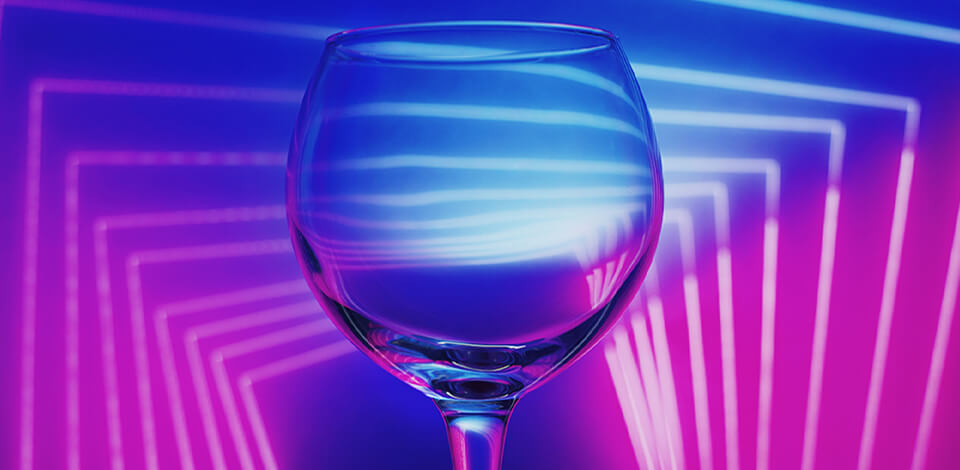
In conclusion, mastering the art of photographing glass objects without glare is an achievable endeavor through a combination of understanding the material’s properties, employing the right equipment, and applying precise lighting and camera techniques. From careful composition to strategic post-processing, each step contributes to creating images that truly showcase the elegance and clarity of glass. We encourage you to experiment with these techniques, adapt them to your specific subjects, and discover the rewarding process of capturing glass in its most flattering light.