Embarking on the journey of capturing stunning portraits with natural backgrounds opens up a world of creative possibilities, transforming ordinary scenes into breathtaking backdrops. This guide delves into the art and science of harmonizing your subject with the organic beauty of nature, ensuring each photograph tells a compelling story.
We will explore the fundamental principles of selecting and utilizing natural environments, mastering compositional techniques that leverage the elements around you, and employing lighting strategies to enhance the mood and depth of your images. Furthermore, we will provide practical advice on directing your subjects and fine-tuning your camera settings for exceptional results, ensuring you are well-equipped to create captivating portraits that resonate with the essence of their surroundings.
Understanding Natural Backgrounds for Portraits
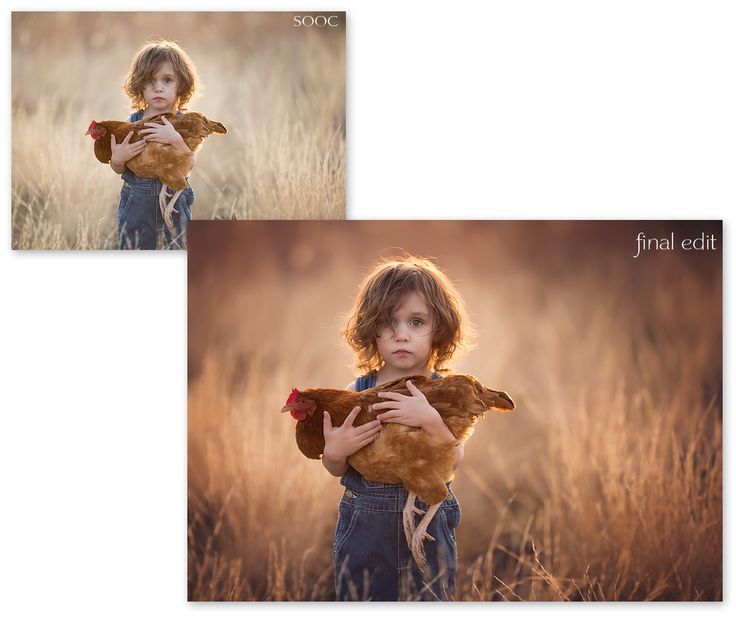
Natural backgrounds play a pivotal role in portrait photography, serving as more than just a backdrop; they contribute significantly to the overall mood, narrative, and aesthetic of an image. A well-chosen natural setting can evoke emotions, tell a story about the subject, or simply enhance their presence by providing complementary colors, textures, and light. The environment can transform a standard portrait into a compelling visual statement, grounding the subject within a context that adds depth and meaning.The selection and utilization of natural backgrounds are crucial for creating impactful portraits.
They offer a dynamic alternative to studio settings, allowing for a wider range of creative expression and a more organic feel. By thoughtfully integrating the environment with the subject, photographers can craft images that are both beautiful and evocative, resonating with viewers on a deeper level.
The Role of Natural Backgrounds in Portrait Photography
Natural backgrounds in portraiture are instrumental in setting the tone and context for the image. They can communicate a subject’s personality, interests, or even their current state of mind. For instance, a portrait taken in a lush forest might convey a sense of tranquility and connection to nature, while a shot against a rugged coastline could suggest resilience and adventure.
The background’s elements—such as colors, shapes, and textures—interact with the subject, influencing how they are perceived by the viewer. Furthermore, natural light, often abundant in outdoor settings, can sculpt the subject’s features and add a luminous quality that is difficult to replicate artificially. The interplay between the subject and their environment is key to creating a harmonious and visually engaging portrait.
Types of Natural Environments Suitable for Portraits
A diverse array of natural environments can serve as excellent backdrops for portrait photography, each offering unique visual characteristics. The suitability of an environment often depends on the desired mood and the subject’s personality.Here are several types of natural environments commonly used for portraits:
- Forests and Woodlands: These settings provide dappled light, rich textures from trees and foliage, and a sense of depth. The varying shades of green and brown can offer a calming or mysterious atmosphere.
- Beaches and Coastlines: The vastness of the ocean, the texture of sand, and the dramatic skies create powerful backdrops. The light can be soft and diffused or harsh and dramatic, depending on the time of day and weather.
- Mountains and Hills: Offering grand vistas, rugged textures, and dramatic landscapes, these locations can imbue a portrait with a sense of scale, strength, and adventure.
- Fields and Meadows: Whether filled with wildflowers, tall grasses, or crops, these open spaces can provide soft, diffused light and a sense of freedom or simplicity.
- Lakes and Rivers: The reflective quality of water can add an ethereal or dynamic element to a portrait, while the surrounding vegetation offers natural framing and color.
- Gardens and Parks: These curated natural spaces offer a blend of structured beauty and natural elements, with options for floral backdrops, water features, and shaded pathways.
Assessing a Natural Location for Photographic Potential
Evaluating a natural location for its photographic potential involves a keen eye for detail and an understanding of how the environment can enhance a portrait. It’s about looking beyond the surface to identify elements that will complement the subject and contribute to a compelling image.When assessing a location, consider the following aspects:
- Light Quality and Direction: Observe how light interacts with the environment throughout the day. Look for areas with soft, diffused light (e.g., under trees, on overcast days) or dramatic, directional light (e.g., during golden hour).
- Background Simplicity and Depth: A good background should complement, not compete with, the subject. Look for areas that offer a relatively uncluttered view or natural leading lines that draw the eye towards the subject. Consider the depth of field that can be achieved to blur distracting elements.
- Color Palette: Assess the dominant colors in the environment and how they will harmonize or contrast with the subject’s attire and skin tone. Natural environments often offer a rich and varied color palette.
- Texture and Pattern: The presence of interesting textures (e.g., bark, leaves, rocks) and patterns (e.g., tree branches, ripples in water) can add visual interest and a tactile quality to the photograph.
- Environmental Storytelling: Consider if the location itself tells a story or evokes a particular feeling that aligns with the portrait’s objective. A weathered barn, a windswept tree, or a tranquil stream can all add narrative layers.
- Potential for Subject Interaction: Think about how the subject can interact with the environment. Are there elements they can lean on, walk through, or simply be framed by?
Considerations for Light Quality within Natural Settings
The quality and direction of light are paramount in natural settings, profoundly influencing the mood, dimension, and overall success of a portrait. Natural light offers a dynamic range of possibilities, from soft and flattering to dramatic and impactful.Key considerations for natural light include:
- Soft, Diffused Light: This type of light, often found on overcast days or in shaded areas (like under a dense canopy of trees), wraps gently around the subject, minimizing harsh shadows and creating a flattering, ethereal look. It is ideal for achieving smooth skin tones and a serene atmosphere.
- Directional Light (Golden Hour): The light during the hour after sunrise and the hour before sunset, known as the “golden hour,” is characterized by its warm, soft, and directional quality. This light casts a beautiful glow, creates long, soft shadows, and can add a magical, romantic feel to portraits.
- Harsh Midday Sun: While often challenging, midday sun can be utilized effectively. By positioning the subject in open shade or using diffusion tools, harsh shadows can be softened. Alternatively, the strong contrast can be embraced for a more dramatic and edgy look, often with creative use of shadows.
- Backlighting: Positioning the subject with the light source behind them can create a beautiful rim light, separating them from the background and adding a luminous halo effect. This technique requires careful exposure management to ensure the subject’s face is adequately illuminated, often through the use of a reflector or fill flash.
- Side Lighting: Light coming from the side can create strong shadows that sculpt the face, adding dimension and drama. This is particularly effective for highlighting bone structure and creating a more artistic or moody portrait.
- Ambient Light Variation: Be aware of how ambient light changes throughout the day and within different parts of a natural setting. A forest clearing will have different light than a dense grove, and a beach at dawn will differ significantly from the same location at noon.
The skillful manipulation of natural light is often the most significant factor in elevating a portrait from ordinary to extraordinary.
Composition and Framing with Natural Elements
Crafting compelling portraits extends beyond simply posing your subject. The environment plays a crucial role, and understanding how to compose your shots using natural elements can elevate your images from ordinary to extraordinary. This section delves into techniques that leverage the surrounding landscape to enhance your portraiture.When working with natural backgrounds, the goal is to create a harmonious blend between your subject and their environment, ensuring neither overpowers the other.
Strategic use of composition and framing can guide the viewer’s eye, add depth, and tell a more engaging story.
Framing a Subject with Natural Elements
Natural elements offer organic and often beautiful ways to frame your subject, drawing attention to them while integrating them seamlessly into the scene. This technique adds a sense of place and can create a more intimate feel.Consider the following approaches to frame your subject using trees, foliage, or other natural features:
- Archways and Overhangs: Position your subject beneath the natural arch created by tree branches or a dense canopy of leaves. This creates a natural frame, subtly guiding the viewer’s gaze towards the subject’s face.
- Vignetting with Foliage: Shoot through leaves or branches that are closer to your lens. If these elements are out of focus, they will create a soft, blurred vignette around the edges of your frame, isolating the sharp subject in the center.
- Doorways of Nature: Utilize the natural openings between trees or rock formations to position your subject. This creates a visual “doorway” that invites the viewer into the scene and focuses attention on the person within.
- Layering with Depth: Place elements like tall grasses or smaller branches in the foreground, slightly out of focus, with your subject further back. This layering adds significant depth and dimension to the portrait.
Creating Depth of Field to Isolate the Subject
Achieving a pleasing depth of field is paramount in portraiture, especially when working with busy natural backgrounds. A shallow depth of field effectively blurs the background, making your subject stand out and minimizing distractions.Several factors contribute to achieving this isolation:
- Aperture Control: The most direct way to control depth of field is through your camera’s aperture. A wider aperture (smaller f-number, e.g., f/1.8, f/2.8) will result in a shallower depth of field, blurring the background more significantly.
- Focal Length: Longer focal lengths (telephoto lenses) tend to compress the background and enhance the sense of subject isolation, even at wider apertures.
- Subject-to-Background Distance: The greater the distance between your subject and the background, the more effectively a shallow depth of field will blur the background. Position your subject away from trees, bushes, or other elements behind them.
- Lens Choice: Prime lenses, known for their wide apertures, are excellent for creating beautiful bokeh (the aesthetic quality of the blur).
For instance, imagine a portrait of a person standing in a park. If you use an aperture of f/1.4 and a focal length of 85mm, with the subject positioned several meters in front of a dense line of trees, the trees will transform into a soft, painterly blur, making the subject pop dramatically.
Leading Lines with Natural Features
Leading lines are compositional elements that draw the viewer’s eye into the image, often towards the subject. Natural elements frequently provide these guiding paths.Effective use of leading lines in natural settings includes:
- Paths and Trails: A winding path or trail can lead the viewer’s eye directly to your subject, who might be positioned at a bend or the end of the path.
- Rivers and Streams: The gentle curve of a river or stream can act as a natural leading line, guiding the eye through the landscape and towards the portrait subject.
- Fences and Walls: Even man-made natural elements like old stone walls or wooden fences can serve as leading lines, creating a structured path into the composition.
- Rows of Trees: A line of trees receding into the distance can create a strong sense of depth and guide the viewer’s eye towards the subject placed within or at the end of the row.
Consider a scenario where you place your subject at the end of a path that curves through a forest. The path itself becomes the leading line, directing the viewer’s attention to the subject and creating a sense of journey within the photograph.
Using Negative Space Effectively in Natural Settings
Negative space, often referred to as the “empty” or “unoccupied” area in an image, is crucial for giving your subject breathing room and enhancing the overall composition. In natural settings, negative space can be the sky, a large expanse of water, or even a subtly blurred area of foliage.Employing negative space thoughtfully involves:
- Minimalist Composition: Place your subject off-center, leaving a significant portion of the frame empty. This draws attention to the subject by contrast and creates a serene, uncluttered feel.
- Emphasizing Emotion: Large expanses of sky or water can evoke feelings of freedom, solitude, or contemplation, complementing the mood of your portrait.
- Balancing the Frame: Negative space can balance a visually heavy subject or element within the frame, creating visual harmony.
- Creating a Sense of Scale: Using a vast natural landscape as negative space can emphasize the subject’s presence within a grander environment.
For example, a portrait of a lone individual standing on a vast, empty beach with a wide, open sky above them utilizes negative space to convey a sense of peaceful isolation or introspection. The simplicity of the composition allows the viewer to focus entirely on the subject’s expression and presence.
Lighting Techniques for Outdoor Portraits
Mastering natural light is paramount for creating compelling outdoor portraits. Unlike studio environments with controlled lighting, the sun’s position and intensity dictate the mood and quality of your images. This section will guide you through leveraging natural light effectively, transforming potential challenges into creative opportunities.Working with directional natural light is key to achieving flattering portraits. The direction from which the light falls on your subject significantly impacts the dimensionality, texture, and overall aesthetic of the portrait.
Understanding these effects allows you to sculpt your subject’s features and create a desired mood.
Working with Directional Natural Light
Directional light, such as that from the sun or a window, creates distinct shadows and highlights, adding depth and form to a portrait. The angle of this light can dramatically alter the perception of your subject’s features.
- Frontal Light: When the light source is directly in front of the subject, it illuminates their face evenly, minimizing shadows. This can result in a soft, pleasing look, but may also reduce the sense of depth. It’s ideal for a gentle, approachable portrait.
- Side Light: Light coming from the side (approximately 90 degrees) creates strong contrasts between light and shadow, sculpting the face and emphasizing texture. This can add drama and a more artistic feel. Careful placement is needed to avoid harsh shadows over one eye.
- Backlight: When the light source is behind the subject, it can create a beautiful rim light or halo effect, separating the subject from the background and adding a luminous quality. This often requires careful exposure to avoid silhouetting the subject’s face, and may necessitate the use of fill light.
- Top Light: Light directly overhead, often experienced at midday, can create unflattering shadows under the eyes and nose. It’s generally best to avoid this harsh light by seeking shade or adjusting your shooting time.
Managing Harsh Sunlight
Harsh sunlight, typically experienced during midday, can lead to blown-out highlights and deep, unflattering shadows, particularly under the eyes and nose. Fortunately, there are several strategies to mitigate its intensity and create softer, more pleasing light.
- Seek Shade: The simplest solution is to move your subject into open shade. This could be under a tree, an awning, or the side of a building. Open shade provides diffused light that is much softer and more forgiving than direct sun. The light in open shade is still directional but significantly less intense.
- Use Diffusers: A diffuser, such as a translucent umbrella or a scrim, can be placed between the sun and your subject to spread the light and soften its quality. This effectively turns a harsh light source into a larger, softer one, reducing contrast.
- Adjust Position: Sometimes, a slight shift in your subject’s position or your own can make a significant difference. Turning your subject slightly away from the direct sun can soften the light on their face.
- Embrace the Shadows: For artistic effect, you can intentionally use shadows to create mood and mystery. This requires a conscious decision to embrace the contrast rather than fight it.
Using Natural Reflectors
Natural reflectors are surfaces that bounce available light back onto your subject, helping to fill in shadows and soften contrast without the need for artificial equipment. These are readily available in outdoor environments.
- Water Bodies: Large expanses of water, like lakes, rivers, or even wet sand, can reflect sunlight upwards. This is particularly effective when shooting subjects close to the water’s edge, providing a subtle upward fill light that can lift shadows on the face.
- Light-Colored Surfaces: Walls of buildings, light-colored pavements, sand, or even large patches of light-colored foliage can act as natural reflectors. Positioning your subject near these surfaces will bounce ambient light back onto them, illuminating shadow areas. The closer and larger the reflective surface, the more pronounced the effect.
- Clothing: A light-colored shirt or jacket worn by the subject can also act as a reflector, subtly illuminating their face from below.
Golden Hour and Blue Hour Lighting
The “golden hour” and “blue hour” are periods shortly after sunrise and before sunset, renowned for their unique and beautiful lighting qualities, offering distinct aesthetic possibilities for portraiture.
- Golden Hour: This period, typically lasting about an hour after sunrise and before sunset, is characterized by warm, soft, and directional light. The sun is low on the horizon, casting a beautiful golden hue. This light is incredibly flattering for portraits, creating a warm glow, soft shadows, and often a sense of magic. Backlighting during golden hour can produce stunning rim lights and lens flare.
- Blue Hour: Occurring just before sunrise and after sunset, the blue hour is when the sun has dipped below the horizon, and the sky is filled with deep, rich blue tones. This light is cool and diffused, creating a serene and ethereal atmosphere. Portraits shot during the blue hour often have a dramatic, moody, and sophisticated feel, especially when juxtaposed with artificial lights in the background.
It’s a fantastic time for silhouettes or when you want a strong color contrast.
Subject Interaction and Posing in Nature
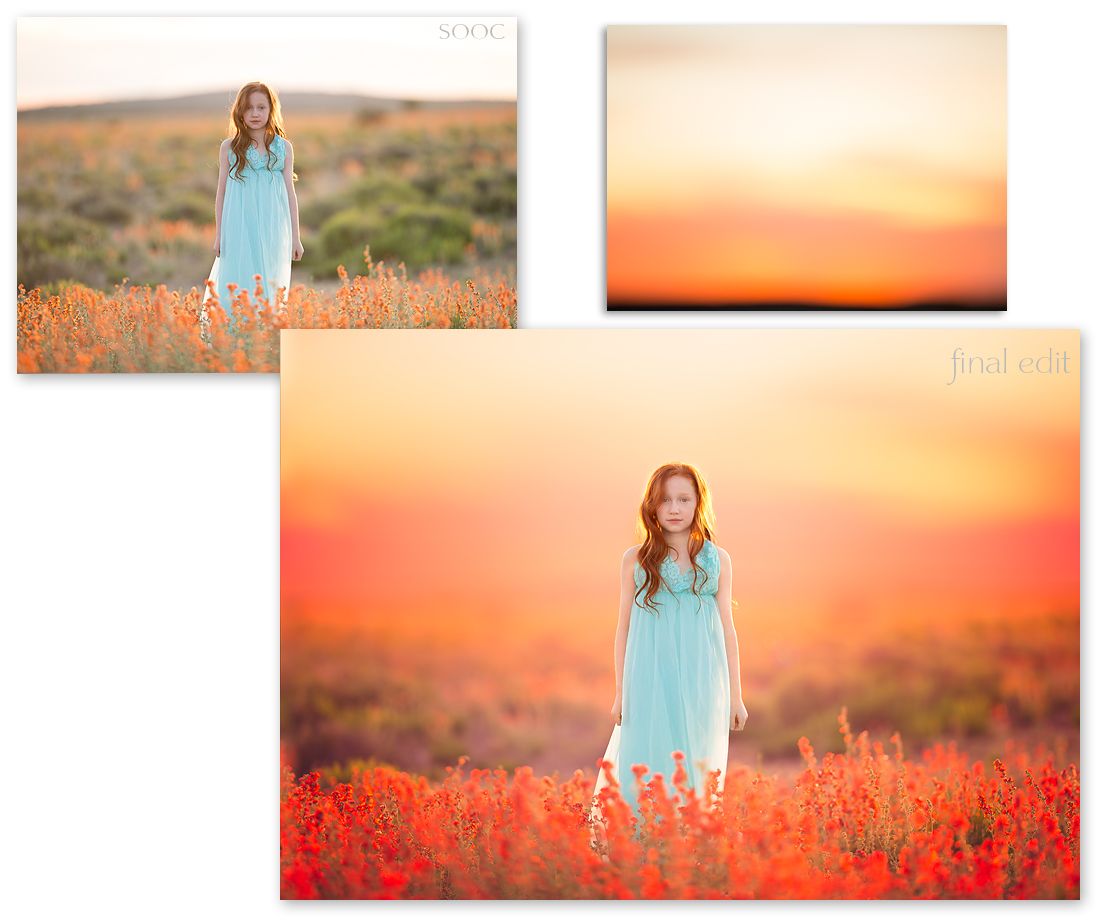
Creating compelling portraits in natural settings involves more than just finding a beautiful backdrop; it requires fostering genuine interaction between your subject and their environment. This section will explore how to design poses that harmonize with nature, encourage comfort and authenticity, and guide your subjects to engage with the elements around them, ultimately leading to more dynamic and evocative imagery.
Posing Ideas Complementing Natural Surroundings
Thoughtful posing can transform a static portrait into a narrative that is deeply connected to the landscape. The goal is to integrate the subject seamlessly, making them appear as a natural part of the scene rather than an imposition upon it. This involves observing the lines, textures, and forms of the environment and mirroring or contrasting them with the subject’s posture and gestures.
- Leaning and Resting: Encourage subjects to lean against a sturdy tree trunk, a weathered rock, or a low wall. This pose conveys a sense of relaxation and connection to the earth. Ensure the angle of the lean complements the surrounding lines, perhaps echoing a gentle slope or a vertical element.
- Walking and Moving: Capture subjects in motion, walking along a path, through tall grass, or by a body of water. This creates a sense of dynamism and narrative. The direction of their gaze and the flow of their clothing can be used to lead the viewer’s eye through the landscape.
- Sitting and Kneeling: Have subjects sit on mossy logs, grassy knolls, or by the water’s edge. Kneeling can be effective when interacting with low-lying elements like flowers or to create a more intimate perspective. The pose should feel natural and unforced, as if they have settled there for a moment of contemplation.
- Interacting with Elements: Direct subjects to gently touch leaves, trace the bark of a tree, or trail their fingers in water. These small gestures add a layer of sensory engagement and emphasize the connection to nature. Avoid overly dramatic or unnatural interactions; subtlety is key.
- Embracing Verticality: For scenes with strong vertical elements like tall trees or cliffs, position subjects to echo these lines. Standing tall and relaxed, or even with arms slightly outstretched, can create a sense of grandeur and unity with the environment.
Techniques for Subject Comfort and Naturalism
An outdoor environment can sometimes feel unfamiliar or even intimidating for subjects. The photographer’s role is to create a relaxed and supportive atmosphere, allowing their true personality to shine through. This involves clear communication, patience, and a genuine interest in making the subject feel at ease.
- Pre-Shoot Consultation: Discuss the location and the desired mood beforehand. Understanding the subject’s comfort level with the environment and their expectations can alleviate anxiety.
- Gentle Direction: Instead of rigid instructions, offer suggestions and ask open-ended questions. For example, “How does this breeze feel?” or “What do you notice about this tree?” This encourages genuine reactions.
- Breaks and Familiarization: Allow subjects time to simply be in the space before the camera starts clicking. Encourage them to walk around, observe, and get accustomed to the surroundings.
- Positive Reinforcement: Offer sincere compliments on their expressions and interactions. This builds confidence and encourages them to continue engaging naturally.
- Focus on Connection: Frame the interaction as a collaboration. Emphasize that the goal is to capture their unique essence within this beautiful setting, rather than just a posed photograph.
- Use of Props (Natural): Encourage the use of natural elements as subtle props. A fallen leaf, a flower, or a piece of driftwood can provide a focal point for interaction and a natural way to occupy hands.
Directing Subject Interaction with the Natural Environment
Guiding your subjects to interact with their surroundings can elevate a portrait from a simple likeness to a story. The aim is to create moments of genuine engagement that reveal their personality and their relationship with nature.
- Sensory Engagement: Prompt subjects to feel the texture of leaves, smell flowers, or listen to the sounds of nature. Ask them to describe what they are experiencing, and capture their expressions as they do so.
- Observational Poses: Encourage them to look at specific natural features—a distant mountain, a bird in flight, or the pattern of light on the water. This directs their gaze and creates a sense of contemplation.
- Playful Exploration: For more relaxed shoots, encourage playful interactions. This could involve skipping stones, walking barefoot in shallow water, or simply twirling in a field of flowers.
- Reflective Moments: Guide subjects to find a quiet spot to sit and reflect. Ask them what the environment makes them think or feel. This can lead to profound and authentic expressions.
- Storytelling through Action: Create a simple narrative. For example, asking them to “gather” wildflowers, “find” a comfortable spot to rest, or “follow” a path can lead to natural, story-driven poses.
Capturing Candid Moments in Natural Settings
Candid moments are often the most powerful as they capture genuine emotion and unscripted interactions. In a natural setting, these moments are amplified by the environment, creating a sense of authenticity and spontaneity.
- Anticipation and Observation: Spend time observing your subject and their surroundings before you start shooting. Anticipate moments of laughter, thoughtful glances, or spontaneous gestures.
- The “Third Eye” Approach: Sometimes, the best candid shots happen when the subject is not directly looking at the camera. Encourage them to interact with each other or the environment, and be ready to capture those in-between moments.
- Natural Conversation: Engage your subject in conversation about topics they are passionate about. Genuine dialogue often leads to natural expressions and reactions that are perfect for candid shots.
- Movement and Unposed Actions: Capture subjects as they move through the landscape – adjusting their hair in the wind, taking a step, or simply taking in the view. These unposed actions reveal personality.
- Utilizing the Environment for Candid Interactions: The natural environment itself can prompt candid moments. A sudden gust of wind might cause laughter, or the discovery of a unique plant could lead to an excited gesture. Be ready to document these reactions.
- Post-Production for Candid Feel: While the capture is key, subtle adjustments in post-production, like a slightly desaturated look or a touch of grain, can enhance the candid, documentary feel of natural portraits.
Camera Settings and Equipment for Natural Portraits
Mastering natural background portraits involves a thoughtful approach to both your camera settings and the equipment you choose. By understanding how to leverage your camera’s capabilities and selecting the right tools, you can significantly enhance the quality and impact of your outdoor portraiture, allowing the natural environment to complement your subject beautifully.This section will guide you through the optimal camera settings for shooting outdoors, list essential equipment, compare lens focal lengths, and detail post-processing techniques to elevate your natural background portraits.
Optimal Camera Settings for Outdoor Portraits
Achieving stunning portraits in natural light requires careful adjustment of your camera’s core settings. These settings work in harmony to control exposure, depth of field, and image sharpness, ensuring your subject stands out against the chosen background.
- Aperture (f-stop): For portraits with a blurred natural background (bokeh), a wide aperture is typically preferred. Aim for an aperture between f/1.4 and f/4. This shallow depth of field will isolate your subject from the surroundings. For situations where you want more of the background in focus, such as environmental portraits, a narrower aperture like f/5.6 or f/8 might be more suitable.
- Shutter Speed: To avoid motion blur from camera shake or subject movement, ensure your shutter speed is fast enough. A general guideline is to set your shutter speed to at least 1/focal length (e.g., for a 50mm lens, use 1/50s or faster). For active subjects or windy conditions, increase the shutter speed to 1/250s or higher.
- ISO: Keep your ISO as low as possible to minimize digital noise and maintain image quality. Start with ISO 100 or 200. Only increase the ISO when necessary to achieve proper exposure in low light conditions, and be mindful of your camera’s noise performance at higher ISO values.
- Focus Mode: For portraits, continuous autofocus (AI Servo or AF-C) is often beneficial, especially if your subject is moving slightly. For static subjects, single-point autofocus (One-Shot or AF-S) can provide precise control over where the camera focuses. Eye-AF is a highly recommended feature if your camera offers it, as it automatically locks focus on the subject’s eyes.
- White Balance: While you can adjust white balance in post-processing, setting it correctly in-camera can provide a more accurate preview. For natural light, try “Daylight” or “Cloudy” settings. If you are unsure, shooting in RAW format allows for complete flexibility in adjusting white balance later without loss of quality.
Essential Equipment for Natural Background Portraiture
The right equipment can significantly enhance your ability to capture compelling portraits with natural backgrounds. While a good camera is fundamental, certain accessories and lens choices can make a substantial difference in the final outcome.A curated selection of gear will empower you to adapt to various natural settings and lighting conditions, ensuring you can achieve your creative vision.
- Camera Body: A DSLR or mirrorless camera with manual control over settings is ideal. Full-frame cameras generally offer better low-light performance and shallower depth-of-field capabilities.
- Lenses: The choice of lens is crucial for controlling the background. Prime lenses are often favored for their sharpness and wide apertures. Zoom lenses offer versatility. (See further discussion below).
- Reflector: A collapsible reflector (silver, gold, white, or black) is invaluable for manipulating natural light. It can bounce light back onto your subject to fill shadows or add a catchlight to their eyes.
- Diffuser: A diffuser can soften harsh sunlight, creating a more pleasing and even light on your subject, especially during midday.
- Speedlight/Flash (Optional): While the focus is on natural light, a portable flash can be used judiciously to fill shadows or add a subtle highlight, especially in challenging lighting scenarios. Off-camera flash techniques can create dramatic effects.
- Tripod (Optional): For static portraits or when using slower shutter speeds in low light, a tripod can ensure sharpness and allow you to refine your composition without holding the camera.
Lens Focal Lengths for Natural Background Portraits
The focal length of your lens plays a pivotal role in how the background is rendered in your portraits. Different focal lengths offer distinct perspectives and compression effects, which are key to managing the natural environment as a backdrop.Understanding these differences will help you choose the most appropriate lens for your desired portrait style and the available shooting space.
- Wide-Angle Lenses (e.g., 24mm, 35mm): These lenses capture a broad field of view, incorporating more of the surrounding environment into the frame. They are excellent for environmental portraits where the location is as important as the subject. However, they can distort features if the subject is too close to the lens, and they tend to make backgrounds appear further away, requiring a narrower aperture to keep both subject and background sharp.
- Standard Lenses (e.g., 50mm): A 50mm lens on a full-frame camera offers a perspective similar to human vision. It provides a good balance between subject isolation and background context. With a wide aperture, it can achieve pleasing background blur while still showing enough of the environment to add depth. It’s a versatile choice for many portrait situations.
- Telephoto Lenses (e.g., 85mm, 135mm, 70-200mm): These lenses are highly favored for portraiture due to their ability to compress perspective and create significant background blur (bokeh) at wider apertures. An 85mm or 135mm prime lens is a classic choice for headshots and upper-body portraits, effectively separating the subject from busy natural backgrounds. A 70-200mm zoom offers flexibility in framing while maintaining excellent subject isolation.
Post-Processing Adjustments for Natural Backgrounds
Post-processing is the final stage where you can refine your natural background portraits, ensuring the environment enhances rather than distracts from your subject. Subtle adjustments can make a significant difference in the overall impact of your images.The goal is to balance the exposure and color of the background with that of your subject, creating a cohesive and aesthetically pleasing final image.
- Exposure and Contrast: Adjust the overall exposure to ensure your subject is well-lit. You may need to slightly darken or brighten the background independently to make your subject pop. Carefully manage contrast to avoid blown-out highlights or crushed shadows in the natural elements.
- Color Correction: Ensure the colors of the natural background are harmonious with your subject’s skin tones and attire. Use white balance adjustments to correct any color casts from ambient light. You can also subtly desaturate overly vibrant background colors if they are distracting.
- Dodging and Burning: This technique involves selectively lightening (dodging) and darkening (burning) areas of the image. You can use it to draw attention to your subject by subtly brightening their face and slightly darkening the edges of the frame or distracting background elements.
- Sharpening: Apply sharpening judiciously, focusing primarily on your subject’s eyes and key features. Over-sharpening the background can make it appear noisy or artificial.
- Background Separation: If the background is still too busy, consider using a radial or gradient filter to subtly blur or darken specific areas. Some software offers AI-powered background blur tools that can be helpful, but always use them with restraint to maintain a natural look.
- Noise Reduction: If you had to shoot at a higher ISO, apply noise reduction carefully. Target areas with visible noise, particularly in the shadows or sky, without sacrificing too much detail in your subject.
Visual Examples and Creative Approaches
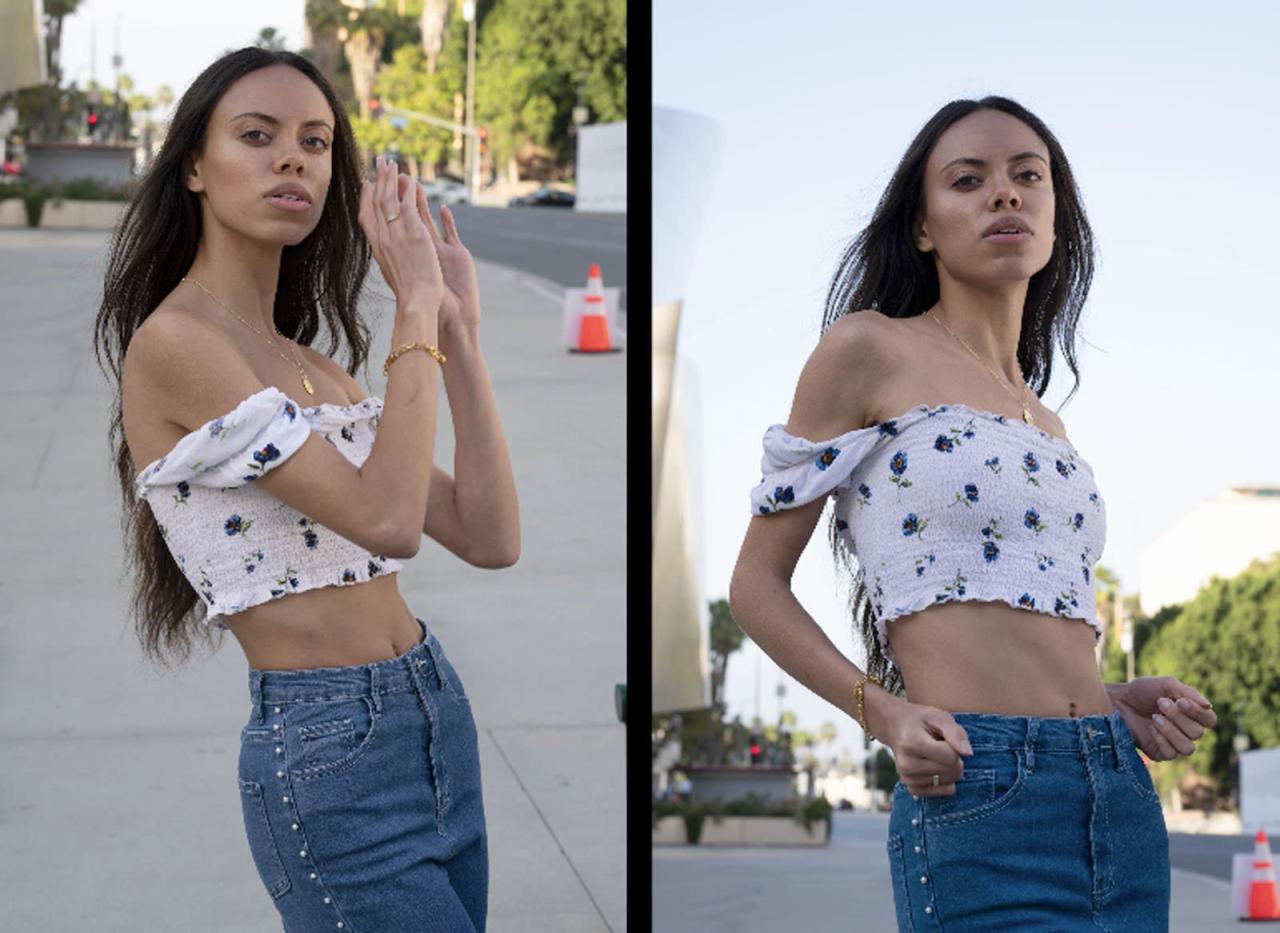
Exploring visual examples and creative approaches is crucial for mastering portraiture with natural backgrounds. These scenarios demonstrate how to translate theoretical knowledge into stunning, tangible images, showcasing the versatility and impact of natural settings. By examining diverse environments and specific techniques, photographers can expand their creative horizons and develop unique artistic visions.This section delves into practical applications, offering concrete examples and conceptual designs to inspire your next portrait session.
We will explore how light, composition, and environmental elements can be harmoniously integrated to create memorable and impactful portraits.
Forest Portrait: Light and Composition
Imagine a portrait session deep within a temperate forest during the late afternoon. The subject is positioned slightly off-center, following the rule of thirds, with a soft, diffused light filtering through the dense canopy of leaves above. This dappled light creates a natural spotlight effect on the subject’s face, gently illuminating their features while leaving the background in a soft, painterly blur of greens and browns.
The composition uses leading lines formed by the tree trunks to draw the viewer’s eye towards the subject, enhancing the sense of depth and immersion in the environment. The photographer has chosen a slightly lower camera angle to emphasize the grandeur of the trees and create a more intimate connection between the subject and the forest.
Beach Portrait: Subject and Environment Interplay
Consider a beach portrait concept where the subject is standing near the water’s edge during the golden hour. The setting sun casts a warm, ethereal glow across the scene, reflecting off the wet sand and creating a shimmering effect. The subject is posed in a way that their silhouette is softly defined against the vibrant sky, with gentle waves lapping at their feet.
The composition focuses on the vastness of the ocean and sky as a backdrop, with the subject as a focal point within this expansive natural canvas. The interaction is key; the subject might be looking out towards the horizon, conveying a sense of contemplation or freedom, with their clothing or hair subtly caught by the sea breeze, further integrating them into the environment.
Urban Landscape Portrait with Natural Elements
Envision a portrait captured in an urban park or a revitalized industrial area that incorporates natural elements. The subject is positioned near a mature tree with interesting bark texture or a climbing vine against a brick wall. The light is a mix of soft daylight and the ambient glow of the city, creating a nuanced illumination. The composition might frame the subject using the natural elements, such as branches of the tree or the curves of the vine, juxtaposing the organic forms with the geometric lines of the surrounding architecture.
This scenario highlights how nature can be found and integrated even within a bustling cityscape, offering a unique contrast and depth to the portrait.
Sunset Portrait: Color and Mood Procedure
Capturing a portrait during a sunset requires a procedural approach to maximize the dramatic colors and mood.
- Scout the Location: Identify a location with an unobstructed view of the western horizon, ideally with interesting foreground elements like silhouetted trees, a hill, or water.
- Anticipate the Light: Begin shooting 30-60 minutes before the peak sunset colors. The light will transition from warm golden tones to fiery oranges, reds, and purples.
- Expose for the Sky: To capture the rich colors, it’s often necessary to underexpose the subject slightly. This can be corrected in post-processing or by using a reflector to bounce light back onto the subject.
- Utilize Silhouettes: Position the subject with their back to the setting sun to create dramatic silhouettes. This emphasizes form and shape against the vibrant sky.
- Incorporate Backlighting: For a softer, more ethereal look, place the subject so the sunset light catches their hair and shoulders, creating a beautiful rim light.
- Focus on Mood: Encourage the subject to connect with the environment. Their expression and posture should reflect the romantic, tranquil, or dramatic mood of the sunset.
- Experiment with White Balance: While the camera’s auto white balance often performs well, manually setting it to “cloudy” or “shade” can further enhance the warm tones of the sunset.
This structured approach ensures that the photographer is prepared to harness the fleeting beauty of a sunset, creating portraits that are not only visually stunning but also emotionally resonant.
Last Recap
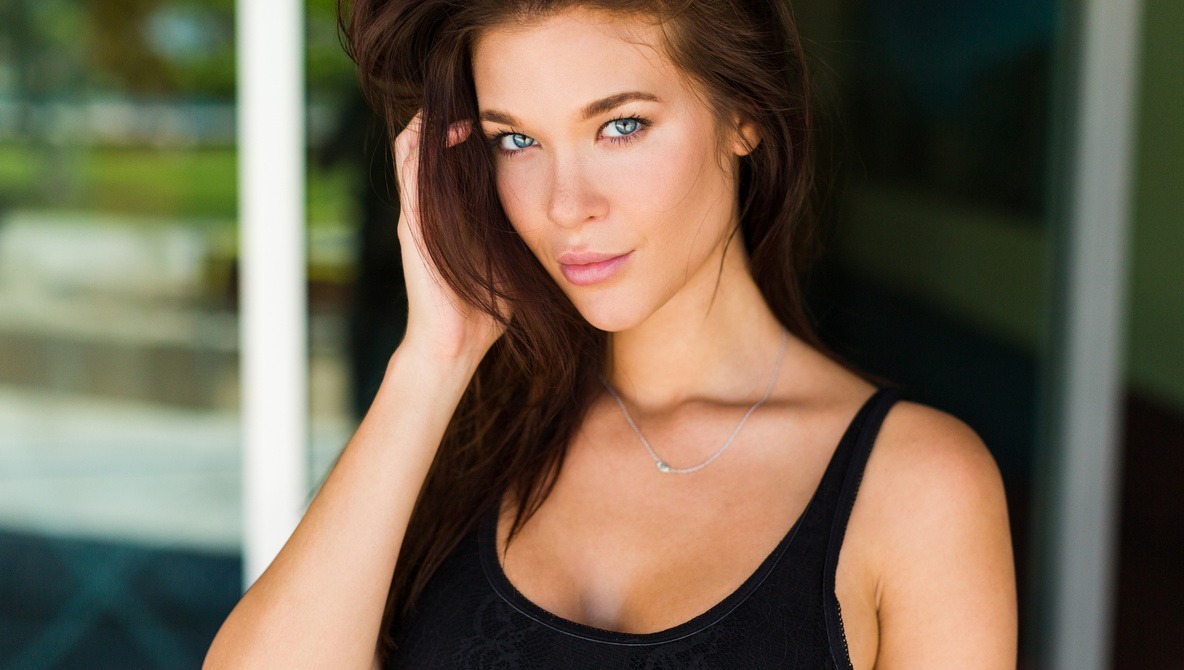
By embracing the principles of working with natural backgrounds, you unlock the potential to create portraits that are not only visually striking but also deeply evocative, connecting your subjects with the environment in a meaningful way. This comprehensive exploration has equipped you with the knowledge to transform any natural setting into a dynamic and flattering stage for your portraiture, inspiring confidence and creativity in every shot.