Embark on a captivating journey into the art of capturing the mesmerizing beauty of wet street reflections. This guide will illuminate the essential techniques and creative insights needed to transform ordinary rainy scenes into extraordinary photographic masterpieces.
We will explore the fundamental principles of light and water interaction, delve into the optimal gear and camera settings, and unveil sophisticated compositional and lighting strategies. Furthermore, we will discuss how to anticipate the perfect conditions, refine your shots through post-processing, and push the boundaries with advanced creative approaches to elevate your wet street photography.
Understanding the Fundamentals of Wet Street Reflections
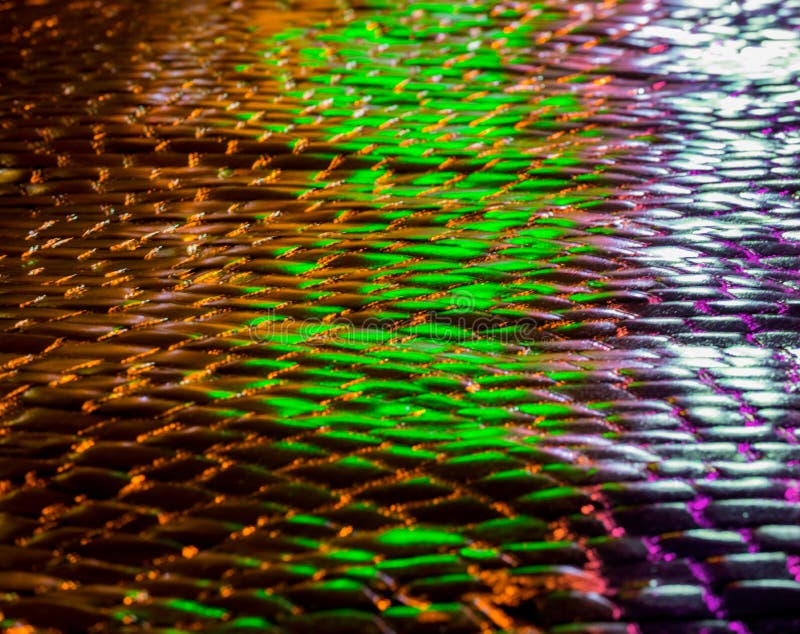
Capturing compelling photographs of reflections on wet streets is a rewarding endeavor that transforms ordinary urban landscapes into dynamic and artistic compositions. The magic lies in the interplay of light and water, creating mirror-like surfaces that double the visual interest of a scene. To master this technique, it is essential to understand the underlying principles that govern how light behaves on these slick canvases.The phenomenon of reflections on wet streets is rooted in the basic principles of optics.
When light encounters a smooth, wet surface, it does not scatter as it would on a dry, rough texture. Instead, the water acts as a thin, reflective layer, causing the light rays to bounce off at an angle equal to the angle at which they strike the surface. This specular reflection is what creates the clear, often vibrant, mirror images we aim to capture.
The quality and clarity of these reflections are significantly influenced by the type of light source, the texture of the underlying street, and the depth of the water present.
The Physics of Light Reflection on Wet Surfaces
Light reflection occurs when photons strike a surface and bounce back into the surrounding medium. On dry asphalt or concrete, the surface is irregular at a microscopic level, causing light to scatter in many directions, a process known as diffuse reflection. This scattering is why we don’t typically see sharp reflections on dry streets. However, when a thin layer of water covers the street, it smooths out these microscopic irregularities.
The water molecules align themselves in a way that creates a more uniform, mirror-like surface. This uniformity allows for specular reflection, where incoming light rays are reflected in a single, predictable direction, forming a coherent image of the light source and any objects illuminated by it.
The law of reflection states that the angle of incidence equals the angle of reflection.
This fundamental law dictates how light bounces off the wet surface, forming the basis of the reflected image.
Illuminating Sources for Striking Reflections
Not all light sources are created equal when it comes to creating dramatic wet street reflections. The most impactful reflections are typically generated by distinct, often colorful, and bright light sources that stand out against the darker backdrop of the wet street.Here are the types of light sources that yield the most striking reflections:
- Streetlights: These are perhaps the most common and effective sources. Their warm, often orange or yellow glow, combined with their regular placement, creates repeating patterns and elongated streaks of light on the wet surface, adding a sense of rhythm and depth to photographs.
- Vehicle Headlights and Taillights: The dynamic movement of cars at night provides dynamic and fleeting reflections. Headlights create bright, white streaks, while taillights offer vibrant reds and oranges. The motion blur of passing vehicles can also contribute to abstract and artistic reflections.
- Neon Signs and Storefront Lighting: Urban environments are often adorned with colorful neon signs and illuminated shop windows. These sources offer a rich palette of colors and can create complex, abstract patterns of light and color on the street, especially when multiple sources are present.
- Moonlight and Ambient City Glow: While less direct, the soft glow of the moon or the general ambient light from a city can create subtle, ethereal reflections. These are often best captured during twilight or in areas with less direct light pollution, offering a more subdued and atmospheric effect.
Factors Influencing Reflection Quality
The clarity and fidelity of reflections on wet streets are not solely dependent on the presence of water. Several other factors play a crucial role in determining how well these reflections are rendered.The quality of reflections is determined by a combination of elements:
- Surface Texture: The underlying material of the street significantly impacts the reflection. Smooth asphalt or newly laid concrete will produce sharper reflections than heavily textured or cracked surfaces. Even a thin layer of water can struggle to completely mask significant surface irregularities.
- Water Depth: The depth of the water is a critical factor. A very shallow puddle might still allow some of the street’s texture to show through, resulting in a slightly distorted reflection. Deeper, more uniform layers of water provide a smoother, more mirror-like surface, leading to clearer and more accurate reflections. However, excessively deep water can obscure the underlying surface entirely, creating a more abstract pool of light.
- Water Movement: Even slight ripples or disturbances in the water can break up reflections, turning sharp lines into wavy distortions. Calm conditions, often found after a rain has stopped and before significant traffic movement, are ideal for capturing pristine reflections.
Common Challenges in Capturing Wet Street Reflections
While the allure of wet street reflections is undeniable, photographers often encounter several obstacles that can hinder the capture of an ideal image. Anticipating and mitigating these challenges is key to successful execution.Photographers frequently face these common difficulties:
- Low Light Conditions: Wet streets are often photographed at night or during twilight, which inherently means low light. This requires careful management of camera settings, such as aperture, shutter speed, and ISO, to achieve a well-exposed image without excessive noise.
- Camera Shake: Due to low light, longer shutter speeds are often necessary, increasing the risk of camera shake. Using a tripod is highly recommended to ensure sharp images.
- Controlling Exposure: The dynamic range between the bright reflections and the dark surroundings can be challenging for camera sensors. Metering carefully to capture detail in both the highlights and shadows is crucial.
- Unwanted Distractions: Reflections can sometimes include distracting elements like litter, puddles of oil, or unappealing background features that are amplified by the reflective surface. Careful composition and framing are necessary to isolate the desired reflective elements.
- Traffic and Safety: Shooting on wet streets often means dealing with active traffic. Prioritizing safety by shooting from sidewalks, observing traffic patterns, and being aware of surroundings is paramount.
Essential Gear and Camera Settings
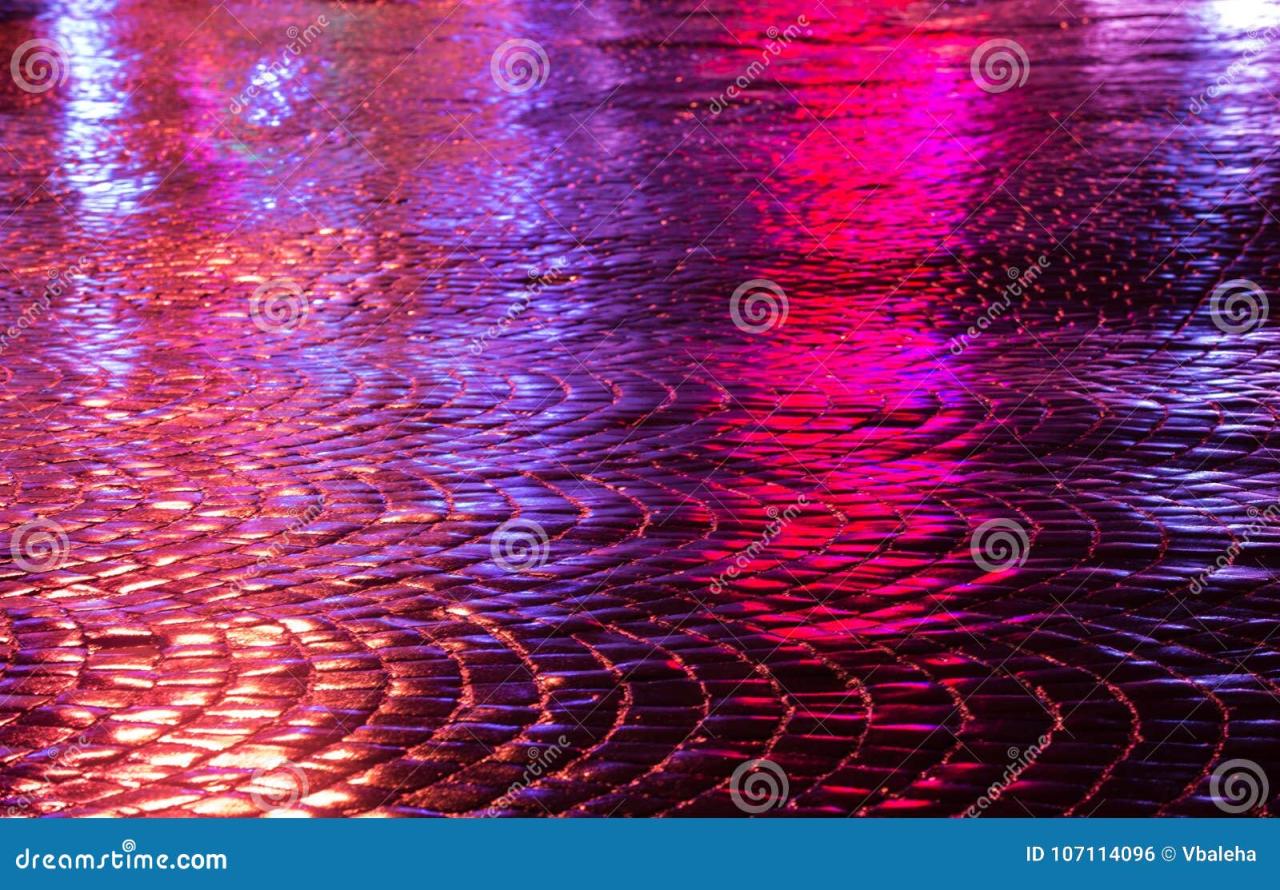
Capturing compelling reflections on wet streets requires a thoughtful approach to both your equipment and camera configuration. While you don’t necessarily need the most expensive gear, selecting the right tools and understanding how to use them effectively will significantly enhance your results. This section will guide you through the essential gear and optimal camera settings for this specialized form of urban photography.
Camera Bodies and Lenses
The choice of camera body and lens can impact the versatility and quality of your wet street reflection shots. Modern digital cameras, whether DSLRs or mirrorless systems, offer excellent image quality and control. For lenses, a versatile range that can accommodate both wider scenes and tighter details is ideal.A full-frame camera body generally offers better low-light performance and dynamic range, which can be beneficial in varied urban lighting conditions.
However, an APS-C or Micro Four Thirds camera can also produce excellent results, often at a more accessible price point.When selecting lenses, consider the following:
- Wide-angle lenses (e.g., 14-35mm on full-frame): These are excellent for capturing the grandeur of cityscapes and incorporating a large portion of the street and its reflections. They allow you to convey a sense of scale and context.
- Standard zoom lenses (e.g., 24-70mm on full-frame): These offer flexibility for various compositions, allowing you to zoom in on specific reflections or pull back for a broader view without changing lenses frequently.
- Prime lenses (e.g., 35mm or 50mm): These often offer superior sharpness and wider apertures, which can be advantageous in low light. They also encourage thoughtful composition as you have to “zoom with your feet.”
Essential Accessories
Beyond the camera and lens, several accessories can dramatically improve your experience and the quality of your wet street reflection photographs. These items help stabilize your camera, control light, and ensure you can work comfortably in potentially damp conditions.A robust tripod is perhaps the most crucial accessory. It allows for longer exposures, essential for capturing smooth reflections and managing low light without resorting to excessively high ISOs.
When choosing a tripod, look for stability and ease of use.Other valuable accessories include:
- Tripod: A sturdy tripod is paramount for achieving sharp images in low light and for controlling shutter speed. Look for one that is not too heavy but offers excellent stability, especially in windy conditions.
- Remote Shutter Release or Timer: Using a remote release or your camera’s built-in timer (2-second delay is usually sufficient) minimizes camera shake when pressing the shutter button, ensuring sharper images, especially with longer exposures.
- Lens Cloths and Microfiber Towels: Essential for keeping your lens clean from raindrops and splashes, ensuring clear and unobstructed shots.
- Weather-Sealed Camera Bag: Protects your gear from moisture and rain.
- Waterproof Outerwear: Staying dry and comfortable allows you to focus on your photography.
Optimal Camera Settings
Achieving the desired look for wet street reflections often involves carefully balancing aperture, shutter speed, and ISO. The goal is typically to achieve sharp details in the foreground and a pleasing rendition of the reflected scene.Here are the optimal camera settings to consider:
- Aperture: To ensure both the street and the reflection are reasonably sharp, a mid-range aperture is often best. An aperture between f/8 and f/11 is a good starting point. This range provides sufficient depth of field to keep both the immediate street surface and the reflected elements in focus. If you are focusing on a specific detail in the reflection, you might adjust this, but for general scenes, f/8 to f/11 is a reliable choice.
- Shutter Speed: This setting is highly dependent on the available light and your desired effect. In brighter conditions, you might use a faster shutter speed to freeze any subtle movement. However, in low light or when you want to smooth out any ripples on the water’s surface, you will need to use a slower shutter speed. This is where a tripod becomes indispensable.
Shutter speeds can range from 1/30th of a second to several seconds or even longer, depending on the ambient light and the degree of smoothness you wish to achieve in the reflection.
- ISO: To maintain image quality and minimize noise, it’s best to keep your ISO as low as possible. Start with your camera’s base ISO (usually 100 or 200). Only increase the ISO if absolutely necessary to achieve a usable shutter speed or aperture in very low light conditions. Modern cameras handle higher ISOs better than older models, but it’s always a compromise between brightness and detail.
Manual Focus for Sharp Reflections
While autofocus systems are sophisticated, manual focus often provides greater precision and reliability when capturing reflections. The contrast and varying planes of focus in a wet street scene can sometimes confuse autofocus.To use manual focus effectively:
- Switch to Manual Focus (MF): Locate the AF/MF switch on your lens or camera body and set it to MF.
- Use Live View: Engage your camera’s Live View mode. This allows you to see a magnified view of your scene on the LCD screen.
- Magnify and Adjust: Zoom in on the area you want to be critically sharp. This could be the street surface itself, a specific element in the reflection, or the point where the street meets the reflection. Carefully rotate the focus ring on your lens until the desired area appears sharpest in the magnified view.
- Focus on Contrast: Look for areas of contrast in your scene, such as the edge of a building, a streetlamp, or a painted line on the road. These areas will be easier to bring into sharp focus.
- Consider the Plane of Focus: For general wet street reflections, you might aim to have the point where the street meets the reflection be in focus, ensuring both the physical surface and its mirrored image are rendered with clarity.
Gear Checklist for a Wet Street Reflection Shoot
Being prepared is key to a successful photography outing. This checklist will help ensure you have all the necessary equipment for your wet street reflection shoot.
| Category | Item | Notes |
|---|---|---|
| Camera Body | DSLR or Mirrorless Camera | With good low-light performance if possible. |
| Lenses | Wide-Angle Lens (e.g., 14-35mm) | For capturing expansive scenes and reflections. |
| Standard Zoom Lens (e.g., 24-70mm) | For versatility. | |
| Prime Lens (e.g., 35mm or 50mm) | For sharpness and low-light capability. | |
| Support | Sturdy Tripod | Essential for long exposures. |
| Accessories | Remote Shutter Release or Timer | To minimize camera shake. |
| Extra Batteries | Low temperatures can drain batteries faster. | |
| Memory Cards | Sufficient capacity for your shoot. | |
| Lens Cloths/Microfiber Towels | For cleaning lens and camera. | |
| Small Umbrella or Rain Cover | For camera and personal protection. | |
| Waterproof Bag | To protect your gear. | |
| Comfortable, Waterproof Footwear | For navigating wet streets. |
Compositional Techniques for Captivating Shots
Mastering composition is key to transforming a simple reflection into a compelling photographic narrative. The interplay of the real and the reflected world offers a unique canvas for creative expression. By understanding and applying specific compositional techniques, you can elevate your wet street photography from mere documentation to art. This section explores how to arrange elements within your frame to draw the viewer’s eye and evoke emotion.
Lighting Strategies for Dramatic Effects
Mastering the interplay of light and water is paramount to creating compelling reflections on wet streets. The right lighting can transform an ordinary scene into something magical, emphasizing the textures, colors, and abstract patterns that the wet surface reveals. This section delves into how different light sources and conditions can be harnessed to achieve dramatic and captivating photographic results.
Natural Light for Enhanced Reflections
Natural light offers a soft, diffused quality that can beautifully accentuate the nuances of wet street reflections. Understanding the characteristics of light at different times of the day allows for the strategic capture of the most visually appealing scenes.
Golden Hour and Blue Hour
The periods shortly after sunrise and before sunset, known as the golden hour, are characterized by warm, soft, and directional light. This light casts long shadows and imbues the scene with a rich, golden hue, which can create stunning reflections with vibrant colors. Conversely, the blue hour, which occurs just before sunrise and after sunset, presents a cooler, more subdued palette.
The deep blues and purples of the sky, combined with the lingering or emerging artificial lights, can produce ethereal and moody reflections.
- Golden Hour: Look for opportunities where the low-angled sun illuminates the wet surfaces, creating a warm glow and highlighting the textures of the pavement. The reflections will mirror the warm tones of the sky and any surrounding warm-colored elements.
- Blue Hour: This time is ideal for capturing the interplay between natural twilight and artificial city lights. The cooler ambient light provides a backdrop against which the vibrant colors of streetlights and vehicle lights can truly pop in the reflections.
Artificial Light Sources
Artificial lights, such as streetlights, neon signs, and vehicle headlights, are indispensable elements for creating dynamic and visually striking wet street reflections, especially after natural light fades. These sources introduce points of intense color and luminance that are amplified by the reflective surface.
Streetlights and Car Headlights
Streetlights provide consistent, often warm, illumination that can create elongated, painterly reflections. Their placement and intensity directly influence the character of the reflected light. Car headlights, on the other hand, offer moving sources of light that can create streaks and dynamic patterns.
- Streetlights: The reflections of streetlights often appear as elongated, sometimes distorted, columns of light. Their warm glow can add a sense of depth and atmosphere, particularly in foggy or misty conditions.
- Car Headlights: Capturing moving vehicles allows for the creation of light trails within the reflections. This technique requires longer exposure times and can add a sense of motion and urban energy to the photograph.
Managing Light Intensity and Quality
Effectively managing the intensity and quality of light is crucial for controlling the appearance of reflections. This involves both working with the existing light conditions and employing techniques to modify them.
Harsh Light and Soft Light Management
Harsh light, typically from direct midday sun, can lead to blown-out highlights and deep, uninteresting shadows in reflections. In such cases, seeking out overcast days or shooting during transitional light periods is beneficial. If harsh light is unavoidable, consider using a polarizing filter to reduce glare and enhance contrast. Softer light, like that from an overcast sky or diffused artificial sources, generally produces more subtle and detailed reflections.
Exposure Compensation for Balanced Scenes
When photographing scenes with strong contrasts between bright lights and dark shadows, such as wet streets at night, exposure compensation becomes vital. The camera’s meter may be fooled by the bright reflections, leading to an underexposed image.
To ensure proper exposure, a common practice is to use exposure compensation, often setting it to a positive value (e.g., +0.7 to +2 EV) to brighten the image and reveal the details in the reflections and darker areas of the scene.
Impact of Lighting Direction on Reflection Intensity
The direction from which light strikes the wet surface significantly alters the intensity and appearance of the reflections. Understanding these effects allows for deliberate compositional choices.
| Lighting Direction | Impact on Reflection Intensity | Typical Visual Effect |
|---|---|---|
| Front Lighting (Light source behind the camera) | Generally produces the most intense and direct reflections of the light source. | Clear, well-defined reflections that can dominate the frame. |
| Side Lighting (Light source to the side of the camera) | Creates reflections that are more angled and can emphasize the texture of the wet surface. | Highlights the contours and ripples in the water, adding depth. |
| Backlighting (Light source behind the subject) | Can result in silhouettes of objects and vibrant rim lighting on the water’s surface. Reflections may be less direct but can add a dramatic glow. | Creates a halo effect around reflected light sources and can produce abstract patterns. |
Capturing the Right Moment and Conditions
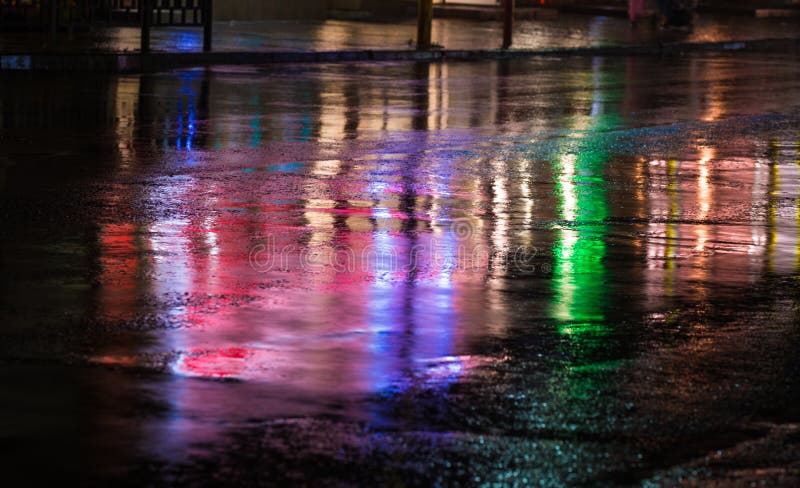
Successfully capturing stunning wet street reflections hinges on understanding and leveraging the ephemeral nature of rain and light. It’s not just about pointing your camera at a puddle; it’s about anticipating the perfect confluence of elements that transform ordinary streets into photographic canvases. This involves a keen eye for weather patterns, strategic location scouting, and a disciplined approach to timing.The magic of wet street photography often lies in its fleetingness.
A well-timed shot can freeze a moment where the urban landscape is reborn in shimmering, distorted forms. Mastering this aspect of photography requires patience, preparation, and an understanding of how weather and light interact to create compelling visual narratives.
Optimal Weather Conditions
The ideal conditions for shooting wet street reflections are characterized by recent rainfall and specific lighting scenarios. These conditions create the reflective surfaces and dramatic contrasts that make for compelling imagery.
- Post-Rainfall: The most opportune time is immediately after a rain shower has passed or is tapering off. This ensures the streets are sufficiently wet but not actively being bombarded by heavy rain, which can obscure reflections and make shooting difficult.
- Overcast Skies: Diffused light from overcast skies is highly beneficial. It reduces harsh shadows and provides a softer, more even illumination that allows reflections to be clearly visible without being washed out by direct sunlight.
- Dusk and Dawn: These transitional periods offer unique lighting. The low angle of the sun can create long shadows and warm, golden light that interacts beautifully with wet surfaces, producing vibrant reflections. The absence of harsh midday sun is also a significant advantage.
- Nighttime with Artificial Light: Streetlights, neon signs, and vehicle headlights create dynamic and colorful reflections at night. The contrast between the dark sky and the illuminated streets can lead to dramatic and moody compositions.
Predicting and Preparing for Rain Showers
Anticipating rain is crucial for being in the right place at the right time. Utilizing weather forecasts and understanding local weather patterns can significantly increase your chances of capturing the perfect wet street scene.A proactive approach to weather prediction allows photographers to plan their outings effectively, ensuring they are equipped and ready when the conditions are most favorable. This preparedness minimizes missed opportunities and maximizes creative potential.
- Utilize Weather Apps and Websites: Reliable weather forecasting services provide detailed information on precipitation probability, timing, and intensity. Apps like AccuWeather, The Weather Channel, and local meteorological sites are invaluable resources. Pay attention to hourly forecasts to pinpoint potential shower times.
- Monitor Radar: Live radar maps on weather apps or websites are excellent for tracking approaching rain cells. This allows for real-time adjustments to your plans, enabling you to move to a shooting location as the rain begins.
- Understand Local Microclimates: Some regions have predictable weather patterns, such as afternoon thunderstorms or coastal fog. Familiarize yourself with your local climate to better anticipate when wet conditions are likely to occur.
- Prepare Your Gear in Advance: Ensure your camera bag is waterproof or contains a rain cover. Have lens cloths readily accessible to wipe away water droplets. Fully charged batteries and empty memory cards are essential, as you won’t want to miss a moment due to technical issues.
Finding Suitable Locations with Interesting Elements
The success of a wet street reflection photograph depends not only on the water but also on what is being reflected. Seeking out locations with visually engaging elements will elevate your images from simple puddles to compelling compositions.The urban environment offers a wealth of opportunities for reflection photography. By carefully selecting your shooting spot, you can incorporate architectural details, colorful signage, or dynamic street life into your reflections.
- Urban Centers with Diverse Architecture: Downtown areas often feature a mix of modern and historical buildings, offering a variety of shapes, lines, and textures to reflect. Look for buildings with interesting facades, windows, or illuminated signs.
- Areas with Vibrant Signage: Streets lined with neon signs, colorful shop fronts, or illuminated advertisements provide excellent opportunities for abstract and colorful reflections. The interplay of light and color can create captivating visual effects.
- Bridges and Underpasses: These locations often have interesting structural elements and can offer unique perspectives on reflections, especially when illuminated by streetlights or passing traffic.
- Areas with Consistent Puddles or Standing Water: After rain, certain areas naturally retain water due to drainage patterns. Identifying these spots beforehand can save you time and ensure you have a good reflective surface.
- Consider Pedestrian and Vehicle Traffic: The movement of people and vehicles can add a dynamic element to your shots, creating streaks of light or blurred figures within the reflections. However, be mindful of safety and avoid obstructing traffic.
The Importance of Timing for Specific Light or Atmospheric Conditions
Timing is paramount in capturing the most impactful wet street reflections. The way light interacts with wet surfaces changes dramatically throughout the day and under different atmospheric conditions, influencing the mood and aesthetic of your photographs.Understanding these temporal nuances allows you to plan your shoots to coincide with the most visually rewarding moments, transforming ordinary scenes into extraordinary images.
- Golden Hour: The period shortly after sunrise and before sunset offers warm, soft light that can create beautiful hues in reflections. The long shadows cast during this time also add depth and dimension.
- Blue Hour: This is the period just after sunset or before sunrise when the sun is below the horizon, but the sky still retains a deep blue or violet color. This creates a dramatic backdrop for illuminated city lights reflected on the wet streets.
- During a Passing Shower: Capturing the moment when rain is still falling lightly, but the sun is beginning to break through the clouds, can result in dramatic backlighting and a shimmering effect on the water.
- After Dark with Streetlights: Nighttime offers the opportunity to photograph the vibrant reflections of artificial lights. The contrast between dark streets and illuminated elements can create moody and atmospheric images.
Workflow for Scouting and Shooting During Opportune Moments
A structured workflow for scouting and shooting wet street reflections ensures that you are prepared and can efficiently capitalize on fleeting opportunities. This process involves planning, observation, and decisive action.By establishing a routine for scouting and shooting, you can consistently produce compelling images, even in unpredictable weather conditions.
- Pre-Scouting and Location Identification: Before any rain is in the forecast, explore potential locations. Identify areas with good reflective potential, interesting elements, and safe shooting environments. Note down promising spots and their characteristics.
- Weather Monitoring and Planning: Keep a close eye on weather forecasts. When rain is predicted, cross-reference it with your pre-scouted locations. Decide which locations would be best suited for the anticipated conditions (e.g., nighttime for neon signs, overcast for architectural details).
- Gear Preparation: Ensure all your camera gear, including rain protection, cleaning supplies, and batteries, is ready to go. Pack light enough to move quickly if needed.
- On-Location Scouting During Rain: Once rain begins or has recently passed, head to your chosen locations. Observe how the light is interacting with the wet surfaces and reassess your initial scouting notes. Look for new compositions that emerge due to the wetness.
- Timing and Compositional Adjustments: Be patient and wait for the right light or atmospheric conditions. Experiment with different angles and compositions as the light changes or as people and vehicles move through the scene.
- Review and Refine: After the shoot, review your images. Note what worked well and what could be improved for future shoots. This feedback loop is crucial for developing your skills.
Post-Processing Enhancements for Reflections
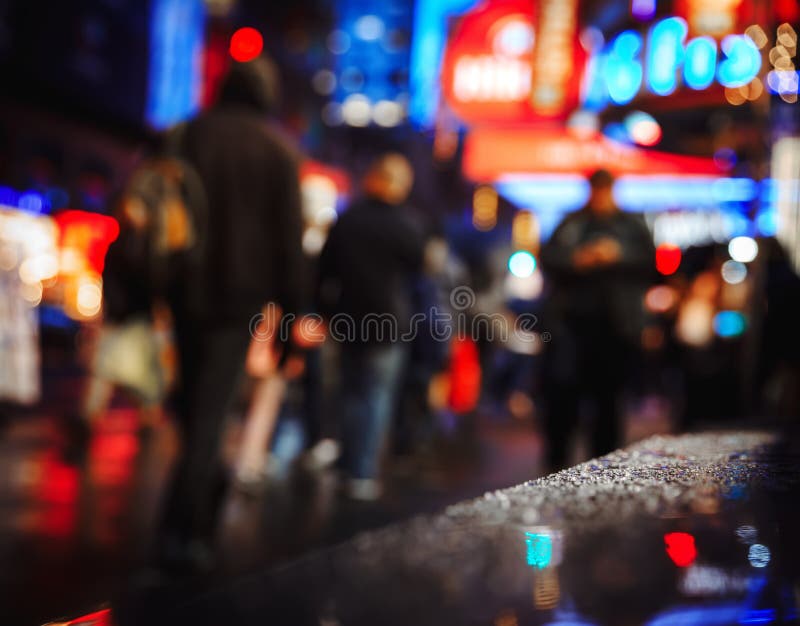
Once you’ve captured your shot, post-processing is your secret weapon to elevate those wet street reflections from good to absolutely stunning. This stage allows you to refine details, enhance the mood, and ensure your vision is fully realized. It’s where the magic truly happens, transforming a well-composed photograph into a captivating piece of art.The digital darkroom offers a powerful suite of tools to bring out the best in your reflection photography.
By carefully applying adjustments, you can enhance clarity, boost the vibrancy of colors, and create a more dramatic and impactful image. This section will guide you through the essential techniques to achieve professional-looking results.
Reflection Clarity and Detail Enhancement
Improving the clarity of reflections is paramount for impactful wet street photography. Often, reflections can appear muted or lost in the overall scene. Strategic adjustments can bring them forward, making them a dominant and compelling element of your image.
- Exposure Adjustments: Carefully controlling the overall brightness of the image is the first step. Sometimes, reflections can be darker than the surrounding elements. Slightly lifting the exposure in shadowed areas or using graduated filters can reveal more detail within the reflection.
- Highlight and Shadow Recovery: Utilize the highlight and shadow sliders to recover lost detail. If the brightest parts of the reflection are blown out, bring down the highlights. Conversely, if the darker parts are too deep, lift the shadows to expose more information.
- Clarity and Dehaze: These sliders are incredibly effective for making reflections pop. The ‘Clarity’ slider increases local contrast, adding definition to edges and textures within the reflection. The ‘Dehaze’ slider, as the name suggests, removes atmospheric haze, which can also make reflections appear sharper and more defined, especially in misty or rainy conditions. Be cautious with these, as overdoing them can lead to an unnatural, crunchy look.
Color Correction and Contrast Enhancement
Color and contrast are the emotional drivers of your photographs. For wet street reflections, they play a crucial role in conveying the mood and atmosphere of the scene. Correcting color casts and enhancing contrast can transform a flat image into one with depth and vibrancy.
- White Balance: Ensure the colors in your image are accurate by setting the correct white balance. Streetlights and neon signs can cast strong color casts. Use the white balance tool to neutralize these or intentionally warm/cool the image to enhance the mood. For instance, a cooler tone might emphasize a moody, rainy evening, while a warmer tone could highlight the glow of city lights.
- Vibrance and Saturation: Vibrance is a more intelligent saturation adjustment that targets less saturated colors, preventing skin tones from becoming overly garish while boosting the intensity of other colors. Saturation increases the intensity of all colors equally. Use them judiciously to bring out the rich hues of wet pavement and artificial lights without making the image look artificial.
- Contrast Adjustment: Increasing the overall contrast can make the lights and their reflections more distinct. The ‘Contrast’ slider in most editing software increases the difference between the light and dark areas. Alternatively, the ‘Tone Curve’ offers more precise control over contrast, allowing you to selectively adjust highlights, midtones, and shadows independently.
Sharpening and Noise Reduction
After making adjustments, it’s common for images to exhibit a slight loss of sharpness or the introduction of digital noise, especially if you’ve had to increase exposure in darker areas. These tools help to restore crispness and maintain a clean image.
- Sharpening: Apply sharpening to enhance the fine details in your reflections. Most editing software has a sharpening tool that works by increasing the contrast along edges. It’s crucial to apply this subtly. Over-sharpening can create halos around objects and an unnatural, “etched” look. Zoom in to 100% to judge the effect accurately.
Masking sharpening to only apply to the reflection or specific areas can be very effective.
- Noise Reduction: Digital noise, appearing as grainy artifacts, can be more noticeable in low-light shots or images where shadows have been significantly lightened. Noise reduction tools smooth out these grainy areas. There are typically two types: luminance noise (graininess) and color noise (colored speckles). Apply noise reduction sparingly, as excessive application can lead to a loss of fine detail and a painterly, soft appearance.
Selective Adjustments for Highlighted Details
Sometimes, a specific element within a reflection, like a particularly vibrant neon sign or a sharp silhouette, deserves special attention. Selective adjustments allow you to target these areas without affecting the rest of the image, drawing the viewer’s eye precisely where you want it.
- Local Adjustments: Tools like brushes, gradient filters, and radial filters are invaluable. A brush can be used to paint a specific amount of sharpening, contrast, or color enhancement onto a particular part of the reflection. A graduated filter can be applied from the top of the image downwards to subtly darken the sky and make the reflections below stand out more, or to add a specific color cast to the reflection area.
- Dodge and Burn: These classic darkroom techniques, now available digitally, are excellent for subtly sculpting light and shadow. ‘Dodging’ (lightening) can bring out details in darker parts of a reflection, while ‘Burning’ (darkening) can deepen shadows or add emphasis to specific areas, creating a more three-dimensional feel.
- Hue/Saturation/Luminance (HSL) Sliders: These sliders offer granular control over specific color ranges. You can selectively adjust the hue, saturation, or luminance of a particular color within the reflection. For example, if a red taillight reflection is too dull, you can use the HSL sliders to boost its saturation and luminance without affecting the blues or greens in the surrounding water.
Step-by-Step Guide for Editing a Typical Wet Street Reflection Photograph
Let’s walk through a common editing workflow for a wet street reflection photograph. Imagine a photo taken at night, with neon signs and car headlights reflecting on a wet asphalt street after a rain shower.
- Import and Initial Assessment: Load your photograph into your preferred editing software (e.g., Adobe Lightroom, Photoshop, Capture One). Take a moment to assess the image: note the overall mood, areas that are too dark or too bright, color casts, and areas that lack definition.
- Basic Adjustments (Exposure, Contrast, White Balance):
- Adjust the ‘Exposure’ slider to achieve a balanced overall brightness.
- Use ‘Highlights’ and ‘Shadows’ sliders to recover detail in the brightest and darkest areas of the reflection.
- Apply ‘Contrast’ to make the lights and their reflections more pronounced.
- Correct ‘White Balance’ to ensure natural colors or to enhance the mood (e.g., slightly cooler for a somber feel, warmer for a vibrant city night).
- Enhance Clarity and Definition:
- Apply ‘Clarity’ judiciously to add punch to the edges and textures within the reflection.
- Use ‘Dehaze’ if the image appears foggy or muted, especially if there was ambient light contributing to atmospheric effects.
- Color Refinement:
- Use ‘Vibrance’ to subtly boost the intensity of less saturated colors, making the streetlights and their reflections richer.
- If specific colors need more punch, use the ‘Saturation’ slider with caution, or delve into the HSL panel for targeted color adjustments.
- Sharpening and Noise Reduction:
- Apply ‘Sharpening’ to bring out the crispness of the reflected lights and details. Zoom in to 100% to avoid over-sharpening.
- If noise is present, particularly in darker areas, apply ‘Noise Reduction’ to smooth out the grain without sacrificing too much detail.
- Selective Adjustments (Optional but Recommended):
- If a specific neon sign reflection is particularly striking, use a brush to locally increase its ‘Contrast’ or ‘Sharpness’.
- If the sky is too bright and distracting, use a graduated filter to darken it slightly, making the reflections on the street stand out more prominently.
- Consider using the Dodge and Burn tools to subtly guide the viewer’s eye by adding or reducing brightness in specific reflection elements.
- Final Review: Zoom out to view the image as a whole. Make any final, minor tweaks to ensure a cohesive and impactful final result. Check for any artifacts or unnatural appearances introduced during editing.
Advanced Techniques and Creative Approaches
Moving beyond the foundational elements, this section delves into more sophisticated techniques and experimental approaches to elevate your wet street reflection photography. By pushing the boundaries of conventional methods, you can unlock unique artistic expressions and create truly memorable images that stand out. These advanced strategies encourage you to think outside the box and explore the full potential of your creative vision.
Long Exposure for Abstract Water Effects
Long exposure photography is a powerful tool for transforming the dynamic nature of wet streets into ethereal and abstract forms. By extending the duration of your camera’s shutter opening, you can capture the movement of water, light, and even passing vehicles in a way that blurs reality and creates painterly effects. This technique is particularly effective when the water surface is disturbed, such as from recent rain or passing traffic, as it amplifies the visual information captured over time.To achieve abstract water effects with long exposure, consider the following:
- Shutter Speed Selection: Experiment with shutter speeds ranging from a few seconds to several minutes, depending on the ambient light and the desired level of blur. Slower speeds will render water surfaces smoother, while slightly faster speeds might capture more subtle textures and patterns.
- Subject Matter: Look for scenes with flowing water, puddles, or even reflections on a slightly rippling surface. The movement of light sources, such as headlights or streetlights, will become streaks and trails, adding a sense of dynamism.
- Camera Stability: A sturdy tripod is absolutely essential for long exposures to prevent camera shake and ensure sharp details in the static elements of your composition.
- Manual Mode: Shooting in manual mode gives you complete control over aperture, shutter speed, and ISO, allowing you to fine-tune your exposure for the desired artistic outcome.
The resulting images can evoke a sense of dreaminess, motion, and a unique interpretation of the urban environment, where the familiar becomes abstract and captivating.
Low Angle Perspective for Emphasized Reflections
Shooting from a low angle dramatically alters the viewer’s perspective and significantly emphasizes the reflective qualities of wet streets. By positioning your camera close to the ground, you minimize the presence of the non-reflective sky and the upper portions of buildings, allowing the water’s surface to dominate the frame. This technique creates a powerful sense of immersion and highlights the symmetry and patterns inherent in reflections.Key considerations for using low angles effectively include:
- Ground-Level Viewpoint: Get down as low as possible, even to the point of placing your camera on the wet surface itself (with adequate protection, of course). This perspective mimics how a droplet of water might see the world.
- Symmetry and Leading Lines: Low angles often naturally reveal strong lines and symmetrical compositions within the reflections, drawing the viewer’s eye into the scene.
- Foreground Interest: Use the immediate foreground to add context or texture. Small details like discarded leaves or tire tracks can become visually interesting elements when viewed from this unique vantage point.
- Water Depth and Clarity: The effectiveness of low angles is enhanced by puddles with clear water that offer sharp and undistorted reflections.
This approach transforms ordinary streets into visually rich canvases, where the reflected world often appears as compelling, if not more so, than the reality above.
Incorporating Movement for Dynamic Scenes
Adding elements of movement, such as people or vehicles, into your wet street reflection shots injects life and narrative into your compositions. The interplay between static reflections and dynamic subjects creates a compelling contrast and can lead to visually striking and engaging photographs. The blur created by movement can be used intentionally to enhance the mood or tell a story.To effectively incorporate movement:
- Intentional Motion Blur: Use slower shutter speeds to intentionally blur passing pedestrians or vehicles. This can create streaks of light from headlights or ghostly figures, adding a sense of energy and transience to the scene.
- Freezing Action: Alternatively, use faster shutter speeds to freeze a moment of action, such as someone stepping through a puddle or a car splashing water. This captures a fleeting instant with clarity.
- Subject Interaction: Observe how people or vehicles interact with the wet environment. A person walking under an umbrella, or a car leaving a wake, can be powerful visual elements.
- Compositional Balance: Ensure that the moving elements are balanced within the frame, complementing rather than overwhelming the reflections.
The dynamic interplay between stillness and motion in wet street photography can result in images that are not only visually appealing but also tell a story about the life and activity within the urban landscape.
Creative Uses of Color Gels or External Lighting
Color gels and external lighting offer a fantastic avenue for creative experimentation, allowing you to manipulate the mood and aesthetics of your wet street reflection photographs in profound ways. By introducing artificial light sources or colored filters, you can transform ordinary scenes into surreal or dramatic compositions.Consider these creative applications:
- Colored Reflections: Place colored gels over your external light sources (e.g., a speedlight or a small LED panel) to cast colored light onto the wet street. This can create vibrant, abstract patterns and alter the perceived colors of the reflections. For example, a blue gel can create a cool, moody atmosphere, while a red gel can add warmth and intensity.
- Highlighting Textures: Use directional lighting, perhaps from a low angle with a gel, to accentuate the texture of the wet pavement or the ripples in puddles, adding depth and dimension to the scene.
- Creating Contrasts: Combine a colored light source with the existing ambient light to create interesting color contrasts and highlight specific elements within the reflection.
- Light Painting with Movement: During a long exposure, you can use a light source with a gel to “paint” light into the scene, creating unique light trails and illuminating specific areas with color.
This approach allows for a high degree of artistic control, enabling you to sculpt light and color to create truly unique and visually arresting images that go beyond simple documentation.
Experimental Approaches to Wet Street Reflection Photography
To truly push the boundaries of wet street reflection photography, embrace a spirit of experimentation. The most compelling images often arise from venturing into uncharted territory and trying novel techniques. These experimental approaches encourage you to see the familiar in new ways and discover unexpected photographic opportunities.Here are some ideas for experimental approaches:
- Multi-Exposure and Compositing: Combine multiple exposures of the same scene, perhaps capturing different lighting conditions or moving elements separately, and then composite them in post-processing to create surreal or layered reflections.
- Abstract Patterns with Water Movement: Utilize extremely long exposures in conjunction with controlled water movement (e.g., gently disturbing a puddle with your foot) to create intricate, abstract patterns that are entirely unique to the moment.
- Playing with Focus: Experiment with selective focus, intentionally blurring foreground elements or the reflections themselves to create a dreamlike or abstract effect. Consider using tilt-shift lenses for unique depth-of-field effects.
- Using Reflective Surfaces Beyond the Street: Look for opportunities to capture reflections not just on the pavement, but also on car windows, shop displays, or even the surfaces of discarded objects, integrating these into your wet street scenes.
- Integrating Sound and Visuals (Conceptual): While not directly photographic, consider how the sounds of a rainy city might influence your photographic choices. This conceptual approach can lead to images that evoke a specific auditory experience. For instance, capturing the blur of headlights might visually represent the hum of traffic.
By consistently challenging yourself to try new things and embrace unexpected outcomes, you will undoubtedly develop a distinctive and highly personal style in your wet street reflection photography.
Last Word
By mastering the interplay of light, water, and composition, you are now equipped to capture the ephemeral magic of reflections on wet streets. From understanding the science behind the shimmer to employing advanced techniques and thoughtful post-processing, this comprehensive guide empowers you to create truly stunning and memorable images. Go forth and find your unique perspective in the glistening urban landscape.