Embarking on the journey of how to photograph trees in black and white reveals a captivating world where form, texture, and emotion take center stage. This artistic approach strips away the distraction of color, allowing the inherent character of trees to shine through with profound clarity and impact.
By understanding the unique aesthetic qualities monochrome processing lends to arboreal subjects, we can begin to appreciate how contrast, intricate textures, and striking forms are amplified. This exploration delves into the evocative power of black and white tree photography, drawing inspiration from iconic works and the deep emotional resonance they hold for viewers.
Understanding the Appeal of Black and White Tree Photography

Black and white photography possesses a timeless quality, stripping away the distraction of color to reveal the fundamental essence of a subject. When applied to trees, this monochromatic approach unveils a profound beauty, highlighting their inherent structures, textures, and the stories etched into their forms. The absence of color invites the viewer to engage with the image on a deeper, more emotional level, focusing on light, shadow, and shape.The magic of black and white lies in its ability to simplify and intensify.
Without the chromatic variations that color provides, the inherent qualities of a tree – its gnarled bark, the delicate tracery of its branches, the majestic sweep of its trunk – are brought into sharp focus. This allows for a more profound appreciation of their sculptural presence against the sky or within their environment.
Emphasis on Contrast, Texture, and Form
In monochrome, the interplay of light and shadow becomes paramount, creating dramatic contrasts that define the three-dimensional quality of a tree. Textures, from the rough, weathered bark of an ancient oak to the smooth, youthful skin of a birch, are rendered with striking clarity, inviting tactile appreciation. The form of the tree, its silhouette, its growth patterns, and its relationship with negative space, are all amplified, transforming a familiar subject into a powerful graphic statement.This emphasis can be observed in several ways:
- Light and Shadow: The direction and intensity of light dictate the mood and depth of the image. Harsh sunlight can create stark, graphic shadows, while soft, diffused light can reveal subtle gradations and ethereal qualities.
- Texture Detail: Macro shots of bark can reveal intricate patterns that are often overlooked in color. The subtle variations in tone in a black and white image can make these textures leap out, conveying age and resilience.
- Line and Shape: The branching patterns of a bare winter tree, for instance, become elegant, abstract lines against a pale sky. The overall silhouette of a tree can be a powerful compositional element, defining the space it occupies.
Evocative Examples and Emotional Resonance
Many iconic black and white photographs feature trees, each evoking a unique emotional response. Consider the stark, windswept trees of Ansel Adams, often set against dramatic landscapes. These images speak of resilience, the enduring power of nature, and a profound sense of place. The solitary, silhouetted trees captured by photographers like Sebastião Salgado can evoke feelings of isolation, contemplation, and the quiet dignity of existence.The emotional impact of seeing trees rendered without color is multifaceted:
- Timelessness: Monochrome photography often lends a sense of permanence and historical weight, making the tree appear as an enduring, almost eternal entity.
- Universality: By removing color, the specific context of a season or geographical location can be softened, allowing the viewer to connect with the universal archetype of a tree.
- Introspection: The quietude of a black and white image can encourage introspection, inviting the viewer to contemplate the tree’s journey, its silent witness to time, and its connection to the natural world.
- Drama and Mystery: The manipulation of contrast can introduce a sense of drama, highlighting the powerful forms and creating an atmosphere of mystery or awe.
Essential Camera Settings for Monochrome Tree Shots

Transitioning to black and white photography for trees allows us to focus on form, texture, and light, stripping away the distractions of color. Achieving compelling monochrome images requires a thoughtful approach to your camera’s settings, ensuring that each element of the scene is rendered with clarity and impact. This section will guide you through the optimal camera settings to elevate your tree photography in black and white.Understanding how aperture, shutter speed, ISO, metering, and white balance interact is crucial for translating the visual drama of trees into striking monochrome photographs.
By mastering these settings, you can effectively control the look and feel of your images, from sharp, detailed studies to ethereal, atmospheric portraits.
Optimal Aperture Settings for Depth of Field
Aperture plays a pivotal role in controlling the depth of field, which dictates how much of your tree and its surroundings are in sharp focus. For tree portraits, the desired depth of field can vary significantly depending on your artistic intent.
- Wide Apertures (e.g., f/1.8 – f/4): These settings create a shallow depth of field, isolating the tree from its background. This is ideal for emphasizing a single, striking tree or a specific branch, rendering the background beautifully blurred (bokeh). This technique draws the viewer’s eye directly to the subject.
- Moderate Apertures (e.g., f/5.6 – f/11): These apertures offer a balance, keeping the main subject sharp while allowing for a pleasing, though less pronounced, background blur. This is often a good starting point for capturing the texture of the bark and the overall form of the tree without completely losing the context of its environment.
- Narrow Apertures (e.g., f/16 and smaller): These settings produce a deep depth of field, ensuring that both the foreground and background elements are in sharp focus. This is excellent for grand landscapes where the tree is part of a larger scene, or when you want to showcase the intricate details of the entire tree, from its roots to its highest branches, along with the surrounding environment.
When shooting in black and white, the interplay of light and shadow becomes paramount. A shallow depth of field can be used to simplify the scene, focusing attention on the tonal gradations of the tree itself. Conversely, a deep depth of field can emphasize the patterns created by branches against the sky or the textures of the ground around the tree.
Shutter Speed Considerations for Tree Movement
Shutter speed is your tool for managing motion, whether it’s the dynamic dance of leaves in the wind or the steadfast stillness of an ancient trunk. Choosing the right shutter speed will significantly influence the mood and visual impact of your monochrome tree photographs.
- Fast Shutter Speeds (e.g., 1/250 sec and faster): These speeds are essential for freezing motion. If you are photographing a tree on a windy day and want to capture individual leaves or branches sharp and defined, a fast shutter speed will prevent motion blur. This is also useful for capturing the sharp details of a tree against a bright sky.
- Slow Shutter Speeds (e.g., 1/30 sec to several seconds): These speeds are used to intentionally introduce motion blur. For example, a slow shutter speed can transform wind-blown leaves into soft streaks of light and shadow, creating an ethereal or painterly effect. This can also be used to smooth out turbulent water in a stream flowing past a tree, adding a sense of tranquility.
- Very Slow Shutter Speeds (e.g., 30 seconds or longer, often with an ND filter): These extreme speeds are typically employed for long exposures. This can be used to capture the movement of clouds behind a silhouetted tree, creating dramatic streaks, or to capture the subtle movement of foliage over a long period, resulting in a soft, dreamlike quality.
The choice between capturing stillness and embracing motion depends entirely on the story you wish to tell. A sharp, frozen branch might convey strength and resilience, while blurred foliage could evoke a sense of fleeting beauty or the passage of time.
The Role of ISO in Managing Noise
ISO determines your camera’s sensitivity to light. In black and white photography, where tonal range and detail are critical, managing noise (grain) is particularly important. The goal is to achieve a clean image with smooth gradations, though sometimes a controlled amount of grain can add to the aesthetic.
- Low ISO (e.g., ISO 100-400): This is the ideal range for most shooting conditions, especially when good light is available. Low ISO settings produce the cleanest images with the least amount of noise, preserving fine details and smooth tonal transitions. For sharp, detailed monochrome tree portraits, always aim for the lowest possible ISO.
- Medium ISO (e.g., ISO 800-1600): As light levels decrease, you may need to increase your ISO. While modern cameras handle these sensitivities well, you will start to see an increase in digital noise. This can sometimes be acceptable, especially if it contributes to the mood or texture of the image, but it’s generally best to avoid if possible.
- High ISO (e.g., ISO 3200 and above): These settings are reserved for very low light situations where a fast shutter speed or wide aperture is necessary, and you cannot achieve a proper exposure otherwise. At these sensitivities, noise becomes very apparent and can significantly degrade image quality, making fine details muddy and introducing color artifacts (even in monochrome).
When shooting in black and white, the appearance of noise can be different than in color. It often manifests as a more uniform grain, which can sometimes be artistically pleasing, reminiscent of traditional film photography. However, for a clean, modern look, minimizing noise through a low ISO is paramount. If you do need to shoot at a higher ISO, consider using noise reduction software in post-processing.
Recommended Metering Modes for Diverse Tree Lighting Scenarios
Metering modes tell your camera how to measure the light in a scene to determine the correct exposure. Different lighting conditions around trees require different metering approaches to ensure you capture the full range of tones without losing detail in the highlights or shadows.
Understanding the light falling on your tree subject is key to selecting the appropriate metering mode:
- Matrix/Evaluative Metering: This is the most common and often the default mode. The camera analyzes the entire scene, taking into account various factors to calculate an overall exposure. It works well in evenly lit conditions or when the tree occupies a balanced portion of the frame. However, it can be fooled by strong backlighting or very dark/light backgrounds.
- Center-Weighted Metering: This mode prioritizes the light in the center of the frame, giving it more importance than the edges. It’s a good choice when your tree is the primary subject and is centrally located, and you want to avoid the influence of potentially very bright or dark skies or foregrounds.
- Spot Metering: This is the most precise mode, measuring the light from a very small area of the scene (often a single point). This is invaluable for tricky lighting situations. For example, you can meter off a mid-tone area of the tree’s bark to ensure it’s correctly exposed, or meter off the sky if you want to preserve its detail. When shooting trees, spot metering off the bark or a mid-tone leaf can be highly effective in controlling exposure for the subject itself.
In black and white, the way light falls on a tree creates its form and texture. Using spot metering on a highlight or shadow area can intentionally blow out or crush those tones, respectively, to create a more dramatic effect. For a balanced exposure that captures the subtle gradations of bark and foliage, matrix or center-weighted metering might be sufficient.
Setting White Balance for Black and White Capture
While white balance is primarily concerned with color temperature, its role in black and white photography is more nuanced. When your camera is set to shoot in monochrome, the white balance setting essentially dictates how the camera interprets and translates different colors into shades of gray.
Although you are shooting in black and white, it is still beneficial to set an appropriate white balance, especially if you are shooting in RAW format. This is because the white balance setting is embedded in the RAW file and can influence the preview on your camera’s LCD screen, as well as how the image is initially interpreted by editing software.
- Auto White Balance (AWB): For general shooting, AWB can often provide a good starting point, even in monochrome. The camera attempts to neutralize color casts, which can translate to a more neutral gray scale.
- Specific Presets (Daylight, Cloudy, Shade, Tungsten, etc.): Selecting a preset that accurately reflects the lighting conditions can help the camera make more informed decisions about how to render tones. For example, using the “Cloudy” preset might add a slight warmth to the grays, which can sometimes enhance texture. Conversely, “Shade” might introduce a cooler tone.
- Custom White Balance: For the most control, you can set a custom white balance using a gray card. This ensures a neutral starting point for your grayscale conversion.
- Shooting in RAW: The most flexible approach for black and white tree photography is to shoot in RAW format. In this case, the white balance setting is non-destructive. You can adjust it precisely in post-processing without any loss of image quality, allowing you to experiment with different tonal interpretations of the scene. When converting to black and white, you can then choose how each original color channel is translated into gray, offering immense creative control.
In essence, even when shooting monochrome, the underlying color information is still being processed. By thoughtfully setting or adjusting white balance, you are influencing the initial grayscale conversion, which can lead to more pleasing tonal variations and a stronger visual impact in your final black and white tree images.
Mastering Light and Shadow for Dramatic Tree Compositions
The interplay of light and shadow is paramount in transforming a simple tree photograph into a compelling black and white masterpiece. In monochrome, these elements become the primary tools for sculpting form, conveying texture, and evoking mood. Understanding how light behaves and how to harness its effects is key to unlocking the dramatic potential of trees in your compositions.Light is not merely illumination; it is the very essence that defines shapes and reveals details.
In black and white photography, the absence of color forces us to focus on tonal gradations, contrast, and the inherent structure of the subject. This is where light and shadow play their most crucial roles, allowing us to emphasize the rugged bark, the delicate branches, or the majestic silhouette of a tree against the sky.
Impact of Different Light Sources on Tree Textures
The quality and direction of light dramatically influence how tree textures are rendered in black and white. Each lighting condition offers unique opportunities to highlight different aspects of a tree’s character.
- Golden Hour Light: During sunrise and sunset, the low-angled, warm light casts long shadows and creates a soft, diffused illumination. This light is excellent for revealing the subtle textures of bark and foliage, creating a gentle, ethereal mood. The elongated shadows can add depth and dimension, making the tree appear more sculptural.
- Overcast Light: On a cloudy day, the light is soft and even, with minimal harsh shadows. This diffused light is ideal for capturing fine details and smooth tonal transitions. It minimizes contrast, allowing for a more nuanced representation of bark patterns and the delicate structure of branches, making it perfect for detailed studies of texture.
- Harsh Midday Light: Direct sunlight at midday creates strong contrasts between bright highlights and deep shadows. While this can be challenging, it can also be used to emphasize the ruggedness and strength of a tree. The deep shadows can abstract the form, creating dramatic shapes and highlighting the tree’s silhouette against a bright sky.
Using Shadows to Define Shape and Volume
Shadows are not just the absence of light; they are active elements that define the three-dimensional form of a tree. In black and white, shadows are crucial for giving a tree a sense of weight, volume, and presence within the frame.Shadows can be used to:
- Sculpt Form: By strategically placing the camera to capture shadows falling across the trunk and branches, you can emphasize their curves, angles, and contours, giving them a rounded or angular appearance depending on the light’s direction.
- Create Depth: Shadows cast by the tree onto the ground or surrounding elements create a sense of space and distance, making the composition feel more layered and immersive.
- Emphasize Texture: The way light falls on rough bark, casting small, intricate shadows, can dramatically enhance the perceived texture, making it appear more tactile and detailed.
Strategies for Finding and Utilizing Natural Light
Effectively using natural light requires observation and an understanding of its behavior throughout the day and in different weather conditions. The goal is to find light that best serves your artistic vision for the tree.Consider these strategies:
- Observe the Light’s Direction: Pay attention to where the sun is in the sky and how its angle affects the tree. Side lighting often creates the most dramatic contrast and reveals texture, while front lighting can flatten the subject.
- Embrace the Weather: Don’t shy away from challenging weather. Overcast days offer soft light for detail, while stormy skies can add drama. Fog can create atmospheric, moody scenes.
- Look for Reflected Light: Light bouncing off surfaces like snow, water, or even light-colored walls can provide a softer, more diffused illumination that can be beneficial for capturing subtle details.
- Work with the Time of Day: Plan your shoots around the golden hours for soft, directional light, or consider the crispness of midday light for high-contrast images, understanding the trade-offs for each.
Principles for Composing with Light and Shadow
When composing your black and white tree photographs, think of light and shadow as your primary compositional tools. They guide the viewer’s eye and contribute significantly to the overall mood and impact of the image.Adhere to these principles:
- Seek Contrast: Look for scenes where light and shadow create strong tonal differences. This contrast will make your subject pop and add visual interest.
- Define Edges: Use the sharp edges of shadows to delineate the Artikel of the tree or its branches, helping them stand out against the background.
- Create a Focal Point: Use highlights and shadows to draw attention to the most interesting parts of the tree, such as a gnarled root system or a uniquely shaped branch.
- Embrace Simplicity: Sometimes, the most powerful compositions are the simplest. A single tree against a strong tonal background, defined by dramatic light and shadow, can be incredibly effective.
- Consider the Mood: Soft, diffused light and gentle shadows create a serene mood, while harsh light and deep shadows can evoke drama, mystery, or strength.
Backlighting for Ethereal Silhouettes
Backlighting, where the light source is behind the subject, is a powerful technique for creating striking silhouettes and adding an ethereal quality to tree photography. When the tree is placed between the camera and a bright light source, such as the setting sun, its form is rendered as a dark shape against a luminous background.In black and white, this technique is particularly effective because:
- It Emphasizes Form: The absence of detail within the silhouette forces the viewer to focus on the tree’s Artikel and overall shape, highlighting its unique structure and grandeur.
- It Creates a Dramatic Contrast: The stark difference between the dark tree and the bright sky or background creates a powerful visual impact.
- It Evokes a Sense of Mystery: Silhouettes can lend an air of mystery and introspection to an image, inviting the viewer to imagine the details that are not visible.
- It Highlights the Sky: The bright background becomes an integral part of the composition, often filled with interesting tonal variations from the light source.
When shooting silhouettes, ensure that the exposure is set for the bright background, allowing the tree to fall into complete shadow. This technique is especially effective with distinct tree shapes, such as bare winter branches or the spreading canopy of an ancient oak.
Compositional Techniques for Captivating Tree Images
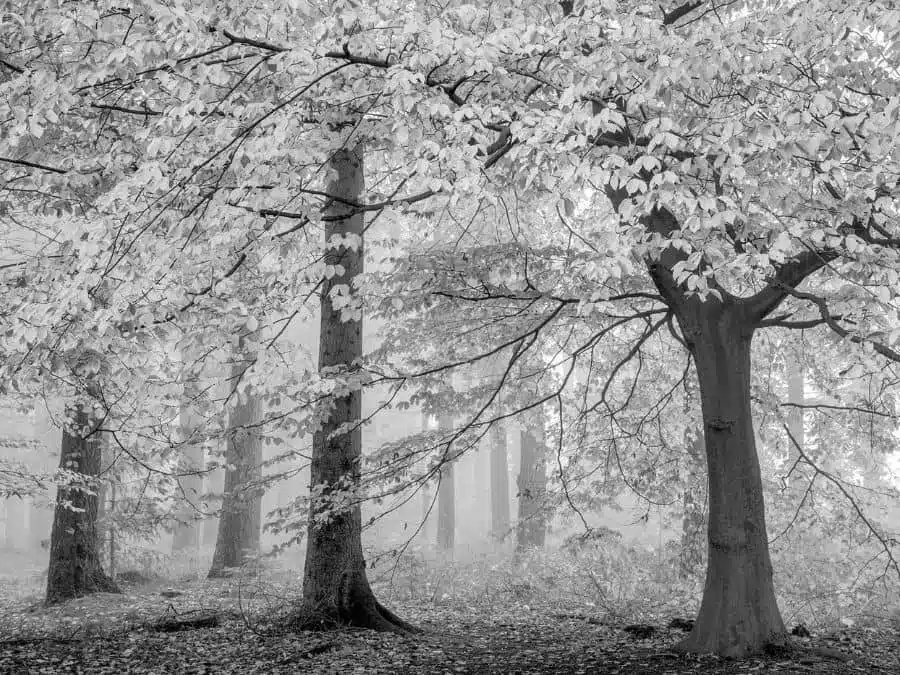
Beyond understanding the technical aspects of your camera, the art of composing a striking black and white tree photograph lies in how you frame your subject and guide the viewer’s eye. This section delves into proven compositional techniques that elevate your tree imagery from simple snapshots to compelling visual narratives. By thoughtfully applying these principles, you can transform ordinary trees into extraordinary subjects.
Exploring Different Tree Subjects and Environments
Black and white photography offers a unique lens through which to view the diverse world of trees, stripping away color to reveal form, texture, and emotion. By focusing on different subjects and environments, you can unlock a wealth of visual storytelling opportunities. This section will guide you through various approaches to capturing the essence of trees in monochrome, from solitary giants to sprawling forests and across the changing seasons.The world of trees is vast and varied, each species and location presenting its own set of photographic challenges and rewards.
Understanding how to adapt your techniques to different subjects and environments will significantly enhance your black and white tree photography portfolio.
Photographing Individual, Majestic Trees
Capturing a solitary, grand tree in black and white is an exercise in celebrating its form and presence. The absence of color allows the viewer to focus on the tree’s silhouette, its relationship with the sky, and the intricate details of its structure.When photographing a single, majestic tree, consider its context within the landscape. Is it standing alone in an open field, or is it silhouetted against a dramatic sky?
The composition will heavily rely on the surrounding environment and the light. For instance, a lone oak on a hill can be powerfully rendered with a low-angle shot that emphasizes its gnarled branches reaching towards the heavens, especially during a dramatic sunset or sunrise where the light sculpts its form.
Capturing Patterns and Repetition in Forests
Forests, with their multitude of trees, offer a different kind of photographic opportunity – one that explores rhythm, repetition, and the interplay of light and shadow. Black and white is particularly effective at highlighting the geometric patterns and abstract qualities found within a dense woodland.To effectively capture the patterns and repetition of trees in a forest, look for leading lines created by tree trunks or branches.
The visual rhythm of closely spaced trees can create a sense of depth and enclosure.
- Leading Lines: Use the natural lines of tree trunks receding into the distance to guide the viewer’s eye through the image.
- Repetition and Rhythm: Focus on the consistent spacing and verticality of trees to create a hypnotic, rhythmic effect.
- Light Shafts: Capture the dramatic effect of sunlight filtering through the canopy, creating ethereal shafts of light that illuminate certain areas and cast others into deep shadow. This contrast is amplified in monochrome.
- Abstract Forms: Step back and look for abstract patterns formed by the overlapping branches and trunks, treating the forest as a textured canvas.
Photographing Trees in Various Seasons
The changing seasons offer a dynamic palette for black and white tree photography, transforming familiar subjects into entirely new visual experiences. Each season presents unique opportunities to showcase the character of trees.Photographing trees through the seasons allows for a compelling narrative of time and change. The stark beauty of winter, the delicate emergence of spring, the lushness of summer, and the fiery hues of autumn all translate remarkably well into monochrome.
- Spring Blossoms: While color is often associated with spring blooms, black and white can emphasize the delicate forms and textures of blossoms and new leaves against darker branches or skies. The contrast between soft petals and strong branch structure can be striking.
- Autumn Foliage: The vibrant colors of autumn leaves are lost in black and white, but their shapes, textures, and the way they catch the light can create stunning abstract compositions. Focus on the intricate veins of a single leaf or the mass of fallen leaves on the forest floor.
- Summer Greenery: In summer, the challenge is to avoid flat, uniform green. Look for dappled light, interesting leaf textures, and the contrast between the dense canopy and the open sky.
- Winter Bare Branches: Winter is a prime season for black and white tree photography. The bare branches create intricate, graphic patterns against the sky, and the starkness of the landscape emphasizes form and structure. Snow can add a beautiful textural element and simplify the scene.
Challenges and Rewards of Photographing Trees in Coastal or Desert Environments
Coastal and desert trees, often shaped by harsh conditions, possess a unique resilience and character that can be powerfully conveyed in black and white. These environments present specific challenges but also yield exceptionally rewarding images.The starkness and resilience of trees in coastal and desert landscapes lend themselves beautifully to monochrome. Their forms are often sculpted by the elements, creating dramatic and compelling subjects.
- Coastal Trees: Trees exposed to salt spray and strong winds often develop twisted, dramatic shapes. Photographing them against a turbulent sea or a vast sky can create powerful, emotive images. The texture of weathered wood and the silhouette against the horizon are key elements.
- Desert Trees: Desert trees, like Joshua trees or ancient junipers, are survivors. Their resilience is evident in their gnarled forms and their struggle for existence in arid landscapes. The textures of dry bark and sparse foliage, set against the vast, empty desert, can be incredibly poignant. The interplay of light and shadow on their sculptural shapes is paramount.
Portraying Textures of Bark and Leaves in Monochrome
Texture is a fundamental element in black and white photography, and trees offer an extraordinary range of tactile surfaces to explore. The detailed rendering of bark and leaves can bring a sense of depth and realism to your images.The tactile qualities of trees are often best appreciated in black and white, where variations in tone and shadow reveal intricate details.
Focusing on texture transforms a simple tree into a subject of profound visual interest.
- Bark Texture: Examine the bark of different trees. Is it rough and deeply fissured, smooth and peeling, or patterned with lichen? Use close-up shots and directional lighting to highlight these variations. A macro lens can be invaluable for capturing the minute details of bark.
- Leaf Texture: Even individual leaves can be compelling subjects. Focus on the veins, the edges, and the way light passes through them. Fallen leaves, with their varied shapes and textures, can create abstract patterns on the ground. Consider photographing leaves after rain, when water droplets accentuate their surfaces.
Post-Processing Techniques for Black and White Tree Photos
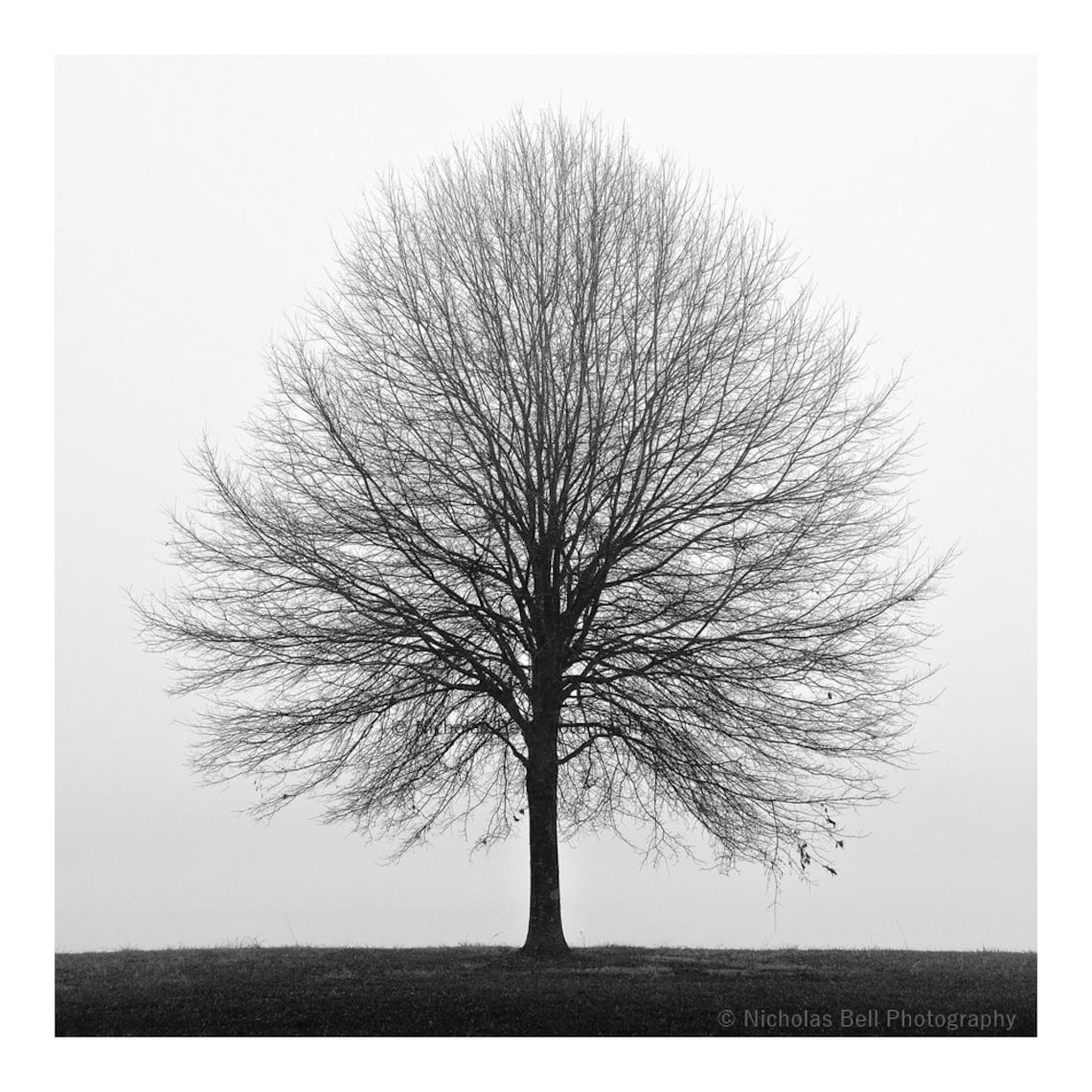
The journey of capturing stunning black and white tree photographs doesn’t conclude when you press the shutter. Post-processing is where the true magic happens, allowing you to refine your vision and imbue your images with mood, depth, and impact. This crucial stage involves transforming your color captures into compelling monochrome art, highlighting the unique textures, forms, and light that define your arboreal subjects.This section will guide you through the essential post-processing techniques that elevate your black and white tree photography from good to exceptional.
We’ll explore the foundational steps of conversion, the art of manipulating light and shadow, and the nuanced adjustments that bring your images to life.
Fundamental Steps of Converting Color Images to Black and White
Converting a color image to black and white is more than simply desaturating it. Effective conversion involves understanding how different color channels contribute to the final monochrome tonality. This allows for greater control and the ability to emphasize specific elements within the scene.A common and effective workflow for conversion involves several key steps, often performed within photo editing software like Adobe Lightroom or Photoshop.
- Initial Desaturation: The first step is to remove all color information. This is typically achieved by setting the saturation slider to zero or using a dedicated black and white conversion tool.
- Channel Mixer/Black & White Conversion Tools: Most software offers advanced tools that allow you to control how individual color channels (red, green, blue, etc.) are translated into shades of gray. By adjusting these sliders, you can lighten or darken specific colors, which dramatically affects the final monochrome appearance. For example, increasing the red slider can lighten skin tones or warm-toned bark, while increasing the blue slider can darken skies or add depth to shadows.
- Grayscale Conversion Presets: Many editing programs provide pre-set black and white conversion profiles that simulate different film types or artistic styles. These can serve as excellent starting points for your adjustments.
Adjusting Contrast and Clarity to Enhance Tree Details
Contrast and clarity are the cornerstones of impactful black and white photography, especially when photographing trees. They are the tools that define edges, reveal textures, and create a sense of three-dimensionality.Properly adjusting these settings can transform a flat image into one with vibrant depth and intricate detail.
- Contrast: This refers to the difference between the lightest and darkest areas of an image. Increasing contrast makes the blacks blacker and the whites whiter, leading to a more dramatic and punchy image. Decreasing contrast results in a softer, more subdued look. For trees, judiciously increasing contrast can highlight the ruggedness of bark, the sharpness of branches, and the separation between the tree and its background.
- Clarity: Clarity increases the local contrast within an image, making details appear sharper and more defined. It’s particularly effective for bringing out the fine textures of bark, the veins in leaves, or the intricate patterns of branches. Overuse of clarity can lead to an unnatural, “crunchy” look, so it should be applied with restraint.
- Highlight and Shadow Adjustments: Alongside overall contrast, manipulating highlights and shadows independently offers finer control. Recovering detail in blown-out highlights or lifting dark, muddy shadows can reveal crucial information and prevent the loss of important tonal information.
“Contrast is the soul of monochrome. Without it, your image will lack punch and presence.”
Methods for Using Dodging and Burning to Sculpt Light and Shadow on Trees
Dodging and burning are traditional darkroom techniques that have been expertly translated into digital editing. They allow for localized adjustments to exposure, enabling you to selectively lighten (dodge) or darken (burn) specific areas of your image. This is incredibly powerful for guiding the viewer’s eye and creating dramatic lighting effects on trees.By carefully applying these tools, you can mimic the effect of natural light, adding dimension and drama to your compositions.
- Dodging: This process lightens specific areas. In tree photography, you might dodge the highlights on the trunk to make it appear more illuminated, or dodge areas of foliage to create a sense of light filtering through the canopy.
- Burning: This process darkens specific areas. Burning can be used to deepen shadows within the tree, create vignettes to draw attention to the subject, or darken the background to make the tree stand out more prominently.
- Application: In digital editing software, dodging and burning are typically achieved using brush tools with adjustable opacity and flow. It’s essential to use soft-edged brushes and subtle, gradual adjustments to avoid creating obvious halos or unnatural transitions. Imagine you are painting with light and shadow directly onto the tree.
Organizing a Workflow for Selectively Sharpening Tree Textures
Sharpening is a critical step that can bring out the intricate details of a tree, from the rough texture of its bark to the delicate veins of its leaves. However, indiscriminate sharpening can introduce unwanted artifacts and halos. A structured workflow ensures that sharpening is applied effectively and selectively.A well-defined sharpening workflow ensures that textures are enhanced without introducing digital noise or artificial halos.
- Global Sharpening: Begin with a moderate amount of global sharpening to enhance overall image crispness. This provides a good baseline for detail.
- Masking for Selective Sharpening: Most editing software allows you to mask sharpening, meaning you can apply it only to specific areas. This is crucial for trees. Use the masking tools to apply stronger sharpening to areas with prominent textures like bark, branches, and rough foliage. Avoid sharpening smooth areas like skies or distant backgrounds, as this can accentuate noise or create halos.
- Radius and Detail Sliders: Experiment with the ‘Radius’ and ‘Detail’ sliders in your sharpening tools. A smaller radius with higher detail is often best for fine textures, while a larger radius can be used for more general crispness.
- Noise Reduction Consideration: Ensure that any noise reduction applied does not overly smooth out textures before sharpening. There’s a delicate balance between noise reduction and detail preservation.
Creating a Guide for Adjusting Tonal Range to Achieve a Desired Mood
The tonal range of a black and white image – the distribution of lights, mid-tones, and darks – profoundly influences its mood and emotional impact. Adjusting this range allows you to convey feelings of drama, serenity, mystery, or joy.Understanding and manipulating the tonal range is key to communicating the specific emotion you wish to evoke with your tree photograph.
- High Key: Characterized by predominantly light tones with minimal darks. This creates a bright, airy, and often serene or ethereal mood. Imagine a delicate birch tree against a bright, overcast sky.
- Low Key: Dominated by dark tones with limited highlights. This results in a dramatic, moody, and often mysterious or somber atmosphere. Think of a gnarled oak tree silhouetted against a dark sky or emerging from deep shadow.
- S-Curve Adjustment: A classic way to adjust tonal range is by using the “S-curve” in the tone curve editor. This involves slightly darkening the shadows, lightening the highlights, and perhaps slightly darkening the mid-tones to increase contrast, or vice versa for a softer look.
- Histogram Analysis: Regularly refer to your image’s histogram. This visual representation of tonal distribution helps you identify clipped highlights (too much white) or crushed blacks (too much black) and guides your adjustments to ensure a full and balanced tonal range.
Demonstrating How to Use Split Toning to Add Subtle Color or Warmth
While the goal is black and white, split toning offers a sophisticated way to introduce subtle color casts to the highlights and shadows, adding a unique character and warmth or coolness to the image without overwhelming the monochrome aesthetic.Split toning can add a refined artistic touch, enhancing the mood and visual appeal of your black and white tree photographs.
- Understanding Split Toning: This technique involves applying different color hues and saturation levels to the highlight and shadow areas of an image separately.
- Adding Warmth: To create a warm, inviting feel, you might add subtle sepia or golden tones to the highlights and a slightly cooler brown to the shadows. This can evoke a sense of nostalgia or a late afternoon sunlit forest.
- Adding Coolness: For a more dramatic or moody effect, you could introduce cool blue or cyan tones to the shadows and perhaps a very subtle, desaturated purple to the highlights. This can create a feeling of depth, mystery, or a crisp winter day.
- Subtlety is Key: The power of split toning lies in its subtlety. The colors should be barely perceptible, adding a hint of color rather than a distinct hue. Overdoing split toning can detract from the monochrome nature of the image. Experiment with very low saturation and carefully chosen hues.
Lens and Filter Considerations for Tree Photography
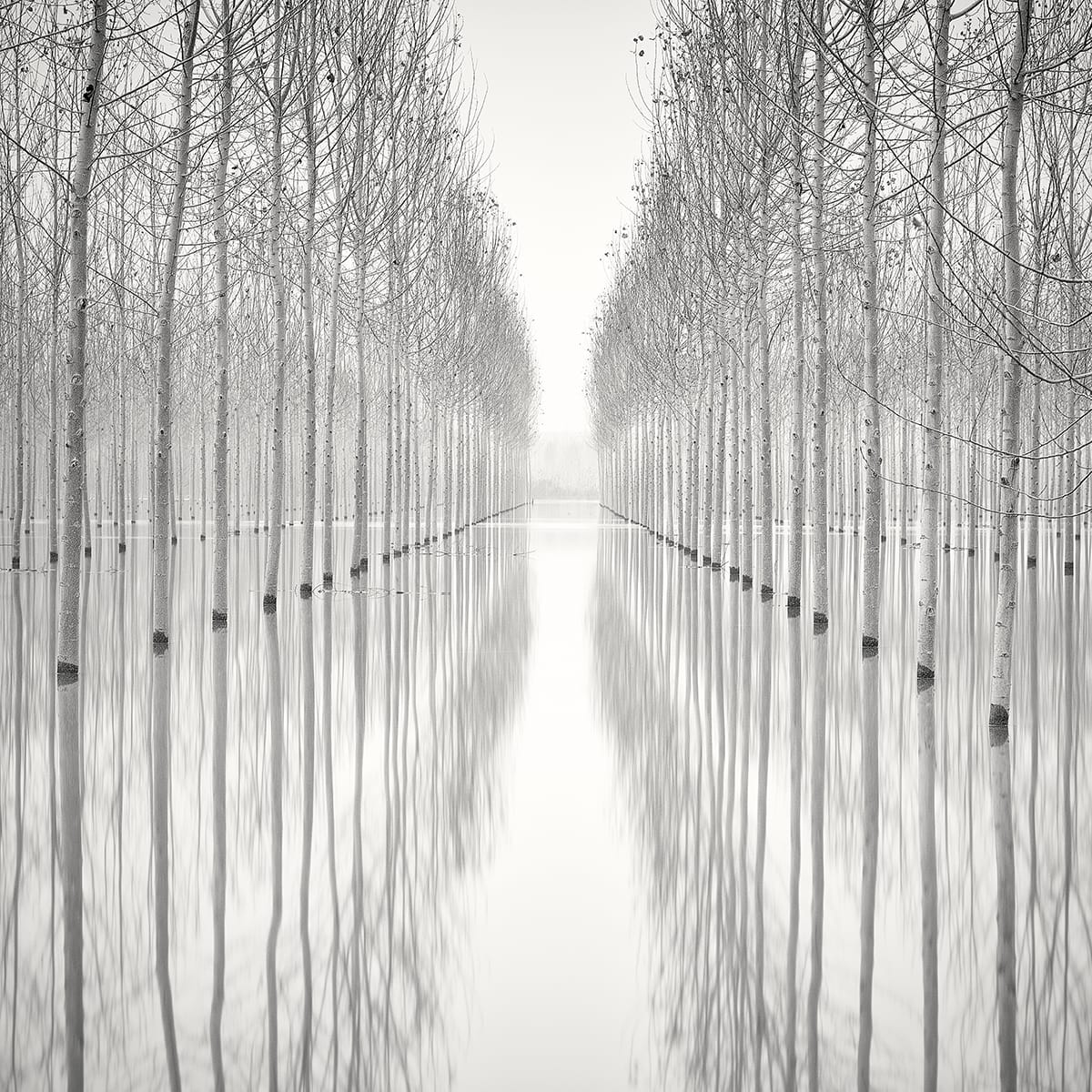
Choosing the right equipment can significantly elevate your black and white tree photography, transforming ordinary scenes into compelling visual narratives. Lenses and filters play a crucial role in shaping perspective, isolating subjects, and enhancing the tonal qualities essential for monochrome. This section delves into how specific lenses and filters can be leveraged to capture the unique character and grandeur of trees.The interplay of light and shadow is paramount in black and white photography, and the tools you use can dramatically influence how these elements are rendered.
Understanding the capabilities of different lenses and the effects of various filters will empower you to make deliberate choices that align with your artistic vision.
Wide-Angle Lenses for Expansive Tree Scenes
Wide-angle lenses are invaluable for capturing the scale and majesty of trees, especially when depicting them within their natural environment. They allow you to encompass a broad field of view, drawing the viewer into the scene and conveying a sense of depth and immersion. This is particularly effective for showcasing towering trees, dense forests, or trees set against dramatic landscapes.
The exaggerated perspective of a wide-angle lens can also emphasize the leading lines of branches or trunks, guiding the eye through the composition.When photographing a single, grand tree, a wide-angle lens can capture its entire form from base to crown, even when standing relatively close. This is ideal for emphasizing the tree’s silhouette against the sky or its interaction with the surrounding terrain.
For forest scenes, wide-angle lenses excel at conveying the feeling of being enveloped by nature, with trees receding into the distance and creating a sense of vastness.
Telephoto Lenses for Isolating Tree Details
Conversely, telephoto lenses offer a powerful way to isolate specific elements of a tree, drawing attention to its intricate textures, unique forms, or striking patterns. By compressing the perspective, telephoto lenses can bring distant subjects closer and make them appear more prominent, effectively separating them from a busy background. This is perfect for highlighting the gnarled bark of an ancient oak, the delicate branching of a winter silhouette, or the repeating patterns of leaves.Telephoto lenses are also excellent for creating abstract compositions where the focus is on a particular detail, such as the interplay of light on a few branches or the subtle curves of a trunk.
This selective focus allows you to guide the viewer’s attention to the most compelling aspects of the tree, stripping away distractions and emphasizing form and texture.
Polarizing Filters for Enhanced Contrast and Reduced Glare
A polarizing filter is a fundamental tool for black and white tree photography, significantly impacting contrast and the rendering of light. Its primary function is to reduce or eliminate reflections from non-metallic surfaces, such as leaves, bark, and water. In black and white, this translates to deeper blacks, brighter whites, and a richer range of mid-tones, thereby increasing the overall contrast and dimensionality of your image.When shooting trees, a polarizing filter can:
- Deepen the blue of the sky, creating a more dramatic backdrop for trees.
- Reduce specular highlights on wet leaves or bark, preventing blown-out areas and revealing more detail.
- Enhance the texture of tree bark by increasing the contrast between highlights and shadows.
- Improve the clarity of distant trees by cutting through atmospheric haze.
The effect of a polarizing filter is most pronounced when shooting at a 90-degree angle to the light source. Rotating the filter allows you to fine-tune the amount of polarization and achieve the desired level of contrast.
Graduated Neutral Density Filters for Balancing Bright Skies
Trees often stand against the sky, which can be significantly brighter than the tree itself, especially during midday. This disparity in brightness can lead to underexposed trees or overexposed skies in your photograph. Graduated neutral density (GND) filters are designed to address this challenge by gradually darkening a portion of the frame, typically the top.A GND filter has a clear section that transitions into a darkened section.
By positioning the darker part of the filter over the bright sky, you can effectively reduce its exposure without affecting the exposure of the foreground trees. This allows you to achieve a balanced exposure across the entire scene, preserving detail in both the sky and the trees.
- Soft-edge GND filters are ideal when the transition between sky and land is irregular, such as with a treeline.
- Hard-edge GND filters are best suited for scenes with a clear, horizontal horizon line.
The strength of the GND filter (measured in stops) should be chosen based on the difference in exposure between the sky and the trees.
Infrared Filters for Unique and Surreal Tree Imagery
Infrared (IR) filters are a more specialized tool that can produce truly unique and surreal effects in black and white tree photography. These filters block visible light and allow infrared light to pass through to the sensor. When converted to monochrome, IR photography can yield dramatic and unexpected results.The primary characteristics of IR photography include:
- “Wood Effect”: Foliage often appears bright white or luminous, creating a stark contrast with darker skies and trunks.
- Deep, velvety skies: Infrared light scatters differently than visible light, often resulting in very dark, almost black skies.
- Enhanced textures: The texture of bark and other surfaces can be dramatically emphasized.
Shooting with an IR filter requires a camera that is sensitive to infrared light, and often necessitates longer exposure times and specific post-processing techniques to achieve the desired aesthetic. The surreal and otherworldly quality of IR imagery can transform familiar trees into subjects with an entirely new and captivating presence.
Last Recap
In essence, mastering how to photograph trees in black and white is an invitation to see the world through a different lens, focusing on the timeless elegance and inherent drama of these natural sculptures. From careful camera settings and thoughtful composition to the nuanced art of post-processing, each step empowers you to transform ordinary trees into extraordinary works of art, leaving a lasting impression of their enduring beauty.