Embark on a journey to capture the raw power and breathtaking beauty of the sky with our comprehensive guide on how to shoot stormy clouds dramatically. This exploration delves into the art and science of transforming turbulent weather into compelling photographic narratives, revealing the secrets behind awe-inspiring stormscapes.
We will navigate the fundamental elements that define a dramatic cloudscape, from atmospheric conditions and cloud types to the crucial interplay of light and shadow. Discover the precise camera settings—aperture, shutter speed, and ISO—that will bring your stormy skies to life, and learn how to employ compositional techniques like leading lines and the rule of thirds to guide the viewer’s eye.
Furthermore, we will explore lighting and color enhancement strategies, including the use of polarizing filters and post-processing, alongside essential gear considerations for optimal performance in challenging weather. Finally, we’ll equip you with the knowledge to anticipate weather patterns, ensure your safety, and patiently await those moments of pure, untamed atmospheric grandeur.
Understanding the Dramatic Cloudscape

To capture truly dramatic stormy clouds, a foundational understanding of what makes them visually striking is paramount. This involves recognizing the interplay of atmospheric forces, light, and the inherent characteristics of different cloud types. By delving into these elements, photographers can anticipate and effectively frame these fleeting, awe-inspiring scenes.A dramatic cloudscape is not merely a collection of water vapor; it’s a dynamic canvas painted by atmospheric conditions, illuminated by specific light, and shaped by powerful meteorological phenomena.
Understanding these components allows for a more intentional and impactful photographic approach, transforming a simple sky into a compelling subject.
Fundamental Elements of Dramatic Clouds
The dramatic quality of clouds stems from a combination of their physical structure, their interaction with light, and the energy of the weather systems they represent. These elements, when aligned, create visually arresting scenes.The key contributors to a dramatic cloud appearance include:
- Texture and Form: The rugged, voluminous, and often chaotic shapes of storm clouds, such as towering cumulonimbus or undulating stratocumulus, provide visual interest and a sense of immense scale.
- Contrast: The stark differences between dark, shadowed portions of clouds and brightly lit areas, often illuminated by sunlight breaking through or reflecting off other surfaces, are crucial for depth and drama.
- Movement and Energy: The implied or visible motion within clouds, indicative of powerful winds and atmospheric instability, adds a dynamic and compelling aspect to their portrayal.
- Color: While often associated with dark grays and blacks, dramatic clouds can also exhibit vibrant hues, especially during sunrise and sunset, due to the scattering of light through atmospheric particles.
Common Atmospheric Conditions for Striking Cloud Formations
Certain weather patterns are inherently more conducive to generating visually spectacular cloud formations. Recognizing these conditions allows photographers to anticipate when and where dramatic skies are likely to occur.The following atmospheric conditions are frequently associated with dramatic cloudscapes:
- Convection and Instability: Rising warm, moist air parcels (convection) create vertical development in clouds, leading to towering cumulonimbus clouds, the hallmark of thunderstorms. Atmospheric instability fuels this process.
- Frontal Systems: The collision of different air masses along weather fronts, particularly cold fronts, can trigger widespread cloud formation and significant atmospheric lifting, resulting in dramatic stratiform and cumuliform cloud patterns.
- Moisture Availability: A sufficient amount of water vapor in the atmosphere is essential for cloud development. High humidity levels, especially when combined with lifting mechanisms, are critical.
- Wind Shear: Changes in wind speed and direction with altitude can sculpt cloud formations, creating unique textures and patterns, such as mammatus clouds, which often appear as pouch-like protrusions from the base of a cloud.
Cloud Types Conducive to Dramatic Photography
Not all clouds are created equal when it comes to photographic drama. Certain cloud types possess inherent characteristics that lend themselves exceptionally well to compelling visual representation.The cloud types most often favored for dramatic photographic portrayal include:
- Cumulonimbus: These are the thunderhead clouds, characterized by their immense vertical development, often with an anvil-shaped top. Their sheer scale and association with storms make them inherently dramatic.
- Altocumulus and Stratocumulus: While less imposing than cumulonimbus, these mid- to low-level clouds can form extensive, textured layers or rolls that, when lit effectively, create captivating patterns and a sense of vastness.
- Lenticular Clouds: These lens-shaped clouds, often forming over mountains, have a smooth, otherworldly appearance that can be incredibly striking, especially when illuminated by dramatic light.
- Mammatus Clouds: These distinctive pouch-like formations hanging from the underside of a cloud, often associated with severe thunderstorms, add a unique and foreboding texture that is highly photogenic.
The Role of Light and Shadow in Enhancing Cloud Drama
Light and shadow are arguably the most critical elements in transforming a good cloud photograph into a dramatic one. The way light interacts with the three-dimensional structure of clouds dictates their form, texture, and mood.The interplay of light and shadow is fundamental to enhancing cloud drama through these mechanisms:
- Defining Form and Texture: Side-lighting and backlighting are particularly effective in revealing the contours, folds, and rugged textures of clouds. Shadows cast within the cloud mass create depth and a sense of volume.
- Creating Contrast and Mood: The contrast between illuminated and shadowed areas is key to establishing a dramatic mood. Dark, ominous undersides of storm clouds juxtaposed with brightly lit edges convey power and intensity.
- Illuminating from Behind: Backlighting, especially during sunrise or sunset, can cause clouds to glow with vibrant colors and reveal their translucent edges, creating a halo effect and a sense of ethereal beauty.
- Sun Rays and Crepuscular Rays: When sunlight pierces through gaps in the clouds, it can create dramatic shafts of light, known as crepuscular rays. These rays add a powerful sense of directionality and celestial grandeur to the scene.
The dramatic impact of clouds is amplified exponentially by the skillful manipulation of light and shadow, turning ethereal vapor into tangible, powerful forms.
Camera Settings for Impactful Cloud Photography
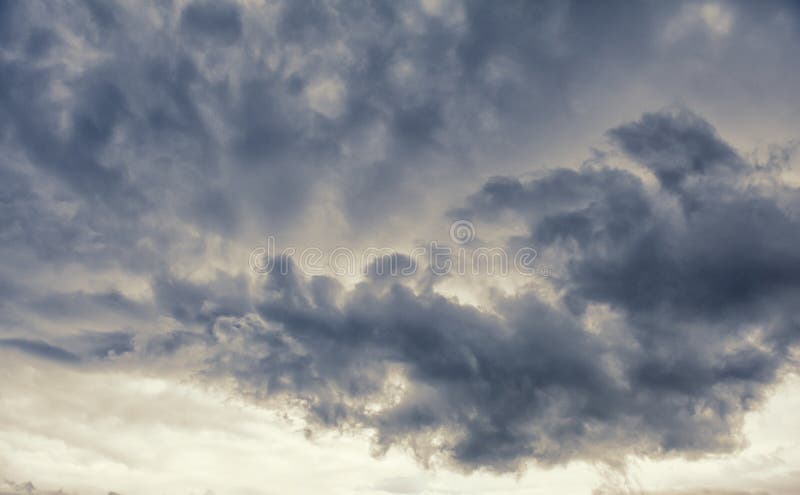
Achieving dramatic cloud photography goes beyond simply pointing your camera at the sky. Precise control over your camera’s settings is paramount to capturing the full intensity, texture, and movement of stormy or dynamic cloud formations. This section delves into the essential camera settings that will elevate your cloudscapes from ordinary to extraordinary.Understanding how aperture, shutter speed, and ISO interact is key to unlocking the dramatic potential of any cloud scene.
Each setting plays a crucial role in defining the final image, from the sharpness of cloud edges to the rendition of light and shadow, and the overall noise level of your photograph.
Aperture Settings for Maximizing Cloud Detail and Depth
The aperture, often referred to as the f-stop, directly influences the depth of field in your image, determining how much of the scene is in sharp focus. For dramatic cloud photography, achieving excellent sharpness throughout the cloudscape is often desired to showcase intricate details and textures.A narrower aperture, indicated by a higher f-number (e.g., f/8, f/11, f/16), is generally preferred.
This setting creates a larger depth of field, ensuring that both the foreground elements, if any, and the distant clouds remain acceptably sharp. This comprehensive focus draws the viewer’s eye into the scene, allowing them to appreciate the vastness and complexity of the cloud formations. However, extremely narrow apertures (e.g., f/22 and beyond) can lead to diffraction, a phenomenon where light bends around the edges of the aperture blades, resulting in a slight loss of sharpness.
Therefore, finding the sweet spot between sufficient depth of field and avoiding diffraction is crucial.
Shutter Speed Considerations for Capturing Cloud Movement and Texture
Shutter speed dictates how long the camera’s sensor is exposed to light, and it is instrumental in either freezing motion or rendering it as a smooth, ethereal blur. For stormy clouds, the choice of shutter speed can dramatically alter the perceived mood and dynamism of the image.To capture the turbulent, energetic movement of storm clouds, a faster shutter speed (e.g., 1/125 sec or faster) can freeze the rapid shifts in form and texture, highlighting the chaotic beauty of the atmosphere.
Conversely, to convey a sense of vastness, subtle movement, or the gentle flow of lighter clouds, a slower shutter speed (e.g., 1/2 sec to several seconds, often requiring a tripod) can be employed. This technique, known as “motion blur,” transforms fleeting cloud wisps into smooth, painterly strokes, emphasizing the grand scale and serene aspects of the sky. For instance, capturing the dramatic sweep of altostratus clouds before a storm might benefit from a slight motion blur to emphasize their movement across the sky.
Optimal ISO Values to Maintain Image Quality
The ISO setting controls the sensor’s sensitivity to light. While increasing ISO allows you to shoot in darker conditions or with faster shutter speeds, it also introduces digital noise, which can detract from image quality and detail. For dramatic cloud photography, where fine textures and subtle tonal gradations are important, maintaining a low ISO is generally recommended.Ideally, you should aim to use your camera’s base ISO (usually ISO 100 or 200) whenever possible.
This setting provides the cleanest images with the least amount of noise. As light levels decrease, you may need to increase the ISO. However, it is often preferable to use a tripod and a slower shutter speed to maintain a low ISO rather than resorting to a high ISO that introduces excessive noise. Modern cameras are increasingly capable of producing clean images at higher ISOs, but for critical detail in cloudscapes, staying as low as possible remains the best practice.
Recommended Camera Settings for Different Dramatic Cloud Scenarios
The ideal camera settings for dramatic cloud photography will vary depending on the specific conditions and the desired artistic effect. The following table provides a guideline for common dramatic cloud scenarios. It is important to remember that these are starting points, and experimentation is encouraged to achieve your unique vision.
| Scenario | Aperture (f-stop) | Shutter Speed | ISO | Notes |
|---|---|---|---|---|
| Approaching Thunderstorm (Turbulent Clouds) | f/8 – f/11 | 1/125 sec – 1/500 sec | ISO 100 – 400 | Freezes rapid movement, emphasizes texture and chaos. Use a wide-angle lens to capture the grandeur. |
| Sunset Storm Clouds (Rich Colors & Contrast) | f/11 – f/16 | 1/60 sec – 1/2 sec (with tripod) | ISO 100 – 200 | Enhances depth of field and color saturation. Slower shutter can smooth out lighter cloud edges for a painterly effect. |
| Mammatus Clouds (Intricate Undersides) | f/11 – f/16 | 1/30 sec – 1 sec (with tripod) | ISO 100 – 200 | Prioritizes sharpness and detail. A slight motion blur can add to the ethereal quality. |
| Shelf Cloud (Dramatic Line) | f/8 – f/11 | 1/100 sec – 1/250 sec | ISO 100 – 200 | Captures the sharp definition of the cloud edge. Ensure foreground is also sharp. |
| Cumulonimbus with Lightning (Dynamic Event) | f/8 – f/11 | Bulb mode or 30-second exposure (with tripod) | ISO 100 – 400 | Longer exposures increase the chance of capturing lightning. High ISO may be necessary if lightning is infrequent, but noise reduction in post-processing is vital. |
Compositional Techniques for Dramatic Clouds
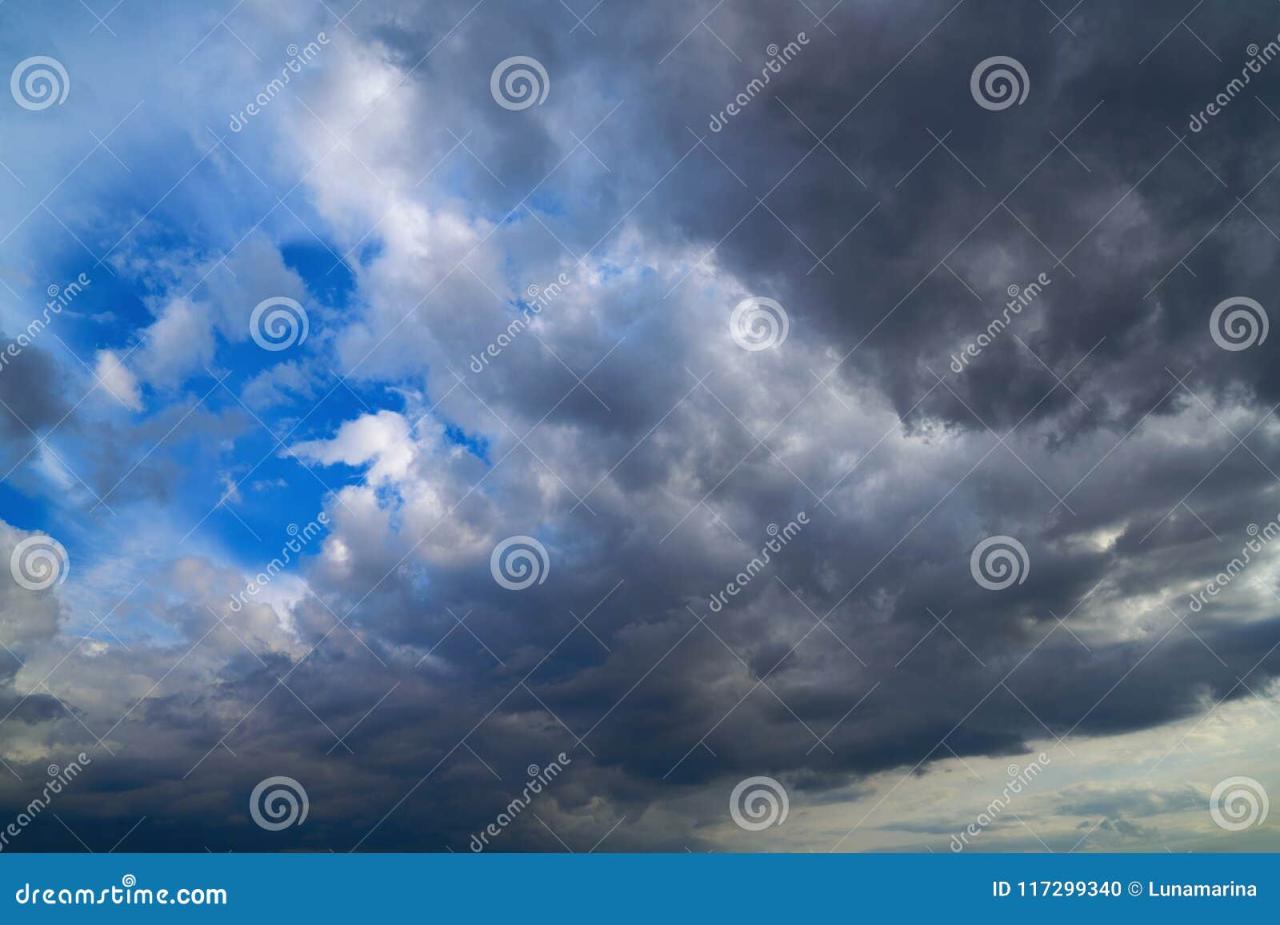
Capturing the raw power and beauty of stormy skies requires more than just pointing your camera upwards. Thoughtful composition is key to transforming a mere snapshot of clouds into a compelling photographic statement. By employing specific techniques, you can guide the viewer’s eye, evoke emotion, and truly convey the drama of the atmospheric scene.Understanding how to arrange elements within your frame is fundamental to impactful photography.
For stormy clouds, this involves strategically using the sky’s inherent dynamism and balancing it with elements in the foreground. The goal is to create a visual narrative that draws the viewer in and holds their attention, emphasizing the awe-inspiring nature of storm clouds.
Leading Lines and Framing for Immersive Stormscapes
Leading lines are powerful compositional tools that act as visual pathways, guiding the viewer’s eye through the image and into the heart of the scene. When photographing stormy clouds, these lines can originate from the foreground and lead directly towards the most dramatic cloud formations, creating a sense of depth and drawing the viewer into the turbulent sky. Framing, on the other hand, uses natural elements within the scene to create a border around the main subject, effectively isolating and emphasizing the stormy clouds and enhancing their impact.
- Leading Lines: Look for natural or man-made lines in the landscape that can direct attention. Roads, fences, rivers, coastlines, or even the contours of hills can serve as leading lines. Position yourself so that these lines converge towards or point directly at the most interesting parts of the storm clouds, such as a particularly dark mass or a shaft of light breaking through.
For instance, a winding country road disappearing into the horizon beneath a brooding sky can powerfully draw the viewer’s gaze upwards.
- Framing: Utilize foreground elements like overhanging tree branches, archways, rock formations, or even the silhouette of a building to create a natural frame. This technique not only adds depth but also helps to contain and focus the viewer’s attention on the dramatic sky. Imagine a shot where dark, jagged tree branches frame a view of a sky filled with menacing, swirling storm clouds; the branches act as a natural vignette, intensifying the focus on the celestial drama.
Applying the Rule of Thirds for Balanced Compositions
The rule of thirds is a fundamental compositional guideline that suggests dividing your frame into nine equal sections by two horizontal and two vertical lines. Placing key elements along these lines or at their intersections often results in more visually appealing and balanced photographs. When dealing with dramatic cloudscapes, this rule helps prevent the sky from overwhelming the image or, conversely, from becoming an insignificant element.
- To apply the rule of thirds, imagine these lines overlaid on your viewfinder or screen. If the clouds are the dominant feature, consider placing the horizon line on the lower horizontal line, dedicating two-thirds of the frame to the sky. Conversely, if the foreground elements are particularly strong and complementary, you might place the horizon on the upper horizontal line, giving more weight to the land or sea.
- The intersections of these lines are considered “power points.” Placing a focal point of the stormy sky, such as a particularly striking cloud formation or a dramatic break of light, on one of these intersections can create a dynamic and engaging composition. Similarly, if you have a compelling foreground subject, such as a lone tree or a weathered building, positioning it on a power point can help it hold its own against the grandeur of the sky.
For example, a dark, anvil-shaped cumulonimbus cloud might be positioned on the upper right intersection, balanced by a silhouetted lighthouse on the lower left intersection.
Utilizing Negative Space to Emphasize Scale and Power
Negative space, the area around and between the subject of an image, plays a crucial role in conveying mood and scale. In stormy cloud photography, vast expanses of negative space can dramatically enhance the feeling of the clouds’ immensity and overwhelming power. It allows the viewer to appreciate the sheer scale of the atmospheric phenomena.
- When storm clouds dominate a large portion of the sky, the relatively empty or less detailed areas can become powerful negative space. This can be a calm, muted section of the sky adjacent to turbulent formations, or even a relatively featureless foreground that allows the sky to command attention.
- Consider a photograph where a colossal, dark storm cloud fills two-thirds of the frame, with a small, distant village silhouetted against a sliver of lighter sky below. The vast, empty sky above and to the side of the main cloud mass acts as negative space, amplifying the feeling of the cloud’s gargantuan size and the insignificance of human elements beneath it.
This deliberate use of empty space accentuates the raw, untamed power of nature.
Foreground Subjects that Complement Dramatic Cloud Formations
The foreground is not merely a base for your image; it is an integral part of the composition that can either enhance or detract from the drama of the stormy sky. Choosing foreground subjects that resonate with the mood of the clouds can create a powerful narrative and add layers of meaning to your photographs.
- Lone Trees or Structures: A solitary, resilient tree standing against a tempestuous sky, or a weathered barn or lighthouse, can symbolize endurance and contrast with the transient power of the storm. Their isolation can emphasize the vastness and ferocity of the clouds.
- Water Bodies: Reflective surfaces like lakes, oceans, or even puddles can mirror the dramatic sky, doubling the visual impact. The movement of water, whether calm or turbulent, can also add another dynamic element to the composition. A calm lake reflecting a sky filled with dark, churning clouds creates a sense of foreboding and grandeur.
- Silhouetted Elements: Human-made structures like power lines, fences, or even abstract shapes can be effectively used as silhouettes against a dramatic sky. These dark shapes provide a strong contrast and draw the eye upwards to the cloud formations, adding a sense of scale and mystery.
- Rocky Outcrops or Coastlines: The rugged textures of rocks and coastlines can complement the raw, untamed nature of storm clouds. Their solidity and permanence can provide a grounding element against the dynamic, ever-changing sky.
- Fields or Plains: Wide, open fields or plains can create a sense of vastness and isolation, allowing the dramatic sky to truly dominate the frame. The simplicity of the foreground allows the complexity and power of the clouds to be the undisputed star.
Lighting and Color Enhancement
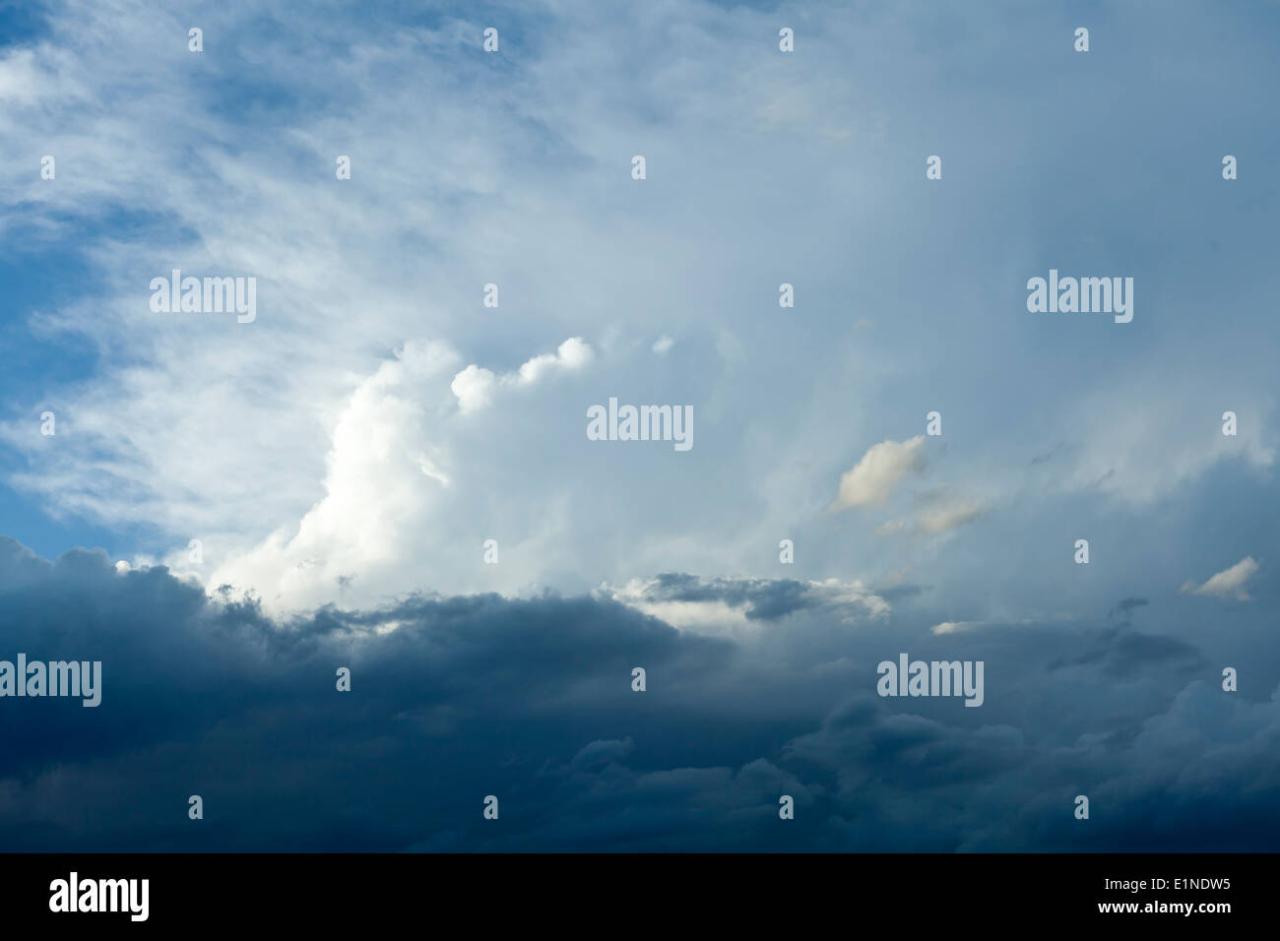
The drama inherent in stormy skies is often amplified by the quality of light and the vibrant colors that emerge. Understanding how to harness these elements can elevate your cloud photography from ordinary to extraordinary. This section delves into utilizing natural light and post-processing techniques to capture the full emotional impact of dramatic cloudscapes.
Gear and Equipment Considerations
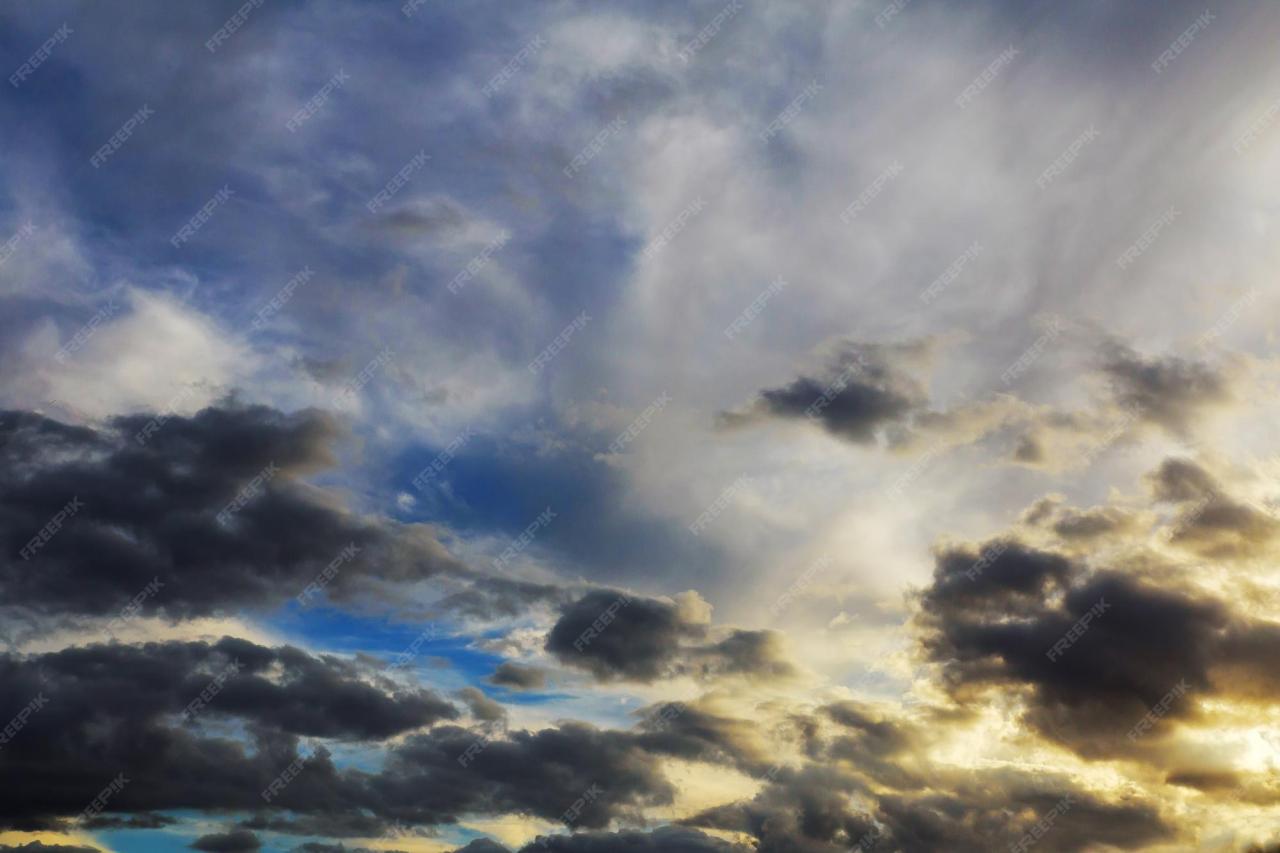
To effectively capture the drama of stormy skies, having the right gear is paramount. This section will guide you through the essential equipment that will not only help you capture stunning images but also ensure your safety and the longevity of your gear in challenging weather conditions. From camera bodies and lenses to crucial accessories, we’ll explore what makes them suitable for dramatic cloud photography.The right equipment acts as an extension of your creative vision, allowing you to translate the raw power and beauty of stormy weather into compelling photographs.
Investing in appropriate gear can significantly enhance image quality, stability, and your overall shooting experience.
Camera Bodies for Expansive Skies
When photographing vast and dynamic skies, camera bodies that offer a wide dynamic range and good high ISO performance are highly beneficial. These features allow you to capture detail in both the bright highlights and the deep shadows often present in stormy conditions, and to maintain image quality even when shooting in lower light.DSLR and mirrorless camera bodies are both excellent choices.
DSLRs often offer robust build quality and a wide selection of lenses, while mirrorless cameras tend to be lighter, offer advanced autofocus systems, and often have better electronic viewfinders for precise composition.
Lenses for Dramatic Cloudscapes
The choice of lens significantly impacts how you frame and present the dramatic cloudscape. Wide-angle lenses are particularly effective for conveying the immensity and grandeur of the sky, drawing the viewer into the scene.
- Wide-Angle Lenses (14mm – 35mm on full-frame): These lenses are ideal for capturing expansive vistas, emphasizing the scale of the clouds, and including foreground elements that add depth and context. They can make the sky appear even more imposing and dynamic.
- Standard Zoom Lenses (24mm – 70mm on full-frame): Versatile and adaptable, these lenses allow for a range of compositions, from wider shots to tighter details within the cloud formations. They are a good all-around choice for varying your perspective.
- Telephoto Lenses (70mm – 200mm on full-frame): While less common for capturing the entire sky, telephoto lenses can be used to isolate specific cloud formations, revealing intricate textures and patterns that might otherwise be missed. They are excellent for emphasizing specific dramatic elements within the storm.
Tripods for Stability and Sharpness
In the often unpredictable and windy conditions associated with storms, a sturdy tripod is an indispensable tool. It provides the stability needed to achieve sharp images, especially when shooting with longer exposures to capture cloud movement or in low-light scenarios.A good tripod minimizes camera shake, which is crucial for maintaining image clarity. It also allows you to precisely frame your shots and recompose without the need to constantly hold the camera, enabling you to focus more on the creative aspects of your photography.
Graduated Neutral Density Filters
Graduated neutral density (GND) filters are essential for balancing the exposure between a bright sky and a darker foreground. Stormy skies often present extreme contrast, where the sky can be significantly brighter than the landscape below.GND filters have a dark area that gradually transitions to clear. By placing the dark part of the filter over the sky, you reduce the amount of light entering the lens from the brightest part of the scene, allowing you to expose for the foreground without blowing out the sky.
- Soft-Edge GNDs: These filters have a gradual transition that is best suited for scenes with an uneven horizon, such as mountains or trees, where the transition between sky and land is not a straight line.
- Hard-Edge GNDs: These filters have a sharp transition and are ideal for seascapes or flat landscapes where the horizon is a clear, straight line.
- Reverse GNDs: These filters are darkest at the horizon and gradually become lighter towards the top of the frame. They are particularly useful during sunrise or sunset when the brightest light is near the horizon.
Weather-Sealed Equipment for Outdoor Shooting
Shooting in stormy weather inherently exposes your equipment to the elements, including rain, wind, dust, and humidity. Investing in weather-sealed gear is a wise decision to protect your investment and ensure reliable performance.Weather sealing refers to the design and construction of camera bodies and lenses that include gaskets and seals to prevent the ingress of moisture and dust. While not completely waterproof, this sealing offers significant protection against moderate weather conditions.
| Equipment Type | Weather Sealing Features | Advantages for Storm Photography |
|---|---|---|
| Camera Bodies | Sealed buttons, dials, battery compartments, and lens mounts to resist dust and moisture. | Maintains operational integrity in light rain, fog, or dusty environments, allowing you to shoot without constant worry. |
| Lenses | Sealed barrel construction, internal focusing mechanisms, and rubber rings around the mount. Some may have fluorine coatings on front elements to repel water and smudges. | Ensures that internal components are protected from moisture and dust, and external surfaces are easier to clean, maintaining optical clarity. |
| Tripods | Corrosion-resistant materials (e.g., aluminum alloys, carbon fiber) and secure leg locking mechanisms. | Provides a stable platform in windy conditions and resists damage from moisture and environmental exposure. |
| Filter Systems | Durable filter materials (e.g., tempered glass) and sturdy filter holders. | Filters are less prone to damage from accidental drops or impacts and can withstand exposure to the elements. |
When choosing weather-sealed equipment, look for manufacturers’ specifications that clearly indicate the level of weather resistance. While no equipment is completely impervious to severe weather, opting for weather-sealed models significantly increases your confidence and ability to capture dramatic cloudscapes in challenging conditions.
Capturing the Essence of Stormy Weather
Photographing stormy clouds offers a unique opportunity to capture the raw power and dynamic beauty of nature. This section delves into the practical aspects of anticipating, safely capturing, and patiently waiting for those fleeting moments of dramatic weather.Understanding weather patterns is paramount for any photographer aiming to capture dramatic storm clouds. Being able to anticipate when and where these systems will form and move provides a significant advantage in positioning yourself for the best photographic opportunities.
This involves a combination of meteorological knowledge and readily available resources.
Anticipating and Tracking Weather Systems
To effectively photograph approaching weather systems, photographers should develop a keen sense of observation and utilize various forecasting tools. This proactive approach allows for strategic planning, ensuring you are in the right place at the right time to witness and capture the most dramatic cloud formations.Here are key methods for anticipating and tracking weather systems:
- Weather Radar: Utilize real-time weather radar applications and websites to monitor the movement and intensity of precipitation. Pay attention to the shape and color gradients of storm cells, which indicate their strength.
- Satellite Imagery: Observe satellite images to understand the broader atmospheric patterns, such as the development of low-pressure systems or the presence of large cloud banks. This provides a more comprehensive view of approaching weather.
- Meteorological Forecasts: Regularly consult reliable weather forecasts from national meteorological services or reputable weather apps. Look for information regarding atmospheric instability, wind patterns, and potential for severe weather.
- Local Observation: Develop an understanding of local weather indicators. For instance, changes in wind direction, the color of the sky, or the behavior of animals can sometimes signal an approaching storm.
- Storm Chasing Resources: For those seriously interested in severe weather, resources like the Storm Prediction Center (SPC) in the US offer valuable real-time data and outlooks for severe weather potential.
Safety Precautions During Severe Weather Photography
Photographing stormy weather can be exhilarating, but safety must always be the top priority. Severe weather conditions pose significant risks, and it is crucial to be prepared and aware of your surroundings to mitigate these dangers.When venturing out to photograph storms, adhere to these essential safety precautions:
- Monitor Weather Updates Continuously: Never rely on a single forecast. Keep checking weather apps and local reports for any changes or intensification of the storm.
- Maintain Situational Awareness: Be aware of your surroundings, including potential hazards like flash floods, falling debris, lightning strikes, and rapidly changing road conditions.
- Never Chase Storms into Dangerous Situations: Do not drive into severe weather, especially thunderstorms. Maintain a safe distance from the storm’s core and avoid areas known for flash flooding or high winds.
- Lightning Safety: If lightning is present, seek immediate shelter. Avoid open fields, tall isolated objects, and bodies of water. Remember, lightning can strike miles away from the main storm.
- Understand the “30/30 Rule” for Lightning: If you see lightning, count the seconds until you hear thunder. If the time is 30 seconds or less, seek shelter. Wait 30 minutes after the last thunder before resuming outdoor activities.
- Inform Someone of Your Plans: Let a friend or family member know where you are going and your expected return time.
- Have an Escape Route: Always have a clear and safe escape route planned in case conditions deteriorate rapidly.
- Appropriate Gear: Ensure your vehicle is in good condition and that you have appropriate clothing for wet and potentially cold conditions.
The Importance of Patience and Observation
Capturing truly dramatic cloudscapes is rarely a matter of luck; it is often the result of meticulous observation and unwavering patience. Storms are dynamic entities, and their most breathtaking moments are often fleeting.The art of waiting for the perfect shot involves more than just standing around; it requires an active engagement with the environment and a deep understanding of the unfolding weather.
- Timing is Crucial: The most dramatic lighting and cloud formations often occur during specific phases of a storm, such as during the golden hour before or after the storm, or when sunlight pierces through breaks in the clouds.
- Observing Light Interaction: Pay close attention to how light interacts with the clouds. The angle of the sun, the density of the cloud cover, and atmospheric particles all play a role in creating vibrant colors and dramatic shadows.
- Anticipating Cloud Movement: Watch how the clouds are moving and evolving. This allows you to predict where the most interesting formations will be and when they will be illuminated by the best light.
- Embracing the Waiting Game: Sometimes, the best photographic opportunities arise after a period of seemingly uneventful waiting. Be prepared to stay in position for extended periods, observing the subtle changes.
- Finding the “Moment”: The perfect dramatic moment can be a brief window where light, cloud structure, and composition align perfectly. This requires constant vigilance and a readiness to shoot.
Visual Descriptions of Dramatic Cloud Scenes
The power and majesty of stormy skies can be conveyed through vivid descriptions that evoke a sense of awe and grandeur. These descriptions aim to paint a mental picture for the reader, mirroring the visual impact of the photographs themselves.Imagine these scenes:
- The Approaching Citadel: A colossal wall of cumulonimbus clouds, dark and menacing, rises on the horizon like an impenetrable fortress. The lower edges are bruised with shades of deep indigo and charcoal, while the upper reaches, kissed by distant sunlight, glow with an ethereal, almost bruised, golden hue. Rays of light, like celestial spotlights, pierce through gaps, illuminating patches of rain-swept land below.
- The Sky Ablaze: As the sun dips low, its last rays are violently diffused through a turbulent sky. Clouds are painted in fiery oranges, deep crimsons, and electric violets, a stark contrast to the bruised purples and greys of the storm’s core. The entire sky appears to be in a state of magnificent, albeit fleeting, conflagration.
- The Sculpted Heavens: Towering lenticular clouds, shaped by high-altitude winds, hang suspended like colossal, otherworldly sculptures. Their smooth, aerodynamic forms catch the light, creating soft gradients and stark contrasts that suggest immense, silent forces at play.
- The Illuminated Underbelly: Beneath a heavy, oppressive blanket of storm clouds, a single shaft of sunlight breaks through. It illuminates the underside of the clouds, turning them a brilliant, almost incandescent white or a vibrant, otherworldly gold, while the surrounding sky remains shrouded in dramatic shadow.
- The Tempest’s Fury: Jagged, lightning-charged tendrils of cloud snake across a bruised, bruised sky. The air feels charged with unseen energy, and the sheer scale of the roiling masses of vapor conveys an overwhelming sense of raw, untamed power, a primal force of nature unleashed.
Final Review
Mastering how to shoot stormy clouds dramatically is an art form that blends technical skill with an appreciation for nature’s spectacle. By understanding the nuances of cloud formations, employing precise camera settings, and utilizing thoughtful composition and lighting, you can create images that not only capture a storm but also convey its immense power and fleeting beauty. Embrace the challenge, prioritize safety, and let the dramatic skies inspire your next photographic masterpiece.