Embark on a captivating journey into the art of creating striking portraits with the ethereal allure of smoke effects. This guide will illuminate the fundamental principles, essential gear, and meticulous techniques required to transform ordinary portraits into visually compelling masterpieces.
We will delve into understanding the nuances of smoke, from its types and atmospheric contribution to the critical role of lighting and composition. Discover how to effectively generate, control, and capture smoke, alongside mastering camera settings and post-processing wizardry for truly unforgettable imagery.
Understanding Smoke Effects in Portraiture
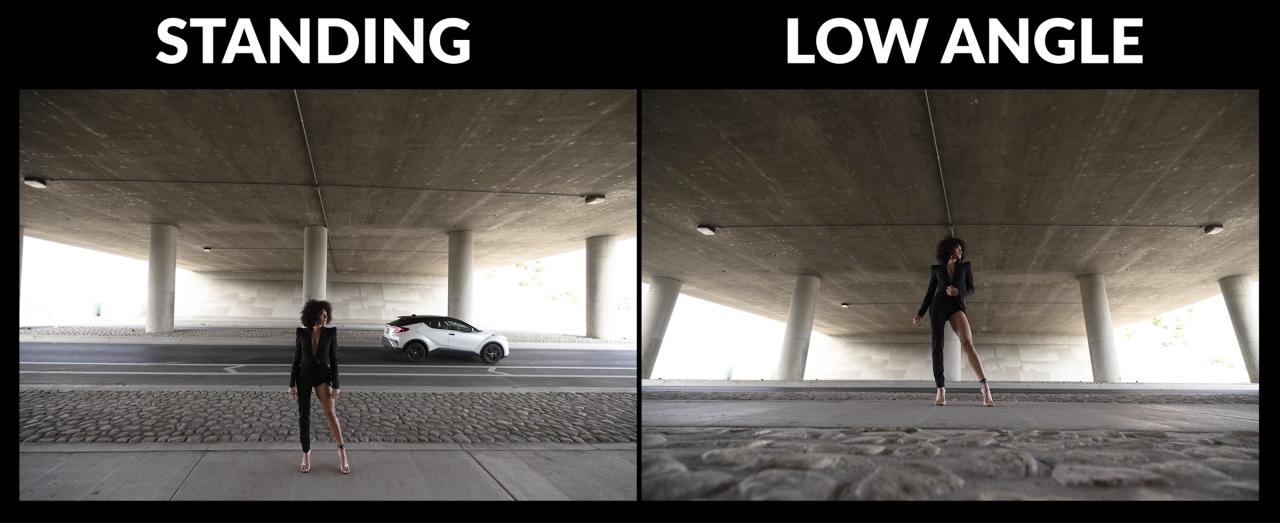
Smoke effects in portraiture offer a captivating way to add depth, mystery, and artistic flair to your images. By understanding the fundamental principles and exploring various techniques, you can transform ordinary portraits into visually striking works of art. This section will delve into the core concepts of creating and utilizing smoke for compelling portrait photography.The creation of effective smoke effects in portraits relies on a combination of practical techniques and an understanding of how smoke interacts with light and the subject.
It’s about more than just introducing a visual element; it’s about using smoke to enhance the narrative and emotional impact of the photograph.
Fundamental Principles of Creating Smoke Effects
The creation of smoke effects for portraits is primarily achieved through controlled environments and specific tools. The fundamental principle involves generating a visible, ethereal substance that can be shaped and directed to complement the subject. This is typically done by introducing a source of smoke and managing its diffusion and interaction with light. The goal is to create a visually appealing and controllable element that doesn’t overpower the portrait itself.
Types of Smoke Effects in Photography
Several distinct types of smoke effects are commonly employed in portrait photography, each offering unique visual characteristics and applications. The choice of effect often depends on the desired mood and the technical capabilities available.
- Real Smoke: This is generated using smoke machines or theatrical smoke devices. It offers a dense, controllable, and often voluminous effect.
- Artificial Smoke (Digital Enhancement): Smoke can be added or enhanced in post-processing using editing software. This method provides ultimate control over placement, density, and color, but requires skilled digital manipulation to appear natural.
- Dry Ice Smoke: Utilizing dry ice in water creates a low-lying, dense fog that drifts along the ground. This effect is excellent for creating a moody, atmospheric base layer.
- Incense or Smoldering Materials: While less common for professional portraits due to unpredictability and potential for overpowering odors, carefully controlled incense or natural smoldering materials can create wispy, organic smoke.
Considerations for Lighting When Working with Smoke
Lighting is paramount when incorporating smoke effects into portraits, as it dictates how the smoke is perceived and how it interacts with the subject. The way light passes through, reflects off, and is diffused by smoke can dramatically alter the final image. Effective lighting can highlight the texture and form of the smoke, create dramatic silhouettes, or add a soft, ethereal glow.When lighting smoke, consider the following:
- Backlighting: Placing the primary light source behind the subject and smoke creates a beautiful rim light effect, illuminating the edges of the smoke and subject, and often revealing intricate patterns within the smoke.
- Side Lighting: Lighting from the side can sculpt the smoke, revealing its volume and texture. This can create a sense of depth and drama.
- Front Lighting: While less common for emphasizing smoke itself, front lighting can illuminate the subject clearly while the smoke acts as a softer diffusion element.
- Gobos and Spotlights: Using gobos (light shaping tools) or focused spotlights can create intricate patterns within the smoke, adding a layer of visual interest and artistic complexity.
- Light Color: Experimenting with colored gels on your lights can imbue the smoke with different hues, further enhancing the mood and atmosphere.
The Role of Smoke in Conveying Mood and Atmosphere
Smoke is a powerful tool for setting the mood and atmosphere in portrait photography. Its ephemeral nature and ability to obscure and reveal lend themselves to a wide range of emotional expressions. The density, color, and movement of smoke can evoke feelings of mystery, drama, tranquility, or even unease.Smoke’s ability to obscure and diffuse light contributes significantly to atmosphere. A dense cloud can create a sense of isolation or introspection, while wisps of smoke can suggest movement, transition, or a dreamlike state.
Smoke in portraiture acts as a visual metaphor, capable of transforming a simple likeness into a narrative.
The following elements contribute to the mood conveyed by smoke:
- Density: Thick, opaque smoke can create a feeling of confinement, mystery, or intensity. Lighter, more translucent smoke can evoke a sense of peace, serenity, or ethereality.
- Color: While typically white or gray, smoke can be colored with lights or gels to evoke specific emotions. Blues and purples might suggest melancholy or mystery, while warm tones could imply passion or comfort.
- Movement: The way smoke drifts and swirls can suggest the passage of time, the flow of emotions, or the intangible nature of thoughts and memories.
- Interaction with Light: How light interacts with the smoke is crucial. Dramatic shadows and highlights created by smoke can add tension and depth, while soft diffusion can create a gentle, dreamlike quality.
Essential Equipment and Materials
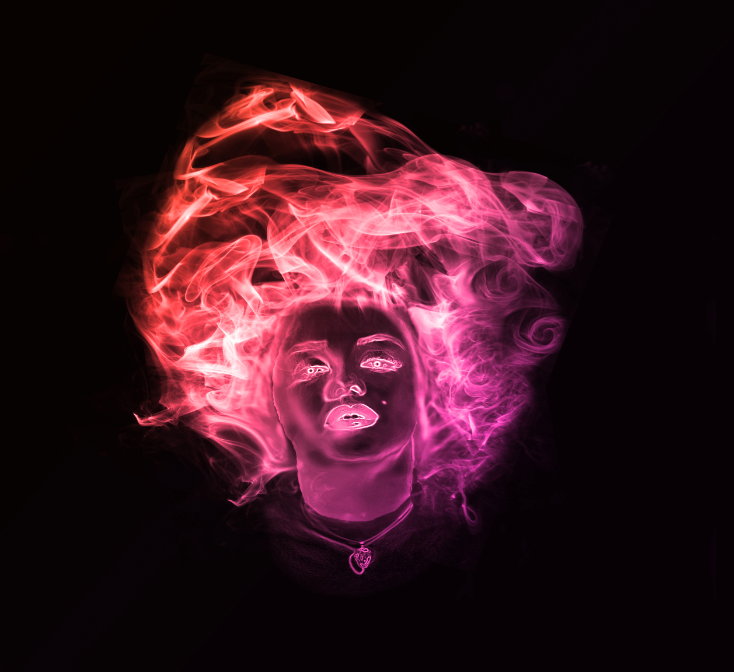
Capturing compelling smoke portraits requires a thoughtful selection of equipment and materials to ensure both the artistic vision and the safety of everyone involved. This section will guide you through the necessary gear, from the camera itself to the devices that generate the captivating smoke, and the protective measures essential for a smooth and secure shooting experience.To effectively translate the ethereal beauty of smoke into striking portraits, a well-equipped setup is paramount.
This involves not only the core photographic tools but also specialized items for smoke generation and personal safety. Careful consideration of each element will contribute significantly to the success of your smoke portrait sessions.
Camera Equipment
The foundation of any portrait photography, including those with smoke effects, is the camera. While advanced features can be beneficial, the primary focus should be on image quality and control.
- Digital Camera: A DSLR or mirrorless camera is recommended. Look for models with good low-light performance, as smoke effects often benefit from controlled, dim lighting.
- Interchangeable Lenses: A versatile lens kit is advantageous. A prime lens, such as a 50mm or 85mm, often provides excellent sharpness and beautiful bokeh, which can enhance the smoky atmosphere. A zoom lens can offer flexibility in framing your subject.
- Tripod: Essential for maintaining sharp images, especially in lower light conditions or when using slower shutter speeds to capture the movement of smoke. A sturdy tripod will prevent camera shake.
- Remote Shutter Release: This accessory minimizes camera shake when triggering the shutter, ensuring sharper images. It also allows the photographer to position themselves to better observe and direct the smoke.
- External Flash or Strobe: While natural light can be used, artificial lighting offers more control. An external flash or strobe, diffused and positioned strategically, can illuminate the smoke and the subject, creating dramatic highlights and shadows.
- Light Modifiers: Softboxes, umbrellas, or diffusers are crucial for softening harsh light and creating a more flattering illumination for the subject and the smoke.
Smoke-Generating Devices and Methods
The source of the smoke is central to achieving the desired visual effect. Several options exist, each offering different characteristics in terms of density, color, and duration.To create the visual drama of smoke in portraits, you’ll need a reliable method for generating it. The choice of device will influence the texture, opacity, and movement of the smoke, allowing for diverse artistic expressions.
- Smoke Machines (Fog Machines): These are widely available and produce a consistent, dense fog. They are ideal for creating a pervasive atmosphere. Different types of fluid can be used to create white, colored, or even scented fog.
- Smoke Pellets or Sticks: These are compact and portable, often used for specific effects or in outdoor settings where a machine might be impractical. They produce a denser, more localized smoke. Be aware of the burn time and intensity.
- Incense Sticks: A simpler and more accessible option for creating subtle wisps of smoke. They are best suited for smaller, more intimate portrait setups where a lighter effect is desired.
- Dry Ice: When combined with hot water, dry ice produces a low-lying, dense fog. This effect is dramatic and creates a unique, atmospheric ground cover. It requires careful handling due to extreme cold.
- Electronic Cigarettes or Vaping Devices: While producing less volume than dedicated smoke machines, these can be used discreetly to add subtle plumes of vapor, particularly for close-up shots or when a more controlled, less pervasive effect is needed.
Protective Gear and Safety Precautions
Working with smoke, even in controlled environments, necessitates prioritizing safety. Understanding the potential hazards and implementing appropriate precautions is non-negotiable.The enchanting visual appeal of smoke should never overshadow the importance of a safe working environment. Implementing the following safety measures will ensure a positive and risk-free experience for both the photographer and the subject.
- Ventilation: Ensure the shooting area is well-ventilated, especially when using smoke machines or pellets, as prolonged exposure to dense fog can be irritating. Open windows or use fans to circulate air.
- Fire Extinguisher: Keep a fire extinguisher readily accessible, particularly when using smoke pellets or any method involving heat or combustion.
- Masks or Respirators: For individuals sensitive to smoke or working in enclosed spaces for extended periods, wearing a mask or respirator can help filter out particles and reduce inhalation.
- Eye Protection: Some smoke types can cause eye irritation. Wearing safety glasses or goggles can provide protection, especially during the initial stages of smoke generation.
- Awareness of Flammability: Be mindful of the flammability of materials in the shooting area when using heat-producing smoke devices. Keep flammable items away from the smoke source.
- Subject Comfort: Regularly check on your subject’s comfort level. If they experience any respiratory distress or discomfort, stop the session immediately and ensure they have fresh air.
- Manufacturer Instructions: Always follow the manufacturer’s instructions for any smoke-generating device, including safe operation, maintenance, and recommended usage.
Props and Background Elements
The surrounding elements can significantly enhance the impact of smoke effects in portraits, adding context, depth, and visual interest.Selecting props and background elements that harmonize with the smoke can elevate your portraits from simple captures to artistic statements. These additions can help tell a story, evoke a mood, or simply provide a complementary aesthetic.
- Dark or Neutral Backgrounds: Solid black, deep grey, or muted colored backdrops work exceptionally well to make the smoke stand out and create a dramatic contrast.
- Textured Surfaces: Walls with interesting textures, distressed wood, or even rough fabric can add a tactile quality that complements the fluidity of smoke.
- Minimalist Props: Simple, elegant props like antique chairs, ornate mirrors, or single flowers can provide a focal point without distracting from the subject and the smoke.
- Silhouetted Elements: Objects placed in the background that are partially obscured by smoke can create intriguing silhouettes and add a sense of mystery.
- Reflective Surfaces: A polished floor or a strategically placed mirror can catch and reflect the smoke, adding another dimension to the image.
- Costuming: The subject’s attire can be chosen to either blend with or contrast against the smoky atmosphere. Flowing fabrics or garments with intricate details can interact beautifully with the smoke.
- Glow Sticks or Colored Lights: Introducing subtle colored lights or glow sticks can tint the smoke, creating a surreal or ethereal mood.
Generating and Controlling Smoke
Creating compelling smoke effects for portraits requires a thoughtful approach to both generating and controlling the smoke. The right technique will not only produce visually appealing plumes but also ensure the safety and comfort of your subject and yourself. Understanding the nuances of different smoke sources and how to direct their flow is key to achieving professional-looking results.The methods for generating smoke range from specialized equipment to readily available household items, each offering unique characteristics and control levels.
Experimenting with these options will help you discover the best fit for your artistic vision and shooting environment.
Artificial Smoke Generation with Smoke Machines
Smoke machines are the most versatile and controllable option for creating artificial smoke effects in portraiture. These devices heat a fluid, typically a water-based solution with a glycerin or glycol additive, to produce a dense vapor that mimics smoke. The type and quality of the smoke fluid significantly impact the density, color, and longevity of the smoke.
When using a smoke machine, consider the following:
- Machine Types: Fog machines produce a heavier, more persistent fog, while hazers create a finer, more ethereal mist. For portraiture, a hazer is often preferred for its subtle diffusion of light and less overwhelming presence.
- Fluid Selection: Different smoke fluids offer varying densities and hang times. Lighter fluids dissipate quickly, ideal for subtle effects, while denser fluids linger longer, creating more dramatic plumes. Some specialized fluids can even be colored.
- Heat Up Time: Allow the machine to fully heat up before use to ensure consistent smoke output.
- Placement: Position the machine strategically to direct smoke towards or around your subject, avoiding direct blasts that could be uncomfortable or obscure the face.
Generating Smoke with Incense and Colored Smoke Bombs
While smoke machines offer the most control, incense and colored smoke bombs can provide unique aesthetic qualities for specific portrait styles. However, these methods require careful consideration for safety and air quality.
Incense Smoke
Incense sticks or cones release a fragrant smoke that can add a delicate, wispy element to portraits. The smoke is typically less dense than that from a machine and has a distinct aroma.
- Material Choice: Opt for natural, unscented incense if possible, or choose scents that complement the mood of the portrait rather than overpowering it.
- Placement: Burn incense in a heat-resistant holder placed away from the subject and any flammable materials. A small fan can help gently guide the smoke.
- Ventilation: Ensure the area is well-ventilated, especially if your subject has respiratory sensitivities.
Colored Smoke Bombs
Colored smoke bombs can create vibrant, dramatic effects, particularly for stylized or avant-garde portraits. These are typically pyrotechnic devices and demand the utmost caution.
- Safety First: Always use smoke bombs outdoors or in extremely well-ventilated areas. Never use them in confined spaces or near flammable objects. Have a fire extinguisher or water source readily available.
- Handling: Follow the manufacturer’s instructions precisely. Ignite the fuse at a safe distance and position the bomb so the smoke is directed away from your subject and camera lens.
- Subject Comfort: Be aware that the chemicals in some smoke bombs can irritate the eyes and respiratory system. Consider using them at a distance from your subject and for short durations.
- Environmental Impact: Be mindful of local regulations regarding the use of pyrotechnic devices.
Controlling Smoke Density and Direction
Achieving the desired visual impact relies heavily on managing how the smoke behaves. Density refers to how thick or translucent the smoke appears, while direction dictates its flow and placement within the frame.
Effective control can be achieved through a combination of the smoke source and environmental factors:
- Smoke Machine Settings: Many smoke machines allow you to adjust the output volume, influencing density. Experiment with lower settings for subtle mist and higher settings for more substantial plumes.
- Fan Usage: Small, portable fans are invaluable for directing smoke. By strategically placing fans, you can guide the smoke around your subject, create swirling patterns, or push it away from certain areas. A gentle breeze can also help prevent the smoke from becoming too dense in one spot.
- Natural Airflow: In outdoor settings, utilize natural wind patterns. Position your subject and smoke source to take advantage of prevailing breezes.
- Barriers and Guides: In controlled studio environments, you can use simple barriers like black fabric or cardboard to help channel the smoke in a specific direction.
- Timing: Smoke dissipates over time. Coordinate your smoke generation with your shot. Produce smoke just before you intend to capture the image for maximum impact.
Managing Smoke Dispersal in Different Environments
The environment in which you are shooting plays a crucial role in how smoke behaves and how you can manage it. Adapting your techniques to indoor versus outdoor settings is essential for optimal results and safety.
Indoor Environments
Studios and indoor spaces offer more control over environmental factors but also present challenges related to ventilation and potential fire hazards.
- Ventilation Systems: Utilize existing ventilation systems to clear smoke between shots or to maintain a desired ambient level of haze.
- Air Movers: In a studio, strategically placed air movers (fans) can be used to precisely direct smoke and clear it from the area quickly.
- Smoke Detectors: Be aware of and potentially disable smoke detectors during your shoot, or inform building management to avoid false alarms. Have a plan for re-enabling them afterward.
- Surface Protection: Some smoke fluids can leave a residue. Protect your surfaces with drop cloths if necessary.
- Subject Proximity: Keep smoke sources a safe distance from your subject and any sensitive equipment.
Outdoor Environments
Outdoor shoots offer natural ventilation but require working with unpredictable elements like wind and weather.
- Wind Management: This is the primary challenge outdoors. Observe wind direction and speed. Position your subject and smoke source to work with the wind, or use it to your advantage for dynamic effects. Large diffusion panels or even the photographer’s body can act as temporary windbreaks.
- Location Choice: Select locations with natural windbreaks, such as behind buildings or trees, if you need to minimize wind impact.
- Time of Day: Early mornings or late evenings often have calmer air, making smoke control easier.
- Safety Zones: Establish clear safety zones around where smoke bombs are ignited, ensuring no bystanders are affected.
Camera Settings and Techniques
Capturing compelling portraits with smoke effects requires a thoughtful approach to camera settings and shooting techniques. The ethereal nature of smoke can be challenging to render sharply, but with the right adjustments, you can create stunning images that highlight both your subject and the atmospheric qualities of the smoke. This section will guide you through optimizing your camera for these specific conditions.Achieving the perfect exposure with smoke is crucial.
Smoke can significantly alter the light in your scene, often requiring manual control to ensure your subject remains well-lit and the smoke details are preserved without being blown out or too dark. Careful attention to aperture, shutter speed, and ISO will contribute to the overall success of your portrait.
Optimal Camera Settings for Sharp Smoke Details
To ensure the smoke itself is rendered with clarity and detail, specific camera settings are paramount. These settings work in conjunction to freeze motion, manage depth of field, and maintain image quality, allowing the delicate tendrils of smoke to be visible and artistic.
- Aperture (f-stop): For sharp smoke details and a well-defined subject, a mid-range aperture is often ideal. An aperture between f/5.6 and f/11 typically provides a good balance between subject sharpness and sufficient depth of field to capture the smoke’s form. A wider aperture (smaller f-number) might render the smoke out of focus, while a very narrow aperture (larger f-number) can lead to diffraction, reducing overall sharpness.
- Shutter Speed: The shutter speed is critical for freezing the movement of the smoke. Depending on the density and movement of the smoke, shutter speeds ranging from 1/125s to 1/250s are often sufficient. If the smoke is moving very rapidly, you may need to increase your shutter speed further, potentially up to 1/500s or faster, to prevent motion blur.
- ISO: Keeping your ISO as low as possible is always recommended for cleaner images with less noise. Aim for an ISO of 100 or 200 if your lighting conditions allow. If you find yourself needing to increase your shutter speed or narrow your aperture in low light, you may have to accept a slightly higher ISO, but be mindful of the potential for noise.
Achieving Desired Exposure with Smoke
Exposure in smoke-filled portraits is a balancing act. The smoke itself can act as a diffuser, softening light, but it can also obscure your subject. Understanding how to meter and adjust your settings is key to a well-exposed image.To achieve the desired exposure, it is important to prioritize your subject’s illumination while ensuring the smoke adds atmosphere without overwhelming the scene.
This often involves using manual exposure modes and paying close attention to your camera’s light meter.
- Manual Mode (M): Shooting in Manual mode gives you complete control over aperture, shutter speed, and ISO. This is highly recommended for smoke portraits, as it allows you to consistently achieve the exposure you desire without the camera’s automatic adjustments being thrown off by the smoke.
- Exposure Compensation: If you are using an aperture or shutter priority mode, be prepared to use exposure compensation. The camera’s meter might underexpose the scene because of the bright smoke, so you may need to dial in positive exposure compensation (e.g., +0.3, +0.7, +1.0 EV) to brighten the image and properly expose your subject.
- Spot Metering: For precise exposure control on your subject, consider using spot metering. This mode measures the light only from a very small area of the frame, allowing you to meter directly off your subject’s face or the well-lit parts of their body, ensuring they are correctly exposed regardless of the surrounding smoke.
- Histograms: Regularly check your camera’s histogram. This visual representation of your image’s tonal distribution is invaluable for judging exposure. You want to see a good spread of tones, with the peaks not being clipped off at either the far left (underexposed shadows) or far right (overexposed highlights).
Effective Focus Techniques for Subject Emphasis
Focusing in a smoke-filled environment presents a unique challenge, as the smoke can distract the autofocus system and make it difficult to pinpoint your subject. Employing specific focusing techniques will ensure your subject remains the clear, sharp point of interest in your image.The goal of focus techniques in smoke portraits is to isolate your subject from the atmospheric effects, ensuring they are the sharpest element in the frame and drawing the viewer’s eye directly to them.
- Manual Focus: Manual focus is often the most reliable method for smoke portraits. This allows you to precisely control where the sharpest point of focus lies, overriding any potential confusion the autofocus system might experience with the smoke. Use your camera’s live view and zoom in on your subject’s eyes to achieve critical focus.
- Single-Point Autofocus: If you prefer using autofocus, select a single autofocus point and position it directly over your subject’s eye. This minimizes the area the camera considers for focusing, making it more likely to lock onto your subject rather than the surrounding smoke.
- Focus Peaking (if available): Some mirrorless cameras and high-end DSLRs offer focus peaking, which highlights the in-focus areas of the image with a colored overlay. This can be an extremely useful tool when manually focusing in smoky conditions, providing a visual cue to ensure your subject is sharp.
- Focus Stacking (for advanced users): In situations where you want both your subject and some of the smoke detail to be sharp, consider focus stacking. This involves taking multiple shots with different focus points and then combining them in post-processing. While more complex, it offers ultimate control over depth of field.
Benefits of Shooting in RAW Format
Shooting your smoke portraits in RAW format offers significant advantages, particularly when it comes to post-processing the intricate details of smoke and ensuring the best possible image quality. The flexibility provided by RAW files is indispensable for refining these atmospheric effects.The RAW file format captures the maximum amount of data from your camera’s sensor, offering unparalleled latitude for adjustments in editing software, which is crucial for manipulating the subtle tones and textures of smoke.
- Maximum Image Data: RAW files contain unprocessed data directly from the camera’s sensor, unlike JPEGs which are compressed and have white balance, sharpening, and other settings applied in-camera. This means you have more information to work with when adjusting exposure, recovering highlights, and lifting shadows.
- White Balance Flexibility: Smoke can affect the perceived color temperature of a scene. Shooting in RAW allows you to non-destructively change the white balance in post-processing without degrading image quality, enabling you to perfectly match the mood or correct any color casts introduced by the smoke or lighting.
- Greater Editing Latitude: You can make more aggressive adjustments to exposure, contrast, and color in RAW files before image quality suffers. This is particularly beneficial for fine-tuning the appearance of smoke, bringing out subtle details, or controlling its opacity and luminosity.
- Non-Destructive Editing: All edits made to RAW files are non-destructive. This means the original image data remains intact, and you can always revert to the original or make further changes without losing quality. This is invaluable when experimenting with different ways to enhance or integrate smoke effects.
Lighting Techniques for Smoke Portraits
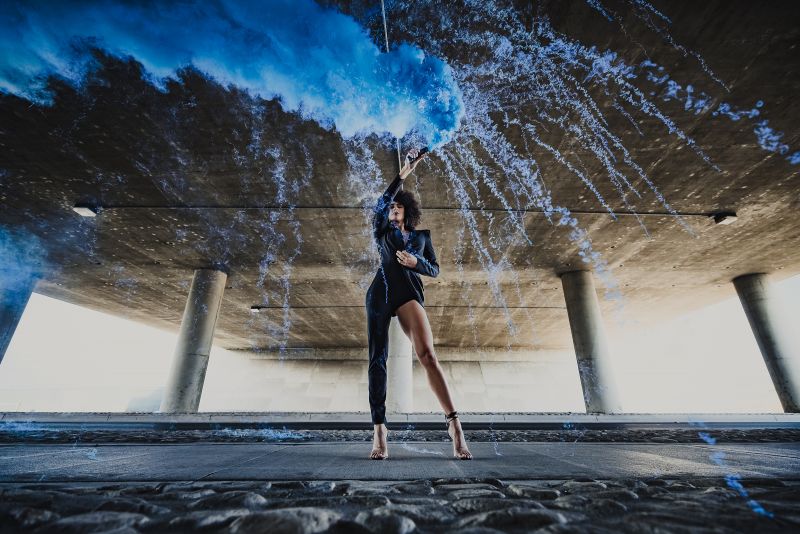
Mastering lighting is paramount when incorporating smoke effects into your portrait photography. The way light interacts with smoke can transform a simple portrait into a dramatic and ethereal masterpiece. This section delves into strategic lighting approaches to accentuate smoke’s visual appeal and enhance your subject.
Designing Lighting Setups to Accentuate Smoke Patterns
Effective lighting for smoke portraits goes beyond illuminating the subject; it involves sculpting the smoke itself. The goal is to reveal the texture, flow, and density of the smoke, making it an integral part of the composition. Careful placement and modification of light sources can dramatically influence how the smoke appears, creating depth and mood.
Comparing Different Lighting Styles for Smoke
The choice of lighting style significantly impacts the final aesthetic of smoke portraits. Each style offers unique ways to interact with the smoke and subject, leading to distinct visual outcomes. Understanding these differences allows for informed decisions based on the desired mood and artistic vision.
- Rim Lighting: This technique places lights behind the subject, creating a bright Artikel that separates them from the background. For smoke, rim lighting is exceptionally effective. It catches the edges of the smoke tendrils, making them glow and appear almost solid against a darker background. This enhances the three-dimensional quality of the smoke and adds a sense of mystique. The subject’s silhouette can also be subtly defined, drawing attention to their form.
- Backlighting: Similar to rim lighting but often broader, backlighting illuminates the smoke from behind. This can create a halo effect around both the subject and the smoke, lending an otherworldly or angelic quality. It’s particularly useful for showcasing fine wisps of smoke and can create a soft, diffused glow that wraps around the scene. The intensity of the backlight needs careful control to avoid washing out the subject.
- Side Lighting: Placing lights to the side of the subject and smoke can create dramatic shadows and highlights, revealing the contours and texture of the smoke. This style can add a gritty, cinematic feel. It emphasizes the movement and form of the smoke by highlighting specific areas while leaving others in shadow, adding depth and intrigue.
- Frontal Lighting: While less common for accentuating smoke patterns, frontal lighting can be used to ensure the subject is well-exposed. However, it can also flatten the smoke and make it appear less dynamic. When used, it’s often in conjunction with other lighting techniques to fill in shadows on the subject.
Using Colored Lights to Enhance Smoke’s Visual Appeal
Colored lighting offers a powerful tool for adding artistic flair and emotional resonance to smoke portraits. The interaction of colored light with smoke can produce vibrant and unique visual effects that standard white light cannot achieve.
- Creating Mood and Atmosphere: Warm colors like reds and oranges can evoke passion, energy, or a sense of danger, while cool colors like blues and purples can create a serene, mysterious, or melancholic mood. Green can add an eerie or naturalistic feel, and yellow can provide warmth and a vintage aesthetic.
- Highlighting Smoke Texture: Different colors can reveal different aspects of the smoke. For instance, a deep blue light might make the smoke appear denser and more voluminous, while a vibrant pink could highlight its translucent qualities and flowing edges.
- Complementing Subject’s Wardrobe or Skin Tone: Colored gels can be chosen to complement the subject’s clothing, makeup, or skin tone, creating a harmonious and visually pleasing portrait.
- Layering Colors: Using multiple colored lights can create complex and visually interesting effects. For example, a rim light in one color and a key light in another can create a duotone effect on the smoke and subject, adding significant depth and visual interest.
Methods for Preventing Overexposure of the Subject with Bright Lights
Working with bright lights, especially when trying to illuminate smoke, carries the risk of overexposing your subject. Overexposure can lead to a loss of detail in the highlights and can make the image appear blown out. Strategic techniques are essential to balance the light and protect the subject’s features.
- Use of Diffusers: Softboxes, umbrellas, and diffusion gels are invaluable for softening harsh light. When placed between the light source and the subject, they spread the light, reducing intensity and creating a more even illumination. This is crucial when using powerful lights to illuminate smoke without blowing out the subject’s face.
- Feathering the Light: This technique involves angling the light source so that only the edge of the light beam hits the subject. The main intensity of the light is directed away, minimizing direct exposure while still providing illumination. This is particularly effective with hard lights to sculpt the subject and smoke.
- Controlling Light Intensity: Using a light meter or the camera’s histogram is vital. Adjust the power output of your strobes or continuous lights to achieve the desired exposure for the subject. Sometimes, the smoke might appear brighter than the subject, which can be an artistic choice, but the subject should remain discernible.
- Separation of Lights: Use separate lights for the subject and the smoke if possible. A key light can illuminate the subject at a controlled exposure, while a separate, potentially more intense light source can be used to light the smoke from behind or the side, creating dramatic patterns without affecting the subject’s exposure.
- Reflectors: While not a light source, reflectors can bounce light back onto the subject to fill in shadows or add a subtle lift to their exposure without introducing direct, harsh light. This can be a gentle way to balance the overall lighting.
- Subject’s Position: Positioning the subject slightly away from the primary smoke source or light can help manage exposure. Allowing a bit more space between the subject and the most intense light or smoke can prevent direct overexposure.
Composition and Subject Posing
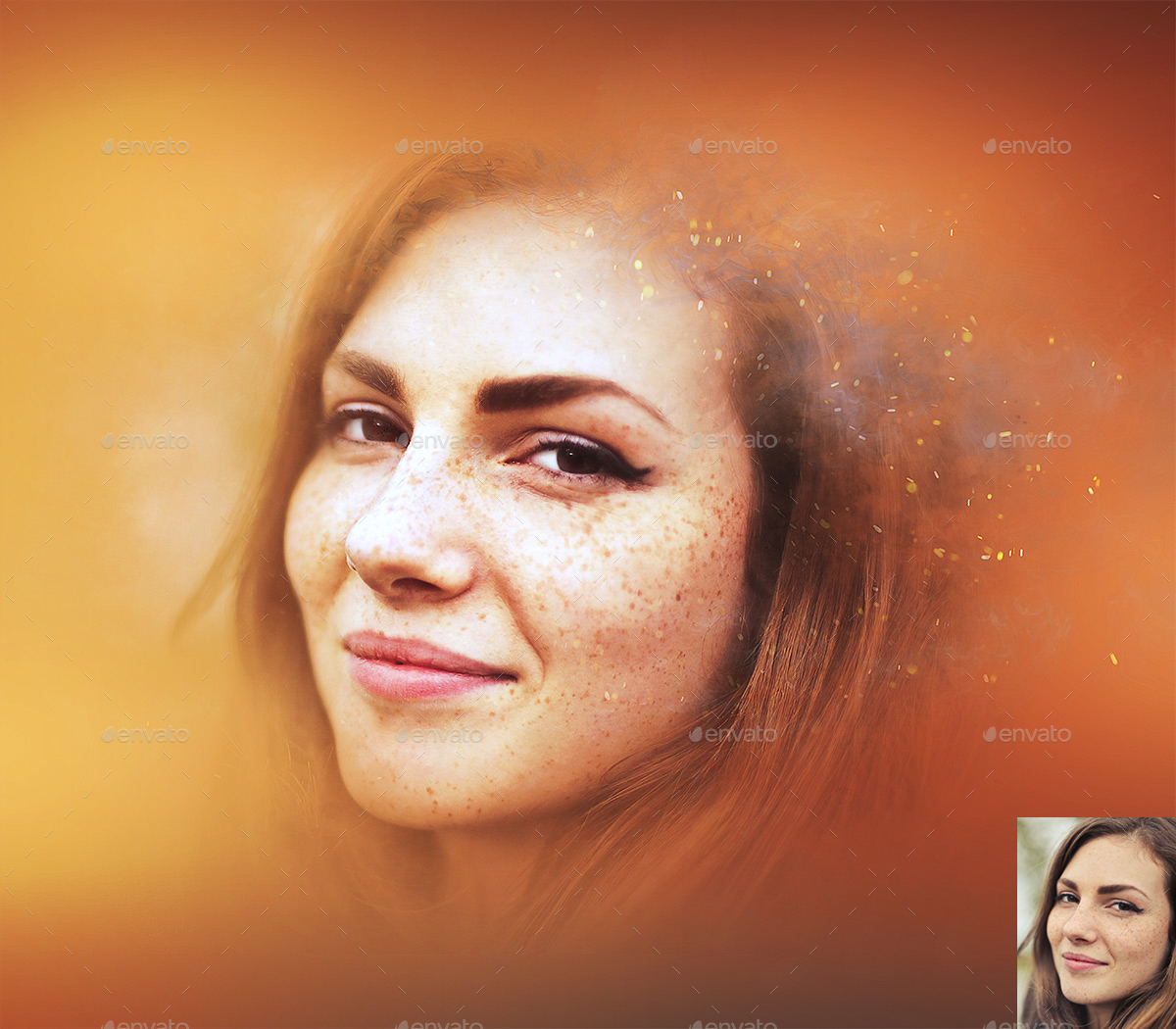
Capturing compelling portraits with smoke requires a thoughtful approach to composition and how your subject interacts with this ethereal element. The smoke itself becomes a dynamic partner in the frame, influencing lines, shapes, and mood. By carefully considering how you arrange elements and guide your subject, you can transform a simple portrait into a visually captivating narrative.The interplay between the subject and the smoke is crucial for creating artistic and impactful images.
It’s not just about placing a person in front of smoke; it’s about orchestrating a dance between the two, where each element enhances the other. This section will explore strategies for achieving this harmonious balance.
Integrating Smoke into the Composition
When incorporating smoke into your portrait compositions, think of it as another layer or element that can define space, create depth, and add a sense of mystery. The way the smoke flows, dissipates, and interacts with light will dictate its role in the overall image.Effective composition with smoke involves several key considerations:
- Leading Lines: Smoke plumes can act as natural leading lines, guiding the viewer’s eye towards the subject’s face or a specific point of interest within the frame. Position the smoke to subtly direct attention.
- Framing: Use denser clouds of smoke to create natural frames around the subject, adding a sense of intimacy or enclosure. This can also help to isolate the subject from a busy background.
- Depth and Layers: Varying the density and placement of smoke can create a sense of depth. Thicker, closer smoke can appear more prominent, while thinner wisps can recede into the background, adding a three-dimensional quality.
- Negative Space: Strategic use of negative space, whether it’s clear air or a dark background, can make the smoke and the subject stand out more dramatically.
- Rule of Thirds and Beyond: While traditional compositional rules like the rule of thirds still apply, consider how the smoke can enhance these placements. For instance, placing the subject off-center can be amplified by smoke flowing in the opposite direction.
Dynamic Poses for Smoke Portraits
The subject’s pose should not be static; it should engage with the smoke, creating a sense of movement and interaction. Poses that allow for subtle shifts in posture, head turns, and hand gestures can yield dynamic and expressive results.Consider these poses that work harmoniously with smoke:
- Looking Away: A subject gazing off into the distance, with smoke swirling around their profile, can create a contemplative or mysterious mood.
- Head Tilt and Neck Exposure: A slight head tilt can reveal the elegant line of the neck and jaw, often beautifully accentuated by smoke drifting past.
- Hand Gestures: Subtle hand movements, such as a hand gently brushing past the face or reaching into a cloud of smoke, can add a touch of drama and storytelling.
- Turning or Shifting Weight: Poses that suggest movement, even if subtle, like a gentle turn of the body or a shift in weight, can make the interaction with the smoke feel more organic and alive.
- Leaning or Crouching: Poses that bring the subject closer to the source of the smoke or create interesting shapes against the smoke can be very effective.
Guiding Subject Interaction with Smoke
Directing your subject’s interaction with the smoke is paramount to achieving artistic results. It’s about creating a natural flow rather than a forced performance. Encourage them to be aware of the smoke’s presence and to react to it organically.Provide guidance to your subject through these methods:
- Breathing Techniques: Instruct your subject to take gentle breaths, either in or out, to subtly influence the smoke’s movement around their face. A soft exhale can create a beautiful, controlled dissipation.
- Subtle Movements: Encourage small, deliberate movements. A slight turn of the head, a gentle shrug, or a hand moving slowly through the air can interact with the smoke in captivating ways.
- Focus on Emotion: Ask your subject to embody a specific emotion. This emotional state will naturally translate into their expression and posture, influencing how they interact with the smoke.
- Experimentation: Allow for moments of spontaneous interaction. Sometimes, the most beautiful moments occur when the subject simply reacts to the smoke as it appears.
- Demonstration: If possible, demonstrate a subtle movement or expression yourself to give the subject a visual cue.
Visual Composition Ideas for Smoke Portraits
The visual composition of smoke portraits can range from minimalist and abstract to dramatic and narrative. The key is to leverage the unique qualities of smoke to enhance the portrait.Explore these visual composition ideas:
- Silhouette with Smoke Trails: Position the subject against a bright light source and use smoke to create flowing trails or halos around their form, emphasizing their Artikel.
- Face Partially Obscured: Allow dense smoke to softly obscure parts of the face, such as the eyes or mouth, creating an air of mystery and drawing attention to the visible features.
- Smoke as a Backdrop Element: Use the smoke as a textured, dynamic backdrop, with the subject sharply in focus in the foreground. This can add mood and visual interest without the smoke directly interacting with the subject.
- Dramatic Lighting on Smoke: Illuminate the smoke itself with strong backlighting or side lighting to reveal its texture, form, and movement, making it a prominent subject element.
- Color Integration: If using colored smoke or gels for lighting, consider how the colors of the smoke blend with or contrast against the subject’s skin tone and clothing for a unified aesthetic.
Post-Processing Smoke Effects
Post-processing is where the magic truly happens in smoke portraiture, allowing you to refine, enhance, and even create the ethereal smoke elements that define the image. This stage offers a significant degree of creative control, transforming a good capture into a stunning visual narrative. We will explore various techniques to elevate your smoke portraits to a professional level.The goal of post-processing is to ensure the smoke complements the subject and the overall mood of the photograph without overpowering it.
It involves a blend of technical adjustments and artistic choices to achieve a harmonious and impactful result.
Enhancing Existing Smoke
When smoke is present in your original capture, post-processing can significantly amplify its presence and visual appeal. This involves subtle adjustments that bring out texture, depth, and luminosity.Before diving into enhancements, it’s crucial to assess the existing smoke. Look for areas where it might be too faint, too uniform, or lacking in detail. The following techniques can be applied to breathe new life into captured smoke:
- Adjusting Opacity and Flow: Using layer masks and opacity sliders in software like Adobe Photoshop or GIMP allows you to selectively increase the visibility of smoke in certain areas or reduce it where it might be distracting. The flow brush tool can also be used to guide the direction and intensity of the smoke.
- Contrast and Clarity: Increasing the contrast of the smoke layers can help define their edges and add a sense of volume. The clarity slider, when used judiciously, can reveal finer details and textures within the smoke plumes, making them appear more dynamic.
- Adding Subtle Glow: A soft, diffused glow can be applied to the smoke to make it appear more luminous and otherworldly. This can be achieved using layer styles like ‘Outer Glow’ or by painting with a soft white brush on a new layer set to a ‘Screen’ or ‘Linear Dodge (Add)’ blend mode.
- Noise and Texture: Sometimes, adding a touch of monochromatic noise or a subtle texture overlay can give the smoke a more organic and less digital feel, especially if the original smoke was captured with a lower ISO or in very clean lighting.
Adding or Manipulating Smoke Digitally
For photographers who didn’t capture smoke during the shoot, or wish to augment existing smoke, digital manipulation offers powerful tools. This involves using brushes, stock images, or generative AI to create and integrate smoke elements.The key to successful digital smoke addition lies in believability and seamless integration. The new smoke should interact realistically with the subject and the lighting of the scene.
- Smoke Brushes: A vast array of high-resolution smoke brushes are available for editing software. These brushes can be painted onto new layers, with their opacity, color, and blending modes adjusted to match the existing lighting and atmosphere. Experiment with different brush shapes and sizes to create varied smoke effects, from wisps to dense plumes.
- Stock Smoke Overlays: High-quality smoke overlay images can be purchased or found from free stock resources. These are typically applied as new layers and blended into the image using various blending modes such as ‘Screen,’ ‘Lighten,’ or ‘Add.’ Layer masks are essential for refining the edges and ensuring the overlay integrates naturally.
- Generative AI Tools: Emerging AI tools can generate realistic smoke elements based on textual prompts or by analyzing existing image content. While still evolving, these tools offer a novel approach to creating unique smoke effects that can be further refined using traditional editing techniques.
- Manual Painting: For advanced users, manually painting smoke using soft brushes and varying opacity can offer the highest level of control. This method requires a good understanding of how smoke behaves and interacts with light.
Color Grading to Complement Smoke Tones
Color grading is instrumental in setting the mood and ensuring the smoke effect harmonizes with the portrait. The colors you choose can evoke specific emotions and enhance the overall aesthetic.The color palette of the smoke should be considered in relation to the subject’s skin tone, clothing, and the background. The aim is to create a cohesive and visually pleasing image.
- Warm Tones: For a dramatic or fiery feel, consider grading the smoke with warm oranges, reds, or yellows. This can be achieved using color balance adjustments, selective color tools, or by applying gradient maps.
- Cool Tones: To convey a sense of mystery, serenity, or a cooler atmosphere, blues, purples, or even subtle greens can be effective. These can be introduced through similar color grading techniques.
- Monochromatic or Desaturated: A desaturated or monochromatic approach can lend a sophisticated and timeless feel. This involves reducing color saturation or using black and white conversion layers, potentially with selective color highlights.
- Complementary Colors: Using colors that are opposite each other on the color wheel can create vibrant and dynamic images. For instance, if the subject is wearing a blue outfit, incorporating hints of orange in the smoke can add visual interest.
Refining the Subject’s Appearance Alongside Smoke Effect
While the smoke effect is a significant element, the subject remains the focal point. Post-processing should ensure the subject’s appearance is enhanced and complements the smoke, not competes with it.The interplay between the subject and the smoke requires careful attention to detail to maintain a natural and compelling portrait.
- Subject Isolation: Using layer masks, ensure the subject is cleanly separated from the background and any intrusive smoke elements. This allows for independent adjustments to the subject and the smoke.
- Skin Retouching: Standard portrait retouching techniques, such as blemish removal, frequency separation, and dodge and burn, should be applied to the subject. These adjustments should be subtle to maintain a natural look.
- Lighting Consistency: Ensure the lighting on the subject is consistent with the perceived light source of the smoke. If the smoke appears to be lit from the side, the subject should also have highlights and shadows that reflect this.
- Color Harmony: Adjust the subject’s colors to harmonize with the smoke. If the smoke is a cool blue, a slight desaturation or cool cast on the subject can create unity. Conversely, if the smoke is warm, a touch of warmth can be introduced to the subject.
- Edge Refinement: Pay close attention to the edges where the smoke meets the subject. Softening these edges slightly with a subtle blur or by using a very soft brush on a layer mask can help blend them more naturally.
Advanced Smoke Portrait Concepts
Moving beyond the foundational techniques, this section delves into the more experimental and artistic applications of smoke in portraiture. We will explore how to push the boundaries of conventional smoke photography, integrating it with other visual mediums and storytelling techniques to create truly unique and impactful images.This exploration is for photographers who are comfortable with the basics and are ready to innovate.
By understanding how to combine smoke with different elements and approaches, you can elevate your portrait work from technically proficient to artistically groundbreaking.
Experimental Smoke Approaches
Experimentation is key to unlocking new visual territories in smoke portraiture. This involves deviating from standard setups and embracing unexpected combinations of materials and techniques to achieve novel aesthetic outcomes.Consider these experimental avenues:
- Textural Smoke Blends: Instead of single-color smoke, experiment with layering different colored smoke generators or using materials that produce smoke with varying densities and textures. This can create a sense of depth and complexity within the smoke itself.
- Interactive Smoke Sculpting: Beyond passive diffusion, explore ways to actively shape smoke. This could involve using fans at specific angles, guiding smoke with flexible tubes, or even using subtle air currents generated by the subject’s movement.
- Abstract Smoke Forms: Focus on the abstract qualities of smoke. Think of smoke not just as a backdrop but as a dynamic, fluid element that can create abstract shapes, lines, and patterns that interact with the subject’s form.
- Thematic Smoke Colors: Develop color palettes for your smoke that are intrinsically linked to the mood or theme of the portrait. For instance, deep blues and purples for a melancholic portrait, or vibrant oranges and reds for a fiery, energetic one.
Combining Smoke with Other Visual Elements
The true power of advanced smoke portraiture often lies in its integration with other visual elements. This fusion can create richer narratives, add layers of meaning, and produce visually stunning effects that are impossible with smoke alone.Here are some compelling combinations to consider:
- Smoke and Water: The interplay between the ethereal nature of smoke and the fluidity of water can be incredibly captivating. Imagine portraits where smoke seems to emerge from or dissipate into mist, or where water droplets are captured within smoky tendrils. This can be achieved by using atomizers to create mist, or by incorporating water features into the set.
- Smoke and Light Painting: The dynamic, ephemeral quality of smoke provides an excellent canvas for light painting. Long exposure photography allows you to “paint” with light through the smoke, creating glowing trails, halos, or abstract patterns that weave through the scene. Experiment with different colored lights and brushes to add further complexity.
- Smoke and Projection Mapping: Projecting patterns, textures, or even abstract imagery onto the smoke itself can create mesmerizing, multi-dimensional effects. This requires careful control of the smoke’s density and movement to ensure the projected light is visible and forms cohesive shapes.
- Smoke and Natural Elements: Incorporating natural elements like leaves, petals, or even fine sand can create unique textural contrasts with the smoke. The way smoke interacts with these elements, swirling around them or obscuring them, can add a narrative dimension to the portrait.
Slow-Motion Capture for Dynamic Smoke Sequences
Capturing smoke in slow motion reveals its intricate dance and subtle nuances, transforming static moments into fluid, mesmerizing sequences. This technique allows for an appreciation of the smoke’s behavior that is imperceptible to the naked eye.The benefits of using slow-motion capture include:
- Revealing Hidden Details: The graceful unfurling, swirling, and dissipating of smoke are often too fast to observe. Slow motion allows you to witness these intricate movements, revealing the subtle beauty and complexity of the smoke’s form.
- Enhancing Dramatic Effect: A slow-motion reveal of smoke can dramatically heighten the emotional impact of a portrait. It can accentuate a subject’s expression, emphasize a mood, or create a sense of unfolding mystery.
- Creating Abstract Art: Individual frames from a slow-motion smoke sequence can often stand alone as abstract art pieces, showcasing the organic and unpredictable beauty of the smoke’s patterns.
- Articulating Movement and Energy: For dynamic portraits, slow motion can effectively convey a sense of movement, energy, or even tension, as the smoke interacts with the subject’s pose or gestures.
To effectively implement this, a camera capable of high frame rates (e.g., 120fps, 240fps, or higher) is essential. This allows for significant playback speed reduction while maintaining smooth visual continuity.
Narrative-Driven Smoke Portraits
Creating narrative-driven smoke portraits involves using the smoke not just as a visual effect, but as a storytelling device. The way the smoke is generated, shaped, and interacts with the subject and environment should contribute to a larger story or evoke a specific emotion or idea.Organizing a guide for creating narrative-driven smoke portraits involves several key stages:
- Concept Development:
- Define the core narrative or emotion you wish to convey. Is it a story of transformation, mystery, introspection, or release?
- Brainstorm visual metaphors that smoke can represent within your narrative (e.g., confusion, memories, dreams, secrets, freedom).
- Consider the character of your subject and how the smoke can either complement or contrast with their persona.
- Smoke as a Character/Element:
- Symbolic Color: Assign specific colors of smoke to represent different aspects of the narrative. For example, grey smoke might represent sadness, while golden smoke could symbolize hope.
- Direction and Flow: The direction the smoke moves can imply a narrative progression. Smoke moving away from the subject might suggest leaving something behind, while smoke swirling around them could indicate being consumed by an emotion or idea.
- Density and Opacity: Varying the density of the smoke can control what is revealed and what is hidden, mirroring aspects of the narrative. Thick smoke might obscure the subject, suggesting a loss of self or confusion, while wispy smoke might highlight their features, implying clarity.
- Subject Interaction and Posing:
- Pose the subject in a way that actively engages with the smoke. Their gestures, facial expressions, and body language should tell a part of the story.
- Consider how the subject might be reacting to the smoke: are they embracing it, struggling against it, or unaware of it?
- Incorporate actions that influence the smoke, such as a subtle breath or hand movement, to integrate the subject’s agency into the narrative.
- Environmental Storytelling:
- Select a background and lighting that enhance the narrative. A dimly lit, moody environment might suit a story of mystery, while a brighter, more open space could convey freedom.
- Use props or set elements that reinforce the story. For instance, a single wilting flower might symbolize decay, while a book could represent knowledge or escapism.
- Technical Execution for Narrative:
- Camera Angle and Perspective: Choose angles that emphasize the narrative. A low angle might make the subject appear powerful, while a high angle could suggest vulnerability.
- Lighting as a Narrative Tool: Use light to sculpt the smoke and highlight the subject in ways that support the story. Rim lighting can define the edges of smoke, creating a halo effect, while colored gels can set the mood.
- Post-Processing Emphasis: Use editing to enhance the narrative. This might involve adjusting colors to match the emotional tone, selectively desaturating areas to draw focus, or adding subtle textures to evoke a specific feeling.
By meticulously planning and executing each of these stages, you can transform a technically impressive smoke portrait into a compelling visual narrative.
Wrap-Up
By mastering these techniques, you’ll be equipped to create portraits that are not only visually stunning but also imbued with depth, mood, and artistic narrative. From understanding the basics of smoke and light to advanced creative concepts, this comprehensive exploration empowers you to capture portraits that truly stand out, leaving a lasting impression on viewers.