Embark on a captivating journey into the art of capturing the delicate beauty of raindrops on glass. This guide unveils the secrets to transforming fleeting moments into stunning visual narratives, offering a fresh perspective on the often-overlooked details of a rainy day.
We will explore the fundamental optical principles, essential gear, precise camera settings, and creative lighting techniques that are crucial for achieving crystal-clear raindrop photographs. Discover how to navigate common challenges and elevate your imagery from ordinary to extraordinary.
Understanding the Basics of Capturing Raindrops
Capturing the delicate beauty of raindrops on a surface presents a fascinating photographic challenge. It requires a blend of understanding optical principles, environmental conditions, and precise camera control. By grasping these fundamental elements, you can elevate your raindrop photography from mere snapshots to compelling visual narratives. This section delves into the core concepts that underpin successful raindrop photography.The visual appeal of raindrops often lies in their ability to refract and reflect light, creating miniature optical phenomena.
Understanding how light interacts with these water spheres is key to achieving sharp and well-exposed images. Furthermore, the environment plays a crucial role, dictating not only the presence of raindrops but also the quality of light available for photography.
Fundamental Optical Principles in Raindrop Photography
The magic of photographing raindrops stems from how they interact with light. Each droplet acts as a tiny lens, capable of bending and focusing light. This phenomenon is known as refraction. When light passes through a raindrop, it bends, and if the conditions are right, it can focus light to a point, creating highlights and internal reflections that give the droplet its sparkle.Furthermore, raindrops can act as mirrors, reflecting the surrounding environment.
This reflection adds depth and context to your images, allowing you to incorporate the scene into the droplet itself. The angle of light, the shape of the droplet, and the surface it rests upon all influence the appearance of these refractions and reflections.
The shape of a raindrop, though often depicted as tear-shaped, is in reality more spherical due to surface tension, especially when suspended or on a smooth surface. This spherical form is critical for its lensing properties.
Ideal Atmospheric Conditions for Clear Raindrop Photography
Achieving clear and well-defined raindrop photographs is significantly influenced by the prevailing weather. Certain atmospheric conditions provide the optimal environment for this type of photography, making the process smoother and the results more striking.The most conducive conditions involve a gentle, consistent rainfall. Heavy downpours can lead to large, distorted droplets or water sheeting across surfaces, obscuring individual drops. Overcast skies are often ideal as they provide diffused, soft light.
This type of lighting minimizes harsh shadows and prevents specular highlights from blowing out details within the droplet. Direct sunlight, while it can create dramatic effects, is often too intense and can lead to overexposure and loss of detail in the water. A slight breeze can be beneficial, as it can cause droplets to move and catch the light in interesting ways, but a strong wind will make it difficult to keep the subject in focus.
Common Challenges and Anticipation in Raindrop Photography
Photographing raindrops clearly comes with its own set of hurdles. Anticipating these common issues allows for proactive solutions, leading to more successful and less frustrating shooting experiences.One of the primary challenges is achieving sharp focus on such small and often moving subjects. The shallow depth of field required to isolate individual droplets can make focusing a precise task. Another common issue is the lack of contrast; raindrops can sometimes blend into the background, making them difficult to discern.
Managing reflections can also be tricky, as unwanted reflections can distract from the main subject. Finally, dealing with the elements themselves – staying dry, protecting your equipment, and maintaining patience in less-than-ideal comfort levels – are all practical challenges.
Essential Camera Settings for Sharp Raindrop Images
To ensure your raindrop photographs are crisp and detailed, specific camera settings are paramount. These settings work in concert to overcome the challenges of photographing small, often translucent subjects in varying light conditions.* Aperture: A relatively wide aperture (e.g., f/2.8 to f/5.6) is often used to create a shallow depth of field, which helps to isolate individual raindrops from the background and render the background beautifully blurred (bokeh).
However, for maximum sharpness of the droplet itself and a slightly wider plane of focus, a slightly narrower aperture (e.g., f/8 to f/11) might be preferred, especially if you want more of the droplet’s structure to be in focus.
Shutter Speed
A fast shutter speed is crucial to freeze the motion of falling raindrops or any slight movement caused by wind. Shutter speeds of 1/250th of a second or faster are generally recommended. For very fine mist or slow-moving droplets, even faster speeds might be necessary.
ISO
Keep your ISO as low as possible to minimize digital noise, which can detract from the clarity of the image. Start with your camera’s base ISO (often 100 or 200) and increase it only if necessary to achieve adequate exposure with your chosen aperture and shutter speed.
Focusing
Manual focus is often the most reliable method for pinpoint accuracy on tiny water droplets. Using your camera’s live view and zooming in on the subject can help achieve precise focus. Alternatively, using a single autofocus point and carefully placing it on the edge or center of the droplet can also be effective.
Metering Mode
Evaluative or Matrix metering is generally a good starting point, as it analyzes the entire scene. However, you may need to use exposure compensation to fine-tune the brightness, especially if the background is very dark or very bright.
White Balance
Setting a custom white balance or using a preset like “Cloudy” or “Daylight” can help ensure accurate color rendition, especially under overcast conditions.
The interplay of these settings allows you to control the exposure, depth of field, and sharpness, ultimately leading to clear and impactful raindrop photographs. Experimentation with these settings in different lighting conditions will help you develop an intuitive understanding of how they affect your final image.
Equipment and Gear for Raindrop Photography
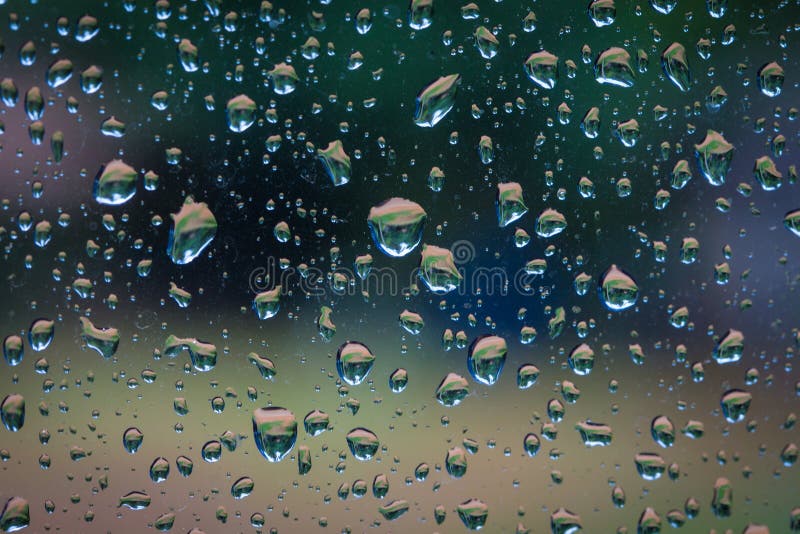
To achieve clear and detailed images of raindrops on glass, selecting the right equipment is paramount. The gear you choose will directly influence your ability to freeze motion, control light, and protect your camera from the elements. This section will guide you through the essential tools for successful raindrop photography.The pursuit of sharp raindrop photography often hinges on the camera and lens combination.
While advanced DSLRs and mirrorless cameras offer superior autofocus and low-light performance, even entry-level models can yield excellent results with the right techniques and settings. The choice of lens, however, plays a more critical role in defining the final image.
Recommended Camera Bodies and Lenses
When selecting a camera body, consider its autofocus speed and accuracy, especially for capturing fast-moving raindrops. Modern mirrorless cameras often excel in this area. For lenses, a macro lens is highly beneficial as it allows you to get extremely close to the glass, revealing intricate details of individual droplets. A focal length between 50mm and 100mm is generally ideal for macro work, providing a good working distance and magnification.
A wider aperture (lower f-number) can also help isolate droplets by creating a shallow depth of field, blurring the background.
- Camera Bodies: Look for cameras with fast and reliable autofocus systems. Features like continuous autofocus (AF-C) and eye-tracking can be advantageous.
- Lenses:
- Macro Lenses: Essential for close-up detail. Magnification ratios of 1:1 or greater are ideal.
- Prime Lenses: Often offer sharper images and wider apertures than zoom lenses, which can be beneficial. A 50mm or 85mm prime can be a versatile choice.
- Telephoto Lenses (with caution): While not ideal for close-up droplets, a longer telephoto lens can be used to compress perspective and capture larger scenes with prominent raindrops from a distance.
Benefits of Specific Accessories
Beyond the camera and lens, certain accessories can significantly enhance your raindrop photography. These tools help control light, improve focus, and manage the challenging shooting conditions.External flashes are invaluable for freezing the motion of raindrops. A flash provides a burst of light that is much shorter than ambient light, effectively stopping the water’s movement and preventing motion blur. When using a flash, it’s crucial to diffuse the light to avoid harsh reflections and create a softer, more pleasing illumination on the droplets.
Diffusers, such as softboxes or even a simple white cloth placed over the flash, scatter the light, rendering the raindrops with a delicate glow rather than stark highlights.
- External Flashes:
- Purpose: To freeze motion and provide adequate illumination in low-light conditions.
- Usage: Off-camera flash allows for more creative lighting angles and control.
- Diffusers:
- Purpose: To soften harsh light from flashes or ambient sources, reducing specular highlights and creating a more ethereal look.
- Types: Softboxes, umbrellas, translucent plastic sheets, or even a piece of tracing paper can serve as diffusers.
- Remote Shutter Release: Minimizes camera shake when pressing the shutter button, leading to sharper images, especially at slower shutter speeds or with macro lenses.
- Focusing Aids: Tools like focus peaking (available on many mirrorless cameras) or manual focus assist can be extremely helpful for achieving precise focus on tiny water droplets.
Importance of Weather-Sealed Equipment
Shooting in the rain inherently exposes your gear to moisture, dust, and potential impact. Investing in weather-sealed equipment is not merely a recommendation; it’s a necessity for protecting your valuable investment and ensuring reliable performance. Weather sealing involves gaskets and seals around buttons, dials, and seams of the camera body and lenses, preventing water and dust from entering the internal components.
“Weather-sealed equipment provides peace of mind and operational continuity when shooting in adverse conditions, safeguarding your camera from water damage and dust ingress.”
While no equipment is entirely waterproof, weather-sealed bodies and lenses offer a significant level of protection against light rain, splashes, and humid environments. It’s always wise to consult the manufacturer’s specifications for the degree of weather sealing a particular model offers. Even with weather-sealed gear, taking precautions like using a rain cover for your camera is advisable during heavy downpours.
Setup for Handheld vs. Tripod-Based Shooting
The choice between handheld and tripod-based shooting for raindrop photography depends on your desired outcome, shooting environment, and personal preference. Both methods offer distinct advantages for achieving clarity. Handheld Shooting: This approach offers maximum flexibility and mobility, allowing you to quickly reposition yourself to find the best angles and compositions. It is particularly useful when you need to react swiftly to changing weather conditions or when working in tight spaces.
To maintain sharpness when shooting handheld, it is crucial to utilize a fast shutter speed (at least 1/250s, and often faster) to freeze the motion of the raindrops. Image stabilization (IS) or vibration reduction (VR) in your lens or camera body can also assist in reducing camera shake, although it cannot freeze the motion of the raindrops themselves. Using a wider aperture can allow for more ambient light, enabling faster shutter speeds.
Tripod-Based Shooting: A tripod provides unparalleled stability, which is essential for achieving the sharpest possible images, especially when using slower shutter speeds or longer focal lengths. It allows you to precisely frame your shot and consistently return to the same position if you need to make adjustments. When using a tripod, you can afford to use slower shutter speeds, which can sometimes capture the subtle movement and form of larger raindrops more effectively, or to work with lower ISO settings for cleaner images.
A sturdy tripod, especially one with a central column that can be reversed or extended, is ideal for getting low to the ground to capture droplets on surfaces like windows or pavements. Using a remote shutter release or the camera’s self-timer is highly recommended with a tripod to eliminate any vibration caused by pressing the shutter button.A typical setup for handheld shooting might involve a camera with a fast lens, possibly with image stabilization, and a focus on using sufficient shutter speed and aperture to manage exposure.
For tripod-based shooting, a sturdy tripod, a remote shutter release, and a focus on stability and precise composition are key.
Camera Settings for Optimal Clarity

Achieving crystal-clear raindrop photographs hinges on a meticulous selection of camera settings. These parameters directly influence how motion is captured, how much of your scene is in focus, and the overall aesthetic quality of your images. Understanding and applying these settings will elevate your raindrop photography from merely capturing water to creating art.Mastering aperture, shutter speed, ISO, focus, and exposure compensation is paramount for freezing the dynamic beauty of raindrops on glass.
Each setting plays a crucial role in translating the fleeting moments of a downpour into sharp, detailed, and visually striking photographs.
Aperture and Depth of Field
The aperture, controlled by the f-stop number, dictates the amount of light entering your camera and, critically, the depth of field in your image. A smaller aperture (higher f-number) results in a larger depth of field, meaning more of your scene, from foreground to background, will be in sharp focus. Conversely, a wider aperture (lower f-number) produces a shallower depth of field, isolating your subject with a beautifully blurred background.
For raindrop photography, the choice depends on your artistic intent. If you want to capture individual, sharp raindrops against a clean pane of glass, a mid-range to slightly smaller aperture like f/5.6 to f/11 is often ideal, ensuring the drops themselves are sharp while the immediate background remains relatively defined. If you aim for a more abstract look, emphasizing the texture and form of the drops with a softly diffused background, a wider aperture might be considered, though care must be taken to ensure the drops themselves remain the sharpest element.
Shutter Speed for Freezing Motion
Raindrops, especially when falling, are in constant motion. To capture them as distinct, frozen entities rather than blurred streaks, an appropriate shutter speed is essential. The required speed will vary depending on the size of the raindrops and the intensity of the rain. Generally, faster shutter speeds are necessary.Here are guidelines for selecting shutter speeds:
- Light Drizzle/Small Drops: A shutter speed of 1/250th of a second or faster is usually sufficient to freeze the motion of smaller droplets.
- Moderate Rain/Medium Drops: For more substantial drops, aim for shutter speeds of 1/500th of a second or faster.
- Heavy Downpour/Large Drops: To capture the impact and distinct form of large, fast-moving raindrops, shutter speeds of 1/1000th of a second or even faster are recommended.
Experimentation is key, as ambient light conditions will also influence the shutter speed you can use.
ISO Management for Image Quality
ISO represents your camera sensor’s sensitivity to light. While increasing ISO allows you to shoot in darker conditions or use faster shutter speeds, it also introduces digital noise, which degrades image quality and reduces detail. For raindrop photography, maintaining a low ISO is generally preferred to preserve the crispness and clarity of the water droplets and the textures they form.Strategies for managing ISO include:
- Prioritize Natural Light: Whenever possible, utilize available natural light to avoid high ISO settings.
- Use a Wider Aperture: A wider aperture allows more light to enter the camera, enabling the use of a lower ISO and/or faster shutter speed.
- Consider External Lighting: If natural light is insufficient, controlled external lighting (like a speedlight or continuous light source) can illuminate your subject, allowing for lower ISOs.
- Know Your Camera’s Limits: Understand the ISO performance of your specific camera. Many modern cameras can produce usable images at higher ISOs, but pushing it too far will result in noticeable noise. Aim to keep your ISO as low as your other settings will allow, typically between ISO 100 and ISO 800 for optimal results.
Manual Focus Techniques for Precision
Autofocus systems can sometimes struggle with the translucent nature of raindrops or the reflective surfaces they appear on. Therefore, manual focus is often the most reliable method for ensuring your raindrops are perfectly sharp. Achieving pinpoint accuracy requires a systematic approach.Here is a sequence of manual focus techniques:
- Pre-focus on the Glass: Before the rain starts or when it’s light, identify the plane where the raindrops will appear. Set your focus to that distance manually. If shooting through a window, focus on the surface of the glass itself.
- Use Live View Magnification: Engage your camera’s Live View mode and zoom in on the area of the glass where you intend to focus. This provides a magnified view, allowing for much more precise adjustments.
- Adjust Focus Ring Slowly: Gently turn the focus ring on your lens back and forth until the raindrops appear as sharp as possible on the magnified Live View screen. Pay close attention to the edges and details of the drops.
- Focus Stacking (Advanced): For situations where you want maximum depth of field across multiple layers of raindrops, consider focus stacking. This involves taking multiple shots with slightly different focus points and combining them in post-processing. However, for single, sharp raindrops, manual focus on the glass surface is usually sufficient.
- Test Shots: Take test shots and zoom in on the LCD screen to confirm sharpness. Adjust focus as needed.
Exposure Compensation for Balanced Lighting
Exposure compensation is a vital tool for fine-tuning the brightness of your image, especially when dealing with challenging lighting conditions often present during rain. Wet surfaces and bright skies can trick your camera’s meter, leading to underexposed or overexposed images. Exposure compensation allows you to manually adjust the exposure level indicated by your camera’s meter.Here’s how to use it effectively:
- Underexposure for Detail: Often, wet surfaces can appear very bright. If your camera is overexposing and blowing out highlights on the wet glass or drops, use negative exposure compensation (e.g., -0.3, -0.7, -1.0 EV) to darken the image and retain detail in the bright areas.
- Overexposure for Moody Tones: Conversely, if the scene is generally dark and you want to bring out the luminosity of the raindrops or create a brighter, more ethereal feel, use positive exposure compensation (e.g., +0.3, +0.7, +1.0 EV).
- Meter the Subject: Aim your camera’s metering system at the area you want to expose correctly. For raindrop shots, this often means metering the glass surface with the drops on it.
- Check the Histogram: The histogram is your best friend. After taking a shot, check the histogram on your camera’s LCD. For well-exposed images, the histogram should be distributed across the tonal range without being heavily bunched up at either the extreme left (underexposed) or extreme right (overexposed).
“Exposure compensation is your creative control over the camera’s automatic judgment of light, allowing you to achieve the precise mood and detail you envision.”
By carefully adjusting exposure compensation, you can ensure that the subtle textures and luminosity of raindrops are rendered accurately, creating a more impactful and aesthetically pleasing photograph.
Lighting Techniques for Enhanced Detail
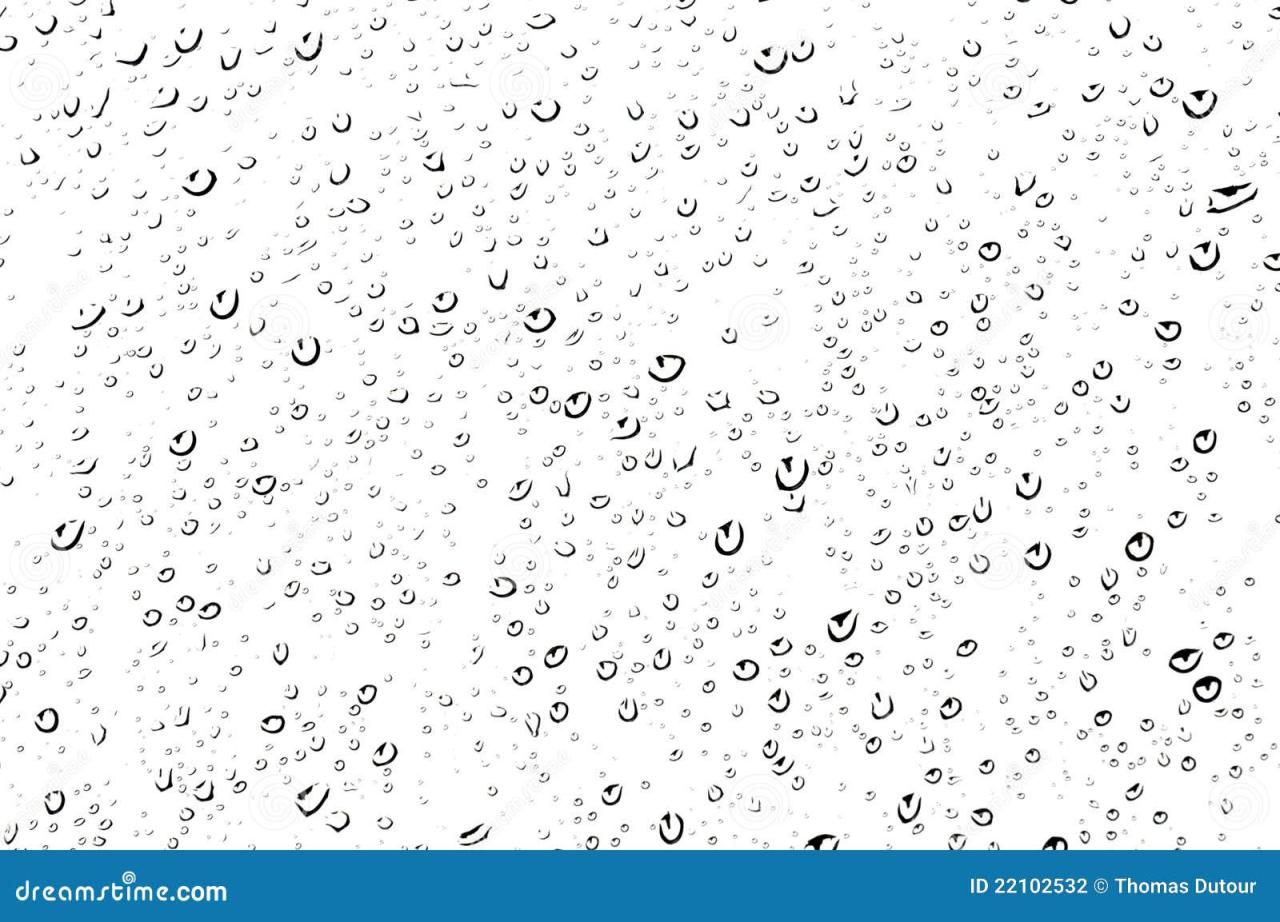
Mastering lighting is paramount to transforming ordinary raindrops into captivating photographic subjects. The interplay of light and water creates unique textures, shapes, and visual effects that can elevate your raindrop photography from simple snapshots to artistic expressions. This section delves into various lighting strategies, from harnessing the subtle beauty of natural light to employing artificial sources for dramatic impact, ensuring your raindrop images exhibit clarity and detail.Effective lighting control is key to revealing the intricate beauty of raindrops.
By understanding how light interacts with water droplets, you can emphasize their spherical nature, highlight surface tension, and minimize distracting reflections. Whether you are working with the soft glow of an overcast sky or the sharp definition of a studio light, thoughtful illumination will bring your raindrop photographs to life.
Natural Lighting Scenarios for Raindrop Texture
Natural light offers a versatile and often beautiful palette for photographing raindrops, each scenario presenting unique opportunities to showcase their texture and form. The quality and direction of natural light can dramatically alter the appearance of water droplets on surfaces like glass.
Consider these natural lighting conditions:
- Overcast Skies: This is often the ideal natural light for raindrop photography. The diffused light from an overcast sky provides soft, even illumination that minimizes harsh shadows and specular highlights, allowing the subtle textures and shapes of the raindrops to be clearly visible. The absence of direct sunlight reduces distracting reflections, making the droplets appear more defined and three-dimensional.
- Golden Hour (Sunrise/Sunset): During the golden hour, the low angle of the sun casts a warm, soft light. This can create beautiful rim lighting on the edges of raindrops, giving them a luminous glow and enhancing their roundness. The longer shadows cast can also add depth and dimension to the scene.
- Dappled Light: If shooting near a window with light filtering through leaves or blinds, dappled light can create interesting patterns of light and shadow on the raindrops. This can add a sense of dynamism and visual intrigue to your images, highlighting individual droplets against darker backgrounds.
Artificial Light Sources for Dramatic Effects
While natural light is often preferred, artificial light sources offer greater control and the potential for more dramatic and stylized results in raindrop photography. These lights can be strategically positioned to sculpt the droplets and create eye-catching visual effects.
Experiment with these artificial lighting techniques:
- Speedlights/Strobes: A speedlight or strobe positioned behind or to the side of the subject can create beautiful backlighting or side lighting. This emphasizes the edges of the raindrops, giving them a distinct Artikel and making them appear to glow. Using a diffuser can soften the light and prevent overly harsh highlights.
- LED Panels: Continuous LED panels offer the advantage of seeing the lighting effect in real-time. They can be used for soft, diffused illumination or, with modifiers, to create more directional light. Some LED panels offer color temperature control, allowing you to experiment with different moods and aesthetics.
- Ring Lights: A ring light, often used in portraiture, can provide a unique effect on raindrops. When placed directly in front of the lens, it can create a circular catchlight within each droplet, giving them a distinct, almost alien appearance.
Controlling Harsh Reflections for Clarity
Harsh reflections are a common challenge in raindrop photography, as they can obscure the delicate details of the water droplets and detract from the overall clarity of the image. Strategic control of light sources and camera angles is essential to minimize these unwanted reflections.
Implement these methods to manage reflections:
- Polarizing Filters: A polarizing filter is an invaluable tool for controlling reflections. By rotating the filter on your lens, you can significantly reduce or eliminate reflections from non-metallic surfaces like glass. This allows the true form and texture of the raindrops to be more apparent.
- Light Modifiers: Using diffusers (like softboxes or umbrellas) with artificial lights softens the light and spreads it over a larger area, reducing the intensity of specular highlights and thus minimizing harsh reflections.
- Subject Positioning: Carefully position your subject and light sources to avoid direct reflections of the light source or surrounding environment on the raindrops. Experiment with different angles to find the most favorable perspective.
- Black Cards/Flags: Using black cards or flags strategically placed around the subject can absorb stray light and prevent unwanted reflections from bouncing back onto the raindrops.
Backlighting Versus Front Lighting on Raindrops
The direction of light has a profound impact on how raindrops are rendered in an image, each offering distinct aesthetic qualities. Understanding the difference between backlighting and front lighting will help you choose the most appropriate technique for your desired effect.
The effects of backlighting and front lighting are distinct:
- Backlighting: When the light source is positioned behind the raindrops, it illuminates them from the rear. This technique is excellent for creating a beautiful rim light around the edges of the droplets, making them appear to glow and stand out against a darker background. It emphasizes their transparency and spherical form by outlining their shape with light. This can create a dramatic and ethereal look.
- Front Lighting: Front lighting, where the light source is positioned in front of the raindrops and directed towards the camera, illuminates the front surface of the droplets. This can reveal more surface detail and texture, such as small imperfections or the way the water adheres to the glass. However, it can also lead to more pronounced reflections of the light source, which may need to be managed to maintain clarity.
Lighting Diagram for Emphasizing Spherical Nature
To truly emphasize the spherical nature of raindrops, backlighting is often the most effective technique. This approach uses the light to define the edges and volume of each droplet, making them appear as perfect little spheres.
Here is a conceptual lighting diagram for emphasizing the spherical nature of raindrops:
| Element | Description | Purpose |
|---|---|---|
| Subject | Glass surface with raindrops. | The primary focus of the photograph. |
| Main Light Source | A softbox or diffused speedlight positioned directly behind the glass, slightly to one side. | To create a strong rim light around the edges of each raindrop, defining its spherical shape and making it appear to glow from within. |
| Background | A dark, non-reflective surface. | To provide contrast and ensure the illuminated raindrops stand out clearly. A black velvet cloth or dark paper works well. |
| Camera Position | Positioned in front of the glass, looking towards the raindrops. | To capture the illuminated droplets against the dark background. |
| Optional Fill Light | A very low-power, diffused light source positioned in front and to the side of the subject, or a reflector. | To subtly lift shadows on the glass surface or the foreground if needed, without overpowering the rim lighting. This should be used with extreme caution to avoid washing out the effect. |
In this setup, the light passes through the raindrops, causing them to act like tiny lenses. The backlight creates a bright Artikel that clearly delineates the curved surface of each droplet, highlighting its three-dimensional, spherical form. The dark background ensures that this luminous Artikel is the most prominent feature, drawing the viewer’s eye to the exquisite geometry of the water.
Composition and Framing Strategies
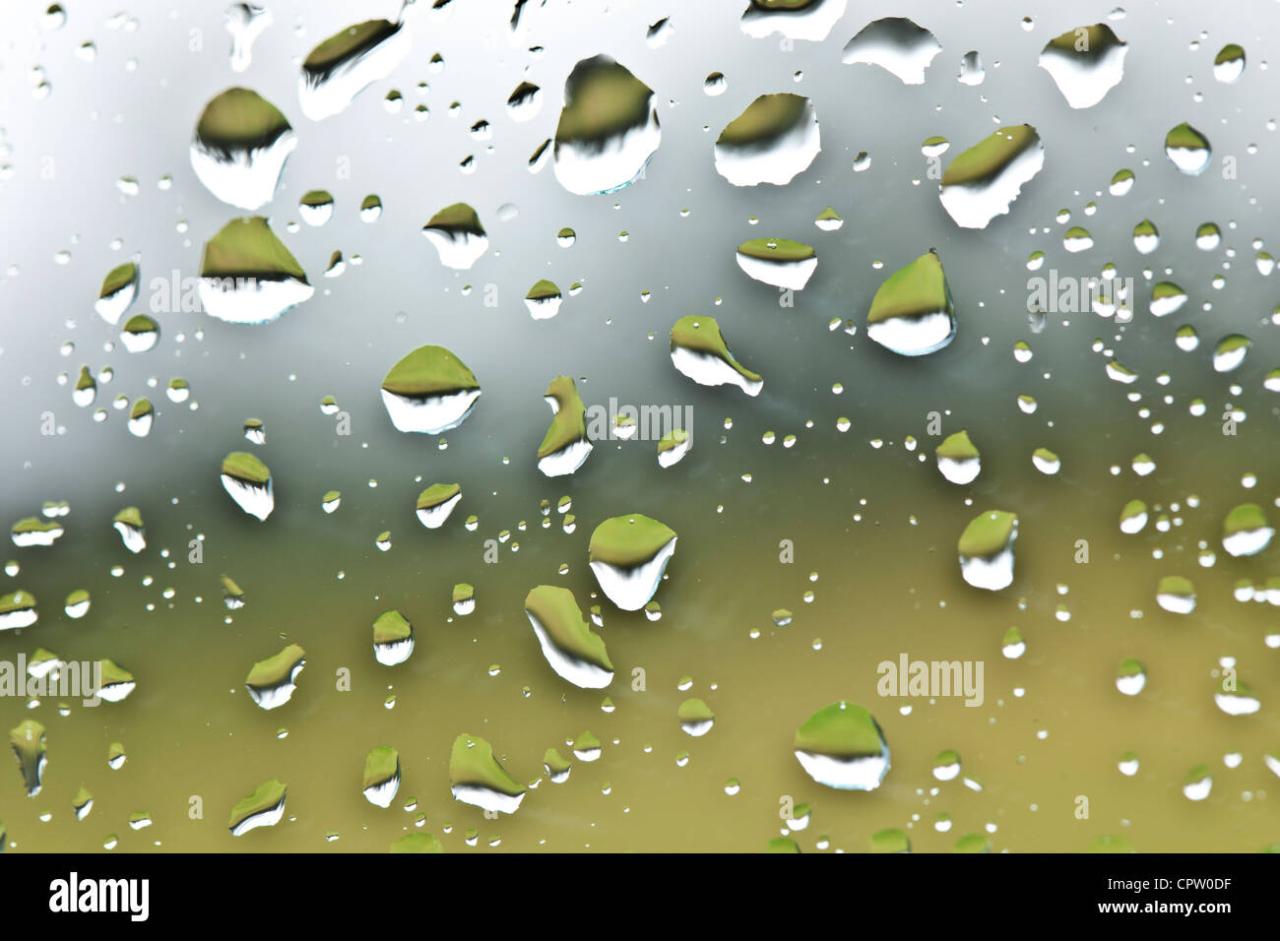
Once you have a handle on the technical aspects of capturing sharp raindrop images, the next crucial step is to elevate your photographs through thoughtful composition and framing. This section will guide you in arranging elements within your frame to create visually compelling images that draw the viewer in and highlight the beauty of raindrops.Effective composition transforms a simple snapshot into a work of art by guiding the viewer’s eye, emphasizing key subjects, and conveying a specific mood or narrative.
By understanding and applying various compositional techniques, you can make your raindrop photography stand out.
Using Leading Lines to Guide the Viewer’s Eye
Leading lines are natural or man-made elements within a scene that draw the viewer’s attention and direct it towards the main subject. In raindrop photography, these lines can create a sense of depth and movement, adding dynamism to your images.Consider the following applications of leading lines:
- Window Panes: The vertical and horizontal lines of a window frame can act as strong leading lines, especially when viewed from the inside looking out. Position your camera to utilize these lines to direct the viewer’s gaze towards a cluster of raindrops or a particularly interesting pattern.
- Branches and Stems: When shooting raindrops on foliage, the natural curves of branches or the straight lines of stems can serve as leading lines. Follow the line of a branch as it leads to a leaf adorned with water droplets.
- Puddles and Reflections: The edge of a puddle or the distorted lines within a reflection can create intriguing leading lines that add a sense of perspective and depth to your composition.
- Architectural Elements: If shooting raindrops on man-made structures, look for railings, fences, or building edges that can guide the eye towards your subject.
Isolating Individual Raindrops for Macro-Style Shots
Capturing the intricate details of a single raindrop requires a focused approach to composition. Macro-style shots emphasize the unique spherical shape, internal reflections, and the way light interacts with these tiny water spheres.Techniques for isolating individual raindrops include:
- Shallow Depth of Field: Employ a wide aperture (low f-number) to blur the background and foreground, making a single raindrop the undeniable focal point. This technique is particularly effective when a raindrop is perched on a contrasting surface.
- Careful Framing: Zoom in tightly on the chosen raindrop. Eliminate distracting elements from the frame by adjusting your shooting angle and position. Sometimes, a simple black or white background can make the raindrop pop dramatically.
- Focus Stacking (Advanced): For ultimate sharpness and detail across the entire raindrop, consider focus stacking. This involves taking multiple shots of the same raindrop with slightly different focus points and then merging them in post-processing to create an image with an extended depth of field.
- Utilizing Contrast: Place a raindrop against a dark or brightly colored background to enhance its visibility and make it stand out.
Incorporating the Surrounding Environment into Raindrop Compositions
While individual raindrops can be captivating, incorporating the broader environment can add context, mood, and narrative to your photographs. This approach tells a story about where and how the rain is falling.Ideas for integrating the environment:
- Background Blur: Use a shallow depth of field to keep the raindrops sharp while rendering the background as a soft, abstract blur of colors and shapes. This technique can create a dreamy and atmospheric effect.
- Contextual Elements: Include elements that indicate the location, such as a cityscape blurred in the background, the silhouette of trees, or the texture of a garden fence. This adds a sense of place to your raindrop images.
- Reflections within Drops: Position your camera so that reflections of the surrounding environment are visible within the raindrops themselves. This can create miniature worlds within each droplet.
- Silhouettes: Capture raindrops against a bright sky or a light source to create striking silhouettes of objects or landscapes.
Capturing the Interaction of Raindrops with Textures
The way raindrops interact with different textures can lead to incredibly dynamic and visually interesting compositions. The surface tension of water and the physical properties of the texture combine to create unique patterns and effects.Opportunities for capturing these interactions:
- Leaves: Raindrops clinging to the waxy surface of leaves often form perfect spheres or elongated shapes. The veins of the leaf can act as natural leading lines, and the green of the leaf provides a vibrant backdrop.
- Cobwebs: Delicate cobwebs adorned with tiny water droplets resemble exquisite beaded necklaces. The fine strands of the web offer a challenging yet rewarding subject for macro photography.
- Petals: Flower petals, with their soft curves and often vibrant colors, provide a beautiful canvas for raindrops. The texture of the petal can influence how the water sits, creating unique patterns.
- Glass and Metal: Observe how raindrops bead up on smooth surfaces like glass or form rivulets on metal. These interactions can create abstract patterns and intriguing reflections.
Organizing a Series of Compositional Approaches for Different Surfaces
Different surfaces lend themselves to distinct compositional strategies due to their inherent properties and how they interact with water. Understanding these differences allows for tailored approaches to maximize visual impact.Here are compositional approaches categorized by surface type:
| Surface Type | Compositional Approach | Key Considerations |
|---|---|---|
| Flat Glass (Windows, Shower Doors) | Utilize reflections, create patterns with rivulets, isolate individual beads of water. | The uniformity of glass allows for clean lines and strong reflections. Look for patterns formed by multiple drops merging or running down the pane. |
| Textured Glass (Frosted, Etched) | Emphasize the diffusion of light through the texture and water, focus on abstract patterns. | The texture itself becomes an integral part of the composition, breaking up light and creating unique visual effects. Macro shots can reveal intricate details. |
| Leaves and Petals | Highlight the natural curves and veins, use the color of the foliage as a backdrop, frame individual drops on specific leaf structures. | The organic shapes and colors offer a natural beauty. The way water adheres to the surface is crucial, often forming perfect spheres or elongated shapes along veins. |
| Cobwebs and Fine Strands | Focus on the delicate interplay of light and water on fine threads, use a shallow depth of field to isolate the beaded effect. | These subjects are inherently macro-focused. The challenge is to capture the ephemeral beauty of water droplets suspended on nearly invisible threads. |
| Metal Surfaces | Exploit reflections and the way water beads or streaks, look for abstract patterns formed by water flow. | Metal can offer interesting reflective qualities, but also shows water streaks clearly. The contrast between the metal and the water can be striking. |
Post-Processing for Enhanced Raindrop Images
Once you have captured your raindrop photographs, the post-processing stage is crucial for bringing out the best in your images. This is where you can refine details, enhance clarity, and ensure your raindrops truly pop. Think of it as polishing a gemstone; the raw material is there, but editing reveals its full brilliance.Editing software offers a powerful suite of tools to transform your initial captures into stunning visual narratives.
The goal is to accentuate the delicate beauty of raindrops, making them the undeniable stars of your composition.
Adjusting Clarity and Contrast
Enhancing clarity and contrast in post-processing is fundamental to making individual raindrops stand out against their background. These adjustments help to define the edges of the water droplets and create a sense of depth.
Common adjustments include:
- Clarity Slider: This tool selectively increases mid-tone contrast, making textures appear sharper and more defined. For raindrops, it can emphasize their spherical shape and the way they refract light. Use this slider judiciously, as overdoing it can lead to an unnatural, “crunchy” look.
- Contrast Slider: A general increase in contrast will deepen the shadows and brighten the highlights, making the overall image more dynamic. This is particularly effective in making darker backgrounds recede and brighter raindrops appear more luminous.
- Dehaze Slider: While often used to cut through atmospheric haze, the Dehaze slider can also be very effective in adding punch to raindrops. It increases local contrast and saturation, making the droplets appear more solid and distinct.
- Tone Curve: For more precise control, the tone curve allows you to adjust the brightness and contrast of specific tonal ranges. You can create an S-curve to increase overall contrast, or selectively lift the highlights to make raindrops gleam.
Reducing Noise While Preserving Wet Textures
Raindrops, especially when captured in low light or with higher ISO settings, can introduce digital noise. It is essential to reduce this noise without sacrificing the fine details that define the wet surfaces and the raindrops themselves.
Effective noise reduction involves a balanced approach:
- Luminance Noise Reduction: This targets random variations in brightness. Apply this gently to smooth out graininess without making the image appear muddy.
- Color Noise Reduction: This addresses color speckles. It’s often best to apply this sparingly, as too much can lead to color shifts and loss of subtle hues.
- Masking and Selective Adjustments: Consider using masks to apply noise reduction only to areas that need it, such as smooth backgrounds, while preserving the detail in the textured surfaces of wet leaves or glass. Software like Adobe Lightroom and Photoshop offer sophisticated masking tools.
- Sharpening after Noise Reduction: Sometimes, noise reduction can slightly soften an image. Applying a touch of sharpening after noise reduction can help to bring back some of the lost detail.
Sharpening and Enhancing Raindrop Edges
The crispness of a raindrop’s edge is critical to its visual impact. Sharpening techniques can make these edges more defined and highlight the refractive qualities of the water.
Techniques for sharpening include:
- Unsharp Mask (USM): This is a classic sharpening filter. Adjust the Amount, Radius, and Threshold to control the intensity and extent of the sharpening. A small Radius is usually best for fine details like raindrops.
- Smart Sharpen: This offers more control, allowing you to specify whether to sharpen by Gaussian Blur or Lens Blur, and to adjust shadows and highlights separately.
- High Pass Sharpening: This method involves duplicating your layer, applying a High Pass filter, and then setting the layer’s blend mode to Overlay or Soft Light. This can provide a very controlled and effective sharpening effect.
- Focus Masking: In some editing software, you can use a focus mask to identify areas that are in sharpest focus, and then apply sharpening selectively to those areas, ensuring that your raindrops are perfectly defined.
“The magic of a raindrop lies not just in its form, but in how it interacts with light and its surroundings. Post-processing helps us reveal that interaction.”
Color Correction for Vibrant and Distinct Raindrops
Accurate and appealing color correction is vital for making raindrops appear vibrant and distinct. This involves adjusting white balance, saturation, and hue to reflect the mood of the scene and enhance the visual appeal of the water droplets.
A typical color correction workflow includes:
- White Balance: Ensure the white balance is set correctly to avoid unnatural color casts. This might involve adjusting the temperature and tint sliders.
- Saturation and Vibrance: Vibrance is a more intelligent slider that boosts colors that are less saturated while leaving already saturated colors largely untouched. Saturation boosts all colors equally. Use Vibrance first for a natural enhancement, then Saturation if more punch is needed.
- HSL Adjustments: The Hue, Saturation, and Luminance (HSL) panel allows for precise control over individual color ranges. You can adjust the hue of blues in the water, the saturation of greens in wet foliage, or the luminance of highlights on the raindrops to make them brighter.
- Split Toning: Adding subtle color tints to the highlights and shadows can create a specific mood. For instance, adding a cool blue to the shadows and a warmer tone to the highlights can add depth and dimension.
Selectively Enhancing Specific Areas
Selective enhancements allow you to guide the viewer’s eye and draw attention to the most compelling elements of your image, namely the raindrops. This is achieved through targeted adjustments using masks and local editing tools.
Techniques for selective enhancement include:
- Dodging and Burning: This traditional darkroom technique, now available digitally, allows you to selectively lighten (dodge) or darken (burn) specific areas. You can dodge the highlights on raindrops to make them sparkle or burn the background to push it further into shadow, making the raindrops stand out more.
- Gradient and Radial Filters: These tools allow you to apply adjustments to a specific area of your image with a smooth transition. A radial filter can be used to brighten and sharpen individual raindrops, while a gradient filter can darken the edges of the frame to draw focus to the center.
- Adjustment Brushes: For highly precise control, adjustment brushes allow you to paint specific edits onto your image. You can use a brush to increase clarity, contrast, or brightness on individual raindrops or groups of them.
- Layer Masks in Photoshop: Photoshop’s layer masks are incredibly powerful for selective editing. You can create multiple adjustment layers and use masks to apply their effects only to the desired areas, allowing for complex and nuanced enhancements.
Advanced Techniques and Creative Approaches
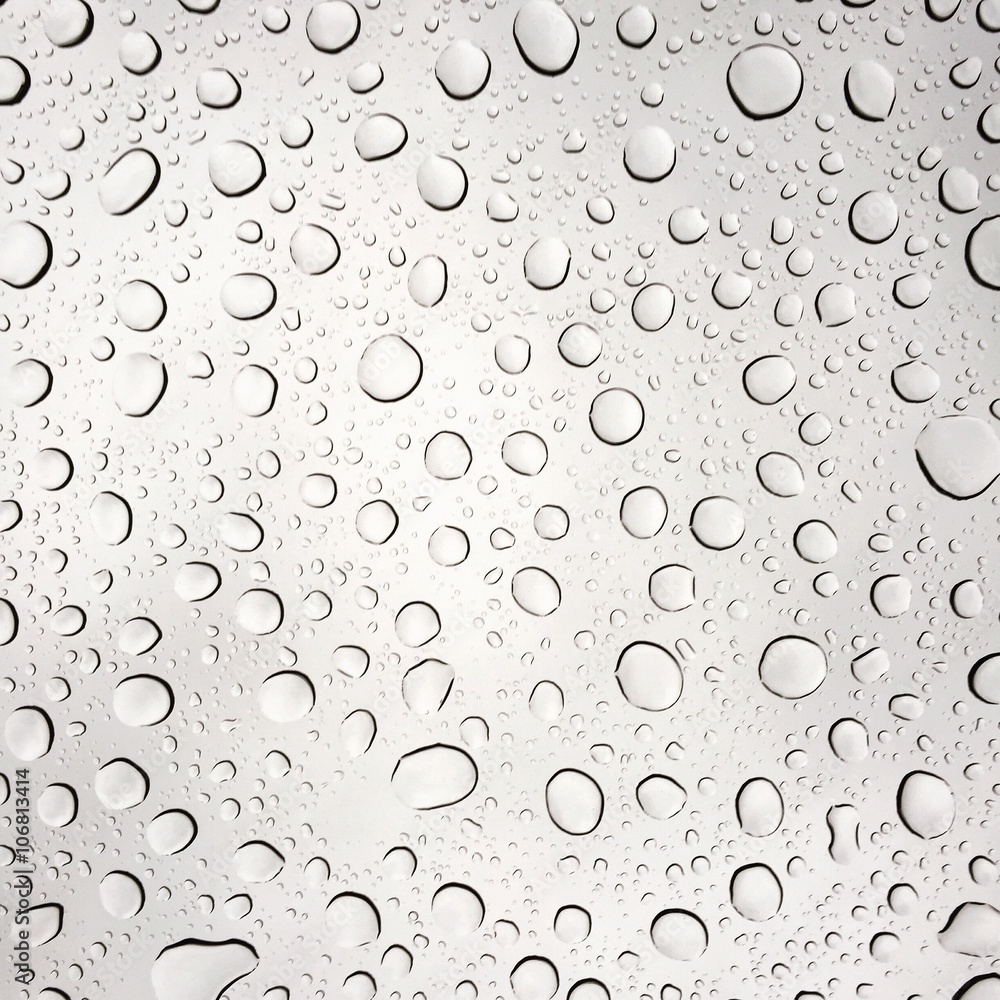
Beyond the foundational elements of capturing raindrops, a world of advanced techniques and creative approaches awaits to elevate your imagery. This section delves into methods that push the boundaries of conventional raindrop photography, allowing for more dynamic, artistic, and impactful results. By mastering these techniques, you can transform simple water droplets into captivating visual stories.Moving beyond static captures, we explore methods to imbue your raindrop photographs with a sense of action and dynamism.
This involves understanding how to isolate and highlight the fleeting moments of impact and movement, creating images that are not just visually appealing but also convey energy and life.
Background Blur for Enhanced Raindrop Focus
Achieving a blurred background, often referred to as bokeh, is a powerful technique to make individual raindrops or patterns of droplets pop with striking clarity. This isolation draws the viewer’s eye directly to the subject, minimizing distractions and emphasizing the delicate beauty of the water.To achieve significant background blur, several photographic principles come into play:
- Wide Aperture (Low f-number): Using a lens with a wide maximum aperture (e.g., f/1.4, f/1.8, f/2.8) is paramount. This creates a shallow depth of field, meaning only a narrow plane of the image will be in sharp focus, rendering the background significantly out of focus.
- Subject Distance: The closer your camera is to the raindrops, and the further the background is from the raindrops, the more pronounced the blur will be. This spatial relationship is crucial for effective bokeh.
- Focal Length: Longer focal lengths (telephoto lenses) tend to compress the scene and can enhance the perception of background blur compared to wider lenses at the same aperture and distance.
- Lens Quality: The quality of your lens can influence the aesthetic of the bokeh. Some lenses produce smoother, more pleasing out-of-focus areas than others.
Capturing Raindrop Movement and Splash
The ephemeral nature of raindrops offers unique opportunities to capture motion and the dynamic impact of water. Freezing these moments requires precise control over shutter speed and understanding the physics of water in motion.Methods for capturing the movement and splash of raindrops include:
- Fast Shutter Speeds: To freeze the action of a raindrop hitting a surface, extremely fast shutter speeds are essential. Shutter speeds of 1/1000th of a second or faster are typically required to stop the motion of a falling droplet and its initial impact splash.
- Water Droplet Generators: For controlled splash photography, specialized equipment like water droplet generators can be used. These devices allow for precise control over the size, speed, and trajectory of falling droplets, enabling photographers to create consistent and repeatable splash patterns.
- Strobe Lighting: The use of strobes, particularly in conjunction with fast shutter speeds, is highly effective. A strobe flash lasts for a very short duration, acting like a fast shutter speed itself, and can illuminate the fast-moving water droplets, freezing them in mid-air.
- Backlighting: Illuminating the scene from behind the raindrops can create dramatic silhouettes and highlight the intricate shapes of splashes as they form. This technique uses the light to define the edges and contours of the moving water.
Creative Ideas for Unconventional Surfaces
While glass is a common canvas for raindrop photography, exploring unconventional surfaces can lead to unique and artistic interpretations of rain. These surfaces can interact with the water in unexpected ways, creating textures, colors, and patterns that are distinct from those found on smooth glass.Creative ideas for shooting raindrops on unconventional surfaces include:
- Textured Metals: Raindrops on brushed or patinated metal can create interesting patterns of adhesion and flow, with the metal’s surface adding a sense of grit or aged beauty.
- Natural Elements: Observe how raindrops behave on leaves, petals, or even rough stone. The porous nature of these surfaces can lead to unique absorption and diffusion of light.
- Fabric and Textiles: Raindrops on different types of fabric, such as silk, denim, or wool, will create varied absorption rates and visual textures, from shimmering beads on silk to dark, saturated patches on wool.
- Food Items: Experimenting with fruits, vegetables, or even baked goods can yield surprisingly artistic results, with water droplets accentuating the natural colors and textures of the food. For example, raindrops on the waxy skin of an apple can create miniature lenses.
High-Speed Photography for Intricate Splash Patterns
High-speed photography, often involving specialized equipment and techniques, is the key to revealing the mesmerizing, fleeting beauty of intricate splash patterns. These moments, invisible to the naked eye, can be frozen and examined in exquisite detail, showcasing the physics of fluid dynamics in action.The use of high-speed photography to freeze intricate splash patterns involves:
- Dedicated High-Speed Cameras: These cameras are designed to capture images at extremely high frame rates (thousands of frames per second), allowing for the analysis of motion that occurs in fractions of a millisecond.
- Precision Triggering Systems: To capture the precise moment of impact and splash, sophisticated triggering systems are employed. These can be sound-activated, light-beam-activated, or pressure-sensitive, ensuring the camera fires exactly when the droplet hits the surface.
- Powerful Strobe Lights: As mentioned previously, short-duration strobe flashes are critical. These flashes act as the “shutter” for high-speed photography, illuminating the splash for an incredibly brief period, effectively freezing its motion.
- Controlled Environments: Achieving consistent and detailed results often requires a controlled environment where factors like droplet size, impact velocity, and lighting are meticulously managed. This might involve laboratory-like setups.
For instance, capturing a single drop of water hitting a milk surface can produce crown-shaped splashes with secondary droplets radiating outwards. High-speed photography reveals the formation of the central column, the thinning of the liquid sheet, and the subsequent ejection of smaller droplets, a process that unfolds in milliseconds but can be studied in great detail with this technology.
Creative Project: “Urban Reflections”
Design a creative project focusing on a specific theme using raindrop imagery. The “Urban Reflections” project aims to capture the transient beauty of rain in an urban environment, highlighting how raindrops transform mundane cityscapes into abstract works of art.The project will involve:
- Theme: The interplay of rain, urban architecture, and light. The focus will be on how raindrops distort and reframe the familiar elements of a city, creating unique visual narratives.
- Subject Matter: Shooting raindrops on windows of urban buildings, car windshields, streetlights, and puddles. The project will explore reflections within the droplets themselves and how they capture and distort the surrounding urban scene.
- Mood and Tone: Evoking a sense of introspection, melancholy, and the quiet beauty found in everyday urban moments during a rain shower.
- Color Palette: Utilizing the muted tones of a rainy day, punctuated by the artificial lights of the city, which will be reflected and refracted by the raindrops.
- Execution: Employing techniques such as shallow depth of field to isolate droplets, backlighting from streetlights to create glowing halos, and fast shutter speeds to freeze the splash of raindrops on pavement. The project will aim to create a series of images that tell a story of the city transformed by rain.
For example, an image might capture a raindrop on a bus window, within which a blurred, colorful reflection of neon signs and passing headlights is visible, while the city outside the bus remains softly out of focus. Another image could focus on a puddle on a sidewalk, where the distorted reflection of a skyscraper is captured by the ripples and droplets on its surface.
The goal is to present the urban environment through a new, water-infused lens, revealing its hidden aesthetic qualities.
Final Summary
By mastering these techniques, you will be well-equipped to capture the ephemeral magic of raindrops on glass, creating images that are both technically sound and artistically compelling. We encourage you to experiment, observe, and let the rain inspire your next photographic masterpiece.