Embarking on the journey of capturing the magic of dancers under the dramatic glow of stage lighting is a rewarding endeavor. This comprehensive guide delves into the intricacies of this specialized field, offering practical advice and insightful techniques to elevate your dance photography.
From understanding the nuances of theatrical illumination to mastering your camera’s settings and applying compelling compositional strategies, we will explore how to transform fleeting moments into enduring visual art. We’ll also address the common challenges faced during live performances and provide effective solutions, ensuring your images beautifully convey the energy, emotion, and artistry of dance.
Understanding Stage Lighting for Dance Photography
Capturing the ephemeral beauty and dynamic energy of dance on stage requires a keen understanding of how light shapes the performance. Stage lighting is not merely illumination; it’s a crucial element that defines mood, sculpts form, and guides the audience’s eye, all of which profoundly impact the resulting photographs. Mastering these principles will elevate your dance photography from simple documentation to evocative art.The way light interacts with the dancers and the stage environment is paramount.
Different intensities, colors, and angles can dramatically alter the perception of movement, emotion, and the overall narrative of a dance piece. By learning to anticipate and leverage these lighting characteristics, photographers can create compelling images that resonate with the spirit of the performance.
Fundamental Types of Stage Lighting
Stage lighting encompasses a variety of fixtures and techniques designed to illuminate the performance space. Understanding these fundamental types is the first step in effectively photographing dance.
- Spotlights: These are directional lights that create a concentrated beam, ideal for isolating a dancer or a specific area of the stage. They can be used to draw attention and create dramatic contrast.
- Floodlights: Providing a broader, more diffused wash of light, floodlights are used to illuminate larger areas of the stage, ensuring general visibility. They can create an even, ambient glow.
- Fresnel lights: These lights offer a soft-edged beam that can be focused or widened, providing a versatile illumination that is often used for general stage lighting and creating atmospheric effects.
- Parabolic Aluminized Reflector (PAR) lights: PAR cans produce a strong, focused beam of light and are often used in groups to create washes of color or to highlight specific elements. They are known for their durability and bright output.
- LED fixtures: Modern LED lights offer immense flexibility in terms of color mixing, intensity control, and energy efficiency. They can produce a vast spectrum of colors and are often used for dynamic lighting changes.
Impact of Lighting Colors on Mood and Movement Perception
The color of stage lighting plays a vital role in setting the emotional tone of a performance and can significantly influence how movement is perceived in photographs. Each color evokes different psychological responses and can enhance or alter the visual impact of a dancer’s form and motion.
- Warm colors (reds, oranges, yellows): These colors often convey passion, energy, intensity, and warmth. Red can suggest drama, urgency, or sensuality, while yellow might evoke joy or a sense of brightness. In photography, these colors can make dancers appear more vibrant and dynamic, especially during energetic movements.
- Cool colors (blues, greens, purples): These hues typically evoke calmness, serenity, melancholy, mystery, or a sense of spaciousness. Blue can create a feeling of introspection or tranquility, while green might suggest nature or growth. Purple can add an element of royalty, magic, or introspection. These colors can emphasize the fluidity and grace of movement, making it appear more ethereal or contemplative.
- White light: Pure white light offers a neutral and clean illumination, allowing for accurate color rendering of costumes and skin tones. It can highlight details and textures, emphasizing the dancer’s musculature and the precision of their movements. However, excessive white light can sometimes appear harsh.
- Gels and filters: The use of colored gels or digital color mixing in LED fixtures allows for precise control over the lighting palette. A single scene can transition through multiple colors, each telling a different part of the story and influencing the mood and the way the dancer’s body is perceived. For instance, a shift from a cool blue to a warm red can signify a change in emotional state or narrative progression.
Common Lighting Setups and Their Effects
The way lights are arranged on stage directly affects the appearance of the dancers and the overall photographic outcome. Understanding these common setups helps in anticipating how the light will sculpt the dancers and what photographic opportunities they present.
- Frontal lighting: Lights positioned directly in front of the dancers provide even illumination, minimizing shadows and revealing details clearly. This setup is excellent for capturing facial expressions and the clarity of movement but can sometimes flatten the image, reducing the sense of three-dimensionality.
- Backlighting (rim lighting): Lights placed behind the dancers create a bright Artikel or “rim” around their bodies, separating them from the background and adding a sense of depth and dimension. This technique can make dancers appear more sculptural and highlight the edges of their forms, especially during leaps and turns.
- Side lighting: Lights positioned to the sides of the stage create strong shadows that emphasize the contours and musculature of the dancers. This can add drama and intensity, highlighting the power and form of the dancer’s physique. It’s particularly effective for capturing the lines and shapes of the body.
- Top lighting (overhead lighting): Lights directly above the dancers can create dramatic shadows on the face and body, adding a sense of mystery or intensity. This can be used to sculpt the dancer’s form from above, creating unique visual effects.
- Gobo projections: Gobos are stencils placed in lighting fixtures to project patterns or images onto the stage and dancers. These can add texture, visual interest, and thematic elements to the scene, creating intricate designs that interact with the dancers’ movements.
Essential Lighting Considerations for Photographing Live Dance Performances
Successfully photographing dance under stage lighting involves a proactive approach to understanding and adapting to the lighting conditions. Being prepared for the dynamic nature of stage lighting is crucial for capturing impactful images.
Before the performance begins, it is vital to consider several key aspects of the lighting design and how they will affect your photography. This preparation allows for more informed decisions and better anticipation of photographic opportunities.
- Light intensity and dynamic range: Stage lighting can vary dramatically in brightness. You need to be prepared to handle both very bright and very dark areas within the same scene. Understanding your camera’s dynamic range and how to expose for highlights and shadows is essential.
- Color temperature and white balance: Different lighting sources emit light with varying color temperatures. Incorrect white balance can lead to unnatural color casts in your images. Setting a custom white balance or shooting in RAW format allows for post-processing adjustments.
- Directionality and shadow control: The direction of light dictates the shadows. Be aware of where shadows will fall on the dancers and how they will affect the clarity of their poses and expressions. Backlighting and side lighting can create dramatic effects but may obscure facial details.
- Color gels and filters: Pay attention to the colors being used. Different colors will affect the rendition of skin tones and costumes. Some colors can be challenging to capture accurately, while others can enhance the mood and aesthetic of the photograph.
- Movement and focus: Stage lighting often changes rapidly, coinciding with the dancers’ movements. You need to anticipate these changes and be ready to capture sharp images, often requiring faster shutter speeds or careful focus tracking.
- Ambient light vs. focused light: Differentiate between broad washes of light and sharp, focused beams. Each presents different challenges and opportunities. Broad washes might require managing ambient light, while spotlights demand precise exposure control.
- Stage environment and background: Consider how the lighting interacts with the stage set and backdrop. Lighting can highlight or obscure these elements, influencing the overall composition and storytelling of your photograph.
Camera Settings for Capturing Dancers in Motion
Mastering camera settings is paramount to translating the dynamism and artistry of dance into compelling photographs. Stage lighting presents unique challenges, demanding precise adjustments to aperture, shutter speed, ISO, and white balance to ensure sharp focus, appropriate motion rendering, and accurate color representation. This section will guide you through optimizing these crucial settings for various dance genres.The aperture controls the depth of field, determining how much of the scene is in focus.
For dance photography, striking a balance between keeping the dancer sharp and rendering the background with an artistic blur is often desired.
Optimal Aperture Settings
Achieving sharp dancers while maintaining artistic depth of field requires careful aperture selection. A wider aperture (smaller f-number) will produce a shallower depth of field, effectively isolating the dancer from the background and drawing the viewer’s eye to their form and expression. Conversely, a narrower aperture (larger f-number) will increase the depth of field, ensuring more of the stage and surrounding elements are in focus.
- Wide Apertures (f/1.4 – f/2.8): Ideal for isolating a single dancer or a small group against a dark or busy background. This setting is excellent for creating a dramatic, artistic look by blurring distractions. It also allows more light into the camera, which is beneficial in dimly lit stage environments.
- Moderate Apertures (f/4 – f/5.6): Offers a good balance between dancer sharpness and a reasonably controlled depth of field. This range is versatile and suitable for capturing multiple dancers in a group or when you want a bit more of the stage environment to be discernible.
- Narrower Apertures (f/8 and above): Generally less common in low-light stage photography due to light limitations, but can be used in well-lit scenarios or for specific creative effects where maximum depth of field is desired, such as capturing the entire ensemble and the stage architecture.
The choice of aperture is also influenced by the lens’s focal length and the distance to the subject. Longer focal lengths tend to have a shallower depth of field at equivalent f-stops compared to wider lenses.The shutter speed is your primary tool for controlling motion blur in dance photography. It dictates how long the camera’s sensor is exposed to light, and consequently, how movement is rendered in the final image.
Shutter Speed for Motion Rendering
The role of shutter speed in freezing or conveying the fluidity of dance movements is critical. Whether you aim to capture the peak of an athletic leap with absolute sharpness or to illustrate the graceful flow of a pirouette through intentional blur, your shutter speed choice is paramount.
- Freezing Motion (1/500s and faster): To capture a dancer’s precise pose, a high shutter speed is essential. This is particularly important for fast-paced genres like ballet leaps, contemporary jumps, or energetic hip-hop. A shutter speed of 1/500s can freeze most motion, while 1/1000s or faster will ensure even the most rapid movements appear static and sharp. This technique highlights the dancer’s form, muscle definition, and the power of their movements.
- Conveying Fluidity (1/15s to 1/125s): To illustrate the grace and flow of movement, slower shutter speeds can be employed. This introduces a controlled amount of motion blur, which can artistically represent the dancer’s trajectory or the sweep of a costume. This technique requires a steady hand or a tripod and often benefits from panning with the dancer to keep them relatively sharp while the background blurs.
It is particularly effective for conveying the ephemeral nature of dance.
- Creative Motion Blur (below 1/15s): Very slow shutter speeds can create significant blur, transforming dancers into ethereal streaks of light and color. This is a highly artistic choice, often used to emphasize energy and momentum rather than precise form. It demands excellent stabilization and careful execution.
When using slower shutter speeds, image stabilization in your lens or camera body can be a valuable asset, though it may not always compensate for the movement of a fast-moving subject.In the often challenging lighting conditions of a stage, managing ISO is a delicate act of balancing the need for sufficient exposure with the potential for image noise.
Appropriate ISO Range
The appropriate ISO range aims to balance image brightness with noise reduction in varied lighting conditions. Stage lighting can fluctuate dramatically, from bright spotlights to deep shadows, requiring flexible ISO settings to achieve well-exposed images without sacrificing image quality.
- Low ISO (ISO 100-400): This is the ideal range for optimal image quality, producing the cleanest images with minimal noise. It is best used when ample light is available, such as during rehearsals in a well-lit studio or on stages with powerful lighting.
- Mid-Range ISO (ISO 800-3200): As lighting conditions dim, you will likely need to increase your ISO. This range is often a good compromise, providing enough brightness for a usable exposure without introducing excessive noise. Many modern cameras perform admirably within this range, producing images that can be effectively edited.
- High ISO (ISO 6400 and above): This range should be used cautiously and only when necessary. While it allows for shooting in very low light, images captured at these high ISO settings will exhibit more visible noise (grain). Modern noise reduction software can help mitigate this, but it’s always preferable to use the lowest ISO possible for the given lighting.
When deciding on an ISO, consider the dynamic range of your camera and your tolerance for noise. Shooting in RAW format provides more flexibility for noise reduction in post-processing.Accurate color reproduction is crucial for capturing the mood and visual impact of a dance performance. Stage lights, often a mix of gels and varying color temperatures, can trick your camera’s automatic white balance.
White Balance Adjustments for Color Accuracy
A guide to white balance adjustments for accurate color reproduction under stage lights is essential for ensuring that the vibrant costumes and atmospheric lighting are captured as intended. Incorrect white balance can lead to images with unnatural color casts, such as overly blue or yellow tones, which detract from the performance’s visual appeal.
- Auto White Balance (AWB): While convenient, AWB can be unreliable under complex stage lighting. It may struggle to accurately interpret the mixed color temperatures and can result in inconsistent color casts across different shots.
- Preset White Balance Settings: Many cameras offer presets like “Tungsten,” “Fluorescent,” or “Daylight.” For stage lighting, “Tungsten” (often represented by a lightbulb icon) can sometimes approximate the warm tones of certain stage lights, while “Fluorescent” might be useful for cooler, more modern lighting. However, these are often educated guesses.
- Custom White Balance: This is the most accurate method. It involves taking a photograph of a neutral gray card or a white object under the actual stage lighting conditions. You then tell your camera to use this image as the reference for white. This ensures that the camera understands the exact color temperature of the light and will render colors faithfully.
- Manual Kelvin (K) Setting: If your camera allows, you can manually set the color temperature in Kelvin. Stage lighting can vary significantly, but common ranges might be from 2800K (warm, tungsten-like) to 5500K (neutral) or even higher for cooler blues. Experimentation and a good understanding of color temperature are key here.
- Post-Processing (RAW): Shooting in RAW format provides the most flexibility. You can adjust the white balance non-destructively in editing software, allowing you to fine-tune the colors to perfection after the shoot.
It is advisable to shoot a few test shots with different white balance settings and review them on your camera’s LCD to ensure satisfactory results before committing to a full performance.Different dance genres present unique challenges and require tailored camera configurations to best capture their essence.
Recommended Camera Configurations for Dance Genres
A set of recommended camera configurations for different dance genres can help photographers adapt their settings to the specific demands of each style. Understanding the typical movement, lighting, and aesthetic of a genre allows for more intentional and effective photographic choices.
| Dance Genre | Typical Movement Characteristics | Recommended Aperture | Recommended Shutter Speed | Recommended ISO | White Balance Strategy | Focus Mode |
|---|---|---|---|---|---|---|
| Classical Ballet | Graceful, precise, often airborne movements, strong lines, ethereal quality. | f/2.8 – f/5.6 (to isolate dancer) | 1/250s – 1/1000s (to freeze leaps and turns) | ISO 800 – 3200 (adjust based on light) | Custom White Balance or Kelvin (experiment with warmer tones for classical feel) | Continuous AF (AF-C) with Eye-AF if available. |
| Contemporary Dance | Fluid, dynamic, often grounded movements, expressive, can be abstract. | f/2.8 – f/4 (for depth and isolation) | 1/125s – 1/500s (to show some motion blur or freeze dynamic poses) | ISO 1600 – 6400 (often lower light) | Custom White Balance or Kelvin (neutral to slightly warm) | Continuous AF (AF-C) with tracking. |
| Jazz/Musical Theatre | Energetic, sharp, rhythmic, theatrical, often involves strong poses and quick transitions. | f/4 – f/5.6 (to keep more of the action in focus) | 1/250s – 1/800s (to freeze sharp movements) | ISO 800 – 3200 | Custom White Balance (neutral to slightly cool if lighting is cool) | Continuous AF (AF-C) with good subject tracking. |
| Tap Dance | Fast footwork, rhythmic, often requires capturing detail in the feet and lower body. | f/5.6 – f/8 (to ensure feet and body are in focus) | 1/500s – 1/1000s (to freeze the rapid foot strikes) | ISO 400 – 1600 (if well lit) | Custom White Balance (neutral) | Continuous AF (AF-C) with high frame rate if possible. |
| Ballroom/Latin Dance | Partner work, flowing, dynamic, social and performance-oriented. | f/4 – f/5.6 (to keep both partners reasonably sharp) | 1/125s – 1/500s (to show flow and freeze moments) | ISO 800 – 3200 | Custom White Balance (adjust to match ambient light) | Continuous AF (AF-C) with partner tracking if available. |
These are starting points, and actual settings will depend heavily on the specific lighting, venue, and your creative vision. Always be prepared to adjust on the fly.
Compositional Techniques in Stage Dance Photography
Capturing the essence of dance on stage goes beyond simply freezing a moment; it involves thoughtfully composing each frame to tell a story and highlight the dancer’s artistry. Effective composition transforms a static photograph into a dynamic narrative, drawing the viewer into the performance and conveying the emotion and physicality of the dance.The principles of composition are your tools for guiding the viewer’s eye and creating a powerful visual impact.
By understanding and applying these techniques, you can elevate your stage dance photography from mere documentation to compelling art.
Principles of Framing and Composition for Dancer’s Form and Narrative
The way you frame your subject and arrange elements within the photograph significantly influences how the dancer’s form and the performance’s narrative are perceived. A well-composed image can emphasize the dancer’s lines, strength, fluidity, and the emotional arc of the piece.
- Rule of Thirds: Imagine your frame divided into nine equal sections by two horizontal and two vertical lines. Placing key elements, such as the dancer’s eyes or a significant pose, along these lines or at their intersections creates a more balanced and engaging composition than centering the subject.
- Symmetry and Balance: While the rule of thirds often promotes asymmetry, intentional symmetry can convey a sense of order, stability, or grandeur, especially in classical ballet or synchronized movements. Asymmetrical balance, achieved by placing a large subject on one side and smaller elements on the other, can create dynamic tension.
- Proportion and Scale: Consider how the dancer relates to their surroundings, including the stage, props, and other performers. This relationship can emphasize the dancer’s power, vulnerability, or isolation, contributing to the narrative.
- Framing within the Frame: Utilize elements of the stage, such as doorways, curtains, or architectural features, to create a natural frame around the dancer. This technique adds depth and draws the viewer’s attention specifically to the dancer.
- Narrative Elements: Identify the story or emotion the dance is conveying and use composition to amplify it. For instance, a dancer reaching out might be framed to emphasize their yearning, or a powerful leap might be captured with ample space above to suggest freedom.
Strategies for Using Leading Lines and Negative Space
Leading lines and negative space are powerful compositional tools that can guide the viewer’s eye and enhance the visual storytelling in your dance photographs. They add depth, focus, and a sense of atmosphere to your images.
- Leading Lines: These are natural or man-made lines within the frame that draw the viewer’s eye towards the main subject. In stage photography, leading lines can be created by:
- The edges of the stage
- Raked floorboards
- Staircases or ramps
- Choreographic formations
- Lighting beams
- Props on stage
Using leading lines effectively can direct attention to the dancer’s movement and position, creating a sense of flow and dynamism.
- Negative Space: This refers to the empty or uncluttered areas in a photograph surrounding the subject. While it might seem counterintuitive in a busy performance, strategic use of negative space can:
- Isolate the dancer, emphasizing their individual presence and emotion.
- Create a sense of scale and grandeur.
- Allow the viewer’s eye to rest and focus on the subject without distraction.
- Convey feelings of solitude, contemplation, or freedom.
Consider the lighting on the stage; dark, empty areas can serve as effective negative space, making the illuminated dancer stand out even more dramatically.
Techniques for Capturing Peak Action and Expressive Moments
The most impactful dance photographs capture the pinnacle of a movement or a fleeting, genuine expression. This requires anticipation, precise timing, and an understanding of the dancer’s physical vocabulary.
- Anticipation: Familiarize yourself with the choreography. Knowing when a leap will occur, a turn will reach its apex, or a particular gesture will be made allows you to pre-focus and be ready.
- Burst Mode: Utilize your camera’s burst mode (continuous shooting) during key moments. This increases your chances of capturing the perfect fraction of a second, whether it’s the highest point of a jump or the most intense facial expression.
- Focus on the Eyes: In many forms of dance, the eyes are crucial for conveying emotion and intent. If possible, aim to have the dancer’s eyes in sharp focus, especially during close-ups or when emotion is paramount.
- Capturing Transitions: Sometimes, the moments just before or after peak action can be incredibly expressive, revealing the effort, grace, or vulnerability involved in achieving that peak.
- Facial Expressions: Be observant of subtle changes in the dancer’s face. A slight grimace, a serene smile, or a look of intense concentration can add profound narrative depth to your images.
The Impact of Camera Angle on Perceived Power and Grace
The perspective from which you shoot can dramatically alter the viewer’s perception of a dancer’s power, grace, and the overall mood of the performance. Experimenting with different angles is key to unlocking these effects.
- Low Angle: Shooting from a low angle, looking up at the dancer, can make them appear larger, more powerful, and heroic. This perspective emphasizes their strength and dominance over the stage space, particularly effective for jumps and dynamic poses.
- High Angle: A high angle, looking down on the dancer, can create a sense of vulnerability, delicacy, or even submission. It can also emphasize the patterns of movement on the floor or the relationship between multiple dancers.
- Eye-Level Angle: Shooting at eye level with the dancer creates a more intimate and relatable connection. It allows the viewer to feel as though they are sharing the dancer’s experience and can emphasize their expressiveness and connection with the audience.
- Side Angle: A side angle can effectively showcase the lines and curves of the dancer’s body, highlighting their form and the flow of their movements. It’s excellent for capturing the silhouette and the profile of the dancer.
- Diagonal Angles: Shooting from a slightly off-center or diagonal angle can add dynamism and a sense of movement to the photograph, preventing it from feeling static.
Visual Examples Demonstrating Effective Compositional Choices
To illustrate these principles, consider these descriptive scenarios:
Example 1: The Heroic Leap (Low Angle)
Imagine a male dancer executing a grand jeté. The camera is positioned very low, almost at floor level, looking upwards. The dancer is captured at the apex of his jump, his body stretched in a powerful arc against the dark, subtly lit backdrop of the theatre. The low angle emphasizes the height of the jump and the muscularity of his legs and torso, conveying immense power and athleticism.
The stage floor lines might lead the eye upwards towards his soaring form.
Example 2: The Solitary Contemplation (Negative Space)
A female dancer sits on the edge of the stage, bathed in a single, soft spotlight. The rest of the stage is in deep shadow, creating a vast expanse of negative space around her. Her posture is one of quiet introspection, perhaps with her head bowed. The large area of darkness isolates her, drawing all attention to her subtle expression and the graceful curve of her spine.
The negative space enhances the feeling of her solitude and the emotional weight of the moment.
Example 3: The Dynamic Trio (Leading Lines and Rule of Thirds)
Three dancers are arranged in a dynamic pose. One dancer is slightly forward, while the other two are positioned behind and to the sides, creating a triangular composition. The leading lines of their outstretched arms or the diagonal placement of their bodies guide the viewer’s eye through the group. The primary dancer might be placed near an intersection of the rule of thirds, while the supporting dancers fill the frame to create balance and visual interest, showcasing their collective energy and interaction.
Example 4: The Elegant Silhouette (Side Angle and Framing)
A dancer is performing a fluid, arabesque pose. The camera is positioned to the side, capturing the dancer’s profile. A subtle backlight silhouettes their form against a slightly brighter background, emphasizing the elegant lines of their extended leg, the curve of their back, and the extension of their arms. The edges of a stage curtain or a piece of set design might subtly frame the dancer, adding depth and context without distracting from their form.
Lighting Challenges and Solutions for Dance Performances
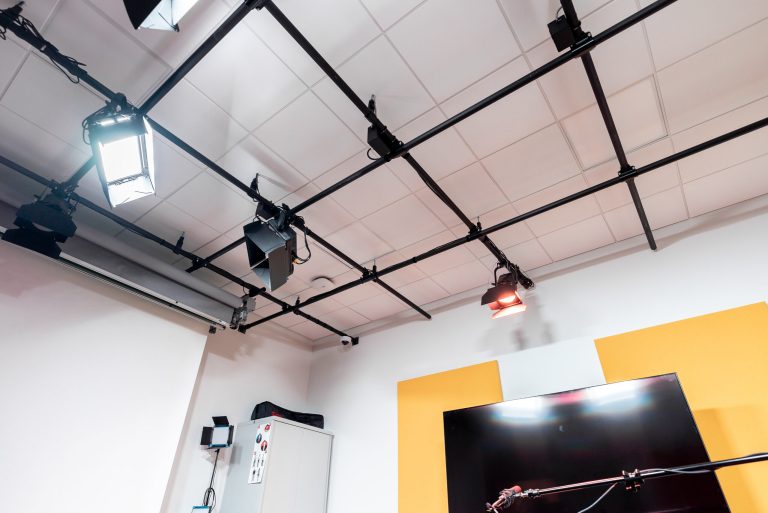
Photographing dancers under stage lighting presents a unique set of challenges that require careful consideration and strategic approaches. The dynamic nature of dance, combined with the often dramatic and variable stage lighting, can lead to images that are either technically flawed or fail to capture the essence of the performance. Understanding and anticipating these challenges is key to producing compelling dance photography.Stage lighting is designed to create mood, highlight movement, and guide the audience’s attention.
For photographers, this translates into a complex environment where light intensity, color temperature, and direction can shift rapidly. Successfully navigating these conditions demands adaptability and a deep understanding of how light interacts with the dancers and the camera.
Common Lighting Challenges and Mitigation Strategies
Stage lighting can be inherently difficult to work with, often resulting in uneven illumination, harsh shadows, and color casts that can detract from the intended artistic vision. Addressing these issues requires a proactive approach to camera settings and post-processing.
Harsh shadows can obscure details of the dancers’ form and movement, while overly bright areas can lead to blown-out highlights. Uneven illumination can make it difficult to expose for both the subject and the background simultaneously, creating a distracting contrast.
To combat these issues, photographers can employ several strategies:
- Exposure Bracketing: Capturing multiple exposures of the same scene at different exposure values (e.g., -2, 0, +2 EV) allows for greater flexibility in post-processing. This technique, known as High Dynamic Range (HDR) imaging, enables the merging of these exposures to retain detail in both the shadows and highlights, creating a more balanced and visually pleasing image.
- Selective Metering: Understanding your camera’s metering modes is crucial. Spot metering, for instance, can be used to prioritize exposure on a specific part of the dancer, such as their face or a key limb, even if other areas are significantly brighter or darker. This requires careful judgment to ensure the most important elements are correctly exposed.
- Utilizing Diffused Light: If possible, positioning yourself to capture dancers illuminated by softer, more diffused light sources can reduce the harshness of shadows. This might involve shooting when a wash of light covers the stage rather than a sharp spotlight.
- Post-Processing Adjustments: Software like Adobe Lightroom or Photoshop offers powerful tools to adjust shadows, highlights, contrast, and white balance. These tools are invaluable for refining images that were captured in challenging lighting conditions.
Mitigating Lens Flare and Distracting Reflections
Lens flare, the scattering of light within the camera lens, can manifest as unwanted streaks, circles, or haziness, particularly when shooting towards bright light sources. Distracting reflections, often from shiny surfaces on costumes or stage elements, can also mar an otherwise excellent photograph.
These optical phenomena can significantly degrade image quality. Lens flare can reduce contrast and introduce color shifts, while reflections can pull attention away from the main subject.
Effective techniques to manage these issues include:
- Using a Lens Hood: A lens hood is an essential accessory that attaches to the front of the lens and shields the front element from stray light, significantly reducing the likelihood of lens flare.
- Shading the Lens: In situations where a lens hood is insufficient or not practical, using your hand or a piece of black card to block direct light from hitting the front of the lens can be an effective manual solution.
- Changing Camera Angle: Sometimes, a slight adjustment to your camera’s position or angle can eliminate distracting reflections or minimize lens flare by altering the path of light entering the lens.
- Careful Costume and Prop Selection (if applicable): While photographers have limited control over performance elements, being aware of excessively reflective costume materials or stage props can inform your shooting strategy.
- Post-Processing Removal: In some cases, minor lens flare or reflections can be reduced or removed using cloning and healing tools in editing software.
Working with Unpredictable Lighting Changes
Stage lighting is often dynamic, with colors, intensities, and positions of lights changing throughout a performance. This unpredictability poses a significant challenge for photographers trying to capture consistent and well-exposed images.
The rapid shifts in lighting can lead to underexposed or overexposed frames, as well as drastic changes in color balance, making it difficult to maintain a cohesive set of photographs.
To adapt to these changes, photographers can adopt the following methods:
- Shoot in RAW Format: RAW files capture the maximum amount of image data, offering far greater flexibility in post-processing to correct exposure and white balance issues caused by lighting shifts than JPEGs.
- Continuous Shooting Mode: Using your camera’s burst mode (continuous shooting) increases the chances of capturing a well-exposed frame during a fleeting moment of optimal lighting, even if the overall lighting is changing.
- Manual Exposure with Quick Adjustments: While challenging, setting your camera to manual exposure and being prepared to make rapid adjustments to aperture, shutter speed, or ISO as the lighting changes can yield the best results. Practice is key to developing the speed and intuition needed for this.
- Focus on Key Lighting Moments: Identify the moments in the performance where the lighting is most favorable or dramatic and be ready to capture them. This might involve anticipating cues or recognizing patterns in the lighting design.
- White Balance Presets and Custom White Balance: While auto white balance can struggle with stage lighting, using presets like “Fluorescent” or “Tungsten” can sometimes provide a better starting point. For the most accurate results, setting a custom white balance using a gray card under the prevailing stage light (if possible during a rehearsal) is ideal.
Using Available Light Creatively to Highlight Dancers’ Physicality
Stage lighting, even when challenging, can be a powerful tool for enhancing the dancers’ physicality and conveying the emotional narrative of the performance. Creative use of light and shadow can sculpt the body, emphasize movement, and add depth to the images.
Instead of viewing stage lighting solely as an obstacle, photographers can learn to harness its characteristics to create artistic and impactful photographs that showcase the dancers’ athleticism and artistry.
Techniques for creative use of available light include:
- Silhouetting: Positioning a dancer against a strong backlight can create a silhouette, emphasizing their form and the purity of their movement without the distraction of facial details. This technique is particularly effective for highlighting dynamic poses and lines.
- Chiaroscuro: The dramatic contrast between light and dark, known as chiaroscuro, can be used to sculpt the dancers’ bodies, adding a sense of three-dimensionality and drama. By strategically positioning yourself to capture areas of deep shadow alongside well-lit sections, you can create a powerful visual effect.
- Highlighting Texture and Form: Side lighting or backlighting can accentuate the texture of costumes, the musculature of the dancers, and the flow of fabric, adding a tactile quality to the photographs.
- Using Color Gels Creatively: Stage lighting often employs colored gels. Understanding how these colors interact with the dancers’ costumes and skin tones can lead to unique and evocative imagery. For example, a warm amber light might evoke a sense of intimacy, while a cool blue might convey a more somber or ethereal mood.
- Capturing Light Trails (with long exposures): In very low light or with specific lighting effects, a longer shutter speed can be used to capture light trails from moving dancers, creating abstract and dynamic visual effects that emphasize speed and fluidity. This requires a tripod and careful planning.
Comparison of Approaches: Solo Dancers vs. Group Choreography
The approach to photographing dancers under stage lighting differs significantly when focusing on a solo performer versus capturing the complexities of group choreography. Each scenario presents distinct challenges and opportunities.
Solo dancers offer a singular focal point, allowing for more intimate portraits and a direct emphasis on individual expression and technique. Group choreography, conversely, requires managing multiple subjects, their interactions, and the overall spatial composition of the stage.
| Aspect | Solo Dancer Photography | Group Choreography Photography |
|---|---|---|
| Focus | Individual expression, emotion, technique, and physicality. | Interactions between dancers, spatial relationships, patterns, and the overall narrative of the ensemble. |
| Lighting Challenges | Exposing for a single subject’s highlights and shadows. Isolating the dancer from busy backgrounds. | Ensuring all dancers within the frame are adequately lit. Managing complex shadow patterns created by multiple bodies. Avoiding overlapping dancers in shadow. |
| Compositional Considerations | Framing the dancer to emphasize their lines and movement. Using negative space effectively. | Arranging dancers within the frame to create visual balance and hierarchy. Capturing formations and transitions. Leading the viewer’s eye through the group. |
| Camera Settings Strategy | Often allows for more precise exposure and focus on the individual. Shutter speed can be optimized for capturing sharp movement of a single entity. | Requires a wider depth of field to keep multiple dancers in focus. Shutter speed needs to be balanced to freeze motion across the group without appearing jerky. |
| Creative Opportunities | Intimate portraits, dramatic use of single spotlights, highlighting subtle nuances of expression. | Creating patterns with bodies, emphasizing unity and synchronicity, capturing the ebb and flow of a larger performance. |
Post-Processing for Stage Dance Photos
Post-processing is a crucial stage in transforming raw dance photographs captured under challenging stage lighting into polished, impactful images. This phase allows you to refine details, enhance the mood, and ensure your final images accurately represent the artistry and dynamism of the performance. It’s where technical adjustments meet creative vision to elevate your dance photography.The goal of post-processing for stage dance photography is to overcome the inherent limitations of low-light, high-contrast stage environments.
By carefully adjusting various parameters, you can bring out the best in your images, making the dancers pop and the atmosphere of the performance palpable.
Essential Post-Processing Steps
This section Artikels the fundamental adjustments required to prepare your stage dance photos for final presentation. These steps form the backbone of an effective post-processing workflow.
- Import and Organize: Begin by importing your images into your preferred editing software (e.g., Adobe Lightroom, Capture One). Cull your selects, discarding technically flawed images and choosing those that best capture the essence of the performance.
- Initial Global Adjustments: Make broad adjustments to exposure, contrast, and white balance to create a solid foundation for further refinement.
- Local Adjustments: Employ targeted edits to specific areas of the image, such as enhancing the dancers’ features or the richness of their costumes.
- Color Correction and Grading: Fine-tune the colors to ensure accuracy and establish a consistent aesthetic across your series of images.
- Sharpening and Noise Reduction: Address the common issues of noise and softness often present in low-light photography.
- Retouching: Perform subtle retouching to enhance the dancers’ appearance and accentuate their movements without making the image look unnatural.
Adjusting Exposure, Contrast, and Highlights
Stage lighting often creates dramatic contrasts, with bright spotlights and deep shadows. Mastering the adjustments for exposure, contrast, and highlights is key to retaining detail in both the brightest and darkest areas of your dance photographs.The interplay between light and shadow is fundamental to capturing the drama of dance. Understanding how to manipulate these elements in post-processing allows you to reveal the texture of costumes, the contours of dancers’ bodies, and the overall mood of the performance.
- Exposure: This is your primary tool for controlling the overall brightness of the image. If an image is too dark, increasing exposure will lift the shadows. Conversely, if it’s too bright, decreasing exposure will darken it. Be mindful of clipping, where details are lost in pure white or pure black.
- Contrast: Contrast refers to the difference between the lightest and darkest areas. Increasing contrast makes the image punchier, while decreasing it creates a softer look. For dance, a moderate level of contrast often works well to define form and movement.
- Highlights: This slider specifically targets the brightest parts of your image. You can reduce highlights to recover detail in blown-out areas, such as shimmering costumes or bright spotlights.
- Shadows: Conversely, the shadows slider allows you to brighten the darkest areas, revealing details in costumes or the background that might otherwise be lost. Use this judiciously to avoid a “flat” or overly brightened look.
- Whites and Blacks: These sliders offer more extreme control than highlights and shadows, affecting the absolute white and black points of your image. Adjusting them can help set the overall tonal range and punch of your photograph.
Color Correction and Grading for Impactful Aesthetics
Stage lighting can often cast unusual color casts, and achieving a consistent and appealing color palette is vital for a cohesive set of dance photographs. Color correction ensures accuracy, while color grading allows you to infuse your images with a specific mood or style.The colors in a performance contribute significantly to its emotional impact. Through careful color work, you can amplify the intended atmosphere, whether it’s vibrant and energetic or subtle and melancholic.
- White Balance: This is the first step in color correction. Stage lights can be tungsten (warm, yellowish), LED (variable), or even colored gels. Use the white balance tool to neutralize any unwanted color casts and ensure that whites appear white.
- Saturation and Vibrance: Saturation boosts all colors equally, while vibrance intelligently boosts muted colors more than already saturated ones. For dance, you might want to increase vibrance to make costumes pop, but avoid over-saturation, which can look artificial.
- Hue, Saturation, and Luminance (HSL) Adjustments: This powerful tool allows you to target specific color ranges. You can adjust the hue (the color itself), saturation (the intensity), and luminance (the brightness) of individual colors. For instance, you might want to deepen the red of a dancer’s costume or slightly desaturate a distracting background color.
- Color Grading: This is the artistic process of applying a specific color palette to your images to create a desired mood. For example, you might lean towards cooler blues and greens for a serene ballet or warmer oranges and reds for a passionate contemporary piece. Split toning, where you apply different colors to the highlights and shadows, is a common technique.
“Color is a power which directly influences the soul.”Wassily Kandinsky. Applying this principle through thoughtful color grading can profoundly enhance the emotional resonance of your dance photography.
Sharpening and Noise Reduction for Low-Light Performances
Low-light conditions often necessitate higher ISO settings, which can introduce digital noise into your images. Similarly, the fast motion of dancers can lead to slight softness. Strategic sharpening and noise reduction are essential for clarity and detail.The challenge of stage lighting is often compounded by the need for faster shutter speeds to freeze motion, leading to higher ISO. Balancing noise reduction with maintaining detail is a delicate art.
- Noise Reduction: Most editing software offers dedicated noise reduction tools. There are typically two types: luminance noise (graininess) and color noise (colored speckles). Start with subtle adjustments and zoom in to monitor the effect. Overdoing noise reduction can lead to a “plastic” or overly smooth appearance, losing fine details.
- Sharpening: Sharpening enhances edge definition. Apply it selectively, often after noise reduction, as noise can interfere with the sharpening process. Use a masking technique to apply sharpening only to the edges of dancers and costumes, avoiding smooth areas where it can exaggerate noise.
- Radius and Detail sliders: These controls within sharpening tools determine the width of the edges being sharpened and the level of fine detail preserved. Experiment to find the right balance.
- Post-Noise Reduction Sharpening: It’s often beneficial to re-apply a touch of sharpening after noise reduction to restore some of the lost crispness.
Workflow for Retouching Dancers’ Images
Retouching in dance photography should be about enhancing the dancer’s artistry and presence, not altering their natural appearance. The aim is to refine details that might have been affected by the lighting or the demands of the performance.A thoughtful retouching workflow ensures that the dancer’s hard work and expression are beautifully presented, respecting their form and performance.
- Spot Healing: Use spot healing tools to remove temporary blemishes like stray hairs, dust specks on costumes, or minor skin imperfections that are distracting and not part of the intended aesthetic.
- Skin Smoothing (Subtle): If necessary, apply very gentle skin smoothing to reduce the appearance of harsh stage lighting on skin. This should be done with extreme subtlety to maintain texture. Avoid making skin look unnaturally smooth or waxy.
- Enhancing Fabric Detail: If costumes have intricate textures or patterns that have been slightly obscured by lighting, you can use localized contrast adjustments or texture enhancers to bring these details back to the forefront.
- Eye Enhancement: A very slight brightening or contrast adjustment to the eyes can add life and focus to a dancer’s portrait, helping their expression connect with the viewer.
- Body Contouring (Rarely and with Caution): In exceptional cases, very minor adjustments might be made to subtly enhance the lines of a dancer’s body to emphasize a pose, but this should be done with extreme restraint to avoid distorting the dancer’s natural form. The focus should always remain on capturing the movement and artistry.
Gear and Equipment for Dance Performance Photography
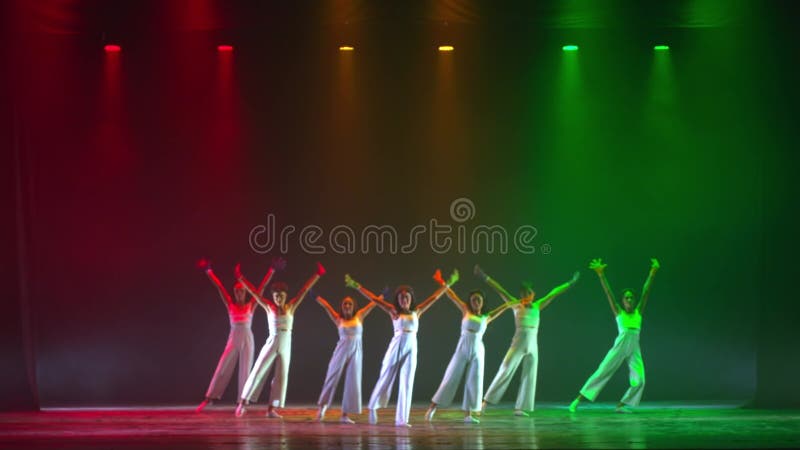
Capturing the dynamic essence of dancers under stage lighting requires a thoughtful selection of gear. The right equipment can significantly enhance your ability to freeze motion, manage challenging light, and compose compelling images. This section will guide you through the essential tools for successful stage dance photography.The interplay of movement and light on stage presents unique photographic challenges. Investing in appropriate camera bodies, lenses, and accessories will not only improve image quality but also ensure you don’t miss critical moments.
Recommended Camera Bodies and Lenses
Choosing the right camera and lenses is fundamental to capturing high-quality images of dancers. For stage photography, cameras with excellent low-light performance and fast autofocus systems are highly beneficial. Lens selection should prioritize versatility, speed, and image clarity.Here are some recommendations for camera bodies and lenses suitable for stage dance photography:
- Camera Bodies: Full-frame DSLR or mirrorless cameras are generally preferred due to their superior low-light performance and dynamic range, which are crucial for handling the often high-contrast stage lighting. Look for models with advanced in-body image stabilization and fast burst shooting rates. Examples include the Canon EOS R series, Nikon Z series, and Sony Alpha series.
- Lenses: A versatile zoom lens that covers a range from wide-angle to telephoto is a good starting point. Prime lenses, particularly those with wide apertures (f/1.4 to f/2.8), excel in low light and provide beautiful background blur (bokeh) that can isolate dancers.
- Standard Zoom: A 24-70mm f/2.8 lens offers great flexibility for various compositions, from wider stage shots to tighter portraits.
- Telephoto Zoom: A 70-200mm f/2.8 lens is invaluable for capturing details and intimate moments from a distance without disturbing the performance.
- Prime Lenses: A 50mm f/1.4 or f/1.8, or an 85mm f/1.4 or f/1.8, are excellent for low-light conditions and achieving shallow depth of field.
External Flashes and Lighting Modifiers
While stage lighting is often dramatic, it can also be unpredictable and insufficient for freezing fast motion. External flashes and lighting modifiers can provide supplementary light or shape existing light, offering greater control over the final image.The strategic use of external flashes and modifiers can overcome common stage lighting issues:
- External Flashes: Off-camera flashes can be used to fill in shadows, add a catchlight to the dancers’ eyes, or create a more balanced exposure, especially in very dark venues. Wireless flash triggers are essential for controlling flashes placed away from the camera.
- Lighting Modifiers: Softboxes, umbrellas, or even simple diffusers can soften harsh stage lights, reducing unflattering shadows and creating a more pleasing aesthetic. Snoots can be used to create focused beams of light on specific dancers or elements of the set.
“When stage lighting is insufficient, an off-camera flash can be a dancer’s best friend, providing the necessary light to freeze motion and reveal detail.”
Tripods and Monopods for Stability
Long shoots, especially those involving low light or a need for precise framing, benefit greatly from stability. Tripods and monopods provide a steady platform, reducing camera shake and allowing for slower shutter speeds when necessary.Consider these points when choosing between tripods and monopods:
- Tripods: A sturdy tripod is ideal for situations where you can set up in one location for an extended period, such as during rehearsals or dress rehearsals where movement might be less restricted. Look for tripods with a good weight capacity and adjustable legs for uneven surfaces.
- Monopods: A monopod offers more mobility than a tripod and is often preferred in live performance settings where space is limited or you need to change shooting positions frequently. They provide excellent support, significantly reducing fatigue during long shoots and improving sharpness.
For dance photography, a monopod is often the more practical choice for live performances, offering a balance of stability and freedom of movement.
Essential Accessories for Uninterrupted Shooting
Beyond cameras and lenses, several accessories are crucial for ensuring a smooth and uninterrupted shooting experience. These items help prevent common problems like running out of power or storage space.These accessories are vital for maintaining workflow and capturing every moment:
- Extra Batteries: Digital cameras, especially when using autofocus and shooting in burst mode, consume significant battery power. Always carry at least two to three fully charged spare batteries for your camera.
- Memory Cards: High-speed, high-capacity memory cards are essential for shooting RAW files and long bursts of action. It is advisable to have multiple cards so you can swap them out if one becomes full or if you encounter any issues. Consider carrying more cards than you think you’ll need.
- Lens Cleaning Kit: Stage environments can be dusty. A small lens cleaning kit, including a microfiber cloth and lens cleaning solution, is important for maintaining clear optics.
- Camera Bag: A comfortable and protective camera bag is necessary for transporting your gear safely and accessing it quickly.
Portable Lighting Solutions for Smaller Venues or Rehearsals
For smaller venues, community theaters, or rehearsal sessions where professional stage lighting may be absent or minimal, portable lighting solutions become indispensable. These tools allow you to supplement or create your own lighting environment.Here are some portable lighting options to consider:
- On-Camera Speedlights: While not ideal for direct on-camera use due to harshness, speedlights can be bounced off ceilings or walls, or used with diffusers and modifiers, to provide soft, ambient light in smaller spaces.
- Small LED Panels: Portable LED panels offer continuous light that can be adjusted for brightness and color temperature. They are excellent for rehearsals or when you need to add subtle illumination without the flash. Some models are battery-powered, making them very versatile.
- Reflectors: A simple collapsible reflector can be used to bounce available light back onto the dancers, filling in shadows and adding dimension to the scene. A white or silver side can be used depending on the desired effect.
When working in uncontrolled lighting environments, such as rehearsals, portable lights allow you to sculpt the light and create a more dramatic and photographic look, even without a dedicated stage setup.
Outcome Summary
As we conclude, it’s clear that photographing dancers in stage lighting is a dynamic interplay of technical skill and artistic vision. By carefully considering lighting, camera settings, composition, and post-processing, you can create stunning images that truly capture the essence of performance. Equip yourself with the right gear and an understanding of these principles, and you’ll be well on your way to producing breathtaking dance photography.